


What Happened to Elton John’s Eyesight?
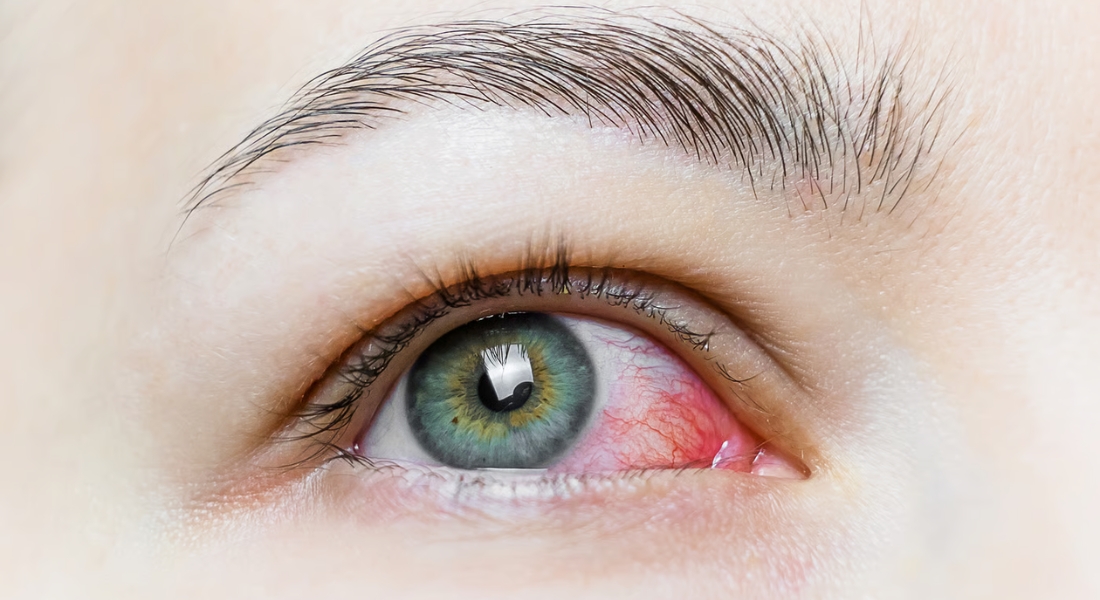
Sir Elton John has spoken about severe vision problems after developing an eye infection in 2024. He later said he had lost vision in his right eye and had limited sight in his left, making everyday activities such as reading and watching television more difficult.
The exact type of infection has not been publicly confirmed, so it would be wrong to speculate about the cause. His experience shows why you should not ignore an eye infection, particularly if you develop pain, worsening vision or other concerning symptoms.
What Happened to Elton John’s Right Eye?
Elton John first revealed in September 2024 that a severe eye infection had left him with limited vision in one eye. Later that year, he said the affected eye was his right eye and described losing his sight in it.
The vision loss affected what he could do, including watching performances. Public reports in 2026 continue to describe Elton John as having lost sight in his right eye, with limited vision in his left.
In late 2025, David Furnish also said that there was retinal damage in Elton John’s right eye and that treatment had brought some improvement in his left eye. However, the specific infection that originally caused his sight problems has still not been publicly confirmed.
Has Elton John Also Had Problems With His Left Eye?
Yes. Elton John has also described having poor vision in his left eye. In 2024, he said the sight in that eye was “not the greatest” and explained that his overall vision made reading, seeing lyrics and watching things normally more difficult.
However, it has not been publicly confirmed that the same infection affected both eyes. The exact cause and detailed eye examination findings have not been made public, so you should not assume that both eyes were affected by the same condition. Although some improvement in his left eye was reported in late 2025, public reports in 2026 still describe his overall vision as significantly impaired.
Do We Know Exactly What Eye Infection Elton John Had?
No. Elton John has described having a severe eye infection, but he has not publicly confirmed the specific medical diagnosis. You therefore cannot reliably say that he had a particular condition such as bacterial or viral keratitis.
This matters because “eye infection” can describe many different conditions, ranging from minor infections to serious infections that can threaten your sight. Without a confirmed diagnosis, it is best to avoid speculating about the exact cause of John’s vision loss.
Why Can an Eye Infection Threaten Your Sight?
A serious eye infection can affect delicate structures that are important for clear vision. The risk depends on where the infection develops and how severe it becomes.
- Corneal damage: Infection can cause ulcers or scarring on the clear front surface of your eye.
- Severe inflammation: Inflammation can affect how well different parts of your eye function.
- Deeper eye involvement: Some infections can damage structures inside your eye that are essential for vision.
- Delayed treatment: Waiting too long for treatment may increase the risk of lasting sight problems.
Not every eye infection threatens your vision, but worsening pain or blurred vision should not be ignored. Prompt assessment can help identify serious problems early.
What Is a Corneal Infection?
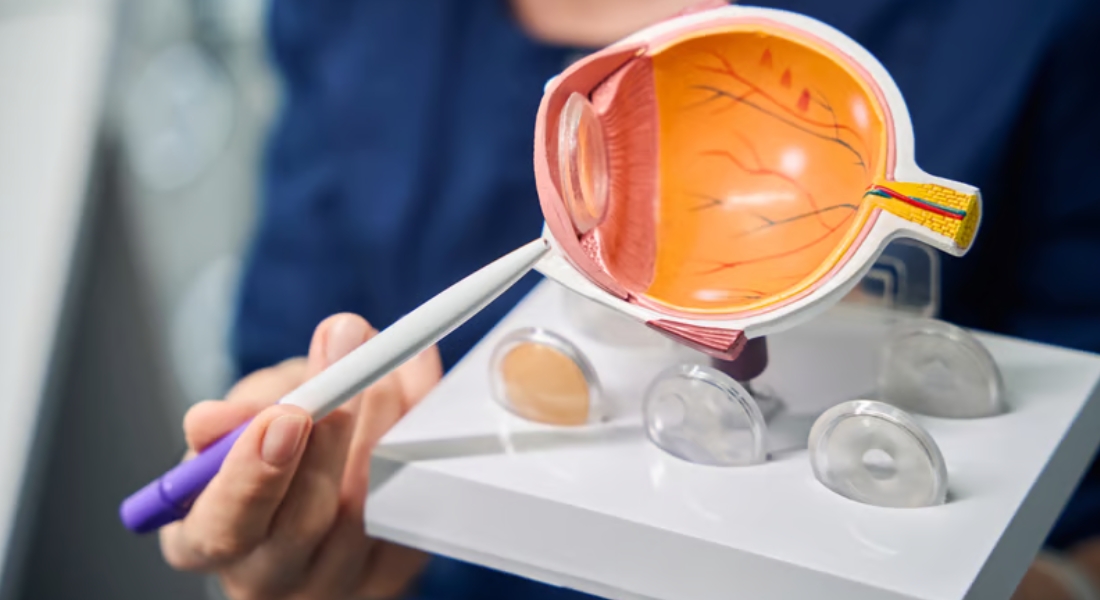
Your cornea is the clear, curved surface at the front of your eye, so damage to it can affect your vision. A serious infection, known as microbial keratitis, can cause a painful red eye, blurred vision and a feeling that something is stuck in your eye, and an ulcer may develop.
Contact lens use is an important risk factor, particularly if you wear lenses for too long or do not clean them properly. Severe infection can damage the cornea and leave permanent scarring, although there is no public evidence that this was the cause of Elton John’s vision loss.
Can Infection Develop Deeper Inside Your Eye?
Yes. An infection can sometimes affect the internal tissues of your eye rather than staying on the surface. One serious example is endophthalmitis, which can cause eye pain, redness, sensitivity to light and reduced vision and needs urgent treatment.
Treatment may involve taking fluid samples to identify the cause and giving antimicrobial treatment directly into your eye. Severe cases may also require vitrectomy surgery, but there is no public evidence that Elton John had endophthalmitis. It is simply an example of why some eye infections can be medical emergencies rather than minor problems.
Can Viruses or Other Organisms Cause Serious Eye Infections?
Yes. Serious eye infections are not always caused by bacteria. Viruses such as herpes simplex can cause keratitis, which may lead to pain, redness, blurred vision and light sensitivity. Repeated or severe infections can scar your cornea and affect your sight.
Other organisms can also cause serious infections. Acanthamoeba keratitis, for example, can be extremely painful and is particularly associated with contact lens use, while fungal infections can develop after certain eye injuries. Because treatment depends on the cause, if you develop a painful red eye or worsening vision, seek professional assessment rather than self-treating with leftover eye drops, particularly steroid drops.
What Symptoms Can Suggest a Serious Eye Infection?
A red eye is common and does not always mean your sight is at risk, but certain symptoms should make you more cautious. Significant pain, worsening or blurred vision, sensitivity to light, or a feeling that something is stuck in your eye can indicate a more serious infection.
You may also notice a white or grey spot on your cornea if an ulcer has developed. If your eye becomes noticeably more painful, red or blurry over hours or a day, you should seek urgent medical assessment rather than waiting for it to settle.
Eye Infection Symptoms and When to Seek Help
| Symptom | What it may suggest | What you should do |
| Mild redness or irritation | May occur with a minor surface problem | If you do not wear contact lenses and there is no pain or vision change, you can monitor mild symptoms briefly. Seek advice if they persist or worsen. If you wear contact lenses and develop a red eye, seek urgent assessment. |
| Significant eye pain | Can indicate a more serious corneal or internal eye problem | Seek urgent assessment |
| Blurred or worsening vision | May mean the infection is affecting structures involved in sight | Seek urgent assessment |
| Strong light sensitivity | Can occur with corneal inflammation or deeper eye involvement | Seek prompt medical assessment |
| White or grey spot on the cornea | May indicate a corneal ulcer | Seek urgent specialist assessment |
| Red, painful eye with contact-lens use | Can be associated with microbial keratitis | Remove the lenses and seek urgent clinical advice |
| Sudden severe vision loss | May indicate a sight-threatening eye condition | Seek emergency assessment |
How Does an Ophthalmologist Diagnose an Eye Infection?
Your ophthalmologist will usually start by asking about your symptoms, contact lens use, recent injuries and any eye surgery or procedures. They can then examine your eye using a slit lamp microscope to look for corneal ulcers, inflammation, discharge and signs of deeper infection.
If an ulcer or serious infection is suspected, your specialist may take a small sample for laboratory testing to identify the cause. If your vision is significantly reduced, they may also examine the inside of your eye or take fluid samples when deeper infection is suspected.
How Are Serious Eye Infections Treated?
Treatment depends on the cause and which part of your eye is affected. Bacterial corneal infections are usually treated with antibiotic eye drops, while viral infections such as herpes simplex keratitis require antiviral treatment. Acanthamoeba infections need specialist anti-amoebic medication and can take much longer to treat.
If an infection has spread deeper into your eye, you may need antibiotics delivered directly into the eye and, in severe cases, surgery. Elton John has not publicly shared details of his treatment, so there is no reliable information about which treatments he received.
Why Does Early Treatment Matter So Much?
Eye infections affecting your cornea or the deeper parts of your eye can sometimes cause damage quickly. If treatment is delayed, inflammation and tissue damage may lead to permanent scarring or lasting sight loss, particularly with serious infections such as microbial keratitis or endophthalmitis.
Getting treatment early also gives your ophthalmologist the chance to identify the cause and adjust your treatment if needed. If you develop worsening pain, redness, light sensitivity or a noticeable change in your vision, you should seek urgent assessment rather than waiting for it to improve.
Can Your Eyesight Recover After a Severe Eye Infection?
Sometimes, yes, but recovery can vary greatly. If your reduced vision is mainly caused by inflammation or swelling, your sight may improve as the infection settles and your eye heals.
Recovery can be more limited if the infection has caused permanent scarring or damaged deeper eye structures. This is why your ophthalmologist may not be able to predict your final vision straight away, as your response to treatment and healing over time can make a significant difference.
Why Can Vision Loss Remain After the Infection Has Gone?
Treating an eye infection can stop the infection, but it cannot always reverse the damage already caused. If your cornea has been left with a central scar or an irregular shape, light may not pass through it normally, so your vision can remain blurred even after the infection has cleared.
Deeper infections can also damage the retina or other structures involved in vision, some of which have limited ability to heal. In certain cases, treatments such as specialist contact lenses or corneal surgery may help improve your sight, depending on the type and extent of the damage.
Evidence Note
A 2024 systematic assessment of 158 published reports on Acanthamoeba keratitis found that corneal transplantation was required in 16.68% of reported cases, while corneal perforation occurred in 2.21%; fewer than 1% developed endophthalmitis. These figures relate specifically to Acanthamoeba keratitis, a rare but serious infection, rather than to ordinary red eye or all contact-lens infections.
This helps explain why a painful red eye, particularly in a contact-lens wearer, should be assessed promptly rather than self-treated. Early specialist assessment can help identify the cause and start the appropriate treatment before deeper damage develops.
How Has Elton John’s Vision Loss Affected His Work?
Elton John has spoken openly about how his vision loss has affected his everyday creative work. He has found it harder to read lyrics, work in the recording studio and watch performances such as The Devil Wears Prada, and he has also described the emotional impact of these changes.
Despite these difficulties, he has continued with creative work and has said that he can still play the piano and sing. However, his sight loss has made reading, watching television and visually working with material much more difficult.
Has Elton John Continued Making Music in 2026?
Yes. Despite his vision loss, Elton John has continued to create music. In May 2026, he said he had finished a new album and explained that his eyesight had forced him to change how he writes: instead of reading lyrics at the piano, he now develops melodies first and adds lyrics later.
This is a useful update to earlier reports that reading and studio work had become difficult. It also shows that severe sight loss does not necessarily stop creative work, although practical adaptations may be needed. His continued activity does not mean that his eyesight has recovered. Public reporting in 2026 continues to describe loss of sight in his right eye and limited vision in his left, and no detailed clinical diagnosis of the original infection has been made public.
How Can You Adapt if an Eye Infection Leaves Permanent Sight Loss?
If your vision remains reduced after an eye infection has been treated, the focus may shift towards making the most of the sight you still have. Depending on how much vision you have, you may benefit from larger text, good lighting, high-contrast screens, audiobooks, text-to-speech tools and voice-controlled devices.
A low-vision assessment can also help you find suitable magnification and other practical aids for everyday tasks. Adjusting emotionally can take time too, particularly when sight loss happens unexpectedly, so support from your healthcare team, family or a specialist service can be valuable.
When Should You Seek Urgent Help for a Possible Eye Infection?
You should seek urgent medical advice if you have a painful red eye with blurred or worsening vision, strong sensitivity to light or severe redness. If you suddenly lose vision or develop severe eye pain, you need emergency assessment.
If you wear contact lenses, be especially cautious about a red, painful eye, as a corneal infection is one possible cause. You should also seek urgent help if your symptoms are getting worse despite treatment, as some serious infections can cause permanent sight loss quickly.
UK Guidance Note
In the UK, a very painful red eye or a red eye in a contact-lens wearer needs urgent assessment. Go to A&E or call 999 if a red eye is accompanied by a change or loss of vision, severe light sensitivity or other severe symptoms. Sudden loss of vision also needs emergency assessment.
If you wear contact lenses and develop redness, pain or blurred vision, remove your lenses and seek clinical advice. Do not restart lens wear until an eye-care professional tells you it is safe.
Myth vs Fact
| Myth | Fact |
| We know exactly which infection caused Elton John’s sight loss. | No. He has publicly described a severe eye infection, but the specific diagnosis has not been disclosed. |
| Both of Elton John’s eyes definitely had the same infection. | No. He has reported poor vision in his left eye, but it has not been confirmed that the original infection affected both eyes. |
| A red eye is always a minor problem. | No. A painful red eye with vision changes or light sensitivity can indicate a sight-threatening condition. |
| Contact-lens infections are always bacterial. | No. Bacteria are common, but fungi and organisms such as Acanthamoeba can also cause serious corneal infection. |
| Once an infection clears, vision always returns to normal. | No. Permanent corneal scarring or deeper structural damage can leave lasting sight impairment. |
Key Takeaways
- Elton John developed a severe eye infection in 2024 and has since described profound vision loss in his right eye and impaired vision in his left.
- The exact infection has not been publicly confirmed, so it should not be labelled as bacterial keratitis, viral keratitis or endophthalmitis.
- Serious corneal or internal eye infections can sometimes cause permanent sight loss, particularly when significant tissue damage or scarring occurs.
- A painful red eye, worsening vision or significant light sensitivity needs urgent assessment, especially if you wear contact lenses.
- Early diagnosis and treatment are important because different infections require different specialist treatments.
Frequently Asked Questions
- What happened to Elton John’s eyesight?
Elton John developed a severe eye infection in 2024 that caused significant vision loss in his right eye. He has also spoken about having limited vision in his left eye, which has affected activities such as reading and watching television. - What eye infection did Elton John have?
Elton John has publicly described the problem as a severe eye infection but has not confirmed the specific diagnosis. It would therefore be inappropriate to assume that he had a particular type of bacterial, viral or fungal infection. - Did Elton John lose his eyesight completely?
Elton John has reported significant vision loss in his right eye rather than publicly describing complete blindness in both eyes. He has also said that his vision in his left eye is limited, although the exact extent and medical cause have not been publicly disclosed. - Can an eye infection cause permanent sight loss?
Yes, a severe eye infection can sometimes cause permanent vision loss if it damages important structures such as the cornea, retina or other internal tissues. The extent of recovery depends on the type and severity of the infection and how quickly treatment is started. - What are the warning signs of a serious eye infection?
A painful red eye accompanied by blurred or worsening vision, strong sensitivity to light or severe redness can indicate a more serious infection. If you suddenly lose vision or develop severe eye pain, you should seek emergency medical attention. - Can a corneal infection affect your vision?
Yes, a serious corneal infection can cause pain, redness, blurred vision and light sensitivity. If it causes an ulcer or permanent scarring, your vision may remain affected even after the infection has been successfully treated. - Can your eyesight recover after a severe eye infection?
Your vision may recover if the infection mainly causes temporary inflammation or swelling. However, recovery can be limited if the infection leaves permanent scarring or damages deeper structures within your eye. - How are serious eye infections treated?
Treatment depends on the cause and location of the infection. You may need antibiotic, antiviral or other specialist medication, while deeper infections can sometimes require treatment delivered directly into the eye or surgery. - How are serious eye infections diagnosed?
Your ophthalmologist will examine your eye using a slit lamp and ask about symptoms, contact lens use, injuries and previous eye procedures. If a serious infection is suspected, they may take a sample from the affected area for laboratory testing. - When should you seek urgent help for an eye infection?
You should seek urgent medical advice if you have a painful red eye with blurred or worsening vision, significant light sensitivity or severe redness. Sudden vision loss or severe eye pain requires emergency assessment because some serious eye conditions can threaten your sight quickly.
Final Thoughts: What Elton John’s Experience Can Teach You About Eye Infections
Elton John’s experience highlights how a serious eye infection can have a lasting impact on your vision. While not every red or irritated eye is a medical emergency, you should take symptoms such as significant pain, worsening vision or strong sensitivity to light seriously, particularly if they develop or worsen quickly. Prompt assessment gives you the best chance of receiving the right treatment and protecting your sight.
For non-emergency concerns about your eyesight, you can contact our team at Eye Clinic London for a comprehensive assessment and advice on the appropriate next steps. If you develop sudden vision loss, severe eye pain or another emergency symptom described above, seek emergency care rather than waiting for a routine clinic appointment.
References:
- Leck, A. (2024) ‘Microbial keratitis: a practical guide’, Community Eye Health, 37(124), pp. 1–2. Available at: https://pmc.ncbi.nlm.nih.gov/articles/PMC11921241/
- Jeang, L. and Tuli, S.S. (2022) ‘Therapy for contact lens-related ulcers’, Current Opinion in Ophthalmology, 33(4), pp. 282–289. Available at: https://pubmed.ncbi.nlm.nih.gov/35779052/
- Labib, B.A. and Chigbu, D.I. (2022) ‘Clinical Management of Herpes Simplex Virus Keratitis’, Diagnostics, 12(10), 2368. Available at: https://www.mdpi.com/2075-4418/12/10/2368
- Das, T. et al. (2023) ‘Consensus and controversies in the science of endophthalmitis management: Basic research and clinical perspectives’, Progress in Retinal and Eye Research, 97, 101218. Available at: https://www.sciencedirect.com/science/article/pii/S1350946223000575
- Posarelli, M. et al. (2024) ‘The incidence of severe complications in acanthamoeba keratitis: Qualitative and quantitative systematic assessment’, Survey of Ophthalmology, 69(5), pp. 769–778. Available at: https://www.sciencedirect.com/science/article/pii/S0039625724000699