


How Does Rheumatoid Arthritis Affect the Eyes?
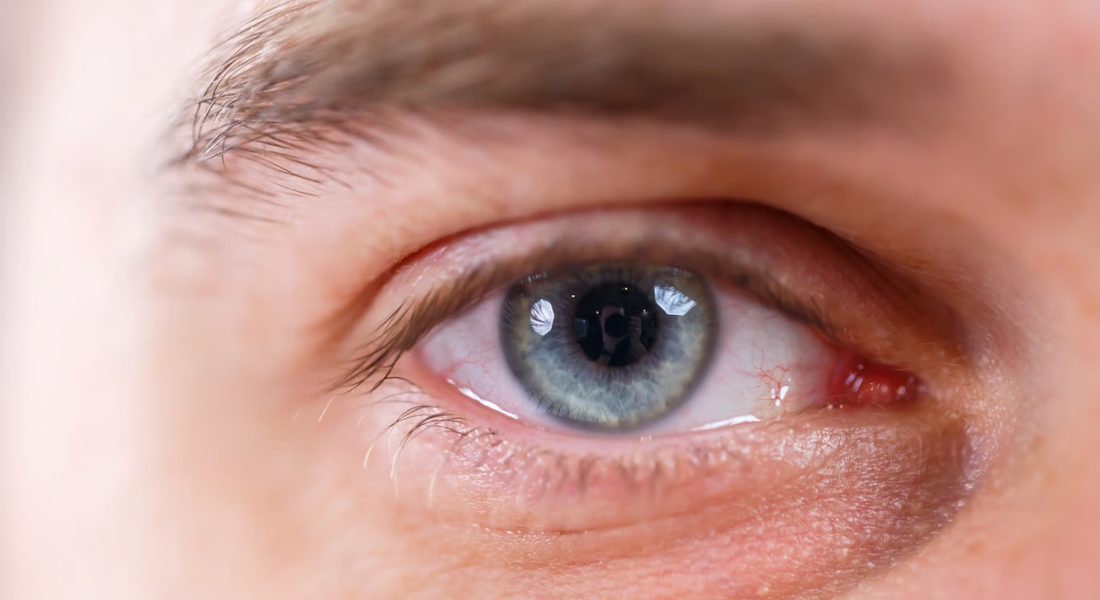
If you have rheumatoid arthritis (RA), you may think mainly about painful, swollen or stiff joints. However, RA is an autoimmune condition that can also affect other parts of your body, including your eyes. You may experience dry, gritty or irritated eyes, while some people develop inflammation that causes redness, discomfort or pain.
Not every episode of eye irritation is linked to RA, but knowing the possible signs can help you recognise when you may need medical advice. Understanding the difference between simple dryness and more significant eye inflammation can help you seek the right care at the right time.
Why Can Rheumatoid Arthritis Affect Your Eyes?
Rheumatoid arthritis is an autoimmune condition in which your immune system mistakenly attacks your own tissues, causing ongoing inflammation. This inflammation can sometimes affect your eyes, leading to problems such as dry eye, episcleritis or scleritis.
Different parts of your eyes can be affected, so your symptoms may range from burning and grittiness to redness or deeper eye pain. Having RA does not mean you will develop eye complications. Good overall control of rheumatoid arthritis is important, although eye inflammation can sometimes occur even when your joint symptoms seem relatively stable.
Clinical Tip
A painful red eye in someone with rheumatoid arthritis should not automatically be treated as simple dryness. Severe pain, light sensitivity, reduced vision or rapidly changing symptoms can indicate deeper inflammation such as scleritis or corneal disease and warrant prompt ophthalmic assessment.
What Eye Problems Can Be Associated With Rheumatoid Arthritis?
If you have rheumatoid arthritis, you may be more likely to experience dry eyes, episcleritis or scleritis. Dry eye can cause burning, grittiness and irritation, while episcleritis usually causes milder redness and discomfort. Scleritis affects deeper tissues and can cause more severe pain and, in some cases, vision problems.
A less common but serious complication is peripheral ulcerative keratitis (PUK), which affects the edge of your cornea and can cause thinning. Knowing the difference between simple dryness and more significant inflammation is important, particularly if you develop a painful red eye or changes in your vision.
Evidence Note
A systematic review and meta-analysis found that ocular involvement is a recognised extra-articular feature of rheumatoid arthritis, with a pooled prevalence of approximately 18%. Dry eye was the most commonly reported ocular manifestation, although prevalence varied considerably between studies and depended on how eye involvement was defined.
Scleritis is much less common but clinically important. A specialist review reported that approximately 2% of people with RA develop scleritis and that RA accounts for around 8–15% of scleritis cases. These figures describe study populations and should not be interpreted as predicting your individual risk.
Why Is Dry Eye Common in People With Rheumatoid Arthritis?
If you have rheumatoid arthritis, you may be more prone to dry eye because RA can be associated with inflammation and changes affecting the tear film and ocular surface. Some people with RA also develop secondary Sjögren’s syndrome, which can reduce tear production further and cause more persistent dryness.
You may experience burning, soreness, fluctuating vision or even excessive watering when your eyes become irritated. Screen use, contact lenses, dry air and air conditioning can make these symptoms worse, so lubricating eye drops and appropriate eye care may help.
What Is the Connection Between Rheumatoid Arthritis and Sjögren’s Syndrome?
Sjögren’s syndrome is an autoimmune condition that can affect moisture-producing glands, including the lacrimal glands responsible for tear production. If you have rheumatoid arthritis and develop Sjögren’s syndrome, you may experience persistent dry, gritty or irritated eyes, and you may also notice a dry mouth.
Having dry eyes does not automatically mean you have Sjögren’s syndrome, as dryness can have many other causes. However, if your symptoms are severe, persistent or difficult to manage, speak to your healthcare team so they can decide whether further assessment is needed.
What Does Rheumatoid Arthritis-Related Dry Eye Feel Like?
If you have dry eye related to rheumatoid arthritis, your eyes may feel gritty, sandy, sore or as though something is trapped under your eyelid. You may also experience burning, stinging, temporary blurred vision or discomfort that becomes worse after reading or using a computer.
Interestingly, dry eyes can also water excessively because irritation triggers extra tears. Your vision may fluctuate and briefly improve when you blink. If dryness is persistent or difficult to manage, it is worth having your eyes assessed rather than relying only on occasional eye drops.
What Is Episcleritis?
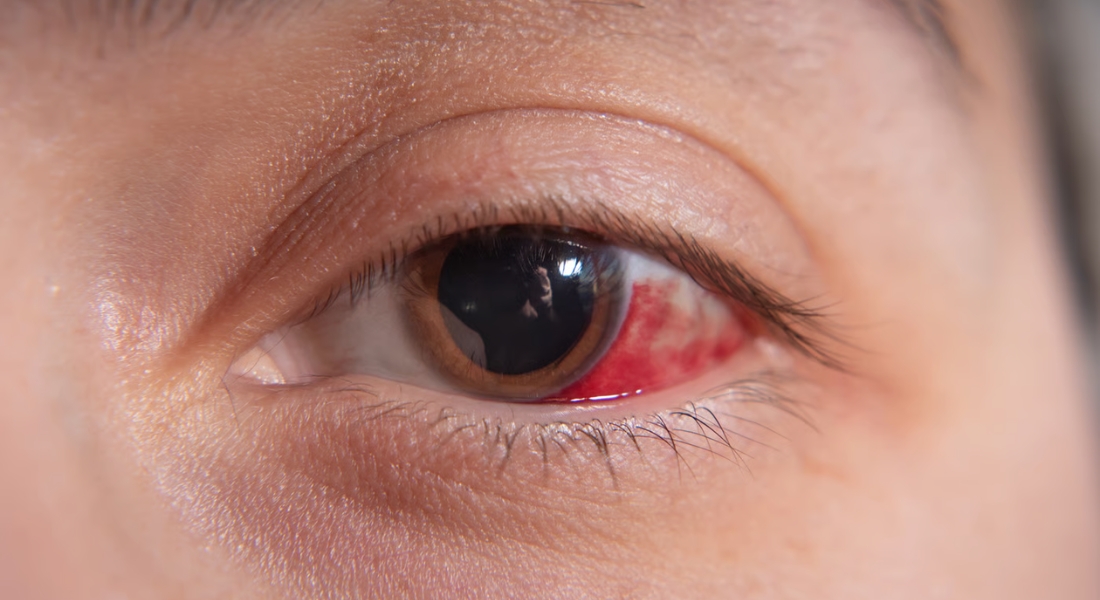
Episcleritis is inflammation of the thin tissue covering the white part of your eye. If you have rheumatoid arthritis, you may occasionally develop episcleritis, which can cause a noticeable patch of redness, mild soreness or tenderness.
Episcleritis is usually mild, self-limiting and does not threaten your sight. However, because other eye conditions can also cause redness, you should have a persistent or painful red eye assessed rather than trying to identify the cause by appearance alone.
What Is Scleritis?
Scleritis is a more serious inflammation affecting the white outer layer of your eye and can be associated with rheumatoid arthritis. Unlike simple irritation, it often causes deep, severe eye pain, marked redness and sometimes light sensitivity or watering.
You may find that the pain becomes worse at night or when you lie down. Because scleritis can damage the eye and may threaten vision, you should seek urgent ophthalmic assessment if you develop a very painful red eye, particularly if the pain is severe, persistent or associated with changes in your vision.
How Can You Tell Scleritis From Episcleritis?
Both episcleritis and scleritis can cause a red eye, but the type and severity of pain can help distinguish them. Episcleritis usually causes mild soreness or tenderness, while scleritis often causes deeper, more severe pain and may also cause light sensitivity or blurred vision.
Episcleritis may appear as a localised area of redness, whereas scleritis can look deeper or have a bluish-purple appearance. Because scleritis can threaten your vision, severe eye pain, significant redness or changes in your sight should be assessed promptly.
Episcleritis vs Scleritis
| Feature | Episcleritis | Scleritis |
| Tissue affected | Superficial episcleral tissue | Deeper scleral tissue |
| Typical redness | Often localised or sectoral | Often deeper and more extensive |
| Pain | Usually mild soreness or tenderness | Often deep and severe |
| Vision | Usually unaffected | May become blurred or reduced |
| Sight-threatening? | Usually no | Can be sight-threatening |
| Assessment | Persistent or uncertain symptoms should be assessed | Urgent ophthalmic assessment is important |
Can Rheumatoid Arthritis Affect Your Cornea?
Your cornea is the clear front surface of your eye, and rheumatoid arthritis can sometimes contribute to corneal problems. Severe dry eye can affect the cornea, while a rarer condition called peripheral ulcerative keratitis (PUK) can cause inflammation and thinning around its edge.
You may experience pain, redness, watering, light sensitivity or blurred vision. PUK can progress to marked corneal thinning and, in severe cases, perforation, so it requires urgent specialist assessment. In people with rheumatoid arthritis, significant corneal inflammation may also prompt your ophthalmology and rheumatology teams to reassess your wider inflammatory disease and systemic treatment.
Can Rheumatoid Arthritis Cause Permanent Vision Problems?

Most people with rheumatoid arthritis will not develop serious eye disease or permanent vision problems. However, conditions such as scleritis and peripheral ulcerative keratitis (PUK) can cause significant damage if severe inflammation is not treated promptly.
Redness alone does not always indicate how serious the problem is. If you develop severe eye pain, reduced vision, marked light sensitivity or rapidly changing symptoms, you should seek prompt ophthalmic assessment to protect your sight.
Does Eye Inflammation Mean Your Rheumatoid Arthritis Is Getting Worse?
Eye inflammation does not always occur at the same time as a rheumatoid arthritis flare, and eye symptoms can develop even when your joints feel relatively well. However, significant inflammatory conditions such as scleritis or peripheral ulcerative keratitis may require your rheumatology team to reassess your systemic disease and treatment.
Effective management of RA can help reduce inflammation throughout your body, but not every eye problem is caused by rheumatoid arthritis. Your ophthalmologist can identify the cause and work with your rheumatology team if your eye symptoms require changes to your wider treatment.
How Will Your Eyes Be Examined?
Your eye assessment will usually begin with questions about your symptoms, including when they started, whether one or both eyes are affected, the level of pain and any changes in your vision. Your specialist will also ask about your rheumatoid arthritis and any treatments you are taking.
Your vision will be checked, followed by an examination of your eyes using a slit lamp microscope. This allows your specialist to look closely at the surface and deeper tissues, helping distinguish conditions such as episcleritis and scleritis and identify any corneal problems.
What Other Tests Might You Need?
You may not need extensive tests if you have rheumatoid arthritis and mild eye symptoms. If dry eye is suspected, your specialist may assess your tear film and use fluorescein dye to check for areas of surface damage.
If scleritis or deeper inflammation is suspected, you may need further tests, such as blood tests or specialist imaging. These investigations help your doctor understand the cause and severity of the inflammation and decide whether you need treatment from both your ophthalmology and rheumatology teams.
How Is Dry Eye Associated With Rheumatoid Arthritis Treated?
Treatment depends on how severe your dry-eye symptoms are. A few simple measures can help keep your eyes more comfortable.
- Lubricating drops: Artificial tears can help relieve dryness and irritation.
- Gels or ointments: Thicker lubricants may help if your symptoms are more persistent.
- Warm compresses: These may be useful if eyelid or meibomian-gland problems are also contributing to your dry eye, but they are not required for every type of RA-associated dryness.
- Screen breaks: Regular breaks can help reduce dryness during prolonged screen use.
If you need lubricating drops frequently, your eye-care professional can advise whether preservative-free products or other dry-eye treatments may be more appropriate. If your symptoms continue despite these measures, your eye specialist may recommend prescription treatment.
How Are Scleritis and Other Inflammatory Eye Problems Treated?
Treatment depends on the type and severity of your eye inflammation. Mild episcleritis may settle on its own, while lubricating drops or anti-inflammatory treatment can help with discomfort. Scleritis is more serious and may require systemic anti-inflammatory treatment, corticosteroids or other immunosuppressive treatment, depending on its type, severity and underlying cause. Treatment should be directed by the appropriate specialist rather than started or changed without medical advice.
Conditions such as peripheral ulcerative keratitis also need specialist care because they can threaten your vision. Your ophthalmologist may work closely with your rheumatologist to control both the eye inflammation and the underlying rheumatoid arthritis. Do not change your RA medication without medical advice.
UK Guidance Note
In UK clinical practice, persistent or significant inflammatory eye symptoms associated with rheumatoid arthritis should be assessed according to their severity. Episcleritis is generally a superficial, self-limiting condition, whereas scleritis is deeper inflammation that can threaten vision and requires prompt specialist assessment.
When significant scleritis, corneal inflammation or peripheral ulcerative keratitis is present, coordinated care between ophthalmology and rheumatology may be needed because treatment can involve both the eye condition and the underlying systemic inflammatory disease.
When Should You Have Your Eyes Assessed?

If you have rheumatoid arthritis and develop persistent dry, gritty or burning eyes, you should arrange an eye examination. Dry eye is usually not an emergency, but getting the right treatment can improve your comfort and protect your eye surface.
A painful red eye needs more urgent attention, especially if you have severe pain, light sensitivity, blurred or reduced vision, or rapidly worsening redness. These symptoms can have several causes, including scleritis and infection, so prompt assessment is important. If you suddenly cannot see from one or both eyes or develop sudden severe eye pain, go to A&E or call 999. Do not assume a sudden change in vision is simply caused by rheumatoid arthritis.
Myth vs Fact
| Myth | Fact |
| RA only affects your joints. | RA is a systemic autoimmune disease and can also affect other parts of your body, including your eyes. |
| Every red eye in someone with RA is caused by arthritis. | No. Redness can have many causes, including dry eye, infection and other eye conditions, so persistent or painful redness should be assessed. |
| Episcleritis and scleritis are basically the same problem. | Episcleritis is usually superficial and self-limiting, whereas scleritis affects deeper tissue and can threaten sight. |
| Dry eye cannot affect vision. | Significant dry eye can cause fluctuating blurred vision and, when severe, can damage the ocular surface. |
| You should change your RA medication if your eyes become inflamed. | No. Eye inflammation may require coordination between ophthalmology and rheumatology, but prescribed RA medicines should not be stopped or changed without medical advice. |
Key Takeaways
- Rheumatoid arthritis can affect the eyes as well as the joints, although not everyone with RA develops eye problems.
- Dry eye is one of the more common ocular problems associated with RA and may be more pronounced when Sjögren’s syndrome is also present.
- Episcleritis usually causes relatively mild redness and soreness, while scleritis typically causes deeper inflammation and can threaten vision.
- Peripheral ulcerative keratitis is a rare but serious RA-associated corneal condition that requires urgent specialist assessment.
- A painful red eye, marked light sensitivity or worsening vision should not automatically be attributed to rheumatoid arthritis.
- Do not stop or change your rheumatoid-arthritis medication because of eye symptoms without advice from your healthcare team.
Frequently Asked Questions
- Can rheumatoid arthritis affect your eyes?
Yes, rheumatoid arthritis can affect your eyes because it causes inflammation throughout the body. You may experience dry, gritty or irritated eyes, redness, discomfort or, less commonly, more serious inflammation. - What eye problems are linked to rheumatoid arthritis?
Rheumatoid arthritis can be associated with dry eye, episcleritis and scleritis. A rarer complication called peripheral ulcerative keratitis can affect the cornea. Some of these conditions can threaten your vision if not treated promptly. - Why does rheumatoid arthritis cause dry eyes?
RA can be associated with inflammation and changes affecting the tear film and ocular surface. Some people with RA also develop Sjögren’s syndrome, which can reduce tear production further. You may notice burning, grittiness, soreness or fluctuating vision. - Can rheumatoid arthritis cause red eyes?
Yes, RA-related inflammation can cause redness in your eyes. Episcleritis usually causes mild redness and discomfort, while scleritis can cause severe pain and significant redness. A painful or persistent red eye should be assessed by an eye specialist. - What is scleritis?
Scleritis is inflammation of the white outer layer of your eye and can be associated with rheumatoid arthritis. It can cause deep, severe eye pain, redness, light sensitivity or blurred vision. Prompt assessment is important because scleritis can affect your sight. - Can rheumatoid arthritis damage your cornea?
In rare cases, rheumatoid arthritis can contribute to corneal problems such as peripheral ulcerative keratitis. This can cause thinning around the edge of your cornea. Pain, redness, watering, light sensitivity or blurred vision should be assessed promptly. - Can rheumatoid arthritis cause permanent vision problems?
Most people with RA do not develop permanent vision problems. However, severe conditions such as scleritis or peripheral ulcerative keratitis can damage your eye. Seek prompt assessment if you experience severe pain or changes in your vision. - Does eye inflammation mean your RA is getting worse?
Not necessarily. Eye inflammation can occur even when your rheumatoid arthritis symptoms are relatively well controlled. Your eye specialist can identify the cause and work with your rheumatology team if further treatment is needed. - How are RA-related eye problems treated?
Treatment depends on the specific condition and its severity. Dry eyes may be treated with lubricating drops, gels or ointments, while inflammatory conditions may require prescription medicines. More serious inflammatory eye problems may require corticosteroids or other immunosuppressive treatment under specialist supervision. - When should you have your eyes assessed?
Arrange an eye examination if you have persistent dryness, grittiness or burning. A painful red eye, severe light sensitivity, blurred vision or rapidly worsening symptoms requires prompt assessment. Sudden significant vision loss requires urgent medical care.
Final Thoughts: Looking After Your Eyes With Rheumatoid Arthritis
Rheumatoid arthritis can affect more than your joints, and changes in your eyes should not be overlooked. While dry, gritty eyes are common and often manageable, symptoms such as persistent redness, severe pain, light sensitivity or changes in your vision can sometimes indicate more significant inflammation. If you have RA, recognising these symptoms and arranging an appropriate eye assessment can help protect your comfort and vision.
If you have rheumatoid arthritis and are concerned about persistent dryness, redness, pain or changes in your vision, our team at Eye Clinic London would be happy to talk through what you’ve noticed and how an eye assessment may help. If it feels helpful, we can also arrange an appointment.
References:
- Forestier, M.G. et al. (2026) ‘An Overview of Rheumatoid Arthritis-Associated Dry Eye Disease, Scleritis, and Peripheral Ulcerative Keratitis’, Journal of Clinical Medicine, 15(9), 3207. Available at: https://www.mdpi.com/2077-0383/15/9/3207
- Promelle, V. et al. (2021) ‘Rheumatoid Arthritis Associated Episcleritis and Scleritis: An Update on Treatment Perspectives’, Journal of Clinical Medicine, 10(10), 2118. Available at: https://www.mdpi.com/2077-0383/10/10/2118
- Hassanpour, K. et al. (2022) ‘Peripheral Ulcerative Keratitis: A Review’, Journal of Ophthalmic & Vision Research, 17(2), pp. 252–275. Available at: https://pmc.ncbi.nlm.nih.gov/articles/PMC9185208/
- Lai, S.C. et al. (2023) ‘Rheumatoid Arthritis Associated with Dry Eye Disease and Corneal Surface Damage: A Nationwide Matched Cohort Study’, International Journal of Environmental Research and Public Health, 20(2), 1584. Available at: https://pmc.ncbi.nlm.nih.gov/articles/PMC9861823/
- Turk, M.A. et al. (2021) ‘Ocular Manifestations in Rheumatoid Arthritis, Connective Tissue Disease, and Vasculitis: A Systematic Review and Metaanalysis’, The Journal of Rheumatology, 48(1), pp. 25–34. Available at: https://pubmed.ncbi.nlm.nih.gov/32358156/