


Latest Advances in Sustained Drug Delivery for Glaucoma

Glaucoma is a long-term eye condition that requires consistent management to help slow progression and protect your vision. You are usually treated with daily eye drops that reduce intraocular pressure, but maintaining strict daily use can sometimes be difficult for many patients. This can affect how consistently you receive the full benefit of treatment.
To overcome this challenge, new sustained drug delivery systems are being developed to provide longer-lasting effects. You may benefit in the future from treatments that reduce or even replace the need for frequent daily dosing. These approaches aim to improve treatment adherence and make glaucoma management more convenient for you.
Recent advances include implants, injectable systems, and slow-release formulations designed to deliver medication directly to your eye over extended periods. You may find these innovations particularly helpful as they reduce the burden of daily eye drops. Although many of these technologies are still under research, they represent a promising step towards more effective and patient-friendly glaucoma care.
Understanding Glaucoma Treatment
Glaucoma treatment primarily focuses on reducing intraocular pressure in your eyes. You may be prescribed this type of treatment to help slow or prevent damage to the optic nerve, which is essential for maintaining vision. Managing this pressure effectively is key to long-term eye health.
Eye drops are the most commonly used form of treatment for glaucoma. You may need to use them daily, and they are generally effective when taken as prescribed. However, their success depends greatly on how consistently you use them.
Consistent use is essential for long-term disease control. You may find it helpful to follow a strict routine so you do not miss doses. By staying adherent to your treatment plan, you can better protect your vision over time.
Challenges with Daily Eye Drops
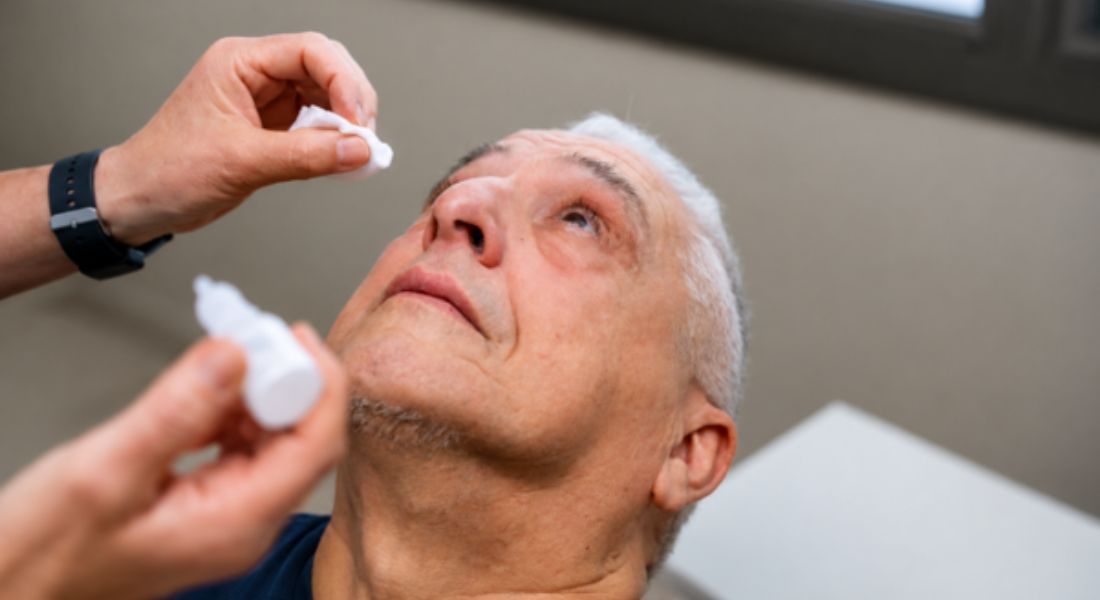
One of the biggest challenges in glaucoma management is maintaining regular use of eye drops in your daily routine. You may sometimes forget doses or find it difficult to stay consistent with long-term treatment. This can make it harder for the medication to work as effectively as intended.
Inconsistency in using eye drops can reduce their overall effectiveness over time. You may also find that irregular use contributes to ongoing pressure changes in the eye, which can increase the risk of disease progression in some cases. This makes adherence an important part of your treatment success.
Because of these challenges, researchers are exploring alternative drug delivery methods for you. You may benefit in the future from treatments that require less frequent dosing and provide more consistent medication levels. These innovations aim to make glaucoma management easier and more reliable for long-term use.
What Is Sustained Drug Delivery?
If you are being treated for glaucoma, you may come across the term sustained drug delivery. This refers to treatment methods that release medication slowly over an extended period of time, rather than requiring you to apply or take medication every day. In some cases, the drug is delivered continuously or at specific intervals to maintain a steady therapeutic effect. If you prefer fewer daily treatments, this approach may offer greater convenience and consistency.
- Medication Is Released Gradually Over Time: If you receive sustained drug delivery, the medication is released slowly rather than all at once. This helps maintain a more consistent level of treatment in your eye.
- You May Not Need Daily Application: Unlike traditional eye drops that you may need to use every day, this approach can reduce how often you need to apply treatment. This can make your routine easier to manage.
- More Stable Drug Levels for You: If medication levels remain steady, you may experience more consistent therapeutic effects. This can help improve overall treatment reliability.
- Convenience Can Be Improved for You: If you struggle with remembering daily medication, sustained delivery methods may help simplify your treatment plan. This can improve your overall experience and adherence.
- Better Adherence Supports Better Outcomes: If you find it easier to follow your treatment regimen, you are more likely to achieve better long-term results. Sustained drug delivery is designed to support this consistency.
Sustained drug delivery represents an important advancement in how eye conditions are treated. If you are managing a chronic condition, this approach may help reduce the burden of daily medication. Over time, it aims to improve both treatment effectiveness and your ability to stick to the prescribed plan.
Why Sustained Delivery Matters
Maintaining consistent drug levels is very important in glaucoma management for your eye health. You may experience reduced effectiveness when medication levels fluctuate due to missed or irregular dosing. These variations can make it harder to keep intraocular pressure properly controlled.
Sustained drug delivery systems are designed to solve this problem by providing a steady release of medication. You may benefit from a more predictable and controlled therapeutic effect compared to traditional daily eye drops. This helps reduce the reliance on frequent self-administration.
By ensuring more stable drug levels, these systems may improve long-term pressure control. You may achieve better disease stability and reduced risk of progression over time. Overall, sustained delivery approaches aim to make your glaucoma treatment more consistent and effective.
Ocular Implants
Ocular implants are one of the most widely researched methods for sustained glaucoma treatment. You may be offered this type of approach where small devices are placed in or around your eye to release medication gradually. This allows the treatment to work continuously over an extended period.
These implants are designed to provide long-term drug delivery without the need for daily eye drops. You may benefit from more stable therapeutic levels, which can help improve overall pressure control. This reduces the burden of remembering frequent dosing throughout the day.
Research is still ongoing to improve the safety, comfort, and effectiveness of ocular implants. You may see future advancements that make these devices more widely available and easier to use. Overall, they represent a promising option for more consistent glaucoma management.
Intracameral Drug Delivery
Intracameral drug delivery involves injecting medication directly into the anterior chamber of your eye. You may be offered this approach when targeted treatment is needed, as it allows the medication to act directly where intraocular pressure is regulated. This can help improve precision in glaucoma management.
Some formulations used in this method are designed to remain active for several months. You may benefit from longer-lasting pressure control, which reduces the need for frequent administration. This can make treatment more convenient compared to daily eye drops.
It is still an evolving and promising area of research in glaucoma care. You may see further improvements in safety, duration, and effectiveness as studies continue. Overall, intracameral delivery offers a potential step forward in long-term disease management.
Bioresorbable Inserts
If you are managing a condition such as glaucoma, you may come across a newer treatment approach called bioresorbable inserts. These are small devices that are placed inside your eye and designed to slowly dissolve over time. As they break down, they release medication in a controlled and sustained manner. If you are looking for an alternative to daily eye drops, this type of technology may offer a more convenient option.
- Medication Is Released Gradually for You: If you receive a bioresorbable insert, it releases medication slowly over time. This helps maintain a steady level of treatment in your eye without frequent dosing.
- The Insert Naturally Dissolves in Your Eye: You do not need to have the device removed, as it is designed to dissolve on its own. This means you avoid the need for an additional procedure later.
- No Surgical Removal Is Required for You: If you are using this treatment, you will not need a separate operation to take it out. The insert safely breaks down within your eye over time.
- Provides Temporary but Sustained Treatment: You may benefit from continuous drug delivery for a defined period. This makes it useful as a bridge between short-term and long-term treatment options.
- Still an Evolving Technology for You: If you are following advances in eye care, you should know that this technology is still under active research and development. Its availability and applications may expand in the future.
Bioresorbable inserts represent an innovative step in sustained drug delivery for eye conditions. If you are considering long-term management options, this approach may help improve convenience and treatment consistency. Over time, ongoing research may further refine how these devices are used in clinical practice to benefit patients like you.
Drug-Eluting Contact Lenses
Researchers are exploring drug-eluting contact lenses as a non-invasive way to deliver glaucoma medication. You may find this approach interesting because the lenses are designed to release drugs slowly onto the surface of your eye. This allows direct contact with the treatment area while maintaining comfort.
These lenses may offer an alternative to injections or surgical implants. You may benefit from a less invasive method that still provides continuous drug delivery throughout the day. However, maintaining consistent and accurate dosing remains a key challenge in current designs.
Further research is still needed before these lenses can be widely used in clinical practice. You may see future improvements that enhance safety, reliability, and drug control. Overall, this technology represents an innovative direction in glaucoma treatment development.
Nanotechnology in Drug Delivery
Nanotechnology is being explored to improve how glaucoma medications are delivered to your eye. You may benefit from systems that use tiny particles to carry medicine and release it in a controlled and precise way. This allows the treatment to reach targeted areas more effectively.
These nanoscale delivery systems may improve drug absorption and help reduce unwanted side effects. You may experience more efficient treatment because the medication is designed to act directly where it is needed. This targeted approach can improve overall therapeutic performance.
This is considered one of the most innovative areas of research in glaucoma care. You may see future treatments that offer more precise, long-lasting, and patient-friendly drug delivery options. Overall, nanotechnology has the potential to significantly improve how your eye condition is managed.
Advantages of Sustained Delivery Systems
Sustained drug delivery systems offer several potential benefits for your glaucoma management. You may experience improved adherence, as these treatments reduce the need for frequent daily dosing. They can also help provide more stable intraocular pressure control over time.
One of the key advantages is reduced treatment burden in your daily routine. You may find it more convenient compared to using eye drops multiple times each day. This can make long-term management easier and less stressful for you.
These benefits may also contribute to a better overall quality of life. You may feel more confident in maintaining consistent treatment without worrying about missed doses. Overall, sustained delivery systems represent a promising direction for more effective and patient-friendly glaucoma care.
Reducing Treatment Burden
Daily eye drops can be difficult for you to manage over the long term, especially if you are older or managing multiple medications. You may sometimes forget doses, which can affect how well your treatment controls intraocular pressure. This inconsistency can make glaucoma management more challenging.
Sustained drug delivery systems help reduce your reliance on strict daily compliance. You may benefit from more consistent medication levels without needing to remember frequent dosing schedules. This can improve the reliability of your treatment over time.
This approach may be particularly useful for chronic conditions like glaucoma. You may find it easier to maintain steady disease control with fewer interruptions in therapy. Overall, reducing treatment burden can support better long-term outcomes and improve your daily quality of life.
Improving Long-Term Outcomes
If you are managing a long-term eye condition such as glaucoma, maintaining stable and consistent treatment is essential for protecting your vision. Sustained drug delivery systems are being developed to help provide more reliable medication levels over time. By reducing fluctuations in treatment and supporting steady intraocular pressure control, these approaches may help improve long-term outcomes. If you find daily eye drop routines challenging, these innovations may offer a more consistent alternative in the future.
- Stable Drug Delivery May Support You Better: If medication is released at a steady rate, you may benefit from more consistent therapeutic effects. This stability can help reduce variations in eye pressure over time.
- Consistent Pressure Control Is Important for You: If your eye pressure remains well controlled, you are more likely to preserve vision for longer. Sustained delivery systems aim to support this consistency.
- Potential to Improve Long-Term Vision Outcomes: Researchers believe that if treatment levels remain stable, you may experience slower disease progression. This could contribute to better long-term visual preservation.
- Long-Term Evidence Is Still Developing for You: Although early results are promising, full long-term clinical data is still being collected. This means ongoing research will help confirm how effective these systems are over time.
- Future Studies Will Guide Treatment Use: If you are following advancements in glaucoma care, you may see updates as more evidence becomes available. These studies will help determine how widely these treatments are used in practice.
Improving long-term outcomes is a key goal of sustained drug delivery research. If you are affected by chronic eye disease, these developments may eventually provide you with more reliable and convenient treatment options. Over time, ongoing studies will help clarify how these systems can best support vision preservation and disease control.
Safety Considerations
Any new drug delivery system must be carefully evaluated for safety in your treatment. You may need to consider potential risks such as inflammation, infection, or device-related complications depending on the method used. These factors are important when assessing whether a new approach is suitable for clinical use.
Clinical trials play a crucial role in ensuring these systems are safe and effective for you. You may not have access to many of these treatments until they have been thoroughly tested in different patient groups. This helps confirm that benefits outweigh any potential risks.
Safety remains a top priority in all stages of research and development. You may notice that regulatory approval requires strong clinical evidence demonstrating both safety and effectiveness. This ensures that any new treatment introduced into practice meets strict standards before it becomes widely available.
Patient Suitability
Not all patients may be suitable for sustained drug delivery systems in your glaucoma care. You may need a thorough assessment of your eye health, disease severity, and medical history before any decision is made. These factors help determine whether a long-acting treatment approach is appropriate for you.
A personalised approach is essential when selecting the most suitable treatment option. You may find that certain sustained delivery methods work well for some patients but are not ideal for others. In some cases, traditional eye drops may still remain the most effective and practical choice for your condition.
Specialist evaluation is therefore crucial in guiding treatment decisions. You may benefit from a detailed examination to understand which option best supports your long-term eye health. This ensures your treatment plan is both safe and tailored to your individual needs.
Current Clinical Trials
Many sustained drug delivery systems for glaucoma are currently being evaluated in clinical trials. You may find that these studies focus on assessing safety, effectiveness, and long-term outcomes in different patient groups. This helps researchers understand how these treatments perform in real-world conditions.
Early results from these trials are encouraging, but further research is still required. You may not yet have access to many of these therapies outside of controlled studies, as they need to be thoroughly tested before wider use. This ensures that any new treatment is both safe and reliable.
Clinical trials play an important role in shaping future glaucoma care. You may see that the findings from these studies will guide how and when these treatments are introduced into routine practice. Overall, clinical evidence is essential for the responsible adoption of new drug delivery technologies.
Combination with Existing Treatments
Sustained drug delivery systems may be used alongside other glaucoma treatments in your care. You may still receive therapies such as laser treatment or surgical interventions depending on the severity of your condition. This combined approach can help target different aspects of disease control.
Using more than one treatment method may provide better overall management of intraocular pressure. You may benefit from a more comprehensive strategy that supports both short-term and long-term disease stability. This ensures that your treatment is more adaptable to changing clinical needs.
Treatment plans are always tailored to your individual requirements. You may find that integrated care offers the most effective results when multiple approaches are carefully combined. Overall, this personalised strategy helps optimise your long-term glaucoma management.
Role of Personalised Medicine
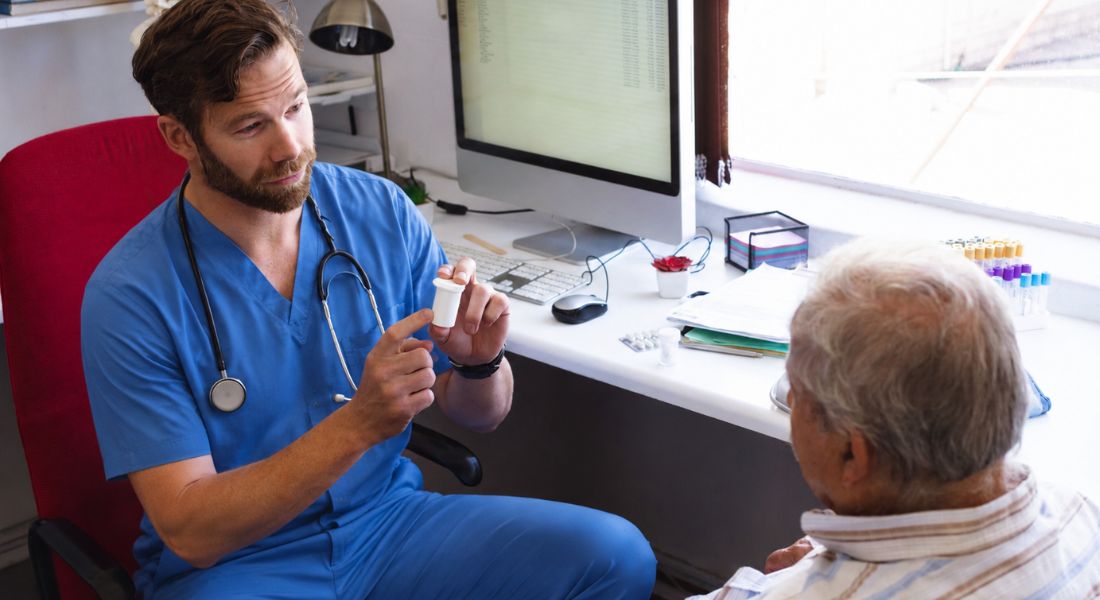
Personalised medicine is becoming increasingly important in your glaucoma care. Your treatment may be tailored based on genetic factors, clinical findings, and lifestyle considerations. This helps ensure that the approach used is more closely matched to your individual needs.
Sustained drug delivery systems may also be adapted to suit your specific condition. You may benefit from a treatment plan that considers how your eye responds to medication over time. This personalised adjustment can help improve both safety and overall effectiveness.
Individualised care is a growing trend in modern glaucoma management. You may notice that future treatments are increasingly designed around your unique profile rather than a one-size-fits-all approach. Overall, this shift aims to deliver more precise and effective long-term outcomes for you.
Future of Glaucoma Medication
If you are managing glaucoma, you may be interested in how treatment options are evolving. The future of glaucoma medication is increasingly focused on more sustained, targeted, and convenient delivery systems. Instead of relying heavily on daily eye drops, researchers are working on ways to provide longer-lasting and more precise drug delivery. If these developments continue to progress, you may find glaucoma management becoming simpler and more consistent over time.
- You May See More Sustained Treatments in the Future: If current research continues to advance, you may benefit from medications that last weeks or even months. This could reduce the need for frequent daily dosing.
- Targeted Drug Delivery Is Being Developed for You: Researchers are working on systems that deliver medication more directly to the affected eye tissues. This may improve effectiveness while minimising unnecessary exposure.
- Daily Medication Burden Could Be Reduced for You: If sustained therapies become more widely available, you may rely less on remembering daily eye drops. This could make long-term management easier and more consistent.
- Biotechnology and Material Science Are Driving Progress: If you follow medical innovation, you will see that new materials and drug delivery technologies are shaping future treatments. These advances are helping to create more efficient and long-lasting options.
- Glaucoma Care May Become More Personalised for You: As research develops, treatment plans may be tailored more closely to your specific condition and response. This could improve both comfort and outcomes over time.
The future of glaucoma medication is moving towards longer-lasting and more patient-friendly solutions. If you are affected by the condition, you may benefit from treatments that reduce daily burden while maintaining stable eye pressure control. Over time, ongoing innovation is expected to transform how glaucoma is managed, offering you more effective and convenient long-term care.
Challenges in Development
Despite significant progress, there are still several challenges in developing sustained drug delivery systems for your glaucoma treatment. You may find that factors such as high cost, complex manufacturing processes, and long-term safety concerns can slow down development. These challenges must be carefully addressed before wider clinical use.
Researchers are actively working to overcome these barriers to make treatments safer, more affordable, and more accessible for you. You may benefit in the future from improved designs as science and technology continue to advance. Collaboration between industry experts and clinicians is essential in driving these innovations forward.
Progress in this field is steady but ongoing. You may not see immediate widespread availability of these systems, but continuous research is helping to refine and improve them. Overall, these efforts aim to create more effective and reliable glaucoma treatments for the long term.
Seeking Specialist Care
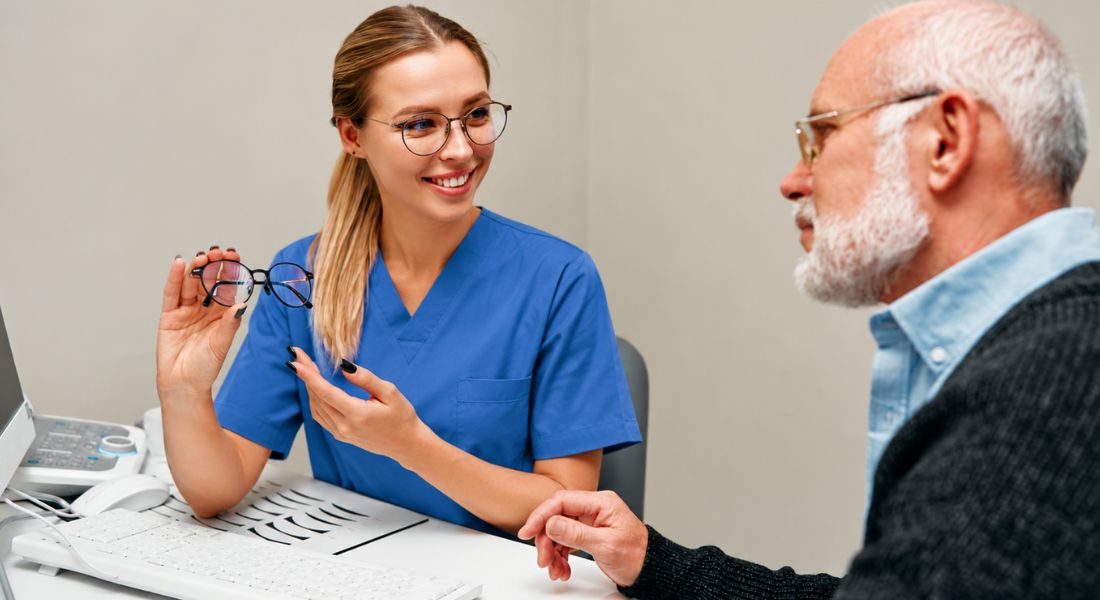
If you are living with glaucoma, regular monitoring and appropriate treatment are essential to protect your vision. You may not always notice early changes, so consistent specialist care helps ensure your condition is properly managed over time. Early detection of any progression allows your treatment to be adjusted when needed.
New drug delivery systems may offer promising future benefits for your care. However, you should continue to rely on current treatments, which are highly effective when used correctly. You may achieve good long-term control by following your prescribed treatment plan consistently.
Regular follow-up with your specialist is key to maintaining your eye health. You may benefit from ongoing assessments to monitor intraocular pressure and overall optic nerve health. This ensures your treatment remains appropriate and gives you the best possible protection for your vision.
FAQs:
- What is sustained drug delivery in glaucoma treatment?
Sustained drug delivery refers to systems that release glaucoma medication slowly over time instead of requiring daily eye drops. These methods help maintain more stable drug levels in the eye. This can improve treatment consistency and reduce the need for frequent dosing. It is an emerging approach in modern glaucoma care. - Why is sustained drug delivery important for glaucoma patients?
It helps overcome the challenge of poor adherence to daily eye drops. Many patients forget doses, which can affect pressure control. Sustained systems ensure more consistent medication delivery. This may improve long-term disease management. - What are the main types of sustained drug delivery systems?
These include ocular implants, injectable systems, bioresorbable inserts, drug-eluting contact lenses, and nanotechnology-based systems. Each method delivers medication over an extended period. They vary in duration, design, and delivery mechanism. Research is ongoing to improve their effectiveness. - Are ocular implants safe for glaucoma treatment?
Ocular implants are being carefully studied for safety and effectiveness. While early results are promising, they may carry risks such as inflammation or infection. Clinical trials are essential before widespread use. Specialist evaluation is required before considering them. - How do injectable sustained-release treatments work?
These treatments involve injecting medication directly into the eye, where it slowly releases over time. Some formulations can last for several months. This reduces the need for frequent eye drop use. It provides more controlled drug delivery. - Can sustained drug delivery replace eye drops completely?
Not yet. Most sustained delivery systems are still under development or in trials. Eye drops remain the standard treatment for glaucoma. However, future therapies may reduce reliance on daily drops. - What are bioresorbable inserts?
Bioresorbable inserts are small devices placed in the eye that gradually dissolve over time. As they break down, they release medication in a controlled manner. They do not require surgical removal. This makes them a convenient temporary treatment option. - Are these new treatments available to all patients?
No, not all patients are suitable candidates. Eligibility depends on disease severity, eye health, and individual medical history. A specialist assessment is necessary to determine suitability. Traditional treatments may still be preferred for many patients. - What are the main benefits of sustained drug delivery?
Key benefits include improved adherence, fewer missed doses, and more stable intraocular pressure control. It also reduces the daily burden of eye drops. Patients may experience greater convenience and better long-term management. These advantages make it a promising innovation. - When will sustained drug delivery be widely available?
Some technologies are still in clinical trials and are not yet widely available. Approval depends on safety and long-term effectiveness results. It may take several years before they become standard treatment options. However, research is progressing rapidly.
Final Thought: The Future of Glaucoma Care with Sustained Drug Delivery
Sustained drug delivery represents an important step forward in glaucoma management, offering the potential for more consistent intraocular pressure control and improved patient adherence compared to traditional daily eye drops. While many of these technologies are still under development, they highlight a future where treatment is more convenient, targeted, and effective. Continued research and clinical trials will determine how quickly these innovations become part of routine care.
If you’d like to find out whether glaucoma treatment in London is suitable for you, feel free to contact us at Eye Clinic London to arrange a consultation.
References:
- Al-Qaysi, Z.K., Agrahari, V., Kolli, U. and Mitra, A.K. (2023) ‘Sustained release ocular drug delivery systems for the treatment of glaucoma’, Expert Opinion on Drug Delivery, 20(8), pp. 1069–1088. Available at: https://pubmed.ncbi.nlm.nih.gov/37249548/
- Kesav, N.P., Young, C.E.C., Ertel, M.K. and Seibold, L.K. (2021) ‘Sustained-release drug delivery systems for the treatment of glaucoma’, International Journal of Ophthalmology, 14(1), pp. 148–159. Available at: https://pmc.ncbi.nlm.nih.gov/articles/PMC7790669
- Belamkar, A., Harris, A., Zukor, I., Siesky, B., Oddone, F. and Verticchio Vercellin, A.C. (2022) ‘Sustained release glaucoma therapies: Novel modalities for overcoming key treatment barriers associated with topical medications’, Annals of Medicine, 54(1), pp. 343–358. Available at: https://pmc.ncbi.nlm.nih.gov/articles/PMC8794062/
- Fea, A.M., Consolandi, G., Pignata, G. and Lavia, C. (2024) ‘Drug delivery systems for glaucoma: A narrative review’, Pharmaceuticals, 17(9), p. 1163. Available at: https://www.mdpi.com/1424-8247/17/9/1163
- Rahić, O., Tucak, A., Omerović, N., Sirbubalo, M., Hindija, L., Hadžiabdić, J. and Vranić, E. (2020) ‘Novel drug delivery systems fighting glaucoma’, Pharmaceutics, 13(1), p. 28. Available at: https://www.mdpi.com/1999-4923/13/1/28