


Latest Research on Myopia Control in Children
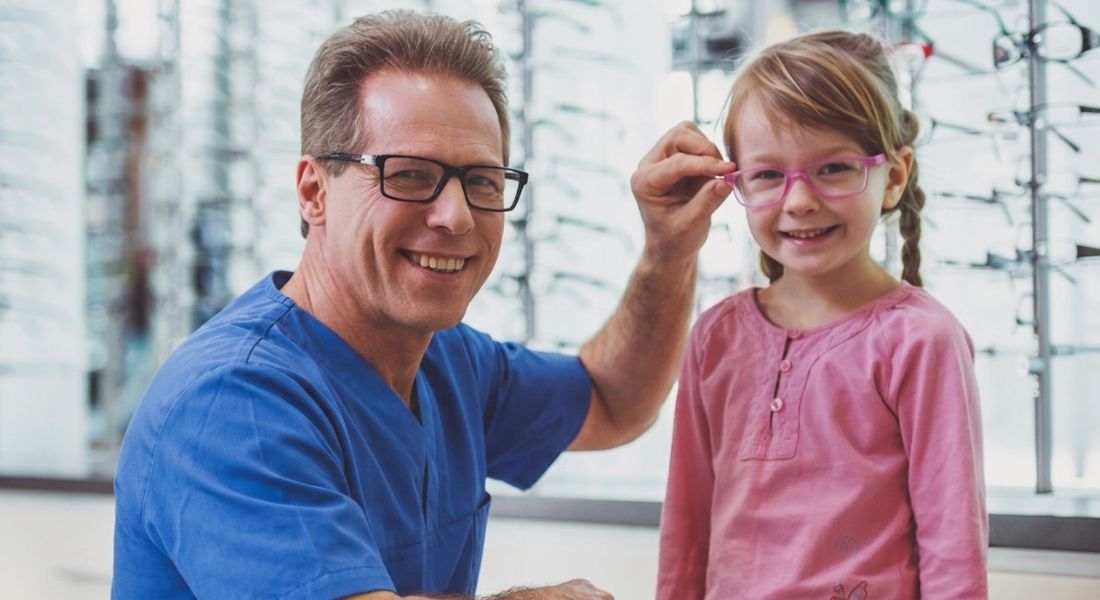
Myopia, commonly known as short-sightedness, is becoming increasingly common in children around the world. It is a condition where distant objects appear blurry while close objects remain clear. Over the past decade, rates of myopia have risen significantly, particularly in urban environments where children spend more time on screens and less time outdoors.
Because of this global increase, paediatric ophthalmology has placed greater focus on myopia control rather than simply correcting vision with glasses. If you are a parent, you may find that the emphasis today is on slowing the progression of myopia during childhood to help reduce long-term risks.
Recent studies have explored several approaches, including low-dose atropine eye drops, specialised contact lenses, and lifestyle changes such as increased outdoor activity. These strategies aim to slow eye growth and reduce how quickly myopia progresses over time.
Understanding these developments can help you make more informed decisions about your child’s eye health and long-term vision care, supporting earlier intervention and better long-term outcomes.
Why Myopia Is Increasing in Children
One of the most widely discussed findings in recent research is the rapid increase in childhood myopia. Environmental factors such as increased screen time, reduced outdoor activity, and prolonged near work are believed to play a significant role in this growing trend.
If you are concerned about your child’s vision, you may find it helpful to understand that genetics also influence the likelihood of developing myopia. However, lifestyle factors are increasingly thought to contribute to faster progression in many cases, particularly in modern urban environments.
This has led to increased interest in prevention and control strategies. By identifying risk factors early and making small lifestyle adjustments, you may be able to support better long-term eye health outcomes for your child.
The Importance of Myopia Control
Traditional glasses correct your child’s vision but do not slow the progression of myopia itself. Myopia control treatments are designed to go a step further by targeting how quickly the condition develops over time.
If your child is diagnosed at a younger age, you may find that managing progression becomes particularly important, as early-onset myopia can lead to higher levels of short-sightedness in adulthood. This can increase the long-term impact on everyday vision and eye health.
This is why slowing progression during childhood is such a key focus. Higher degrees of myopia are linked with a greater risk of future eye health complications, so early awareness and intervention can make a meaningful difference.
Atropine Eye Drops in Myopia Management

If you’re exploring options for myopia management, you may come across low-dose atropine eye drops as one of the most widely studied treatments. These drops are usually prescribed for use at night and have been shown in research to help slow the progression of short-sightedness by reducing the elongation of the eye. This is important because increasing eye length is one of the main factors behind worsening myopia.
- Used as Part of Myopia Control: You may be prescribed low-dose atropine drops to help slow down the progression of myopia, particularly in children and young people.
- Helps Slow Eye Growth: Clinical studies suggest that atropine can reduce the rate at which the eye elongates, which may help slow the worsening of short-sightedness over time.
- Mechanism Is Still Being Studied: While the exact way atropine works is not fully understood, research consistently shows positive effects in reducing progression rates.
- Low-Dose Formulations Are Preferred: You are more likely to be offered a low-dose version because it tends to have fewer side effects while still providing effective control.
Overall, atropine eye drops are an important part of modern myopia management. If you’re being considered for this treatment, it is typically used as part of a broader strategy to help slow progression rather than cure myopia. Your eye specialist will tailor the dose and approach based on your individual needs, aiming to balance effectiveness with comfort and safety.
Evidence Supporting Atropine Use
Recent clinical studies suggest that atropine eye drops can significantly slow the progression of myopia in children. If you are exploring treatment options, you may find that different concentrations have been carefully studied to balance effectiveness with comfort.
Lower doses are often preferred because they tend to cause fewer side effects, such as light sensitivity or temporary near vision blur. This makes them more tolerable for long-term use, especially in children who need consistent daily vision for school and activities.
Research is still ongoing to refine the most effective dosing strategies. You may find that clinicians adjust treatment based on individual response, aiming to achieve the best balance between slowing progression and maintaining visual comfort.
Specialised Contact Lenses for Myopia Control
Another major development in research is the use of specially designed contact lenses for children. These lenses are different from standard corrective lenses because they are specifically engineered to influence how light is focused on the retina.
If you are exploring options for your child, you may find that these lenses are designed to help reduce the signals that encourage excessive eye growth, which is thought to play a role in worsening myopia over time.
Clinical studies show promising results in slowing myopia progression. You may find that, in practice, these lenses are considered as part of a broader, personalised approach to managing childhood short-sightedness.
Orthokeratology (Ortho-K) Lenses
Orthokeratology lenses are worn overnight and work by gently reshaping the cornea while your child sleeps. In the morning, the lenses are removed, and clear vision can be experienced during the day without the need for glasses or contact lenses.
If you are considering this option for your child, you may find it interesting that research suggests Ortho-K lenses may also help slow the progression of myopia in some cases, making them both a corrective and preventative approach.
However, they require careful hygiene and regular monitoring to ensure safe use. Consistent follow-up with an eye care professional is essential to maintain both effectiveness and eye health.
Multifocal Contact Lens Technology
Multifocal contact lenses are another important area of active research in myopia control. These lenses are designed with different focusing zones that may help reduce the visual signals that contribute to eye elongation over time.
If you are exploring options for your child, you may find it useful to know that studies have shown moderate success in slowing the progression of myopia with these lenses, particularly when used consistently and as part of a structured care plan.
They are often recommended as part of a broader treatment approach. You may find that clinicians combine them with other strategies to achieve more personalised and effective long-term myopia management.
Importance of Outdoor Activity
One of the most consistent findings in research is the protective effect of outdoor time on childhood eye health. Children who spend more time outdoors tend to have a lower risk of developing myopia or experiencing rapid progression.
If you are a parent, you may find it helpful to know that exposure to natural light is believed to play an important role in healthy eye development. Although the exact mechanisms are still being studied, outdoor activity is widely considered a beneficial factor in reducing myopia risk.
Encouraging outdoor play is a simple and effective strategy. You may find that even small increases in daily outdoor time can contribute positively to your child’s long-term visual health.
Screen Time and Near Work
If you’re concerned about myopia progression, your daily habits like screen time and near work can play a role. Spending long, uninterrupted periods on screens or reading up close has been associated with a higher risk of developing or worsening short-sightedness. While the exact relationship is still being researched, there is enough evidence for eye specialists to take these factors seriously when giving advice.
- Screen Time May Influence Eye Strain: You may notice that long hours on phones, tablets, or computers can make your eyes feel tired. This constant near focusing is thought to be linked with myopia progression.
- Near Work Is Closely Studied: Activities like reading or studying at close distance for long periods are still being researched, but they are often considered a contributing factor in myopia risk.
- Breaks Can Help Reduce Strain: You’re usually advised to take regular breaks during close work. This gives your eyes time to relax and may help reduce visual fatigue.
- Balanced Habits Are Often Recommended: Instead of completely avoiding screens or reading, the focus is on moderation and good visual habits. Outdoor time is also commonly encouraged alongside limiting continuous near work.
Overall, screen time and near work are not the only factors involved in myopia, but they are important considerations. If you’re managing or trying to reduce progression, your eye specialist will likely recommend a balanced approach. Regular breaks and healthier visual habits can help support overall eye comfort and long-term eye health.:::
Genetics and Family History
Children with one or both parents who are short-sighted are more likely to develop myopia, as genetics play an important role in determining eye shape and refractive development.
If you are a parent with a family history of myopia, you may find it helpful to know that inherited risk does not act alone. Environmental and lifestyle factors can still have a significant influence on how quickly myopia develops and progresses.
This means that lifestyle changes can still make a meaningful difference. You may find that combining awareness of genetic risk with healthy visual habits gives your child a better chance of maintaining more stable vision over time.
Combination Treatment Approaches
Recent research increasingly supports combining different strategies to achieve better myopia control outcomes. If your child is undergoing treatment, you may find that clinicians sometimes use more than one approach to manage progression more effectively.
For example, atropine eye drops may be prescribed alongside specialised contact lenses. This multi-modal approach aims to target myopia progression from different angles, helping to maximise overall control of the condition.
Treatment is always tailored to individual needs. You may find that a personalised combination plan is recommended based on your child’s age, prescription level, lifestyle, and how their eyes respond over time.
Importance of Early Detection
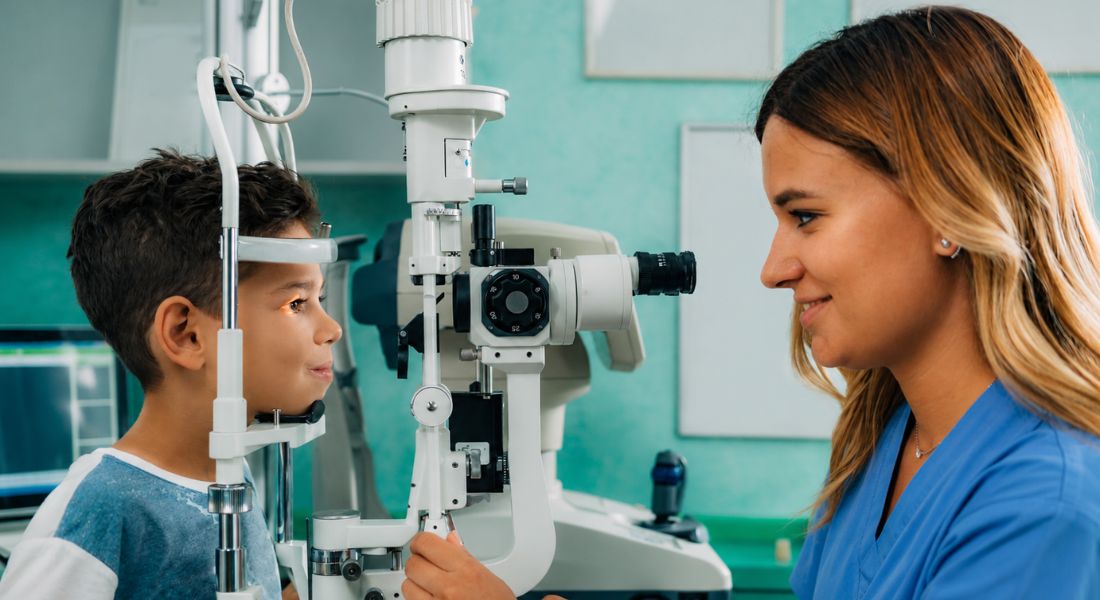
Early detection of myopia is essential for effective management in children. If you ensure your child has regular eye examinations, you may find that changes in vision are identified sooner, allowing for timely intervention.
The earlier treatment or management strategies begin, the better the chances of slowing down progression. This is particularly important during childhood, when the eyes are still developing and myopia can change more rapidly.
Routine monitoring is a key part of paediatric eye care. You may find that consistent check-ups help track your child’s vision over time and support more effective long-term management decisions.
Individual Variation in Response
Not all children respond in the same way to myopia control treatments. If your child is undergoing management, you may find that some children experience a significant slowing of progression, while others see more modest changes over time.
This variation is still an active area of research, as clinicians continue to study why treatment responses differ between individuals. Factors such as age, baseline prescription, lifestyle, and biological differences are all thought to play a role.
Because of this, personalised treatment plans are very important. You may find that care is regularly adjusted based on your child’s response, ensuring the most suitable approach is used for their specific needs.
Safety of Myopia Control Treatments
If you’re considering myopia control for yourself or your child, it’s natural to think about safety first. The good news is that most modern myopia control treatments are considered safe when they are properly prescribed and regularly monitored by an eye care professional. These treatments are widely used in paediatric ophthalmology, where long-term safety is a key priority.
- Generally Well-Tolerated Treatments: You’ll find that options like low-dose atropine, specialised contact lenses, and optical interventions are commonly used and have a strong safety profile when used correctly.
- Regular Monitoring Is Essential: You’ll usually need follow-up appointments to check how your eyes are responding. This helps ensure the treatment is working as expected and remains suitable for you.
- Adjustments Can Be Made if Needed: If something isn’t quite right, your eye specialist can adjust the treatment plan. This flexibility helps maintain both safety and effectiveness over time.
- Safety Is a Core Focus in Children’s Eye Care: In paediatric ophthalmology, protecting long-term eye health is just as important as slowing myopia progression. Treatments are carefully selected with this balance in mind.
Overall, myopia control treatments are designed to be both effective and safe when managed properly. If you’re undergoing treatment, regular check-ups are an important part of the process. They help ensure everything stays on track and that your eyes continue to respond well. With appropriate monitoring, safety remains a central part of long-term myopia management.
Role of Eye Care Professionals
Specialist eye care professionals play a key role in diagnosing and managing myopia in children. If your child is being monitored, you may find that regular assessments are used to track eye growth, measure progression, and determine the most appropriate treatment options.
Their expertise helps guide long-term care strategies, ensuring that decisions are based on accurate measurements and up-to-date clinical understanding. This professional oversight is essential for tailoring treatment to each child’s specific needs.
Regular follow-up appointments are important. You may find that ongoing monitoring allows any changes in vision to be identified early, helping to adjust treatment plans and support better long-term outcomes.
Long-Term Benefits of Myopia Control
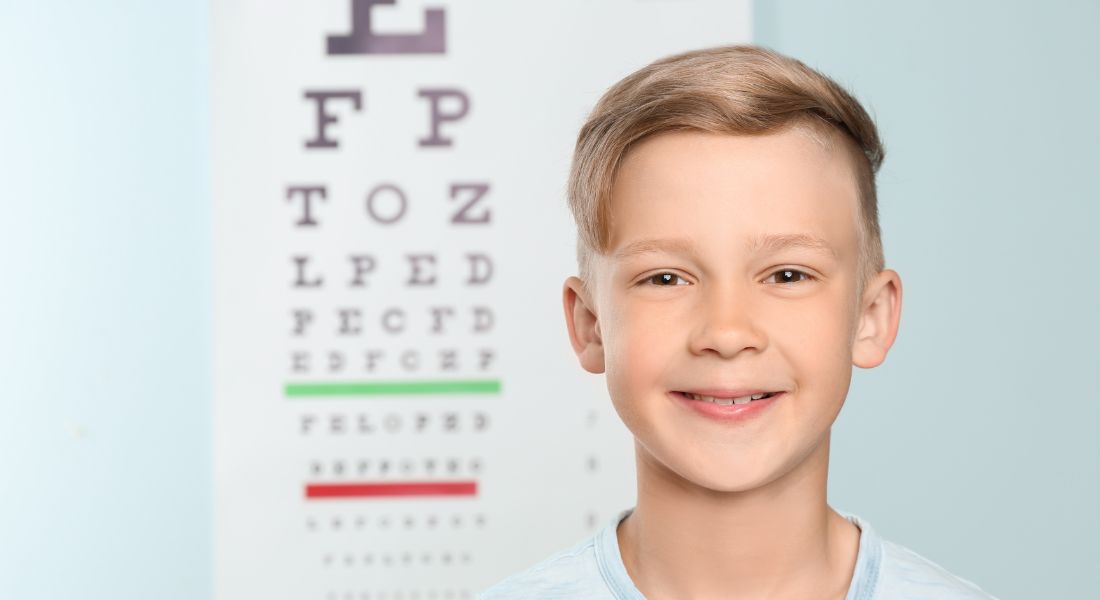
The main goal of myopia control is to reduce the risk of high myopia developing in adulthood. If your child is receiving treatment, you may find that slowing progression early can make a meaningful difference to their long-term visual health.
By limiting how quickly myopia worsens during childhood, the risk of future eye complications associated with high levels of short-sightedness can be reduced. This makes early and consistent management an important part of paediatric eye care.
Long-term eye health is a key focus of treatment. You may find that preventing or slowing progression early on provides lasting benefits that continue into adulthood, supporting healthier vision over time.
Advances in Research Technology
New imaging and diagnostic tools are helping researchers better understand how myopia develops and progresses in children. If you are following developments in eye care, you may find that these technologies allow for much more precise tracking of eye growth over time.
This improved level of detail is enhancing the quality of clinical studies, making it easier for researchers to evaluate how different treatments affect myopia progression. As a result, evidence around effective management strategies is becoming more refined and reliable.
Research in this area continues to evolve rapidly. You may find that ongoing advances in technology are helping to shape more accurate and personalised approaches to myopia control in the future.
Future Directions in Myopia Treatment
If you’re following developments in myopia management, you’ll see that the field is evolving quite quickly. Researchers are actively exploring new pharmacological and optical approaches that could improve how effectively myopia progression is controlled in the future. Alongside current treatments, there is growing interest in more advanced technologies that may offer even better long-term outcomes.
- New Pharmacological Options Are Being Studied: You may come across research looking at next-generation eye drops and medication-based approaches designed to better slow eye growth.
- Advanced Optical Solutions Are Emerging: Specialised contact lenses and spectacle lens designs are continually being refined to improve how light is focused on the retina, which may help reduce progression.
- Gene-Based Research Is Underway: Some studies are exploring whether genetic factors linked to myopia can be targeted in the future. While still early-stage, this area is gaining attention.
- Goal Is Improved Long-Term Control: The main aim of this research is to develop more effective and personalised ways to slow or stabilise myopia over time.
Overall, future directions in myopia treatment are focused on improving both effectiveness and individualisation. If you’re interested in this area, it’s worth knowing that research is moving quickly and new options may become available over time. While current treatments already offer meaningful control, ongoing studies aim to enhance results even further. This makes myopia management a rapidly advancing and promising field.
Importance of Parental Involvement
Parents play an important role in supporting myopia management in children. If you are a parent, you may find that encouraging regular outdoor activity and helping your child follow their treatment plan consistently can make a meaningful difference to outcomes.
Awareness and consistency are key factors in success. Simple daily habits, such as limiting excessive near work and ensuring regular eye check-ups, can all contribute to better long-term control of myopia progression.
Family involvement improves outcomes. When you stay engaged and supportive throughout the process, your child is more likely to maintain good visual habits and achieve more effective long-term eye health results.
Exploring Your Child’s Eye Care Options
If you are concerned about your child’s vision, early assessment is essential. You may find that arranging regular eye examinations helps identify myopia sooner, allowing for more effective management from the outset.
Myopia control works best when started early and monitored regularly by a specialist. If your child is diagnosed, you may be advised on a tailored plan that suits their level of progression, lifestyle, and individual risk factors.
By taking prompt action, you are more likely to support better long-term visual outcomes. Early intervention and consistent follow-up can play an important role in protecting your child’s eye health over time.
FAQs:
- What does recent research say about myopia control in children?
Recent research shows that myopia in children can often be slowed, not just corrected. Treatments like atropine eye drops, special contact lenses, and increased outdoor time have shown positive results. The aim is to slow eye growth rather than simply improve vision. This helps reduce long-term risks linked to high myopia. - Why is childhood myopia increasing?
Studies suggest that increased screen time, less outdoor activity, and more near work are major contributing factors. Genetics also play a role, especially if parents are short-sighted. However, lifestyle changes appear to be accelerating progression in many children. This is why prevention strategies are becoming more important. - What is myopia control?
Myopia control refers to treatments designed to slow down the progression of short-sightedness in children. Unlike standard glasses, which only correct vision, these treatments aim to reduce how quickly the eye grows. This can help limit how severe myopia becomes over time. It is a long-term eye health strategy. - Do atropine eye drops really work for myopia?
Yes, research shows that low-dose atropine eye drops can slow myopia progression in many children. They are usually used at night and are generally well tolerated. Different doses are used depending on the child’s response. Regular monitoring is important to ensure effectiveness. - Are special contact lenses effective for myopia control?
Yes, specialised contact lenses have shown promising results in clinical studies. These lenses are designed to change how light focuses on the retina, which may help slow eye growth. They are different from standard corrective lenses. They must be fitted and monitored by an eye care professional. - What is orthokeratology (Ortho-K)?
Ortho-K lenses are special overnight contact lenses that gently reshape the cornea while your child sleeps. They allow clear vision during the day without glasses. Research suggests they may also slow myopia progression in some children. However, good hygiene and regular check-ups are essential. - Does spending time outdoors help reduce myopia?
Yes, studies consistently show that outdoor time can reduce the risk of developing myopia. Natural light exposure is believed to support healthy eye development. Children who spend more time outside tend to have lower rates of short-sightedness. Even simple daily outdoor activity can help. - Can screen time make myopia worse?
Excessive screen time and prolonged near work are linked to a higher risk of myopia progression. While research is still ongoing, limiting continuous close-up work is often recommended. Taking regular breaks can help reduce eye strain. Balanced visual habits are important for children. - Is myopia control safe for children?
Yes, most myopia control treatments are considered safe when properly prescribed and monitored. Regular follow-ups are important to ensure the treatment is working correctly. Side effects are generally mild and manageable. Eye care professionals carefully adjust treatment when needed. - When should a child start myopia control treatment?
Myopia control is most effective when started early, as soon as progression is detected. Regular eye exams help identify changes in vision quickly. Early intervention can slow progression significantly over time. A specialist can recommend the best treatment plan for your child.
Final thoughts: Myopia control in children
When you look at the latest research, one clear message stands out for you: myopia in children is not just about correcting vision, but about actively managing how the eye grows over time. Early intervention is becoming increasingly important, especially as rates of short-sightedness continue to rise globally. The earlier you identify progression, the more opportunity you have to slow it down effectively.
What the evidence also shows you is that no single treatment works in isolation for every child. Atropine eye drops, specialised contact lenses, orthokeratology, and lifestyle changes like more outdoor time all play a role, and often work best when combined. Your child’s treatment plan is therefore tailored based on how their eyes respond over time, rather than a fixed one-size-fits-all approach. If you’re exploring whether paediatric ophthalmologist in London could benefit you, get in touch with us at Eye Clinic London to schedule your consultation.
References:
- Zhang, X.J., Zaabaar, E., French, A.N., Tang, F.Y., Kam, K.W., Tham, C.C., Chen, L.J., Pang, C.P. and Yam, J.C. (2025) Advances in myopia control strategies for children. British Journal of Ophthalmology, 109(2), pp.165–176. Available at: https://pubmed.ncbi.nlm.nih.gov/38777389/
- Cho, P. and Tan, Q. (2019) Myopia and orthokeratology for myopia control. Clinical and Experimental Optometry, 102(4), pp.364–377. Available at: https://pubmed.ncbi.nlm.nih.gov/30380591/
- Lawrenson, J.G., Shah, R., Huntjens, B., Downie, L.E., Virgili, G., Dhakal, R., Verkicharla, P.K., Li, D., Mavi, S., Kernohan, A., Li, T. and Walline, J.J. (2023) Interventions for myopia control in children: a living systematic review and network meta-analysis. Cochrane Database of Systematic Reviews, 2023(2), CD014758. Available at: https://pmc.ncbi.nlm.nih.gov/articles/PMC9933422/
- Kaur, G., Sharma, R. and Singh, K. (2026) Current advances in myopia control: optical, pharmacological and lifestyle interventions. Contact Lens and Anterior Eye.
Available at: https://www.sciencedirect.com/org/science/article/pii/S1929074826002696 - Sankaridurg et al., (2019) Myopia control with novel central and peripheral plus contact lenses and extended depth of focus contact lenses: 2-year results from a randomised clinical trial. Ophthalmic and Physiological Optics, 39(4), pp.294–307. Available at: https://www.sciencedirect.com/science/article/pii/S1572100026001481