


Can Anatomical Differences Between Ethnic Groups Affect ICL Surgery?

ICL surgery (implantable collamer lens surgery) is a highly individualised procedure where a lens is placed inside your eye to correct vision. While the procedure itself is the same for everyone, the planning process can vary because eye anatomy is not identical from person to person.
Researchers have observed that some eye measurements may show small average differences between populations, including anterior chamber depth, corneal curvature, white-to-white diameter, and overall eye size. These differences are studied to help improve understanding of how eyes vary and to refine surgical planning tools.
In some cases, this information can support better prediction models for lens sizing and postoperative outcomes. However, these are general trends only and do not determine what is suitable for you as an individual patient.
What matters most is your own eye measurements, taken through detailed scans and examinations. ICL suitability is never based on ethnicity alone, but entirely on your personal anatomy, ensuring that your treatment plan is tailored safely and accurately to your eyes.
Why Anatomy Matters in ICL Surgery
ICL surgery relies on precise placement of a lens inside your eye, so even small differences in internal eye space can have a big impact on both safety and visual outcome. The goal is not just to correct your vision, but to make sure the lens sits in exactly the right position for your unique eye structure.
Your surgeon needs to ensure there is enough space for the lens to sit comfortably without touching your natural lens or disrupting normal fluid flow inside the eye. If the fit is too tight or too loose, it can increase the risk of complications, which is why detailed anatomical measurements are so important before surgery.
Because these measurements vary significantly from person to person, ICL planning is highly individualised. For you, this means every decision from lens size to overall suitability is based on your own eye anatomy rather than any generalised assumptions.
What Anatomical Factors Are Measured
Before ICL surgery, a detailed set of measurements is taken to understand your eye’s internal structure. These typically include anterior chamber depth, white-to-white corneal diameter, sulcus-to-sulcus distance, lens rise, pupil size, endothelial cell count, and intraocular pressure. Each of these plays a different role in assessing both safety and suitability.
Together, these measurements help your surgeon decide whether ICL is appropriate for you and which lens size is most likely to sit safely and comfortably inside your eye. They also help predict how the lens will behave once it is implanted, including how well it will fit within the available space.
No single measurement is enough on its own. Instead, your surgeon combines all of this data to build a complete picture of your eye’s anatomy, allowing for a more accurate, personalised, and safer surgical plan tailored specifically to you.
Anterior Chamber Depth Differences
Anterior chamber depth (ACD) is one of the most important measurements in ICL planning. It refers to the space between your cornea and your natural lens, and it plays a key role in determining whether there is enough room to safely place an implantable lens.
Studies show that ACD can vary between individuals, and there may be small average differences reported across populations. However, there is significant overlap, meaning many people fall within similar ranges regardless of ethnicity. This is why your personal measurements are far more important than any group-level averages.
Clinical research, including recent studies, highlights ACD as a critical safety factor for phakic intraocular lens implantation. It must be carefully assessed during your pre-operative scans to ensure the lens can be positioned safely and to reduce the risk of complications after surgery.
White-to-White Variation
White-to-white measurement estimates the horizontal diameter of your cornea, and it is one of the basic measurements often used during initial ICL sizing. It gives a simple external estimate of your eye’s width and can help guide early decision-making.
Some research suggests there may be slight average differences in corneal diameter between populations, but these differences are very small compared with the natural variation seen between individuals. In practice, your own eye measurements matter far more than any group-level averages.
This is why white-to-white measurement alone is not enough for accurate ICL sizing. Your surgeon will usually combine it with more advanced imaging, such as sulcus-to-sulcus measurements and anterior segment scans, to ensure the lens is selected as safely and precisely as possible for your individual eye.
Sulcus Anatomy and Lens Fit
The sulcus is the internal space inside your eye where the ICL is designed to sit. Because this area cannot be directly seen during a standard eye examination, specialised imaging techniques are used to estimate its size and shape with greater accuracy.
Sulcus-to-sulcus measurements are increasingly used in modern ICL planning because they give a more direct understanding of the internal space available for the lens. This helps surgeons make more informed decisions about lens sizing and positioning, which is important for achieving a safe and stable outcome.
Since sulcus anatomy can vary quite a lot from person to person, it plays a key role in personalised lens selection. For you, this means the lens is not chosen based on your prescription alone, but on detailed measurements of your internal eye structure to ensure the best possible fit.
Corneal Curvature Differences
Corneal curvature plays an important role in your vision and can influence how refractive error develops, but it is only one part of the overall assessment for surgery. While some studies show small average differences in corneal curvature between populations, the variation between individuals is far more important than any group-level trends.
If your cornea is steeper or flatter than average, it can affect your prescription and how light is focused in your eye. In some cases, this may influence whether laser eye surgery or ICL is more appropriate for you, depending on the overall structure of your eye and your level of myopia or astigmatism.
However, corneal curvature on its own does not determine whether you are suitable for ICL surgery. Your surgeon will always look at it alongside other key measurements, such as anterior chamber depth, corneal thickness, and overall eye health, to decide which option is safest and most effective for you.
Eye Size and Axial Length
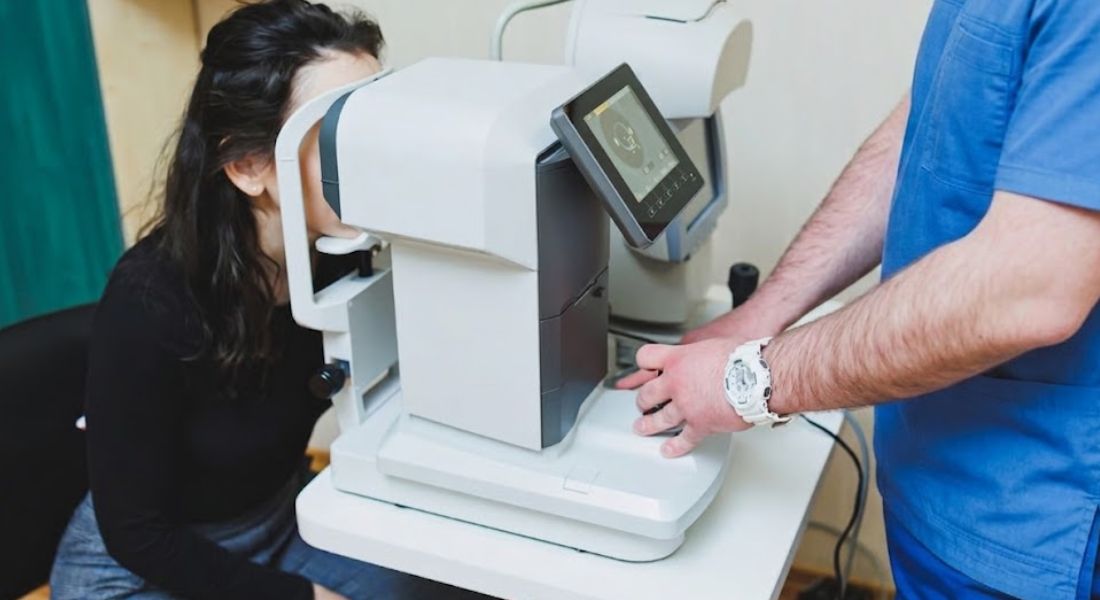
Axial length is the measurement of your eye from the front (cornea) to the back (retina). It plays an important role in understanding myopia because it is closely linked to how strongly short-sighted you are. In general, the longer the axial length, the higher the degree of myopia you are likely to have.
- What Axial Length Means: It refers to the physical length of your eye and helps explain why myopia develops.
- Linked to High Myopia: You are more likely to have a longer axial length if you have high myopia, which is why this measurement is important in ICL planning.
- Population Trends Exist: High myopia is more common in some Asian populations, which means ICL is more frequently considered in these groups.
- Wide Individual Variation: Despite population trends, axial length varies significantly from person to person across all ethnic backgrounds.
- Important for Surgical Planning: Your surgeon uses this measurement along with other eye scans to assess suitability and choose the safest treatment approach.
Overall, axial length is an important part of understanding your eye’s structure, but it is only one piece of the puzzle. Your suitability for ICL is always based on your full set of individual measurements rather than any general population pattern.
Does Ethnicity Directly Change ICL Outcomes?
Current evidence does not show that ethnicity alone determines ICL outcomes. What matters most for your results is your individual eye anatomy, correct lens sizing, and careful surgical technique. These factors have a much greater impact on safety and visual outcomes than demographic background.
Long-term studies on phakic intraocular lenses show good, stable results in appropriately selected patients. This reinforces that success depends mainly on accurate measurements and proper patient selection rather than characteristics like ethnicity.
For you, this means ICL is a fully personalised procedure. Your suitability is based entirely on your own eye structure and health, including factors like corneal shape, anterior chamber depth, endothelial cell count, and overall ocular health.
Why Population Averages Can Be Misleading
Even when studies show small average differences between groups, these findings don’t apply neatly to you as an individual. Population data can be useful for research, but it can’t tell you exactly how your own eyes are structured.
For example, even if you share the same ethnic background as someone else, you can still have completely different anterior chamber depth, corneal diameter, lens rise, or internal eye spacing. That variation is completely normal, and it’s one of the main reasons eye surgery planning has to be highly individualised.
This is why your surgeon will never rely on ethnicity when deciding whether ICL surgery is suitable for you. Instead, everything is based on your own scans, measurements, and eye health, so the recommendation you receive is tailored specifically to you rather than any population average.
Role of Myopia Patterns
One reason eye anatomy is sometimes discussed alongside ethnicity is because patterns of refractive error, such as myopia, can vary between different populations. In some regions, higher levels of myopia are more common, which naturally leads to more people being considered for procedures like ICL.
- Population Trends in Myopia: In some groups, higher rates of myopia mean more people fall into the range where ICL becomes a relevant option.
- High Myopia and Eye Structure: High myopia is often linked with a longer axial length, which can be associated with differences in internal eye anatomy.
- Impact on Surgical Planning: These anatomical differences may be relevant when planning procedures, as they can influence measurements and lens selection.
- Still Based on Individual Eyes: Even if patterns exist at a population level, your suitability for ICL is always based on your own measurements.
- Ethnicity Does Not Decide Treatment: The decision is never made on background alone, but on detailed clinical assessment of your eye health.
Overall, while myopia patterns can vary between populations and may influence how often ICL is considered, your personal eye measurements remain the most important factor. A proper assessment ensures that treatment decisions are based entirely on your individual anatomy and visual needs.
Keratoconus and Corneal Shape Considerations
Keratoconus is a condition where the cornea gradually becomes thinner and more irregular in shape. This is important in refractive surgery because changes in corneal stability can affect whether procedures like LASIK, SMILE, or even ICL are appropriate for you.
Some populations report higher rates of keratoconus, which makes careful corneal screening an essential part of the pre-operative assessment. Modern clinics use detailed imaging such as corneal topography and tomography to detect early or subtle changes, even before symptoms become obvious.
It’s important to understand that ICL does not treat keratoconus, as it sits inside the eye rather than correcting the corneal shape. This is why accurate diagnosis is critical before any surgical planning. If keratoconus or suspected corneal instability is found, your surgeon will usually consider alternative management options to ensure your long-term eye health and safety.
Imaging Technology Reduces Uncertainty
Modern imaging technology has significantly improved how ICL surgery is planned. Tools such as anterior segment OCT, ultrasound biomicroscopy, corneal topography, and corneal tomography allow surgeons to examine both the surface and internal structures of your eye in far greater detail than before.
These imaging systems help measure key anatomical features more precisely, including anterior chamber depth, corneal shape, and internal spacing. This reduces the need to rely on general population averages and allows decisions to be based much more on your individual eye anatomy.
As a result, ICL planning has become more accurate, safer, and increasingly personalised. By using detailed imaging rather than assumptions, surgeons can better match lens selection and sizing to your specific eye structure, helping to improve predictability and reduce the risk of postoperative complications.
Vault Prediction and Anatomy
Vault prediction is one of the most important aspects of ICL surgery planning. Vault refers to the space between the implanted ICL and your natural crystalline lens after surgery. Achieving an appropriate vault is important because both excessively low and excessively high vault can increase the risk of complications.
Because vault is influenced by the internal anatomy of the eye, factors such as anterior chamber depth, sulcus dimensions, lens rise, and other anatomical measurements can affect the final result. If anatomical differences alter the available space inside the eye, they may indirectly influence postoperative vault. This is why detailed pre-operative measurements are essential when selecting the correct lens size.
To improve accuracy, newer sizing formulas, advanced imaging technologies, and artificial intelligence-based prediction models are being developed and refined. These tools aim to provide more reliable vault predictions across a wide range of eye anatomies, helping surgeons achieve safer, more consistent, and more predictable outcomes for individual patients.
Artificial Intelligence in Anatomical Assessment
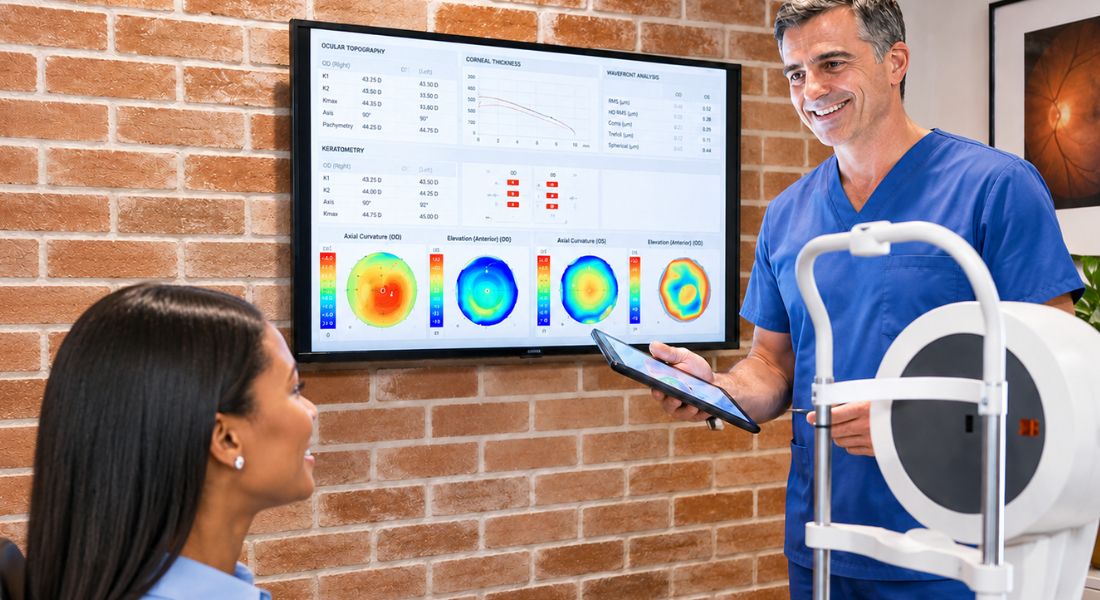
Artificial intelligence is becoming an increasingly important part of ICL surgical planning. Modern AI systems can analyse multiple measurements from your eye at the same time, including anterior chamber depth, corneal diameter, lens rise, sulcus measurements, and other biometric factors that influence lens sizing and postoperative vault.
Recent research suggests that machine learning models can help predict postoperative vault and optimise ICL sizing with a high degree of accuracy. These systems are designed to recognise complex relationships between anatomical measurements that may not always be obvious when using traditional formulas alone, which can support more precise surgical planning for your individual eyes.
As these technologies continue to develop, they may help reduce variability in outcomes across different eye anatomies and support more personalised treatment decisions for you as a patient. While AI is not a replacement for your surgeon’s clinical judgement, it is increasingly being used as an additional tool to help select the most appropriate lens size and improve the predictability and safety of ICL surgery.
Does Ethnicity Affect Lens Sizing?
Ethnicity does not directly determine the size of the ICL selected for your eye. Lens sizing is based on detailed anatomical measurements, including factors such as white-to-white distance, anterior chamber depth, sulcus measurements, lens rise, and other parameters obtained during your pre-operative assessment.
Researchers sometimes study anatomical trends within different populations, and these findings may help improve future sizing formulas or prediction models. However, these trends are used to support research and algorithm development rather than to determine the lens size for an individual patient.
In practice, your surgeon will always base the final lens selection on your own measurements rather than population averages. This personalised approach helps maximise safety, improve vault prediction, and ensure the greatest possible precision for your individual eyes.
Safety Considerations Across All Groups
The safety of ICL surgery depends primarily on careful patient selection and thorough pre-operative assessment. Important factors include anterior chamber depth, endothelial cell count, angle structure, intraocular pressure, lens sizing, and achieving an appropriate vault after implantation. These measurements help determine whether the procedure can be performed safely.
The key point is that these risks are anatomical and clinical rather than ethnic. While researchers may study differences between populations, the factors that influence safety are the specific characteristics of your eyes, not your ethnic background.
This is why comprehensive screening is such an important part of the ICL process. By carefully evaluating your eye anatomy and overall eye health before surgery, your surgeon can identify potential concerns, reduce the risk of complications, and determine whether ICL is the safest and most appropriate option for you.
Importance of Individual Assessment
The most important principle in ICL surgery is individual assessment. While researchers may identify anatomical trends within certain populations, these patterns should never be used as a substitute for detailed measurements of your own eyes. Every patient must be assessed on their individual anatomy and visual needs.
Two people from the same ethnic background can have completely different eye measurements and therefore receive very different surgical recommendations. Equally, two patients from different backgrounds may have almost identical anatomy and be equally suitable for the same treatment.
This is why personalised planning is essential. Decisions about ICL surgery should be based on factors such as your prescription, anterior chamber depth, corneal health, endothelial cell count, eye pressure, retinal health, and overall eye anatomy. By focusing on your individual measurements rather than population averages, your surgeon can recommend the safest and most appropriate treatment for you.
Comparison With Laser Eye Surgery
Laser eye surgery and ICL surgery correct vision in different ways. Procedures such as LASIK, PRK, and SMILE work by reshaping the cornea, whereas ICL surgery corrects vision by placing a prescription lens inside your eye without altering the corneal structure.
Because the treatments work differently, the anatomical factors that determine suitability are also different. For example, thin corneas, irregular corneal shape, or very high prescriptions may make laser eye surgery less suitable, while ICL may still be an option. On the other hand, a shallow anterior chamber depth or insufficient internal space inside the eye may affect ICL suitability even when laser surgery remains possible.
This is why a comprehensive eye assessment is so important. Your surgeon will evaluate both the external and internal anatomy of your eyes to determine which procedure offers the safest and most effective outcome. Rather than one treatment being universally better than the other, the best choice depends on your individual measurements, prescription, eye health, and visual goals.
What This Means for Patients
For you as a patient, the most important takeaway is that treatment decisions are based on your individual eye measurements, not your ethnic background. While ethnicity may be discussed in research studies to explore anatomical trends and population patterns, it does not determine whether ICL surgery will be suitable for your eyes.
If your eye anatomy meets the necessary safety requirements, ICL can be a highly effective vision correction option regardless of your background. Factors such as anterior chamber depth, corneal health, endothelial cell count, eye pressure, and retinal health are far more important than ethnicity when assessing suitability.
If your measurements show that ICL is not the safest choice, your surgeon should explain why and discuss alternative treatments that may be more appropriate. The goal is always to choose the option that offers the best balance of safety, effectiveness, and long-term eye health for your individual circumstances.
When to Consider ICL Surgery

You may want to consider ICL surgery if you have moderate to high myopia, thin corneas, or if you have been told that laser eye surgery such as LASIK or SMILE may not be the best option for your eyes. It can also be attractive if you are interested in a vision correction procedure that does not involve removing corneal tissue and offers the possibility of lens removal or exchange in the future if needed.
However, choosing ICL is not simply based on your prescription. Your suitability depends on a detailed assessment of your eye anatomy, including factors such as anterior chamber depth, endothelial cell count, eye pressure, corneal health, and retinal health. These measurements help determine whether there is enough space inside your eye for the lens to be implanted safely.
Before making any decision, you should have a comprehensive eye examination with detailed imaging and measurements. If you are exploring ICL surgery in London, your consultation should include a full anatomical evaluation, a discussion of the potential benefits and risks, and a clear explanation of all available vision correction options so that you can make an informed choice based on your individual needs.
Future of Anatomical Planning in ICL
The future of ICL surgery is likely to become even more personalised, with treatment planning increasingly guided by detailed anatomical measurements and advanced technology. Improvements in eye imaging are allowing surgeons to assess the internal structures of your eye with greater precision, helping to improve lens sizing and reduce the chance of unexpected outcomes after surgery.
Researchers are also developing more sophisticated sizing formulas and artificial intelligence-based prediction models. These systems can analyse multiple measurements at the same time, including factors that may influence vault and lens positioning. The aim is to make lens selection more accurate and surgical planning even safer for a wider range of patients.
For you as a patient, this means treatment decisions are becoming less dependent on general assumptions and more focused on your individual eye anatomy. The overall trend is towards precision-based eye care, where every aspect of planning is tailored to your specific measurements in order to achieve the safest and most predictable outcome possible.
FAQs:
- Can ethnicity affect whether I am suitable for ICL surgery?
No. ICL suitability is determined by your individual eye measurements, not your ethnicity. Factors such as anterior chamber depth, corneal health, endothelial cell count, and internal eye anatomy are far more important. - Why are anatomical measurements so important for ICL surgery?
The ICL must fit safely inside the eye without affecting the natural lens or normal fluid circulation. Accurate measurements help surgeons choose the correct lens size and reduce the risk of complications. - What anatomical measurements are checked before ICL surgery?
Common measurements include anterior chamber depth, white-to-white corneal diameter, sulcus-to-sulcus distance, axial length, pupil size, endothelial cell count, corneal shape, and intraocular pressure. - Does anterior chamber depth vary between different ethnic groups?
Research suggests there may be small average differences between populations. However, there is significant overlap, and individual variation is much greater than any group average, which is why every patient requires personalised measurements. - Can anatomical differences influence ICL lens sizing?
Yes. Measurements such as anterior chamber depth, white-to-white diameter, sulcus anatomy, and lens rise all help determine the most appropriate ICL size. Lens sizing is based on your eye anatomy rather than demographic characteristics. - Does ethnicity directly affect ICL surgery outcomes?
Current evidence does not show that ethnicity alone affects visual outcomes. Successful results depend on accurate assessment, proper lens sizing, surgical technique, and ongoing follow-up care. - Why is high myopia often discussed when talking about Asian populations and ICL surgery?
High myopia is more common in some Asian populations, which increases demand for ICL surgery. Since ICL can correct higher prescriptions without removing corneal tissue, it is frequently considered for these patients. - How do modern imaging technologies improve ICL planning?
Technologies such as anterior segment OCT, corneal tomography, topography, and ultrasound biomicroscopy provide detailed measurements of internal eye structures. This allows surgeons to make decisions based on individual anatomy rather than population averages. - What is vault, and why is it important in ICL surgery?
Vault is the space between the implanted ICL and the natural lens. Achieving an appropriate vault is important for long-term safety and depends heavily on accurate anatomical measurements and lens sizing. - If anatomical differences are found, does that mean I cannot have ICL surgery?
Not necessarily. Anatomical differences simply help guide surgical planning. Many patients with different eye shapes and measurements can still be suitable candidates, provided their anatomy meets the required safety criteria.
Final Thoughts: Individual Eye Anatomy Matters More Than Ethnicity
Research has shown that certain anatomical measurements may vary between populations, but these differences are only useful for understanding broader trends and do not determine whether an individual is suitable for ICL surgery. Modern ICL planning is based on detailed measurements of your own eye, including anterior chamber depth, corneal dimensions, internal eye anatomy, and overall ocular health. This personalised approach helps ensure that lens sizing and surgical decisions are tailored specifically to you rather than to population averages.
The most important factor in achieving safe and successful outcomes is a thorough pre-operative assessment. If you’d like to find out whether ICL surgery in London is suitable for you, feel free to contact us at Eye Clinic London to arrange a consultation.
References:
- Wei, Q., Ding, X., Chang, W. and Zhou, X., 2024. Corneal Sub-Basal Nerve Plexus Regeneration Pattern following Implantable Collamer Lens Implantation for Myopia: A Prospective Longitudinal In Vivo Confocal Microscopy Study. Biomedicines, 12(3), p.555. Available at: https://www.mdpi.com/2227-9059/12/3/555
- Packer, M., 2018. The Implantable Collamer Lens with a Central Port: Review of the Literature. Clinical Ophthalmology, 12, pp.2427–2438. Available at: https://pmc.ncbi.nlm.nih.gov/articles/PMC6267497/
- Sánchez Trancón, A., Cerpa Manito, S., Torrado Sierra, O., Baptista, A.M. and Serra, P., 2020. Determining vault size in implantable collamer lenses: preoperative anatomy and lens parameters. Journal of Cataract and Refractive Surgery, 46(5), pp.728–736. Available at: https://pubmed.ncbi.nlm.nih.gov/32358268/
- Kamiya, K., Shimizu, K., Igarashi, A. and Kobashi, H., 2019. Predictability of the vault after posterior chamber phakic intraocular lens implantation using anterior segment optical coherence tomography. Journal of Cataract & Refractive Surgery, 45(8), pp.1099–1104. Available at: https://www.sciencedirect.com/science/article/abs/pii/S0886335019301403
- Kojima, T., Hasegawa, A., Hara, S. and Nakamura, T., 2021. Prediction of Phakic Intraocular Lens Vault Using Machine Learning of Anterior Segment Optical Coherence Tomography Metrics. American Journal of Ophthalmology, 226, pp.90–99. Available at: https://www.sciencedirect.com/science/article/abs/pii/S0002939421000684