


Glaucoma in Hispanic and Latino Patients: What Does the Research Show?
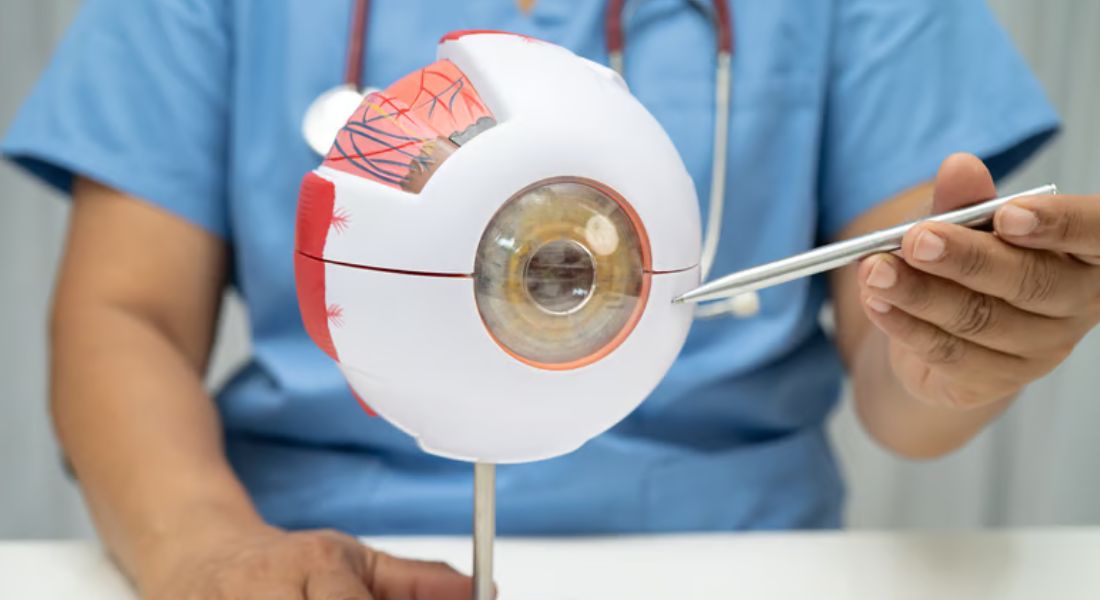
Glaucoma is one of the leading causes of irreversible vision loss worldwide. It affects millions of people and often develops gradually, which means you may not notice any symptoms until significant damage has already occurred. Because vision loss from glaucoma cannot usually be reversed, early detection is extremely important. Regular eye examinations can play a key role in helping you protect your long-term vision.
Researchers have spent many years studying how glaucoma affects different populations. Evidence suggests that Hispanic and Latino communities experience a considerable burden of glaucoma, particularly as people get older. These findings have increased awareness of the importance of routine eye care and early diagnosis. They also highlight why regular monitoring can be especially valuable for those who may be at increased risk.
Understanding how glaucoma affects specific populations can help identify people who may benefit from closer observation. While glaucoma can affect anyone, research indicates that some groups may face a higher risk due to a combination of genetic, biological, and environmental factors. Learning about these factors can help you better understand your own eye health and the importance of preventative care. It can also encourage earlier discussions with an eye care professional if you have concerns.
If you are worried about glaucoma or have a family history of the condition, keeping up to date with current research can be helpful. Understanding what studies have found may give you a clearer picture of why regular eye examinations matter. Even if your vision seems perfectly normal, glaucoma can develop without obvious warning signs. This is why routine eye care remains one of the most important steps you can take to protect your sight.
Understanding What Glaucoma Is
Glaucoma is the term used to describe a group of eye conditions that can damage the optic nerve. This nerve carries visual information from your eye to your brain and plays an essential role in allowing you to see clearly. When the optic nerve is affected, your vision can gradually become impaired.
As optic nerve damage progresses, vision loss may develop over time. Unfortunately, any vision that is lost as a result of glaucoma cannot usually be restored. This is why early detection and ongoing monitoring are so important.
One of the challenges with glaucoma is that it often develops without obvious symptoms in its early stages. You may not notice any changes to your vision until significant damage has already occurred. As a result, many people are unaware they have the condition until it is detected during a routine eye examination.
Why Researchers Study Specific Populations
Medical researchers often study how diseases affect different populations. This approach helps them identify patterns, risk factors, and healthcare needs that may not be obvious when looking at the wider population as a whole. By understanding these differences, they can gain a clearer picture of who may be at greater risk and why.
Understanding population-specific trends can help healthcare professionals improve screening and detection strategies. This may lead to earlier diagnosis and more timely treatment for people who are at increased risk. As a result, you may benefit from more targeted approaches to monitoring and managing eye health.
Research involving Hispanic and Latino populations has provided valuable insights into glaucoma prevalence and risk factors. These findings have helped experts better understand how the condition affects different communities. They have also reinforced the importance of regular eye examinations and early detection in protecting your vision.
Glaucoma Prevalence in Hispanic and Latino Communities
If you are from a Hispanic or Latino background, it is important to be aware that glaucoma is a relatively common eye condition within these communities. Several large studies have found that the prevalence of glaucoma increases significantly with age, meaning your risk may rise as you get older. Because glaucoma often develops without noticeable symptoms in its early stages, many people are unaware they have the condition until vision has already been affected. This has led to a growing focus on awareness, early detection, and regular eye examinations.
- Glaucoma Is Relatively Common in Hispanic and Latino Adults: Research has shown that glaucoma affects a considerable number of Hispanic and Latino individuals. These findings have highlighted the importance of understanding risk factors and promoting regular eye care.
- Your Risk Increases with Age: Studies suggest that the likelihood of developing glaucoma rises significantly as you get older. This makes routine eye examinations increasingly important later in life.
- More People May Be Affected in the Future: As life expectancy continues to increase, more people are expected to reach the age groups most commonly affected by glaucoma. This may contribute to a higher overall number of cases in the coming years.
- Early Screening Can Make a Difference: Because glaucoma can develop without obvious symptoms, regular eye checks are essential. Early detection gives you the best opportunity to begin management before significant vision loss occurs.
Overall, glaucoma remains an important eye health concern within Hispanic and Latino communities. As the population ages, awareness and screening are likely to become even more important. Regular eye examinations can help identify the condition at an earlier stage, when treatment is often most effective. By staying informed and proactive about your eye health, you can take important steps towards protecting your vision for the future.
Age Remains a Major Risk Factor
Age is one of the most important risk factors for glaucoma. As you get older, your likelihood of developing the condition generally increases. This is why regular eye care becomes increasingly important with age.
Researchers have observed this pattern across many populations, including Hispanic and Latino communities. Studies suggest that older adults are more likely to develop glaucoma than younger individuals. Because of this increased risk, you may be encouraged to attend routine eye examinations as you get older.
Early detection becomes especially important as age-related risk rises. Regular eye tests can help identify signs of glaucoma before noticeable vision problems occur. Detecting the condition early gives you a better opportunity to protect your long-term vision and eye health.
Family History Can Influence Risk
Family history is frequently discussed in glaucoma research because it can influence your risk of developing the condition. If a close relative, such as a parent or sibling, has glaucoma, you may be more likely to develop it yourself. This is why family medical history is often an important part of eye health assessments.
Having a family history of glaucoma does not mean that you will definitely develop the condition. However, it does highlight the importance of being aware of your risk and attending regular eye examinations. The earlier glaucoma is detected, the greater the opportunity to manage it effectively.
Sharing your family medical history with your eye specialist can be very helpful. This information may support a more personalised approach to monitoring your eye health. It can also help determine how frequently you should have your eyes examined.
The Role of Genetics
Researchers continue to study the genetic factors that may be linked to glaucoma. While genetics alone does not determine whether you will develop the condition, inherited traits may influence your level of risk. This is one reason why your family history is often considered during eye examinations.
Studies involving Hispanic and Latino populations have explored how genetic influences may interact with other risk factors. Researchers are working to understand how inherited characteristics combine with environmental and lifestyle factors. This remains an active area of research and continues to provide valuable insights.
Future discoveries may help experts better understand why some people are more susceptible to glaucoma than others. This knowledge could improve the way individuals at higher risk are identified and monitored. In time, it may also support more personalised approaches to glaucoma care and prevention.
Open-Angle Glaucoma Is Commonly Studied
Primary open-angle glaucoma is one of the most common forms of the condition. Much of the research involving Hispanic and Latino populations focuses on this type because it is widely seen in clinical practice. Understanding this form helps experts learn more about how glaucoma develops and progresses.
Open-angle glaucoma often develops slowly, and you may not notice any clear symptoms in the early stages. Because of this gradual progression, the condition can advance without obvious warning signs. This is why routine eye examinations are especially important for detecting changes early.
Researchers continue to study how prevalence patterns vary among different demographic groups. These investigations help improve understanding of who may be at higher risk and why. Over time, this knowledge supports better screening and earlier diagnosis for people like you.
The Challenge of Late Diagnosis
If you’re thinking about glaucoma, one of the biggest challenges you should be aware of is late diagnosis. Because glaucoma often develops slowly and without obvious symptoms, you may not notice anything wrong until your vision has already started to change. This delay in recognising the problem can make treatment more difficult. As a result, early detection plays a crucial role in protecting your eyesight.
- Glaucoma Can Develop Without Symptoms: You may not notice any early warning signs, even as damage begins to occur. This is why many people are diagnosed only after the condition has progressed.
- Vision Loss Is Usually Irreversible: Once vision is lost due to glaucoma, it cannot typically be restored. This makes early identification and management extremely important.
- You May Not Seek Care Until Later Stages: Because symptoms are subtle or absent, you might only seek help when vision changes become noticeable. Unfortunately, this often means the disease is already advanced.
- Regular Eye Exams Help With Early Detection: Routine eye examinations give you the best chance of detecting glaucoma early. This allows treatment to begin before significant damage occurs.
Overall, the challenge with glaucoma is that it can progress silently, making late diagnosis quite common. By the time you notice changes in your vision, some damage may already have happened. This is why regular eye examinations are so important for early detection. Staying proactive with your eye health can make a real difference in preserving your vision.
Eye Pressure and Glaucoma

Increased intraocular pressure is one of the well-known risk factors for glaucoma. If the pressure inside your eye is too high, it can place stress on the optic nerve over time. However, it is important to understand that glaucoma can sometimes develop even when your eye pressure appears to be within a normal range.
Researchers continue to study the complex relationship between eye pressure and optic nerve health. You may find it interesting that damage can still occur due to how sensitive the optic nerve is, not just the pressure itself. This is why glaucoma is considered a multifactorial condition rather than being linked to a single cause.
Eye pressure measurements remain an essential part of your routine eye examinations. They help your eye specialist monitor changes over time and identify potential risks early. Alongside other tests, they provide a clearer picture of your overall eye health.
The Importance of Optic Nerve Evaluation
Glaucoma assessment involves more than just measuring eye pressure. During your eye examination, your specialist will also carefully evaluate your optic nerve for any signs of damage. This is an important step in understanding your overall eye health.
Advances in imaging technology have made it easier to detect even very subtle changes in the optic nerve. These tools allow your eye specialist to identify early signs of glaucoma that may not be visible through standard examination alone. This can support earlier diagnosis and more effective monitoring over time.
Optic nerve evaluation remains a central part of glaucoma care. It helps provide a clearer picture of how your condition is progressing and whether any treatment adjustments are needed. By combining different assessment methods, your eye specialist can offer you more comprehensive and accurate care.
Visual Field Testing Plays a Key Role
Visual field testing is an important part of assessing your peripheral vision. Since glaucoma often affects side vision first, these tests can provide early and valuable insight into changes that may not yet be noticeable in your daily life.
Both researchers and clinicians rely on visual field assessments when diagnosing and monitoring glaucoma. You may not realise changes are happening at first, as they often develop gradually over time. These tests help detect even small areas of vision loss that could indicate progression.
Regular visual field testing is essential for tracking how the condition is progressing and how well treatment is working. It allows your eye specialist to make informed decisions about your ongoing care. This helps ensure your management plan remains appropriate for your needs.
Awareness Remains an Important Issue
Many studies suggest that awareness of glaucoma remains relatively low in some populations. You may not always recognise the importance of screening, especially because glaucoma often develops without noticeable symptoms. This can mean people delay eye examinations until changes in vision become more advanced.
Increasing public awareness can encourage you to attend earlier eye examinations and seek timely diagnosis. Educational initiatives often focus on helping you understand the importance of routine eye checks, even when your vision seems normal. These efforts aim to highlight the benefits of early detection and regular monitoring.
Greater understanding of glaucoma may help reduce the burden of preventable vision loss. When you are more informed, you are more likely to take proactive steps towards protecting your eye health. This can make a meaningful difference in long-term vision outcomes.
Access to Eye Care Matters
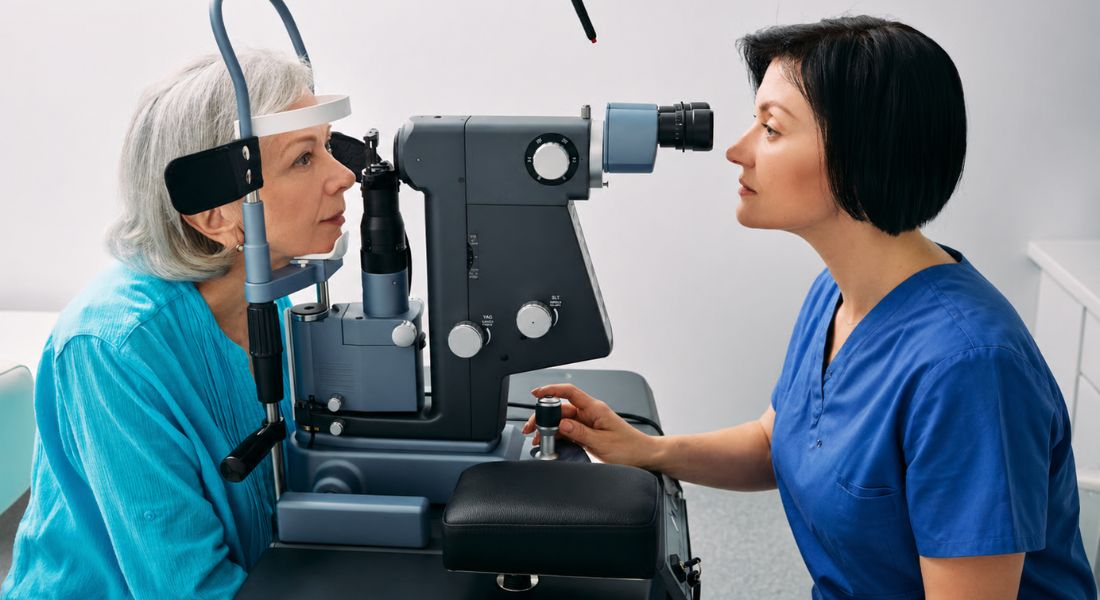
Access to regular eye care plays an important role in glaucoma detection. If you are able to attend routine eye examinations, problems can often be identified before any noticeable symptoms develop. This makes regular check-ups a key part of protecting your long-term vision.
Researchers often study how access to healthcare influences diagnosis rates for glaucoma. When you have timely access to eye examinations, it becomes more likely that any changes in eye health are detected early. This can support earlier treatment and better long-term outcomes.
Improving access to eye care remains an important public health goal. Ensuring that you can easily attend eye checks may help reduce the number of cases that go undiagnosed until later stages. This can ultimately help protect vision and reduce preventable sight loss.
Lifestyle Factors Continue to Be Studied
If you’re interested in eye health, you may be pleased to know that researchers are still actively exploring how lifestyle factors can influence conditions like glaucoma. Areas such as physical activity, smoking habits, nutrition, and cardiovascular health are all being studied for their potential impact on eye health. While lifestyle changes alone cannot prevent glaucoma, they may still play a supportive role in overall wellbeing. This is why ongoing research continues to look at how daily habits may be linked to long-term eye health.
- Physical Activity Is Being Closely Examined: You may benefit from knowing that regular exercise is being studied for its possible role in supporting eye and overall health. Researchers are exploring how it might influence blood flow and pressure regulation in the body.
- Smoking and Eye Health Are Linked in Research: Smoking is widely studied as a risk factor for many health conditions, including those affecting the eyes. If you smoke, quitting is generally considered beneficial for your overall health and wellbeing.
- Nutrition May Play a Supporting Role: A balanced diet rich in nutrients is being investigated for its potential impact on eye health. While it won’t prevent glaucoma, good nutrition supports overall bodily function.
- Cardiovascular Health Is an Important Focus: Your heart and eye health are closely connected, which is why cardiovascular factors are often included in research. Maintaining healthy blood pressure and circulation may support general eye health.
Overall, lifestyle factors continue to be an important area of research in relation to eye health. While they cannot guarantee prevention of glaucoma, they may contribute to better overall wellbeing. By maintaining healthy habits, you can support your general health alongside regular eye care. As research develops, you may see even clearer links between lifestyle and long-term eye health outcomes.
The Impact of Vision Loss
Glaucoma-related vision loss can affect many aspects of your daily life. You may find that activities such as driving, reading, or moving around unfamiliar places become more difficult over time. These changes can gradually influence your independence and overall quality of life.
This is why early diagnosis and ongoing monitoring are so important. When glaucoma is detected earlier, you have a better chance of slowing its progression and protecting your remaining vision. Regular eye examinations play a key role in supporting long-term eye health.
Research consistently highlights the importance of preserving visual function whenever possible. By managing the condition proactively, you can help maintain your ability to carry out everyday activities. This makes early awareness and continued care essential parts of glaucoma management.
Modern Diagnostic Technology
Technological advances have significantly improved the way glaucoma is diagnosed and monitored. Imaging devices now allow eye specialists to view the internal structures of your eye in much greater detail than was previously possible. This helps provide a clearer understanding of any subtle changes that may be occurring.
These developments support more precise evaluations and can help detect glaucoma at an earlier stage. If changes are identified sooner, you may benefit from earlier intervention and closer monitoring. Many clinics now include advanced imaging as part of a comprehensive eye examination.
Technology continues to play an important role in improving glaucoma management. As diagnostic tools become more advanced, your eye specialist can track changes more accurately over time. This helps ensure that your care is as informed and effective as possible.
Ongoing Monitoring Is Essential
Glaucoma is usually a long-term condition that requires regular monitoring over time. Even after you have been diagnosed, follow-up appointments remain an essential part of your care. These visits help ensure that your eye health is being properly managed.
Ongoing monitoring allows your eye specialist to assess whether the condition is progressing. It also helps determine how well any treatment you are receiving is working. Based on these findings, your management plan can be adjusted if needed.
Consistent care plays an important role in supporting better long-term outcomes. When you attend regular check-ups, changes can be detected early and managed more effectively. This helps protect your vision and maintain your quality of life.
Research Continues to Expand
Glaucoma research is constantly evolving, with scientists continuing to explore genetics, diagnostic methods, risk factors, and treatment approaches. You may find it reassuring that this ongoing work is helping to improve how the condition is understood and managed over time.
Studies involving Hispanic and Latino populations continue to provide valuable insights. These findings help researchers better understand how glaucoma develops and affects different groups of people. This can support improved risk assessment and more tailored clinical care for you.
As research continues, you may benefit from earlier detection methods and more effective long-term management strategies. Ongoing progress in this field plays an important role in improving outcomes and helping to protect your vision over time.
Why Regular Eye Examinations Matter
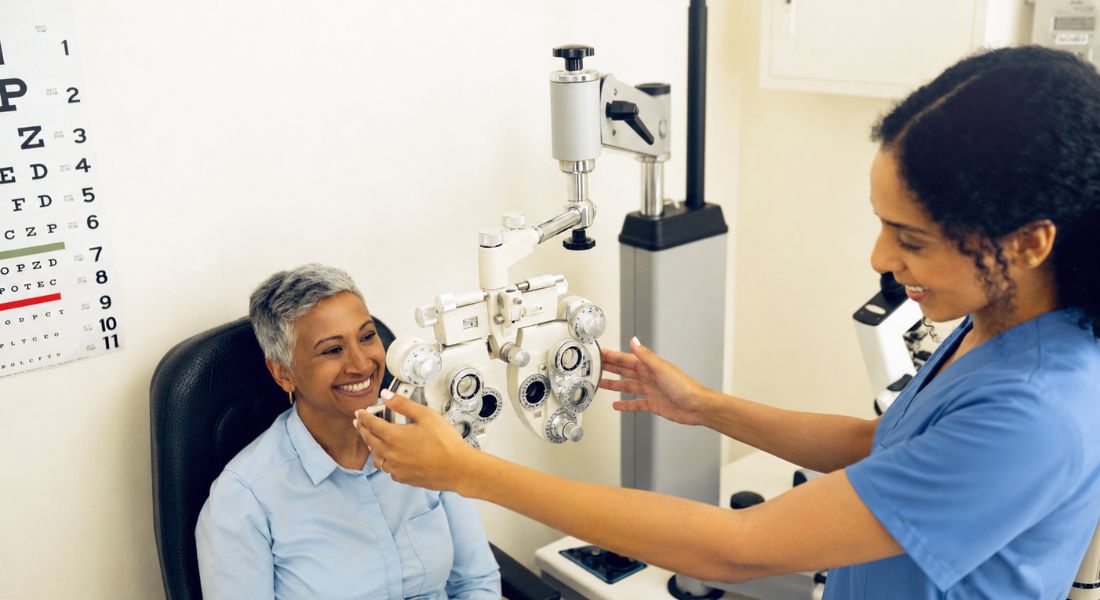
If you want to protect your vision long-term, regular eye examinations are one of the most important steps you can take. Glaucoma often develops slowly and without obvious symptoms, so you may not notice any changes until the condition is already advanced. This is why routine screening plays such a crucial role in detecting the disease early. By attending regular check-ups, you give yourself the best chance of identifying problems before significant vision loss occurs.
- Glaucoma May Not Show Early Symptoms: You might not notice any changes in your vision during the early stages of glaucoma. This makes routine eye exams essential for early detection.
- Screening Can Detect Problems Early: Comprehensive eye examinations can identify signs of glaucoma before you experience noticeable vision loss. This allows treatment to begin at an earlier stage.
- Early Diagnosis Improves Management: When glaucoma is detected early, treatment is often more effective at slowing progression. This can help preserve your vision for longer.
- Regular Check-Ups Protect Your Vision: Consistent eye appointments remain one of the best ways to safeguard your eye health. They allow your optometrist or ophthalmologist to monitor changes over time.
Overall, regular eye examinations are essential because they help detect glaucoma before it causes irreversible damage. Since you may not experience symptoms in the early stages, routine screening becomes even more important. Early diagnosis can make a significant difference in how effectively the condition is managed. By staying consistent with your eye care appointments, you can take proactive steps to protect your vision.
Taking a Proactive Approach to Eye Health
Taking a proactive approach to your eye health can make a significant difference. When you understand your risk factors and attend routine eye examinations, you may be more likely to identify potential problems at an earlier stage. This can be especially important for conditions like glaucoma, which often develop without obvious symptoms.
If you have any concerns about glaucoma, discussing them with an eye specialist can provide you with clear and personalised guidance. You can talk through your symptoms, family history, and any risk factors you may have. This helps ensure that your care is tailored to your individual needs.
Individual assessment is key to determining the most appropriate monitoring strategy for you. Your eye specialist can recommend how often you should be checked based on your specific risk profile. By staying proactive, you give yourself the best chance of protecting your long-term vision.
FAQs:
- What is glaucoma?
Glaucoma is a group of eye conditions that damage the optic nerve, which is responsible for carrying visual information from your eye to your brain. The condition often develops gradually and may not cause noticeable symptoms in its early stages. If left untreated, it can lead to permanent vision loss. Early detection is important because damage caused by glaucoma cannot usually be reversed. - Are Hispanic and Latino individuals at a higher risk of glaucoma?
Research suggests that glaucoma is relatively common within Hispanic and Latino populations, with the risk increasing as people get older. Several studies have found that prevalence rises significantly with age in these communities. While glaucoma can affect anyone, these findings highlight the importance of regular eye examinations. Early diagnosis can help protect long-term vision. - Why is glaucoma often called a “silent” eye disease?
Glaucoma is often described as a silent disease because it can progress without obvious symptoms. Many people do not notice any changes to their vision until significant optic nerve damage has already occurred. Peripheral vision is often affected first, making early changes difficult to detect. Routine eye examinations are therefore essential for identifying the condition early. - Does family history increase your risk of glaucoma?
Yes, having a close family member with glaucoma may increase your likelihood of developing the condition. Genetics are believed to play a role in glaucoma risk, although they are not the only factor involved. Informing your eye specialist about your family history can help guide screening recommendations. This information may support earlier and more personalised monitoring. - What is primary open-angle glaucoma?
Primary open-angle glaucoma is the most common form of glaucoma and is frequently studied in Hispanic and Latino populations. It develops slowly when the eye’s drainage system becomes less efficient over time. Most people experience no symptoms during the early stages of the disease. Regular eye examinations are often the only way to detect it before vision loss occurs. - How is glaucoma diagnosed?
Glaucoma is diagnosed using a combination of tests rather than a single examination. Your eye specialist may measure eye pressure, assess the optic nerve, perform visual field testing, and use advanced imaging scans. These tests help identify signs of damage and monitor changes over time. Comprehensive assessment allows for more accurate diagnosis and management. - Can glaucoma occur even if eye pressure is normal?
Yes, glaucoma can sometimes develop even when intraocular pressure falls within the normal range. Although elevated eye pressure is a major risk factor, it is not the only cause of optic nerve damage. This is why glaucoma assessments include multiple tests rather than relying solely on pressure measurements. A complete examination provides a more accurate picture of eye health. - Why are regular eye examinations so important?
Regular eye examinations help detect glaucoma before noticeable symptoms appear. Since vision loss from glaucoma is often irreversible, identifying the condition early provides the best opportunity for effective treatment and monitoring. Routine appointments allow specialists to assess risk factors and detect subtle changes. This proactive approach can help preserve vision for longer. - Can lifestyle factors affect glaucoma risk?
Researchers continue to study how lifestyle factors such as smoking, physical activity, nutrition, and cardiovascular health may influence glaucoma risk. While lifestyle changes cannot guarantee prevention, maintaining good overall health may support eye health as part of a broader wellness strategy. These factors are still being actively investigated. Regular eye care remains the most important preventive measure. - What should you do if you are concerned about glaucoma?
If you are worried about glaucoma or have a family history of the condition, it is a good idea to arrange a comprehensive eye examination. An eye specialist can assess your individual risk factors and recommend an appropriate monitoring plan. Early detection can make a significant difference in protecting your vision. Seeking professional advice is the best way to understand your personal risk.
Final Thoughts: Taking a Proactive Approach to Protecting Your Vision
Research suggests that glaucoma places a significant burden on Hispanic and Latino communities, particularly as you get older. While factors such as age, family history, genetics, and overall health may influence your individual risk, one message remains consistent across studies: early detection is essential. Because glaucoma often develops without obvious symptoms, regular eye examinations can help identify problems before permanent vision loss occurs.
It is also important to remember that glaucoma does not affect everyone in the same way. You may have elevated eye pressure, a family history of the condition, or other risk factors that warrant closer monitoring. Modern diagnostic technologies now allow eye specialists to assess the optic nerve and visual function in greater detail, helping to detect subtle changes at an earlier stage. This can support more effective management and better long-term outcomes. If you’d like to find out whether glaucoma treatment in London is suitable for you, feel free to contact us at Eye Clinic London to arrange a consultation.
References:
- Varma, R., Ying-Lai, M., Francis, B.A., Nguyen, B.B.T., Deneen, J., Wilson, M.R. and Azen, S.P. (2004) ‘Prevalence of open-angle glaucoma and ocular hypertension in Latinos: The Los Angeles Latino Eye Study’, Ophthalmology, 111(8), pp.1439–1448. Available at: https://pubmed.ncbi.nlm.nih.gov/15288969/
- Quigley, H.A., West, S.K., Rodriguez, J., Munoz, B., Klein, R. and Snyder, R. (2001) ‘The prevalence of glaucoma in a population-based study of Hispanic subjects: Proyecto VER’, Archives of Ophthalmology, 119(12), pp.1819–1826. Available at: https://pubmed.ncbi.nlm.nih.gov/11735794/
- Munteanu, G.Z., Munteanu, Z.V.I., Daina, C.M., Daina, L.G., Coroi, M.C., Domnariu, C., Badau, D. and Roiu, G. (2022) Study to identify and evaluate predictor factors for primary open-angle glaucoma in tertiary prophylactic actions, Journal of Personalized Medicine, 12(9), 1384. Available at: https://www.mdpi.com/2075-4426/12/9/1384
- Diniz-Filho, A., Boer, E.R., Elhosseiny, A., Wu, Z. and Medeiros, F.A. (2016) Glaucoma and driving risk under simulated fog conditions, Investigative Ophthalmology & Visual Science. Available at: https://pmc.ncbi.nlm.nih.gov/articles/PMC5156445/
- Kasneci, E., Sippel, K., Heister, M., Aehling, K., Rosenstiel, W., Schiefer, U. and Papageorgiou, E. (2016) On-road driving performance of patients with bilateral moderate and advanced glaucoma, American Journal of Ophthalmology, 166, pp. 43–51. Available at: https://www.sciencedirect.com/science/article/abs/pii/S0002939416300812