


Does Ethnicity Affect Dry Eye Disease?
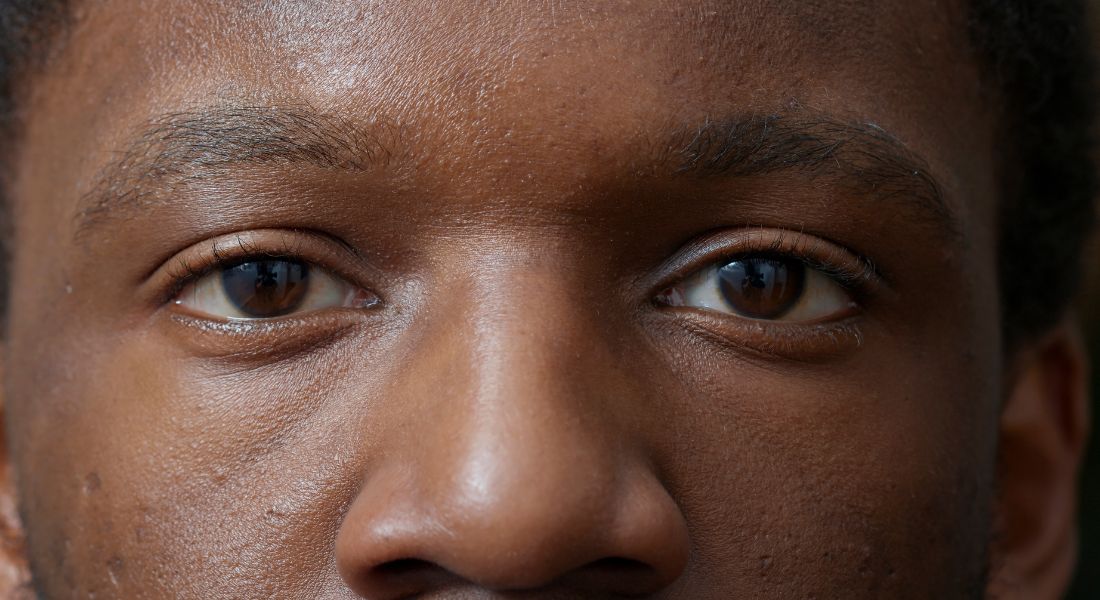
Dry eye disease is a common condition that affects the surface of your eyes and the stability of your tear film. It can lead to symptoms such as irritation, burning, grittiness, and fluctuating vision. Although it is widely recognised as a multifactorial condition, researchers have increasingly explored whether ethnicity may influence how often it occurs and how severe it becomes.
Over the past decade, ophthalmology studies have examined dry eye disease across different populations to better understand whether biological, environmental, or lifestyle factors linked to ethnicity may affect risk. While findings can vary between studies, there is growing interest in how these influences might contribute to differences in symptoms and disease presentation.
It is important to recognise that dry eye disease does not affect everyone in the same way. Even within the same ethnic group, you may experience very different symptoms, triggers, and levels of severity compared with someone else. This variability is why careful clinical assessment is essential, rather than relying on assumptions based on ethnicity alone.
As research continues to develop, a better understanding of the relationship between ethnicity and dry eye disease may help improve early detection and prevention strategies. It may also support more personalised treatment approaches, ensuring that your care is tailored to your specific symptoms, lifestyle, and needs.
Understanding Dry Eye Disease
Dry eye disease occurs when your eyes do not produce enough tears or when your tear film becomes unstable. When this happens, your eyes may struggle to stay properly lubricated, which can lead to discomfort and changes in your vision.
The condition is influenced by multiple factors, including your age, hormones, environment, and medical history. Because so many elements can contribute, dry eye disease is now recognised as a complex ocular surface disorder rather than a simple lack of tears.
Symptoms can vary widely between individuals. You may experience irritation, dryness, or fluctuating vision, while someone else with the same condition may notice different or more severe symptoms.
Why Ethnicity Has Been Studied in Dry Eye Research
Ethnicity is studied in medical research because it may be linked to genetic, anatomical, and environmental differences that can influence how diseases develop. These factors can affect how often a condition occurs and how it presents in different people, including dry eye disease.
In dry eye research, scientists are trying to understand whether certain populations may be more likely to develop symptoms or experience more severe forms of the condition. This involves looking at a range of possible influences, including biological differences, lifestyle habits, and environmental exposures.
The aim of this research is not to make assumptions about you as an individual, but to improve overall understanding of the condition. By recognising patterns at a population level, clinicians can provide more informed and personalised care that is better suited to your specific symptoms and needs.
Lifestyle and Modern Technology Use

Modern lifestyle habits, especially prolonged use of digital devices, can increase dry eye symptoms. When you spend long periods looking at screens, your blink rate often decreases without you realising it. This reduced blinking can lead to faster tear evaporation and increased tear film instability.
These habits are common across many populations around the world, regardless of ethnicity. Whether you are working on a computer, using a smartphone, or watching a tablet, extended screen time can place similar stress on your eyes. Because of this, lifestyle and behaviour may play a more significant role than ethnicity in some cases of dry eye disease.
Researchers are continuing to study how digital device use contributes to dry eye symptoms. Understanding this relationship is important, as it helps clinicians give you practical advice on managing symptoms in everyday life and reducing eye strain.
Variations in Reported Prevalence
Some studies suggest there may be differences in how frequently dry eye disease is reported across different ethnic groups. However, these findings are not always consistent, and results can vary depending on the population studied, the setting, and the methods used to diagnose or report symptoms. This means prevalence data should always be interpreted carefully rather than taken as absolute.
These variations may be influenced by a combination of factors, including study design, environmental exposures, lifestyle differences, and access to healthcare services. You may also find that how symptoms are recognised or reported can differ between populations, which can further affect study outcomes. Because of this, comparing results across studies is often complex.
Overall, dry eye disease can affect you regardless of your ethnicity. While research may highlight certain trends, the condition is seen across all populations, and individual differences are far more important than group-based generalisations. This is why personal assessment remains essential in understanding your symptoms and providing appropriate care.
The Role of Environmental Factors
Environmental conditions can have a significant impact on whether you experience dry eye symptoms and how severe they feel. Factors such as climate, humidity, and air pollution can all influence the stability of your tear film. These influences often vary more by geographic location than by ethnicity alone. As a result, researchers pay close attention to environmental exposure when studying dry eye disease patterns.
- Climate Can Affect Your Eye Comfort: The climate you live in, including temperature and humidity levels, can influence how quickly your tears evaporate. Hot or dry conditions may increase the likelihood of experiencing dryness or irritation.
- Pollution May Irritate Your Eyes: Exposure to air pollution can affect the surface of your eyes and contribute to inflammation. This may make dry eye symptoms more noticeable or persistent in some environments.
- Geography Often Matters More Than Ethnicity: Researchers have found that where you live can have a stronger impact on dry eye symptoms than ethnicity alone. This is because environmental conditions vary widely between regions and populations.
- Environmental Exposure Can Confound Research Results: When studying dry eye disease, environmental factors can sometimes make results harder to interpret. This is why researchers carefully account for climate and pollution when analysing differences between groups.
Environmental factors play a key role in shaping your risk of dry eye symptoms. While individual biology is important, external conditions often have a strong influence on tear stability and eye comfort. This is why researchers closely examine geography, climate, and pollution levels in their studies. Understanding these influences helps provide a clearer picture of why dry eye disease varies across different regions.
Anatomical Differences and Tear Film Function
Some studies have explored whether anatomical differences between ethnic groups may influence how the tear film is distributed across the surface of your eyes. Variations in eyelid structure, eyelid tension, or even blink patterns could potentially affect how effectively your tears spread and maintain a stable protective layer.
However, the evidence in this area is still limited and not fully conclusive. While these anatomical factors are being investigated, researchers have not yet established clear or consistent links that explain differences in dry eye disease between populations. This means the findings should be interpreted with caution.
At present, anatomy is considered just one of several contributing factors in dry eye disease. You are more likely to experience symptoms as a result of a combination of influences, including environment, lifestyle, hormones, and overall health, rather than anatomy alone.
Meibomian Gland Function Across Populations
Meibomian glands play an essential role in keeping your tear film stable by producing the oils that slow down tear evaporation. When these glands are not working properly, it can lead to evaporative dry eye disease, which is one of the most common forms of dry eye.
Some research has looked at whether meibomian gland function differs between populations. However, the evidence is still developing, and there is no clear or consistent conclusion about how strongly ethnicity may influence gland health or function. More studies are needed to fully understand any potential differences.
At present, meibomian gland health is considered important for everyone. Regardless of your background, healthy gland function helps support a stable tear film and can reduce symptoms such as dryness, irritation, and fluctuating vision.
Hormonal Influences and Gender Differences
Hormones play an important role in maintaining your tear production and the health of your ocular surface. Because of this, dry eye disease tends to be more common in women, especially after hormonal changes such as menopause. These patterns are seen across all ethnic groups, which suggests that hormones are a universal risk factor rather than one linked to a specific population. Researchers are still working to understand how hormonal changes interact with other factors that affect eye health.
- Hormones Help Regulate Your Tears: Your hormones influence the glands that produce and maintain your tear film. When hormone levels change, your eyes may not stay as well lubricated, which can lead to dryness or irritation.
- Women Are More Likely to Experience Dry Eye: You are more likely to see dry eye disease in women than in men, particularly during and after menopause. This is largely linked to natural hormonal shifts that occur over time.
- Hormonal Effects Occur Across All Ethnic Groups: These gender differences are not limited to any one ethnicity. This shows that hormonal influences are a general risk factor affecting people in all populations.
- Hormones Interact with Other Factors: Researchers continue to explore how hormones combine with lifestyle and environmental influences. These interactions may help explain why symptoms vary so much from person to person.
Hormonal changes are a key part of understanding why dry eye disease develops and affects people differently. While you may not be able to control hormonal shifts, knowing their role can help you better understand your symptoms. Research is still ongoing into how these changes interact with other risk factors. This growing knowledge may support more personalised approaches to managing dry eye in the future.
Importance of Personalised Assessment

Because dry eye disease varies widely between individuals, personalised assessment is essential for effective care. If you are experiencing symptoms, your treatment should be guided by a combination of what you feel, what is seen during clinical examination, and the underlying causes identified through testing.
Ethnicity alone is not enough to determine the most appropriate treatment strategy. While research can highlight patterns at a population level, your individual experience of dry eye disease may be very different from others in the same group. This is why a tailored approach is considered more reliable and effective in practice.
Personalised medicine is becoming increasingly important across healthcare, including ophthalmology. By focusing on your specific symptoms, tear film health, and contributing factors, clinicians can develop a treatment plan that is more likely to improve comfort, stability, and long-term outcomes.
Age as a Major Risk Factor
Age is one of the strongest predictors of dry eye disease. As you get older, your tear production and tear quality may gradually decline, making it harder for your eyes to stay comfortably lubricated and protected. These natural changes can increase the likelihood of developing dry eye symptoms over time.
This age-related risk applies across all populations, regardless of ethnicity or background. If you are living in a region with additional environmental stressors, such as dry climates or high screen use, these factors may combine with age-related changes and further increase symptoms. As global populations continue to age, the overall prevalence of dry eye disease is expected to rise.
In many cases, age has a stronger influence on dry eye disease than ethnicity alone. This is why clinicians often focus on your age and overall eye health when assessing risk and planning treatment, rather than relying solely on demographic factors.
Chronic Health Conditions and Dry Eye
Systemic conditions such as diabetes and autoimmune diseases can increase your risk of developing dry eye disease. These health issues may affect tear production, tear quality, and the overall health of your ocular surface. As a result, you may be more likely to experience symptoms such as dryness, irritation, or fluctuating vision.
The prevalence of these chronic conditions can vary between different populations. This means that differences seen in dry eye statistics across ethnic groups may sometimes be influenced indirectly by underlying health patterns, rather than ethnicity itself. In other words, associated medical conditions can play a significant role in shaping overall risk levels.
For this reason, your medical history is an essential part of any dry eye assessment. Conditions such as diabetes, thyroid disease, or autoimmune disorders can all influence how your eyes function. Understanding your overall health helps clinicians identify contributing factors and develop a more appropriate and personalised treatment approach.
Inflammation and Ocular Surface Disease
Inflammation plays a central role in dry eye disease and can significantly affect your tear film and overall eye comfort. When inflammation is present, it may damage the ocular surface and disrupt the normal stability of your tears. Over time, this can lead to worsening symptoms such as dryness, irritation, and fluctuating vision.
Researchers are continuing to explore whether inflammatory responses differ between populations. However, inflammation is a consistent feature of dry eye disease in all patients, regardless of ethnicity or background. This means that while there may be variations in how the condition presents, the underlying inflammatory process is widely recognised.
Because of its central role, inflammation remains a key target for treatment in dry eye disease. Many modern management approaches focus on reducing inflammation to help improve tear film stability and relieve your symptoms. This has become an important area of ongoing research and clinical practice in ophthalmology.
Challenges in Research Interpretation
When you read about ethnicity and dry eye disease, you might notice that the findings are not always straightforward. That’s because many studies involve several overlapping factors at the same time, such as environment, lifestyle, and access to healthcare. These influences can make it difficult to clearly separate ethnicity as an independent risk factor. As a result, researchers need to be careful when interpreting and explaining their findings.
- Multiple Factors Often Work Together: You are rarely dealing with just one influencing factor in dry eye research. Environment, daily habits, and healthcare access often overlap, making it difficult to pinpoint a single cause.
- Ethnicity Is Hard to Study in Isolation: In most real-world settings, ethnicity is linked with other variables. This makes it challenging for researchers to determine whether ethnicity alone has a direct effect on dry eye disease.
- Findings Need Careful Interpretation: You should not always assume a direct cause-and-effect relationship from study results. Researchers often stress that conclusions must be viewed in context.
- More Controlled Research Is Needed: To get clearer answers, researchers need studies that better control for external factors. This would help you understand the true impact of each variable more accurately.
Overall, interpreting research in this area requires careful consideration of all the influencing factors. While ethnicity may appear to be associated with differences in dry eye prevalence, it is often closely tied to environment and lifestyle. This means you need to look at the bigger picture rather than focusing on a single explanation. Ongoing research aims to make these relationships clearer over time.
Differences in Symptom Reporting
Patients do not always describe or report their dry eye symptoms in the same way. Cultural background, social expectations, and personal tolerance levels can all influence how you perceive and communicate discomfort. As a result, two people with similar clinical findings may report their symptoms very differently.
This variation can affect research outcomes and may contribute to perceived differences between populations in study results. If one group is more likely to report symptoms earlier or more frequently than another, it can influence prevalence data and how severity is interpreted. For this reason, symptom reporting variability is an important factor to consider in dry eye research.
Clinical assessment plays a key role in helping to balance these differences. By combining your reported symptoms with objective tests of tear film stability and ocular surface health, clinicians can build a more accurate understanding of your condition. This approach helps ensure that your diagnosis and treatment are based on both subjective experience and measurable findings.
Advances in Diagnostic Testing
Modern diagnostic tools now allow clinicians to assess your tear film quality, meibomian gland function, and overall ocular surface health with much greater precision. These technologies provide detailed information that helps build a clearer picture of what may be contributing to your dry eye symptoms.
One key benefit of these advances is that they reduce reliance on subjective symptom reporting alone. Since you may experience symptoms differently from someone else with similar clinical signs, objective testing helps improve consistency and accuracy in diagnosis across all patients.
As a result, technology is playing an increasingly important role in standardising how dry eye disease is evaluated. This ensures that your assessment is based on more reliable and comparable measurements, supporting better-informed treatment decisions regardless of background or population group.
Treatment Approaches for Dry Eye Disease

If you are dealing with dry eye disease, you will find that treatment is usually tailored to your specific symptoms and underlying causes. There are several options available, ranging from simple over-the-counter lubricants to more specialised medical procedures. Your treatment plan often depends on how severe your symptoms are and what is contributing to the condition. Because dry eye disease varies from person to person, no single treatment works for everyone.
- Artificial Tears Can Help Lubricate Your Eyes: You may be advised to use artificial tears to help supplement your natural tear film. These drops can provide temporary relief from dryness and irritation throughout the day.
- Anti-Inflammatory Treatments May Be Used: In some cases, your clinician may prescribe anti-inflammatory eye drops. These help reduce inflammation on the ocular surface, which can improve tear stability over time.
- Lifestyle Changes Can Support Treatment: Simple adjustments such as reducing screen time, improving blinking habits, or modifying your environment can make a difference. These changes often work alongside medical treatments to improve your symptoms.
- Specialist Procedures May Be Recommended: If your symptoms are more severe, you may be offered specialist treatments such as tear conservation procedures. These are usually considered when standard treatments are not enough.
Choosing the right treatment for dry eye disease depends on careful assessment of your condition. Since the causes and severity can vary widely, your management plan needs to be personalised. A combination of treatments is often the most effective approach. With the right care, you can usually achieve better comfort and improved eye health over time.
The Role of Preventive Strategies
Preventive strategies such as reducing screen time, improving your blinking habits, and managing exposure to dry or polluted environments can all help reduce dry eye symptoms. If you spend long hours on digital devices, taking regular breaks and being more mindful of blinking can support better tear film stability.
These approaches are beneficial for you regardless of your ethnicity or background. Dry eye disease is influenced by many shared modern lifestyle factors, so prevention plays an important role in protecting long-term eye health across all populations. Small, consistent changes in your daily routine can make a meaningful difference to your comfort.
Ultimately, prevention is often just as important as treatment. By adopting simple habits early, you may be able to reduce the severity of symptoms and support healthier, more stable tear function over time.
Ongoing Global Research
Research into dry eye disease is continuing around the world, with scientists working to better understand risk factors, disease mechanisms, and how different people respond to treatment. This includes looking at how tear film instability develops and why symptoms can vary so much from one person to another.
Studies that include diverse populations are especially important because they help build a more complete understanding of the condition. When you are part of this broader picture, it allows researchers to see how dry eye disease presents in different environments and lifestyles, which supports more inclusive and effective healthcare overall.
Ethnicity remains one of several factors being explored in this ongoing research. However, it is usually considered alongside other influences such as age, environment, lifestyle, and general health, all of which can have a significant impact on your risk of developing dry eye disease and the severity of your symptoms.
Future Directions in Dry Eye Research
Future research in dry eye disease is likely to focus increasingly on personalised medicine and biological markers that can help identify the condition more precisely. These developments may allow clinicians to better predict who is most at risk and how your disease might progress over time.
A deeper understanding of tear film biology is also expected to play an important role in shaping new treatment approaches. As researchers learn more about the underlying mechanisms of dry eye disease, you may see more targeted therapies designed to address specific causes rather than just managing symptoms. The field is evolving rapidly, with ongoing studies continually refining current knowledge.
Overall, these advances have the potential to improve care for all patients. By combining personalised approaches with better diagnostic tools and biological insights, future treatments may become more effective and better tailored to your individual needs.
FAQs:
- Does ethnicity directly cause dry eye disease?
Ethnicity itself does not directly cause dry eye disease. Instead, you are more likely to be affected by a combination of factors such as age, environment, hormones, and lifestyle. These influences tend to play a much stronger role in your symptoms than ethnicity alone. - Are some ethnic groups more likely to develop dry eye disease?
Some studies suggest differences between ethnic groups, but the findings are not consistent. If differences are seen, they are often linked to environmental or lifestyle factors rather than ethnicity itself. Dry eye disease can affect you regardless of your background. - Why do researchers study ethnicity in dry eye disease?
Researchers look at ethnicity to see whether there are any patterns in risk, symptoms, or disease severity. This helps improve understanding of how different factors may influence your eye health. However, the results are often influenced by environment, lifestyle, and access to care as well. - Is dry eye disease more severe in certain populations?
Severity can vary widely from person to person, even within the same ethnic group. If you experience more severe symptoms, it is usually due to factors like tear quality, gland function, or environmental exposure. Ethnicity alone is not a reliable indicator of severity. - Do environmental factors matter more than ethnicity?
Yes, environmental factors often have a much stronger impact on your dry eye symptoms. Things like climate, pollution, air conditioning, and screen use can all affect your tear film. These influences are usually more important than ethnicity in most cases. - Can lifestyle habits influence dry eye symptoms across all ethnic groups?
Yes, your lifestyle plays a major role in dry eye disease regardless of ethnicity. If you spend long hours on screens, blink less, or have irregular routines, your symptoms may become worse. These habits affect people all over the world in similar ways. - Are there genetic differences linked to dry eye disease?
There may be some genetic influences, but research is still ongoing and not fully conclusive. Dry eye disease is usually caused by a mix of genetic and environmental factors working together. You are more likely to be affected by this combination rather than genetics alone. - Does age or gender matter more than ethnicity?
Yes, age and gender are generally stronger risk factors than ethnicity. You are more likely to develop dry eye disease as you get older, and it is more common in women, especially after menopause. These patterns are seen across all populations. - How is dry eye disease diagnosed fairly across different populations?
Your clinician will use a combination of tests and symptom assessments to diagnose dry eye disease. This includes checking your tear film, eye surface health, and gland function. These methods help ensure accurate diagnosis no matter your background. - What is the most important factor in managing dry eye disease?
The most important factor is understanding your individual symptoms and triggers. Your treatment plan should be tailored to your specific needs rather than your ethnicity. A personalised approach gives you the best chance of long-term relief and comfort.
Final Thoughts: Understanding Ethnicity and Dry Eye Disease
When you look at the current research, it becomes clear that dry eye disease is influenced by a wide range of factors, and ethnicity alone is not a defining cause. You are far more likely to be affected by elements such as age, hormonal changes, environmental exposure, screen use, and underlying health conditions. These factors often play a much bigger role in how symptoms develop and how severe they become.
What this means for you is that a personalised approach to diagnosis and treatment is essential. Rather than focusing on ethnicity, clinicians look at your individual symptoms, tear film health, and lifestyle to understand what is driving your dry eye disease. This allows for more accurate diagnosis and more effective long-term management. If you’d like to find out whether dry eye treatment in London is suitable for you, feel free to contact us at Eye Clinic London to arrange a consultation.
References:
- Cukurova, F., Coco, G., Lixi, F. and Giannaccare, G. (2025) ‘Current and emerging pharmacological treatment options for patients with dry eye disease’, Expert Review of Clinical Pharmacology. https://pubmed.ncbi.nlm.nih.gov/40751370/
- Vora, G.K. and Gupta, P.K. (2015) ‘Intense pulsed light therapy for the treatment of evaporative dry eye disease’, Current Opinion in Ophthalmology, 26(4), pp. 314-318. https://pmc.ncbi.nlm.nih.gov/articles/PMC9249115/
- Tong, L., Lim, L., Tan, D., Heng, W.J., Lim, J., Chan, C., Arundhati, A. and Tan, A. (2021) ‘Assessment and management of dry eye disease and meibomian gland dysfunction: providing a Singapore framework’, Asia-Pacific Journal of Ophthalmology, 10(6), pp. 530-541. https://pmc.ncbi.nlm.nih.gov/articles/PMC8673856/
- Suwal, A., Hao, J.-L., Zhou, D.-D., Liu, X.-F., Suwal, R. and Lu, C.-W. (2020) ‘Use of intense pulsed light to mitigate meibomian gland dysfunction for dry eye disease’, International Journal of Molecular Sciences, 17(10), 1385-1392. https://pmc.ncbi.nlm.nih.gov/articles/PMC7330664/
- Rudnicka, A.R., Kapusta, M.A., Mackiewicz, J. and Glinska, O. (2025) ‘Dry eye disease: epidemiology, risk factors, and management update’, Graefe’s Archive for Clinical and Experimental Ophthalmology. https://www.sciencedirect.com/science/article/pii/S1367048425000906