


What Is the Difference Between an Optician and an Eye Doctor?
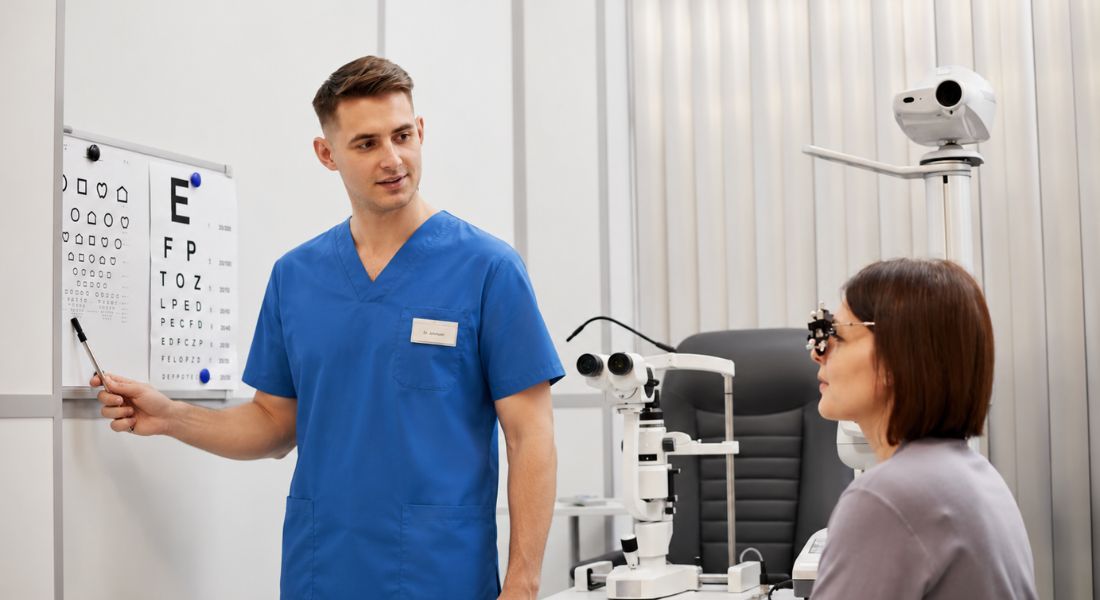
If you have ever wondered whether you should see an optician or an eye doctor, you are not alone. Many people use these terms interchangeably, but they actually refer to different roles within eye care. This confusion is common because both are involved in helping you see more clearly. However, their responsibilities are quite different.
An Optometrist (often referred to as an eye doctor in routine care settings) is trained to examine your eyes, detect vision problems, and diagnose common eye conditions. They can prescribe glasses or contact lenses and monitor your overall eye health. In some cases, they also refer patients to specialist medical doctors for further treatment. Their role is focused on assessment and diagnosis.
An optician, on the other hand, is mainly responsible for dispensing and fitting glasses or contact lenses based on a prescription. They do not diagnose eye diseases or perform eye examinations. Instead, they ensure your lenses are correctly made, fitted, and comfortable for daily use. Their expertise is more technical and product-focused rather than medical.
Understanding this difference helps you know exactly who to see depending on your needs. If you need an eye test or medical assessment, you should see an eye doctor or optometrist. If you already have a prescription and need glasses fitted, an optician is the right choice. This ensures you receive the correct level of care at the right time.
Who Is an Optician?
An optician is a trained eye care professional who primarily focuses on the practical side of vision correction. Their role is centred around ensuring that your glasses or contact lenses are accurately fitted and comfortable for everyday use. They help translate your prescription into something you can wear effectively. This makes them an important part of the eye care process.
An optician typically handles tasks such as fitting glasses, dispensing lenses, helping you choose suitable frames, and adjusting or repairing spectacles when needed. They make sure your eyewear matches your prescription and fits well on your face. This attention to detail helps improve comfort and visual performance. Their work is more technical and product-focused.
However, opticians do not diagnose eye diseases or carry out full medical eye examinations in the way an eye doctor does. Instead, they work based on prescriptions provided by an optometrist or ophthalmologist. This means their role begins after your eye health has already been assessed. They play a key role in ensuring your vision correction is accurately delivered.
Who Is an Eye Doctor?
An eye doctor, also known as an Ophthalmologist, is a medically qualified doctor who specialises in the diagnosis, treatment, and management of eye conditions. Their training allows them to understand both the medical and surgical aspects of eye health. This makes them responsible for more complex and advanced eye care. They play a key role in protecting long-term vision.
They can diagnose a wide range of eye diseases, perform eye surgery, and treat medical conditions affecting the eyes. This includes conditions such as cataracts, glaucoma, and retinal disorders. They are also trained to manage complex vision problems that require specialist intervention. Their role goes beyond routine vision testing and eyewear prescriptions.
Eye doctors are equipped to handle both routine eye health concerns and more serious or advanced conditions. They often work alongside other eye care professionals to provide comprehensive treatment. This ensures patients receive the right level of care for their specific needs. Their expertise is essential for both prevention and treatment of eye disease.
The Role of an Optometrist (Often Confused in the Middle)
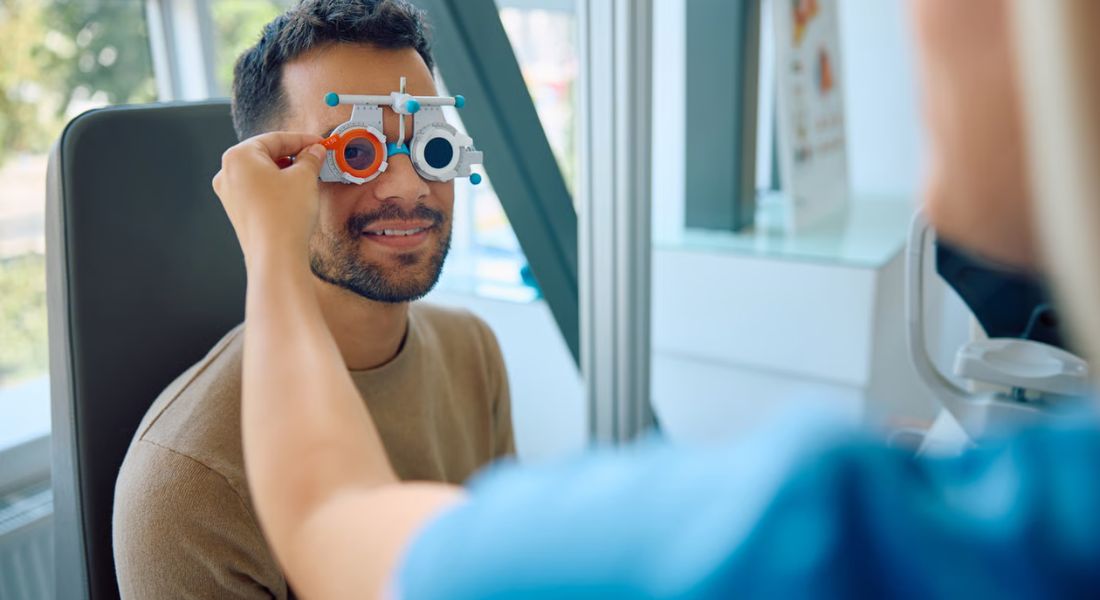
To make things clearer, it is also important to understand the role of an optometrist, who often sits between an ophthalmologist and an optician in terms of eye care services. Optometrists play a key role in routine vision care and are usually the first point of contact for many patients. They are trained to assess vision and detect common eye problems, helping to ensure early identification of issues. However, their scope of practice is different from that of a medical eye doctor.
- Perform eye tests: Optometrists carry out routine eye examinations to assess your vision and check for any changes. These tests help determine whether you need corrective lenses. They are an essential part of regular eye care and monitoring.
- Diagnose basic vision problems: They can identify common vision issues such as short-sightedness, long-sightedness, and astigmatism. These conditions are often managed with glasses or contact lenses. Early diagnosis helps ensure timely correction and improved visual comfort.
- Prescribe glasses and contact lenses: Optometrists are qualified to prescribe and adjust prescriptions for glasses and contact lenses. This helps correct vision and improve daily functioning. They also ensure that your prescription remains up to date as your vision changes.
- Detect early signs of eye disease: During routine examinations, optometrists can spot early signs of eye diseases such as glaucoma or cataracts. If any concerns are found, they will usually refer you to a specialist for further evaluation. This makes them an important part of the early detection process.
However, optometrists are not medical doctors and do not perform surgery or treat advanced eye diseases. Their role focuses mainly on vision testing, correction, and early detection. Understanding this distinction helps you choose the right professional for your specific eye care needs. Each role in eye care plays a different but equally important part in protecting your vision.
Key Difference in Training
The main difference between eye care professionals lies in their level of medical training and what they are legally allowed to do. Each role is designed to support a different part of the eye care pathway, from basic vision support to advanced medical treatment. Understanding this helps you choose the right professional for your needs. It also avoids confusion when seeking care.
An Optician is trained in optical dispensing and eyewear fitting. Their focus is on preparing and adjusting glasses or contact lenses based on a prescription. They do not diagnose eye diseases or carry out medical eye examinations. Their role is mainly practical and supportive in nature.
An Optometrist is trained in vision testing and basic eye health screening. They can detect common eye conditions, prescribe corrective lenses, and refer patients when specialist care is needed. An Ophthalmologist is a fully qualified medical doctor who diagnoses complex eye diseases, performs surgery, and manages advanced eye conditions. This difference in training defines their clinical responsibilities.
What an Optician Cannot Do
An Optician plays an important role in helping you with glasses and contact lenses, but their responsibilities are limited to the optical side of eye care. They are trained to ensure your prescription is accurately made and properly fitted, but they do not manage medical eye conditions. This distinction is important when understanding where to seek help.
An optician cannot diagnose eye diseases or identify underlying medical conditions affecting your vision. They also cannot prescribe medical treatments or medications for eye health problems. In addition, they are not trained or authorised to perform surgical procedures or carry out detailed medical eye examinations. Their focus remains on vision correction through eyewear.
If you experience symptoms that go beyond simply needing glasses, an optician will usually refer you to an Optometrist or an Ophthalmologist for further assessment. These professionals are medically trained to diagnose and manage eye conditions. This referral system ensures you receive the appropriate level of care when needed.
What an Eye Doctor Can Do That Others Cannot
An Ophthalmologist has the highest level of medical training in eye care, which allows them to diagnose and treat a wide range of complex eye conditions. Unlike other eye care professionals, they are fully qualified medical doctors with expertise in both medical and surgical eye treatment. This makes their role essential for managing serious or long-term vision problems.
They can treat conditions such as glaucoma, cataracts, and retinal diseases, which often require specialist medical management or surgery. In addition to treatment, they can also perform laser procedures and a variety of eye surgeries when necessary. Their training allows them to intervene in cases where vision is at risk or has already been affected.
Eye doctors are also responsible for managing complex vision disorders that go beyond routine refractive issues. They provide advanced diagnostic assessments using specialised equipment and clinical expertise. This level of care ensures accurate diagnosis and targeted treatment. For serious or progressive eye conditions, their role is indispensable in preserving vision.
When You Should See an Optician

An optician plays an important role in helping you manage your day-to-day vision needs, especially when it comes to corrective eyewear. They are usually the first point of contact for routine vision care and adjustments. If your vision changes slightly or you need support with glasses or lenses, an optician can help you quickly and effectively. Their focus is mainly on providing practical solutions to improve your visual comfort.
- Need a new glasses prescription: If your vision has changed and your current glasses are no longer effective, an optician can help update your prescription. They will carry out an eye test or work with your existing prescription details. This ensures your glasses match your current visual needs.
- Want to update your lenses: You may want to change your lenses due to wear and tear or improved prescription requirements. Opticians can replace or upgrade your lenses while keeping your existing frames if suitable. This helps maintain clear and comfortable vision.
- Require frame adjustments or replacements: If your glasses feel loose, uncomfortable, or damaged, an optician can adjust or replace the frames. Proper fitting is important for both comfort and correct lens positioning. Small adjustments can make a significant difference in how your glasses perform.
- Have mild vision changes: For minor changes in vision, an optician is often the most accessible professional to consult. They can assess your needs and recommend suitable corrective options. This helps ensure your vision remains clear and functional in daily life.
Opticians are your first stop for routine vision correction and eyewear-related needs. They provide quick and practical solutions for common visual issues. However, if more complex eye conditions are suspected, they may refer you to an optometrist or eye doctor. This ensures you always receive the appropriate level of care for your situation.
When You Should See an Eye Doctor
You should see an Ophthalmologist if you experience any symptoms that may indicate a medical eye condition rather than a simple vision issue. These symptoms often require urgent or specialised assessment to protect your eye health. Early evaluation can be important in preventing further complications.
Warning signs include sudden vision loss or noticeable changes in your sight, as well as persistent eye pain or ongoing discomfort. You should also seek medical attention if you notice flashes of light or new floaters, as these can sometimes indicate retinal problems. Any suspicion of an underlying eye disease should also be checked by a specialist.
Complex vision problems that cannot be corrected with glasses alone may also require medical evaluation. In these cases, an eye doctor can carry out detailed examinations and identify the underlying cause. These symptoms go beyond routine optical correction and need clinical expertise. Seeking timely care helps ensure the best possible outcome for your vision.
When an Optician Refers You
An Optician plays an important role in routine vision care, but if something unusual is detected during an eye test, they will refer you to a specialist for further assessment. This referral is a normal and important part of the eye care pathway. It ensures that any potential problems are properly investigated by the right professional.
A referral may happen if there are signs that suggest an underlying eye condition, such as changes in eye health that cannot be managed through glasses alone. It may also occur if your vision cannot be fully corrected with standard optical solutions. In these situations, more detailed medical testing is required.
If further investigation is needed, an Ophthalmologist will take over your care and carry out a more advanced examination. They can diagnose and treat medical eye conditions and determine the next steps in your management. This referral system ensures you receive the appropriate level of care when needed.
The Role of Technology in Both Professions
Both Opticians and Optometrists use advanced technology, but they apply it for different purposes within eye care. Each profession relies on specialised tools that match their level of training and responsibility. This helps ensure accurate results whether the focus is on eyewear or eye health. It also improves overall patient care.
Opticians mainly use technology related to eyewear fitting and lens accuracy. This includes lens measurement tools and frame fitting systems that ensure glasses are made and adjusted correctly. Their equipment helps translate prescriptions into precise, comfortable eyewear. Their role remains focused on optical correction rather than medical diagnosis.
Eye doctors and optometrists use more advanced diagnostic technology to assess eye health. This includes retinal imaging, eye pressure testing, and detailed diagnostic scans. An Ophthalmologist may also use these tools to detect and manage medical eye conditions. This difference in technology reflects the gap between optical services and medical eye care.
Private Eye Care and Direct Access
In many cases, especially in private healthcare, you do not need a referral to see an eye doctor. This allows patients to access specialist care more quickly when they have concerns about their vision or eye health. It can be particularly useful when you want faster answers or reassurance. This direct access makes the process more efficient.
For example, you can directly book an appointment with an experienced eye doctor in London through Eye Clinic London without first visiting an optician. This means you can go straight to a specialist for assessment, diagnosis, and treatment advice. It removes the delay that sometimes comes with referral pathways. This is one of the key advantages of private care.
This approach makes access to specialist eye care faster and more convenient when needed. It ensures that concerns are reviewed by a qualified professional without unnecessary waiting. Patients benefit from quicker diagnosis and personalised guidance. This can be especially important for time-sensitive eye symptoms or peace of mind.
Cost Differences Between Services
There is a clear difference in cost between services provided by an Optician and an Ophthalmologist. This is mainly due to the difference in training, responsibility, and level of medical care involved. Understanding this helps you choose the right service based on both your needs and budget. It also sets realistic expectations about what each appointment includes.
Optician services are usually lower in cost and are often included when you purchase eyewear such as glasses or contact lenses. Their focus is on fitting and adjusting lenses based on a prescription, which makes their services more routine and product-based. Because of this, pricing is generally more affordable. They are ideal for standard vision correction needs.
Eye doctor consultations tend to involve higher fees because they include advanced medical expertise, diagnostic testing, and sometimes treatment planning. These appointments may involve detailed examinations and specialised equipment. However, the higher cost reflects the complexity of care provided. The level of diagnosis and treatment available is significantly more advanced compared to optical services.
Can You See Both?
Yes, many people see both an Optician and an Ophthalmologist as part of their regular eye care. Each professional plays a different but complementary role in maintaining healthy vision. Using both services together often provides the most complete approach to eye care. This ensures both vision correction and medical health are properly managed.
A typical care pathway may involve visiting an optician for routine glasses updates, prescription changes, or contact lens fittings. They help ensure your vision correction is accurate and comfortable for everyday use. For most people, this forms the basis of regular eye maintenance. It is usually part of ongoing, routine care.
If any medical concerns arise, such as changes in vision or signs of eye disease, you would then be referred to an eye doctor for further assessment. The ophthalmologist handles diagnosis, treatment, and any necessary medical or surgical care. Together, these roles work in coordination to support long-term eye health. This combined approach ensures both clarity of vision and medical safety.
Why You Should Not Self-Diagnose
It can be tempting to assume that any change in vision simply means you need a new glasses prescription. However, eye symptoms are not always that straightforward, and self-diagnosis can sometimes delay proper treatment. A professional assessment is important to understand the real cause of your symptoms. This helps ensure your eye health is not overlooked.
Symptoms such as blurred vision, eye strain, or headaches may be linked to simple refractive errors, but they can also indicate underlying medical conditions. In some cases, these signs may be associated with issues that require medical attention rather than just a change in glasses. Without a proper examination, it is impossible to know the exact cause. This is why caution is important.
This is where an Optometrist or Ophthalmologist plays a crucial role in accurate diagnosis. They use specialised tests to identify whether the problem is optical or medical in nature. Early and correct assessment ensures appropriate treatment and prevents potential complications. This is why professional evaluation is always recommended over self-diagnosis.
Importance of Regular Eye Checks
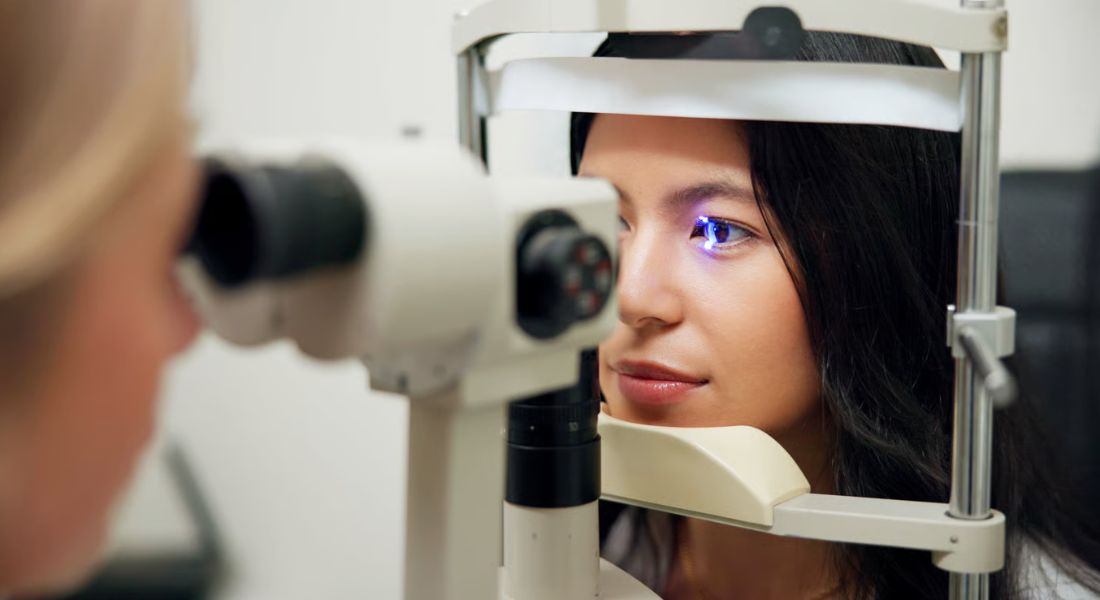
Even if your vision seems fine, regular eye checks are still essential for maintaining long-term eye health. Many eye conditions develop gradually without obvious symptoms in the early stages, so routine examinations help identify issues before they become serious. This proactive approach is key to protecting your vision over time. It also ensures any changes are managed early.
Regular assessments help detect early signs of eye disease, monitor subtle changes in vision, and reduce the risk of long-term complications. Conditions such as glaucoma or retinal problems may not show noticeable symptoms at first. Early detection makes treatment more effective and helps preserve vision. This is why consistent eye checks are strongly recommended.
Both an Optician and an Ophthalmologist play important roles in early detection and ongoing eye care. Opticians often identify initial changes during routine vision checks, while ophthalmologists manage diagnosis and treatment of medical conditions. Together, they support a complete approach to eye health. Regular visits to both help ensure your eyes remain healthy and well-monitored.
Understanding Your Symptoms
Knowing where to go for eye care often depends on the type of symptoms you are experiencing. Understanding this can help you choose the right professional quickly and avoid unnecessary delays in treatment. It also ensures you receive the most appropriate level of care for your situation. This simple distinction can make decision-making much easier.
If your main issue is just blurry vision or you need new glasses, an Optician is usually the right starting point. They can assess your vision, update your prescription, and help with fitting lenses or frames. These are typically routine, non-medical concerns related to visual correction.
If you experience pain, sudden vision changes, or suspect something medically wrong, you should see an Ophthalmologist or an optometrist. These symptoms may indicate an underlying eye condition that requires medical evaluation and treatment. Prompt assessment is important in these cases to protect your vision.
By matching your symptoms to the right professional, you can ensure faster and more effective care. This helps avoid unnecessary delays and ensures you are seen by someone with the right expertise. It is a simple but very useful way to guide your decision.
Why Both Roles Are Important
Opticians and Ophthalmologists are not in competition with each other—they are part of the same eye care system and work together to support your vision. Each plays a different but complementary role in maintaining healthy eyesight. This teamwork ensures that patients receive complete and continuous care.
Opticians primarily focus on vision correction. They help with fitting glasses, dispensing lenses, and ensuring your prescription is accurately translated into comfortable eyewear. Their role is essential for day-to-day visual clarity and practical support. This makes them a key part of routine eye care.
Eye doctors, on the other hand, are responsible for diagnosing and managing medical eye conditions. They treat diseases, perform surgery when needed, and handle more complex vision problems. Their expertise is critical for protecting long-term eye health and addressing serious conditions.
Common Misunderstandings
Many people have misconceptions about the roles of eye care professionals, which can lead to confusion when seeking treatment. One of the most common misunderstandings is that opticians and eye doctors perform the same job. In reality, they have very different training, responsibilities, and clinical roles within eye care.
Another common belief is that you always need a referral to see an eye specialist. While this may apply in some public healthcare systems, in many private settings you can directly book an appointment with an Ophthalmologist. This allows faster access to specialist care when needed. It is not always a required step.
Some people also assume that eye doctors only perform surgery, but this is not true. Ophthalmologists also diagnose eye conditions, manage long-term diseases, and provide medical treatment alongside surgical procedures. Meanwhile, an Optician focuses mainly on vision correction and eyewear fitting. Understanding these differences helps clarify how each role contributes to overall eye care.
FAQs:
- What is the main difference between an optician and an eye doctor?
An optician fits and dispenses glasses or contact lenses based on a prescription, while an eye doctor (ophthalmologist) diagnoses and treats eye diseases and can perform surgery. - Can an optician check my eyes?
No, an optician does not perform medical eye examinations or diagnose eye conditions. Eye tests are done by optometrists or ophthalmologists. - When should I see an optician?
You should see an optician if you need new glasses, lens adjustments, frame repairs, or updates to an existing prescription. - When should I see an eye doctor (ophthalmologist)?
You should see an eye doctor if you have symptoms like sudden vision changes, eye pain, flashes, floaters, or suspected eye disease. - Is an optometrist the same as an eye doctor?
An optometrist is not a medical doctor but is trained to test vision, prescribe glasses, and detect early eye disease. An ophthalmologist is a fully qualified medical doctor. - Can opticians detect eye diseases?
No, opticians cannot diagnose diseases. However, they may notice signs of problems and refer you to an optometrist or ophthalmologist. - Do eye doctors also prescribe glasses?
Yes, ophthalmologists and optometrists can prescribe glasses or contact lenses as part of their eye examinations. - Do I need a referral to see an eye doctor?
Not always. In private healthcare, you can often directly book an appointment with an ophthalmologist without a referral. - Why is it important to choose the right eye care professional?
Choosing the right professional ensures you receive the correct level of care whether it is routine vision correction or medical treatment for eye conditions. - Can I see both an optician and an eye doctor?
Yes, many people use both. Opticians handle glasses and lenses, while eye doctors manage medical eye health and treatment when needed.
Final Thoughts: Understanding Who to See for the Right Eye Care
Understanding the difference between an optician, optometrist, and ophthalmologist helps you make more informed decisions about your eye health. Each professional plays a distinct role opticians focus on fitting and dispensing eyewear, optometrists handle vision testing and early detection, and ophthalmologists provide medical diagnosis and treatment for eye diseases. Knowing who to see and when ensures you receive the right level of care without delay.
Rather than viewing these roles in isolation, it is helpful to see them as part of a connected eye care pathway. Routine vision needs are managed by opticians, while more detailed assessments and medical concerns are handled by eye doctors. This collaboration ensures both your vision clarity and long-term eye health are properly supported. By seeking the right professional at the right time, you can avoid unnecessary delays, improve outcomes, and maintain healthier vision in the long run.
If you are ever unsure, starting with a qualified eye care professional can help guide you in the right direction. If you’d like to find out whether eye doctor in London is suitable for you, feel free to contact us at Eye Clinic London to arrange a consultation.
References:
- Goździewska, E. et al. (2023) Early optical coherence tomography biomarkers for selected retinal diseases A review. Diagnostics, 13(14), 2444. Available at: https://www.mdpi.com/2075-4418/13/14/2444
- Schmidt-Erfurth, U. et al. (2022) Artificial intelligence in retina and eye care: diagnostic applications and clinical integration. Diagnostics, 12(8), 1927. Available at: https://www.mdpi.com/2075-4418/12/8/1927
- Flaxman, S.R. et al. (2017) Global causes of blindness and distance vision impairment 1990–2020. The Lancet Global Health. Available at: https://pubmed.ncbi.nlm.nih.gov/29032195/
- Ng, P.M. et al. (2021) What are your eyes revealing? The contemporary bedside neuro-ophthalmological examination, Malaysian Journal of Medical Sciences, 28(5), pp. 142–148. Available at: https://pmc.ncbi.nlm.nih.gov/articles/PMC8793968/
- Reddy, S.C. et al. (2022) Clinical approach to vision loss: a review for general physicians, Clinical Medicine, 22(2), pp. 95–99. Available at: https://www.sciencedirect.com/science/article/pii/S1470211824029750