


Can Cataract Surgery Affect Your Need for Glasses Long Term?
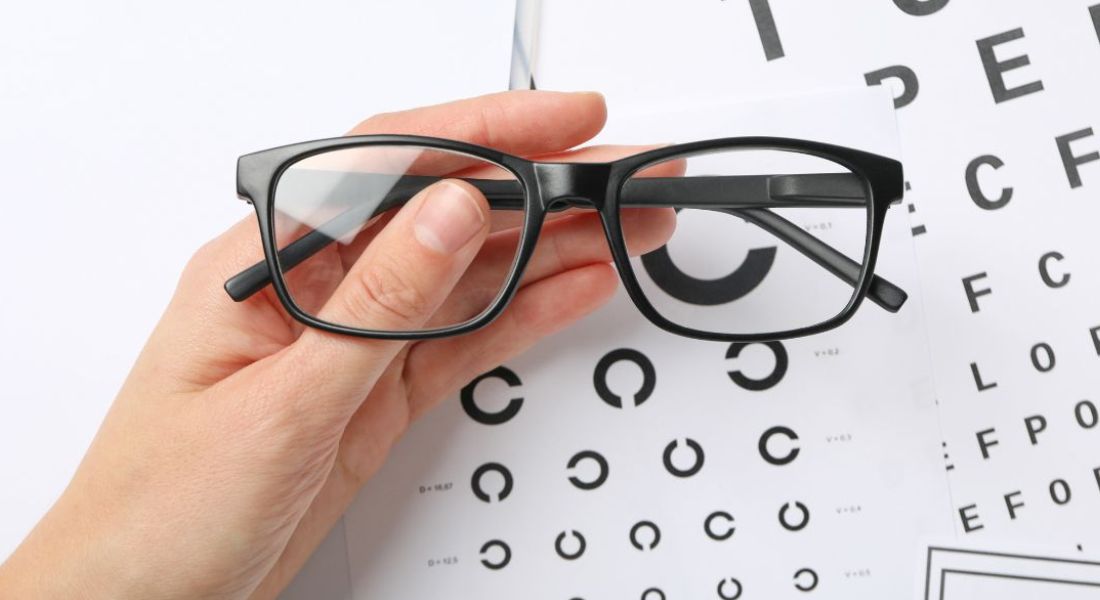
You may find yourself asking an important question before cataract surgery: “Will you still need glasses afterwards?” It is a very natural concern, especially if you have relied on glasses for many years. The idea of reducing or even removing that dependence can feel very appealing. This is something many people hope for when planning their treatment.
At the same time, the answer is not the same for everyone. Your need for glasses after surgery depends on several factors, including the type of lens you choose and your individual vision needs. Some people achieve a high level of independence from glasses. Others may still need them for certain activities.
It is also important to understand that cataract surgery is not primarily designed to remove the need for glasses. Its main purpose is to restore clarity by replacing the cloudy lens in your eye. However, the type of lens you choose can influence how much you rely on glasses afterwards. This is why the decision plays such an important role in your overall outcome.
This explains the process clearly so you know what to expect. This will help you understand how different lens choices affect your vision after surgery. Once you see how these factors come together, the outcome becomes much easier for you to understand. This allows you to make a more confident and informed decision.
What Cataract Surgery Actually Does to Your Vision
Cataract surgery is designed to restore clear vision by removing the cloudy natural lens inside your eye. This lens is replaced with a clear artificial lens, known as an intraocular lens (IOL), which allows light to pass through properly again. The procedure focuses on improving the overall quality of your sight rather than simply changing your prescription. Understanding what it does helps you set realistic expectations about your visual outcome.
- Improved Sharpness: After surgery, you will usually notice a significant improvement in how sharp and well-defined objects appear. Blurred or hazy vision caused by the cataract is reduced, allowing you to see more clearly. This makes everyday tasks like reading signs or recognising faces much easier.
- Better Contrast: Cataracts often reduce your ability to distinguish between light and dark areas. Once the cloudy lens is removed, contrast improves, helping objects stand out more clearly from their background. This is especially useful in situations like low-light environments or reading.
- Enhanced Colour Perception: Colours may appear dull or yellowed when a cataract is present. After surgery, many people notice that colours look brighter, more vivid, and closer to their natural tones. This can make a noticeable difference in how you experience your surroundings.
- Improved Light Transmission: The artificial lens allows light to pass through the eye more effectively than the cloudy natural lens. This leads to clearer vision, particularly in well-lit conditions. It also helps reduce the dim or shadowy effect that cataracts often cause.
Cataract surgery plays a key role in restoring the clarity and quality of your vision. While it improves sharpness, contrast, colour, and light transmission, it does not automatically correct every aspect of your eyesight. Your final visual outcome still depends on factors such as the type of lens chosen and your individual eye condition. Having a clear understanding of this helps you make more informed decisions and achieve the best possible results.
Why Some People Still Need Glasses After Surgery
Whether you need glasses after cataract surgery depends largely on the type of lens implanted in your eye. Each lens is designed to focus at certain distances, not always all of them. This means your visual outcome can vary depending on the option chosen. Understanding this helps you set realistic expectations from the start.
Even after a successful surgery, you may still need glasses for specific tasks. This can include reading, close-up work, or activities that require fine detail. In some cases, you might also need glasses for distance vision, depending on the lens used. These situations are quite common and do not mean the surgery was unsuccessful.
The reason for this is that not all lenses are designed to provide full-range vision. Some lenses are optimised for one main distance, while others aim to cover multiple ranges with certain trade-offs. Your surgeon will explain these differences clearly before surgery. This helps you choose the option that best matches your lifestyle and visual needs.
The Role of Lens Type in Glasses Dependence
One of the biggest factors affecting whether you will need glasses after cataract surgery is the type of intraocular lens you choose. Each lens is designed with a different visual goal, which directly impacts how independent you can be from glasses. While some lenses aim to minimise reliance on glasses, others prioritise clarity at a specific distance. Understanding these differences helps you choose an option that fits your daily routine and expectations.
- Monofocal Lenses: Monofocal lenses are the most commonly used option and are typically set for clear distance vision. This means you will likely still need reading glasses for close tasks and sometimes intermediate glasses for activities like computer use. They offer excellent clarity but focus on one main distance, so full independence from glasses is not usually achieved.
- Multifocal Lenses: Multifocal lenses are designed to provide vision at multiple distances, including near, intermediate, and far. They can significantly reduce your dependence on glasses in everyday situations. However, some people may still choose to use glasses for specific tasks or in certain lighting conditions for added comfort.
- Extended Depth of Focus (EDOF) Lenses: EDOF lenses provide a continuous range of vision rather than fixed focal points. They often reduce the need for glasses for distance and intermediate tasks such as driving and computer work. However, you may still require reading glasses for very small print or prolonged close-up work.
- Toric Lenses: Toric lenses are used to correct astigmatism, improving overall clarity and sharpness of vision. While they address uneven curvature of the cornea, they do not eliminate the need for reading glasses if combined with a monofocal design. Their main role is to enhance visual quality rather than reduce glasses dependence on their own.
The type of lens you choose plays a major role in how much you rely on glasses after surgery. Some lenses aim to give you greater freedom, while others focus on delivering sharp vision at a specific distance. There is no one-size-fits-all solution, as your needs and lifestyle will guide the best choice. By understanding these differences, you can set realistic expectations and make a decision that suits your everyday life.
Can Cataract Surgery Make You Completely Glasses-Free?
In some cases, you may be able to achieve a high level of freedom from glasses after cataract surgery. This is often possible with certain types of lenses and favourable eye conditions. Many people experience a significant reduction in their need for glasses in daily life. However, the outcome can vary from person to person.
Your results depend on several important factors. These include the type of lens you choose, your overall eye health, and your personal visual goals. Your brain also plays a role, as it needs to adapt to the new way your eyes focus. All of these elements work together to influence how much you rely on glasses afterwards.
It is important for you to understand that complete freedom from glasses cannot be guaranteed for everyone. While some people achieve it, others may still need glasses for certain tasks. This does not mean the surgery has not been successful. Setting realistic expectations helps you feel more satisfied with your results.
What Happens to Reading Vision After Surgery?

Reading vision is one of the most common reasons you may still need glasses after cataract surgery. You might notice that close-up tasks like reading or using your phone still require extra support. This is a normal outcome for many people. It does not mean the surgery has not been successful.
As you age, your eye naturally loses the ability to focus on close objects. This condition is known as presbyopia and affects most people over time. It makes near tasks more challenging without assistance. Cataract surgery itself does not automatically correct this issue.
Unless specific lens types are chosen, presbyopia will still be present after surgery. This means you may need reading glasses for close work. Some lenses are designed to reduce this need, but they are not suitable for everyone. Your lens choice will play a key role in how your reading vision is affected.
Distance Vision After Cataract Surgery
Most patients notice a significant improvement in their distance vision after cataract surgery. You may find that everyday activities become clearer and more comfortable. This can make a noticeable difference to how you experience your surroundings. Clearer vision often improves your confidence in daily life.
This improvement can be seen in activities such as driving, watching television, recognising faces, and spending time outdoors. You may feel more at ease when moving around or focusing on objects at a distance. Tasks that once felt difficult can become much easier. This change is one of the main benefits of the procedure.
Many people find that they no longer need glasses for distance vision after surgery. However, this can depend on the type of lens chosen and your individual eye condition. Some people may still require glasses in certain situations. Your surgeon will guide you on what you can realistically expect based on your specific case.
Why Your Glasses Prescription May Change
After cataract surgery, your previous glasses prescription will no longer be accurate. This is because the cloudy natural lens in your eye has been removed and replaced with a clear artificial lens. The way your eye focuses light has now changed. As a result, your old glasses are unlikely to provide clear or comfortable vision.
Your eye’s focusing system is effectively reset with the new lens. Light now enters your eye differently and is focused in a new way. This can improve clarity, but it also means your visual needs are no longer the same as before. You may notice that some things look sharper while others feel slightly different at first.
Even if you still need glasses, they will usually require a completely new prescription. This is measured once your eye has healed and your vision has stabilised. Your updated glasses will be tailored to how your eye now focuses. This helps ensure you achieve the best possible clarity, comfort, and overall visual performance.
Adaptation Period After Surgery
After cataract surgery, your vision does not stabilise immediately and requires some time to fully settle. During this adaptation period, your eyes adjust to the new intraocular lens and begin to process visual information more effectively. It is completely normal to experience temporary changes in how clearly you see. Understanding this phase helps you stay patient and avoid unnecessary concern as your vision gradually improves.
- Fluctuating Vision: In the early days or weeks after surgery, your vision may seem to change from day to day. At times it may feel clear, while at other moments it may appear slightly blurred. This fluctuation is part of the natural healing process as your eye adjusts to the new lens.
- Changing Clarity: You may notice gradual improvements in clarity as your eye heals. Fine details may become sharper over time rather than instantly. This steady progression is a positive sign that your vision is stabilising as expected.
- Temporary Sensitivity: Your eyes may feel more sensitive to light or environmental factors during the initial recovery period. Bright lights, screens, or outdoor glare might feel slightly uncomfortable at first. This sensitivity usually reduces as healing continues and your eyes adapt.
- Timing of Glasses Prescription: Your final need for glasses is not determined immediately after surgery. Eye specialists usually wait until your vision has fully stabilised before prescribing any corrective lenses. This ensures that your glasses, if needed, are accurate and suited to your long-term vision.
The adaptation period after cataract surgery is a normal and essential part of the healing process. While you may experience temporary changes like fluctuating vision or light sensitivity, these typically improve with time. It is important to allow your eyes to fully settle before assessing your final visual outcome. With patience and proper follow-up care, you can achieve stable and clear vision that supports your everyday activities.
Monovision Approach and Glasses Use
Some patients choose a monovision strategy to reduce their reliance on glasses after cataract surgery. This approach is planned carefully with your surgeon based on your visual needs. It is designed to help you manage both near and distance tasks more easily. For many people, it offers a practical balance in everyday life.
With monovision, one eye is corrected mainly for distance vision, while the other is set for near vision. This allows your eyes to work together to cover different ranges of focus. Over time, your brain learns to combine the input from both eyes. This can help you perform daily activities with less dependence on glasses.
However, this approach does require a period of adaptation. You may need time to get used to the difference between the two eyes. Some people adjust well, while others may find it less comfortable. Your surgeon will assess whether this option is suitable for you before making a recommendation.
Can Glasses Be Completely Avoided?
Some patients do achieve a high level of freedom from glasses after cataract surgery. This is more likely when certain conditions are in your favour. With the right combination of factors, you may find that you rely on glasses far less in daily life. However, the outcome can still vary from person to person.
This result is more common when advanced lens options are used and your eye measurements are highly accurate. It also depends on having healthy eyes without other underlying conditions. Your personal visual goals and expectations play an important role as well. When these factors are aligned, the chances of reducing your dependence on glasses improve.
Even in these cases, it is important to understand that occasional glasses use may still happen. You might need them for very fine detail work or in certain lighting conditions. This does not mean the surgery was unsuccessful. It simply reflects the natural balance between different aspects of vision.
Age-Related Changes Still Continue
Even after cataract surgery, your eyes will continue to change naturally with age. The surgery improves clarity by replacing the cloudy lens, but it does not stop the ageing process. Over time, you may notice gradual changes in how your vision feels. This is a normal part of long-term eye health.
For example, your reading ability may continue to change as you get older. You might find that close-up tasks require more effort or occasional support. Dry eye can also develop or become more noticeable, which may affect how clear your vision feels. These changes can vary from person to person.
Other eye conditions may also develop later in life, even after successful surgery. Because of this, your need for glasses may change over the years. You may require adjustments to your prescription at different stages. Regular eye check-ups can help you manage these changes and maintain comfortable vision.
Night Vision and Glasses
Some people may still need glasses in specific lighting conditions after cataract surgery. You might notice that your vision feels different at night compared to daytime. This is quite common and depends on how your eyes respond in low light. It does not mean there is a problem with your surgery.
This is especially noticeable during activities like night driving or reading in dim light. You may find that headlights, streetlights, or reduced contrast make it harder to see clearly. Long-distance driving in darker conditions can also feel more challenging. In these situations, glasses can help improve clarity and comfort.
The need for glasses in low-light conditions depends on both the type of lens you choose and how your eyes adapt. Some lenses may perform differently at night compared to bright environments. Your individual eye response also plays an important role. Understanding this helps you prepare for how your vision may vary in different settings.
The Importance of Pre-Surgery Discussion

Before your cataract surgery, it is important for you to clearly discuss your vision goals with your surgeon. This conversation helps ensure that your expectations are understood from the beginning. It also allows your treatment to be planned around what matters most to you. Taking this step can make the entire process feel more reassuring.
During this discussion, you can explore whether reducing your dependence on glasses is a priority for you. Your surgeon will also explain which lens options are most suitable based on your eye health and lifestyle. They will help you understand what each option can realistically achieve. This ensures your expectations are balanced and practical.
Good communication plays a key role in your overall satisfaction after surgery. When you feel informed and involved, you are more likely to be happy with the outcome. It reduces uncertainty and helps you make confident decisions. In the long term, this leads to a smoother and more positive experience.
Emotional Expectations About Glasses
Many people hope to stop wearing glasses completely after cataract surgery. This is a very natural and understandable expectation, especially if you have relied on them for a long time. The idea of clearer, more independent vision can feel very appealing. It is something many patients look forward to.
At the same time, it is important for you to balance this hope with medical reality. Not every lens option can provide full freedom from glasses in all situations. Some lenses are designed to reduce dependence rather than eliminate it completely. Understanding this early can help you avoid disappointment later.
For some people, complete glasses freedom is achievable depending on their lens choice and eye condition. For others, a reduced need for glasses is a more realistic and still very positive outcome. Both results can significantly improve your quality of life. Setting the right expectations helps you feel more satisfied with your final vision.
Can You Still Wear Glasses If You Want To?
Yes, absolutely you can still wear glasses after cataract surgery if you choose to. There is no restriction on using them, even if your vision has improved significantly. Some people simply feel more comfortable continuing to use glasses in certain situations. It remains a personal choice based on what works best for you.
You may prefer to wear glasses for reading comfort or to achieve sharper vision for detailed tasks. In some cases, glasses can provide that extra level of clarity you find helpful. Others may choose to wear them out of habit or for style reasons. These preferences are completely normal and vary from person to person.
You might also find glasses useful for specific activities where precision is important. For example, tasks like prolonged reading, fine work, or certain lighting conditions may feel easier with them. Using glasses in this way can enhance your overall visual experience. The key point is that you have the flexibility to use them whenever it suits you.
Long-Term Stability of Vision
Once your eyes have fully healed after cataract surgery, your vision is usually stable. You may notice that your sight becomes clearer and more consistent over time. This stability allows you to return to your daily activities with greater confidence. For most people, the results remain reliable in the long term.
The artificial lens placed in your eye does not develop cataracts again. This means the cloudiness that affected your vision will not return in the same way. As a result, the improvement you experience is designed to last. This is one of the key benefits of cataract surgery.
However, small changes in your prescription can still occur as part of the natural ageing process. Your eyes may gradually adapt or change over time. These adjustments are normal and can be easily managed if needed. Regular eye check-ups help ensure your vision remains clear and comfortable.
Choosing the Right Surgical Path
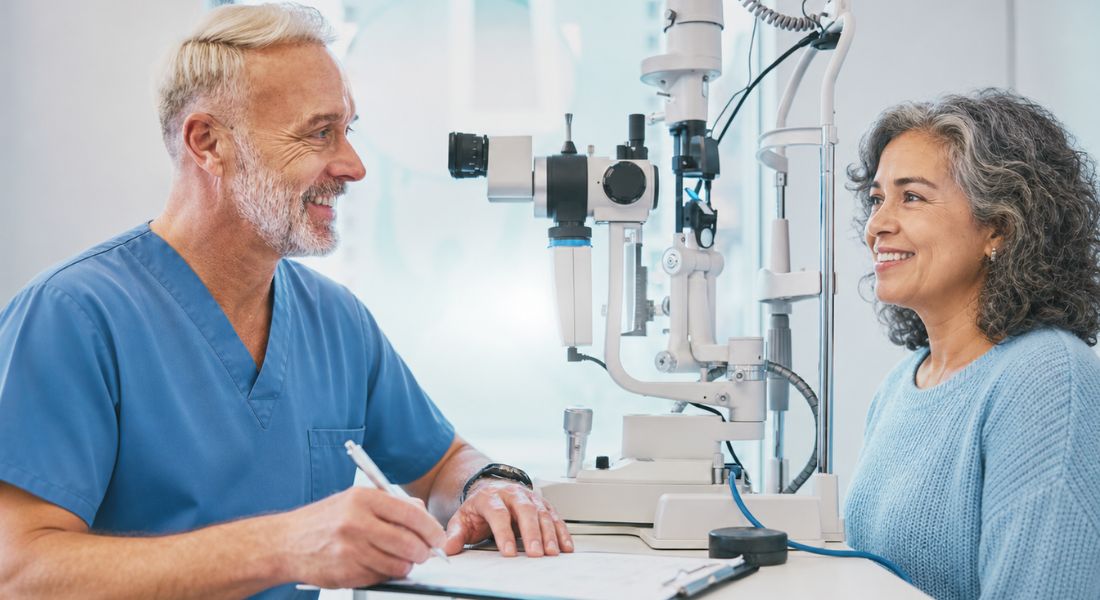
Lens selection plays a major role in how much you may rely on glasses after cataract surgery. It is not just about improving clarity, but also about shaping how you see in your daily life. The right choice can support your long-term visual comfort and independence. This is why it is considered such an important part of the process.
Careful planning before surgery helps ensure that your outcome matches your expectations. Your surgeon will assess your eye health, lifestyle, and vision goals in detail. This allows them to recommend an approach that is tailored specifically to you. Taking the time to plan properly can make a significant difference to your results.
If you are considering treatment, understanding options such as cataract surgery in London through experienced specialist eye care services can help you make an informed decision about your visual goals. Access to expert guidance ensures that you feel supported throughout the journey. This can make the entire experience clearer, more confident, and better suited to your needs.
FAQs:
- Will I definitely need glasses after cataract surgery?
Not always. Some people achieve a high level of independence from glasses, particularly if advanced lens options are used. However, many patients still need glasses for certain activities such as reading, computer work, or fine detail tasks. The outcome depends on your lens choice, eye health, and visual goals. - Which lens option reduces the need for glasses the most?
Multifocal and extended depth of focus (EDOF) lenses are designed to provide a broader range of vision, helping reduce dependence on glasses. These lenses allow you to see at multiple distances more comfortably. However, they may still require occasional glasses use in specific situations, such as prolonged reading or low-light conditions. - Why do I still need reading glasses after surgery?
This is mainly due to presbyopia, a natural age-related condition that reduces your eye’s ability to focus on close objects. Standard monofocal lenses typically correct distance vision only, leaving near vision unchanged. As a result, reading glasses are often needed for activities like reading, using a phone, or detailed close-up work. - Can cataract surgery correct both near and distance vision?
Yes, it can, but this depends on the type of intraocular lens chosen. Multifocal or EDOF lenses are specifically designed to improve vision at multiple distances. However, results can vary, and not everyone achieves complete independence from glasses, especially for very fine or prolonged tasks. - How soon after surgery can I get new glasses?
You will usually need to wait around 3 to 6 weeks after surgery for your vision to stabilise. During this time, your eyes are healing and adjusting to the new lens. Once your vision is consistent, your eye specialist will assess whether you need glasses and prescribe the most accurate correction. - Is it possible to be completely glasses-free after cataract surgery?
Yes, some people do achieve this, particularly with premium lens options and favourable eye conditions. However, it cannot be guaranteed for everyone. Even in successful cases, you may still need glasses occasionally for very fine detail work or specific lighting situations. - Will my old glasses work after cataract surgery?
No, your old glasses prescription will no longer match your new vision. Cataract surgery replaces your natural lens, which changes how light is focused in your eye. If glasses are needed, they will need to be completely re-prescribed based on your updated vision. - Can I choose to still wear glasses even if I don’t need them?
Yes, you can absolutely continue wearing glasses if you prefer. Some people use them for added sharpness, comfort, or habit, especially during reading or screen use. Others may wear them for style or convenience, even if their dependence has significantly reduced. - Does cataract surgery improve distance vision permanently?
In most cases, distance vision improves significantly and remains stable for many years. The artificial lens does not develop cataracts again, which helps maintain clarity. However, natural ageing changes in the eye can still occur over time, which may slightly affect your prescription. - Will I need glasses for night driving after surgery?
Some people may notice differences in vision during low-light conditions, such as night driving. Glare, halos, or reduced contrast can make vision less comfortable in the dark. In such cases, glasses can help improve clarity and confidence while driving at night.
Final Thoughts: What You Can Realistically Expect After Cataract Surgery
When you think about cataract surgery, it is natural to focus on whether you will still need glasses afterwards. While many people experience a significant reduction in their dependence on glasses, the outcome is not the same for everyone. Your results depend on factors such as the type of lens you choose, your eye health, and how your vision adapts after surgery. In most cases, you can expect clearer, sharper vision, but you may still prefer glasses for certain tasks like reading or detailed work.
If you are considering your options, understanding your visual goals is essential to achieving a satisfying result. Careful planning and the right guidance can make a meaningful difference in your outcome. If you are exploring cataract surgery in London, this can help you make a confident and informed decision. If you’re considering cataract surgery in London and want to know if it’s the right option, you’re welcome to reach out to us at Eye Clinic London to book a consultation.
References:
- Calladine, D., Evans, J.R., Shah, S. and Leyland, M. (2012) Multifocal versus monofocal intraocular lenses after cataract extraction. Cochrane Database of Systematic Reviews, (9), CD003169. Available at: https://pubmed.ncbi.nlm.nih.gov/22972061/
- Dołowiec-Kwapisz, A., Piotrowska, H. and Misiuk-Hojło, M. (2022) Evaluation of visual and patient-reported outcomes, spectacle dependence after bilateral implantation with a non-diffractive extended depth of focus intraocular lens compared to other intraocular lenses. Journal of Clinical Medicine, 11(17), 5246. Available at: https://www.mdpi.com/2077-0383/11/17/5246
- Ferreira, T.B., Ribeiro, P. and Ribeiro, F.J. (2019) Spectacle independence and patient satisfaction with pseudophakic mini-monovision using aberration-free intraocular lens. Clinical Ophthalmology, 13, pp. 2125–2132. Available at: https://pmc.ncbi.nlm.nih.gov/articles/PMC6827509/
- Pedrotti, E., Carones, F., Aiello, F., Mastropasqua, R. and Marchini, G. (2010) Visual outcomes after implantation of a refractive multifocal intraocular lens with a +3.00 D addition. Journal of Cataract & Refractive Surgery, 36(9), pp. 1508–1516. Available at: https://www.sciencedirect.com/science/article/abs/pii/S0886335010008965
- Chellappa, S.L., Bromundt, V., Frey, S., Schlote, T., Goldblum, D. and Cajochen, C. (2022) Cross-sectional study of intraocular cataract lens replacement, circadian rest activity rhythms, and sleep quality in older adults. Sleep, 45(4), zsac027. Available at: https://academic.oup.com/sleep/article/45/4/zsac027/6515911