


Can Cataract Surgery Be Done Without Stitches?
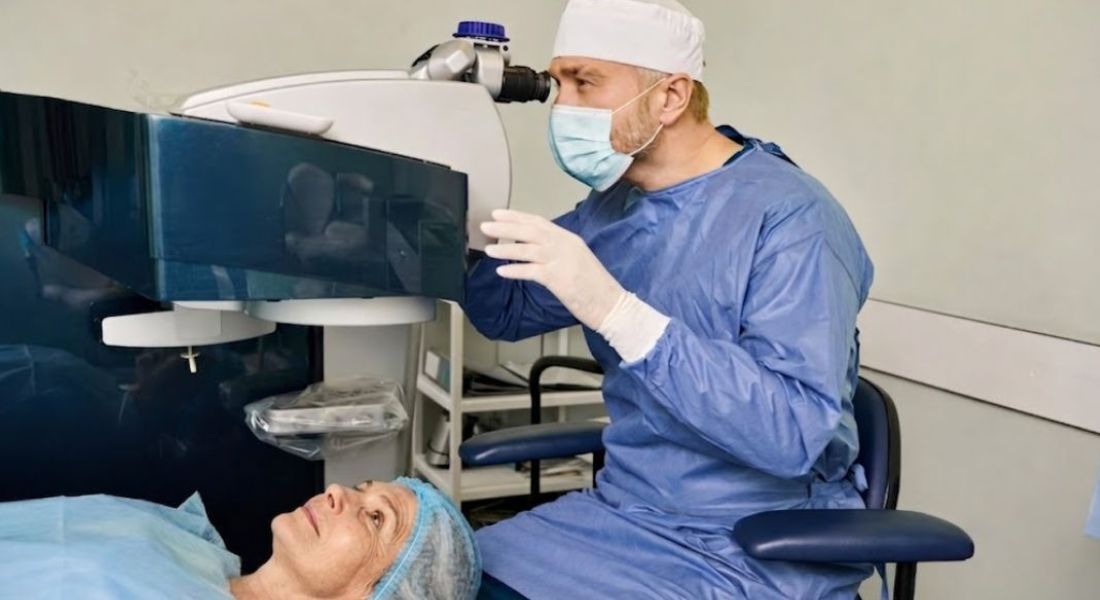
You might find yourself asking a very practical question as you prepare for surgery: will you need stitches after cataract surgery? It’s a completely natural concern, especially when you are thinking about something as delicate as your eyes. The thought of stitches near or inside the eye can feel uncomfortable or even a little unsettling. Many people share this same worry before they fully understand the procedure.
When you picture surgery, you may automatically imagine stitches being used to close a wound. That expectation often comes from experiences with other types of operations where stitching is routine. However, cataract surgery today is very different from what you might be imagining. Advances in technology and technique have changed the way the procedure is performed.
In most modern cases, cataract surgery is carried out without the need for stitches at all. This often comes as a surprise when you first hear it, but there is a clear reason behind it. Surgeons now use very small, carefully designed incisions that can seal on their own. This approach not only avoids stitches but also supports a smoother and more comfortable recovery.
You might be wondering how this is even possible and whether it is safe. The answer lies in the precision of modern surgical methods and the natural structure of the eye. These self-sealing incisions are designed to close securely without additional support. Let me explain how and why this works so you can feel more confident about the process.
How Cataract Surgery Has Evolved
You should know that cataract surgery has changed significantly over the years. What you might have heard from others or imagined based on older methods is quite different from what happens today. The procedure is now much more advanced, with a strong focus on precision and comfort. This means your overall experience is far smoother than it used to be.
In the past, surgeons had to make larger incisions to remove the cloudy lens from your eye. Because these openings were bigger, stitches were needed to close the eye securely and support healing. This often made the recovery process longer and slightly more uncomfortable for you. It was effective, but not as refined as the techniques used today.
Now, modern cataract surgery is usually performed through very small incisions. These tiny openings are carefully designed and often seal on their own without the need for stitches. This advancement makes the procedure safer, quicker, and more comfortable for you. It also helps your eye heal more naturally and efficiently after surgery.
What Happens During Modern Cataract Surgery
During modern cataract surgery, the cloudy natural lens inside your eye is gently broken up into very small pieces. This is done using precise techniques that are designed to protect the surrounding structures of your eye. Once the lens has been carefully fragmented, it is removed in a controlled and delicate way. The entire process is focused on keeping the procedure as smooth and safe as possible for you.
After the cloudy lens has been removed, it is replaced with a clear artificial lens. This new lens is designed to restore your vision and allow light to pass through properly again. It is positioned carefully in the same place as your natural lens. This step plays a key role in improving how clearly you see after the surgery.
All of this is carried out through a very small incision made in the cornea. The most important difference compared to older methods is the size of this opening. Because it is so small, it can close naturally on its own without the need for stitches. This helps your eye heal more comfortably and supports a quicker recovery.
What Does “Sutureless” Mean?
When you hear the term “sutureless”, it simply means that no stitches are used during the procedure. This can sound surprising at first, especially if you associate surgery with stitching. However, in modern cataract surgery, this approach is both common and carefully planned. It is designed to make the experience more comfortable for you.
Instead of stitches, your eye relies on what are called self-sealing incisions. These tiny openings are created with great precision so that they can close on their own after the procedure. The surgeon carefully controls the size and placement of each incision. This ensures that the eye remains secure throughout and after the surgery.
The structure of your cornea plays an important role in making this possible. It has natural properties that allow these small incisions to seal without additional support. So rather than stitching the eye closed, the surgeon uses advanced techniques to create a stable and secure opening. This helps your eye heal more naturally and efficiently.
How Self-Sealing Incisions Work
The incision used in modern cataract surgery is extremely small, much smaller than what was required in the past. It is created with a high level of precision to minimise any disruption to your eye. Because of its size, it behaves very differently from larger surgical openings. This is a key reason why stitches are often no longer needed.
You should know that this incision is usually made at a very specific angle and in a carefully chosen location. This is not accidental, as the design plays an important role in how the wound closes. The shape and placement help the tissues of your eye come together naturally. This careful planning ensures that the incision remains stable throughout the procedure.
Once the surgery is complete, your eye’s natural pressure gently presses the incision closed. This allows the eye to maintain its shape and stability without any external support. As a result, no stitches or additional closure methods are required. This technique is one of the major advances that has made modern cataract surgery safer and more comfortable for you.
Why Stitches Are No Longer Usually Needed
You should know that modern cataract surgery has advanced to the point where stitches are rarely necessary. Improvements in surgical techniques and technology have made the procedure far less invasive than it once was. Smaller incisions and refined tools allow surgeons to work with greater accuracy while causing minimal disruption to your eye. As a result, recovery has become quicker, smoother, and more comfortable for most patients.
- Smaller Incisions: Today’s procedures use very small, carefully placed incisions that can seal on their own without stitches. These self-sealing wounds reduce the risk of complications and help maintain the natural structure of your eye. Because of their size, they also promote faster healing for you.
- Greater Surgical Precision: Advanced instruments and techniques allow surgeons to perform the procedure with exceptional accuracy. This precision minimises trauma to the surrounding eye tissues. As a result, your eye can recover more efficiently without the need for sutures.
- Natural Healing Ability of the Eye: Your eye has a remarkable ability to heal itself, especially when the surgical impact is minimal. Small incisions close naturally as part of the healing process. This removes the need for stitches while still ensuring your eye remains secure and stable.
- Improved Intraocular Lens Design: Modern intraocular lenses are designed to be inserted through tiny openings and positioned easily inside the eye. Their flexible nature allows for smooth placement with minimal disruption. This further supports a suture-free approach to surgery for you.
Overall, these advancements have transformed cataract surgery into a far more efficient and patient-friendly procedure. The reduced need for stitches means less discomfort and a lower risk of irritation during recovery. You can often return to your normal routines much sooner than in the past. This shift reflects how far eye surgery has progressed in both safety and convenience.
Are There Any Exceptions?
While most cataract surgeries today are carried out without stitches, there are some rare situations where they may still be needed. You might be advised to have a stitch if your eye has an unusual shape or structure. It can also be considered in more complicated surgical cases where extra support is required. In addition, a history of previous eye surgery may influence this decision.
Another factor that can play a role is the strength of your cornea. If the corneal structure is weaker than expected, your surgeon may prefer to use a stitch for added stability. This is done purely as a precaution to support proper healing. The goal is always to ensure your eye remains secure throughout the recovery process.
Even in these situations, the use of stitches is not common. Most patients still undergo cataract surgery without needing them at all. Your eye specialist will assess your individual condition carefully before making any decision. This ensures that the approach chosen is the safest and most appropriate for you.
Does Sutureless Surgery Affect Healing?
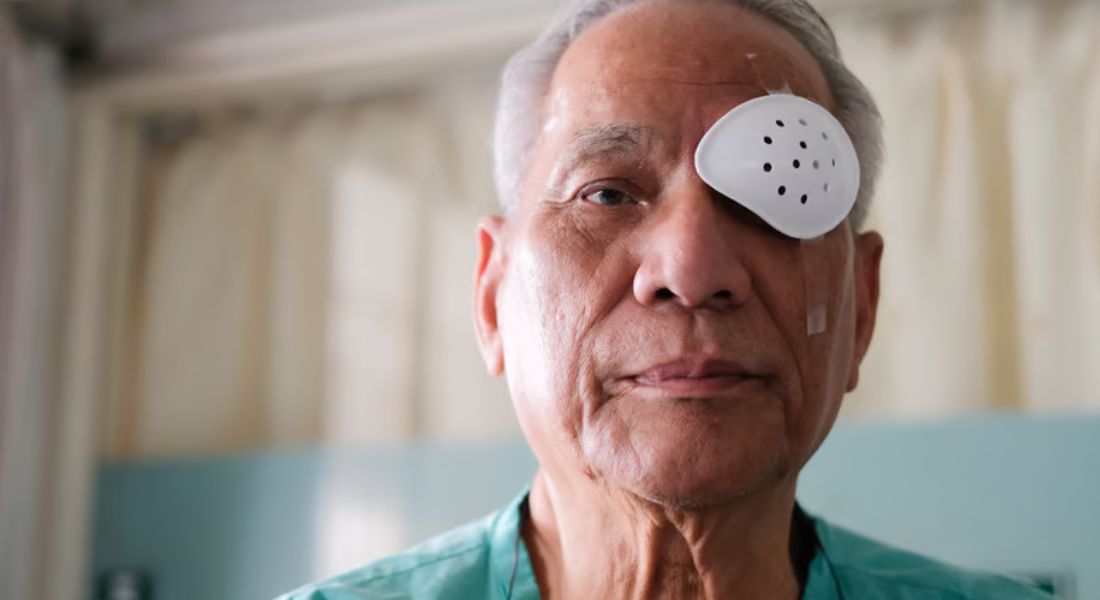
You should know that sutureless cataract surgery has a positive impact on the healing process for most patients. By avoiding stitches, your eye experiences less disruption and can recover in a more natural way. Modern techniques are designed to support faster healing while maintaining safety and stability. As a result, you often notice a smoother and more comfortable recovery overall.
- Less Irritation: Without stitches, there is no foreign material rubbing against your eye surface. This significantly reduces the chances of redness, discomfort, or a scratchy sensation. You generally feel more at ease during the early stages of recovery.
- Quicker Recovery: Smaller, self-sealing incisions heal faster than larger stitched wounds. Your eye can return to its normal state more efficiently without the added step of suture removal or management. This allows you to resume daily activities sooner.
- Improved Comfort: The absence of stitches means fewer sources of post-operative discomfort. You are less likely to experience tightness or pulling sensations in the eye. Overall, the healing process feels more natural and less intrusive for you.
- Simpler Follow-Up Care: Follow-up visits are often more straightforward when stitches are not involved. There is no need to monitor or remove sutures, which simplifies aftercare. This makes the recovery journey easier for both you and your clinician.
Overall, sutureless surgery has made the healing process more efficient and patient-friendly. The combination of reduced irritation, faster recovery, and improved comfort leads to a better overall experience for you. Many patients find the process easier to manage compared to older techniques. This approach reflects the ongoing improvements in modern eye surgery.
What Does Recovery Feel Like?
After stitch-free cataract surgery, you will usually notice a few mild sensations as your eye begins to heal. You might feel a slight grittiness, as if there is something in your eye, which is quite common. Some people also experience mild sensitivity to light, especially in brighter environments. Temporary blurred vision can also occur as your eye adjusts after the procedure.
These symptoms are a normal part of the healing process and should not cause concern. In most cases, you will find that they gradually improve over the first few days. Your vision typically becomes clearer as the eye settles and recovers. Following your aftercare instructions will help support a smooth recovery.
Because no stitches are used, you do not need to worry about having them removed later. This avoids the need for any additional procedures or appointments related to stitches. It also makes the overall recovery feel simpler and more comfortable for you. As a result, many people find the healing process easier than they expected.
Can the Eye Open Again After Surgery?
You might worry that the eye could open again after surgery, but this is very unlikely. It is a common concern, especially when you hear that no stitches are used. However, modern cataract surgery is designed to prevent this from happening. The techniques used today focus on keeping the eye secure at all times.
The self-sealing incisions are carefully created so they stay closed once the procedure is complete. As your eye begins to heal, the surrounding tissue naturally stabilises the area. This adds an extra level of security as the incision settles. The design of the incision plays a key role in maintaining this stability.
You will usually be advised to avoid rubbing your eye and to follow simple aftercare instructions. These steps help protect the incision while it heals. With proper care, the opening remains secure and continues to close naturally. This allows your eye to recover safely and comfortably.
Benefits of Not Having Stitches
You should know that sutureless cataract surgery offers several clear advantages that improve both the procedure and your recovery experience. By eliminating the need for stitches, your eye experiences less stress and can heal more naturally. Modern techniques focus on precision and minimal disruption, which directly benefits you after surgery. This approach has become widely preferred because it supports a quicker and more comfortable return to normal vision.
- Faster Healing Time: Small, self-sealing incisions allow your eye to heal more quickly compared to traditional stitched wounds. There is less tissue involvement, which speeds up the natural recovery process. You often notice improvement in a shorter period.
- Less Post-Operative Discomfort: Without stitches, there is no pulling or tightness in your eye during healing. This significantly reduces discomfort and the feeling of something being in the eye. Your overall recovery tends to feel smoother and less intrusive.
- Reduced Risk of Irritation: Stitches can sometimes cause irritation or inflammation as the eye heals. Removing them from the process lowers the chance of redness and sensitivity. This helps you maintain better comfort throughout recovery.
- Fewer Follow-Up Procedures: Stitches may require monitoring or removal in some cases. With sutureless surgery, these extra steps are avoided. This makes post-operative care simpler and more convenient for you.
- More Stable Visual Recovery: The absence of stitches reduces the likelihood of changes in eye shape during healing. This helps maintain more consistent visual outcomes. You can experience a steadier improvement in your vision.
Overall, the shift towards sutureless cataract surgery reflects major progress in modern eye care. You benefit from faster healing, improved comfort, and fewer complications during recovery. The simplified aftercare process also makes the experience less demanding for you. These advantages are why this technique has become the standard approach in most cataract procedures today.
How Quickly Does the Eye Heal?
You should understand that healing after cataract surgery happens in stages rather than all at once. In the first few days, your vision may fluctuate as your eye begins to adjust. You might also notice a slight sensitivity, which is a normal part of early recovery. These changes are expected and usually settle as your eye starts to heal.
Within a week or two, you will often notice a clear improvement in both vision and comfort. Your sight becomes more stable, and everyday activities start to feel easier again. Any initial irritation or sensitivity typically reduces during this time. This stage gives you a good sense of how your final vision will feel.
By around a month, the incision is usually fully stable and your vision has largely settled. At this point, your eye has adapted well to the changes made during surgery. Most people find they can return to their normal routines quite quickly. With proper care, the recovery process is smooth and reassuring for you.
Will You Feel the Incision?
You might wonder whether you will feel the incision after surgery, but in most cases, you will not. Because no stitches are used, there is no foreign material left in your eye to cause irritation. This helps reduce the chance of discomfort during the healing process. It also makes the overall experience feel much more natural for you.
The incision itself is extremely small and carefully placed. Due to its size, most people are not aware of it at all after the procedure. You are unlikely to feel anything specific where the incision was made. This is one of the reasons modern cataract surgery is considered so comfortable.
You may still notice mild healing sensations as your eye recovers. These can include slight awareness, dryness, or sensitivity, which are all normal. However, these feelings are not linked to the incision itself. Overall, this approach contributes to a smoother and more comfortable recovery experience for you.
Is Stitch-Free Surgery Safe?
Yes, stitch-free cataract surgery is considered very safe. Modern cataract surgery is one of the most commonly performed procedures worldwide, with a strong track record of success. The techniques used today are based on years of research and clinical experience. This should give you confidence in how reliable the procedure is.
Sutureless methods are widely used because they offer several clear advantages for you. They are highly effective in restoring vision while keeping the procedure minimally invasive. The approach has also been tested and refined over many years, making it a trusted option. This combination of benefits is why it is now the standard in most cases.
Safety is maintained through precise surgical planning and the use of advanced technology. Every step of the procedure is carefully controlled to protect your eye. Surgeons use specialised equipment to ensure accuracy and consistency. As a result, you can expect a safe and well-managed experience throughout your treatment.
The Role of Advanced Surgical Techniques
Modern cataract surgery relies on highly precise instruments that are designed to work with great accuracy. These tools allow your surgeon to perform each step in a controlled and careful way. The focus is always on protecting your eye while achieving the best possible outcome. This level of precision plays a key role in making the procedure safe and effective for you.
With the help of these advanced instruments, surgeons can create very small and controlled micro-incisions. These tiny openings are carefully planned and placed to support natural healing. Because they are so precise, they behave differently from larger incisions used in the past. This is what allows the eye to seal on its own without the need for stitches.
The success of sutureless surgery comes from a combination of technique, technology, and experience. Each element works together to ensure the procedure is smooth and reliable. Your surgeon’s skill, along with modern equipment, makes a significant difference to your outcome. This is why stitch-free cataract surgery has become the standard approach today.
What You Should Avoid After Surgery

Even though modern cataract surgery usually does not require stitches, proper aftercare still plays an essential role in healing. The eye needs a short period to recover and stabilise, and small precautions can make a big difference. Following your surgeon’s advice helps reduce the risk of complications and supports a smooth recovery. Most of these guidelines are simple and easy to manage in daily life.
- Avoid Rubbing the Eye: Rubbing can put unnecessary pressure on the healing eye and may disturb the surgical area. This can slow down recovery or increase the risk of irritation. It is best to keep your hands away from the eye, even if it feels slightly uncomfortable.
- Keep Water Out Initially: Water entering the eye too soon can introduce bacteria and increase the risk of infection. During the early days, you may be advised to be cautious while washing your face or bathing. Protecting the eye from direct water contact helps maintain a clean healing environment.
- Use Prescribed Eye Drops: Eye drops are an important part of post-operative care and help prevent infection and inflammation. Using them as directed ensures the eye heals properly and comfortably. Skipping doses or stopping early can affect recovery.
- Avoid Heavy Physical Activity: Strenuous activities can increase pressure inside the eye, which is not ideal during the healing phase. It is usually recommended to take a short break from exercise, lifting, or intense movement. Gradually returning to normal activity helps protect the surgical outcome.
Overall, these simple precautions help ensure that the eye heals smoothly and without complications. While recovery is generally quick, taking a little extra care in the early days can make a noticeable difference. Most patients find these steps easy to follow and well worth the effort. By sticking to these guidelines, you support a safe and successful recovery.
Choosing the Right Surgical Approach
You should understand that every eye is different, and your treatment needs to reflect that. While stitch-free cataract surgery is now the standard approach, it may not be identical for everyone. Your surgeon will carefully assess your individual situation before making any decisions. This ensures that the procedure is suited specifically to your needs.
Several important factors are taken into account during this assessment. Your overall eye health, the severity of your cataract, and your medical history all play a role. These details help the surgeon plan the safest and most effective approach for you. It also allows them to anticipate any potential challenges during surgery.
This personalised approach is what helps maintain a high level of safety and success. Rather than using a one-size-fits-all method, the procedure is tailored to your condition. This gives you the best chance of a smooth surgery and recovery. As a result, you can feel more confident about the care you are receiving.
Why Patients Often Prefer Sutureless Surgery
You may feel more comfortable knowing that no stitches are involved in your surgery. This often reduces anxiety, especially if you were worried about having something placed in your eye. The idea of a stitch-free procedure can make the whole experience feel less intimidating. It helps you approach the surgery with greater confidence.
Sutureless surgery also makes your recovery expectations much simpler. You do not need to think about stitch care or the possibility of removal later on. This removes an extra step from the healing process. As a result, your recovery can feel more straightforward and easier to manage.
There is also less concern about discomfort linked to stitches or additional follow-up procedures. Without stitches, the eye tends to feel more natural as it heals. This contributes to a more comfortable recovery overall. In many cases, it helps create a smoother and more reassuring surgical experience for you.
Accessing Specialist Care

You should know that choosing an experienced clinic plays an important role in achieving the best possible outcome. The level of expertise and care you receive can make a real difference to both your surgery and recovery. It is always worth taking the time to explore your options carefully. This helps you feel more confident about the decisions you are making.
If you are considering treatment, it can be helpful to understand what specialist-led eye care services offer. Looking into options such as cataract surgery in London allows you to see the standards and approaches used by experienced professionals. This gives you a clearer idea of what to expect from modern treatment. It also helps you feel more prepared and reassured.
You can find more detailed information about the procedure and available options on the Eye Clinic London website. Reviewing this information can support you in making an informed choice. It allows you to understand the process in greater depth. As a result, you can move forward with greater confidence and clarity.
FAQs:
- Do all cataract surgeries avoid stitches?
No, most modern cataract surgeries are stitch-free because they use very small, self-sealing incisions. However, in certain situations such as complex cases, unusual eye anatomy, or weaker corneal tissue your surgeon may choose to use a stitch for added safety and stability. - How do self-sealing incisions work in cataract surgery?
Self-sealing incisions are carefully designed, tiny openings made at a precise angle in the cornea. After the procedure, the natural pressure inside your eye helps press the incision closed, allowing it to seal securely without stitches while still maintaining the eye’s structure. - Is stitch-free cataract surgery safe?
Yes, stitch-free cataract surgery is considered very safe and is widely used around the world. It is supported by advanced technology, refined surgical techniques, and years of clinical experience, making it a reliable and effective method for restoring vision. - Will I feel pain during or after stitch-free cataract surgery?
During the procedure, your eye will be numbed, so you should not feel pain. After surgery, you may notice mild discomfort, such as a gritty sensation or slight irritation, but this usually settles within a few days as your eye heals. - How long does it take to recover after sutureless cataract surgery?
Recovery is usually quite quick. Many people notice clearer vision within a few days, with significant improvement in the first 1–2 weeks. Most of the healing is complete within a month, although your eye may continue to stabilise gradually. - Can the incision reopen after surgery if there are no stitches?
This is very unlikely. The incision is designed to remain closed due to its structure and placement. As your eye heals, the surrounding tissue strengthens the area further, helping ensure long-term stability when proper aftercare is followed. - Are there any restrictions after stitch-free cataract surgery?
Yes, you will need to follow some simple precautions for a short time. These usually include avoiding rubbing your eye, keeping water out during the early days, using prescribed eye drops, and avoiding heavy lifting or strenuous activity to protect healing. - Why is stitch-free surgery more comfortable?
Without stitches, there is no foreign material in the eye that can cause irritation or a scratchy feeling. This reduces discomfort, inflammation, and sensitivity, allowing the eye to heal more naturally and making the overall experience much more comfortable. - Will I need follow-up care after stitch-free cataract surgery?
Yes, follow-up visits are still important to ensure your eye is healing properly and your vision is improving as expected. Even though there are no stitches to manage, your surgeon will monitor your progress and adjust care if needed. - Who decides whether stitches are needed or not?
Your eye surgeon will make this decision based on a detailed assessment of your eye. Factors such as corneal strength, eye structure, and the complexity of the surgery are considered to ensure the safest and most effective approach for your treatment.
Final Thoughts: A Simpler, More Comfortable Approach to Cataract Surgery
Modern cataract surgery has evolved into a highly refined and minimally invasive procedure, and the fact that it is usually performed without stitches often comes as a welcome relief. With the use of tiny, self-sealing incisions and advanced surgical precision, your eye can heal naturally with less discomfort and fewer complications. This approach not only makes the procedure feel less daunting but also supports a quicker and smoother recovery, allowing you to return to your normal routine with greater ease.
If you are exploring options such as cataract surgery in London, understanding how these modern techniques work can help you feel more confident in your decision. If you’re considering cataract surgery in London and want to know if it’s the right option, you’re welcome to reach out to us at Eye Clinic London to book a consultation.
References:
- Fine, I.H. (1991) Architecture and construction of a self-sealing incision for cataract surgery, Journal of Cataract & Refractive Surgery, 17, pp. 672–676. Available at: https://www.sciencedirect.com/science/article/abs/pii/S0886335013806827
- Akura, J., Kaneda, S., Hatta, S. and Matsuura, K. (2000) Controlling astigmatism in cataract surgery requiring relatively large self-sealing incisions, Journal of Cataract & Refractive Surgery, 26(11), pp. 1650–1659. Available at: https://pubmed.ncbi.nlm.nih.gov/11084275/
- Matossian, C., Makari, S. and Potvin, R. (2015) Cataract surgery and methods of wound closure: a review, Clinical Ophthalmology, 9, pp. 921–928. Available at: https://pmc.ncbi.nlm.nih.gov/articles/PMC4447171/
- Sakono, T., Mihara, N., Sakamoto, T. and Terasaki, H. (2025) Effect of eyelid opener on wound closure time in cataract surgery, Journal of Clinical Medicine, 14(9), p. 3163. Available at: https://www.mdpi.com/2077-0383/14/9/3163
- Harwood, R.H. and Foss, A.J.E. (2014) Second-eye cataract surgery: valuable investment or unaffordable luxury? Age and Ageing, 43(3), pp. 310–312. Available at: https://academic.oup.com/ageing/article-abstract/43/3/310/2812202