

Can You Have LASEK Surgery If You Are HIV Positive?
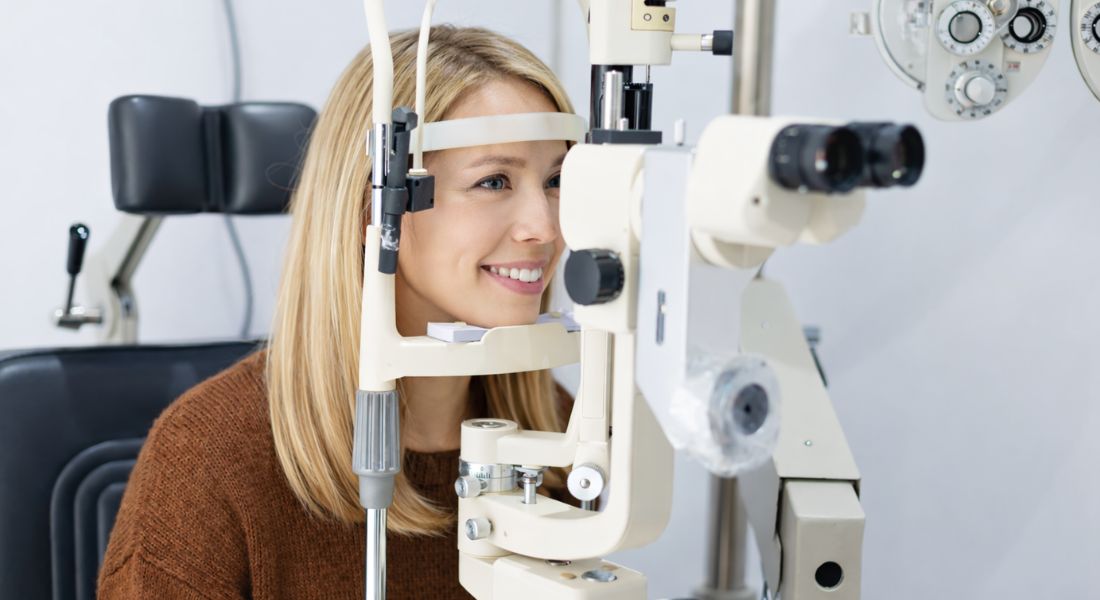
If you are living with HIV and considering vision correction, it is completely understandable to question whether LASEK surgery is suitable for you. Advances in treatment mean many people with HIV now have well-controlled conditions and strong immune systems. Because of this, elective procedures like LASEK are often possible when your overall health is stable. Your suitability depends on more than just the diagnosis itself.
The most important factor is how well your condition is managed. Surgeons will assess your immune function, overall health, and ability to heal after surgery. If your viral load is controlled and your immune system is functioning well, you may be considered a good candidate. A thorough pre-surgery evaluation helps ensure the procedure is safe for you.
Understanding both the benefits and potential risks allows you to make an informed decision. Every case is assessed individually, so your treatment plan will be tailored to your health status. Working closely with your eye surgeon and healthcare provider helps achieve the best possible outcome.
What Is LASEK Surgery?
LASEK is a type of laser eye surgery used to correct common vision problems such as short-sightedness, long-sightedness, and astigmatism. It works by reshaping the cornea so that light can focus properly on the retina. When the cornea is correctly shaped, your vision becomes clearer and more stable. This makes everyday activities like reading and driving much easier.
During the procedure, the outer layer of your cornea is gently loosened and moved to one side. A precise laser is then used to reshape the underlying tissue to correct your vision. After this, the surface layer is carefully repositioned over the eye. This layer naturally heals over the following few days.
Because no permanent flap is created, LASEK can be a good option if you have thinner corneas. It is often considered a suitable alternative to LASIK in certain cases. Your eye specialist will help determine whether this approach is right for you.
Why HIV Status Matters
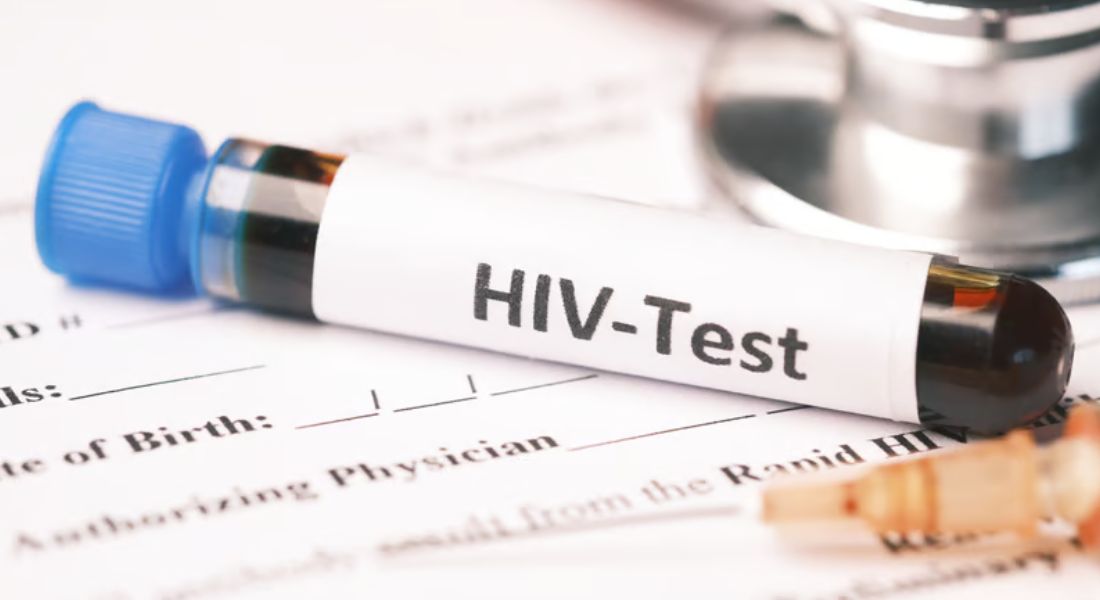
Your immune system plays a vital role in how your body heals after any surgical procedure. If you are living with HIV, your immune function can vary depending on how well the condition is controlled and your current treatment. This means your recovery process may differ slightly compared to someone with a fully intact immune system. Understanding this helps your doctor plan your care safely and effectively.
- Role of the immune system in healing: A healthy immune system helps your body repair tissues, fight infection, and recover smoothly after surgery. If your immune response is reduced, healing may take a little longer or require closer monitoring.
- Impact on infection risk: When immune function is lower, the body may be less efficient at preventing infections. This doesn’t mean surgery isn’t possible, but it does mean extra precautions may be needed to keep you safe.
- Importance of current treatment and stability: If your HIV is well-controlled with medication and your immune markers are stable, many procedures can be performed safely. Your doctor will usually review factors such as viral load and overall health before proceeding.
- Personalised surgical planning: Your HIV status is considered as part of a broader health assessment. This allows your clinician to tailor the procedure, aftercare, and follow-up to support optimal healing.
By carefully evaluating your immune health beforehand, your medical team can ensure that you are in the best possible condition for surgery and recovery, helping you achieve safe and effective outcomes.
Importance of Viral Load
Your viral load shows how active the HIV is in your body. If your viral load is undetectable, it means your treatment is working well and the virus is effectively controlled. This is a strong sign that your immune system is functioning more normally. It also suggests your body is better prepared for procedures like LASEK.
If your viral load is well controlled, the risks associated with surgery are generally lower. Your healing response is often similar to someone without HIV. This is important because proper healing plays a key role in achieving good visual outcomes. Many surgeons consider this a positive factor when assessing suitability.
Before surgery, your surgeon will carefully review your recent blood test results. They will look for signs that your condition has been stable over time. Consistent control of your viral load is an encouraging indicator for eligibility. This helps ensure that the procedure can be carried out as safely as possible.
Understanding CD4 Count
CD4 cells are a type of white blood cell that play an important role in supporting your immune system, particularly if you are living with HIV. A higher CD4 count usually indicates that your immune system is stronger and better able to fight infection. This also suggests that your body has a better capacity to heal after procedures like LASEK. Strong immune function is an important factor in surgical safety.
When assessing your suitability for LASEK, your surgeon will look closely at your CD4 levels. Stable and healthy counts give reassurance that your body can respond well during the healing process. This reduces the risk of complications and supports smoother recovery. It also helps your surgeon plan the procedure with greater confidence.
If your CD4 count is low, your surgeon may advise delaying surgery. This gives your immune system time to improve with appropriate medical treatment. Waiting until your levels are more stable can significantly reduce risks. A carefully timed approach helps ensure the safest and most effective outcome for your vision.
Role of Antiretroviral Therapy
Antiretroviral Therapy plays a central role in managing HIV effectively and supporting your overall health. By keeping the virus under control, ART helps maintain a stronger immune system, which is essential for safe healing after procedures such as LASEK. When your treatment is consistent and effective, your body is generally better prepared to recover.
- Maintaining immune strength: ART helps protect your immune system by reducing the impact of HIV on your body. A stronger immune response supports normal healing and lowers the risk of complications after surgery.
- Keeping viral load low: Successful treatment reduces the amount of virus in your blood (viral load), often to very low or undetectable levels. This is an important indicator that your condition is well controlled.
- Reducing surgical risk: If you are taking ART regularly and responding well, your overall surgical risk is typically lower. This is a key factor your doctor considers when assessing whether LASEK is suitable for you.
- Coordinated medical care: Your ophthalmologist may work closely with your HIV specialist to confirm that your condition is stable before surgery. This coordinated approach ensures your treatment plan supports both your eye health and your general wellbeing.
By staying consistent with your medication and attending regular check-ups, you help create the best possible conditions for a safe procedure and smooth recovery.
Healing After LASEK
Healing after LASEK involves the regeneration of the corneal surface. In the first few days, the outer layer of your cornea begins to repair itself, which is when you may notice gradual improvement. Full visual clarity can take several weeks as your eyes continue to stabilise. This is a normal part of the recovery process.
If your HIV is well controlled, your healing is usually similar to that of other patients. A stable immune system supports proper tissue repair and reduces the risk of complications. In some cases, healing may be slightly slower, but this does not necessarily affect the final outcome. Your surgeon will take this into account when planning your care.
Regular follow-up appointments are important to ensure your recovery is progressing as expected. These visits allow your surgeon to monitor healing and address any concerns early. Prompt care helps prevent complications and supports the best possible results. Staying consistent with your aftercare instructions also plays a key role in your recovery.
Infection Risk
Infection is a rare but important consideration after LASEK. If you are living with HIV and your immune system is weakened, the risk may be slightly higher. However, this largely depends on how well your condition is controlled. A stable immune system helps reduce the likelihood of complications.
Your surgeon will take preventative steps to protect your eyes during recovery. These often include prescribing antibiotic eye drops and providing clear aftercare instructions. Keeping your eyes clean and avoiding touching them unnecessarily also helps lower the risk. Following guidance carefully makes a significant difference.
With proper care, most patients recover without any signs of infection. Regular follow-up appointments allow your surgeon to monitor your healing closely. Any early signs of concern can be addressed quickly. This ongoing care provides reassurance and supports a safe recovery.
Pre-Surgery Assessment
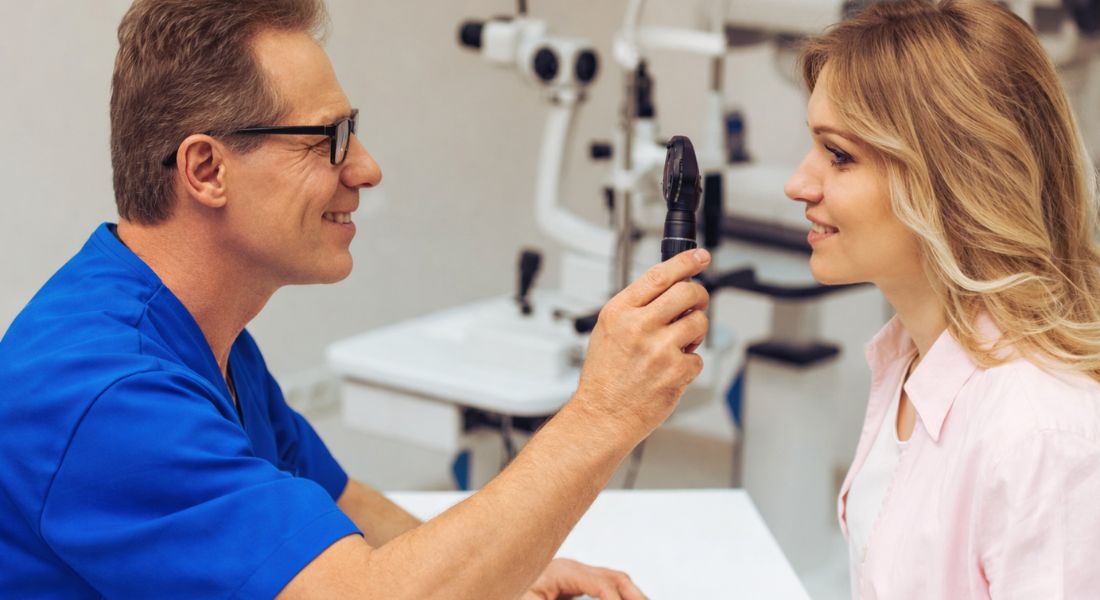
Before your procedure, you will go through a detailed eye examination to check that LASEK is suitable for you. This usually includes corneal mapping, vision testing, and an assessment of your tear film. These tests help your surgeon understand the exact shape and health of your eyes. Accurate measurements are essential for safe and effective treatment.
Your general health will also be reviewed, including how well your HIV is controlled. Blood test results, such as your viral load and CD4 count, help assess your readiness for surgery. These factors give insight into how well your body is likely to heal. A stable condition is a positive sign for proceeding safely.
This thorough assessment is designed to protect your safety at every stage. It allows your surgeon to tailor the treatment specifically to your needs. By taking a personalised approach, you are more likely to achieve a smooth recovery and good visual results.
Eye Health Requirements
For LASEK to be safe and effective, your eyes need to be in good overall condition before the procedure. Issues such as infections, inflammation, or significant dryness can affect how well your eyes heal and how clear your vision becomes afterwards. Addressing these concerns in advance helps create the best possible environment for surgery.
- Screening for existing eye conditions: Your surgeon will carefully examine the surface of your eyes to check for any problems, such as infection or irritation. Identifying these early ensures they can be treated before moving forward.
- Managing dryness and surface health: Conditions like Dry Eye Syndrome can affect comfort and healing. Treatment may include lubricating drops or other therapies to improve the stability of your tear film.
- Reducing the risk of complications: Treating any underlying issues beforehand lowers the chance of infection or delayed healing. This helps ensure a smoother recovery after LASEK.
- Optimising surgical outcomes: Healthy eyes respond better to the procedure, leading to clearer and more stable vision. Proper preparation plays a key role in achieving long-term results.
By ensuring your eyes are in the best possible condition before surgery, your surgeon can help maximise both safety and visual outcomes.
Dry Eye Considerations
Dry eye can affect how comfortable your eyes feel after LASEK. If you are living with HIV, certain medications used in your treatment may also contribute to dryness. This can make your eyes feel gritty or irritated, especially during the early stages of healing. Managing dryness is therefore an important part of your care.
Before surgery, your tear film will be carefully assessed. This helps your surgeon identify any existing dryness and decide how best to manage it. Treating dry eye in advance can improve both comfort and healing after the procedure. It also supports better visual outcomes.
Lubricating eye drops are commonly recommended to keep your eyes hydrated. You may be advised to use them regularly during recovery. These drops help reduce irritation and protect the surface of your eyes. Following this advice can make your healing process much more comfortable.
Age and Suitability
Your age on its own does not prevent you from having LASEK. Both younger and older patients can achieve good results with the procedure. What matters more is whether your eyes are healthy and your vision is stable. These factors play a bigger role in determining suitability than age alone.
If you are living with HIV, your overall health and immune function are especially important. Well-controlled HIV and a stable immune system are key indicators that your body can heal properly after surgery. These elements are often more significant than your age when assessing risk.
Your surgeon will look at all these factors together before making a recommendation. This includes your eye health, medical history, and test results. A personalised assessment helps ensure the safest possible approach. It also increases the likelihood of a smooth recovery and good visual outcome.
Lifestyle Factors
Your daily habits can have a noticeable impact on how well you heal after LASEK. Factors such as smoking, high stress levels, and poor sleep may slow down recovery and affect overall comfort. By making a few simple adjustments, you can help your body heal more efficiently and support better visual outcomes.
- Impact of smoking on healing: Smoking can reduce blood flow and oxygen delivery to tissues, which may delay healing. Avoiding or reducing smoking before and after surgery can improve recovery.
- Importance of rest and sleep: Getting enough sleep allows your body to repair itself more effectively. Well-rested eyes also tend to feel more comfortable during the healing process.
- Role of nutrition: A balanced diet rich in vitamins and nutrients supports your immune system and tissue repair. Staying hydrated also helps maintain a healthy tear film.
- Managing stress levels: High stress can affect your body’s ability to heal. Simple steps such as relaxation techniques or regular breaks can support overall recovery.
By adopting healthy lifestyle habits, you give your body the best chance to heal smoothly, while also supporting your long-term eye health and general wellbeing.
Nutrition and Recovery
A balanced diet plays an important role in helping your body heal after LASEK. The repair of the corneal surface relies on good overall nutrition and a steady supply of essential nutrients. Vitamins and antioxidants support tissue regeneration and help protect your eyes during recovery. Eating well can make a noticeable difference in how smoothly you heal.
Foods rich in vitamin A and omega-3 fatty acids are particularly beneficial for eye health. These nutrients help maintain the surface of your eyes and can reduce inflammation after the procedure. Including foods such as leafy greens, carrots, oily fish, and nuts in your diet can be helpful. Small dietary changes can support both comfort and visual recovery.
If you are living with HIV, good nutrition becomes even more important. A strong immune system supports proper healing and lowers the risk of complications. Eating a well-balanced diet helps your body respond more effectively after surgery. This complements your medical care and supports better overall outcomes.
Hydration Importance
Staying well hydrated plays an important role in your recovery after LASEK. It helps support tear production, which keeps the surface of your eyes comfortable and protected. Good hydration also allows your body to function more efficiently overall. This is especially helpful while your eyes are healing.
If you become dehydrated, you may notice increased dryness or irritation in your eyes. This can make the healing process feel less comfortable and, in some cases, slightly slower. Drinking enough fluids each day helps maintain a healthy tear film. It is a simple step that can make a real difference.
If you are living with HIV, maintaining hydration is even more beneficial. A well-supported body is better able to heal and respond to treatment. Keeping up with fluids complements your overall care plan. Although it is often overlooked, hydration is a key part of a smooth recovery.
Medication Considerations
Before LASEK, your surgeon will carefully review all the medications you are taking. Some medicines can affect how your eyes heal or may increase dryness after the procedure. Identifying these factors early helps your surgeon plan your treatment more safely. It also ensures that your recovery is as smooth as possible.
If you are living with HIV, any adjustments to your medication will be made with caution. Your HIV treatment will not be interrupted unnecessarily, as maintaining stable control is essential. In some cases, your eye surgeon may work closely with your HIV specialist. This coordinated approach helps protect both your eye health and your overall wellbeing.
Clear communication between you and your healthcare team is very important. Make sure you share a full list of your medications, including supplements. This allows your surgeon to make informed decisions and avoid potential interactions. Careful planning reduces the risk of complications and supports a safer outcome.
Comparing LASEK with LASIK
LASEK and LASIK are both effective forms of laser vision correction, but they differ in how the cornea is treated. In LASEK, the surface layer of the cornea is gently moved aside and replaced after treatment, rather than creating a permanent flap as in LASIK. This distinction can influence both safety and recovery.
- No permanent corneal flap: LASEK does not involve creating a lasting flap in the cornea. This can reduce certain structural risks, particularly for people with thinner corneas or those at higher risk of eye injury.
- Healing approach and recovery time: Because LASEK works on the surface layer, healing may take slightly longer compared to LASIK. However, it avoids flap-related complications and can be more suitable for specific eye conditions.
- Suitability for different patients: LASEK is often recommended for patients who may not be ideal candidates for LASIK, such as those with thinner corneas or particular lifestyle considerations. Your individual eye structure plays a key role in this decision.
- Personalised surgical recommendation: Your surgeon will assess your eye health, prescription, and overall medical history before recommending the most appropriate procedure. This ensures the chosen treatment aligns with your needs and provides the safest outcome.
By understanding the differences between these procedures, you can feel more confident in the treatment plan recommended for your eyes.
When Surgery May Be Delayed
In some situations, your surgeon may advise postponing LASEK. This is usually recommended if your HIV is not well controlled at the time of assessment. Proceeding with surgery when your immune system is under strain can increase the risk of complications. Waiting allows your body to be in a stronger position before treatment.
Low CD4 counts or a high viral load are common reasons for delaying surgery. These factors can affect how well your eyes heal after the procedure. By giving your treatment time to improve these markers, you reduce potential risks. A more stable condition supports safer surgery and better recovery.
Delaying LASEK is a protective step rather than a setback. It ensures that when you do go ahead, your body is better prepared to respond and heal. This approach helps improve both safety and long-term results. Your surgeon will guide you on the best timing based on your overall health.
Psychological Readiness
Feeling mentally prepared is just as important as being physically ready for LASEK. It is completely normal to have questions or concerns about safety, healing, or outcomes. Taking the time to understand the procedure can help you feel more in control. Being informed often reduces uncertainty and stress.
If you are living with HIV, you may have additional concerns about how your condition could affect the process. Discussing these openly with your surgeon can be very reassuring. Clear, personalised information helps you understand what to expect at each stage. This makes the experience feel more manageable.
Building confidence in your decision can improve your overall experience. When you feel prepared, you are more likely to follow instructions and stay engaged in your care. This supports a smoother recovery and better results. A calm, informed approach can make a meaningful difference throughout your treatment journey.
Post-Operative Care
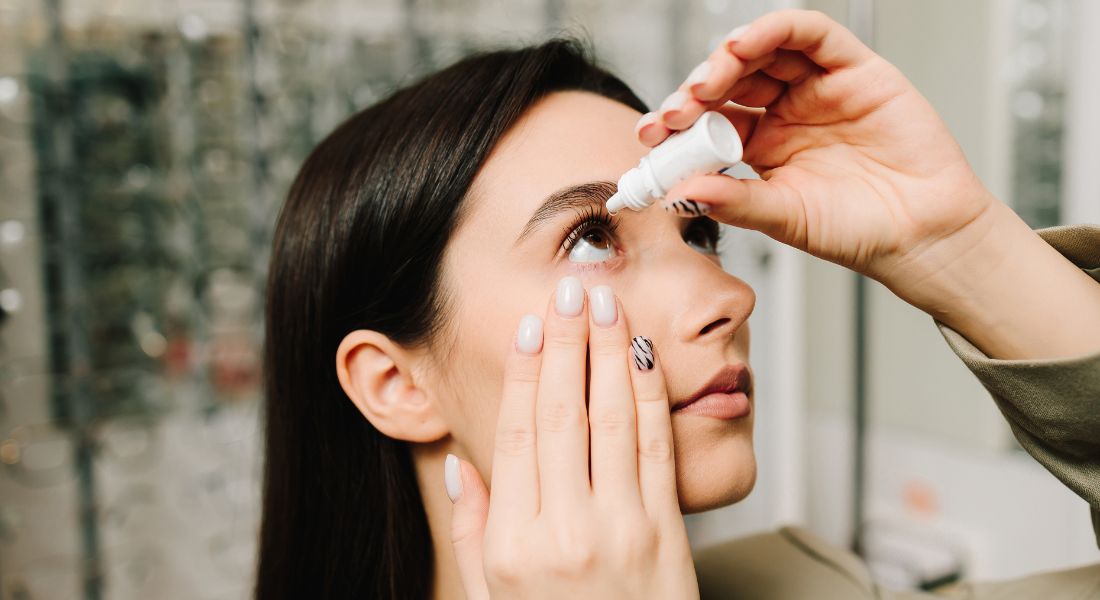
After your procedure, following a structured aftercare plan is essential for safe healing and clear visual results. You’ll be given specific instructions, including how to use prescribed eye drops and when to attend follow-up appointments. Sticking closely to this plan helps your eyes recover smoothly and reduces the risk of complications.
- Use of prescribed medication: Eye drops are typically used to prevent infection, reduce inflammation, and keep the surface of your eye comfortable. Using them exactly as directed supports proper healing.
- Importance of follow-up visits: Regular check-ups allow your surgeon to monitor your recovery and ensure everything is progressing as expected. These visits help identify and manage any concerns early.
- Closer monitoring when needed: If you are living with HIV, your doctor may recommend more frequent follow-ups. This ensures your immune response is supporting normal healing and that any issues are addressed promptly.
- Adherence to aftercare instructions: Avoiding eye rubbing, protecting your eyes, and following all guidance carefully can make a significant difference to your final results. Small steps during recovery have a big impact on long-term vision quality.
By staying consistent with your aftercare routine and attending all appointments, you give your eyes the best chance to heal properly and achieve the desired outcome.
Returning to Daily Activities
You can usually return to light daily activities within a few days after LASEK. Simple tasks such as walking, reading, or gentle household activities are generally fine once your eyes begin to feel more comfortable. However, your vision may still be slightly blurred at first. Taking things slowly helps your eyes adjust.
You may need to limit screen use and avoid strenuous activities for a short period. Screens can increase dryness and strain, while intense physical activity may affect early healing. If you are living with HIV, your surgeon may take extra care in guiding your recovery. Advice will be tailored to your overall health and healing response.
Your surgeon will let you know when it is safe to gradually return to your normal routine. Recovery timelines can vary slightly from person to person. Following these recommendations helps protect your eyes during the healing phase. A gradual approach supports both comfort and long-term results.
Protecting Your Eyes
You will need to take a few simple steps to protect your eyes while they heal after LASEK. Avoid rubbing your eyes, even if they feel slightly irritated, as this can disrupt the healing surface. Your surgeon may also advise you to wear protective shields, especially while sleeping. These measures help prevent accidental contact during the early stages of recovery.
Wearing sunglasses outdoors can make a big difference in your comfort. They help reduce light sensitivity, which is common after the procedure. Sunglasses also protect your eyes from UV exposure and environmental irritants such as dust and wind. This added protection supports a smoother healing process.
If you are living with HIV, following these precautions is particularly important. A stable healing environment helps your eyes recover more efficiently. Small protective steps can prevent complications and improve your overall outcome. Consistency with aftercare plays a key role in achieving the best results.
Environmental Factors
Your surroundings can have a direct impact on how comfortable your eyes feel during recovery. Exposure to dust, pollution, and dry air may irritate the eye surface and slow the healing process. Creating a clean and supportive environment helps your eyes recover more smoothly after surgery.
- Reducing exposure to irritants: Dust, smoke, and pollution can cause irritation or dryness. Limiting time in such environments and protecting your eyes outdoors can help prevent discomfort.
- Managing dry air: Dry indoor conditions, especially from air conditioning or heating, may worsen dryness. Using a humidifier can help maintain moisture in the air and support eye comfort.
- Creating a clean recovery space: Keeping your surroundings clean and avoiding direct exposure to wind or fans reduces the risk of irritation. Small adjustments at home can make a noticeable difference.
- Supporting consistent healing: A stable, comfortable environment allows your eyes to heal without unnecessary stress. This contributes to better visual outcomes and overall comfort.
By being mindful of your environment and making simple changes, you can support a smoother and more comfortable recovery process.
Long-Term Results
If your HIV is well controlled, you can expect very good long-term results after LASEK. Many patients achieve stable and reliable vision improvement that lasts for years. Your outcome will depend on factors such as eye health, healing response, and how closely you follow aftercare advice. In most cases, results are comparable to those seen in patients without HIV.
Regular eye check-ups play an important role in maintaining these results. These appointments allow your eye specialist to monitor your vision and overall eye health. Any changes can be identified early and managed appropriately. Ongoing care helps protect the clarity you have achieved.
With proper care and attention, your vision can remain clear and comfortable over the long term. Maintaining a healthy lifestyle and following medical advice supports lasting outcomes. Consistent monitoring and good eye care habits make a real difference. Long-term success is built on continued attention to your eye health.
FAQs:
- Can you have LASEK surgery if you are HIV positive?
Yes, you can have LASEK surgery if your HIV is well controlled. What matters most is your immune system strength, viral load, and overall health rather than the diagnosis alone. Your surgeon will carefully assess these factors before recommending treatment. With the right conditions, LASEK can be a safe and effective option. - Is LASEK surgery safe for people living with HIV?
LASEK is generally safe for people living with HIV when the condition is stable. If your viral load is undetectable and your immune system is strong, your risk is similar to other patients. Careful screening and planning help minimise complications. Your surgeon will ensure that the procedure is appropriate for you. - What CD4 count is needed for LASEK surgery?
There is no exact CD4 count required, but a stable and healthy level is important. A higher CD4 count suggests your body can heal effectively after surgery. If your levels are low, your surgeon may advise waiting before proceeding. This ensures a safer recovery and better results. - Does your viral load affect LASEK eligibility?
Yes, your viral load plays a key role in determining eligibility. An undetectable viral load shows that your HIV is well managed. This reduces the risk of complications and supports normal healing. Your surgeon will review recent test results as part of the assessment. - Will healing take longer if you are HIV positive?
If your HIV is well controlled, healing is usually similar to other patients. In some cases, recovery may be slightly slower, depending on your immune response. Regular follow-up appointments help monitor your progress closely. Any concerns can be addressed early to keep your recovery on track. - Is there a higher risk of infection after LASEK?
There may be a slightly increased risk if your immune system is weakened. However, this risk is generally low with proper care and medication. Antibiotic eye drops and good hygiene help prevent infection. Most patients recover without any complications. - Do you need approval from your HIV specialist before surgery?
In many cases, your surgeon may consult your HIV specialist before proceeding. This helps confirm that your condition is stable and well managed. Coordinated care ensures all aspects of your health are considered. It also provides added reassurance before surgery. - Can your HIV medication affect LASEK surgery?
Some HIV medications can contribute to dry eye or affect healing slightly. Your surgeon will review your current treatment plan in detail. Any necessary adjustments will be made carefully without interrupting your therapy. You should always follow medical advice and not change medication on your own. - Will you still get good long-term results after LASEK?
Yes, most patients with well-controlled HIV achieve excellent long-term results. Vision improvement is typically stable and reliable over time. Maintaining good eye health and attending regular check-ups is important. These steps help preserve your results for years. - When should you avoid or delay LASEK surgery?
You may need to delay surgery if your HIV is not well controlled. High viral load, low CD4 count, or active infections can increase risks. Waiting allows your immune system to improve before undergoing the procedure. This approach ensures safer surgery and better long-term outcomes.
Final Thoughts: Making an Informed Decision About LASEK with HIV
Living with HIV does not automatically prevent you from having LASEK surgery. What matters most is how well your condition is managed, including your immune strength, viral load, and overall health. With careful assessment and the right preparation, many patients with well-controlled HIV can safely undergo the procedure and achieve excellent results.
A personalised approach is essential to ensure both safety and effectiveness. By working closely with your surgeon and healthcare team, you can understand your suitability and plan for a smooth recovery. If you’d like to find out whether lasek surgery in London is suitable for you, feel free to contact us at Eye Clinic London to arrange a consultation.
References:
- Raoof, D. et al. (2023), Dry eye disease following LASIK, PRK, and LASEK: an observational cross-sectional study, Journal of Clinical Medicine. https://www.mdpi.com/2077-0383/12/11/3761
- Hwang, H.S., Lee, H.J., Lee, S.J. and Kim, J.H. (2020), Visual outcomes after different refractive procedures in thin corneas, International Journal of Ophthalmology. https://pubmed.ncbi.nlm.nih.gov/32566511/
- Zhao, L.Q., Wei, R.L., Cheng, J.W., Li, Y., Cai, J.P. and Ma, X.Y. (2010), Meta-analysis of LASEK vs PRK outcomes in myopia, Ophthalmology, 117(10), pp. 1912–1922. https://pubmed.ncbi.nlm.nih.gov/20709406/
- Tajbakhsh, Z. et al. (2020), Prevalence of infectious keratitis after keratorefractive surgery: systematic review, Journal of Ophthalmology. https://pmc.ncbi.nlm.nih.gov/articles/PMC7407012/
- Liu, J., Guo, X., Wei, Z., Zhang, Y., Zhang, Z. and Xu, X. (2023), Infectious keratitis after keratorefractive surgery: update and review of the literature, Eye & Contact Lens. https://pmc.ncbi.nlm.nih.gov/articles/PMC10281179/