


Can Laser Eye Surgery Affect Night Driving Ability?
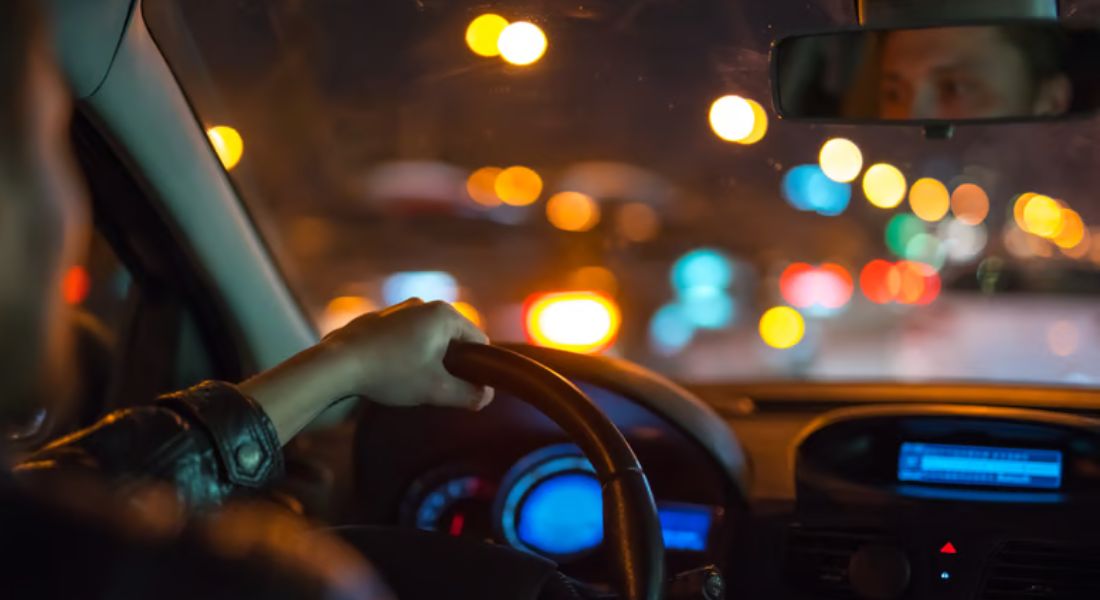
Many people considering laser eye surgery wonder how it might affect night driving. While daytime vision is usually clear soon after the procedure, some patients notice temporary visual disturbances in low-light conditions. Glare, halos, or starbursts around lights can occur, which may make driving at night more challenging. Understanding these potential changes helps you feel prepared and confident behind the wheel.
Laser surgery works by reshaping the cornea to correct refractive errors, improving how light focuses on the retina. Although highly effective, minor side effects can appear during the initial recovery period, especially in dim lighting. These symptoms are usually temporary and gradually improve as your eyes heal. Being aware of what to expect allows you to plan and drive safely.
This article examines how laser eye surgery can influence night vision and the typical duration of any effects. We’ll cover strategies to minimise risks and optimise safety while driving after surgery. Additionally, we’ll explain when it’s important to seek advice if visual disturbances persist.
Common Night Vision Changes
After laser eye surgery, it’s common to notice changes in night vision. Glare, halos, or starbursts around lights can be more noticeable in low-light situations, such as night driving. These effects are usually temporary and happen as your cornea heals and adjusts to its new shape. Knowing what to expect helps reduce worry and allows you to be patient with the recovery process.
- Glare and halos: Bright lights may appear to have a halo or glow, particularly in dark environments, during the early weeks of healing.
- Starbursts: You might see light radiating from point sources, such as headlights or street lamps, which typically improves over time.
- Reduced contrast sensitivity: Dim lighting can seem more challenging, making it slightly harder to distinguish objects or details at night.
- Temporary nature: These visual effects generally improve as the eye heals and adapts, often resolving within a few weeks to months.
- Importance of follow-up care: Regular post-operative check-ups help ensure your eyes are recovering properly and that any persistent issues are addressed.
Most patients find that night vision disturbances gradually decrease, allowing them to enjoy clear, comfortable vision even in low-light conditions. Being aware that these changes are usually temporary can reduce anxiety and frustration. Following your surgeon’s aftercare instructions supports smoother adaptation. With patience and proper monitoring, your night vision typically returns to near-normal levels.
Glare and Halos Explained
Glare happens when light scatters across the cornea rather than focusing directly on the retina. This can make oncoming headlights or streetlights appear unusually bright or hazy at night. Halos, on the other hand, are circular patterns of light that sometimes surround bright sources. Both phenomena are common during the early healing phase after laser surgery.
These effects are usually caused by minor irregularities in corneal healing. Most cases are mild and improve naturally as the cornea smooths over time. Using anti-reflective lenses in glasses or sunglasses during recovery can help reduce discomfort. Being patient and protecting your eyes supports smoother visual recovery.
Your surgeon will monitor any glare or halos during follow-up appointments. Persistent or severe symptoms are uncommon but can be addressed if necessary. In the vast majority of patients, these visual disturbances resolve without additional treatment, allowing safe night vision.
Starbursts and Diffraction
Some patients notice starburst patterns around lights, especially when driving at night. These occur due to diffraction of light caused by minor corneal irregularities after surgery. The effect can feel disorienting at first, particularly in low-light conditions. Awareness of this possibility helps you stay safe while your eyes adjust.
Starbursts are usually temporary and tend to fade over several weeks as the cornea heals. Following post-operative instructions carefully can reduce their intensity and support smooth recovery. Modern laser technology also minimises the risk of significant starburst formation. Most patients notice gradual improvement without any additional treatment.
Patience and regular follow-up appointments are essential while your eyes adapt to the new corneal shape. Your surgeon will monitor progress and provide guidance if symptoms persist. With time and proper care, night vision typically stabilises, allowing safe and comfortable driving.
The Role of Pupil Size
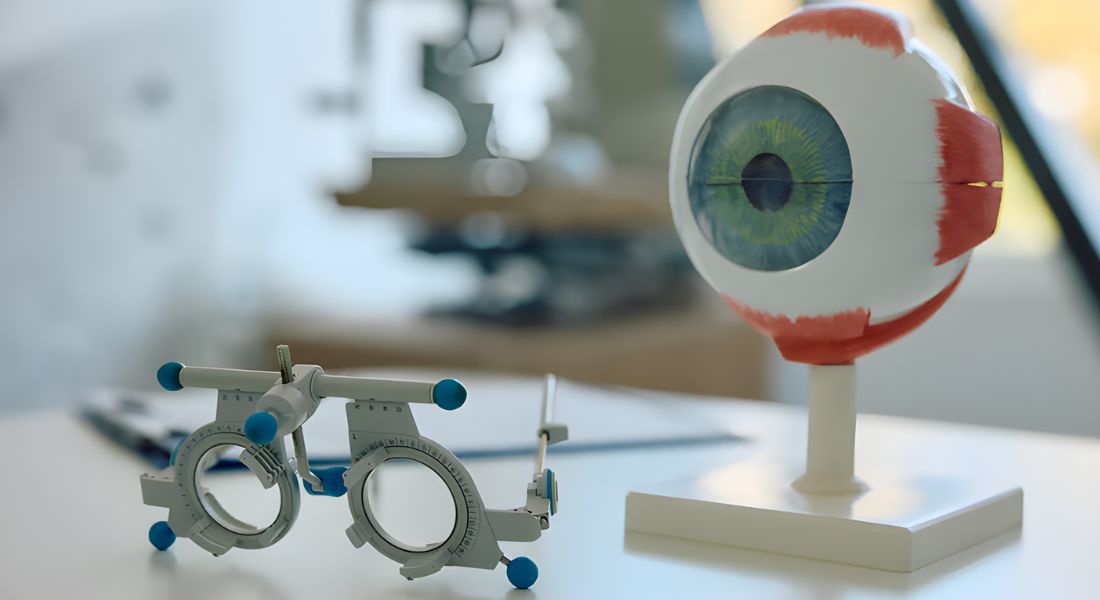
Your pupil size plays an important role in how your vision behaves after laser eye surgery. Larger pupils let more light into the eye, which can make halos, glare, or starbursts more noticeable, especially in low-light conditions. This is a normal part of how your eyes adapt and isn’t usually a cause for concern. Knowing this helps you understand why night vision may feel different initially.
- Increased light entry: Bigger pupils allow peripheral light rays to enter, which can interact with the cornea and create visual effects like halos.
- Low-light sensitivity: Nighttime or dim environments can exaggerate these effects because your pupils naturally dilate in the dark.
- Surgical planning considerations: Surgeons take pupil size into account when planning your procedure to minimise potential night vision issues.
- Laser adjustments: Specific laser settings can be tailored to your eye anatomy, helping reduce post-operative disturbances.
- Temporary adaptation: Over time, your visual system adapts, and the brain learns to filter excess light, making night vision more comfortable.
Understanding the role of pupil size gives you a realistic picture of what to expect after surgery. Most patients notice that night vision disturbances diminish as their eyes and brain adapt. With proper planning and follow-up, the effects of larger pupils are usually temporary. This knowledge helps you feel confident driving and navigating low-light situations during recovery.
Healing Timeline and Adaptation
Most visual changes that affect night driving gradually improve within three to six months after laser eye surgery. The cornea slowly stabilises, and your eyes adapt to the new refractive state. During this period, temporary issues such as glare, halos, or starbursts are common but generally mild. Understanding the timeline helps set realistic expectations for recovery.
Following your surgeon’s post-operative instructions is essential for a smooth healing process. Limiting night driving in the early stages reduces risk and discomfort. Proper care, including using prescribed eye drops and protecting your eyes, supports optimal recovery. These steps help the cornea heal efficiently and minimise visual disturbances.
Regular follow-up appointments allow your surgeon to monitor progress and address any concerns. Most patients regain comfortable night vision within a few months. Patience and adherence to guidance ensure that long-term vision remains clear and safe for all activities, including night driving.
Impact on Contrast Sensitivity
Contrast sensitivity is your ability to distinguish objects from their background, which is especially important in low-light conditions. After laser eye surgery, some patients experience temporary reductions in contrast sensitivity. This can make night driving or seeing subtle details more challenging during the early recovery period. Knowing this is normal helps you adjust safely while your eyes adapt.
These changes typically improve as the cornea heals and light refraction stabilises. Proper adherence to post-operative care, including using prescribed eye drops, supports a smoother recovery. Using good lighting inside your vehicle and wearing anti-reflective lenses can also make night driving safer and more comfortable. Most patients notice gradual improvements without additional intervention.
Recovery and adaptation are reliable but require patience. Regular follow-up appointments allow your surgeon to monitor progress and ensure optimal visual outcomes. With time, contrast sensitivity usually returns to pre-surgery levels or better, allowing safe night vision.
Dry Eyes and Night Driving
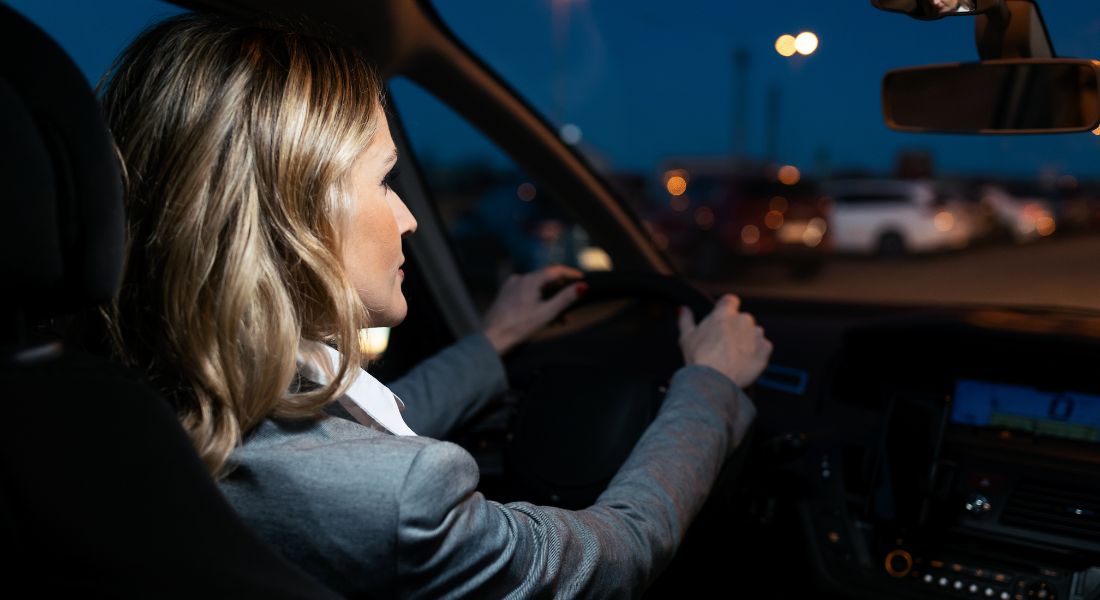
After laser eye surgery, dry eyes can make night vision more challenging. Reduced tear film quality may increase glare, halos, or discomfort when driving in low-light conditions. This is a common, usually temporary issue that can be managed effectively. Understanding how dryness affects night vision helps you take proactive steps to maintain comfort and safety.
- Increased glare and halos: A less stable tear film allows light to scatter more, making visual effects like glare and halos more noticeable.
- Discomfort while driving: Dryness can cause stinging or a gritty sensation, which may distract or reduce confidence at night.
- Hydration and eye drops: Using lubricating drops or gels as recommended by your ophthalmologist helps restore tear film stability and comfort.
- Temporary peak symptoms: Dry eye symptoms are often most noticeable in the first few weeks after surgery and gradually improve with healing.
- Ongoing monitoring: Regular follow-up visits allow your doctor to assess tear film health and ensure optimal visual recovery.
By managing dry eyes proactively, you can reduce glare and discomfort while driving at night. Most patients see improvement within weeks as the eyes heal and tear film stabilises. Simple steps like staying hydrated and using prescribed lubricants can make a significant difference. Maintaining ocular surface health supports both night vision and overall visual comfort long-term.
When Vision is Stable
Once the cornea has fully healed, night driving usually returns to normal. Most patients enjoy improved overall vision with minimal residual glare, halos, or starbursts. Visual acuity and contrast sensitivity typically meet or exceed pre-surgery levels. This allows you to feel confident and safe in low-light conditions.
Long-term issues with night vision are uncommon after laser surgery. Most temporary disturbances resolve as the eye adapts and the cornea smooths over time. Understanding that a brief adjustment period is normal helps manage expectations. Regular check-ups ensure your recovery is progressing as expected.
If symptoms persist beyond the usual recovery period, additional evaluation may be necessary. In rare cases, corrective measures such as enhancement procedures or lens adjustments can be considered. Being proactive and communicating with your surgeon ensures your vision remains clear, safe, and comfortable for years to come.
Safety Measures During Recovery
During the first few weeks after laser eye surgery, it’s advisable to limit night driving if you notice significant visual disturbances. Glare, halos, or starbursts can make driving more challenging in low-light conditions. Choosing well-lit routes and avoiding complex or high-speed roads helps reduce risk. Wearing sunglasses during the day can also protect sensitive eyes from bright light and UV exposure.
Following your surgeon’s instructions for eye drops, protective eyewear, and general post-operative care is essential. Proper adherence supports healing and reduces the likelihood of complications. Regularly monitoring your vision allows you to track improvements and spot any concerns early. Taking these precautions ensures a safer and smoother recovery period.
Patience is key while your eyes adjust to their new refractive state. Temporary disturbances are normal and usually resolve within a few months. By combining careful driving habits with diligent post-op care, most patients regain full confidence and comfort while driving at night.
When to Contact Your Surgeon

It’s important to know when your post-surgery vision changes warrant professional attention. Persistent glare, halos, or starbursts beyond the usual healing period should be assessed by your surgeon. Early evaluation helps ensure your eyes are healing properly and that any issues are addressed before they affect long-term vision. Being proactive protects both your comfort and your safety, especially for activities like night driving.
- Persistent visual disturbances: If halos, glare, or starbursts continue beyond the expected recovery timeframe, your surgeon can check corneal healing and suggest solutions.
- Sudden vision changes: Any rapid decrease in vision or new distortions should be reported promptly to rule out complications.
- Eye pain or discomfort: Persistent or severe pain is not typical and needs professional evaluation to prevent further issues.
- New floaters or flashes: These symptoms could indicate retinal changes and require urgent assessment.
- Peace of mind through follow-up: Prompt communication with your surgeon ensures problems are addressed quickly, giving you confidence in your visual recovery.
By contacting your surgeon when unusual symptoms arise, you safeguard your eyes and maintain the best possible outcomes. Most patients find that timely follow-up resolves concerns efficiently. Staying alert to changes and reporting them promptly helps you enjoy the benefits of surgery without unnecessary worry. This proactive approach supports long-term vision health and day-to-day confidence.
Long-Term Night Vision
Most patients achieve clear and comfortable night vision within a few months after laser eye surgery. Modern laser techniques are designed to reduce the likelihood of glare, halos, or starbursts. With proper healing and adherence to post-operative care, night driving usually returns to pre-surgery comfort levels. Understanding this timeline helps you feel confident as your eyes adjust.
Maintaining overall eye health supports lasting night vision quality. Regular check-ups allow your surgeon to monitor your cornea and visual function. Protecting your eyes from UV exposure and staying well-hydrated also contributes to healthy vision. These habits complement the surgical results and ensure long-term stability.
Being aware of your eyes’ recovery process allows for gradual and safe adaptation to low-light conditions. Most patients report excellent night vision outcomes once healing is complete. With patience and proper care, you can enjoy the freedom of improved vision both during the day and at night.
Combining Treatments for Optimal Vision
Some patients may benefit from enhancement procedures if minor residual refractive errors remain after initial laser surgery. These enhancements can fine-tune vision and help further reduce night driving disturbances. Your surgeon will evaluate your corneal stability, healing progress, and overall eye health to determine if an enhancement is appropriate. Being informed about this option helps you set realistic expectations.
Enhancement procedures are typically quick and predictable, with minimal additional recovery time. They are designed to complement the initial surgery rather than replace it. Most patients find that enhancements provide sharper vision and improved low-light performance. This step is optional but can optimise long-term visual outcomes.
Decisions about enhancements are made collaboratively with your ophthalmologist. They consider your personal needs, lifestyle, and the specifics of your previous surgery. With careful planning, enhancements support safe, comfortable, and high-quality vision for night driving and daily activities.
The Role of Pre-Surgery Assessment
A thorough pre-operative assessment is essential for reducing the risk of night vision issues after laser eye surgery. Your surgeon examines the shape of your cornea, pupil size, and overall refractive error to plan a treatment tailored specifically to your eyes. Being open about your lifestyle, such as night driving or work conditions, helps your surgeon make informed decisions. Advanced diagnostics allow for precise measurements and customised treatment strategies that improve both day and night vision outcomes.
- Corneal evaluation: Understanding the exact shape and thickness of your cornea helps minimise post-operative visual disturbances.
- Pupil size measurement: Knowing how your pupils respond in different lighting conditions allows the surgeon to anticipate potential night vision effects.
- Refractive error analysis: Accurate measurement of your vision prescription ensures the laser correction is precise and effective.
- Lifestyle considerations: Discussing habits like frequent night driving enables the surgeon to adjust parameters for optimal results in real-world conditions.
- Advanced diagnostic tools: Modern imaging and mapping technologies help create a personalised treatment plan that reduces the likelihood of glare or halos.
A careful pre-surgery assessment sets the foundation for smoother recovery and better visual outcomes. Most patients benefit from a procedure tailored to their eye anatomy and lifestyle needs, which helps reduce night vision disturbances. Being proactive and honest during consultation gives your surgeon the information needed to optimise results. Proper planning ensures you enjoy both clear daytime vision and comfortable night-time visual performance.
Psychological Confidence in Driving
Understanding the typical course of visual recovery can greatly improve confidence behind the wheel. Knowing that temporary issues like glare, halos, or starbursts usually fade over time helps reduce anxiety. Most patients are able to resume normal night driving within a few weeks to months. Being aware of what to expect allows you to plan and adapt safely.
Feeling prepared and informed supports a smoother adjustment to your new vision. Patience is key, as your eyes gradually adapt to the corneal changes. Following post-operative guidance ensures you are driving safely while recovery progresses. This reassurance allows you to maintain independence with minimal stress.
Education about your eyes’ healing process is empowering. By understanding both temporary and long-term changes, you can make confident decisions about when and how to drive at night. Psychological readiness complements physical recovery, contributing to a safe and comfortable transition to improved vision.
Age and Night Vision Recovery
Younger patients often adapt more quickly to night vision changes following laser eye surgery. Their corneas and visual systems tend to respond faster, reducing the duration of temporary disturbances like glare or halos. Older adults may experience a slightly slower recovery due to natural changes in corneal elasticity and pupil responsiveness. Despite these differences, most patients achieve full adaptation over time.
Age is one of several factors surgeons consider when planning laser surgery. Understanding how your eyes might respond helps set realistic expectations for recovery. Proper planning ensures that both younger and older patients can achieve safe and comfortable night driving. This personalised approach supports optimal long-term visual outcomes.
Following post-operative guidance tailored to your age promotes smooth recovery. Regular follow-ups allow your surgeon to monitor adaptation and address any concerns promptly. With patience and adherence to instructions, night vision typically stabilises regardless of age, allowing you to enjoy improved vision safely.
Lifestyle Factors
Your lifestyle can play a surprisingly big role in how your night vision recovers after laser eye surgery. Simple habits like getting enough sleep, staying hydrated, and taking breaks from screens help reduce eye strain and support the healing process. Eating a balanced diet rich in antioxidants further supports the health of your cornea and retina. By combining these practices with professional care, you give your eyes the best chance to adjust comfortably.
- Sleep and rest: Adequate rest helps your eyes recover from surgery and reduces temporary visual disturbances.
- Hydration: Staying well hydrated supports tear film stability, which is key for clear night vision.
- Screen breaks: Limiting prolonged screen time prevents eye fatigue and helps your visual system adapt.
- Nutrition: A diet rich in antioxidants and vitamins promotes corneal and retinal health, aiding recovery.
- Avoiding smoking and excess alcohol: These lifestyle choices can affect healing and overall eye health, so moderation is important.
By paying attention to daily habits, you can accelerate recovery and reduce discomfort during night driving. Most patients find that these small lifestyle adjustments complement the surgical results, making night vision clearer and more comfortable. Taking a proactive approach helps ensure long-term visual health. Over time, combining good habits with regular follow-ups maximises both day and night vision quality.
Enhancing Comfort While Driving
During recovery, simple measures can make night driving safer and more comfortable. Using anti-reflective lenses, keeping your windshield clean, and ensuring proper lighting inside the vehicle all help reduce glare. Avoid looking directly at oncoming headlights and use low-beam settings when appropriate. These adjustments support safer driving while your eyes adapt to their new vision.
Gradual adaptation allows your visual system to adjust naturally to changing light conditions. Temporary disturbances like halos or starbursts usually diminish over a few weeks to months. Being aware of these changes helps you drive confidently without unnecessary stress. Following your surgeon’s guidance ensures a smooth recovery.
Combining practical strategies with professional follow-up maximises both comfort and safety. Regular check-ups allow your ophthalmologist to monitor healing and visual adaptation. Over time, most patients regain effortless night driving, enjoying the full benefits of their laser eye surgery.
Long-Term Benefits
Ultimately, laser eye surgery can enhance overall vision quality, making night driving safer once recovery is complete. Most patients achieve sharper visual acuity and reduced dependence on glasses or contact lenses. Temporary visual disturbances, such as glare or halos, generally fade as the cornea stabilises. Understanding this recovery process helps you feel confident during the transition period.
Maintaining long-term eye health is essential for continued comfort and safety. Regular check-ups allow your ophthalmologist to monitor your vision and corneal stability. Protecting your eyes from UV exposure, staying hydrated, and following routine care recommendations support lasting results. These steps complement the surgical improvements and help preserve optimal vision.
Being aware of your eyes’ limits during early recovery promotes safe driving habits. Patience and adherence to professional guidance ensure that night vision gradually returns to its full potential. Once healing is complete, most patients enjoy excellent night vision, improved clarity, and increased confidence behind the wheel.
FAQs:
- Can laser eye surgery affect night driving?
Yes, some patients notice glare, halos, or starbursts around lights, especially at night. These effects are usually temporary as the cornea heals and adapts. Most people regain comfortable night vision within a few weeks to months. Proper post-operative care helps reduce the intensity of these disturbances. - What causes glare and halos after surgery?
Glare and halos occur when light scatters on the healing cornea instead of focusing properly on the retina. Minor corneal irregularities are usually the cause. These effects are typically mild and fade naturally over time. Anti-reflective lenses can help manage discomfort during recovery. - Are starbursts normal after laser surgery?
Yes, starbursts are patterns of light seen around sources at night due to diffraction from corneal irregularities. They are usually temporary and diminish as healing progresses. Following post-op instructions and attending check-ups help speed up adaptation. Modern laser techniques minimise significant starburst formation. - How does pupil size affect night vision after surgery?
Larger pupils can allow more light into the eye, making halos and glare more noticeable. Surgeons consider pupil size when planning laser surgery to reduce potential disturbances. Understanding this helps set realistic expectations for night driving post-surgery. Adjustments during treatment can mitigate these effects. - How long does it take for night vision to stabilise?
Most visual changes improve within 3-6 months after surgery. The cornea gradually stabilises and the eye adapts to the new refractive state. Regular follow-ups ensure proper healing. By the end of this period, night vision is typically comfortable and comparable to pre-surgery levels. - Can dry eyes worsen night driving issues?
Yes, dry eyes can increase glare and discomfort, making night driving more challenging. Using prescribed lubricating drops and maintaining hydration helps manage symptoms. Dry eye issues usually peak in the first few weeks post-surgery. Effective management supports faster visual recovery. - When should I avoid night driving after surgery?
During the initial weeks, avoid driving at night if glare, halos, or starbursts are severe. Opt for well-lit routes and safer driving conditions. Following your surgeon’s guidance ensures both safety and proper recovery. Gradual adaptation helps restore confidence behind the wheel. - Can I undergo enhancement procedures for night vision?
Yes, minor enhancements can refine vision if residual refractive errors affect night driving. Surgeons evaluate corneal stability and healing before recommending them. These procedures are generally safe and predictable. Enhancements further improve night vision comfort when needed. - Does age affect recovery of night vision?
Younger patients often adapt more quickly, while older adults may experience slower recovery due to natural changes in the cornea and pupil. Age rarely prevents full adaptation. Surgeons provide age-appropriate guidance to ensure realistic expectations. Recovery time may vary but most achieve excellent results. - How can I improve comfort while driving at night during recovery?
Use anti-reflective lenses, keep your windshield clean, and drive with appropriate lighting. Avoid looking directly at headlights and use low-beam settings when possible. Gradual adaptation, combined with professional follow-ups, helps restore night driving confidence. Small lifestyle adjustments enhance visual comfort during recovery.
Final Thoughts: What You Should Know About Night Driving After Laser Surgery
Night vision changes after laser eye surgery are usually temporary, with most patients regaining comfortable night driving within a few weeks to months. Glare, halos, and starbursts often fade as the cornea heals and adapts, especially when post-operative instructions are followed carefully. Managing factors like dry eyes, pupil size, and proper lighting can further improve your visual comfort during recovery.
With patience and regular follow-ups, long-term night vision is generally excellent, allowing you to enjoy sharper, clearer vision. Enhancements can be considered if minor refractive issues persist, ensuring optimal results for low-light conditions. Maintaining eye health through check-ups and lifestyle care supports lasting benefits and safe driving. If you’d like to find out whether laser surgery in London is suitable for you, feel free to contact us at Eye Clinic London to arrange a consultation.
References:
- Moshirfar, M., Santos, J.M., Wang, Q., Stoakes, I.M., Porter, K.B., Theis, J.S. and Hoopes, P.C. (2023) ‘Corneal epithelial-related complications and visual outcomes after LASIK, PRK, and SMILE’, Cureus, 15(8). https://pubmed.ncbi.nlm.nih.gov/37614825/
- O’Brart, D.P., Lohmann, C.P., Fitzke, F.W., Smith, S.E., Kerr-Muir, M.G. and Marshall, J. (1994) ‘Night vision after excimer laser photorefractive keratectomy: haze and halos’, European Journal of Ophthalmology, 4(1), pp. 43–51. https://pubmed.ncbi.nlm.nih.gov/8019121/
- Lackner, B., Pieh, S., Schmidinger, G., Hanselmayer, G., Simader, C., Reitner, A. and Skorpik, C. (2003) ‘Glare and halo phenomena after laser in situ keratomileusis’, Journal of Cataract & Refractive Surgery, 29(3), pp. 444–450. https://pubmed.ncbi.nlm.nih.gov/12663004/
- Klyce, S.D. (2007) ‘Night vision disturbances after refractive surgery: haloes are not just for angels’, British Journal of Ophthalmology, 91(8), pp. 992–993. https://pmc.ncbi.nlm.nih.gov/articles/PMC1954820/
- Villa, C., Gutiérrez, R., Jiménez, J.R. and González-Méijome, J.M. (2007) ‘Night vision disturbances after successful LASIK surgery’, British Journal of Ophthalmology, 91(8), pp. 1031–1037. https://pmc.ncbi.nlm.nih.gov/articles/PMC1954826/