


When Can You Wash Your Hair After Laser Eye Surgery?

After laser eye surgery, it is common to wonder when you can safely wash your hair again. You will naturally want to maintain good hygiene while also protecting your eyes as they heal. In most cases, you can wash your hair fairly soon, but timing and technique are important. Taking a cautious approach helps prevent irritation.
The main concern is avoiding water, shampoo, or soap getting into your eyes. During the early recovery period, your eyes are more sensitive and vulnerable. Even small amounts of irritants can cause discomfort or delay healing. Protecting your eyes from exposure is essential in the first few days.
Understanding when and how to wash your hair safely can help you feel more confident. Simple precautions can reduce the risk of problems. Planning ahead makes the process easier and more comfortable. Careful habits support a smoother recovery.
Why Hair Washing Requires Caution
Washing your hair often involves water running over your scalp and near your face. This can increase the chance of water, shampoo, or soap getting into your eyes. After surgery, even small amounts of moisture or product can cause irritation. Being mindful during this activity is important.
Your eyes are still in a delicate healing phase at this time. They are more sensitive than usual and can react to substances that would normally not cause any issues. Exposure to water or hair products may affect comfort and, in some cases, slow recovery. Protecting your eyes during this stage is essential.
Taking a few simple precautions can help reduce these risks. For example, adjusting how you tilt your head or keeping your eyes closed can make a difference. Staying aware of your movements helps you avoid accidental exposure. Careful habits support a smoother healing process.
When You Can Wash Your Hair
Most patients can wash their hair within a few days after surgery. However, the exact timing depends on your specialist’s advice and how your eyes are healing. Everyone’s recovery is slightly different. Following personalised guidance is important for safety.
You may be advised to wait at least 48 hours before washing your hair. This allows the initial healing phase to begin and reduces the risk of irritation. The first couple of days are particularly sensitive. Taking extra care during this time can help protect your eyes.
Always follow the specific instructions given by your specialist. These recommendations are based on your procedure and recovery progress. If you are unsure, it is best to ask before washing your hair. Clear guidance helps ensure a smooth and comfortable recovery.
First 24 to 48 Hours After Surgery
The first couple of days after your procedure are the most sensitive. During this time, it’s best to avoid washing your hair to protect your eyes while they begin to heal. Giving your eyes this short period of rest can make a meaningful difference to your comfort and recovery.
Even small amounts of water, shampoo, or soap can enter your eyes accidentally. This may cause irritation or discomfort, and in some cases could interfere with early healing. Minimising exposure helps keep the eye surface stable.
- Avoiding water contact: Keeping water away from your eyes reduces the risk of irritation or contamination. This is especially important in the first 24 to 48 hours.
- Protecting the healing surface: Your eyes are more vulnerable immediately after surgery. Limiting external exposure supports a smoother recovery.
- Prioritising rest: Taking it easy during these first days allows your eyes to settle and begin healing properly. Rest plays an important role.
- Delaying hair washing as a simple precaution: Waiting a short time before washing your hair is an easy step that helps avoid unnecessary risks. A little patience goes a long way.
By being cautious during this early period, you give your eyes the best chance to heal comfortably and effectively.
Risk of Water Entering the Eyes
Water can carry bacteria, chemicals, or small irritants. If it enters your eyes after surgery, it may increase the risk of infection or inflammation. Even clean tap water is not completely sterile. This is why extra caution is advised during early recovery.
You may also experience discomfort if water gets into your eyes. Stinging, irritation, or a burning sensation can occur. These symptoms can feel more intense than usual because your eyes are still healing. Avoiding exposure helps maintain comfort.
Keeping your eyes dry in the first few days is very important. It reduces the chance of complications and supports proper healing. Simple precautions can make a big difference. Careful attention helps protect your results.
Shampoo and Chemical Irritation
Shampoo and other hair products contain ingredients that can irritate your eyes. If they come into contact with the eye surface after surgery, they may cause stinging or inflammation. Your eyes are more sensitive during this stage. Even small amounts can feel uncomfortable.
Even mild or “gentle” products can trigger irritation while your eyes are healing. This discomfort can interfere with recovery and make your eyes feel more strained. Avoiding exposure is therefore essential in the early days. Protecting your eyes helps maintain comfort.
Using hair products carefully can reduce these risks. Tilting your head back and keeping your eyes closed while washing can help prevent contact. Taking a cautious approach makes a difference. Awareness helps protect your healing eyes.
Safe Techniques for Washing Hair
You can return to washing your hair safely by making a few simple adjustments. The key is to prevent water, shampoo, or soap from running into your eyes while they are still healing. Small changes in how you wash your hair can make a big difference. Keeping your head tilted back similar to how your hair is washed at a salon helps direct water away from your face. This reduces the chance of irritation and keeps your eyes protected.
- Tilt your head backwards: Let water flow away from your eyes rather than towards them. This is one of the safest and easiest methods.
- Use a sink instead of a shower: Washing your hair over a sink gives you better control. It helps minimise splashing and accidental exposure.
- Keep your eyes closed during rinsing: This adds an extra layer of protection while washing. Avoid opening your eyes until you are completely dry.
- Take your time and stay gentle: Move slowly and carefully to avoid sudden splashes. A calm approach reduces risk.
By using these techniques, you can maintain your hygiene without compromising your recovery. A few careful adjustments help protect your eyes while they continue to heal.
Using Assistance When Needed
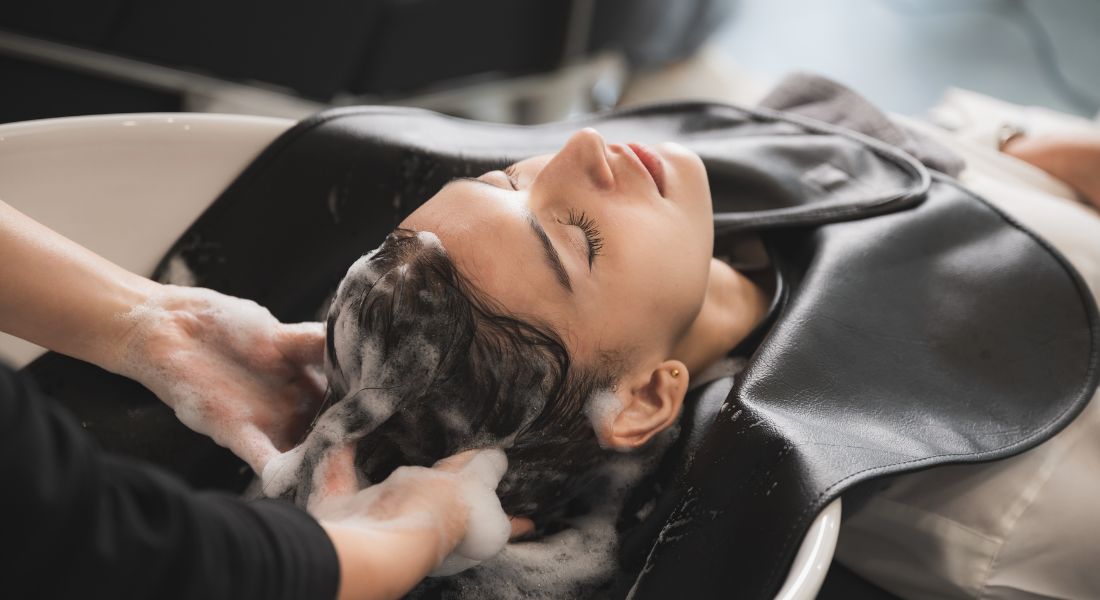
If possible, ask someone to help you wash your hair during the first few days after surgery. This reduces the chance of water or shampoo accidentally entering your eyes. Extra care at this stage can make a meaningful difference to your comfort and recovery. Having support allows you to stay relaxed and avoid unnecessary movements.
Professional salon hair washing can also be a helpful option. Trained staff can control the direction and pressure of the water more precisely. This helps keep your eyes protected while still allowing you to maintain hygiene. It can be a convenient and safe alternative early on.
Accepting help during this period makes the process easier and less stressful. It ensures your eyes remain protected while they heal. A little extra caution now supports better results later.
Keeping Eyes Closed During Washing
Keeping your eyes firmly closed while washing your hair is essential. This simple step helps prevent water, shampoo, or soap from entering your eyes. It is one of the easiest ways to protect your eyes during the early healing period.
Avoid opening your eyes at any point during the process. Even a brief moment can allow irritants to get in and cause discomfort. Staying consistent with this habit is important. Small lapses can make a difference.
Practising this carefully each time you wash your hair helps reduce risk. It supports a smoother and more comfortable recovery. Thoughtful, careful behaviour plays an important role in protecting your results.
Avoiding Direct Water Pressure
Avoid letting strong water pressure hit your face when washing your hair. Showers can produce forceful streams that may push water towards your eyes. This increases the risk of accidental exposure during a sensitive stage of healing.
Using a gentle water flow is much safer. Lower pressure reduces splashing and makes it easier to control where the water goes. Keeping the flow soft helps you stay in control throughout the process.
Adjusting your shower settings or angle can make a big difference. You might find it helpful to tilt your head back so water runs away from your face. Small changes like this help protect your eyes. Awareness is key to a safe recovery.
Drying Your Hair Safely

After washing your hair, it’s just as important to dry it carefully. Your eyes are still healing, so avoiding unnecessary contact or irritation will help protect your results. Gentle handling makes a big difference during this stage. Avoid rubbing your face or eyes with a towel, even if they feel slightly uncomfortable. This can disturb the healing surface and increase irritation. Instead, focus on keeping movements light and controlled.
- Pat your hair dry gently: Use a soft towel and dab rather than rub. This reduces the risk of accidental pressure near your eyes.
- Keep towels away from your eyes: Be mindful of where the towel touches. Avoid bringing it close to your eyelids or lashes.
- Use a hairdryer with care: A hairdryer is generally safe, but keep it at a comfortable distance. Avoid directing airflow straight into your eyes.
- Prevent dryness and irritation: Excessive heat or air can dry the eye surface. Using a moderate setting helps maintain comfort.
Taking a careful approach when drying your hair helps support healing and keeps your eyes comfortable. Small, mindful steps can make your recovery smoother and more reassuring.
Avoiding Eye Rubbing After Washing
You may feel tempted to touch or rub your eyes if you notice mild irritation after washing your hair. It is important to avoid this completely. Rubbing can interfere with the healing process and increase the risk of complications.
Your eyes are still delicate at this stage. Even gentle rubbing can disturb the surface of the eye and lead to discomfort or delayed recovery. Protecting your eyes from unnecessary contact is essential. Careful behaviour helps maintain healing.
If you experience irritation, use your prescribed eye drops instead. These are designed to soothe your eyes safely without causing harm. Following proper aftercare advice supports a smoother and more comfortable recovery.
Managing Accidental Exposure
If water or shampoo accidentally enters your eyes, try not to panic. This can happen, even with careful precautions. If your specialist has advised it, you can gently rinse your eyes with clean water. Avoid rubbing or touching your eyes, as this can worsen irritation.
You may notice mild stinging, watering, or discomfort. This is usually temporary and settles on its own. Give your eyes a little time to recover and continue using your prescribed drops as directed. Monitoring how your eyes feel is important.
If discomfort persists, worsens, or you notice unusual symptoms, contact your specialist promptly. Early guidance can help prevent complications and keep your recovery on track. Taking quick, sensible action supports safe healing.
Importance of Hygiene During Recovery
Maintaining good hygiene after surgery is important, but it should always be balanced with protecting your eyes. Staying clean should not come at the expense of your recovery. A careful approach helps you avoid unnecessary irritation or risk.
You may need to adapt your usual routine for a short time. Simple changes, such as washing more gently or avoiding direct exposure to your eyes, can make a big difference. This allows you to maintain hygiene without compromising healing. A little flexibility goes a long way.
Taking a cautious, mindful approach supports a smoother recovery. It helps keep your eyes safe while they heal properly. Finding the right balance between cleanliness and protection is essential.
When Normal Washing Can Resume
You can usually return to your normal hair washing routine once the initial healing phase has passed. This often takes around a week or slightly longer, depending on how your eyes are recovering. Your specialist will let you know when it’s safe based on your progress. By this stage, your eyes are less sensitive, and the risk of irritation from water or shampoo is reduced. However, it’s still wise to stay cautious and avoid unnecessary exposure to keep your eyes comfortable.
- Gradual return to routine: Ease back into your usual habits rather than changing everything at once. This helps your eyes adjust comfortably.
- Lower risk, but not zero: Although healing has progressed, your eyes may still be slightly sensitive. Continued care remains important.
- Avoid harsh exposure: Try not to let strong water pressure or products come directly into contact with your eyes. Gentle handling is still beneficial.
- Follow your specialist’s advice: Individual recovery times can vary. Personal guidance ensures you return to normal safely.
Taking a gradual and careful approach helps maintain comfort while supporting ongoing healing. A controlled return to normal routines is the best way to protect your results.
Differences Between Procedures
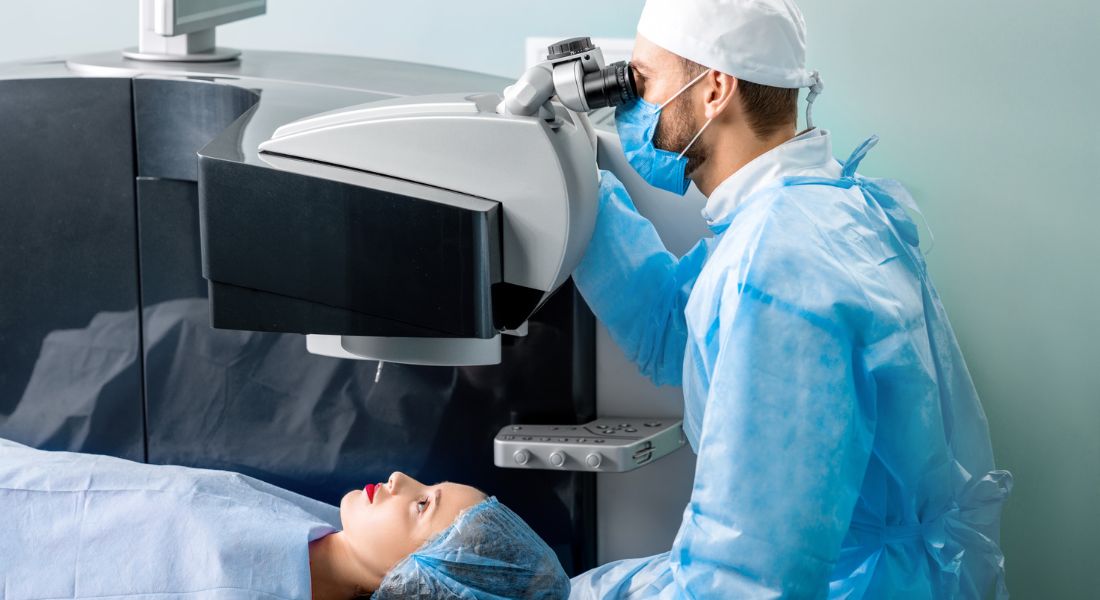
Recovery timelines can vary depending on the type of laser eye surgery you have. Procedures such as LASIK often allow a quicker return to normal routines. Surface procedures like PRK or LASEK usually require a bit more healing time. Understanding this difference helps you plan your recovery more effectively.
Knowing which procedure you have undergone helps guide your daily activities, including when it is safe to resume tasks like washing your hair. It also helps set realistic expectations about comfort and healing. Individual care is important, as no two recoveries are exactly the same.
Your specialist will provide advice tailored to your specific procedure and progress. Following this guidance closely ensures your safety and supports the best possible outcome. Personalised care is key to a smooth recovery.
Signs You Should Be More Careful
If you notice redness, irritation, watering, or discomfort, it is a sign your eyes are still sensitive. These symptoms are common during recovery, but they indicate that you may need to take extra care. Slowing down and being cautious at this stage can help prevent further irritation.
It is best to avoid washing your hair until these symptoms improve. This reduces the chance of water or shampoo making the irritation worse. Giving your eyes a little more time can make a meaningful difference. Listening to how your eyes feel helps guide your actions.
If symptoms persist or worsen, seek advice from your specialist. Professional guidance ensures that your recovery stays on track and any concerns are addressed early. Do not ignore warning signs, as timely care supports safe healing.
Long-Term Eye Care Habits
Even after your eyes have fully healed, maintaining gentle eye care habits is beneficial. Avoid exposing your eyes to harsh products such as strong shampoos, sprays, or chemicals. Protecting your eyes from unnecessary irritation helps preserve comfort and clarity.
Developing simple daily habits can make a lasting difference. Using good lighting, taking breaks from screens, and avoiding unnecessary eye rubbing all support healthy vision. Small, consistent actions add up over time. Awareness of your environment and routines is important.
Long-term care plays a key role in maintaining the results of your surgery. It helps keep your eyes comfortable and functioning well for years to come. Staying consistent with these habits supports lasting eye health.
FAQs:
- When can you wash your hair after laser eye surgery?
You can usually wash your hair after 48 hours, but this depends on your individual recovery. Your specialist may adjust this timing based on your procedure and healing progress. Waiting allows the initial healing phase to begin properly. Always follow personalised advice for the safest approach. - Why should you avoid washing your hair immediately after surgery?
During the first 24 to 48 hours, your eyes are especially sensitive. Water, shampoo, or other products can easily cause irritation if they enter your eyes. This may affect comfort and delay healing. Avoiding hair washing early on helps protect your eyes. - What happens if water gets into your eyes too soon?
If water enters your eyes, you may feel stinging or discomfort. There is also a small risk of introducing bacteria, which could affect healing. In most cases, mild irritation settles quickly. However, it is best to avoid this situation altogether where possible. - Can shampoo irritate your eyes after surgery?
Yes, shampoo and hair products can irritate your eyes more than usual after surgery. Your eyes are more sensitive during recovery, making even mild products uncomfortable. This irritation can interfere with healing. Keeping products away from your eyes is important. - How can you safely wash your hair after surgery?
You can wash your hair by tilting your head back to keep water away from your face. Using a gentle water flow and keeping your eyes closed throughout also helps. Washing over a sink can provide better control. These small adjustments reduce the risk of exposure. - Should you get help washing your hair?
Yes, having someone help you can make the process safer, especially in the early days. They can control the water flow and reduce the chance of accidental splashing. Visiting a salon for a careful wash is another option. Extra support can make a big difference. - Is it safe to shower normally after laser eye surgery?
You can usually shower after a day or two, but you should avoid letting water directly hit your face. Strong water pressure can increase the risk of water entering your eyes. Adjusting your shower technique helps protect your eyes. Gentle washing is key during recovery. - What should you do if shampoo gets into your eyes?
If shampoo enters your eyes, try to stay calm and avoid rubbing them. You may rinse gently with clean water if advised by your specialist. Mild irritation is common and usually temporary. If symptoms persist, seek medical advice. - When can you return to your normal hair washing routine?
Most patients can return to normal routines after about a week, depending on healing. Your specialist will confirm when it is safe for you. By this stage, your eyes are less sensitive to irritation. However, continued care is still recommended. - Can you use a hairdryer after washing your hair?
Yes, you can use a hairdryer, but avoid directing hot air towards your eyes. This can cause dryness or irritation. Keep the airflow focused on your hair and at a safe distance. Gentle drying methods help maintain comfort during recovery.
Final Thoughts: Protecting Your Eyes While Maintaining Routine
Washing your hair after laser eye surgery is a simple task, but it requires a little extra care in the early stages of recovery. Giving your eyes time to heal and avoiding exposure to water or shampoo can help prevent irritation and support a smoother healing process. Small adjustments, such as changing your washing technique or waiting a couple of days, can make a significant difference.
As your recovery progresses, you can gradually return to your normal routine. Listening to your body and following your specialist’s advice will help you avoid unnecessary discomfort or setbacks. If you notice any irritation or sensitivity, taking a step back and allowing more time for healing is always the safest approach. If you’d like to find out whether laser surgery in London is suitable for you, feel free to contact us at Eye Clinic London to arrange a consultation.
References:
- Mikalauskiene, L., Grzybowski, A. and Zemaitiene, R. (2021) Ocular surface changes associated with ophthalmic surgery, Journal of Clinical Medicine, 10(8), p. 1642. https://www.mdpi.com/2077-0383/10/8/1642
- Leccisotti, A. et al. (2025) Infectious keratitis after femtosecond laser refractive surgery, Journal of Clinical Medicine, 14(4), p. 1067. https://www.mdpi.com/2077-0383/14/4/1067
- Haq, Z., Farooq, A.V. and Huang, A.J.W. (2016) Infections after refractive surgery, Current Opinion in Ophthalmology, 27(4), pp. 367–372. https://pubmed.ncbi.nlm.nih.gov/27138638/
- Spangler, M.D., Kirupaharan, N. and Sheppard, J.D. (2026). Ocular surface disease following LASIK and cataract surgery. https://pubmed.ncbi.nlm.nih.gov/41601748/
- Shahgoli, S.S. et al. (2023) Post-laser refractive surgery keratitis: a narrative review, Journal of Clinical Medicine. https://pmc.ncbi.nlm.nih.gov/articles/PMC10281179/