


Can You Drink Alcohol After Laser Eye Surgery?
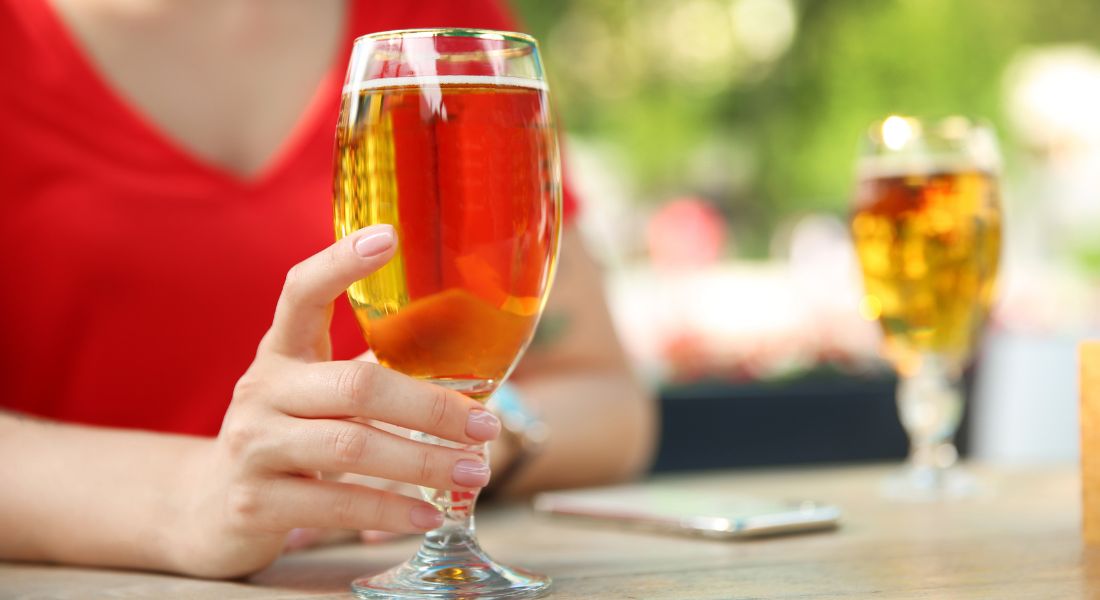
After laser eye surgery, it is natural to wonder when it is safe to drink alcohol again, especially if you have upcoming social plans. The answer depends on how far along you are in your recovery and how your eyes are healing. While an occasional drink may not seem significant, timing and moderation are important. Being cautious in the early days can help protect your results.
Your eyes need time to heal properly after the procedure. During this period, certain habits can affect how smoothly your recovery progresses. Alcohol can contribute to dehydration, which may worsen dryness in your eyes. This can make your eyes feel more uncomfortable while they are healing.
Understanding how alcohol may affect your recovery helps you make better decisions. Avoiding or limiting alcohol in the early stages can support a smoother healing process. Following your specialist’s advice is always the safest approach. Being aware of these factors helps you avoid unnecessary delays in recovery.
Why Alcohol Matters After Surgery
Alcohol can affect your body in several ways, particularly during the early stages of recovery. It may interfere with natural healing processes by placing extra strain on your system. After eye surgery, your body needs to focus on repairing delicate tissues. Limiting anything that could slow this process is important.
You may not notice immediate effects after drinking alcohol, but it can still influence how your eyes feel. For example, it may increase dryness or make your eyes feel more irritated. These subtle changes can affect your overall comfort. Even small disruptions can make recovery feel less smooth.
Avoiding alcohol for a short period allows your body to concentrate fully on healing. This can help reduce discomfort and support better results. Taking a cautious approach in the early days is beneficial. It gives your eyes the best chance to recover properly.
How Alcohol Affects Healing
After laser eye surgery, your body needs the right conditions to heal efficiently. Alcohol can interfere with this process by slowing down your body’s natural healing response. While an occasional drink may not seem significant, it can affect recovery, especially in the early days when your eyes are most sensitive. Healing relies on good hydration, stable circulation, and a balanced internal environment. Alcohol can disrupt these factors, which may delay progress and affect your overall comfort.
- Slowing the healing response: Your body works continuously to repair the cornea after surgery. Alcohol can reduce the efficiency of this process, potentially prolonging recovery time.
- Causing dehydration: Alcohol can lead to dehydration, which may worsen dryness in your eyes. This can increase irritation and slow the healing of the eye surface.
- Affecting circulation and tissue repair: Proper blood flow is important for delivering nutrients to healing tissues. Alcohol can interfere with circulation, making recovery less efficient.
- Supporting better recovery by limiting intake: Avoiding or reducing alcohol, particularly in the early recovery period, helps maintain a stable healing environment and supports better outcomes.
By limiting alcohol after surgery, you give your eyes the best chance to heal smoothly. Small lifestyle choices during recovery can make a meaningful difference to your comfort and final visual results.
Dehydration and Its Impact on the Eyes
Alcohol can lead to dehydration by reducing the amount of fluid in your body. When your body is dehydrated, it can affect the natural moisture levels in your eyes. This is particularly important after surgery, when your eyes are already more sensitive. Keeping your body well hydrated supports the healing process.
Dryness is a common symptom after laser eye surgery. Alcohol can make this worse by further reducing tear production. You may notice increased irritation, a gritty feeling, or general discomfort. These effects can make your recovery feel less comfortable.
Staying well hydrated helps maintain moisture in your eyes and supports proper healing. Drinking plenty of water can improve overall comfort during recovery. Avoiding alcohol in the early stages can make a noticeable difference. Good hydration plays a key role in protecting your eyes.
Increased Risk of Dry Eyes
Dryness is one of the most common symptoms after laser eye surgery. You may notice a gritty or uncomfortable feeling as your eyes heal. Drinking alcohol can make this dryness worse and may prolong irritation. Taking care during this stage can help your eyes settle more comfortably.
You might also experience increased redness or sensitivity if your eyes become too dry. This can affect everyday activities such as reading or using screens. Managing dryness early on helps reduce discomfort and supports smoother healing. Being mindful of your habits can make a difference.
Using lubricating eye drops as recommended can help keep your eyes moist and comfortable. Avoiding alcohol during the early recovery period supports this process. Small steps like these can improve your overall comfort. Consistent care helps your eyes recover more effectively.
Interaction with Medications
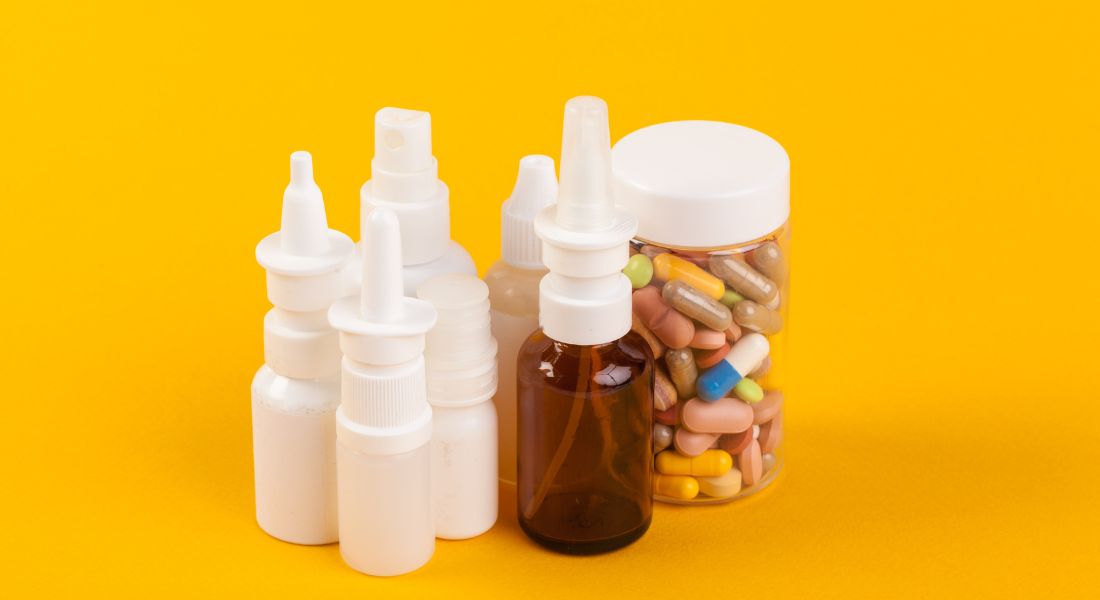
After your surgery, you will usually be prescribed eye drops such as antibiotics or anti-inflammatory medications to support healing. These treatments play an important role in preventing infection and controlling inflammation. It’s important to be mindful that alcohol can sometimes interfere with how these medications work. While the interaction may not always be obvious, combining alcohol with certain treatments can affect both your recovery and overall comfort. Taking a cautious approach helps ensure the best outcome.
- Possible reduction in effectiveness: Alcohol may interfere with how some medications function, potentially reducing their ability to control inflammation or prevent infection.
- Increased risk of side effects: Mixing alcohol with certain medications can increase side effects such as irritation, dryness, or general discomfort during recovery.
- Impact on consistent treatment use: Alcohol consumption may make it easier to forget doses or disrupt your routine, which can affect how well your treatment works.
- Importance of following medical advice: Your specialist will guide you on when it is safe to resume alcohol. Checking before you drink helps avoid unnecessary risks.
By following your prescribed treatment plan and being cautious with alcohol, you support a safer and smoother recovery. Consistency and awareness play a key role in achieving the best possible results.
Alcohol and Sleep Quality
After laser eye surgery, good-quality sleep plays a key role in helping your body heal. While alcohol might make you feel drowsy and fall asleep more quickly, it often disrupts the natural sleep cycle. This can reduce the quality of your rest and affect how well your body recovers. During sleep, your body carries out important repair processes, including healing the eye surface. Poor sleep can slow this process and leave your eyes feeling more tired or irritated the next day.
- Disrupted sleep patterns: Alcohol can interfere with your normal sleep cycle, leading to lighter and less restorative sleep. This reduces the overall benefit of rest.
- Lower quality rest despite falling asleep quickly: Although you may drift off faster, you are more likely to wake during the night or experience less deep sleep. This can leave you feeling less refreshed.
- Impact on healing and recovery: Your body relies on uninterrupted sleep to repair tissues effectively. Poor sleep quality may slow healing and prolong recovery symptoms.
- Supporting recovery through better sleep habits: Avoiding alcohol, especially in the early recovery period, helps maintain consistent and restorative sleep. This supports faster and more comfortable healing.
Prioritising good sleep is a simple but powerful way to aid your recovery. By avoiding alcohol and focusing on restful sleep, you give your body the best chance to heal efficiently and comfortably.
Risk of Accidental Eye Rubbing
Alcohol can affect your awareness and coordination, especially if you drink more than a small amount. This can increase the likelihood of touching or rubbing your eyes without realising it. After surgery, even minor contact with your eyes can be harmful. Staying alert helps you protect your eyes during this sensitive period.
Your eyes are more delicate while they are healing. Rubbing them can disturb the surface of the eye and interfere with recovery. In some cases, it may increase the risk of irritation or complications. Avoiding unnecessary contact is an important part of aftercare.
By limiting or avoiding alcohol in the early stages, you reduce the risk of accidental eye rubbing. It helps you remain more aware of your actions. Being careful and mindful supports proper healing. Small precautions can make a meaningful difference to your recovery.
When Is It Safe to Drink Alcohol?
Most specialists recommend that you avoid alcohol for at least 24 to 48 hours after your procedure. This allows the initial stages of healing to begin without interference. The first couple of days are particularly important for recovery. Giving your eyes this time can help reduce irritation and dryness.
In some cases, you may be advised to wait a little longer before drinking alcohol. This depends on how your eyes are healing and whether you are experiencing any symptoms such as dryness or sensitivity. Everyone’s recovery is slightly different. Your individual response will guide the timing.
It is always best to follow the advice given by your specialist. They understand your specific treatment and recovery progress. Personalised guidance helps you make safe choices. Waiting a little longer, if needed, can support a smoother and more comfortable recovery.
Factors That Affect Timing
The timing of when you can safely drink alcohol depends on several factors. These include the type of procedure you have had and how well your eyes are healing. Some treatments involve a slightly longer recovery period than others. Your individual healing progress plays a key role in this decision.
Your overall health can also influence how quickly you recover. Some people heal faster, while others may need a little more time. You might notice differences in symptoms such as dryness or sensitivity. These variations are normal and should be taken into account.
Consulting your specialist is the best way to determine the right timing for you. They can assess your recovery and provide advice based on your specific situation. Personalised guidance helps ensure your safety. Taking a careful approach supports a smoother healing process.
Moderation Is Key
If you decide to drink alcohol once your recovery is underway, it’s important to do so in moderation. While an occasional drink may be acceptable after the initial healing phase, excessive alcohol intake can still interfere with your recovery. Keeping a balanced approach helps protect your eyes and supports ongoing healing. In the early stages especially, your eyes are still adjusting and remain sensitive. Making careful, responsible choices during this time can reduce the risk of unnecessary complications.
- Avoiding overconsumption early on: Heavy drinking in the first days or weeks after surgery can increase dryness, irritation, and slow healing. Limiting intake helps maintain stability.
- Supporting consistent recovery: Moderate alcohol consumption is less likely to disrupt hydration, sleep, or medication routines, all of which are important for healing.
- Reducing the risk of complications: By keeping intake low, you minimise the chances of delayed recovery or increased discomfort. Small precautions can make a meaningful difference.
- Making informed, responsible choices: Being aware of how alcohol affects your body allows you to manage your recovery more effectively. Following your specialist’s advice remains essential.
Moderation helps you enjoy flexibility without compromising your results. By staying mindful of your intake, you can support a smoother recovery and maintain the best possible outcome for your vision.
Listening to Your Body
Pay close attention to how your eyes feel after surgery. If you notice dryness, irritation, or discomfort, it is best to avoid alcohol for a little longer. Your body often gives clear signals about what it needs. Listening to these signs can help you make better decisions during recovery.
Ignoring symptoms may slow down the healing process. It can also increase the chance of unnecessary discomfort or irritation. Even mild symptoms should not be overlooked. Being aware of these changes helps you respond early.
Adjusting your habits based on how your eyes feel can support a smoother recovery. You may find it helpful to delay alcohol until your eyes feel more stable and comfortable. Small changes in behaviour can make a noticeable difference. Staying responsive to your condition is important for good results.
Importance of Hydration

Staying well hydrated is essential after your surgery. Drinking enough water supports your body’s natural healing process. It also helps maintain moisture in your eyes, which can improve overall comfort. Good hydration plays an important role in recovery.
Choosing alcohol instead of water can have the opposite effect. Alcohol reduces your body’s fluid levels, which may increase dryness in your eyes. This can make irritation or discomfort more noticeable. Avoiding dehydration helps your eyes heal more smoothly.
Prioritising fluids such as water can improve your recovery experience. Keeping your body hydrated supports both comfort and healing. You may find your eyes feel less dry and more stable. Consistent hydration is a simple but effective way to care for your eyes.
Social Situations After Surgery
You may have social events planned soon after your surgery, and it is important to manage your expectations. Your recovery should remain the priority during this time. Even if you feel well, your eyes are still healing. Giving yourself the space to recover properly is essential.
You can still attend social gatherings without drinking alcohol. Choosing non-alcoholic options allows you to take part without affecting your recovery. This helps protect your eyes while you continue healing. Small decisions like this can make a meaningful difference.
Planning ahead can make these situations easier to manage. Letting others know in advance or deciding your options beforehand can reduce pressure. This helps you stay on track with your aftercare. With a balanced approach, you can enjoy social time without compromising your recovery.
Long-Term Impact of Alcohol on Eye Health
Over time, excessive alcohol consumption can have an impact on your overall eye health. You may notice increased dryness or irritation, particularly if drinking becomes frequent. These effects can influence comfort and visual quality, even long after your recovery period. While the occasional drink is usually safe, maintaining moderation remains important. Your eyes rely on proper hydration and a stable tear film to function well. Alcohol can disrupt this balance if consumed in excess.
- Contribution to dryness and irritation: Regular alcohol intake may reduce tear stability, leading to ongoing dryness or discomfort.
- Importance of balanced habits: Moderate drinking helps maintain a healthier environment for your eyes. Consistency supports long-term comfort.
- Lifestyle choices beyond recovery: Eye health is influenced by your daily habits. What you do after recovery is just as important as how you heal initially.
- Supporting lasting vision quality: Healthy routines, including good hydration and sensible alcohol intake, help preserve clear and comfortable vision.
Looking after your eyes is a long-term commitment. By making balanced lifestyle choices, you can protect your vision well beyond the surgical recovery period.
When to Avoid Alcohol Completely
You should avoid alcohol if you are experiencing ongoing symptoms after your surgery. These may include dryness, irritation, sensitivity, or blurred vision. Drinking alcohol during this time can worsen these symptoms and slow your recovery. Allowing your eyes to settle fully should be the priority.
It is also important to avoid alcohol if you are using medications that may interact with it. Certain eye drops or prescribed treatments can be less effective or cause unwanted effects when combined with alcohol. Following your specialist’s advice in these situations is essential. Your safety should always come first.
Waiting until your eyes have fully recovered is the safest approach. This reduces the risk of complications and supports a smoother healing process. Being patient during this stage can help protect your long-term results. A cautious approach often leads to better overall outcomes.
Consulting Your Specialist
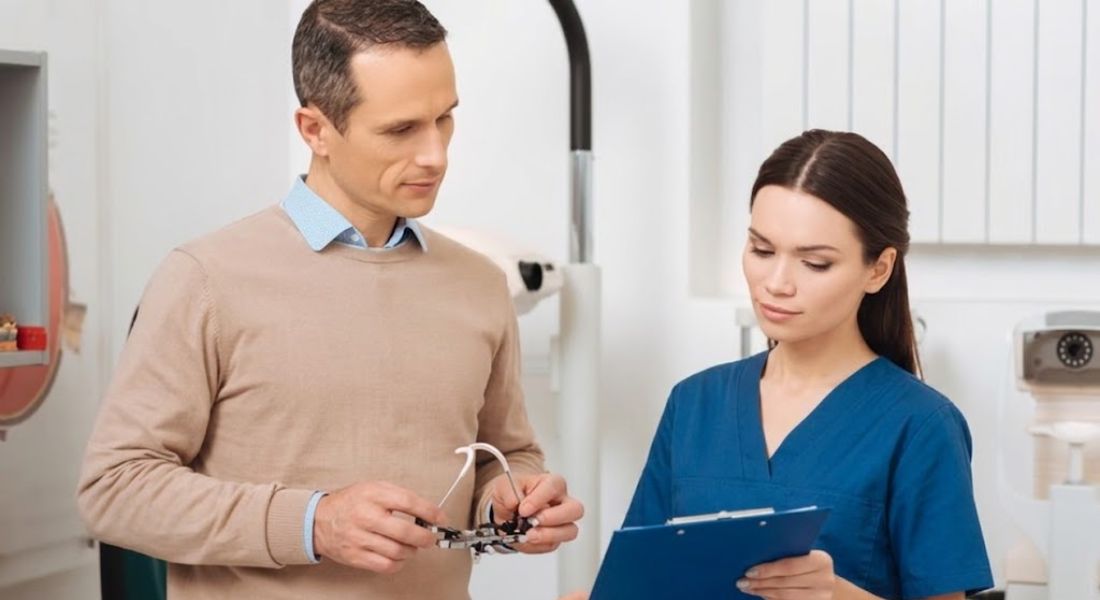
If you’re unsure about when or how much alcohol is safe after your procedure, it’s always best to ask your specialist. They can guide you based on how your eyes are healing and any treatments you’re using. Personalised advice gives you clarity and confidence. Every patient’s recovery is slightly different. What works for someone else may not be suitable for you. Your eye health, lifestyle, and healing progress all play a role in what’s appropriate.
- Individual guidance matters: Your specialist considers your specific condition before advising on alcohol intake. This ensures recommendations are tailored to you.
- Avoiding unnecessary risks: Asking questions helps prevent mistakes that could affect healing. It’s better to check than assume.
- Supporting safe recovery: Professional advice helps you maintain the right balance during recovery. This protects your results.
- Clear communication is essential: Keeping an open dialogue with your specialist ensures any concerns are addressed early. This leads to better outcomes.
When it comes to your eyes, informed decisions make all the difference. By seeking expert guidance, you can recover safely and protect your long-term vision.
Healthy Recovery Habits
Focusing on healthy habits can make a real difference to how your eyes recover after surgery. Getting enough rest, staying well hydrated, and maintaining a balanced diet all support the healing process. These simple steps help your body repair itself more effectively. Taking care of your overall health benefits your eyes too.
Avoiding habits that may slow recovery is just as important. Limiting or avoiding alcohol, especially in the early stages, helps protect your eyes from unnecessary irritation or dryness. Being mindful of your choices can reduce discomfort. Small changes can have a positive impact on how you feel.
Staying consistent with these healthy habits supports better long-term results. You are more likely to enjoy clear and comfortable vision when you look after your recovery properly. Discipline during this period is worthwhile. Good care now can help protect your vision in the future.
FAQs:
- Can you drink alcohol after laser eye surgery?
You can drink alcohol after laser eye surgery, but not immediately. Most specialists recommend waiting at least 24 to 48 hours before consuming alcohol. This allows your eyes to begin the initial healing process. Following this guidance helps reduce the risk of complications. - Why should you avoid alcohol right after surgery?
Alcohol can interfere with your body’s natural healing response. It may also increase dryness and irritation in your eyes. These effects can slow recovery and cause discomfort. Avoiding alcohol early on supports better healing conditions. - Does alcohol affect dry eyes after surgery?
Yes, alcohol can worsen dry eye symptoms. It causes dehydration, which reduces moisture in your eyes. Since dryness is already common after surgery, this can increase discomfort. Avoiding alcohol helps keep your eyes more comfortable. - How long should you wait before drinking alcohol?
Most people are advised to wait at least 24 to 48 hours. However, some patients may need to wait longer depending on their recovery. Your specialist will provide personalised advice. It is always best to follow their recommendation. - Can alcohol interact with post-surgery medications?
Yes, alcohol can interact with certain medications prescribed after surgery. This may reduce their effectiveness or increase side effects. It is important to check with your specialist before drinking. Avoiding alcohol during medication use is often safest. - Does alcohol affect sleep after surgery?
Alcohol can disrupt your sleep quality, even if it makes you feel drowsy. Poor sleep can slow down the healing process. Your body needs proper rest to recover effectively. Avoiding alcohol helps maintain better sleep patterns. - Is it safe to drink alcohol in moderation after recovery begins?
Once your initial recovery phase has passed, moderate alcohol consumption is usually safe. However, excessive drinking should still be avoided. Drinking responsibly reduces the risk of delayed healing. Balance is important for ongoing recovery. - Can alcohol increase the risk of complications?
Alcohol may increase the risk of complications, especially if consumed too soon. It can lead to dehydration, increased dryness, or accidental eye rubbing. These factors can interfere with healing. Being cautious helps prevent issues. - What should you do in social situations after surgery?
You can still attend social events without drinking alcohol. Choosing non-alcoholic drinks is a safe alternative. This allows you to enjoy the occasion while protecting your recovery. Planning ahead makes it easier to stick to guidelines. - When should you completely avoid alcohol?
You should avoid alcohol if you are experiencing ongoing symptoms like dryness or irritation. It is also important to avoid it while using certain medications. Waiting until your eyes have fully healed is the safest option. When in doubt, consult your specialist for advice.
Final Thoughts: Balancing Recovery and Lifestyle
After laser eye surgery, giving your eyes the best possible environment to heal should be your priority. While alcohol is not permanently off-limits, avoiding it in the early stages can help prevent dryness, discomfort, and delayed recovery. Small choices during this period can make a meaningful difference to how smoothly your healing progresses.
As your recovery improves, moderate alcohol consumption is usually safe, but it is still important to listen to your body. If you notice any irritation or dryness, it is best to pause and allow your eyes more time to recover. Following your specialist’s advice and maintaining good hydration and rest will support better long-term results. If you’d like to find out whether laser surgery in London is suitable for you, feel free to contact us at Eye Clinic London to arrange a consultation.
References:
- Puyana-Ramírez, P. et al. (2024) Outcomes of presbyopia correction using laser blended vision LASIK, Journal of Clinical Medicine, 13(10), p. 3011. https://www.mdpi.com/2077-0383/13/10/3011
- Gobbe, M., Reinstein, D.Z. and Archer, T.J. (2015) LASIK-induced aberrations: comparing corneal and whole-eye measurements, Optometry and Vision Science, 92(4), pp. 447–455. https://pubmed.ncbi.nlm.nih.gov/25785529/
- Visalli, F. et al. (2025) Predicting success: the role of preoperative data in refractive surgery outcomes, Annali Italiani di Chirurgia. https://pubmed.ncbi.nlm.nih.gov/39815836/
- Wang, J. et al. (2021) Unintended changes in ocular biometric parameters after FS-LASIK and SMILE, Eye and Vision, 8(1), p. 9. https://pmc.ncbi.nlm.nih.gov/articles/PMC7977186/
- Ang, M., Gatinel, D. and Reinstein, D.Z. (2020) Refractive surgery beyond 2020, Eye. https://pmc.ncbi.nlm.nih.gov/articles/PMC8027012/