


How Long Does Laser Eye Surgery Take? (Procedure Time Explained)
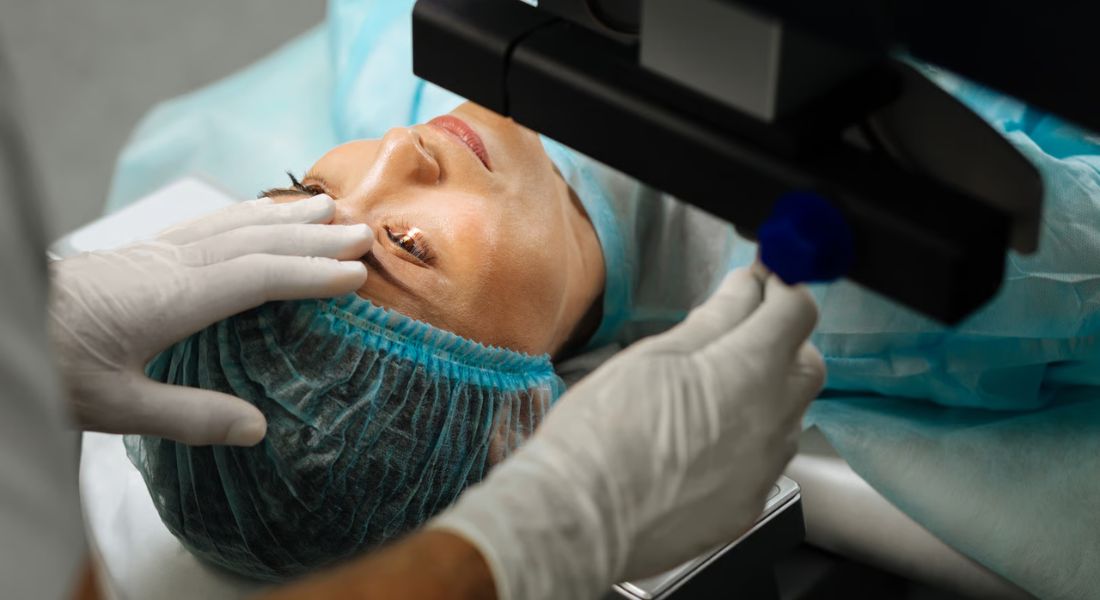
Laser eye surgery is often much quicker than you might expect. You may imagine a long and complicated procedure, but the actual treatment usually takes only a few minutes per eye. This can feel reassuring, especially if you are feeling a little nervous. The process is designed to be efficient and precise.
Most of the time you spend at the clinic is not the surgery itself. It includes preparation, final checks, and some time to rest afterwards. The laser portion is only a small part of the overall visit. Your care team will guide you through each stage to keep everything smooth and organised.
Understanding the full timeline can help you feel more prepared for the day. It removes uncertainty and helps you know what to expect at each step. When you are familiar with the process, the experience often feels much more manageable. Clear expectations can make the day far less stressful.
How Long the Procedure Itself Takes
One of the most surprising aspects of laser eye surgery is how quick the actual procedure is. The laser treatment itself usually takes only a few minutes per eye, and in many cases, the entire process is completed within 10 to 15 minutes. Despite its short duration, the procedure is highly precise and carefully managed. The speed of the treatment is made possible by advanced laser technology, which performs each correction in just seconds while maintaining a high level of accuracy.
- Very short treatment time: Each eye is treated individually, and the laser portion typically lasts only a few minutes. The overall procedure is brief compared to what many people expect.
- Rapid and precise laser action: The laser reshapes the cornea in a matter of seconds. It follows a pre-programmed plan based on your measurements, ensuring accuracy.
- Carefully controlled process: Even though the procedure is quick, every step is closely monitored by your surgeon. Safety checks are in place throughout the treatment.
- Efficiency without compromising safety: The short duration does not mean the process is rushed. Detailed planning and modern technology ensure both efficiency and safety.
Although the procedure itself is fast, it is the result of thorough preparation and careful planning. This combination of speed and precision helps deliver safe and effective vision correction.
Time Spent in the Clinic
You will usually spend longer in the clinic than the procedure itself. Most visits last around one to two hours in total. This includes preparation, the treatment, and a short recovery period. The extra time helps ensure everything runs smoothly.
Before surgery, you will have final checks to confirm that your eyes are ready for treatment. These assessments help your surgeon plan the procedure accurately. They also ensure that it is safe to proceed on the day. Careful preparation is an important part of the process.
After the procedure, you will be monitored for a short time. This allows the clinical team to make sure you are comfortable before you leave. You may also receive instructions for your aftercare. This observation period helps support a safe and steady recovery.
Preparation Before the Procedure

Preparation is an important part of your surgery day. Your eyes will be checked again to confirm that everything is suitable for treatment. These final assessments help ensure accuracy and safety. They also allow your surgeon to make any last adjustments to your plan.
You will be given eye drops to prepare your eyes for the procedure. These usually include anaesthetic drops to numb the surface of the eye. This helps keep you comfortable during treatment. You may also receive additional drops to keep your eyes clean and ready.
The preparation stage can take a little time, but it is an essential step. It allows everything to be set up carefully before the laser is used. Taking this time helps reduce risks and improve results. A thorough setup supports a smoother overall experience.
What Happens Just Before Surgery
Just before your procedure begins, you will be guided into the treatment room. The environment is kept calm and controlled to help you feel more relaxed. The team will ensure everything is ready before starting. This setting is designed to reduce anxiety.
Your eyes will be gently cleaned and prepared for treatment. You will then be positioned comfortably so that your head and eyes are properly aligned. Staying still during the procedure is important for accuracy. The equipment is carefully adjusted to suit you.
The surgical team will talk you through each step as it happens. You will be given simple instructions to follow during the procedure. Clear communication helps you feel more at ease. Knowing what to expect can make the experience feel much more comfortable.
Positioning During the Procedure
During laser eye surgery, you will lie comfortably on a treatment bed while the laser machine is positioned directly above your eye. This setup allows your surgeon to work with a high level of precision while keeping you relaxed throughout the procedure. You will be guided at every step so you know exactly what to expect. Although the environment may feel unfamiliar at first, most patients find it straightforward and manageable once the procedure begins.
- Comfortable lying position: You will be asked to lie flat on your back, with your head supported. This stable position helps keep your eye aligned with the laser.
- Keeping your eye gently open: A small device is used to hold your eyelids open so you do not need to worry about blinking. This may feel unusual but is not painful.
- Focusing on a target light: You will be asked to look at a small light during the procedure. This helps keep your eye steady and allows the laser to track your eye accurately.
- Guidance throughout the process: Your surgeon will give you simple, clear instructions during the treatment. This helps you stay relaxed and ensures everything proceeds smoothly.
The positioning is carefully designed to support both comfort and accuracy. By following the guidance provided, you help the procedure go as smoothly and safely as possible.
Use of Anaesthetic Drops
Anaesthetic eye drops are used to numb the surface of your eyes before the procedure begins. This means you should not feel pain during the treatment. Keeping you comfortable is a top priority throughout the process. The drops help ensure a smooth and controlled experience.
You may still notice a slight sensation of pressure or general awareness while the procedure is taking place. However, this is usually mild and not painful. Most patients tolerate the treatment very well. Any unusual sensations tend to pass quickly.
The drops work rapidly and provide effective numbing within a short time. This allows the surgeon to carry out the procedure with precision and ease. You will remain awake but comfortable throughout. Overall, pain control is carefully managed at every step.
The Laser Treatment Step
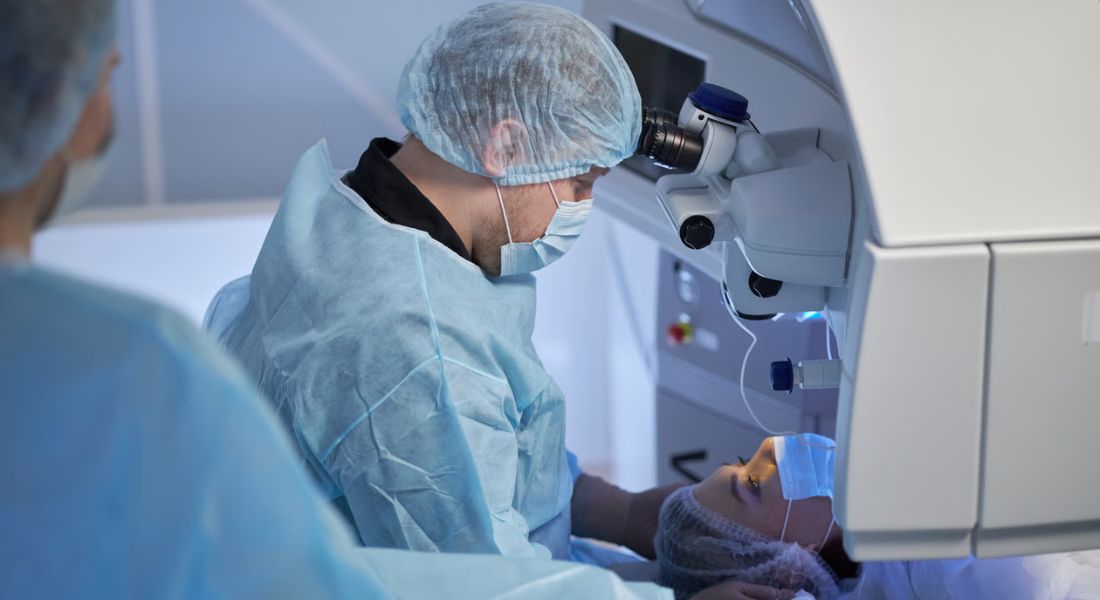
The key part of your procedure is when the laser reshapes the cornea to correct your vision. This step is remarkably quick and highly precise, often taking less than a minute per eye. Although it may feel like a significant moment, it is over much faster than most people expect. The laser follows a carefully programmed treatment plan based on your individual eye measurements. This ensures that every adjustment is accurate and tailored to your vision needs.
- Very short treatment time: The laser works in seconds to reshape the cornea. Each eye is treated quickly, making the overall process efficient.
- Normal sounds during the procedure: You may hear a soft clicking or tapping sound while the laser is active. This is completely normal and simply indicates that the laser is working as intended.
- High level of precision: Advanced technology guides the laser with exceptional accuracy. Even very small adjustments are carried out with great control.
- Fully controlled process: Your surgeon monitors every step closely to ensure the treatment is delivered safely and effectively.
Although the laser step is brief, it is the most important part of the procedure. Its speed and precision work together to deliver reliable and consistent vision correction results.
How Long Each Eye Takes
Each eye is treated one at a time during the procedure. The actual laser application usually takes only a few seconds for each eye. Even when both eyes are treated, the total treatment time remains very short. This often surprises many patients.
You may find that the procedure feels quicker than you expected. Many people say it is over before they fully realise what has happened. The speed of the treatment can be reassuring, especially if you feel anxious beforehand. A shorter procedure often feels easier to manage.
Despite how quick it is, every step is carefully controlled. Your surgeon focuses on precision and accuracy throughout the treatment. Advanced technology ensures the laser works exactly as planned. This balance of speed and accuracy helps achieve reliable results.
What You May Feel During Surgery
During the procedure, you may notice a slight feeling of pressure around your eye. This is normal and only lasts for a short time. It does not mean you are in pain, as the eye has been numbed with anaesthetic drops. Most patients find the sensation mild and manageable.
At certain moments, your vision may briefly dim or go slightly blurry. This is an expected part of the process and usually lasts only a few seconds. Your vision will return shortly afterwards. Knowing this in advance can help you feel more at ease.
Understanding these sensations can make the experience feel less worrying. When you know what is normal, it becomes easier to stay relaxed during the procedure. The surgical team will guide you throughout. This awareness helps improve your overall comfort.
Immediately After the Procedure
Once your treatment is complete, you will be guided to a recovery area to rest briefly. Your eyes may feel slightly watery, sensitive, or mildly irritated at first. These sensations are normal and part of the early healing process. Taking a short rest helps you feel more comfortable before you leave.
Your vision may be blurred or hazy initially. This is expected and usually improves gradually over the next few hours or days. You may also notice some light sensitivity during this time. These changes are temporary as your eyes begin to recover.
Before you go home, you will receive clear instructions on how to care for your eyes. This may include using prescribed eye drops and avoiding certain activities for a short period. Following this guidance is important for proper healing. Good aftercare helps support the best possible results.
Post-Procedure Observation Time
After your treatment, you will remain in the clinic for a short observation period. This allows the team to ensure you are comfortable and feeling well before you leave. Monitoring at this stage is an important part of your care. It helps confirm that everything is stable.
Your specialist may carry out a brief check of your eyes before discharge. This quick review helps confirm that the procedure has gone as expected. It also gives you a chance to ask any immediate questions. Early reassurance can help you feel more confident.
Once you are cleared to leave, you can return home to rest. Taking it easy for the remainder of the day is usually recommended. Your recovery will continue over the following hours and days. Proper rest supports a smoother healing process.
Total Time on the Day
On the day of your laser eye surgery, the entire visit will take longer than the procedure itself. From arrival to departure, you should expect to spend a few hours at the clinic. This includes preparation, the treatment, and a short recovery period afterwards. Planning your day in advance can help make the experience more relaxed and stress-free. Although the laser treatment is quick, each stage of your visit is important for ensuring safety and comfort. Allowing enough time helps everything run smoothly.
- Time for preparation and checks: Before the procedure, your eyes will be assessed again to confirm measurements and ensure everything is ready. These checks are essential for accuracy.
- The procedure itself: The laser treatment is completed within minutes, but it forms just one part of your overall visit.
- Post-procedure recovery and monitoring: After surgery, you will spend some time resting while your eyes are checked. This ensures you are comfortable before you leave the clinic.
- Allowing extra time for flexibility: It’s a good idea to keep your schedule clear and allow for any unexpected delays. This helps reduce pressure and keeps your experience calm.
While the procedure itself is brief, the full process is designed to prioritise your safety and care. Taking the time for each step helps ensure the best possible outcome for your vision.
When You Can Go Home
Most patients are able to go home on the same day as their procedure. There is no need for an overnight stay in the clinic. This makes laser eye surgery a convenient option for many people. You can begin your recovery in the comfort of your own home.
You should arrange for someone to accompany you after your appointment. Your vision may be temporarily blurred, and your eyes could feel sensitive. Having support on the journey home can make things easier. It also helps ensure your safety.
Once you are home, it is best to rest and take things slowly. Avoid strenuous activities or anything that may strain your eyes. A calm and relaxed environment can help your recovery. Giving your eyes time to settle supports better healing.
Why the Procedure Is So Quick
Modern laser eye surgery uses highly advanced technology to deliver fast and precise treatment. The laser is carefully programmed to make exact corrections based on your individual measurements. This level of precision allows the procedure to be completed in a very short time. Efficiency is built into the entire process.
Automation plays an important role in reducing treatment time. The system can perform complex adjustments quickly while maintaining a high level of accuracy. This helps ensure consistent and reliable results. Technology is designed to support both speed and safety.
The short duration of the procedure does not compromise quality. Every step is carefully controlled to protect your eyes. Safety remains the top priority throughout the treatment. Precision and careful planning are what make the process both quick and effective.
Differences Between Procedures

Different types of laser eye surgery can vary slightly in how long they take. Procedures such as LASIK are generally quicker, as they involve creating a thin flap before reshaping the cornea. Surface procedures, like PRK or LASEK, may take a little longer. However, the difference in treatment time is usually small.
Even with these variations, all modern laser procedures are relatively fast. The actual laser application still takes only a short time for each eye. The main difference between procedures is often the recovery period rather than the procedure itself. Some methods require a bit more healing time than others.
Your specialist will explain the details of your specific procedure in advance. This includes how long it will take and what you can expect during recovery. Understanding these differences helps you feel more prepared. Clear information can make the experience more reassuring.
Recovery Time vs Procedure Time
While the laser procedure itself is very quick, your recovery takes longer and is an important part of the overall process. Even though the treatment may only last a few minutes, your eyes still need time to heal and adjust. This healing period varies from person to person, depending on the type of procedure and your individual response. It’s common to notice improvements in your vision within the first few days. However, this does not mean your eyes have fully stabilised. Final results develop gradually as healing continues.
- Quick procedure, gradual recovery: The surgery is completed in minutes, but your eyes continue to recover over days to weeks. Healing is a natural process that cannot be rushed.
- Early improvements in vision: Many people see clearer vision within a short time, especially after LASIK. This early improvement is encouraging but still part of the recovery phase.
- Time needed for full stabilisation: Your vision may fluctuate slightly before it settles completely. Full stability can take several weeks, depending on the procedure.
- The importance of patience: Understanding that results develop over time helps set realistic expectations. Following aftercare advice supports smoother healing and better outcomes.
Recognising the difference between procedure time and recovery time helps you prepare mentally for the process. Although the surgery is fast, giving your eyes time to heal properly is essential for achieving clear, stable vision.
Reducing Anxiety About the Procedure
Knowing that the procedure is quick can help ease your worries. Many people feel more relaxed once they understand how little time the treatment actually takes. This can make the experience feel far less intimidating. A clear idea of what to expect often brings reassurance.
You will be guided through every step on the day of your surgery. The clinical team will be there to support you throughout the process. You can ask questions at any point if you feel unsure. You are never left to manage things on your own.
Having clear expectations can help you stay calm and confident. When you understand what is normal, the experience often feels more manageable. Preparing yourself mentally can make a real difference. A calm approach supports a smoother and more positive experience.
FAQs:
- How long does laser eye surgery actually take?
The actual laser treatment is very quick and usually takes only a few minutes per eye. In most cases, the full procedure is completed within 10 to 15 minutes. This often surprises patients, as it feels much shorter than expected. The speed is due to advanced laser technology designed for precision and efficiency. - How long will you be at the clinic on the day?
You will typically spend around one to two hours at the clinic. This includes preparation, the procedure itself, and a short recovery period. Pre-surgery checks and aftercare instructions are also part of this time. Allowing extra time helps ensure a smooth and stress-free experience. - Is the procedure painful?
Laser eye surgery is not usually painful because anaesthetic eye drops are used. You may feel slight pressure or mild discomfort during the procedure. Most patients find it very tolerable. Any unusual sensations are brief and manageable. - How long does each eye take to treat?
Each eye usually takes less than a minute for the laser correction itself. The overall process for both eyes is still very quick. You may feel like it is over before you realise. Despite the short duration, each step is carefully controlled. - What happens immediately after the procedure?
After the procedure, your eyes may feel watery or slightly sensitive. Your vision may be blurry at first, which is normal. You will rest briefly while your eyes are checked. Recovery begins straight away and improves gradually. - How long before you can go home?
Most patients can go home shortly after a brief observation period. This usually happens within a couple of hours of arriving at the clinic. You will need someone to accompany you. Resting at home is recommended for the remainder of the day. - Why is laser eye surgery so quick?
Modern laser systems are designed to perform highly precise corrections in seconds. Automation and advanced technology allow for fast and accurate treatment. The speed does not compromise safety or results. Every step is still carefully managed by your specialist. - Does a quicker procedure mean lower quality?
No, the short duration does not affect the quality of the treatment. Laser eye surgery is carefully planned and controlled. The technology ensures precise results regardless of how quickly it is completed. Safety and accuracy remain the priority. - How long does recovery take compared to the procedure?
Although the procedure is quick, recovery takes longer. You may notice improved vision within a few days, but full stabilisation can take several weeks. Healing times vary between individuals. Following aftercare advice helps support recovery. - Can knowing the procedure time help reduce anxiety?
Yes, understanding how quick the procedure is can make you feel more at ease. Many patients feel reassured when they learn how little time the laser actually takes. Clear expectations help reduce uncertainty. Feeling informed can make the overall experience more comfortable.
Final Thoughts: A Quick Procedure with Lasting Impact
Laser eye surgery is much quicker than most people expect, with the actual treatment taking only a matter of minutes. While you will spend more time at the clinic for preparation and aftercare, the procedure itself is fast, precise, and carefully controlled. Understanding this timeline can help you feel more relaxed and confident about the experience.
It is also important to remember that although the surgery is brief, recovery takes time. Your eyes need a period to heal and adjust, and following aftercare guidance plays a key role in achieving the best results. Knowing what to expect both during and after the procedure helps you prepare fully and reduces unnecessary worry. If you’re exploring whether laser surgery could benefit you, get in touch with us at Eye Clinic London to schedule your consultation.
References:
- Bastawrous, A., Silvester, A. and Batterbury, M. (2011) ‘Laser refractive eye surgery’, BMJ, 342, p. d2345. https://pubmed.ncbi.nlm.nih.gov/21508060/
- Moshirfar, M., et al. (2022) ‘Refractive surgery: Current practice and future trends’, Journal of Clinical Medicine, 11(3), p. 684. https://www.mdpi.com/2077-0383/11/3/684
- Huang, S.C.M. and Chen, H.C.J. (2008) ‘Overview of laser refractive surgery’, Chang Gung Medical Journal, 31(3), pp. 237–252. https://pubmed.ncbi.nlm.nih.gov/18782946/
- Peñarrocha-Oltra, S., et al. (2022) ‘Laser-based refractive surgery techniques to treat myopia in adults: An overview of systematic reviews’, Acta Ophthalmologica, 100(8), pp. 878–893. https://pmc.ncbi.nlm.nih.gov/articles/PMC9790262/
- Lin, I.H., Chao, C.C. and Chang, C.K. (2025) Effect of prior LASIK on intraocular lens calibration accuracy, Journal of Personalized Medicine. Discusses outcomes and long-term considerations after laser eye surgery. https://www.mdpi.com/2075-4426/15/7/301