


Can You Rub Your Eyes After Laser Eye Surgery? Risks Explained
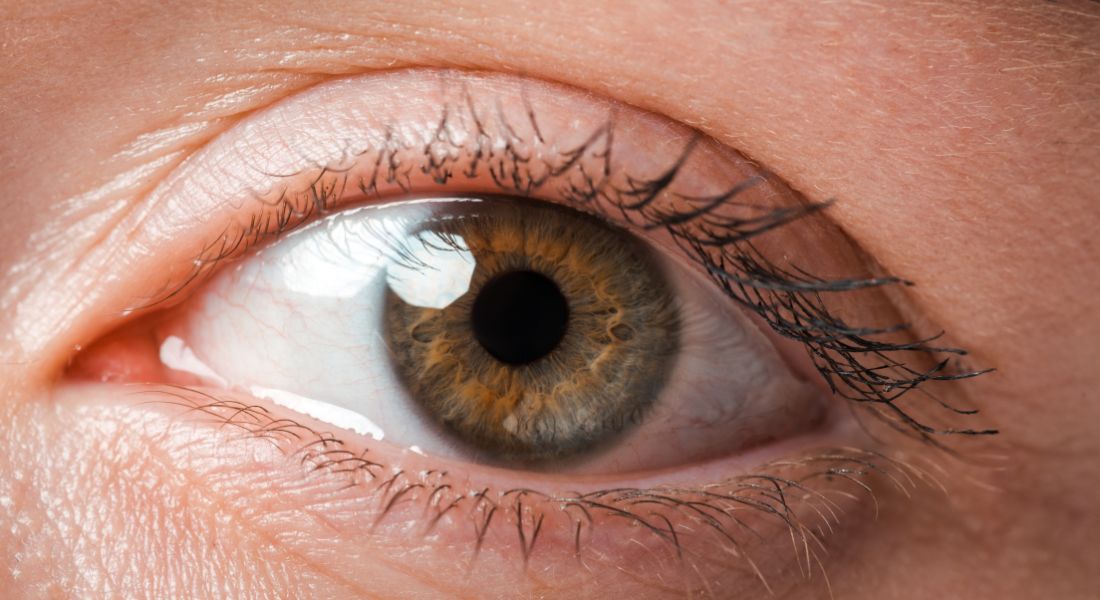
After laser eye surgery, you may feel tempted to rub your eyes, especially if they feel slightly dry or irritated. This is a natural reaction during the early stages of healing. However, rubbing your eyes too soon can be harmful. Even gentle pressure may affect the treated surface.
Your eyes need time to recover properly after the procedure. The cornea is particularly delicate during this period and requires protection. Rubbing can interfere with the healing process and increase the risk of complications. Taking care of your eyes is essential for a smooth recovery.
Understanding the risks of eye rubbing can help you avoid unnecessary problems. Being cautious during the healing phase improves your overall results. Simple habits, such as avoiding touching your eyes, can make a significant difference. Careful aftercare supports better long-term vision.
Why Eye Rubbing Is a Concern After Surgery
Rubbing your eyes after laser eye surgery can place pressure on delicate, healing tissue. This pressure may interfere with the recovery process, even if it feels mild at the time. The effects are not always immediately noticeable. However, they can impact how well your eyes heal.
You may also disturb the surface of the cornea, which has been carefully reshaped during the procedure. Even light rubbing can affect the surgical result. This may lead to blurred vision or slower healing. Protecting the treated area is essential during this stage.
Avoiding unnecessary contact with your eyes is one of the simplest ways to support recovery. Small precautions can make a meaningful difference in your results. Being mindful helps reduce the risk of complications. Prevention plays a key role in successful healing.
What Happens to the Eye During Laser Surgery
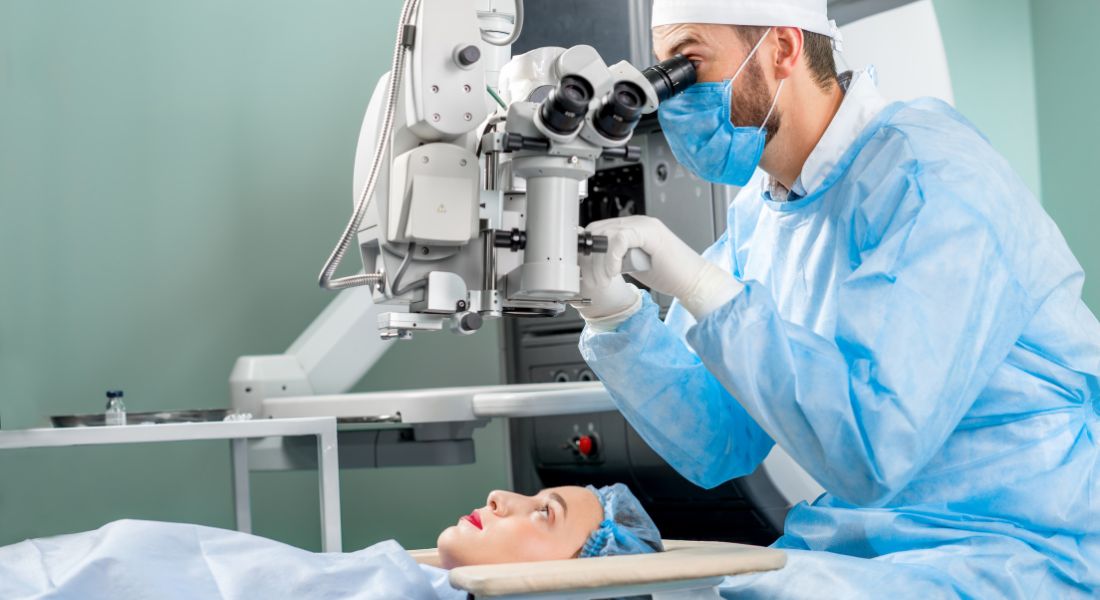
Laser eye surgery works by reshaping your cornea to improve how light focuses on the retina. This involves making very precise changes to the surface of your eye. Although the procedure itself is quick, your eyes need time to heal afterwards. During this period, the treated area is still settling.
In procedures such as LASIK, a thin flap is created on the cornea before the laser reshapes the tissue underneath. This flap is carefully repositioned at the end of the procedure. It needs time to adhere securely and stabilise. In the early stages, it can be more vulnerable to disturbance.
Understanding this process helps explain why rubbing your eyes is not recommended. Your eye is still healing and has not fully stabilised. Even small amounts of pressure can interfere with recovery. Taking care during this phase is essential for achieving the best results.
Risk of Dislodging the Corneal Flap
After LASIK surgery, a thin flap is created on the surface of your cornea. This flap needs time to settle and heal securely in place. During the early recovery period, it is important to be especially careful, as rubbing or applying pressure to your eyes can disturb this delicate layer. Although flap displacement is uncommon, it is considered a serious complication if it occurs. Being aware of this risk helps you take the right precautions while your eyes are healing.
- Why the corneal flap is vulnerable: In the first few days after surgery, the flap has not fully adhered. Any rubbing or accidental pressure can cause it to shift out of position.
- Rubbing your eyes can cause displacement: Even gentle rubbing may be enough to move the flap. This is why you will be advised to avoid touching your eyes, especially during sleep or when your eyes feel irritated.
- Symptoms may not be immediately painful: You may not feel significant pain if the flap moves. However, you might notice blurred vision, discomfort, or a sudden change in clarity.
- Prompt treatment is essential: If displacement occurs, your surgeon needs to reposition the flap as soon as possible. Early treatment usually leads to better outcomes and reduces the risk of long-term effects.
Protecting your eyes during the early healing phase is essential for a smooth recovery. By avoiding rubbing and following aftercare instructions carefully, you help ensure that the flap heals properly and your vision remains stable.
Impact on Corneal Healing
Rubbing your eyes can interfere with the natural healing process after laser eye surgery. Your cornea needs stability to repair itself properly. Even light pressure can disturb the healing tissue. This may slow down your recovery.
You may also experience increased irritation or inflammation if you rub your eyes. This can make your eyes feel more uncomfortable and extend the healing period. In some cases, it may affect how predictable your results are. Avoiding contact helps reduce these risks.
Allowing your eyes to heal without disturbance supports better outcomes. It helps the cornea recover in a stable and controlled way. This improves both comfort and long-term vision quality. Protecting your eyes during this stage is essential.
Increased Risk of Infection
Touching or rubbing your eyes after laser eye surgery can introduce bacteria to the healing surface. This increases the risk of developing an eye infection, such as Keratitis. Your eyes are more vulnerable during the recovery period. Maintaining cleanliness is therefore very important.
You may unknowingly transfer germs from your hands to your eyes. Everyday contact with surfaces can carry bacteria that are not visible. If these enter the eye, they can lead to irritation or complications. Being mindful of this risk helps protect your recovery.
Avoiding unnecessary contact with your eyes is one of the simplest ways to reduce the risk of infection. Good hygiene, including washing your hands regularly, plays a key role. Small precautions can make a significant difference. Careful habits support safe and smooth healing.
Dry Eye and Irritation
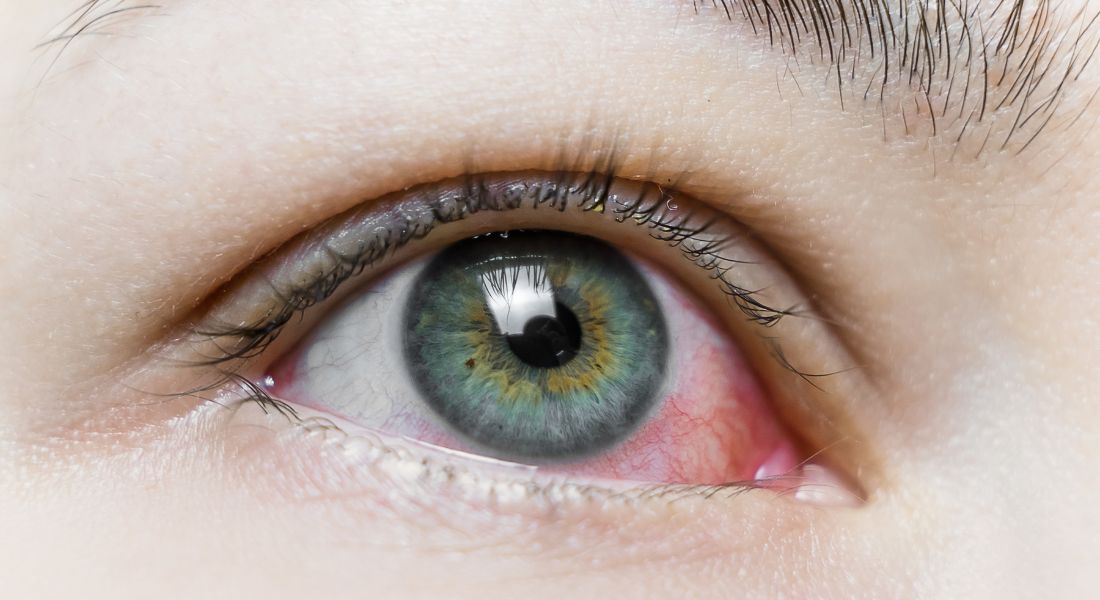
After laser eye surgery, it’s quite common for you to experience temporary dryness. You might notice a gritty feeling, mild irritation, or an urge to rub your eyes. While this sensation can be uncomfortable, it is usually part of the normal healing process as your eyes adjust. It’s important to resist the temptation to rub your eyes, even if they feel itchy. Rubbing can interfere with healing and make the irritation worse over time.
- Why dryness occurs after surgery: Your tear film may be temporarily unstable as your eyes recover. This can lead to dryness, irritation, and a feeling of discomfort, especially in the first few weeks.
- The urge to rub your eyes: Dryness often makes your eyes feel itchy or scratchy. Although rubbing may seem like a quick fix, it can aggravate the surface of your eye and delay healing.
- Rubbing can worsen irritation: Instead of helping, rubbing increases inflammation and can make dryness more persistent. In some cases, it may even affect the surgical area.
- Using lubricating drops for relief: Artificial tears are the safest and most effective way to soothe your eyes. They help restore moisture, reduce irritation, and support the healing process.
By managing dryness properly and avoiding eye rubbing, you help protect your eyes and improve your overall comfort. With the right care, these symptoms usually settle as your eyes continue to heal.
How Long Should You Avoid Rubbing?
You should avoid rubbing your eyes for several weeks after laser eye surgery. The exact timeframe can vary depending on the type of procedure you have had. Your specialist will give you specific guidance based on your recovery. Following this advice is essential for protecting your results.
The first few days after surgery are particularly important. During this time, your eyes are at their most delicate and vulnerable. Even light rubbing can interfere with healing or disturb the treated area. Extra caution is needed to avoid unnecessary pressure.
Sticking to your aftercare instructions helps ensure a safe and smooth recovery. It also reduces the risk of complications and supports better visual outcomes. Giving your eyes enough time to heal properly is key. A little patience can make a significant difference in your final results.
Protective Measures After Surgery
You may be advised to wear protective eye shields after your procedure. These are particularly helpful while you sleep, as they prevent you from accidentally rubbing your eyes. During the early stages of recovery, even unconscious movements can affect healing. Using shields provides added reassurance and protection.
Protective eyewear may also be recommended during the day. This helps reduce exposure to dust, wind, and other irritants that could cause discomfort. It also acts as a barrier, reminding you not to touch your eyes. These simple precautions can make a noticeable difference.
Using protective measures supports a smoother healing process. They help minimise the risk of complications and protect your surgical results. Following your surgeon’s advice is important. Taking these steps keeps your eyes safe while they recover.
What to Do If Your Eyes Feel Itchy
If your eyes feel itchy after laser eye surgery, it is important to avoid touching or rubbing them. Instead, you should use the prescribed eye drops provided by your surgeon. These drops help relieve irritation and keep the surface of your eyes well lubricated. Using them regularly can make your eyes feel more comfortable.
You can also try gently blinking to spread your natural tears across the surface of your eyes. This helps improve moisture and reduces dryness. Keeping your eyes closed for short periods may also provide relief. These are safe ways to manage mild discomfort.
Managing your symptoms properly helps reduce the urge to rub your eyes. It supports the healing process and lowers the risk of complications. Following safe aftercare methods makes a real difference. Taking these simple steps helps protect your results.
Managing Discomfort Safely
After laser eye surgery, it’s normal for you to experience mild discomfort as your eyes begin to heal. You may notice dryness, light sensitivity, or a slight gritty feeling during the first few days. These symptoms are usually temporary and tend to improve gradually as your recovery progresses. Managing this discomfort safely is an important part of your aftercare. By following the right steps, you can keep your eyes comfortable while supporting proper healing.
- Understanding normal post-surgery symptoms: Mild irritation, watering, or sensitivity to light can occur as your eyes adjust. These effects are expected and typically settle within a short period.
- Using prescribed medications correctly: Your specialist may provide lubricating drops or medicated eye drops to reduce inflammation and prevent infection. Using them exactly as advised helps control symptoms effectively.
- Staying consistent with aftercare: Regular use of your drops and following instructions carefully ensures steady improvement. Skipping doses can delay healing or increase discomfort.
- Avoiding habits that can harm healing: Rubbing your eyes or exposing them to irritants can worsen symptoms and interfere with recovery. Being gentle with your eyes helps protect the surgical results.
By managing discomfort in a safe and controlled way, you give your eyes the best chance to heal smoothly. Careful aftercare not only improves comfort but also supports clear, stable vision in the long term.
When Is It Safe to Touch Your Eyes?
You can gradually return to normal habits once your eyes have fully healed after laser eye surgery. This process usually takes several weeks, although the exact timing can vary depending on your procedure and recovery. Your specialist will let you know when it is safe to touch your eyes again. Following their guidance is important for a safe outcome.
Even after your eyes have healed, it is best to avoid applying excessive pressure. Gentle care should remain part of your routine to protect your eyes in the long term. Being mindful helps prevent irritation or unnecessary strain. Good habits continue to support your vision.
Relying on professional advice ensures that you resume activities at the right time. This helps protect your surgical results and overall eye health. Taking a cautious approach is always beneficial. Proper timing plays a key role in maintaining clear, comfortable vision.
Risks of Habitual Eye Rubbing
Rubbing your eyes may seem harmless, but doing it regularly can have a lasting impact on your eye health. Even without surgery, repeated pressure on the eyes can weaken the cornea over time. This is linked to conditions such as Keratoconus, where the cornea becomes thinner and changes shape, affecting vision.
After laser eye surgery, your eyes are more sensitive, and the risks associated with rubbing increase further. The healing tissues are more vulnerable, so even moderate pressure can interfere with recovery or lead to complications.
- Long-term effects on the cornea: Frequent rubbing can gradually weaken the structure of your cornea. Over time, this may contribute to changes in its shape and reduce visual clarity.
- Increased risk after surgery: Following a procedure, your eye needs time to heal. Rubbing can disturb delicate tissues, potentially affecting the surgical outcome.
- Pressure-related damage: Repeated mechanical pressure can strain the eye’s surface and internal structures. This may lead to discomfort, inflammation, or more serious issues if continued.
- Breaking the habit for better eye health: Becoming aware of how often you rub your eyes is the first step. Using lubricating drops, managing allergies, and keeping your hands away from your eyes can help reduce the urge.
Avoiding habitual eye rubbing is a simple but important way to protect your vision. By changing this habit, you support both your immediate recovery and your long-term eye health.
Importance of Following Aftercare Advice
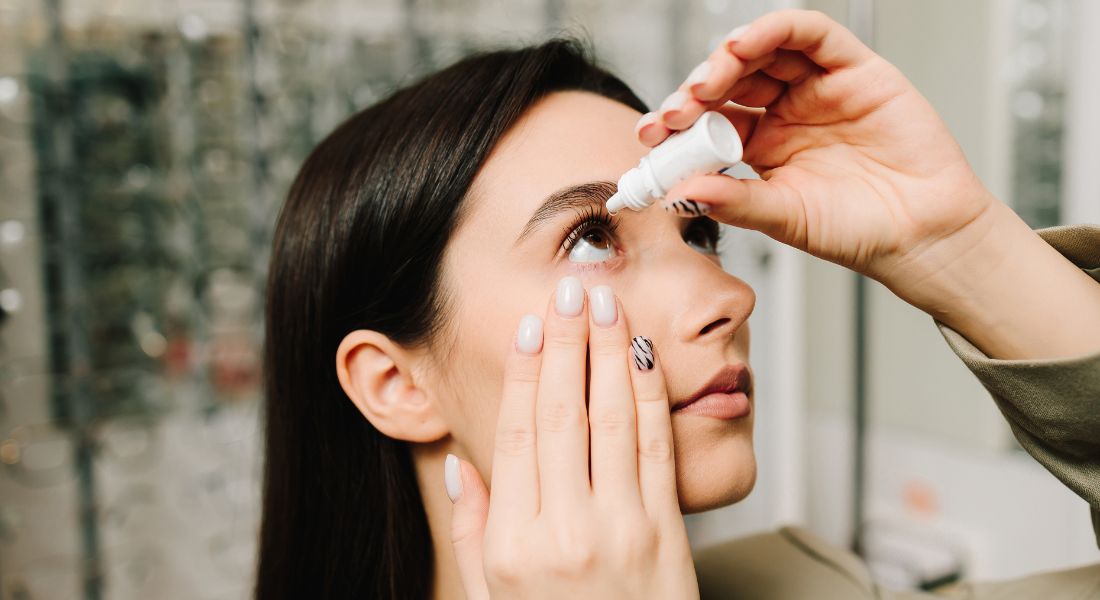
Aftercare instructions are designed to protect your eyes while they heal after laser eye surgery. They provide clear guidance on how to support your recovery day by day. Following these instructions carefully helps ensure a safe healing process. It also reduces the risk of avoidable complications.
You may be given specific restrictions and recommendations, such as using prescribed eye drops or avoiding certain activities. These should be taken seriously, even if your eyes feel comfortable. The advice is based on clinical experience and tailored to your procedure. It is designed to give you the best possible outcome.
Adhering to your aftercare plan improves your overall results. It supports proper healing and helps maintain clear vision in the long term. Consistency is important during this period. Following guidance closely plays a key role in successful recovery.
Signs of a Problem After Rubbing
If you accidentally rub your eyes after laser eye surgery, it is important to monitor for any unusual symptoms. You may notice blurred vision, increased discomfort, or a change in how your eyes feel. These signs should not be ignored, even if they seem mild at first. Paying attention early can help prevent further issues.
You might also experience redness or increased sensitivity to light. These symptoms can indicate irritation or disruption to the healing surface of your eye. In some cases, they may suggest that your eye needs closer evaluation. Recognising these changes early is important for your recovery.
If any symptoms persist or worsen, you should contact your specialist promptly. A professional assessment will help determine whether any treatment is needed. Acting quickly can protect your vision and support healing. It is always better to seek advice rather than wait.
When to Seek Medical Advice
After eye surgery, it’s important to stay alert to any unusual symptoms. While mild discomfort and temporary changes are expected, certain signs may indicate a complication that needs prompt attention. Knowing when to seek help ensures your eyes are protected during recovery. You should not try to manage more serious symptoms on your own. Getting professional advice early allows your specialist to assess the situation and provide the right treatment.
- Unusual or increasing pain: Mild irritation is normal, but persistent or worsening pain is not. This may need immediate evaluation.
- Sudden changes in vision: If you notice blurred vision, double vision, or a sudden drop in clarity, it’s important to get checked as soon as possible.
- Discharge or redness: Unusual discharge, significant redness, or swelling may be signs of infection or inflammation that require treatment.
- Light sensitivity or discomfort that worsens: Increasing sensitivity to light or discomfort that does not improve could indicate a problem that needs attention.
Seeking medical advice promptly helps prevent minor concerns from becoming more serious. Early intervention protects your vision and supports a safe, successful recovery.
Preventing Future Irritation
Maintaining good eye care habits is important even after your initial recovery is complete. You should avoid unnecessary strain, such as prolonged screen use without breaks, and protect your eyes from irritants like dust or wind. Simple steps, including staying hydrated and using lubricating drops if recommended, can help keep your eyes comfortable. Looking after your eyes supports long-term visual quality.
You should also attend follow-up appointments as advised by your specialist. These visits allow your surgeon to check that your eyes are healing properly and that your vision remains stable. Regular monitoring helps detect any changes early. This ensures that any concerns can be addressed promptly.
Healthy daily habits play a key role in preserving your results after surgery. Being consistent with eye care helps maintain clear and comfortable vision over time. Small efforts can make a lasting difference. Ongoing care supports the success of your treatment.
FAQs:
- Can you rub your eyes after laser eye surgery?
No, you should avoid rubbing your eyes after laser eye surgery, especially in the early stages of healing. Even light pressure can affect the cornea. This is particularly important after procedures like LASIK. Following your specialist’s advice helps protect your results. - Why is rubbing your eyes dangerous after surgery?
Rubbing your eyes can disturb the healing surface of the cornea. In some cases, it may even dislodge the flap created during LASIK. This can affect your vision and require further treatment. Avoiding pressure is essential for safe recovery. - How long should you avoid rubbing your eyes?
You should avoid rubbing your eyes for at least a few weeks after surgery. The exact timeframe depends on your procedure and healing progress. Your specialist will give personalised advice. The first few days are especially important. - What should you do if your eyes feel itchy?
If your eyes feel itchy, avoid touching them. Instead, use lubricating or prescribed eye drops to relieve discomfort. Gentle blinking can also help spread moisture. These methods are safer than rubbing. - What happens if you accidentally rub your eyes?
If you accidentally rub your eyes, do not panic. Monitor for symptoms such as blurred vision, discomfort, or redness. If anything feels unusual, contact your specialist promptly. Early assessment helps prevent complications. - Can rubbing your eyes cause infection after surgery?
Yes, rubbing your eyes can introduce bacteria from your hands. This increases the risk of infection. Keeping your hands away from your eyes is important. Good hygiene supports safe healing. - Why do your eyes feel irritated after laser surgery?
Mild irritation, dryness, or a gritty sensation is common after surgery. This is part of the healing process. These symptoms can make you want to rub your eyes. Using eye drops helps manage discomfort safely. - Do protective eye shields really help?
Yes, protective eye shields are very helpful, especially while you sleep. They prevent accidental rubbing during the night. They also protect your eyes from pressure. Using them as advised supports recovery. - Is it safe to touch your eyes after they have healed?
Once your eyes have fully healed, you can resume normal activities. However, you should still avoid excessive pressure. Gentle care is always recommended. Healthy habits protect your long-term vision. - Can frequent eye rubbing cause long-term problems?
Yes, habitual eye rubbing can damage the cornea over time. It may contribute to conditions such as keratoconus. After surgery, the risks are even higher. Avoiding this habit is important for maintaining eye health.
Final Thoughts: Protecting Your Eyes for the Best Results
Rubbing your eyes after laser eye surgery may feel instinctive, but it can interfere with healing and increase the risk of complications. Giving your eyes time to recover and following aftercare advice carefully will help protect your vision and ensure the best possible outcome. Simple habits, such as using lubricating drops and avoiding unnecessary contact, can make a significant difference to your recovery. If you’re considering laser surgery in London and want to know if it’s the right option, you’re welcome to reach out to us at Eye Clinic London to book a consultation.
References:
- Moshirfar, M., Basharat, N.F., Faramarzi, A., et al., 2022. Journal of Clinical Medicine, 11(16), p.4832. https://www.mdpi.com/2077-0383/11/16/4832
- Wilson, S.E., 2004. Journal of Refractive Surgery, 20(5), pp.S545–S547. https://pubmed.ncbi.nlm.nih.gov/15519079/
- Dvivedi, A., Murthy, S.I., Akkulugari, V. and Ali, H., 2024. Indian Journal of Ophthalmology, 72(4), pp.489–494. https://pubmed.ncbi.nlm.nih.gov/38146972/
- Abdelazeem, K., Nassr, M.A., Abdelmotaal, H., Wasfi, E. and El-Sebaity, D.M., 2020. Flap sliding technique for managing flap striae following LASIK. Journal of Ophthalmology, 2020, Article ID 5614327. https://pmc.ncbi.nlm.nih.gov/articles/PMC7060872/
- Chaurasia, S.S., et al., 2021. Complications of laser-assisted in situ keratomileusis. Indian Journal of Ophthalmology, 69(9), pp.2347–2357. https://pmc.ncbi.nlm.nih.gov/articles/PMC8374806/