


Stye That Won’t Go Away: When Should It Be Drained?
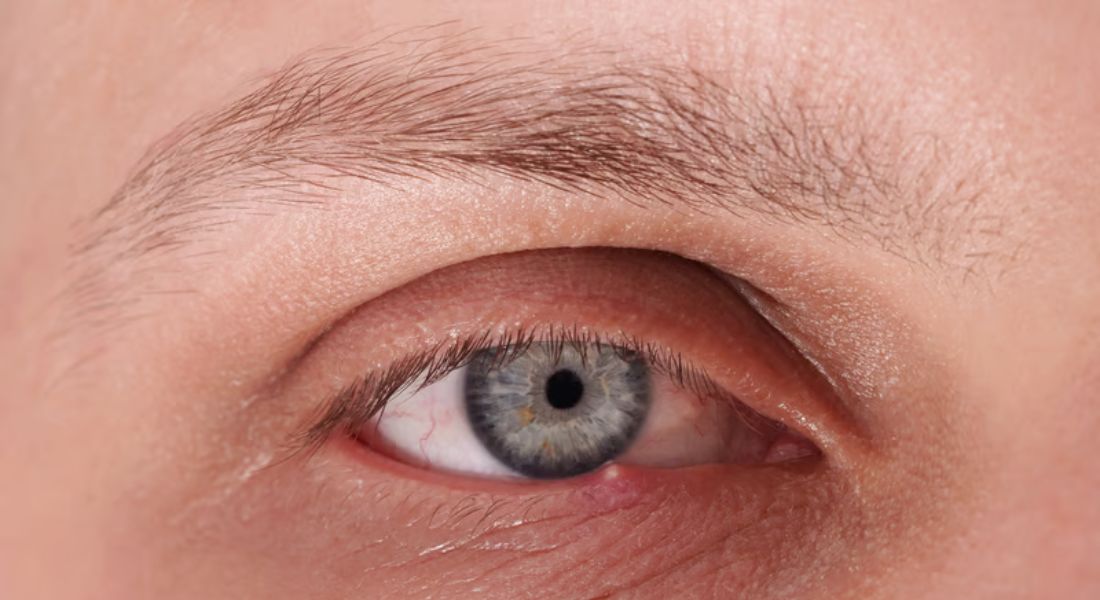
A stye, also known as a Hordeolum, is usually a minor eyelid condition that resolves on its own. However, you may sometimes notice that it lingers longer than expected. This can be uncomfortable and frustrating, especially if it interferes with daily activities.
Most styes improve within one to two weeks with simple care such as warm compresses. When a stye persists beyond this period, it may indicate that the gland remains blocked or that the inflammation has not fully settled. In some cases, what started as a stye may evolve into a Chalazion, which tends to last longer and may not resolve as easily.
Understanding why a stye does not go away helps guide the next steps in treatment. While many cases still improve with continued conservative care, some may require a minor procedure such as drainage. Knowing when to seek professional advice ensures timely management and helps prevent ongoing discomfort or complications.
What Is a Persistent Stye?
A Stye is one that does not resolve within the usual timeframe. Most styes improve within a few days to a couple of weeks, but a persistent one may remain for longer. You might notice that the lump stays the same size or grows slowly over time. It can also feel firmer compared to an early, inflamed stye.
- Ongoing blockage after infection: In some cases, the initial infection settles but the oil gland remains blocked. This prevents complete healing and allows the swelling to persist.
- Firm or stable lump: The area may become less painful but more solid. This change can indicate that inflammation has reduced, but the blockage is still present.
- Possible transformation: A persistent stye can sometimes develop into a Chalazion. This is a non-infectious lump caused by a blocked gland rather than active infection.
- Need for reassessment: If the lump does not improve or continues to change, it is important to have it examined. Monitoring helps ensure appropriate treatment and rules out other conditions.
Persistent styes are not uncommon, but they do require attention. Early evaluation can help prevent prolonged discomfort and guide the most effective management.
Why Some Styes Do Not Resolve
There are several reasons why a stye, or Hordeolum, may persist longer than expected. One common reason is that the oil gland remains blocked despite treatment. If the blockage does not clear, the stye cannot drain properly. This prevents full resolution and allows the lump to remain.
In some cases, a low-grade bacterial infection may continue. Although symptoms may not be severe, ongoing inflammation can delay healing. This can make the stye appear stubborn or slow to improve. Without proper resolution, the condition may linger for weeks.
Inadequate eyelid hygiene can also contribute to persistence or recurrence. If the underlying cause, such as blocked glands or irritation, is not addressed, the problem may return. In some situations, the stye may develop into a Chalazion, which tends to last longer. Addressing these underlying factors is essential for complete healing and prevention.
Difference Between Stye and Chalazion
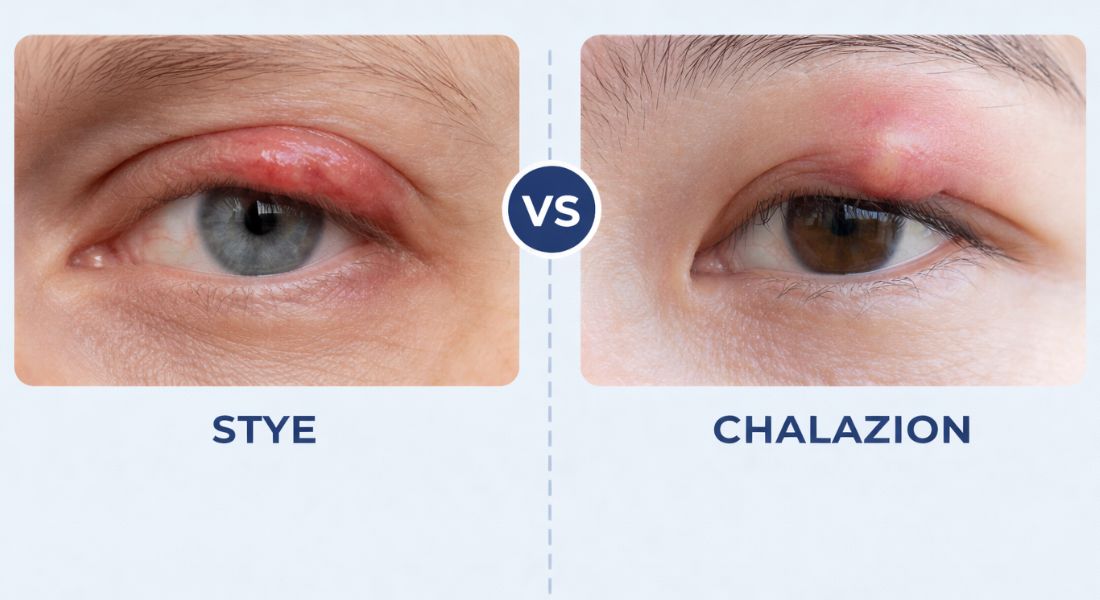
A persistent stye, or Hordeolum, may sometimes develop into a Chalazion. A chalazion is usually not an active infection. Instead, it occurs when an oil gland in the eyelid becomes blocked and inflamed. This leads to a firm lump that tends to be painless.
You may notice that the initial pain and redness of the stye gradually reduce, but the lump remains. This is a common progression. The swelling may feel more solid and less tender compared to an active stye. Although it is less uncomfortable, it can persist for a longer period.
Understanding the difference between these two conditions is important because their management can differ. While styes may occasionally require antibiotics if infection is present, chalazia usually do not. Instead, they may need continued warm compresses or, in some cases, a minor procedure. Proper diagnosis ensures you receive the most appropriate treatment.
Role of Blocked Oil Glands
Your eyelids contain tiny oil-producing glands (meibomian glands) that help keep your tears stable and prevent dryness. When these glands become blocked, the oil cannot flow properly. As a result, fluid builds up within the gland, leading to swelling and the formation of a lump, often seen in conditions like a Chalazion or a persistent Hordeolum.
If the blockage does not clear, the lump may remain for an extended period. This prevents normal drainage and delays healing. Over time, the swelling can become firmer and less painful, especially if it transitions into a chalazion. Without proper management, the condition may persist or recur.
Maintaining good eyelid hygiene is key to supporting recovery and preventing future episodes. Regular warm compresses, gentle eyelid cleaning, and avoiding irritation can help keep the glands functioning properly. Focusing on gland health plays an important role in both treatment and prevention.
When Home Treatment Is Not Enough
Warm compresses are often effective in the early stages of a Stye. They help soften the blockage and encourage natural drainage. However, if the gland is more severely blocked, home care alone may not be sufficient. In these cases, the condition can persist despite consistent effort.
- Lack of improvement with routine care: You may notice that the lump does not reduce in size even after several days of regular warm compresses. This can suggest that the blockage is deeper or more established.
- Signs of persistent inflammation: Ongoing swelling or firmness may indicate that the gland has not cleared. The initial infection may settle, but the underlying issue can remain.
- Need for further evaluation: If the stye does not improve, a professional assessment becomes important. Your specialist can determine whether additional treatment is required.
- Guiding the next steps: Treatments may include medications or minor procedures, depending on the severity. In some cases, a persistent lump may represent a Chalazion rather than an active infection.
Continuing home treatment alone may delay recovery if the condition has progressed. Seeking timely medical advice helps ensure appropriate care and a quicker resolution.
Signs a Stye May Need Drainage
Drainage may be recommended if a stye, or Hordeolum, remains large and does not resolve over time. A firm, persistent lump is a common sign that material is trapped within the gland. This often indicates that the blockage has not cleared despite ongoing home treatment.
You may also notice repeated swelling in the same area. This can suggest a chronic blockage of the oil gland, sometimes evolving into a Chalazion. In such cases, the lump may not be painful but continues to be present. Recurrence in the same spot is a key indicator that further intervention may be needed.
If discomfort continues or worsens, this is another important sign. Ongoing pain, irritation, or cosmetic concern should not be ignored. Seeking medical advice ensures that the condition is properly assessed and that appropriate treatment, including possible drainage, is provided safely.
What Does Drainage Involve?
Drainage is a minor procedure performed by a specialist to treat a persistent stye, also known as a Hordeolum, or a Chalazion. It involves making a small, controlled opening in the lump to release the trapped material inside. This helps reduce swelling and allows the area to heal more effectively.
The procedure is usually quick and carried out under local anaesthetic, so the area is numbed beforehand. This ensures that discomfort is kept to a minimum. It is typically done in a clinical setting and does not require a long recovery period.
Understanding what the procedure involves can help reduce any anxiety you may have. It is a straightforward and commonly performed treatment. Most patients tolerate it well and experience relief once the blockage has been cleared.
Is the Procedure Painful?
The procedure is designed to minimise discomfort. Local anaesthetic is used to numb the area, so you should feel little to no pain during drainage of a Hordeolum or Chalazion. This helps make the experience as comfortable as possible.
You may notice a slight sensation of pressure while the procedure is being performed, but it is generally well tolerated. Most people find the experience manageable and much less uncomfortable than expected.
After the procedure, you might experience mild soreness or tenderness around the eyelid. This usually settles within a short time and can be managed with simple care. Overall, recovery is straightforward and complications are uncommon.
Recovery After Drainage
Recovery is usually straightforward after drainage of a Stye. The procedure relieves the built-up material inside the gland, which helps reduce pressure and discomfort. You may notice an improvement quite quickly, often within a few days. However, some mild aftereffects are normal as the eyelid continues to heal.
- Temporary swelling and tenderness: You may experience slight swelling, redness, or sensitivity around the treated area. These symptoms are usually mild and settle within a short period.
- Importance of aftercare: Proper aftercare supports smooth healing. This may include gently cleaning the eyelid and using any prescribed medications to prevent infection and reduce inflammation.
- Visible improvement: Most patients notice that the lump becomes smaller soon after the procedure. Discomfort typically reduces as the pressure is relieved.
- Steady healing process: Healing continues over the following days. In some cases, if a blockage remains, the area may resemble a Chalazion, which may require further monitoring.
Following your specialist’s advice helps ensure the best outcome. With proper care, recovery is generally quick and uncomplicated.
When Antibiotics Are Needed
Antibiotics may be prescribed if there are clear signs of infection in a stye, also known as a Hordeolum. These medications help control bacterial growth and reduce inflammation. By treating the infection directly, they support the healing process and help prevent complications.
Topical antibiotics, such as ointments or eye drops, are commonly used for localised infections. In more severe cases, or if the infection spreads beyond the eyelid (for example, in Preseptal cellulitis), oral antibiotics may be required. The choice of treatment depends on how advanced the condition is.
Your specialist will decide the most appropriate approach based on your symptoms and examination findings. Antibiotics are only used when necessary, ensuring effective and targeted care while avoiding unnecessary treatment.
Risks of Leaving a Stye Untreated
Leaving a persistent stye, or Hordeolum, untreated can lead to ongoing problems. The lump may continue to grow or remain noticeable for a prolonged period. This can be both uncomfortable and cosmetically concerning, especially if it affects your daily activities.
Over time, chronic inflammation may develop. The blockage in the gland can persist, sometimes leading to the formation of a Chalazion. In some cases, the surrounding tissue may also become irritated or inflamed, increasing discomfort and prolonging recovery.
Early treatment helps prevent these complications. Addressing the issue promptly—whether through home care or medical intervention—supports faster resolution and reduces the risk of recurrence. Timely care is essential for maintaining healthy eyelids and avoiding long-term issues.
Recurrent Styes and Their Causes
Some people experience recurrent styes, also known as Hordeolum. This can be linked to underlying conditions such as Blepharitis, where chronic inflammation affects the eyelid margins. When the eyelids are persistently inflamed, the oil glands are more likely to become blocked, increasing the risk of repeated styes.
Poor eyelid hygiene can also contribute to recurrence. Bacteria and debris can build up along the eyelid margin, making infections more likely. This creates an environment where styes can develop more frequently. Small daily habits, such as proper cleansing, can make a significant difference.
Identifying and addressing the underlying cause is key to preventing recurrence. Long-term management may include regular eyelid care, warm compresses, and, in some cases, medical treatment. Taking a proactive approach helps reduce the likelihood of future styes and supports overall eye health.
Importance of Eyelid Hygiene
Maintaining good eyelid hygiene is essential for preventing a Stye and keeping your eyes comfortable. The eyelids contain tiny oil glands that can become blocked if debris and bacteria build up. Regular care helps these glands function properly and reduces the risk of infection. With consistent attention, you can support both short-term comfort and long-term eye health.
- Removes debris and bacteria: Gently cleaning your eyelids helps clear away oil, dust, and bacteria that can accumulate along the lash line. This reduces the chance of gland blockage.
- Supports gland function: Keeping the eyelid area clean allows the oil glands to work normally. This helps maintain a healthy tear film and prevents dryness.
- Daily routine matters: You should clean your eyelids gently each day, especially if you are prone to irritation or conditions like Blepharitis. Consistency plays a key role in prevention.
- Prevents recurrence: Good hygiene reduces the likelihood of repeated infections. Simple habits, such as washing your hands before touching your eyes, can make a noticeable difference.
By maintaining a regular eyelid care routine, you can significantly lower your risk of developing styes and support overall eye health.
Can a Persistent Stye Affect Vision?
A persistent stye, also known as a Hordeolum, can sometimes affect your vision. If the lump becomes large, it may press against the surface of your eye. This pressure can lead to temporary blurring or slight distortion in how you see.
You might notice mild visual changes, particularly if the swelling alters the shape of the eyelid or affects how tears spread across the eye. In most cases, these effects are temporary and improve once the stye settles or is treated. If the lump develops into a Chalazion, similar symptoms can occur due to its size and position.
If vision changes persist or worsen, it is important to seek further evaluation. Ongoing visual disturbance may indicate another underlying issue that needs attention. Prompt assessment helps ensure your vision remains protected and any concerns are addressed appropriately.
When to See a Specialist
You should see a specialist if your stye, or Hordeolum, lasts longer than two weeks. Persistent lumps that do not improve with warm compresses may need further evaluation. Early assessment helps identify whether the issue is ongoing infection or a blocked gland that requires different treatment. Acting promptly can improve outcomes.
Recurrent styes also deserve medical attention. Frequent episodes may point to an underlying condition such as Blepharitis or chronic gland dysfunction. Identifying the root cause is important for preventing future occurrences. Investigation allows for more targeted and effective management.
Seeking professional care ensures you receive the right treatment, whether that involves medication, ongoing care, or a minor procedure. Timely action reduces the risk of complications and supports faster recovery. Getting the correct diagnosis is key to protecting your eye health.
Preventing Future Styes
Preventing future episodes of a Stye largely comes down to consistent daily care and simple hygiene habits. By keeping your eyelids clean and reducing bacterial exposure, you can significantly lower the risk of recurrence. Small, regular steps often make the biggest difference over time.
- Maintain regular eyelid hygiene: Cleaning your eyelids daily helps remove oil, debris, and bacteria. This keeps the glands clear and reduces the chance of blockage.
- Avoid touching your eyes unnecessarily: You should try not to touch or rub your eyes with unclean hands. This helps prevent bacteria from spreading to the eyelid.
- Manage underlying conditions: Conditions such as Blepharitis can increase your risk of developing styes. Proper management supports long-term prevention.
- Be consistent with care: Preventive measures are most effective when practised regularly. Even simple habits, when done consistently, can greatly reduce recurrence.
By following these steps, you can protect your eyelid health and minimise the chances of future styes developing.
Role of Regular Eye Check-Ups

Regular eye check-ups play an important role in detecting early problems, including conditions like a Hordeolum. Your specialist can identify risk factors such as blocked glands or eyelid inflammation before they lead to recurring issues. Early detection supports prevention and reduces the likelihood of complications.
Monitoring your eyelid health is especially important if you are prone to styes. Conditions such as Blepharitis can increase your risk, and regular assessments help manage them effectively. Early intervention can reduce recurrence and keep symptoms under control.
Routine eye care supports long-term eye health and provides reassurance. Consistent monitoring allows any changes to be addressed promptly. Making eye check-ups part of your regular health routine is a simple but valuable step in protecting your vision.
When to Seek Urgent Care
Urgent care is needed if swelling from a stye, or Hordeolum, becomes severe or begins to spread beyond the eyelid. This can indicate a more serious infection, such as Preseptal cellulitis, which requires immediate medical attention. Rapid progression should never be ignored.
Fever, increasing pain, or a general feeling of being unwell are important warning signs. These symptoms suggest that the infection may be worsening or affecting surrounding tissues. Prompt evaluation is essential to prevent complications and ensure appropriate treatment.
Acting quickly can make a significant difference in your recovery. Early intervention helps control the infection and reduces the risk of it spreading further. If you notice any of these symptoms, do not delay seeking medical care.
FAQs:
- What is a persistent stye?
A persistent stye is one that does not go away within the usual one to two weeks. You may notice that the lump remains or becomes firmer over time. This can happen when the gland stays blocked even after the infection settles. In such cases, further assessment may be needed. - Why does a stye sometimes not heal properly?
A stye may not heal if the oil gland remains blocked or if inflammation continues. In some cases, low-level bacterial activity can delay recovery. Poor eyelid hygiene can also contribute to persistence. Identifying the cause helps guide treatment. - Can a stye turn into something else?
Yes, a stye can develop into a Chalazion if the infection settles but the blockage remains. You may notice that pain reduces while the lump stays. It often feels firmer and less tender. This condition usually requires a different treatment approach. - When should you consider drainage for a stye?
You may need drainage if the stye remains large, firm, and unchanged after a few weeks. Persistent swelling or repeated flare-ups in the same area are also warning signs. These suggest that the blockage has not cleared. A specialist can advise whether a minor procedure is needed. - What happens during stye drainage?
Drainage is a simple procedure performed under local anaesthetic. A small opening is made to release the trapped material. This helps reduce swelling and allows healing to begin. The process is quick and usually well tolerated. - Is stye drainage painful?
The procedure itself is not painful because the area is numbed beforehand. You may feel slight pressure during the treatment. Afterwards, mild soreness can occur but usually settles quickly. Most people find the experience manageable. - How long does it take to recover after drainage?
Recovery is generally quick and straightforward. You may notice mild swelling or tenderness for a short time. Following aftercare advice helps support healing. Most people see improvement within a few days. - Do you need antibiotics for a persistent stye?
Antibiotics may be needed if there is an active infection. These are often given as ointments or drops applied to the eyelid. In more severe cases, oral antibiotics may be prescribed. Your specialist will decide what is appropriate for you. - Can a persistent stye affect your vision?
A large or long-lasting stye can sometimes press against your eye. This may cause temporary blurred or distorted vision. The effect usually improves after treatment. If vision changes persist, you should seek further evaluation. - When should you see a specialist for a stye?
You should see a specialist if your stye lasts longer than two weeks. Recurrent or worsening symptoms also require attention. Early assessment helps prevent complications. Professional care ensures the right treatment is provided.
Final Thoughts: Taking Action on a Long-Lasting Stye
A stye that does not go away should not be overlooked. While most resolve on their own, a persistent lump may indicate a blocked gland or a condition such as a Chalazion that requires different treatment. Recognising when home care is no longer enough helps you take the right next step.
Early assessment can prevent the problem from becoming more uncomfortable or long-lasting. Simple procedures like drainage are often quick, effective, and can significantly improve your symptoms. Acting promptly ensures better outcomes and reduces the risk of recurrence. If you’d like to find out whether stye treatment London is suitable for you, feel free to contact us at Eye Clinic London to arrange a consultation.
References:
- Lindsley, K., Nichols, J.J. and Dickersin, K. (2017)
Interventions for acute internal hordeolum, Cochrane Database of Systematic Reviews. https://pmc.ncbi.nlm.nih.gov/articles/PMC5370090/ - StatPearls Publishing (2024) Hordeolum (stye), NCBI Bookshelf. https://www.ncbi.nlm.nih.gov/books/NBK459349/
- Lindsley, K. et al. (2013) Interventions for acute internal hordeolum, Cochrane Database of Systematic Reviews. https://pmc.ncbi.nlm.nih.gov/articles/PMC4261920/
- Hordeolum (Stye) – StatPearls https://pubmed.ncbi.nlm.nih.gov/29083787/
- Grada, A., Ghannoum, M.A. and Bunick, C.G. (2022) ‘Sarecycline demonstrates clinical effectiveness against Staphylococcal infections and inflammatory dermatoses: Evidence for improving antibiotic stewardship in dermatology’, Antibiotics, 11(6), p. 722. https://www.mdpi.com/2079-6382/11/6/722