

When Do You Need Antibiotics for a Stye?
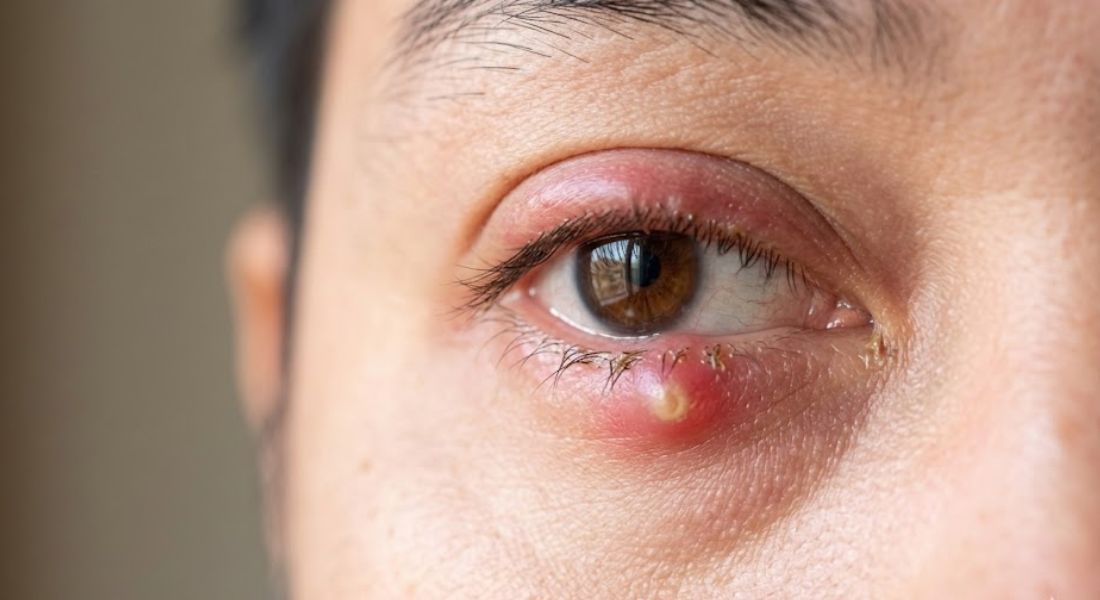
A stye, also known medically as a Hordeolum, is a common eyelid condition that can cause discomfort, redness, and swelling. You may notice a small, painful lump near the edge of your eyelid. In most cases, it is mild and settles without complications.
Styes are usually caused by a bacterial infection, often involving Staphylococcus bacteria, affecting the oil glands in your eyelid. This leads to localised inflammation, tenderness, and sometimes a visible pus-filled spot. The area can feel sore and irritated, especially when blinking or touching the eyelid.
In many cases, a stye will resolve on its own with simple measures such as warm compresses and good eyelid hygiene. However, some situations may require additional treatment, including antibiotics. Understanding when antibiotics are necessary helps you manage the condition safely and avoid unnecessary medication.
What Is a Stye?
A Stye is a small, painful lump that forms on your eyelid. It usually looks like a red, swollen bump and may resemble a pimple. Styes can develop quite quickly and often cause localised tenderness and irritation. They are commonly caused by a bacterial infection.
- Infection of eyelid glands: A stye typically occurs when the oil-producing glands in your eyelid become blocked and infected. The most common cause is Staphylococcal Infection, which leads to inflammation and swelling.
- Appearance and location: You may notice a small, raised bump that is red and tender. Styes can form on the outside edge of your eyelid or on the inner surface.
- Types of styes: External styes develop near the base of your eyelashes, while internal styes form inside the eyelid. Both types can cause similar symptoms, including discomfort and swelling.
- Common symptoms: You may experience pain, redness, tearing, or a feeling that something is in your eye. The affected area can be sensitive to touch.
Although styes are usually not serious, they can be uncomfortable. With proper care, most resolve on their own without complications.
Common Symptoms of a Stye
If you develop a Stye, you will usually notice symptoms that affect your eyelid and the surrounding area. These signs often appear gradually and may become more noticeable over a few days. While the severity can vary, most people experience a similar combination of discomfort and visible changes. Recognising these symptoms early can help you manage the condition more effectively and seek care if needed.
- Pain and tenderness: You may feel soreness in the affected eyelid, especially when touching it. The discomfort can range from mild irritation to more noticeable pain.
- Swelling and a visible lump: A small bump often forms on the eyelid. It may become more prominent over time as swelling increases.
- Redness and irritation: The skin around the stye typically appears red. Your eye may feel irritated or uncomfortable throughout the day.
- Excessive watering: Your eye may produce more tears than usual. This is a natural response to irritation.
- Discharge and crusting: In some cases, the stye may release a small amount of discharge. This can dry and form a crust, particularly along the eyelid margin.
Most symptoms gradually improve as the stye heals. However, if swelling worsens, spreads, or does not settle, it is important to seek medical advice promptly.
Why Most Styes Do Not Need Antibiotics
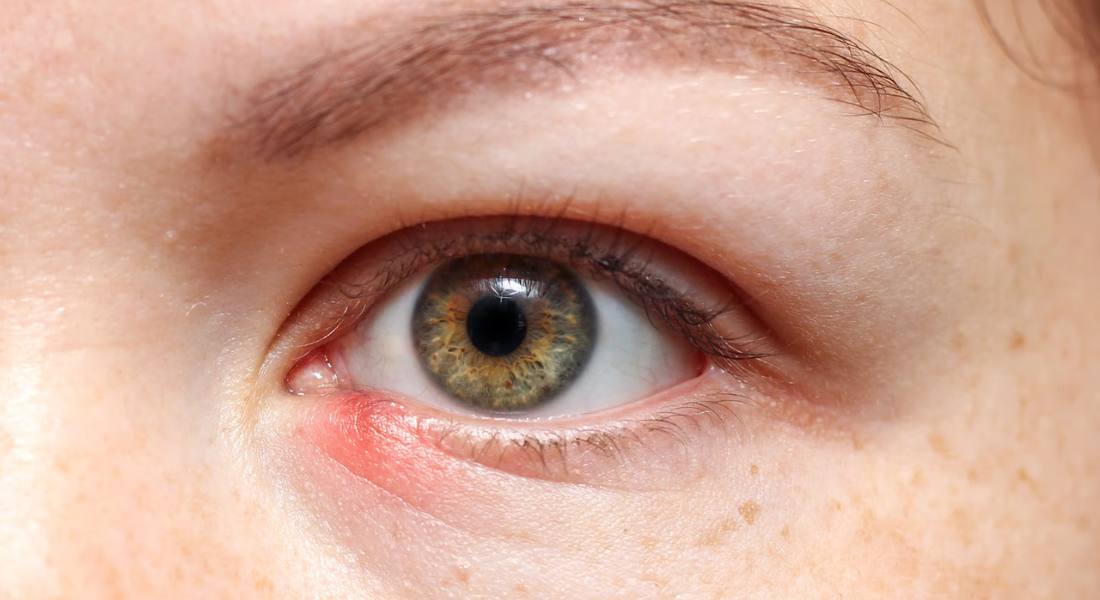
Most styes, or Hordeolum, resolve without the need for antibiotics. Your body’s immune system is usually able to control the localised infection on its own. As the inflammation settles, the stye often drains naturally and heals within a few days. This process is a normal part of recovery.
Warm compresses are one of the most effective treatments. Applying gentle heat to the eyelid helps soften the blockage and encourages drainage. With consistent use, this simple approach is often all that is needed. Good eyelid hygiene also supports healing and reduces irritation.
Using antibiotics unnecessarily is not recommended in mild cases. They do not significantly speed up healing for uncomplicated styes and may contribute to resistance if overused. Conservative care is usually the safest and most effective approach.
Role of Warm Compresses
Warm compresses are the main treatment for a stye, also known as a Hordeolum. Applying gentle heat helps soften the blocked oil gland in your eyelid. This encourages the stye to drain naturally, which is an important part of the healing process.
You should apply a warm compress several times a day, ideally for about 10–15 minutes each time. Using a clean cloth soaked in warm (not hot) water is usually sufficient. Consistency is key, as regular application helps speed up recovery. It is a simple routine that can make a noticeable difference.
This method also helps reduce discomfort, swelling, and tenderness. As the blockage clears, symptoms gradually improve. Most styes respond well to this approach without the need for additional treatment.
When a Stye Becomes Infected
In some cases, a stye (Hordeolum) can become more severe rather than settling on its own. You may notice increasing swelling, more intense pain, or a larger, more inflamed lump on the eyelid. These changes can suggest that the infection is progressing rather than improving.
You might also see redness spreading beyond the eyelid or into the surrounding skin. This can indicate a more serious condition such as Preseptal cellulitis, which requires medical attention. In these situations, the infection is no longer localised and needs closer evaluation by a healthcare professional.
If your symptoms are not improving with warm compresses or are getting worse, further treatment may be necessary. This is when antibiotics may be considered to control the infection. Seeking timely assessment ensures the condition is managed safely and effectively.
Types of Antibiotics Used
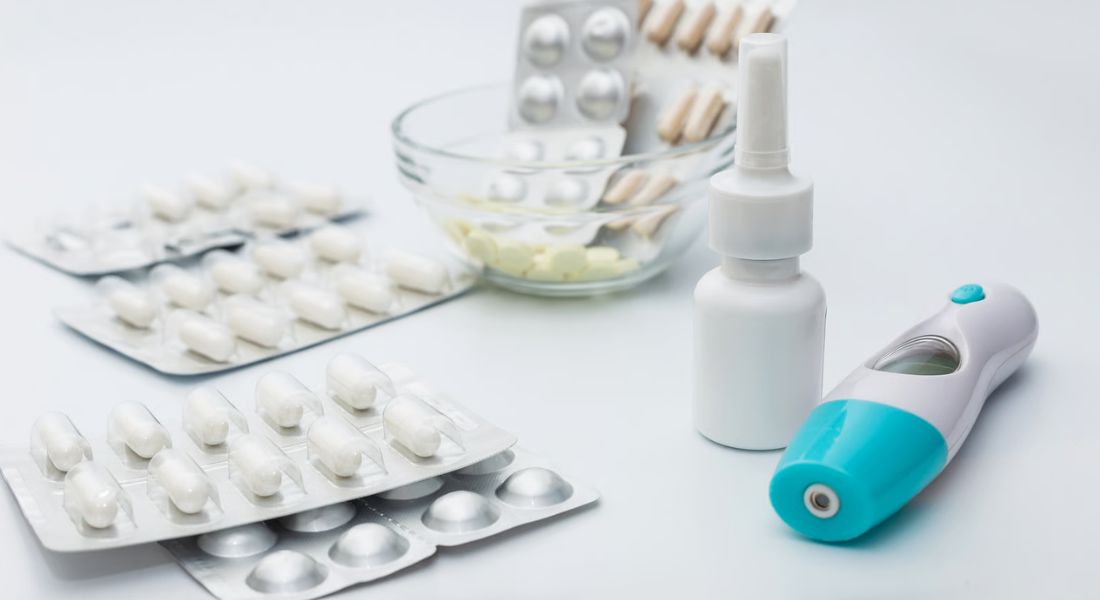
When treating a Stye, antibiotics may be recommended in certain situations, particularly if the infection does not improve or begins to spread. While many styes resolve on their own, medication can help speed up recovery and prevent complications. Your doctor will assess the severity of the condition before deciding whether antibiotics are necessary. Treatment is always tailored to your specific symptoms and response.
- Topical antibiotics (drops or ointments): These are the most commonly prescribed treatments. You apply them directly to the affected eyelid, allowing the medication to act locally at the site of infection. This approach targets bacteria effectively while minimising effects on the rest of your body.
- Oral antibiotics: In more severe cases, you may be given oral antibiotics. This is less common and usually reserved for situations where the infection extends beyond the eyelid or is associated with surrounding tissue involvement.
- Choice of medication: The specific antibiotic depends on how severe the infection is and how your eye responds. Many styes are linked to bacteria such as Staphylococcal Infection, so treatment is selected accordingly.
Your eye specialist will decide the most appropriate option for you. Following the prescribed treatment carefully helps ensure the infection clears and reduces the risk of recurrence.
Signs You May Need Antibiotics
Antibiotics may be needed if a stye, or Hordeolum, does not improve with simple home care. Persistent swelling, ongoing pain, or a lump that does not reduce over time can be warning signs. These may suggest that the infection is not resolving on its own.
If redness begins to spread beyond the eyelid or becomes more intense, this is more concerning. It can indicate a deeper or more widespread infection, such as Preseptal cellulitis. In these cases, prompt treatment is important to prevent complications.
You should also seek medical advice if you develop symptoms such as fever, general discomfort, or a feeling of being unwell. These signs suggest that the infection may be affecting more than just the eyelid. Early evaluation ensures that appropriate treatment, including antibiotics if needed, can be started quickly.
How Antibiotics Help
Antibiotics help by reducing or stopping the growth of bacteria responsible for a stye, also known as a Hordeolum. By controlling the infection, they allow the body to heal more effectively. This can reduce inflammation, pain, and swelling over time. Antibiotics support recovery when the infection is not resolving on its own.
They are particularly useful when the infection spreads beyond the initial area of the eyelid. For example, if there are signs of a more widespread infection such as Preseptal cellulitis, antibiotics can help prevent further complications. In these situations, early treatment can be important in stopping progression.
However, antibiotics are not always necessary for mild cases. They do not significantly speed up healing when the stye is small and localised. This is why their use should be based on proper medical assessment. Careful evaluation ensures that treatment is appropriate and effective.
Risks of Overusing Antibiotics
Using antibiotics unnecessarily can contribute to antibiotic resistance. This means bacteria become less responsive to treatment over time, making future infections harder to manage. Even for conditions like a Hordeolum, overuse of antibiotics can reduce their effectiveness when they are genuinely needed. This is a growing global concern.
You should only use antibiotics when they are prescribed by a qualified healthcare professional. Self-medication or using leftover medication is not recommended. Without proper assessment, antibiotics may be used in situations where they offer little or no benefit. Professional guidance ensures safe and appropriate treatment.
Avoiding unnecessary antibiotic use helps preserve their effectiveness for more serious infections. Responsible use protects not only your own health but also public health. Being aware of when antibiotics are truly needed is an important part of good medical care.
Difference Between Stye and Chalazion
A stye, also known as a Hordeolum, is an active infection of the eyelid glands. It is usually painful, red, and tender, often with a small pus-filled point. In contrast, a Chalazion is typically non-infectious. It develops when a blocked oil gland becomes inflamed, leading to a firm lump that is usually painless.
You may initially develop a stye that later turns into a chalazion. This can happen as the infection settles but the gland remains blocked. The pain and redness often improve, but the lump may persist for some time. This transition is quite common and not usually a cause for concern.
Understanding the difference between these two conditions helps guide treatment. While a stye may occasionally require antibiotics if the infection worsens, a chalazion usually does not. Management for chalazia often focuses on warm compresses and observation. Accurate diagnosis ensures you receive the most appropriate care.
When to See a Specialist

You should see a specialist if your stye, or Hordeolum, does not improve within a few days despite using warm compresses. Persistent swelling, ongoing pain, or a lump that does not reduce may need further evaluation. Early assessment helps prevent complications and ensures appropriate treatment.
Recurrent styes also require medical attention. Frequent episodes may indicate an underlying issue such as chronic eyelid inflammation or blocked glands. In some cases, what appears to be a stye could actually be a Chalazion or another condition. A proper diagnosis is important for effective management.
Seeking professional advice ensures you receive the right treatment at the right time. This may include prescription medication or, in some cases, minor procedures. Timely care reduces the risk of ongoing discomfort and helps protect your eye health.
Recurrent Styes and Underlying Causes
If you develop a Stye repeatedly, it is often a sign that an underlying issue needs attention. While a single stye is usually harmless, frequent episodes suggest that something is affecting the health of your eyelids. Identifying and addressing these contributing factors is key to preventing recurrence. A more proactive, long-term approach can help keep your eyes comfortable and reduce future flare-ups.
- Eyelid hygiene and daily habits: Poor eyelid hygiene can allow bacteria and debris to build up along the lash line. This increases the likelihood of blocked glands and infection.
- Associated conditions: Conditions such as Blepharitis can significantly increase your risk. Ongoing inflammation affects the oil glands, making styes more likely to develop.
- Skin and gland-related factors: Oily skin, dandruff, or conditions like rosacea can also contribute. These factors influence how your eyelid glands function.
- Specialist assessment: An eye specialist can evaluate your eyelids and identify the underlying cause. This allows for more targeted treatment and prevention strategies.
Managing the root cause makes a big difference. With the right care routine and medical guidance, you can reduce how often styes occur and maintain better long-term eye health.
Eyelid Hygiene and Prevention
Maintaining good eyelid hygiene is one of the most effective ways to prevent a Stye. Simple daily habits can reduce the build-up of bacteria and keep the oil glands in your eyelids functioning properly. With consistent care, you can lower your risk of infection and avoid recurring problems. Prevention is often easier and more comfortable than dealing with repeated flare-ups.
- Regular eyelid cleaning: Gently cleaning your eyelids helps remove debris, oil, and bacteria. This keeps the glands from becoming blocked and reduces the chance of infection.
- Avoid touching your eyes: You should try not to touch or rub your eyes with unclean hands. This can transfer bacteria and increase the risk of developing a stye.
- Manage underlying conditions: If you have conditions such as Blepharitis, following a regular cleaning routine becomes even more important. Proper management helps prevent recurrence.
- Consistency in care: Making eyelid hygiene part of your daily routine supports long-term eye health. Small, consistent steps can make a significant difference over time.
By maintaining good hygiene and being mindful of daily habits, you can significantly reduce your chances of developing styes and keep your eyes comfortable and healthy.
Avoiding Complications
Untreated or severe styes, known as Hordeolum, can sometimes lead to complications. In some cases, the infection may spread beyond the eyelid into surrounding tissues. This can result in conditions such as Preseptal cellulitis, which require prompt medical treatment. While this is not common, it is important to be aware of the possibility.
Early treatment significantly reduces the risk of complications. Using warm compresses, maintaining good eyelid hygiene, and monitoring your symptoms closely can help ensure the stye resolves safely. If the swelling, redness, or pain worsens, it is important to act quickly. Changes in symptoms can indicate that the condition is progressing.
You should never ignore worsening or persistent symptoms. Seeking timely medical advice ensures that any complications are managed early and effectively. Proper care supports a smooth recovery and helps protect your overall eye health. Awareness and prompt action are key to preventing more serious issues.
Can a Stye Affect Vision?
Most styes, or Hordeolum, do not significantly affect your vision. However, if the swelling becomes large, it can press against the surface of the eye and cause temporary blurring. This is usually mild and improves as the swelling reduces.
If you notice more significant or persistent vision changes, it is important to seek medical advice. This could indicate another issue rather than a simple stye, such as a Chalazion or a different eye condition that requires evaluation. Proper assessment helps identify the exact cause.
Any change in your vision should be taken seriously. Even if it seems minor, early evaluation ensures your eye health is protected. Prompt attention helps prevent complications and provides reassurance.
Home Care vs Medical Treatment
Home care is sufficient for most styes, also known as Hordeolum. Simple measures such as warm compresses and good eyelid hygiene are usually enough to support natural healing. With consistent care, most styes improve within a few days. Recovery is typically straightforward and does not require medication.
Medical treatment becomes necessary when symptoms persist or worsen. Increasing pain, spreading redness, or lack of improvement may indicate a more significant issue. In some cases, this could involve complications such as Preseptal cellulitis, which may require antibiotics or further care. Professional evaluation ensures the correct treatment approach is used.
Knowing when to continue home care and when to seek medical help is important. This balance helps avoid unnecessary medication while ensuring timely intervention when needed. Acting appropriately supports safe recovery and protects your eye health.
How Long Does a Stye Last?
Most styes, or Hordeolum, begin to improve within a few days. Full resolution typically takes around one to two weeks, although this can vary depending on the severity and how well it responds to treatment. In many cases, the stye will drain naturally and heal without complications.
With proper care, such as regular warm compresses and good eyelid hygiene, symptoms gradually reduce. Pain, redness, and swelling tend to settle over time. You may notice steady improvement as the blockage clears and inflammation decreases. Consistency in care supports this healing process.
If symptoms persist beyond this period or do not show signs of improvement, further evaluation is recommended. A lingering lump may indicate a Chalazion or another issue that requires attention. Monitoring your symptoms helps ensure you receive the right care at the right time.
When to Seek Urgent Care
You should seek urgent care if the swelling from a stye, or Hordeolum, becomes severe or rapidly worsens. Spreading redness beyond the eyelid is a key warning sign. This may indicate a more serious infection such as Preseptal cellulitis, which requires prompt medical treatment.
Fever, feeling unwell, or general fatigue are also important symptoms to watch for. These can suggest that the infection is affecting more than just the local area. In such cases, immediate medical attention is necessary to prevent further complications.
Acting quickly can make a significant difference in outcomes. Early intervention helps control the infection and reduces the risk of it spreading. If you are unsure, it is always safer to seek medical advice without delay.
FAQs:
- What is a stye and why does it occur?
A stye is a small, painful lump that forms on your eyelid due to a blocked oil gland. It is usually caused by a bacterial infection, often involving Staphylococcal Infection. You may notice redness, swelling, and tenderness in the area. Most styes are harmless and improve with simple care. - Do you always need antibiotics for a stye?
No, you usually do not need antibiotics for a stye. Most cases resolve on their own with warm compresses and good hygiene. Your body can often clear the infection naturally. Antibiotics are only needed if the condition becomes more severe. - When should you consider antibiotics for a stye?
You may need antibiotics if your stye does not improve after a few days of home treatment. Increasing pain, swelling, or spreading redness are warning signs. These may indicate that the infection is worsening. In such cases, you should seek medical advice. - What are the signs that a stye is getting worse?
A worsening stye may become more swollen and painful over time. You might notice redness spreading beyond the eyelid. In some cases, you could develop fever or general discomfort. These signs suggest that medical treatment may be required. - What types of antibiotics are used for styes?
If antibiotics are needed, they are often prescribed as eye drops or ointments. These are applied directly to the affected area to target the infection. In more severe cases, oral antibiotics may be recommended. Your practitioner will choose the most suitable option for you. - How do antibiotics help treat a stye?
Antibiotics help by reducing the growth of bacteria causing the infection. This can prevent the condition from worsening or spreading. They are particularly useful in more severe or persistent cases. However, they are not always necessary for mild styes. - Can a stye go away without treatment?
Yes, most styes clear up on their own within one to two weeks. Using warm compresses can speed up the healing process. Keeping the area clean also helps prevent further irritation. You should monitor your symptoms and seek help if they worsen. - What is the difference between a stye and a chalazion?
A stye is an active infection, while a chalazion is usually a non-infectious blockage. A chalazion tends to be less painful and may develop after a stye heals. It often appears as a firm lump on the eyelid. Treatment approaches differ, so proper diagnosis is important. - Can poor hygiene cause styes?
Yes, poor eyelid hygiene can increase your risk of developing a stye. Touching your eyes with unclean hands can introduce bacteria. Not removing eye makeup properly may also contribute. Maintaining good hygiene helps reduce the risk. - When should you see a specialist for a stye?
You should see a specialist if your stye does not improve within a few days. Recurrent styes or worsening symptoms also require evaluation. Early medical advice helps prevent complications. Professional care ensures you receive the right treatment.
Final Thoughts: Treat Early and Avoid Unnecessary Antibiotics
Most styes are mild and resolve with simple home care, so you may not need antibiotics in many cases. Understanding when symptoms are improving and when they are getting worse helps you make the right decision about seeking medical advice. Acting early can prevent the infection from progressing and reduce the risk of complications.
If your symptoms persist, worsen, or become more uncomfortable, it is important to seek professional care. Getting the right treatment at the right time ensures a faster and safer recovery. Knowing when to move from home care to medical treatment is key to managing a stye effectively. If you’d like to find out whether stye treatment London is suitable for you, feel free to contact us at Eye Clinic London to arrange a consultation.
References:
- Reddy, S.C. (2013) Hordeolum (stye) and chalazion: clinical features and management, Community Eye Health Journal. https://pmc.ncbi.nlm.nih.gov/articles/PMC3635545/
- Willmann, D. et al. (2024) Hordeolum (stye), StatPearls. https://www.ncbi.nlm.nih.gov/books/NBK459349/
- Lindsley, K. et al. (2013) Interventions for acute internal hordeolum, Cochrane Database of Systematic Reviews. https://pmc.ncbi.nlm.nih.gov/articles/PMC4261920/
- Afzal, M. et al. (2021) Susceptibility of ocular Staphylococcus aureus to antibiotics, Antibiotics. https://www.mdpi.com/2079-6382/10/10/1203
- Grada, A., Ghannoum, M.A. and Bunick, C.G. (2022) ‘Sarecycline demonstrates clinical effectiveness against Staphylococcal infections and inflammatory dermatoses: Evidence for improving antibiotic stewardship in dermatology’, Antibiotics (MDPI), 11(6), p. 722. https://www.mdpi.com/2079-6382/11/6/722