


Curtain Over Vision: Could It Be a Retinal Emergency?
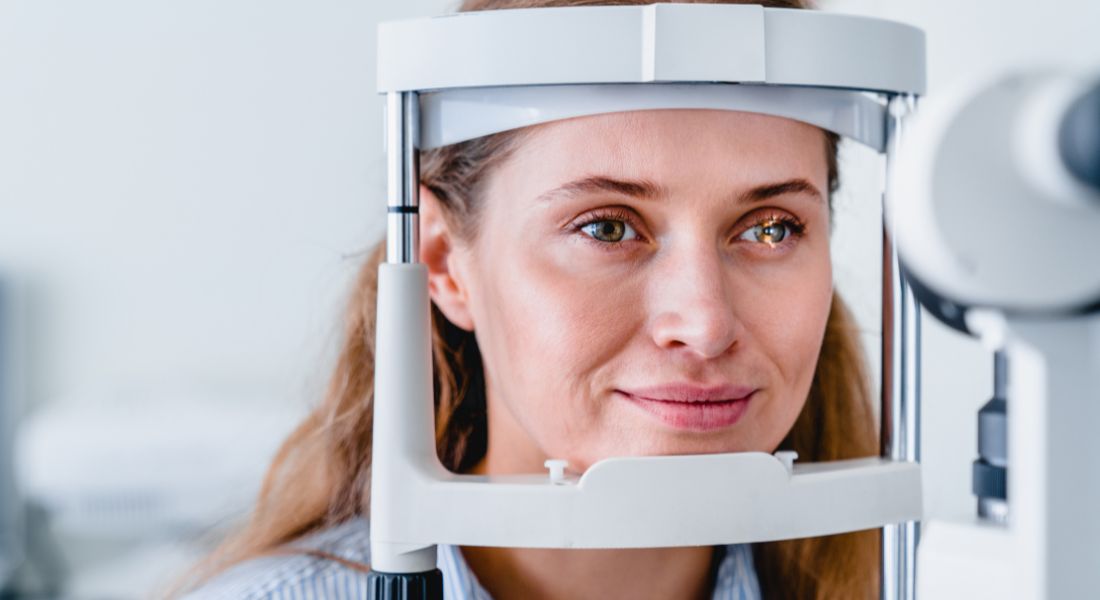
Seeing a shadow or curtain moving across your vision can be alarming. You may notice it appearing suddenly from one side or gradually spreading across your field of view. This type of visual disturbance should never be ignored, as it can indicate a serious underlying problem.
In many cases, this symptom is associated with conditions affecting the retina, such as Retinal detachment. The retina is a vital layer at the back of your eye that is responsible for detecting light and enabling vision. When it becomes damaged or separated, vision can be affected quickly. Without prompt treatment, the damage may become permanent.
Understanding what this symptom could mean helps you take the right action without delay. If you experience a curtain-like shadow, especially along with flashes of light or a sudden increase in floaters, you should seek urgent medical attention. Early diagnosis and treatment can significantly improve the chances of preserving your vision.
What Does a “Curtain Over Vision” Feel Like?
A “curtain over vision” is often described as a dark shadow or veil moving across your sight. You may feel as though a portion of your visual field is suddenly blocked or dimmed. This usually affects one eye rather than both. The sensation can be unsettling, especially if it appears without warning.
The shadow may shift or expand over time. It might begin at the top, bottom, or side of your vision and gradually spread further. This progression can happen over minutes or hours, depending on the cause. Such changes are commonly associated with conditions like Retinal detachment, where the retina begins to separate from the back of the eye.
You may also notice reduced clarity in the affected area, making it harder to see details. In some cases, the change feels sudden, while in others it develops more gradually. Regardless of how it appears, any curtain-like shadow in your vision should be taken seriously. Seeking urgent medical attention is essential to protect your sight.
Why This Symptom Is Concerning
A curtain-like shadow in your vision is a serious symptom because it may indicate a problem involving the retina. The retina is the light-sensitive layer at the back of your eye that plays a crucial role in capturing visual information. Any disruption to this structure can directly affect your ability to see clearly. This type of symptom should never be ignored.
- Possible retinal involvement: A shadow or curtain across your vision may suggest a condition such as Retinal Detachment. This occurs when the retina begins to separate from the back of the eye.
- Disruption of normal vision: When the retina is affected, it cannot function properly. This can lead to blurred vision, dark areas, or a spreading shadow across your field of view.
- Rapid progression of symptoms: Retinal problems can worsen quickly. What starts as a small shadow may expand, affecting a larger portion of your vision if not treated promptly.
- Risk of permanent vision loss: If left untreated, retinal detachment can result in lasting damage and possible loss of vision. Early treatment significantly improves the chances of recovery.
If you notice a sudden shadow, curtain effect, or any unusual change in your vision, you should seek urgent medical attention. Acting quickly can make a crucial difference in protecting your eyesight.
The Link to Retinal Detachment
One of the most serious causes of a curtain-like shadow in your vision is Retinal detachment. This occurs when the retina separates from the underlying layer that supports it. As a result, the retina can no longer function properly, and its blood supply may be affected. This disruption can quickly lead to vision loss if not treated.
You may notice early warning signs before the curtain effect appears. These often include flashes of light or a sudden increase in floaters. These symptoms can indicate that the retina is under strain or beginning to detach. The condition can progress rapidly, which is why these early signs should never be ignored.
Retinal detachment is a medical emergency that requires urgent treatment. Delaying care significantly increases the risk of permanent damage to your vision. Immediate assessment by an eye specialist is essential. Acting quickly can make a critical difference in preserving your sight.
Flashes and Floaters as Warning Signs

Flashes of light and floaters are often early warning signs that something may be happening inside your eye. In some cases, these symptoms can appear before a curtain-like shadow develops in your vision. Recognising them early can help you seek care before the problem progresses. These changes are usually linked to the vitreous gel inside your eye.
- Flashes of light: You may notice brief streaks or flickers of light, especially in your peripheral vision. These flashes can occur when the vitreous gel pulls on the retina.
- Floaters in your vision: Floaters often appear as small dots, threads, or cobweb-like shapes that move as your eyes move. They may become more noticeable against bright backgrounds.
- Sign of vitreous changes and retinal traction: As the vitreous gel shifts or shrinks, it can tug on the retina. This traction may increase the risk of a Retinal Detachment if the retina becomes torn or separated.
- Increased urgency when symptoms combine: If flashes and floaters occur along with a shadow or curtain effect, it is a strong warning sign. These combined symptoms suggest that a more serious retinal problem may be developing.
If you notice sudden flashes, a new increase in floaters, or any shadow in your vision, you should seek immediate medical attention. Early assessment and treatment are essential to protect your eyesight.
How Retinal Tears Lead to This Symptom
A Retinal tear can occur before a full Retinal detachment develops. This happens when a small break forms in the retina. Through this opening, fluid from inside the eye can pass underneath the retinal layer. Although the tear itself may seem minor, it can quickly lead to more serious problems.
As fluid collects beneath the retina, it begins to lift away from its normal position. This separation disrupts how the retina functions. The result can be the appearance of a dark, curtain-like shadow across your vision. This shadow may expand as more fluid accumulates, sometimes progressing quite rapidly.
Early detection of a retinal tear is very important. Treating the tear at this stage can prevent it from developing into a full detachment. Interventions are often more straightforward and effective when carried out early. Seeking prompt medical care can protect your vision and reduce the risk of long-term damage.
Other Possible Causes
Although Retinal detachment is one of the most serious causes of a curtain-like shadow in your vision, other conditions can produce similar symptoms. These may include bleeding inside the eye, such as a Vitreous haemorrhage, or inflammation affecting the retina. Each of these conditions can interfere with how light reaches the retina and should be assessed promptly.
Some vascular conditions can also affect your vision. For example, a Retinal vein occlusion can disrupt blood flow to the retina, leading to visual disturbances. While the symptoms may overlap with those of a retinal detachment, the underlying causes and treatments are different. This is why accurate diagnosis is so important.
Because several conditions can present in a similar way, you should never assume the cause of your symptoms. A thorough examination by an eye specialist is essential to determine what is happening. Prompt professional assessment ensures you receive the correct treatment as quickly as possible, helping to protect your vision.
Sudden vs Gradual Onset
The curtain-like shadow in your vision may appear suddenly or develop gradually over time. A sudden onset is often more alarming and can indicate an urgent problem, such as Retinal detachment. In these cases, vision can change quickly, and immediate medical attention is essential to reduce the risk of permanent damage.
Gradual progression can also be serious. You may notice the shadow slowly expanding across your field of view over several hours or even days. This can occur as fluid builds beneath the retina or as an underlying condition worsens. Even though the change is slower, it should never be ignored.
Regardless of how quickly the symptom develops, it is always significant. Both sudden and gradual changes in vision require urgent evaluation by an eye specialist. Acting promptly gives you the best chance of protecting your eyesight.
Why Immediate Action Matters
Time is critical when dealing with retinal conditions such as Retinal detachment. The longer the retina remains separated from its underlying support, the greater the risk of permanent damage. This is because the retina depends on a constant blood supply to function properly. Without prompt treatment, vision loss can become irreversible.
Early intervention can often restore or preserve vision. When treatment is carried out quickly, the chances of a successful outcome are significantly higher. Delaying care reduces the likelihood of recovery and may lead to lasting impairment. Acting without delay gives you the best possible chance of protecting your sight.
If you notice symptoms such as a curtain-like shadow, flashes of light, or a sudden increase in floaters, you should seek medical attention immediately. Waiting to see if symptoms improve on their own can have serious consequences. Treat this as an emergency and get urgent care as soon as possible.
How an Ophthalmologist Assesses the Eye
An eye specialist will carry out a detailed examination to understand what is causing your symptoms. This often involves dilating your pupils using special eye drops so the retina can be clearly seen. A careful view of the back of the eye allows the doctor to check for problems such as Retinal detachment or a Retinal tear. This step is essential for an accurate assessment.
Specialised imaging techniques may also be used to support the diagnosis. These can provide detailed views of the retina and surrounding structures, helping to confirm what is happening inside your eye. Imaging adds precision and ensures that no important detail is missed. Accuracy is particularly important when dealing with urgent eye conditions.
The main goal of the examination is to identify the cause of your symptoms as quickly as possible. Once the problem is clearly diagnosed, the most appropriate treatment can be planned without delay. Prompt and thorough assessment plays a vital role in protecting your vision and improving outcomes.
Treatment Options for Retinal Detachment
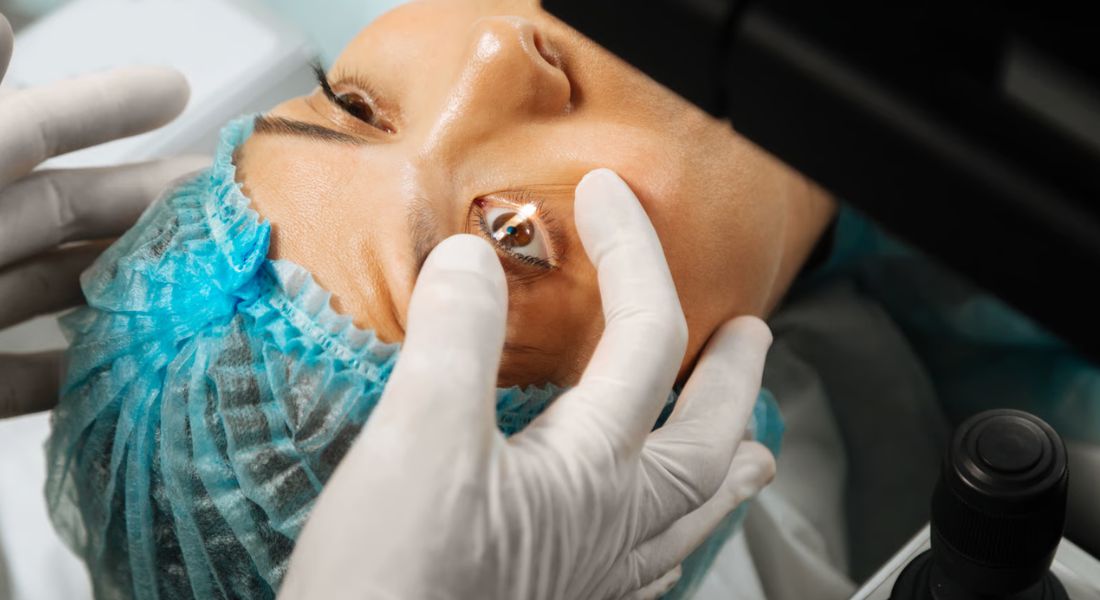
The treatment for retinal detachment depends on how advanced the condition is and whether the retina has fully detached or only developed a tear. The main aim is to reattach the retina and restore its function as quickly as possible. Early treatment offers the best chance of preserving your vision. Different approaches may be recommended based on your specific situation.
- Laser treatment for early tears: If the problem is detected early, before a full detachment occurs, laser therapy can be used to seal the tear. This helps prevent fluid from passing underneath the retina and stops the condition from progressing.
- Freezing treatment (cryopexy): In some cases, a freezing technique is used to create a seal around the tear. This works in a similar way to laser treatment by securing the retina in place.
- Surgical repair for advanced cases: When the retina has already detached, surgery is usually required. Procedures may include placing a small band around the eye (scleral buckle), removing the vitreous gel (vitrectomy), or using a gas bubble to hold the retina in position while it heals.
- Importance of timely intervention: The sooner treatment is carried out, the higher the likelihood of successful reattachment and visual recovery. Delays can reduce the chances of restoring full vision.
If you experience symptoms such as flashes, floaters, or a curtain over your vision, urgent assessment is essential. Prompt care can make a significant difference in protecting your eyesight.
Recovery After Treatment
Recovery after treatment depends on the specific procedure used and the severity of the condition, such as Retinal detachment. You may need time for healing, along with regular monitoring to ensure the retina remains stable. Follow-up appointments are an important part of this process. They allow your specialist to track your progress and address any concerns early.
Your vision may gradually improve as your eye heals, but recovery can vary from person to person. In some cases, vision returns close to normal, while in others it may remain affected. The outcome often depends on how quickly treatment was received and how much of the retina was involved. This is why early intervention is so important.
Following your doctor’s advice carefully can support the best possible recovery. This may include using prescribed medications, avoiding certain activities, and attending all follow-up visits. Proper aftercare helps optimise results and reduce the risk of complications. Careful management is essential to protect your long-term vision.
Risk Factors for Retinal Problems
Certain factors can increase your risk of developing retinal conditions such as Retinal detachment. Ageing is one of the most common, as changes in the eye over time can make the retina more vulnerable. High myopia (severe short-sightedness) is another important factor, as it can place additional strain on the retina. Previous eye surgery may also increase susceptibility in some cases.
You may be at higher risk if you have experienced eye trauma or injury. A family history of retinal problems can also play a role, suggesting a genetic predisposition. The level of risk varies from person to person, depending on these and other individual factors. Being aware of your personal risk profile is helpful.
Understanding these risk factors allows you to stay alert to early warning signs. This makes it easier to seek prompt medical attention if symptoms develop. Regular eye examinations can also support early detection. Awareness is an important first step in protecting your vision.
The Role of Ageing
As you get older, natural changes occur within your eyes that can increase the risk of problems such as Retinal Detachment. One of the most important changes involves the vitreous gel, a clear substance that fills the inside of your eye. Over time, this gel begins to shrink and can pull away from the retina. While these changes are common, they can sometimes lead to complications.
- Vitreous shrinkage and separation: With age, the vitreous gel becomes less firm and may detach from the retina. This process is known as posterior vitreous detachment and is a normal part of ageing.
- Increased traction on the retina: As the vitreous pulls away, it can place stress on the retina. In some cases, this traction may cause small tears to form.
- Risk of retinal tears and detachment: If a tear develops, fluid can pass underneath the retina, increasing the risk of detachment. Early detection is key to preventing progression.
- Importance of regular eye examinations: Routine eye checks help identify early changes before they become serious. Your eye specialist can monitor any risk factors and recommend timely treatment if needed.
Although age-related changes are natural, staying aware of symptoms and attending regular eye examinations can help protect your vision. Preventive care plays an important role in reducing long-term risk.
Impact of High Myopia
High myopia, or severe short-sightedness, is a significant risk factor for retinal conditions such as Retinal detachment. In high myopia, the eye is longer than normal in shape. This stretching places additional tension on the retina, making it more fragile over time. As a result, the retina becomes more susceptible to damage.
A thinner and more stretched retina is at greater risk of developing a Retinal tear. Even a small tear can allow fluid to pass underneath, potentially leading to detachment. Because of this increased vulnerability, early detection is especially important. Regular monitoring helps identify any changes before they progress.
If you have high myopia, it is important to remain particularly aware of symptoms such as flashes, floaters, or a curtain-like shadow in your vision. Recognising these signs early can make a crucial difference. Prompt assessment and treatment can help protect your vision and reduce the risk of serious complications.
Trauma and Eye Injury
Eye injuries can increase the risk of retinal problems, including Retinal detachment. Trauma to the eye may cause small tears in the retina or lead to separation from its underlying support layer. These changes do not always happen immediately. In some cases, symptoms may appear hours or even days after the injury.
You should seek an eye examination after any significant injury, even if your symptoms seem mild at first. Subtle signs can be easy to overlook, and damage inside the eye is not always visible without proper assessment. An eye specialist can check for issues such as a Retinal tear or internal bleeding. Early evaluation helps detect problems before they worsen.
Prompt assessment ensures that any damage is managed appropriately. This reduces the risk of long-term complications and helps protect your vision. If you notice new floaters, flashes, or any shadow in your vision after an injury, seek urgent care. Early action is key to preventing serious outcomes.
Importance of Regular Eye Checks

Routine eye examinations play a key role in detecting early signs of retinal conditions such as Retinal detachment. These checks are particularly important if you have risk factors like high myopia, a history of eye injury, or previous eye procedures. Identifying problems early can make a significant difference. Prevention is always better than dealing with advanced disease.
During an eye check, your practitioner can monitor subtle changes in the retina that you may not notice yourself. Early signs, such as small weak areas or a developing Retinal tear, can often be treated before they progress. Timely intervention helps reduce the risk of more serious complications. Regular assessments provide reassurance and support long-term eye health.
Staying proactive with your eye care helps protect your vision over time. Consistent check-ups ensure that any issues are detected and managed early. This approach supports better outcomes and reduces the likelihood of emergencies. Making eye examinations part of your routine is a simple but important step in preserving your sight.
When to Seek Emergency Care
You should seek emergency care immediately if you notice a curtain or shadow moving across your vision. This can be a warning sign of serious conditions such as Retinal detachment. It is important not to wait or hope the symptom will resolve on its own. Acting quickly can make a critical difference in preserving your sight.
Other symptoms also require urgent evaluation. These include flashes of light, a sudden increase in floaters, or any rapid change in your vision. Such signs may indicate a developing problem like a Retinal tear or another retinal issue. Even if the symptoms seem mild at first, they should not be ignored.
Prompt medical attention significantly improves outcomes. The earlier a problem is diagnosed and treated, the better the chances of protecting your vision. Delaying care increases the risk of permanent damage. If in doubt, it is always safer to treat the situation as an emergency and seek help straight away.
FAQs:
- What does a curtain over your vision mean?
If you notice a curtain or shadow across your vision, it may be a sign of a serious retinal problem. This symptom often suggests that part of your retina is not functioning properly. It can develop suddenly or gradually. You should seek urgent eye assessment as soon as possible. - Is a curtain over vision a medical emergency?
Yes, in most cases this symptom is considered an emergency. It is commonly linked to conditions such as retinal detachment, which require prompt treatment. Delaying care can increase the risk of permanent vision loss. It is always safer to act quickly and get checked. - Can this symptom happen suddenly?
Yes, a curtain over your vision can appear very suddenly without warning. In some cases, it may also develop gradually over hours or days. A sudden onset is often more urgent and concerning. Regardless of how it starts, you should seek immediate medical attention. - Will the shadow in your vision go away on its own?
No, this type of shadow usually does not resolve without treatment. It is often linked to an underlying issue that needs medical care. Waiting to see if it improves can make the condition worse. Prompt evaluation is essential to protect your vision. - What other symptoms might occur with it?
You may notice flashes of light or floaters before or alongside the shadow. These symptoms can indicate changes in the vitreous or stress on the retina. Sometimes, your vision may also become blurred or distorted. If you experience these together, the situation becomes more urgent. - Does a curtain over vision cause pain?
Most retinal conditions that cause this symptom are painless. You may not feel any discomfort even if the problem is serious. This can make it easy to underestimate the situation. That is why any sudden visual change should always be taken seriously. - Can both eyes be affected?
A curtain over vision usually affects one eye at a time. However, the other eye may still be at risk, especially if underlying factors are present. You should remain aware of any changes in either eye. Regular monitoring and check-ups can help detect issues early. - Who is most at risk of this condition?
You may be at higher risk if you are older or have high myopia (severe short-sightedness). Previous eye surgery or trauma can also increase your risk. In some cases, family history may play a role. Understanding your risk helps you respond quickly if symptoms appear. - How is the condition diagnosed?
An eye specialist will carry out a detailed examination of your retina. This often involves dilating your pupils to get a clear view inside the eye. Imaging tests may also be used to confirm the diagnosis. Early and accurate assessment is key to effective treatment. - Can your vision be saved?
In many cases, your vision can be preserved if treatment is given early. The outcome depends on how quickly the condition is diagnosed and managed. Delayed treatment reduces the chances of full recovery. Acting quickly gives you the best possible chance of a positive outcome.
Final Thoughts: Protect Your Vision Early
A curtain over your vision is not something you should ignore. It is often a warning sign of a serious retinal condition that requires urgent attention. Acting quickly can make a significant difference in preserving your sight and preventing long-term damage.
Understanding the symptoms and responding without delay puts you in the best position for a positive outcome. Even if the change in your vision seems mild or gradual, it is always safer to have it assessed promptly. Early diagnosis and treatment are key to protecting your eye health. If you’re exploring whether ophthalmologist in London could benefit you, get in touch with us at Eye Clinic London to schedule your consultation.
References:
- Mitry, D., Charteris, D.G. and Yorston, D. (2013) The epidemiology and socioeconomic associations of retinal detachment: a review, Eye. https://pmc.ncbi.nlm.nih.gov/articles/PMC3669491/
- Feltgen, N. and Walter, P. (2014) Rhegmatogenous retinal detachment—an ophthalmologic emergency, Deutsches Ärzteblatt International. https://pubmed.ncbi.nlm.nih.gov/24565273/
- Jalali, S. (2003) Retinal detachment, Community Eye Health Journal. https://pmc.ncbi.nlm.nih.gov/articles/PMC1705859/
- Zaidi, H. and Sridhar, J. (2025)
Optical coherence tomography in retinal detachment: diagnosis and monitoring, Diagnostics. https://www.mdpi.com/2075-4418/15/7/871 - Steel, D.H.W. (2014) Retinal detachment, BMJ Clinical Evidence. https://pmc.ncbi.nlm.nih.gov/articles/PMC3275330