


Acute Angle-Closure Glaucoma: Symptoms and Emergency Treatment

Acute angle-closure glaucoma is a serious eye condition that requires immediate medical attention. It happens when the drainage angle inside your eye suddenly becomes blocked, preventing fluid from draining properly. As a result, the pressure inside your eye rises very quickly. This rapid increase can become dangerous within a short period of time.
The sudden rise in intraocular pressure can damage the optic nerve if it is not treated promptly. You may experience intense symptoms that come on quickly, often without warning. These can include severe eye pain, blurred vision, headaches, nausea, or seeing halos around lights. Recognising these early signs is essential to prevent further harm.
Understanding when to seek urgent care can help protect your vision. This condition is considered a medical emergency and should never be ignored. If you notice any of these symptoms, you should seek immediate professional help. Prompt treatment is critical to reduce pressure and prevent permanent vision loss.
What Is Acute Angle-Closure Glaucoma?
Acute Angle-Closure Glaucoma is a serious eye condition that occurs when fluid inside your eye cannot drain properly. Normally, fluid flows through a drainage angle between the iris and the cornea. In this condition, that angle becomes blocked, causing fluid to build up quickly. As a result, pressure inside the eye rises rapidly. This condition is considered a medical emergency because of how suddenly it develops.
- Rapid increase in eye pressure: When the drainage angle is blocked, fluid cannot leave the eye as it should. This leads to a sharp rise in intraocular pressure, which can damage the optic nerve if not treated quickly.
- Sudden onset of symptoms: Unlike chronic forms of glaucoma that develop slowly, this condition appears suddenly. You may experience severe eye pain, blurred vision, headache, nausea, or seeing halos around lights.
- Usually affects one eye first: Although it can occur in both eyes, it often begins in one eye. The second eye may also be at risk, which is why careful monitoring is important.
- Requires immediate medical attention: Because the pressure builds quickly, prompt treatment is essential to prevent permanent vision loss. Early recognition and urgent care can protect your eyesight.
Understanding the signs and acting quickly can make a significant difference. If you notice sudden eye pain or vision changes, you should seek medical help immediately.
Why It Is a Medical Emergency
Acute angle-closure glaucoma is considered a medical emergency because of how quickly damage can occur inside your eye. When the pressure rises suddenly, it can begin to harm the optic nerve within hours. This nerve is essential for vision, and once damaged, the effects are often permanent. Acting quickly is therefore critical to protect your sight.
If treatment is delayed, the risk of irreversible vision loss increases significantly. The longer the pressure remains high, the more damage can occur. You may not have much time to wait and see if symptoms improve on their own. Seeking urgent care as soon as symptoms appear can make a major difference.
Emergency treatment focuses on lowering the eye pressure as quickly as possible. This helps protect the optic nerve from further harm. Doctors may use medications or procedures to relieve the pressure rapidly. Prompt medical attention greatly improves the chances of preserving your vision.
How Eye Pressure Builds Up
Your eye naturally produces a fluid called aqueous humour, which helps maintain its shape and nourish internal structures. Under normal conditions, this fluid drains through a small angle between the iris and cornea. This drainage system keeps the pressure inside your eye stable. When the process works properly, your vision remains clear and comfortable.
In Acute angle-closure glaucoma, this drainage angle suddenly becomes blocked. As a result, the fluid cannot escape as it should. This causes the pressure inside your eye to rise very quickly. The sudden increase is what makes the condition so serious.
Understanding how this happens helps explain why the symptoms can feel so intense. The rapid build-up of pressure can lead to severe eye pain, blurred vision, and other sudden changes. These symptoms are a direct response to the stress placed on the eye. Because of this, urgent medical attention is essential.
Early Warning Signs

The early signs of Acute angle-closure glaucoma can develop quickly and may feel quite intense. You might notice sudden eye discomfort, pressure, or mild blurring of your vision. These symptoms can escalate rapidly if the pressure continues to rise. Paying attention to these early changes is important.
Some people experience intermittent warning signs before a full attack occurs. You may have mild headaches, eye strain, or brief episodes of blurred vision that come and go. In some cases, you might also notice halos around lights, especially in low lighting. These early warnings should not be ignored, even if they seem temporary.
Recognising these symptoms early allows you to act quickly. Even subtle changes can indicate that pressure inside your eye is increasing. Seeking prompt assessment can help prevent a more severe episode. Early intervention plays a key role in protecting your vision.
Severe Eye Pain
Severe eye pain is one of the most noticeable and alarming symptoms of Acute Angle-Closure Glaucoma. The pain can come on suddenly and feel intense, often deep within the eye. You may also notice that it spreads to nearby areas, such as your forehead, temple, or even your jaw. This makes it particularly uncomfortable and difficult to ignore. The pain is caused by a rapid rise in pressure inside your eye.
- Sudden and intense discomfort: You may experience a sharp, severe pain that starts quickly and does not ease on its own. It often feels deeper than typical eye strain or irritation.
- Pressure-related cause: The discomfort happens because fluid cannot drain properly, leading to a build-up of pressure inside the eye. This pressure affects sensitive eye structures, causing significant pain.
- Pain may spread to surrounding areas: The sensation is not always limited to the eye itself. It can extend to your head or face, sometimes resembling a severe headache.
- Pain relief alone is not enough: Taking standard painkillers will not resolve the underlying issue. The pressure inside the eye must be reduced urgently by a medical professional.
If you experience sudden, severe eye pain, it is important to seek immediate medical attention. This symptom should never be ignored, as prompt treatment is essential to protect your vision.
Blurred Vision and Halos
Blurred vision is a common symptom of Acute angle-closure glaucoma. You may suddenly find it difficult to focus clearly, even on objects that are usually easy to see. This change can happen quickly and may feel alarming. It often signals that the pressure inside your eye is rising.
You might also notice halos around lights, especially in the evening or in dim conditions. These can appear as coloured rings or glare surrounding light sources. This effect is usually caused by swelling of the cornea due to increased eye pressure. It can make everyday activities like driving at night more difficult.
These visual disturbances are important warning signs that should not be ignored. They indicate that your eye is under stress from elevated pressure. Seeking urgent medical evaluation is essential to prevent further complications. Early treatment can help protect your vision.
Redness of the Eye
The affected eye often becomes noticeably red in Acute angle-closure glaucoma. This redness is caused by inflammation and the sudden increase in pressure inside your eye. You may find that it appears more intense than typical irritation. It can develop quickly alongside other symptoms.
Unlike mild redness from tiredness or dryness, this type is usually accompanied by significant discomfort or pain. You may feel a deep, aching sensation in the eye. This combination is a sign of a more serious underlying problem. It should not be dismissed as a minor issue.
Noticing redness along with symptoms such as blurred vision or halos can help you recognise the condition early. When several signs appear together, the urgency increases. Seeking prompt medical care is essential. Early treatment can help prevent lasting damage to your vision.
Headache and Facial Pain
In Acute Angle-Closure Glaucoma, a severe headache is a common and often distressing symptom. The pain may begin around the affected eye and then spread across your forehead or the side of your head. It can feel intense and persistent, making it difficult to focus on anything else. This discomfort is closely linked to the sudden rise in pressure inside your eye.
- Severe headache centred around the eye: You may notice a strong, throbbing pain that starts near the eye and radiates outward. It can sometimes feel like a migraine, but it is caused by increased eye pressure.
- Facial pain due to nerve involvement: The pressure inside your eye can affect nearby nerves, leading to pain that spreads to your face, temple, or jaw. This can make the discomfort feel more widespread and overwhelming.
- Combination of eye and head symptoms: When a headache occurs alongside eye pain, redness, or blurred vision, it is an important warning sign. These symptoms together suggest a more serious underlying issue.
- Need for urgent medical attention: This type of headache will not resolve with standard pain relief alone. Immediate treatment is required to reduce the pressure inside the eye and protect your vision.
If you experience a sudden, severe headache along with eye symptoms, you should seek medical care without delay. Early treatment is essential to prevent permanent vision damage.
Nausea and Vomiting
Nausea and vomiting can occur during an acute episode of Acute angle-closure glaucoma. These symptoms are often triggered by the intense eye pain and the sudden rise in pressure within your eye. Because they can feel similar to other conditions, they are sometimes overlooked. However, in this context, they are an important warning sign.
The combination of severe eye pain and nausea is particularly concerning. It may indicate that your body is reacting strongly to the increased pressure. You might also feel generally unwell or experience a headache at the same time. This pattern of symptoms should not be ignored.
If you experience these symptoms together, it is important not to delay seeking help. You should seek immediate medical attention, even if you are unsure of the cause. Prompt treatment can quickly reduce the pressure in your eye. Acting fast is essential to protect your vision.
Who Is at Risk?
Certain individuals are at a higher risk of developing Acute angle-closure glaucoma. Age is an important factor, particularly if you are over 50. Women are also more commonly affected than men. These factors can influence the structure of the eye and the likelihood of angle closure.
If you are long-sighted (hyperopic), you may have naturally narrower drainage angles in your eye. This can make it easier for the drainage pathway to become blocked. A family history of glaucoma may also increase your risk. These underlying factors can make you more susceptible to sudden pressure changes.
Understanding your personal risk can help you stay alert to early symptoms. Regular eye examinations are especially important if you fall into a higher-risk group. Your eye specialist can monitor your eye structure and identify any concerns early. Awareness is the first step in preventing serious complications.
The Role of Eye Anatomy

The structure of your eye plays an important role in the development of Acute Angle-Closure Glaucoma. Some people are naturally more at risk because of how their eyes are shaped. In particular, the space where fluid drains from the eye can be narrower than usual, making it easier for a blockage to occur. Certain natural changes in your eye can also increase this risk over time.
- Naturally narrow drainage angles: If the angle between your iris and cornea is already narrow, fluid may not drain as efficiently. This makes it easier for the angle to close suddenly, leading to a rapid rise in pressure.
- Changes in the lens with age: As you get older, the natural lens inside your eye can become thicker. This reduces the available space in the front part of the eye, increasing the chance of the drainage angle becoming blocked.
- Reduced space inside the eye: When the internal structures of your eye take up more space, the drainage pathway can become restricted. This creates conditions where pressure can build up more easily.
- Importance of recognising anatomical risk: Understanding your eye anatomy helps explain why some people are more vulnerable than others. Regular eye examinations can identify these risk factors early.
By recognising how your eye structure affects risk, you can take steps to monitor your eye health more closely. Early detection and preventive care can make a significant difference in protecting your vision.
Triggers for an Acute Attack
Certain factors can trigger an acute episode of Acute angle-closure glaucoma. One common trigger is sudden dilation of your pupil, which can happen in low-light environments such as dark rooms or at night. Emotional stress may also play a role by affecting how your body responds. These changes can narrow the drainage angle and increase pressure inside your eye.
Some medications can also increase your risk by influencing pupil size or fluid dynamics within the eye. This may include certain antihistamines, decongestants, or other drugs that affect the eye’s natural balance. Being aware of these potential triggers allows you to take precautions. It is always a good idea to inform your doctor about your risk before starting new medications.
Avoiding known triggers may help reduce the likelihood of an attack. However, it does not completely eliminate the risk, especially if your eye anatomy is predisposed to angle closure. Regular eye check-ups are essential to monitor any changes. Ongoing awareness and professional guidance can help you manage your risk more effectively.
Diagnosis and Eye Examination
Diagnosing Acute angle-closure glaucoma involves a detailed and thorough eye examination. Your doctor will measure the pressure inside your eye and assess the drainage angle where fluid normally flows out. These checks help confirm whether pressure has risen to a dangerous level. Identifying the issue quickly is essential for effective treatment.
Specialised instruments are used to examine the internal structures of your eye in detail. These may include imaging tools and a technique called gonioscopy, which allows the doctor to view the drainage angle directly. This provides a clear understanding of what is causing the blockage. Accurate assessment ensures the correct diagnosis is made.
Early evaluation plays a vital role in protecting your vision. Prompt diagnosis allows treatment to begin without delay, reducing the risk of complications. You benefit from faster relief of pressure and symptoms. Timely care greatly improves overall outcomes.
Immediate Treatment Options
Treatment for Acute angle-closure glaucoma focuses on lowering the pressure inside your eye as quickly as possible. You may be given medicated eye drops or oral medications to reduce fluid production and improve drainage. These treatments work together to bring the pressure down safely. The aim is to relieve stress on the optic nerve without delay.
In more severe cases, you may require intravenous medication for faster results. This type of treatment acts quickly to reduce pressure when symptoms are intense. You will usually be monitored closely while this is administered. Rapid stabilisation is essential to prevent further complications.
Immediate treatment is critical in this condition. Any delay can increase the risk of permanent damage to your vision. Acting quickly gives you the best chance of preserving your sight. Prompt medical care can make a significant difference to the outcome.
Laser Treatment for Angle Closure
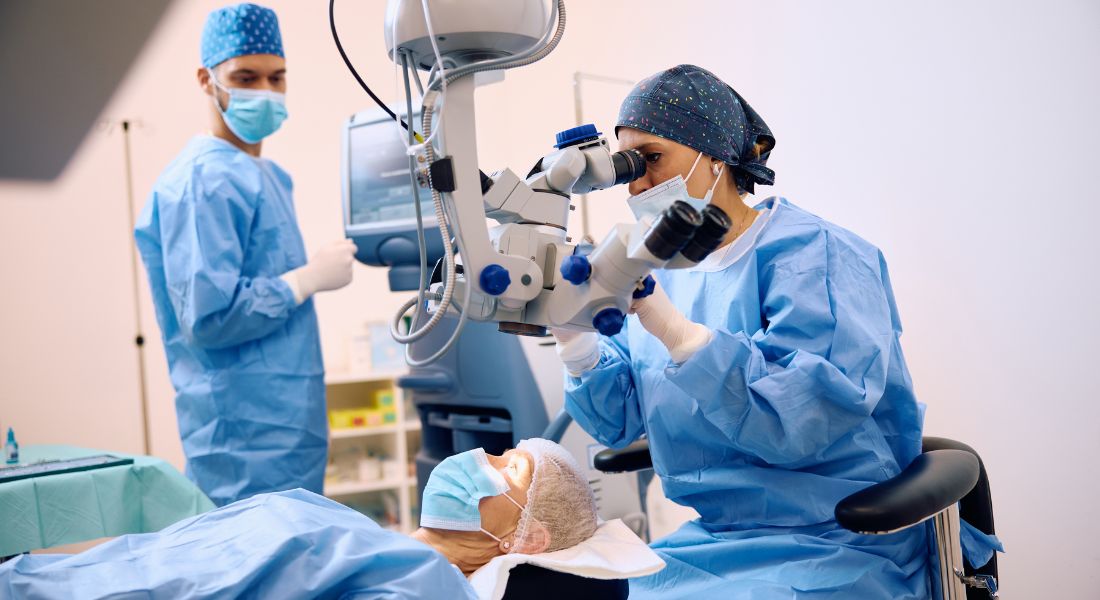
After the pressure inside your eye has been stabilised, laser treatment is often used to help prevent further problems in Acute Angle-Closure Glaucoma. The most common procedure is called Laser Iridotomy, which is designed to improve fluid drainage within the eye. This treatment works by creating a tiny opening in your iris.
- Creating a new drainage pathway: During the procedure, a laser is used to make a very small hole in the iris. This allows fluid to flow more freely between different parts of the eye, helping to reduce pressure.
- Preventing future attacks: By improving fluid movement, the procedure helps reduce the risk of another sudden increase in eye pressure. It is often recommended even if only one eye has been affected, as the other eye may also be at risk.
- Quick and minimally invasive procedure: Laser iridotomy is usually performed as an outpatient treatment. It takes only a short time, and most people can return home the same day.
- Important for long-term management: This procedure plays a key role in preventing recurrence and protecting your vision. Regular follow-up appointments help ensure that the opening remains effective.
With early intervention and proper care, laser treatment can significantly reduce the risk of future episodes and support long-term eye health.
Surgical Options in Severe Cases
In some cases of Acute angle-closure glaucoma, surgery may be required if medications alone are not enough to control the pressure. The aim of surgical treatment is to restore proper fluid drainage within your eye. By improving outflow, the pressure can be reduced more effectively. This helps protect the optic nerve from further damage.
There are different procedures available depending on the severity of your condition. A common option is laser peripheral iridotomy, which creates a small opening in the iris to improve fluid flow. In more complex cases, other surgical techniques may be considered. Your specialist will recommend the most suitable approach based on your eye structure and overall health.
Surgical treatment can play an important role in preventing further vision loss. It helps stabilise the condition and supports long-term eye health. With the right management plan, you can reduce the risk of future attacks. Careful follow-up ensures the best possible outcomes for your vision.
Recovery and Monitoring
After treatment for Acute angle-closure glaucoma, regular monitoring is essential to ensure your eye remains stable. Your doctor will check your eye pressure and assess overall eye health during follow-up visits. These checks help confirm that the pressure is under control. Ongoing assessment also allows any concerns to be identified early.
You may need to continue using prescribed eye drops or other medications to maintain the results. In some cases, additional procedures may be recommended to support long-term control of eye pressure. Following your treatment plan carefully is important for preventing recurrence. Consistency in care plays a key role in protecting your vision.
Recovery can vary depending on how quickly you received treatment. If the condition was managed early, the chances of a good outcome are much higher. Prompt intervention helps minimise damage to the optic nerve. Continued care and regular check-ups help safeguard your vision over time.
Preventing Future Attacks
Preventing future episodes of Acute angle-closure glaucoma involves ongoing monitoring and careful management. Laser treatment, such as a peripheral iridotomy, is often used to reduce the risk of another attack. This procedure helps improve fluid drainage within your eye. Regular eye examinations are also essential to ensure your eye pressure remains stable.
Avoiding known triggers can further lower your risk. You may be advised to be cautious in low-light conditions or when taking certain medications that affect pupil size. Staying aware of early symptoms allows you to act quickly if any changes occur. Small lifestyle adjustments can make a meaningful difference in prevention.
Staying informed about your condition is key to long-term eye health. Understanding how to manage risks helps you feel more confident in your care. Preventive strategies can reduce the likelihood of complications. With consistent follow-up and proper management, you can better protect your vision over time.
FAQs:
- What is acute angle-closure glaucoma?
Acute angle-closure glaucoma is a sudden eye condition where the drainage angle becomes blocked, causing a rapid increase in eye pressure. This pressure can damage the optic nerve very quickly if not treated. The condition develops suddenly and symptoms are usually severe. It is considered a medical emergency that requires immediate attention. - What are the first symptoms you may notice?
You may first notice sudden eye pain, blurred vision, or seeing halos around lights. Redness in the eye and a severe headache are also common early signs. These symptoms can develop quickly and worsen within hours. Recognising them early helps you seek urgent treatment. - Why is acute angle-closure glaucoma an emergency?
This condition is an emergency because it can cause permanent vision loss in a short time. The rapid rise in eye pressure can damage the optic nerve within hours. Delaying treatment significantly increases the risk of irreversible harm. Immediate care is essential to protect your vision. - What causes the sudden increase in eye pressure?
The pressure increases when the normal drainage pathway in your eye becomes blocked. This prevents fluid from leaving the eye as it should. As fluid builds up, pressure rises quickly. This sudden change leads to the severe symptoms associated with the condition. - Who is most at risk of developing this condition?
People over the age of 50 are more likely to develop acute angle-closure glaucoma. Women and individuals with long-sightedness also have a higher risk. A family history of glaucoma can increase your chances further. Certain eye structures, such as narrow drainage angles, make the condition more likely. - Can acute angle-closure glaucoma affect both eyes?
The condition usually starts in one eye, but the other eye may also be at risk. In many cases, doctors recommend preventive treatment for the unaffected eye. This helps reduce the chance of a future attack. Regular monitoring ensures both eyes remain healthy. - What should you do if you notice symptoms?
If you notice symptoms such as severe eye pain or sudden vision changes, you should seek medical help immediately. Do not wait to see if the symptoms improve on their own. Quick action can prevent permanent damage to your vision. Emergency treatment is always the safest approach. - How is acute angle-closure glaucoma treated?
Treatment focuses on lowering eye pressure as quickly as possible. This may involve eye drops, oral medications, or intravenous treatment in urgent cases. Once pressure is controlled, laser treatment is often used to improve fluid drainage. The exact approach depends on your individual condition. - Can this condition be prevented?
While it cannot always be prevented, early detection can significantly reduce the risk. Regular eye examinations help identify narrow angles before problems occur. Preventive laser treatment may be recommended in some cases. Avoiding known triggers can also help lower your risk. - Will your vision return to normal after treatment?
Your recovery depends on how quickly treatment is received. If treated early, vision can often be preserved or restored. However, delays in treatment may result in permanent vision loss. Prompt care gives you the best chance of a positive outcome.
Final Thoughts: Acting Quickly to Protect Your Vision
Acute angle-closure glaucoma is a true eye emergency that requires immediate attention to prevent permanent vision loss. The sudden onset of symptoms such as severe eye pain, blurred vision, and nausea should never be ignored. Acting quickly and seeking urgent care can make a significant difference in preserving your eyesight and preventing long-term damage.
With prompt diagnosis and appropriate treatment, including medication and laser procedures, the condition can be effectively managed. Understanding your risk factors and attending regular eye examinations can also help identify potential issues before they become serious. Being aware of early warning signs empowers you to take control of your eye health. If you’d like to find out whether glaucoma treatment in London is suitable for you, feel free to contact us at Eye Clinic London to arrange a consultation.
References:
- Azuara-Blanco, A., Burr, J., Ramsay, C., Cooper, D., Foster, P.J. and Friedman, D.S., 2016. Effectiveness of early lens extraction for the treatment of primary angle-closure glaucoma (EAGLE study). The Lancet, 388(10052), pp.1389–1397. https://pubmed.ncbi.nlm.nih.gov/27707497/
- Sun, X., Dai, Y., Chen, Y., Yu, D., Cringle, S.J. and Yu, P.K., 2017. Primary angle closure glaucoma: What we know and what we don’t know. Progress in Retinal and Eye Research, 57, pp.26–45. https://pmc.ncbi.nlm.nih.gov/articles/PMC5337134/
- Tham, Y.C., Li, X., Wong, T.Y., Quigley, H.A., Aung, T. and Cheng, C.Y., 2014. Global prevalence of glaucoma and projections of glaucoma burden through 2040. Ophthalmology, 121(11), pp.2081–2090. https://pubmed.ncbi.nlm.nih.gov/24974815/
- Wang, Y., Yan, L., Qin, Y. and Fan, F., 2025. Research progress of corneal characteristics and changes in primary angle-closure glaucoma. Biomedical Reports, 22(4), p.59. https://pmc.ncbi.nlm.nih.gov/articles/PMC11843189/
- Aiad, A., 2025. Acute angle-closure glaucoma as an ocular complication of dengue fever: A comprehensive review. Cureus, 17(4), e82119. https://pubmed.ncbi.nlm.nih.gov/40357076/