


Chemical Eye Burns: What to Do Immediately

Chemical eye burn is a serious medical emergency that requires immediate action. When harmful substances come into contact with your eye, they can begin to damage delicate tissues within seconds. The extent of injury depends on the type of chemical involved and how long it remains in contact with your eye. Acting quickly can make a significant difference to the outcome.
You may encounter chemical exposure in everyday situations, whether at home, at work, or during routine activities. Common sources include cleaning products, industrial chemicals, and even certain cosmetics. Because these risks are so widespread, it is important to be prepared. Knowing how to respond can help you act without hesitation.
Your immediate actions are crucial in protecting your vision. Prompt first aid, especially thorough rinsing of the eye, can reduce the severity of damage. Even a short delay can increase the risk of complications. Understanding what to do in those first moments is essential for preserving eye health.
What Is a Chemical Eye Burn?
A Chemical eye burn occurs when a harmful substance comes into contact with your eye. This can affect the surface, such as the cornea, or in more serious cases, deeper structures. The severity can range from mild irritation to significant damage. How serious it becomes often depends on the type of chemical and how quickly it is treated.
Chemicals can disrupt the natural balance of your eye very quickly. They may damage cells and tissues within seconds of exposure. Some substances, particularly strong acids or alkalis, can penetrate deeper into the eye. This can lead to more severe injury if not managed promptly.
Understanding the nature of the injury helps guide the correct treatment. Not all chemical burns behave in the same way, so the response may vary. Early and accurate assessment is essential to reduce damage. Acting quickly gives you the best chance of protecting your vision.
Types of Chemicals That Cause Burns
Chemical burns to the eye can happen when harmful substances come into contact with its delicate surface. These injuries are often caused by either acids or alkalis, and both can lead to serious damage if not treated quickly. Understanding the type of chemical involved helps guide the right treatment and improves outcomes. Different chemicals affect the eye in different ways.
- Alkali substances (more dangerous): Alkalis are usually more harmful because they can penetrate deeper into the eye. They break down tissues quickly and may continue to cause damage even after the initial contact. Common examples include cleaning products, detergents, and industrial chemicals.
- Acidic substances: Acids can also cause significant injury, although they tend to affect the surface layers of the eye more than deeper tissues. Examples include battery acid or certain household cleaners. Despite being less penetrating, they still require urgent medical attention.
- Severity depends on exposure: The extent of damage depends on how strong the chemical is and how long it stays in contact with the eye. Immediate rinsing can reduce the severity of the injury.
- Importance of identifying the chemical: If possible, you should inform medical professionals about the substance involved. This information helps them choose the most appropriate treatment and manage the injury effectively.
If a chemical comes into contact with your eye, it is important to rinse it with clean water immediately and seek medical care without delay. Prompt action can significantly reduce the risk of long-term damage.
Why Immediate Action Is Critical
With a Chemical eye burn, time is the most important factor. The longer a chemical remains in contact with your eye, the more damage it can cause. Harmful substances can begin affecting delicate tissues within seconds. Acting immediately helps reduce the extent of injury.
Delaying treatment can increase the risk of permanent vision loss. Early intervention limits how deeply the chemical can damage your eye. You may not feel the full effect straight away, but damage can still be progressing. This is why a rapid response is essential.
Even a delay of a few minutes can make a significant difference. Starting first aid straight away improves your chances of a better outcome. You should never wait for symptoms to worsen before taking action. Quick and decisive steps can help protect your vision.
First Step: Start Rinsing Immediately
If you experience a Chemical eye burn, the first and most important step is to rinse your eye straight away. Use clean water or a saline solution if you have it available. This helps dilute the chemical and wash it out of your eye. Acting quickly can significantly reduce the extent of damage.
You should not delay rinsing while trying to seek medical help. Immediate flushing is the priority in those first moments. Continue rinsing your eye for several minutes to ensure as much of the chemical as possible is removed. Even a short delay can allow the substance to cause further harm.
Make sure the water flows gently across your eye. Avoid using high pressure, as this can irritate or damage the eye further. Let the water run from the inner corner to the outer side to carry the chemical away. Proper and thorough rinsing is one of the most effective ways to protect your vision.
How to Rinse the Eye Properly
If a chemical gets into your eye, immediate and thorough rinsing is the most important first step. Acting quickly can help reduce the amount of damage and protect your vision. You should begin flushing your eye with clean water as soon as possible, even before seeking medical help. Follow these steps to rinse your eye effectively.
- Position your head correctly: Tilt your head so the affected eye is lower than the unaffected one. This helps prevent the chemical from flowing into the other eye. Allow water to run from the inner corner of your eye outward.
- Keep your eyelids open: Try to hold your eyelids open while rinsing. This ensures that water reaches all parts of the eye, including areas where the chemical may be trapped.
- Blink to help clear debris: Blinking gently during rinsing can help wash away any remaining particles or residue from the surface of your eye.
- Rinse for a sufficient amount of time: Continue flushing your eye for at least 15 to 20 minutes. In more severe cases, longer rinsing may be necessary to fully remove the chemical.
Thorough and continuous rinsing is essential to minimise injury. After flushing your eye, you should seek medical attention immediately, even if the discomfort begins to improve.
Removing Contact Lenses Safely
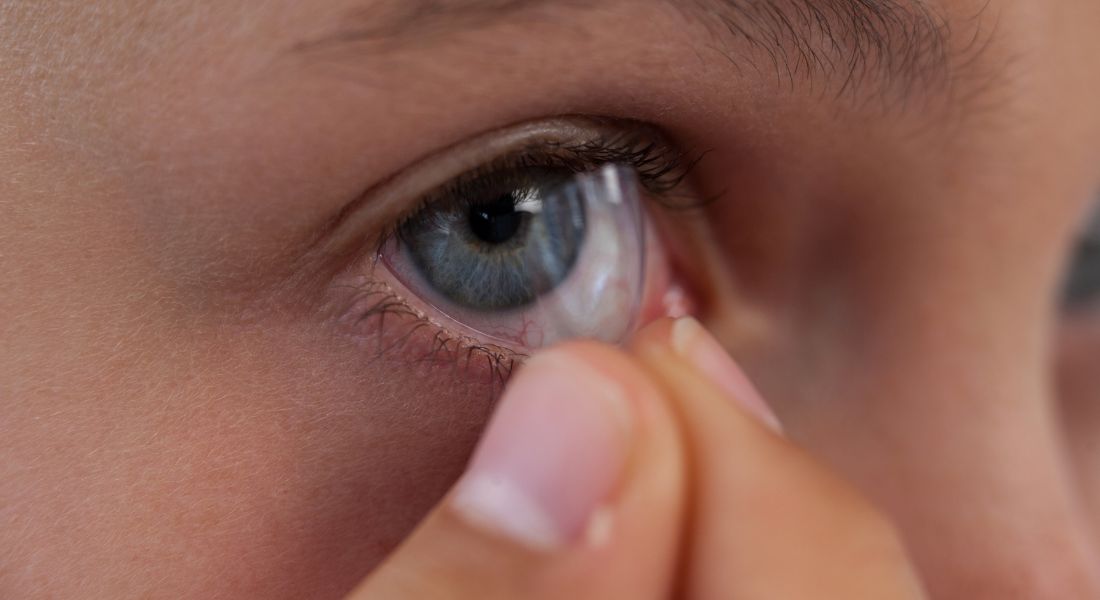
If you are wearing contact lenses during a Chemical eye burn, they should be removed as soon as possible. Contact lenses can trap the chemical against the surface of your eye, allowing it to remain in contact for longer. This can increase the severity of the injury. Removing them helps reduce continued exposure.
However, you should not delay rinsing your eye in order to remove the lenses. Start flushing your eye immediately, even if the lenses are still in place. In many cases, the lenses may come out on their own during rinsing. If they do not, you can gently remove them while continuing to flush your eye.
After the lenses are removed, continue rinsing thoroughly. This helps ensure that any remaining chemical is washed away. Taking these steps promptly can significantly reduce the risk of further damage. Proper and timely care is essential for protecting your vision.
Avoiding Harmful Actions
After a Chemical eye burn, it is important to avoid actions that could make the injury worse. You should not rub your eye, even if it feels uncomfortable or irritated. Rubbing can spread the chemical across the surface and increase the damage. It may also cause additional irritation to already sensitive tissues.
You should also avoid using any substances other than clean water or saline unless advised by a medical professional. Home remedies or unverified solutions can react with the chemical and cause further harm. Sticking to proper first aid methods is the safest approach. Keeping your response simple and effective is key.
Avoid covering your eye tightly, as this can trap any remaining chemical and prolong exposure. If needed, you can gently shield the eye without applying pressure. The goal is to protect the area while allowing it to recover. Preventing further irritation is an important part of early care.
Recognising Symptoms of Chemical Burns
Chemical burns to the eye can cause symptoms very quickly after exposure. In many cases, you will notice discomfort almost immediately. Recognising these signs early helps you act fast and reduce the risk of serious damage. The symptoms can vary depending on the type of chemical and the severity of exposure.
- Immediate pain and irritation: You may feel a burning or stinging sensation in your eye. This discomfort can range from mild irritation to severe pain, depending on the extent of the injury.
- Redness and blurred vision: The eye often becomes red and inflamed. You might also notice that your vision becomes blurry or unclear shortly after exposure.
- Swelling and difficulty opening the eye: In more severe cases, the eyelids may swell, making it hard to keep your eye open. This can make rinsing and examination more challenging.
- Sensitivity to light (photophobia): Bright light may feel uncomfortable or painful. You may prefer to keep your eye closed or avoid well-lit environments.
- Symptoms that worsen quickly: Chemical injuries can progress rapidly if not treated. Pain, redness, and vision problems may intensify over time.
If you notice any of these symptoms after a chemical exposure, you should rinse your eye immediately and seek medical care without delay. Early action is critical to protect your vision and prevent long-term complications.
When to Seek Urgent Medical Care

After a Chemical eye burn, you should always seek medical attention, even if your symptoms seem mild at first. Some types of damage may not be immediately visible, but can worsen over time. A professional assessment ensures that any hidden injury is identified early. This helps prevent complications later on.
If you experience severe pain, blurred vision, sensitivity to light, or persistent irritation, you should seek urgent care straight away. These symptoms may indicate a deeper or more serious injury to your eye. You should not wait to see if they improve on their own. Immediate evaluation is essential in these situations.
Prompt medical care allows for appropriate treatment and monitoring. Your doctor may prescribe medication or take further steps to protect your eye. Early intervention significantly reduces the risk of long-term damage. Acting quickly gives you the best chance of preserving your vision.
What Happens at the Hospital
If you attend hospital after a Chemical eye burn, your eye will be examined carefully by a specialist. The doctor will assess how much damage has occurred and which parts of the eye are affected. This evaluation helps determine the most appropriate treatment for you. A thorough examination is essential to guide the next steps.
In many cases, additional rinsing of your eye will be carried out, even if you have already flushed it. Special sterile solutions may be used to ensure that all traces of the chemical are removed. This step is important for preventing ongoing damage. The goal is to clean the eye as completely as possible.
Your doctor may also perform tests to check your overall eye health. These can include measuring your vision, assessing the surface of the eye, and checking internal structures. The results provide valuable information about the severity of the injury. Accurate diagnosis allows for effective and targeted treatment.
Role of pH Testing
After a Chemical eye burn, doctors may check the pH level of your eye to assess whether any chemical remains. This is done using small test strips that measure how acidic or alkaline the surface of your eye is. A normal, balanced pH suggests that the chemical has been effectively washed away. This step helps confirm that initial treatment has been successful.
If the pH is still outside the normal range, further irrigation will be needed. Your eye may be flushed repeatedly until the pH returns to a safe level. This ongoing monitoring ensures that no harmful substance is left behind. It also reduces the risk of continued tissue damage.
pH testing plays an important role in guiding treatment decisions. It allows doctors to adjust care based on how your eye responds. By confirming when the eye has stabilised, it supports safer and more effective management. This careful approach helps protect your vision.
Managing Severe Chemical Burns
Severe chemical burns to the eye require urgent and specialised care. In these cases, the injury may affect not only the surface but also deeper structures within the eye. The main goal of treatment is to protect the eye, restore function, and preserve as much vision as possible. Management often involves a combination of advanced treatments.
- Intensive medical therapy: Stronger medications may be used to control inflammation, prevent infection, and support healing. These treatments are often given more frequently and monitored closely by your doctor.
- Specialised procedures or surgery: In more serious cases, surgical intervention may be needed to repair damaged tissues. This can include procedures to restore the eye surface or improve its structure.
- Impact on deeper eye structures: When deeper layers of the eye are affected, vision may be reduced. The extent of recovery depends on how severe the damage is and how quickly treatment begins.
- Long-term management and follow-up: Recovery from a severe burn can take time. You may need ongoing treatment and regular check-ups to monitor healing and manage any lasting effects.
Prompt medical attention plays a crucial role in improving outcomes. Early and appropriate care can reduce complications and increase the chances of preserving your vision. Specialist supervision is essential throughout the recovery process.
Healing and Recovery Process
Recovery after a Chemical eye burn depends on how severe the injury is. Mild burns may heal relatively quickly, often within a few days, while more serious injuries can take longer and require ongoing care. Your eye needs time to repair delicate tissues. Being patient during this process is important.
Following your doctor’s advice closely will support proper healing. You may be asked to avoid activities that strain your eyes, such as prolonged screen use or exposure to bright light. Protecting your eye from further irritation, including dust or wind, is also essential. Good aftercare can make a noticeable difference to your recovery.
Regular follow-up appointments help ensure that your eye is healing as expected. Your doctor can monitor progress and identify any complications early. If needed, your treatment plan can be adjusted to support better outcomes. Ongoing care plays a key role in preserving your vision.
Medications Used in Treatment
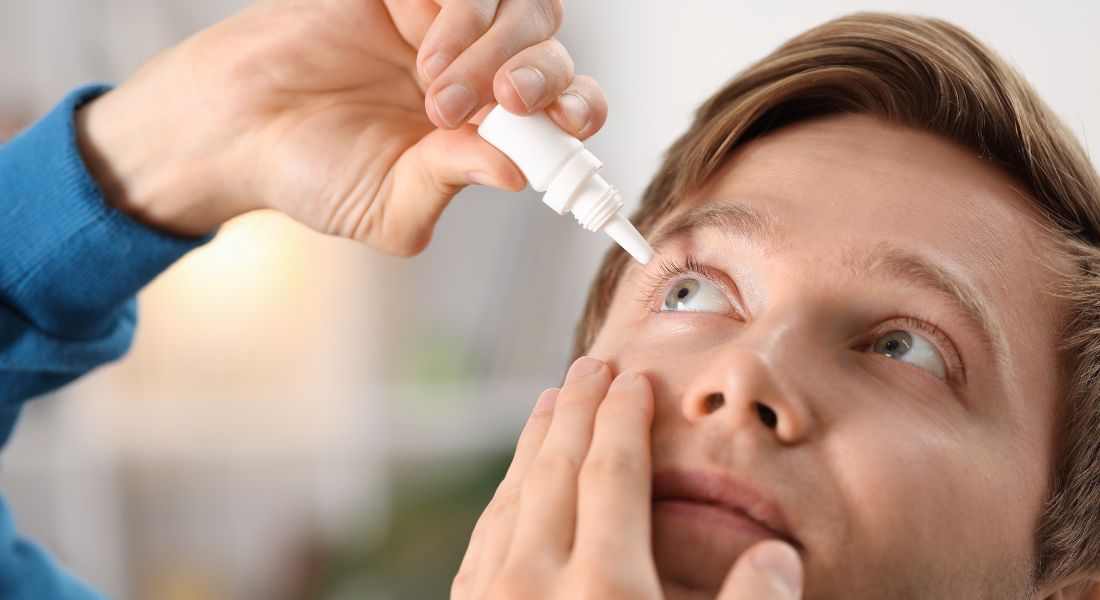
Treatment for a Chemical eye burn often includes medications to reduce inflammation and support healing. These are usually given as eye drops, which act directly on the surface of your eye. They help calm irritation and protect damaged tissues. Using them as directed is important for recovery.
Your doctor may also prescribe antibiotic eye drops or ointments to prevent infection. When the surface of your eye is damaged, it becomes more vulnerable to bacteria. You may also receive medication for pain relief to keep you comfortable during healing. Each treatment is chosen to address a specific aspect of the injury.
Following your prescribed treatment plan carefully is essential. Skipping doses or stopping early can slow healing or increase the risk of complications. Consistent use of medication helps your eye recover more effectively. Proper care plays a key role in restoring your eye health.
Possible Complications
Complications can develop after a Chemical eye burn, especially if treatment is delayed or incomplete. In more serious cases, the surface of your eye may scar, which can affect how clearly you see. Severe injuries can also lead to partial or permanent vision loss. This is why early and effective treatment is so important.
You may also experience ongoing symptoms such as dryness, irritation, or sensitivity to light. These can persist even after the initial injury has healed. Managing these symptoms often requires continued care and follow-up with your doctor. Proper treatment helps keep your eye comfortable and supports long-term health.
Understanding these potential complications highlights why prompt action matters. The sooner you begin first aid and receive medical care, the lower the risk of lasting damage. Prevention starts with recognising the urgency of the situation. Acting quickly gives you the best chance of protecting your vision.
Preventing Chemical Eye Injuries
Preventing a Chemical eye burn starts with taking simple but effective safety measures. Wearing protective eyewear, such as safety goggles, can significantly reduce your risk of exposure. This is especially important if you work in environments where chemicals are used regularly. Even at home, protection can make a real difference.
Being cautious when handling household or industrial chemicals is equally important. You should always read labels and follow safety instructions carefully. Avoid splashing liquids and make sure containers are used and stored properly. Staying aware of potential risks helps you act more carefully.
Small precautions can go a long way in protecting your eyes. You may not think about eye safety every day, but it plays a vital role in preventing serious injury. Taking a few extra steps can help you avoid emergencies altogether. Prevention is always better than treatment when it comes to eye health.
The Importance of Workplace Safety
Workplace environments often involve some level of risk, particularly where chemicals are used regularly. Taking steps to prevent a Chemical eye burn is essential for protecting your vision. You should always follow established safety protocols and wear appropriate protective equipment, such as safety goggles or face shields. These measures act as a first line of defence against accidental exposure.
Training and awareness also play a key role in reducing the risk of injury. You benefit from understanding how to handle chemicals safely and how to respond in an emergency. Both employers and employees share responsibility for maintaining safe practices. Clear procedures and regular training can help prevent accidents before they occur.
Maintaining a safe working environment supports both individual and collective wellbeing. Being prepared for potential hazards ensures you can act quickly if something goes wrong. Awareness of risks helps you make safer decisions in your daily tasks. Strong safety practices ultimately lead to better outcomes for everyone involved.
FAQs:
- What is a chemical eye burn?
A chemical eye burn occurs when a harmful substance comes into contact with the eye and damages its surface or deeper tissues. The severity can vary depending on the type of chemical and how long it remains in contact with the eye. Some burns cause mild irritation, while others can lead to serious vision problems. Immediate action is essential to reduce harm. - What should you do first after a chemical gets into your eye?
You should start rinsing your eye immediately with clean water or saline solution. This helps dilute and remove the chemical as quickly as possible. Do not wait or delay rinsing while seeking help. Acting quickly can significantly reduce the risk of serious damage. - How long should you rinse your eye after a chemical exposure?
You should rinse your eye for at least 15 to 20 minutes continuously. In some cases, longer rinsing may be needed depending on the severity of exposure. It is important to keep the eye open during rinsing to ensure all areas are cleaned. Thorough flushing helps remove any remaining chemical particles. - Should you remove contact lenses after a chemical eye burn?
Yes, contact lenses should be removed as soon as possible because they can trap chemicals against the eye. However, you should not delay rinsing to remove them. Start flushing your eye immediately and remove the lenses during the process if you can. This helps reduce further exposure and damage. - What symptoms might you experience after a chemical eye burn?
You may experience symptoms such as pain, redness, blurred vision, and irritation. In more severe cases, swelling and sensitivity to light can occur. Some people also find it difficult to open their eye. Symptoms can worsen quickly, so prompt action is important. - When should you seek medical attention?
You should always seek medical attention after a chemical eye burn, even if symptoms seem mild. Some damage may not be immediately visible. Severe pain, vision changes, or ongoing discomfort require urgent care. A professional assessment ensures proper treatment and reduces complications. - Are all chemicals equally dangerous to the eye?
No, different chemicals affect the eye in different ways. Alkali substances are generally more dangerous because they penetrate deeper into the eye. Acids tend to affect the surface but can still cause serious damage. Regardless of the type, all chemical exposures should be treated as emergencies. - What treatments are used after a chemical eye injury?
Treatment usually involves further rinsing, medications, and careful monitoring. Doctors may prescribe eye drops to reduce inflammation and antibiotics to prevent infection. In more severe cases, additional procedures may be required. The treatment plan depends on the extent of the injury. - Can a chemical eye burn cause permanent damage?
Yes, a chemical eye burn can cause permanent damage if not treated promptly. This may include scarring or long-term vision loss. However, quick and appropriate first aid can significantly reduce these risks. Early medical care gives the best chance of recovery. - How can you prevent chemical eye injuries?
You can reduce the risk by wearing protective eyewear when handling chemicals. Always follow safety instructions for cleaning products and industrial substances. Being cautious in both home and work environments is important. Prevention is the most effective way to protect your eye health.
Final Thoughts: Protecting Your Eyes Through Quick Response
Chemical eye burns are true medical emergencies where every second matters. Immediate rinsing and prompt medical care can make a significant difference in preserving your vision and preventing long-term damage. Understanding the right first aid steps and recognising when to seek urgent help empowers you to respond effectively in a stressful situation.
While many chemical exposures can be managed successfully with quick action, delays in treatment can lead to serious complications. This is why awareness, preparation, and access to professional care are so important. If you ever experience a chemical eye injury, prioritise immediate flushing and seek expert evaluation without hesitation. If you’d like to find out whether eye specialist in London is suitable for you, feel free to contact us at Eye Clinic London to arrange a consultation.
References:
- Singh, P., Tyagi, M., Kumar, Y., Gupta, K.K. and Sharma, P.D. (2013) ‘Ocular chemical injuries and their management’, Oman Journal of Ophthalmology, 6(2), pp. 83–86. https://pmc.ncbi.nlm.nih.gov/articles/PMC3779420/
- Žemaitienė, R. et al. (2024) ‘Public awareness of ocular chemical injuries: A cross-sectional study’, Clinics and Practice, 15(2), p. 35. https://www.mdpi.com/2039-7283/15/2/35
- Eslani, M., Baradaran-Rafii, A., Movahedan, A. and Djalilian, A.R. (2014) ‘The ocular surface chemical burns’, Journal of Ophthalmology. https://pubmed.ncbi.nlm.nih.gov/25105018/
- Shen, J., Fang, W., Jin, X.H., Yao, Y.F. and Li, Y.M. (2015) ‘Sympathetic ophthalmia caused by a severe ocular chemical burn’, International Journal of Clinical and Experimental Medicine. https://pubmed.ncbi.nlm.nih.gov/25932266/
- Eslani, M. et al. (2014) ‘The ocular surface chemical burns’, Journal of Ophthalmology. https://pmc.ncbi.nlm.nih.gov/articles/PMC4106115/