


Eye Injury: What to Do Immediately After Trauma
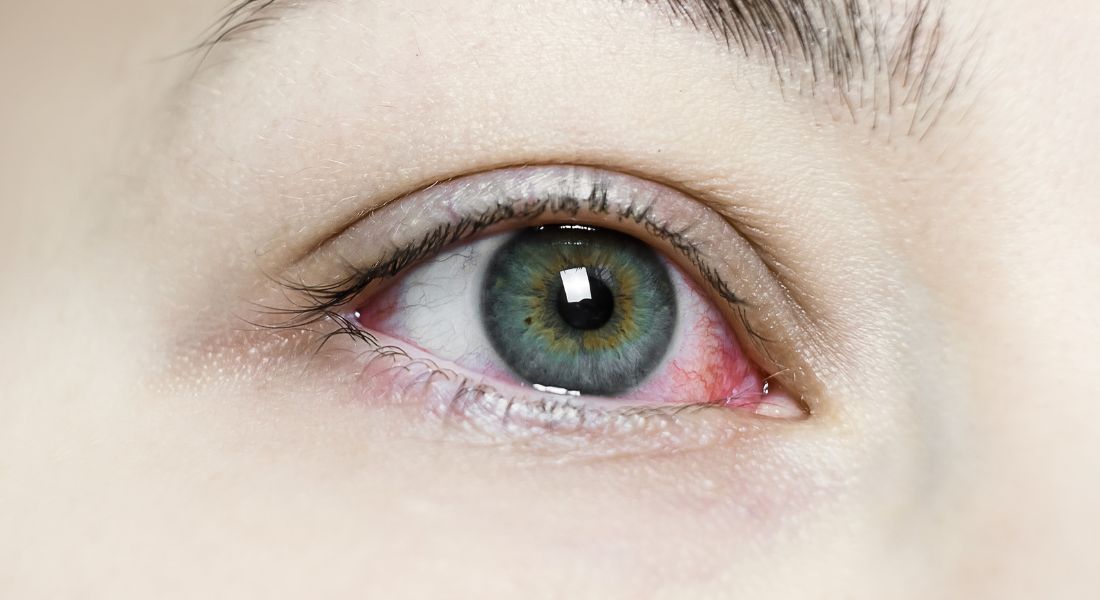
Eye injuries can occur suddenly and range from minor irritation to serious damage affecting structures like the Cornea or deeper tissues. Whether caused by an accident, a foreign object, or chemical exposure, knowing how to respond quickly can make a significant difference to your outcome.
Your immediate actions after an injury are crucial. Simple first aid such as avoiding rubbing the eye, gently rinsing it if needed, or shielding it from further harm can help prevent complications. Injuries like a Corneal abrasion may seem minor but can worsen without proper care. Acting promptly reduces the risk of infection and long-term damage.
Understanding the type of injury and recognising warning signs such as pain, blurred vision, or light sensitivity (Photophobia) helps you respond appropriately. Being prepared ensures you take the right steps in an emergency. When in doubt, seeking immediate medical attention is always the safest choice to protect your vision.
Common Types of Eye Injuries
Eye injuries can vary from minor surface problems to more serious damage affecting deeper structures. The type of injury you experience will influence both the symptoms you notice and the treatment you need. Understanding these differences can help you recognise when to seek prompt care. Each type of injury affects the eye in a different way.
- Surface injuries (corneal abrasions): A scratch on the surface of your eye, known as a Corneal abrasion, is one of the most common eye injuries. It can cause pain, redness, tearing, and light sensitivity. Although often minor, it still requires proper care to prevent infection.
- Blunt trauma: This occurs when your eye is hit by an object, such as a ball or hand. It may lead to bruising, swelling, or internal damage. Even if the injury looks mild externally, deeper structures of the eye may be affected.
- Penetrating injuries: These are more serious and involve an object entering the eye. They can cause significant damage to internal structures and require immediate emergency care to protect your vision.
- Injuries affecting deeper structures: Some injuries may impact the lens, retina, or other internal parts of the eye. These can lead to vision changes, pain, or long-term complications if not treated quickly.
Recognising the type of injury you may have is important, but it’s not always easy to assess severity on your own. If you experience pain, vision changes, or persistent symptoms after an eye injury, it’s essential to seek professional evaluation to ensure the right treatment and protect your eyesight.
Why Immediate Action Matters
Acting quickly after an eye injury is essential because the eye is a delicate structure that can be damaged easily, especially areas like the Cornea. Even a minor delay can allow the injury to worsen or increase the risk of complications, particularly if there is exposure to dirt, chemicals, or sharp objects.
Immediate first aid such as gently rinsing the eye, avoiding rubbing, or protecting it from further harm can significantly reduce the risk of infection and additional damage. Injuries like a Corneal abrasion can deteriorate quickly without prompt care, potentially affecting your vision.
Understanding how important timing is encourages you to act without hesitation. Every moment counts when it comes to protecting your eyesight. A quick and appropriate response can make the difference between a full recovery and long-term complications.
First Step: Stay Calm and Assess
The first step after an eye injury is to remain calm. Panic can lead to rushed actions that may worsen the situation, especially when delicate structures like the Cornea are involved. Taking a moment to steady yourself allows you to respond more carefully and effectively.
Look for visible signs such as redness, swelling, bleeding, or any foreign object in the eye. Pay close attention to changes in your vision, including blurriness, double vision, or light sensitivity (Photophobia). These observations help you understand the severity of the injury and guide your next steps.
Avoid acting too quickly without assessing the situation. For example, rubbing the eye or attempting to remove a deeply embedded object can cause further harm. A calm and thoughtful approach ensures safer decisions and helps protect your vision.
Avoid Rubbing the Eye
If your eye feels irritated or injured, it can be very tempting to rub it. However, doing so can cause more harm than good. Rubbing puts pressure on the surface of your eye and may worsen the underlying problem, especially if there is a scratch or a foreign particle present. Taking a cautious approach can help protect your eye and support healing.
- Worsening surface damage: If you have a small scratch, such as a Corneal abrasion, rubbing can make it deeper or larger. This can increase pain and slow down the healing process.
- Pushing debris further into the eye: If dust or a small particle is present, rubbing may push it deeper into the eye rather than removing it. This can lead to more irritation and potential injury.
- Increasing the risk of infection: Your hands may carry bacteria, which can be transferred to your eye when you touch or rub it. This increases the chance of developing an infection.
- Protecting the eye during recovery: Avoiding unnecessary contact allows the eye to heal naturally. If irritation persists, it’s better to use recommended treatments, such as lubricating drops, or seek professional care.
Keeping your hands away from your eyes is a simple but important step in preventing further damage. Gentle care and timely medical advice can make a significant difference in protecting your vision.
Handling Foreign Objects
If a foreign object enters your eye, avoid trying to remove it forcefully. The eye is extremely sensitive, particularly the Cornea, and improper handling can cause further damage or lead to a Corneal abrasion.
In many cases, blinking naturally may help dislodge small particles such as dust or debris. If this does not work, you can gently rinse the eye with clean water or saline to flush out the object. It is important not to use sharp tools, fingers, or cotton buds, as these can worsen the injury.
If the object does not come out easily, or if it is embedded, seek medical help immediately. Professional removal is the safest option and reduces the risk of infection or complications. Taking the right steps early helps protect your vision and supports proper healing.
Rinsing the Eye Safely
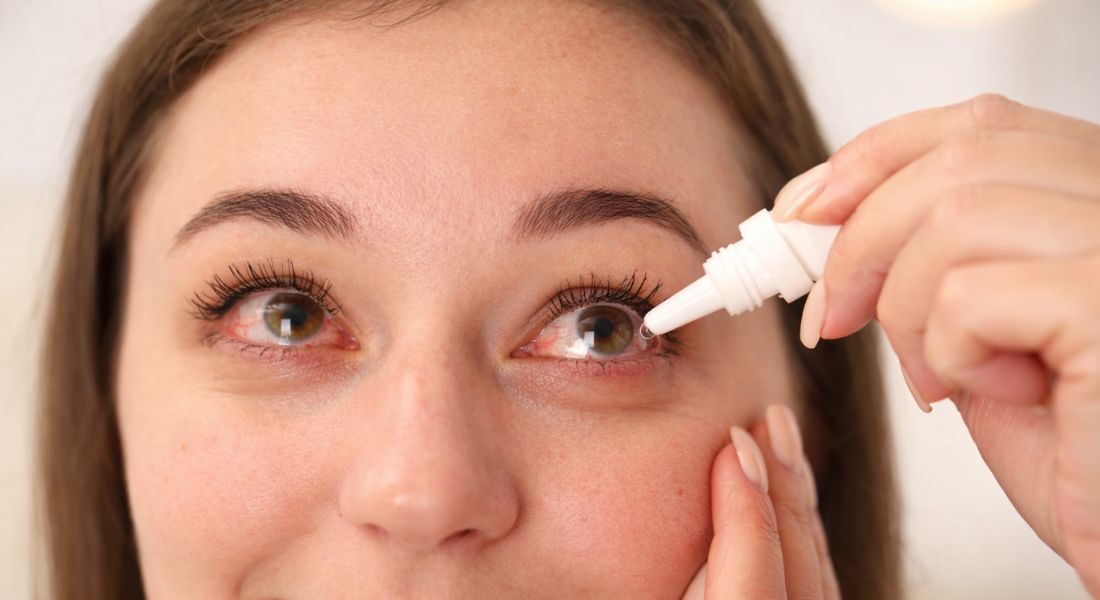
Rinsing your eye is an effective way to remove irritants or small particles, especially when the surface of the Cornea is involved. Using clean water or a sterile saline solution helps flush out debris and reduces irritation.
Tilt your head to the side and allow the liquid to flow gently across the eye from the inner corner outward. Avoid applying pressure or rubbing, as this can worsen irritation or cause injury such as a Corneal abrasion. Gentle, steady rinsing is usually sufficient.
Always ensure the water or solution is clean. Contaminated water can introduce bacteria and increase the risk of infection. Safe and careful rinsing supports recovery and helps protect your eye from further harm.
What to Do After Chemical Exposure
Chemical eye injuries require immediate action to protect sensitive structures like the Cornea. The first and most important step is to rinse the eye thoroughly with clean water or saline for several minutes. This helps dilute and wash away the harmful substance.
Do not delay rinsing while trying to seek help. Immediate flushing should always be your priority, even before contacting a medical professional. The sooner the chemical is removed, the lower the risk of serious damage.
After thorough rinsing, seek urgent medical care straight away. Chemical exposure can lead to significant injury and complications if not properly treated. Prompt professional assessment ensures the best possible outcome and helps protect your vision.
Managing Blunt Trauma
Blunt trauma to the eye can occur after impact from an object and may affect both the surface and deeper structures of the eye. This can lead to bruising, swelling, or internal issues such as Hyphema, where blood collects inside the eye. Symptoms can vary from mild discomfort to blurred vision or pain.
Applying a cold compress gently over the closed eyelid can help reduce swelling and discomfort. It is important to avoid pressing directly on the eye, as this can worsen any underlying injury. Keeping the head elevated can also help minimise swelling.
Even if symptoms appear mild, you should seek medical evaluation. Some internal injuries are not immediately visible but can become serious if left untreated. Early assessment ensures any hidden damage is identified and managed promptly, helping to protect your vision.
Recognising a Corneal Abrasion
A Corneal abrasion is a scratch on the clear surface at the front of your eye. Even though it may sound minor, it can feel quite painful because this area is very sensitive. You might notice discomfort straight away, especially after something has come into contact with your eye. The symptoms are often noticeable and can affect your daily activities.
- Pain and a gritty sensation: You may feel as though something is stuck in your eye, even if nothing is visible. This sensation can make blinking uncomfortable and persistent.
- Redness and watering: Your eye may appear red and start to water excessively. This is your eye’s natural response as it tries to protect and heal the surface.
- Sensitivity to light: Bright light may feel uncomfortable or even painful. You might prefer to keep your eye closed or avoid well-lit environments.
- Caused by minor trauma or debris: Corneal abrasions often occur after small injuries, such as a fingernail scratch or a particle of dust entering the eye. Even minor incidents can lead to significant irritation.
If you suspect a corneal abrasion, it’s important not to rub your eye. Seeking medical advice ensures that the scratch is assessed properly and treated to prevent infection. With early care and the right treatment, most abrasions heal quickly and without long-term problems.
Signs of a Serious Eye Injury
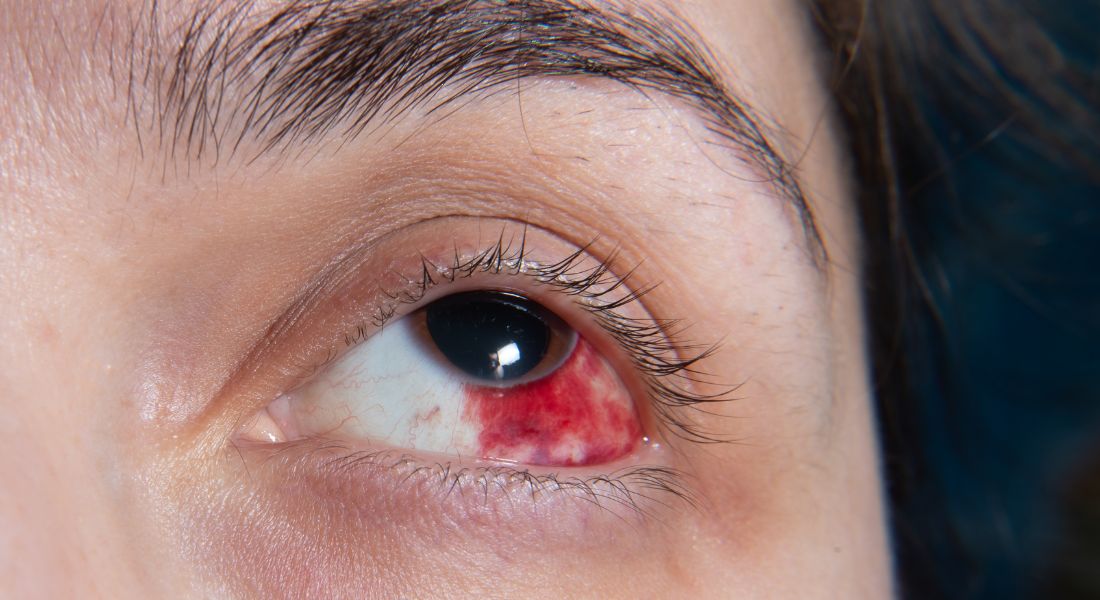
If you injure your eye, it’s important to recognise when the situation may be more serious. While minor injuries can settle with simple care, certain symptoms suggest deeper damage that requires urgent medical attention. Acting quickly can help protect your vision and prevent long-term complications. Some warning signs should never be ignored.
- Severe pain or sudden vision loss: Intense pain or a noticeable drop in vision can indicate significant damage to the eye. These symptoms may involve internal structures and need immediate assessment.
- Bleeding in or around the eye: Visible blood, whether on the surface or inside the eye, is a sign of trauma that requires urgent care. It may be linked to internal injury.
- Swelling or visible deformity: If your eye or surrounding area appears swollen, misshapen, or different from normal, it could suggest structural damage. This should be evaluated straight away.
- Difficulty opening the eye: If you are unable to open your eye due to pain or sensitivity, it may indicate a more serious issue that needs prompt medical attention.
Recognising these symptoms early allows you to act without delay. If you experience any of these signs, seek emergency care immediately. Quick treatment can make a crucial difference in preserving your eyesight and overall eye health.
When Vision Is Affected
Changes in your vision after an eye injury should always be taken seriously. You may notice blurring, double vision, or even partial loss of sight. Symptoms like sudden double vision (Diplopia) are particularly concerning and require urgent medical attention.
Vision changes often indicate deeper internal damage, potentially involving the Retina or the Optic nerve. These structures are essential for sight, and injury to them can have serious consequences if not treated promptly.
Do not wait to see if symptoms improve on their own. Immediate assessment allows for accurate diagnosis and timely treatment, which can significantly improve outcomes. Protecting your vision should always be the top priority after any eye injury.
Protecting the Eye After Injury
After an eye injury, protecting the eye is essential to prevent further damage, especially to delicate structures like the Cornea. Avoid touching, rubbing, or applying any pressure, as this can worsen the injury or introduce infection.
You can place a clean, loose shield or cover over the eye to protect it from external contact. Avoid tight bandages or anything that presses against the eye, as pressure may aggravate underlying issues such as a Corneal abrasion or internal injury.
Keeping the eye protected supports the healing process and reduces the risk of complications. Simple, careful measures can make a significant difference in recovery. Proper protection is a key part of effective first aid.
Why You Should Avoid Home Remedies
Home remedies are not recommended for eye injuries because they can introduce bacteria or irritants into already sensitive structures like the Cornea. Substances that are not sterile or medically approved may worsen the condition rather than help it.
Using unverified treatments can also delay proper care. For example, an untreated Corneal abrasion or infection can deteriorate quickly if not managed correctly. This delay increases the risk of complications, including infection or long-term vision problems.
It is always safer to seek professional medical advice instead of relying on home solutions. Evidence-based treatment ensures the best possible outcome and helps protect your vision. Avoiding unnecessary risks is key to proper recovery.
The Role of an Eye Examination
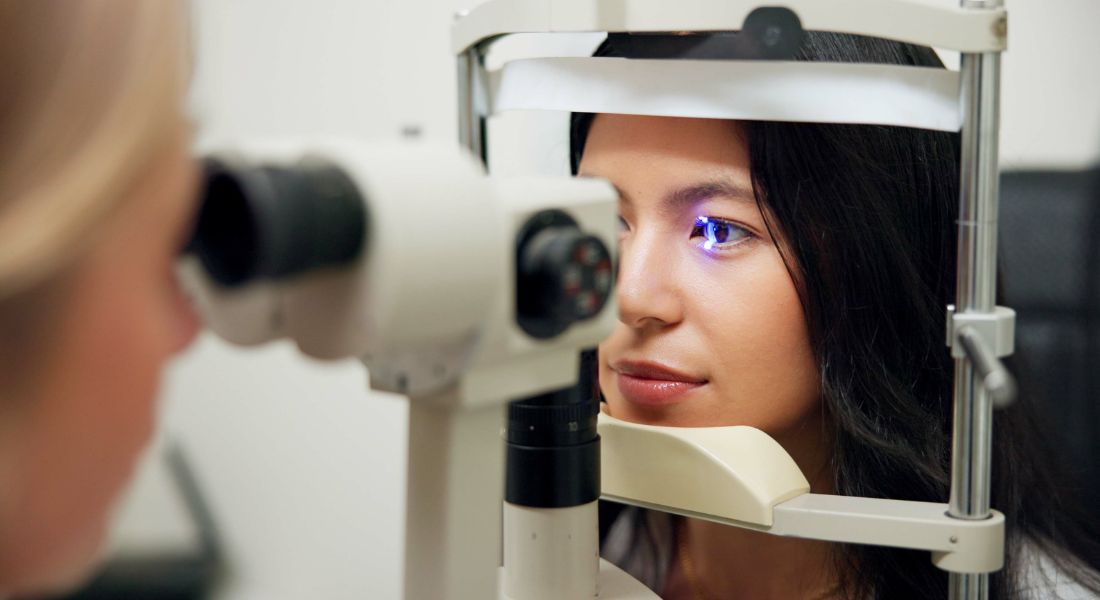
After an eye injury, having a professional eye examination is essential. Even if the injury seems minor, there may be underlying damage that is not immediately visible. A thorough assessment helps your doctor understand exactly what has been affected and ensures you receive the right treatment as early as possible. Different parts of your eye need to be examined carefully to rule out serious issues.
- Detailed assessment of eye structures: Your doctor will examine the front and back of your eye, including the cornea, lens, and retina. This helps identify any scratches, swelling, or deeper damage that could affect your vision.
- Use of specialised instruments: Tools such as a slit lamp allow your doctor to view your eye in high detail. These instruments make it easier to detect subtle injuries that may not be visible during a basic check.
- Evaluation of internal eye health: In some cases, additional tests may be used to check internal structures and eye pressure. This ensures that no hidden complications are missed.
- Guiding the right treatment plan: The findings from your examination help determine the most appropriate treatment. Whether you need medication, monitoring, or further intervention, accurate diagnosis is key.
Seeking an early eye examination after an injury can make a significant difference to your recovery. Prompt evaluation allows for timely treatment, helping to protect your vision and reduce the risk of long-term complications.
Treatment Options for Eye Injuries
Treatment for an eye injury depends on its type and severity, so an accurate assessment is essential. Minor injuries, such as irritation or a small Corneal abrasion, may only require medicated eye drops, lubrication, or short-term observation. More serious injuries affecting structures like the Retina may need urgent specialist care or surgery.
Infections are typically treated with antibiotic, antiviral, or antifungal medications, depending on the cause. Inflammatory conditions may require targeted therapies such as steroid drops to reduce swelling and discomfort. Each condition is managed differently, which is why personalised care from an eye specialist is so important.
Following your treatment plan closely supports proper healing and reduces the risk of complications. Skipping medication or follow-up appointments can delay recovery or worsen the condition. Consistent care and adherence to medical advice give you the best chance of a full recovery and long-term eye health.
Recovery and Healing Process
Recovery after an eye injury can vary widely depending on how severe the damage is and which structures are involved. Minor issues, such as a small Corneal abrasion, may heal within a few days, while more serious injuries affecting areas like the Retina can take longer and may require ongoing care. Being patient with the process is important for proper healing.
Following your doctor’s advice closely can help speed up recovery and reduce the risk of complications. This may include using prescribed medications, avoiding eye strain, and protecting the eye from further injury. Simple steps like resting your eyes and avoiding rubbing them can make a meaningful difference.
Regular follow-up appointments ensure your progress is monitored and any issues are identified early. Ongoing care allows adjustments to your treatment if needed, helping you achieve the best possible outcome. Consistent attention and proper care support long-term eye health and recovery.
Preventing Future Eye Injuries
Prevention plays a vital role in protecting your vision and overall eye health. Wearing appropriate protective eyewear during activities such as sports, construction work, or DIY tasks can significantly reduce the risk of injury, particularly to delicate structures like the Cornea. Taking simple precautions in high-risk environments makes a meaningful difference.
Being cautious around chemicals, sharp objects, and tools is equally important. Always use safety measures such as goggles when handling hazardous substances to avoid emergencies like Chemical eye injury. Staying aware of your surroundings and potential risks helps prevent accidents before they happen.
Regular eye check-ups also support long-term eye health by identifying potential issues early. Prevention and routine monitoring work together to reduce the likelihood of serious problems. Protecting your eyes with consistent care and awareness is essential for maintaining clear and healthy vision.
FAQs:
- What should I do immediately after an eye injury?
The first step is to stay calm and assess the situation. Avoid touching or rubbing your eye, as this can worsen the injury. If possible, gently rinse the eye with clean water and seek medical advice promptly. - When should I seek urgent medical attention for an eye injury?
You should seek immediate care if you experience severe pain, vision changes, bleeding, or if something is stuck in your eye. Chemical exposure and high-impact injuries also require urgent evaluation. Acting quickly helps prevent serious complications. - Is it safe to rinse my eye after an injury?
Yes, rinsing your eye with clean water or saline can help remove irritants or small particles. Make sure the water is clean and allow it to flow gently across the eye. Avoid applying pressure while rinsing. - What should I do if something gets stuck in my eye?
Do not attempt to remove it yourself, especially if it is embedded. Blinking or gentle rinsing may help with small particles. If it does not come out, seek professional medical help immediately. - How do I handle a chemical splash in the eye?
Rinse your eye immediately with plenty of clean water for at least 10–15 minutes. Do not delay flushing while looking for help. After rinsing, seek urgent medical attention to prevent long-term damage. - Can I rub my eye if it feels irritated after an injury?
No, rubbing your eye can worsen the injury or push debris deeper. It may also increase the risk of infection. Keeping your hands away from the eye is essential for protection. - What are the signs of a serious eye injury?
Warning signs include severe pain, blurred or lost vision, bleeding, swelling, or difficulty opening the eye. These symptoms may indicate deeper damage. Immediate medical assessment is necessary. - Can a minor eye injury heal on its own?
Some minor injuries, such as small corneal abrasions, may heal naturally with proper care. However, it is still advisable to have the eye checked. This ensures there are no complications or hidden damage. - Should I cover my eye after an injury?
Yes, lightly covering the eye with a clean shield can help protect it from further harm. Avoid applying pressure or using tight bandages. Gentle protection is recommended until you receive medical care. - How can I prevent eye injuries in the future?
Wearing protective eyewear during risky activities is one of the best ways to prevent injuries. Being cautious with chemicals and sharp objects also reduces risk. Regular eye check-ups help maintain overall eye health.
Final Thoughts: Acting Fast to Protect Your Vision
An eye injury can be alarming, but knowing how to respond quickly can make a significant difference to your recovery. From avoiding rubbing the eye to rinsing it safely and seeking timely medical care, each step plays a vital role in preventing further damage. Even injuries that seem minor at first can develop into more serious problems if left untreated.
Paying attention to warning signs such as pain, vision changes, or sensitivity to light helps you recognise when urgent care is needed. Acting promptly not only protects your vision but also reduces the risk of long-term complications. If you’re ever unsure, it is always safer to have your eyes examined by a specialist. If you’d like to find out whether ophthalmologist in London is suitable for you, feel free to contact us at Eye Clinic London to arrange a consultation.
References:
- Pirlet, F. and Flament, J. (2025) ‘Penetrating orbital injury: A narrative review for emergency clinicians’, Healthcare, 13(2), p. 98. https://www.mdpi.com/2227-9032/13/2/98
- Jung, H.C. et al. (2021) ‘Intraocular foreign body: Diagnostic protocols and treatment strategies in ocular trauma patients’, Journal of Clinical Medicine, 10(9), p. 1861. https://pubmed.ncbi.nlm.nih.gov/35773155/
- Négrel, A.D. and Thylefors, B. (1998) ‘The global impact of eye injuries’, Ophthalmic Epidemiology, 5(3), pp. 143–169. https://pubmed.ncbi.nlm.nih.gov/9805347/
- Idrees, L. et al. (2024) ‘Assessment of medical students’ knowledge of ocular first aid during trauma’, Cureus, 16(1), e51843. https://pmc.ncbi.nlm.nih.gov/articles/PMC10848282/
- Wu, C.H. et al. (2024) ‘Urgent management of penetrating ocular injury’, Journal of Acute Medicine, 14(1), pp. 39–41. https://pmc.ncbi.nlm.nih.gov/articles/PMC10933586/