


Sudden Vision Loss in One Eye: Causes and When to Seek Urgent Care

Sudden vision loss in one eye can feel frightening, and it is something you should always take seriously. You might notice a rapid drop in clarity, a dark shadow, blurred areas, or even complete loss of sight within minutes or hours. These changes often point to a problem that needs immediate medical attention. Acting quickly can make a real difference in protecting your vision.
Unlike gradual vision changes, sudden loss usually signals an acute issue affecting the eye, retina, or optic nerve. Possible causes include conditions such as Retinal Detachment, where the retina pulls away from its normal position, or Optic Neuritis, which involves inflammation of the optic nerve. Other causes can include blocked blood flow to the eye or internal bleeding. Some of these conditions are treatable, but they often require urgent care.
Understanding the warning signs helps you respond without delay. If you notice sudden vision loss, flashes of light, a curtain-like shadow, or severe blurring, you should seek immediate medical help. Do not wait to see if it improves on its own. Early diagnosis and treatment are often the key to preserving your eyesight and preventing long-term damage.
What Is Considered Sudden Vision Loss?
Sudden vision loss refers to a rapid change in your sight that happens over seconds, minutes, or within a few hours. You may notice blurred vision, a missing area in your field of view, or even complete darkness in one eye. The change is usually very noticeable and can feel alarming because it happens without warning. This is very different from the slow changes you might expect with normal ageing.
Unlike gradual vision problems, sudden loss often points to an acute issue affecting your eye or the visual pathway. This could involve the retina, blood supply, or optic nerve. Conditions such as Retinal Detachment or Retinal Artery Occlusion are examples where vision can change very quickly. Because these situations can progress rapidly, immediate medical evaluation is essential.
Even if your vision improves or returns after a short time, you should not ignore the episode. Temporary symptoms can still be a warning sign of an underlying problem that needs attention. Getting a prompt assessment helps identify the cause and reduces the risk of permanent damage.
Why Sudden Vision Loss Is a Medical Emergency
Sudden vision loss can be a warning sign of a serious problem affecting your eye or nervous system. In some situations, permanent damage can develop within hours if treatment is delayed. This is why doctors treat it as a medical emergency rather than something to monitor at home. Acting quickly gives you the best chance of protecting your eyesight.
Certain conditions require urgent care, such as Retinal Artery Occlusion, where blood flow to the retina is blocked, or Retinal Detachment, where the retina pulls away from its normal position. Both can lead to irreversible vision loss if not treated promptly. Early intervention can sometimes restore or preserve vision, depending on how quickly care is provided.
If you notice sudden changes in your vision, you should seek immediate medical attention. Waiting to see if symptoms improve on their own can increase the risk of lasting damage. Even if the symptoms seem mild or temporary, it is always safer to have them assessed straight away. Quick action is one of the most important steps you can take to protect your vision.
Retinal Detachment
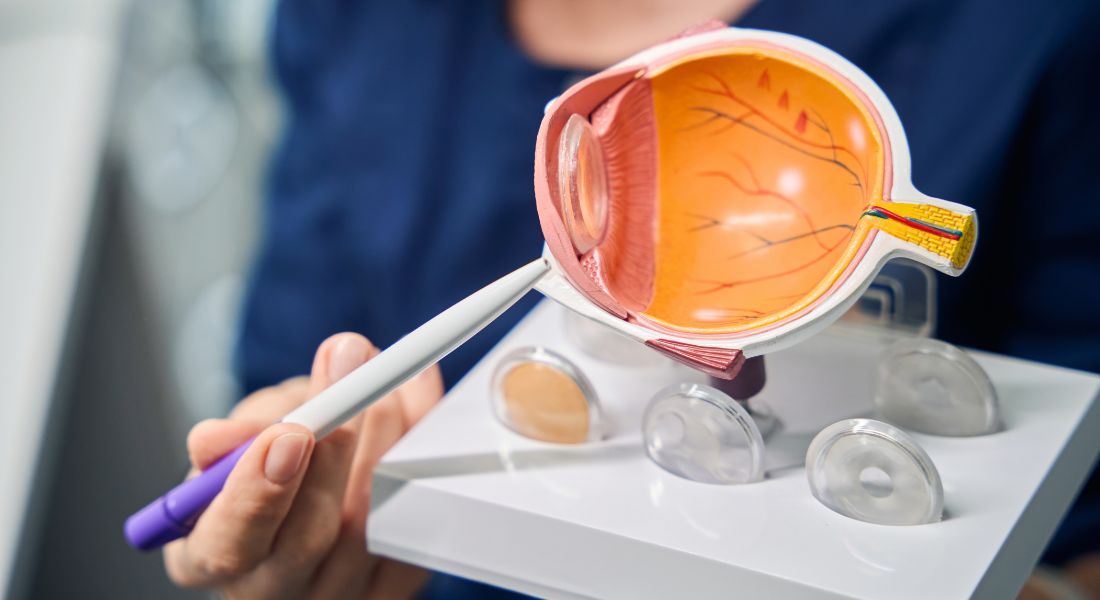
Retinal detachment happens when the retina the light-sensitive layer at the back of your eye pulls away from its normal position. This separation interrupts its blood supply and stops it working properly. If it isn’t treated quickly, it can lead to permanent loss of vision in the affected eye. The symptoms often appear suddenly and can worsen over a short period.
- Flashes and floaters: You may notice sudden flashes of light or a rise in floaters, which look like small specks or threads drifting across your vision. These signs often indicate traction on the retina.
- Shadow or curtain-like effect: A dark shadow or grey curtain may begin to spread across your field of vision. It can start at the side and gradually move inward, suggesting that the detachment is progressing.
- Sudden visual disturbance: Your vision may become blurred, distorted, or partially blocked. These changes can develop quickly, sometimes within hours.
- Urgent need for treatment: Retinal detachment is a medical emergency. Treatment usually involves surgery to reattach the retina and restore function. The sooner you receive care, the better the chances of preserving your sight.
If you experience any of these symptoms, you should seek immediate medical attention. Acting quickly can make a crucial difference in protecting your vision.
Retinal Artery Occlusion
Retinal Artery Occlusion is often described as a “stroke of the eye” because it involves a sudden blockage of blood flow to the retina. The retina depends on a constant blood supply to function properly, so when this flow is interrupted, vision can be affected immediately. You may experience sudden, painless vision loss in one eye without any warning signs.
In most cases, the vision loss is severe and happens almost instantly. You might notice that your vision becomes very dim or disappears completely in the affected eye. Because the retina is highly sensitive to a lack of oxygen, this condition requires urgent medical evaluation. The sooner you receive care, the better the chances of limiting permanent damage.
This condition is often linked to underlying cardiovascular issues, such as high blood pressure, cholesterol problems, or circulatory disorders. Identifying and managing these risk factors is an important part of your care. Prompt treatment not only addresses the eye condition but can also help reduce the risk of further complications elsewhere in your body.
Retinal Vein Occlusion
Retinal Vein Occlusion occurs when blood cannot drain properly from the retina. This blockage leads to a build-up of pressure, causing swelling and affecting how clearly you can see. The condition may develop suddenly or over a short period of time. As the retina becomes swollen, its ability to process visual information is reduced.
The level of vision loss can vary depending on how severe the blockage is. You might notice blurred or distorted vision, dark patches, or a general reduction in clarity in one eye. In some cases, vision loss can be more significant. Because symptoms can differ from person to person, it is important to have any sudden change assessed promptly.
Treatment focuses on reducing the swelling in the retina and managing any underlying health conditions that may have contributed to the blockage. Early intervention can help stabilise your vision and improve outcomes. You may also need regular follow-up appointments to monitor your eye health and prevent further complications.
Optic Neuritis
Optic neuritis occurs when the optic nerve becomes inflamed. This nerve carries visual information from your eye to your brain, so when it is affected, the transmission of signals is disrupted. As a result, you may experience sudden vision loss, usually in one eye. The symptoms can develop over a few days and may feel quite noticeable.
- Eye pain, especially with movement: You may feel discomfort or pain when you move your eye. This is a common early sign and often accompanies the visual changes.
- Reduced or altered vision: Vision may become blurred or dim, and in some cases, it can worsen over several days before stabilising.
- Changes in colour perception: Colours may appear faded, dull, or less vivid than usual. This can make everyday visual tasks feel different or more difficult.
- Association with underlying conditions: Optic neuritis is sometimes linked to autoimmune conditions, where the body’s immune system mistakenly attacks its own tissues. Your doctor may recommend further evaluation if needed.
Treatment often focuses on reducing inflammation, sometimes using medications such as steroids. Recovery varies from person to person many people experience significant improvement over time, although some visual changes may persist. If you notice these symptoms, it’s important to seek medical advice promptly so the cause can be assessed and managed appropriately.
Vitreous Haemorrhage
Vitreous Haemorrhage occurs when bleeding takes place inside your eye, specifically within the vitreous gel that fills the space between the lens and the retina. When blood enters this area, it blocks light from reaching the retina properly. As a result, you may experience sudden changes in your vision.
You might notice dark spots, floaters, or a shadowy haze across your sight. In more severe cases, your vision can become significantly reduced or even appear very dim. The onset often feels sudden, which can be alarming. These symptoms can vary depending on how much bleeding has occurred.
Common causes include conditions such as diabetes, eye injury, or retinal tears. Treatment depends on identifying and managing the underlying cause. In some cases, the blood may gradually clear on its own over time. However, it is still important to have your eyes examined promptly to ensure there are no serious underlying issues that need treatment.
Acute Angle-Closure Glaucoma
Acute Angle-Closure Glaucoma is a condition where the pressure inside your eye rises rapidly. This happens when fluid cannot drain properly from the eye, leading to a sudden build-up of pressure. If not treated quickly, this pressure can damage the optic nerve and affect your vision. It is considered a true medical emergency.
You may experience severe eye pain along with blurred vision or seeing halos around lights. Other symptoms can include a red eye, headache, nausea, or a general feeling of being unwell. These symptoms often come on suddenly and can worsen quickly. Because the condition progresses rapidly, recognising these signs is important.
Immediate treatment is needed to lower the pressure in your eye and prevent further damage. Without prompt care, permanent vision loss can occur within a short time. If you notice these symptoms, you should seek urgent medical attention straight away. Early intervention is critical to protecting your vision.
Transient Vision Loss (Amaurosis Fugax)
Amaurosis fugax is a temporary loss of vision in one eye, often described as a curtain or shadow briefly passing over your sight. These episodes usually last a few minutes before your vision returns to normal. Although the symptoms may resolve quickly, they should never be ignored. This condition is often a warning sign rather than a harmless event.
- Brief but noticeable vision loss: You may suddenly lose vision in one eye, either partially or completely. The effect can feel like a dark veil or curtain moving across your field of view, then lifting again.
- Reduced blood flow to the eye: Amaurosis fugax is commonly caused by a temporary reduction in blood flow to the retina. This can occur due to small clots or narrowing in blood vessels supplying the eye.
- Possible link to stroke risk: Because it may involve disrupted blood flow, this condition can be associated with an increased risk of stroke. It is often considered a warning sign that needs urgent evaluation.
- Need for prompt medical assessment: Even though your vision returns, you should seek urgent medical advice. Your doctor may recommend tests to identify the underlying cause and start preventative treatment if needed.
Early action is essential. By addressing the cause promptly, you can reduce the risk of more serious complications and protect both your vision and overall health.
Migraines and Visual Disturbances
Some migraines can affect your vision as well as causing headache. You may notice flashing lights, zigzag patterns, blind spots, or blurred areas in your sight. These symptoms are often linked to Migraine with Aura and typically develop gradually before resolving within about an hour. Although they can feel unsettling, they are usually temporary.
Unlike many other causes of sudden vision loss, migraine-related visual changes are generally reversible. Your vision should return to normal once the episode passes. However, the experience can still be distressing, especially if it happens for the first time. Keeping track of when these episodes occur can help identify patterns and triggers.
If your symptoms are new, more intense than usual, or different from previous episodes, it is important to seek medical advice. This helps rule out more serious causes such as Retinal Detachment or vascular problems. An accurate diagnosis ensures that you receive the right guidance and reassurance.
Eye Trauma
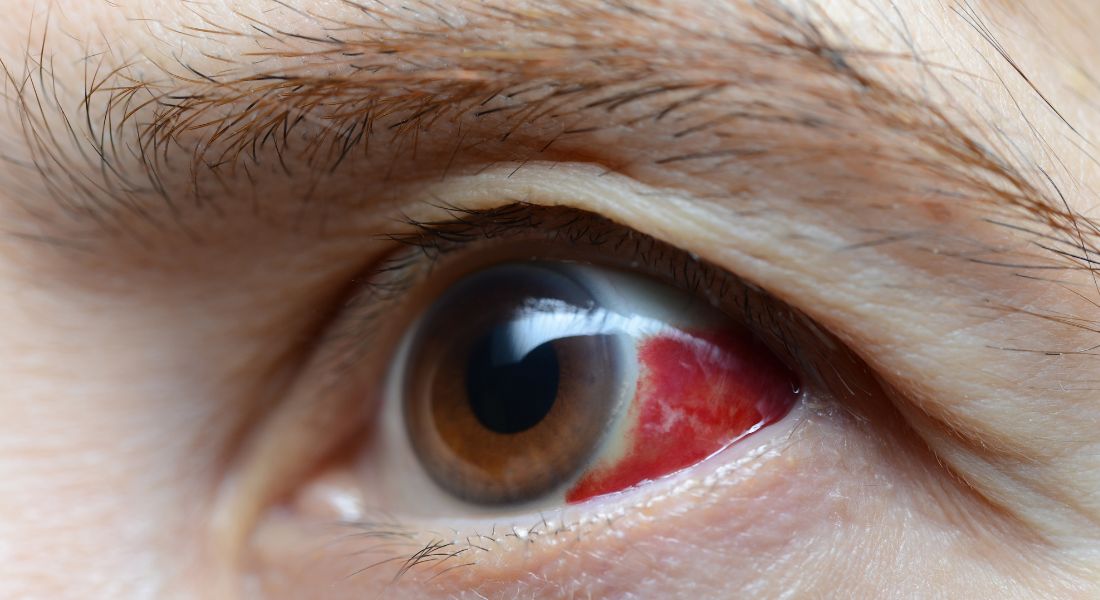
Eye trauma refers to any injury that affects the structures of your eye. This can happen due to a direct impact, a sharp or foreign object, or an accident. Depending on the severity, trauma can damage the cornea, lens, retina, or other internal parts of the eye, sometimes leading to sudden vision loss. The symptoms you experience will depend on the type and extent of the injury.
- Pain and discomfort: You may feel anything from mild irritation to severe pain, especially if the surface of your eye is scratched or deeper structures are affected.
- Redness and visible changes: The eye may appear red, swollen, or watery. In some cases, there may be visible injury such as bleeding or a foreign object in the eye.
- Changes in vision: You might notice blurred vision, double vision, or sudden loss of sight. Visual distortion can occur if internal structures are disrupted.
- Urgent need for assessment: Any eye injury should be treated as urgent. Prompt evaluation by a medical professional helps identify the extent of damage and prevents complications.
Seeking immediate care is essential if you experience eye trauma. Early treatment can protect your vision, reduce the risk of long-term damage, and support a smoother recovery.
Infections Affecting Vision
Certain infections can affect different parts of your eye and lead to sudden changes in vision. These may involve the cornea, retina, or deeper internal structures. Conditions such as Keratitis or Endophthalmitis can develop quickly and interfere with how your eye processes light. Because these infections can progress rapidly, early recognition is important.
You might notice symptoms such as redness, eye pain, sensitivity to light, or discharge along with blurred or reduced vision. In some cases, your vision may worsen over a short period of time. These signs suggest that the eye is inflamed or infected and needs prompt attention. Delaying care can increase the risk of complications and affect your long-term vision.
Treatment usually involves medications such as antibiotics or antivirals, depending on the cause of the infection. In more severe cases, additional procedures may be needed to control the infection. Early diagnosis allows treatment to begin quickly, which can significantly improve outcomes. Seeking medical care as soon as symptoms appear is one of the best ways to protect your vision.
The Role of the Optic Nerve
The Optic Nerve plays a vital role in your vision by carrying visual signals from your eye to your brain. Even if your eye itself is healthy, damage to this pathway can disrupt how images are processed. This can lead to sudden or significant vision loss. Because of its importance, any problem affecting this nerve needs careful attention.
Conditions that affect the optic nerve do not always cause obvious changes in how your eye looks. You may not see redness or visible damage, even though your vision is affected. This can make diagnosis more complex and often requires specialised tests, such as visual field assessments or imaging scans. Your doctor may need to examine both your eye and neurological function.
Protecting the optic nerve is essential for maintaining clear and stable vision. Early detection of problems affecting this pathway can make a significant difference to outcomes. If issues are identified quickly, treatment may help prevent further damage. Prompt evaluation and timely care are key to preserving your eyesight.
Systemic Health and Eye Conditions
Your overall health has a direct impact on your eye health. Conditions such as Hypertension and Diabetes Mellitus can affect the tiny blood vessels in your eyes. When these vessels become damaged or blocked, it can lead to sudden vision problems. This is why eye symptoms are sometimes linked to broader health issues in your body.
Managing these conditions carefully can reduce the risk of eye-related complications. Regular check-ups, monitoring your blood pressure or blood sugar, and following medical advice all play an important role. You may also be advised to have routine eye examinations to detect early changes. Prevention is often more effective than treating advanced problems.
Understanding the connection between your general health and your vision helps you take a more proactive approach. Looking after your overall wellbeing supports your eyes as well. Small steps, such as maintaining a healthy lifestyle and attending regular screenings, can make a meaningful difference. A holistic approach gives you the best chance of preserving both your vision and long-term health.
Warning Signs You Should Not Ignore
When it comes to sudden vision changes, certain symptoms should always be treated as urgent. Your eyes are highly sensitive, and rapid changes can signal serious underlying conditions. Recognising these warning signs early helps you act quickly and protect your vision. Some symptoms are particularly important to take seriously.
- Sudden darkness or shadow in your vision: If you notice a dark area, a curtain-like shadow, or partial loss of your visual field, it may indicate a condition such as retinal detachment. This requires immediate medical attention.
- Flashes of light or sudden floaters: Seeing flashes or a sudden increase in floaters can be a sign that the retina is under stress or beginning to detach. These symptoms should never be ignored.
- Pain, redness, or associated symptoms: Vision loss combined with eye pain, redness, headache, or nausea may point to more serious issues, including inflammation or increased pressure inside the eye.
- Any rapid or unexplained vision change: Whether it is blurring, distortion, or complete loss of sight, any sudden change should be treated as an emergency. Waiting for it to resolve on its own can delay essential treatment.
If you experience any of these signs, you should seek immediate medical care. Early assessment can prevent permanent damage and significantly improve your chances of preserving your sight.
What to Do If You Lose Vision Suddenly
If you experience sudden vision loss in one eye, it’s important to act immediately. This is not something to monitor at home or wait out. Rapid changes in vision can signal serious conditions such as retinal detachment or amaurosis fugax, where early treatment can make a critical difference. Taking the right steps straight away can help protect your eyesight.
- Seek urgent medical care: Contact an eye specialist or go to the nearest emergency department immediately. Do not try to diagnose the problem yourself or delay getting help, even if the symptoms seem to improve.
- Protect the affected eye: Avoid rubbing or applying pressure to your eye. If possible, keep it gently covered or protected to reduce the risk of further injury or strain.
- Limit activity and stay calm: Try to keep your movements minimal, especially if your vision is significantly affected. Staying calm can help you focus on getting the care you need quickly.
- Act quickly for the best outcome: In many eye conditions, timing is crucial. Prompt evaluation and treatment can improve your chances of recovery and reduce the risk of permanent vision loss.
Your vision is too important to risk delaying care. By prioritising immediate medical attention, you give yourself the best possible chance of protecting your sight.
How Doctors Diagnose the Cause

When you experience sudden vision loss, your doctor will begin with a detailed eye examination. This may include checking your visual acuity, examining the inside of your eye, and measuring eye pressure to rule out conditions such as Acute Angle-Closure Glaucoma. Imaging tests, such as retinal scans or ultrasound, may also be used to assess the retina and surrounding structures. Each of these tests helps build a clearer picture of what is causing your symptoms.
Your medical history is just as important as the physical examination. Your doctor will ask about existing health conditions, recent symptoms, and any medications you are taking. Factors such as Diabetes Mellitus or cardiovascular issues can provide important clues. This information helps narrow down the possible causes and guides further testing if needed.
Modern diagnostic technology allows many eye conditions to be detected at an early stage. This means treatment can begin sooner, which often improves the chances of preserving your vision. A thorough and accurate diagnosis is the foundation of effective care. Once the cause is identified, your doctor can recommend the most appropriate treatment plan.
Treatment Options for Sudden Vision Loss
The treatment you receive depends on the underlying cause of your vision loss. Some conditions can be managed with medication, while others may require urgent procedures or surgery. For example, infections may be treated with antibiotics or antivirals, while conditions such as Retinal Detachment may need surgical repair. Acting early gives you the best chance of preserving your vision.
In many cases, treatment focuses on restoring normal function within the eye. This may involve improving blood flow, as in Retinal Artery Occlusion, or reducing pressure in conditions like Acute Angle-Closure Glaucoma. These steps help prevent further damage to sensitive structures such as the retina and optic nerve. Prompt medical care is critical in these situations.
Your care does not usually end after the initial treatment. Follow-up appointments are important to monitor your recovery and ensure your eye is healing properly. You may also need ongoing management to address underlying health issues or prevent recurrence. With the right treatment plan and regular monitoring, you can support your long-term vision and eye health.
Long-Term Outlook and Recovery
Your recovery after sudden vision loss depends largely on the cause and how quickly treatment begins. Some conditions can improve significantly when managed early, allowing you to regain much of your vision. Others, particularly those involving severe damage to the retina or optic nerve, may lead to more permanent changes. This is why timing plays such an important role in your outcome.
Early intervention gives you the best possible chance of recovery. For example, conditions such as Retinal Artery Occlusion or Retinal Detachment require urgent care to prevent lasting damage. Delays in treatment can reduce how effective these interventions are. Acting quickly can make a meaningful difference in preserving your sight.
Regular follow-up appointments are an essential part of your recovery. These visits allow your doctor to monitor healing, adjust treatment if needed, and check for any complications. Ongoing care also helps manage underlying conditions that may affect your eyes in the future. With consistent monitoring and the right support, you can protect your long-term eye health.
FAQs:
- What should I do if I suddenly lose vision in one eye?
If you experience sudden vision loss, you should seek immediate medical attention. Do not wait to see if the vision returns on its own, as this can delay critical treatment. Avoid rubbing or applying pressure to the eye. Acting quickly can help protect your vision and improve outcomes. - Can sudden vision loss go away on its own?
In some cases, vision may temporarily return, especially with conditions like transient vision loss or migraines. However, even if symptoms improve, the underlying cause may still be serious. It is important to have your eyes examined as soon as possible. Ignoring symptoms can lead to permanent damage. - Is sudden vision loss always painful?
No, sudden vision loss is not always accompanied by pain. Some serious conditions, such as retinal artery occlusion, are painless but still require urgent care. Others, like acute glaucoma, can cause significant discomfort. Whether painful or not, any sudden change in vision should be treated as an emergency. - How quickly should I see a doctor for sudden vision loss?
You should seek medical help immediately, ideally within hours of noticing symptoms. Many eye conditions can worsen rapidly if left untreated. Early diagnosis allows for faster treatment and better recovery chances. Delaying care can result in permanent vision loss. - What are the most common causes of sudden vision loss in one eye?
Common causes include retinal detachment, blocked blood vessels, optic nerve inflammation, and eye injuries. Some conditions are related to underlying health issues like high blood pressure or diabetes. Infections and glaucoma can also lead to sudden changes. A proper examination is needed to determine the exact cause. - Can stress or fatigue cause sudden vision loss?
Stress and fatigue alone do not usually cause true sudden vision loss. However, they can trigger migraines that lead to temporary visual disturbances. These symptoms may include flashing lights or blind spots. It is still important to rule out more serious conditions if symptoms are new or unusual. - Is sudden vision loss linked to stroke risk?
Yes, certain types of temporary vision loss, such as amaurosis fugax, can be linked to stroke risk. This occurs due to reduced blood flow to the eye. It may be a warning sign of underlying vascular problems. Urgent medical assessment is essential to reduce future risk. - Can diabetes cause sudden vision loss?
Yes, diabetes can lead to conditions like vitreous haemorrhage or retinal damage. High blood sugar levels can weaken blood vessels in the eye. This increases the risk of bleeding and vision changes. Proper management of diabetes helps reduce these risks. - Will my vision fully recover after sudden vision loss?
Recovery depends on the cause and how quickly treatment is received. Some conditions can be treated effectively with minimal long-term impact. Others may result in partial or permanent vision changes. Early intervention offers the best chance of recovery. - How can I reduce the risk of sudden vision loss?
Maintaining good overall health is key to protecting your vision. Regular eye check-ups help detect problems early. Managing conditions like diabetes and high blood pressure reduces risk. Protecting your eyes from injury and seeking prompt care for symptoms also helps prevent serious complications.
Final Thought: Acting Quickly to Protect Your Vision
Sudden vision loss in one eye should always be treated as a warning sign that requires urgent attention. Whether the cause is related to the retina, optic nerve, or blood supply, early diagnosis plays a crucial role in preserving sight. Acting promptly not only improves the chances of recovery but also helps prevent long-term complications.
It is equally important to stay aware of your overall health, as many eye conditions are linked to systemic issues such as blood pressure and diabetes. Regular eye examinations, combined with prompt action when symptoms arise, can make a significant difference in protecting your vision over time. Understanding the warning signs empowers you to respond confidently and without delay. If you’d like to find out whether eye doctor in London is suitable for you, feel free to contact us at Eye Clinic London to arrange a consultation.
References:
- Sogawa, K., Nagaoka, T. and Yoshida, A. (2021), A comprehensive review of retinal vascular and optic nerve diseases using optical coherence tomography angiography, Applied Sciences, 11(9), 4158. https://www.mdpi.com/2076-3417/11/9/4158
- Zimna, K., Szturmowicz, M., Sobiecka, M., Błasińska, K. and Bartosiewicz, M. (2023), Sudden vision loss due to optic neuritis an uncommon presentation of neurosarcoidosis, Diagnostics, 13(15), 2579. https://www.mdpi.com/2075-4418/13/15/2579
- Fraser, J.A., Son, M. and Vinokurtseva, A. (2025), Sudden vision loss: A diagnostic approach, American Family Physician, 111(1), pp. 54–61. https://pubmed.ncbi.nlm.nih.gov/39823616/
- Khan, M.A. et al. (2026), A systematic approach to managing acute visual loss: A comprehensive review, Cureus, [online]. https://pmc.ncbi.nlm.nih.gov/articles/PMC12932673/
- Newman, N.J. (2014), Transient visual loss, American Journal of Ophthalmology, [online] https://pmc.ncbi.nlm.nih.gov/articles/PMC4308050/