


Night Vision After ICL Surgery: Halos and Glare Explained

Implantable Contact Lens (ICL) surgery is a widely used vision correction procedure that can provide clear eyesight if you have moderate to high refractive errors. During the procedure, a specialised lens is placed inside your eye, positioned behind the iris and in front of the natural crystalline lens. Most patients achieve excellent visual results after surgery. However, you may notice a few temporary visual effects while your eyes are adjusting during the early recovery period.
One of the most commonly discussed changes after ICL surgery involves night vision. You might notice halos around lights or increased glare from headlights, particularly when driving at night. These effects can be more noticeable in dark environments where your pupils naturally become larger. In most cases, these symptoms are mild and gradually improve as your eyes adapt to the implanted lens.
Understanding why halos and glare can occur can make the recovery process feel less worrying. These visual effects are usually part of the normal adjustment period after surgery. As your brain and eyes adapt to the new lens, night vision often becomes clearer. In this article, you will learn why these effects happen, how common they are, and what you can expect as your vision stabilises.
What Happens to Vision After ICL Surgery
Immediately after ICL surgery, your eyes begin adjusting to the implanted lens. Many patients notice improved vision quite quickly, sometimes within a day or two. Even so, your visual system still needs time to fully adapt to the new optical environment. This adjustment period is a normal part of recovery.
During this early phase, you may notice a few subtle visual changes. These can include increased sensitivity to light or mild glare, particularly at night. Such effects are usually temporary and tend to improve as your eyes continue healing. Most patients find that these symptoms gradually become less noticeable.
Your brain also plays an important role in adapting to the new vision. Over time, it learns to process light passing through the implanted lens more efficiently. This process helps refine how clearly you see. As the visual system adapts, clarity often improves and night-time disturbances typically reduce.
Why Halos Can Occur at Night
Halos appear as rings of light surrounding bright sources such as headlights or street lamps. After ICL surgery, you may notice these rings more easily during the early recovery period. This happens because your eyes are still adjusting to the presence of the implanted lens. As your vision stabilises, these effects usually become less noticeable.
The implanted lens slightly changes the way light enters and focuses inside your eye. During the adjustment period, your brain may interpret these light patterns differently than before. This can make halos appear more prominent in dark environments. As your visual system adapts, the brain gradually learns to process these signals more efficiently.
In most cases, halos fade as healing progresses. Many patients notice improvement within a few weeks or months after surgery. The eye and brain continue working together to refine visual clarity. Understanding this adaptation process can help you feel more reassured during recovery.
Understanding Glare After Surgery
Glare refers to increased brightness or difficulty seeing clearly when exposed to strong light sources. This can happen when bright light scatters slightly inside the eye. After ICL surgery, you may occasionally notice glare, particularly in low-light conditions. It is most common during the early stages of recovery.
Glare is often more noticeable when driving at night, especially when facing bright headlights. Your eyes are naturally more sensitive in darker environments because the pupils become larger. This increased sensitivity can make glare appear stronger than usual. As your eyes adjust, this effect usually becomes less pronounced.
As healing continues, the eye gradually stabilises and the visual system adapts to the implanted lens. Many patients find that night driving becomes easier over time. Regular follow-up appointments allow your surgeon to monitor your progress. These visits help ensure that your recovery is moving in the right direction.
The Role of Pupil Size
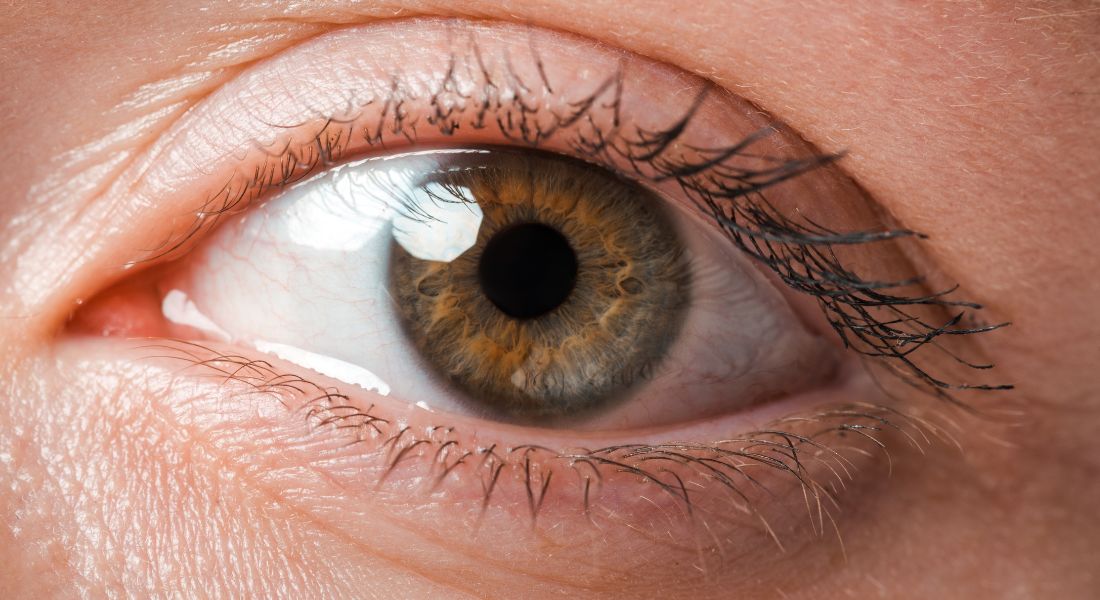
Your pupil size plays an important role in how you experience night vision after ICL surgery. The pupil is the opening in the centre of your eye that controls how much light enters. In darker environments, your pupil naturally becomes larger so that more light can reach the retina. This helps you see better in low-light conditions. However, when your pupil expands, it also allows more light rays to enter the eye from the outer edges.
- Pupil enlargement in low-light environments: When you are in a dim setting, such as driving at night or walking in a dark area, your pupils naturally widen. This process allows more light to enter the eye so that you can see more clearly in reduced lighting.
- Peripheral light entering the eye: As the pupil becomes larger, light rays from the outer edges of the visual field can enter the eye more easily. These peripheral rays pass through the implanted lens and the eye’s natural optical system.
- Possible halos or glare around lights: In some cases, these peripheral light rays interact slightly differently with the implanted lens. This can create visual effects such as halos or glare around bright lights, particularly at night. People with naturally larger pupils may notice these effects a little more during the early stages after surgery.
- Gradual adaptation of the visual system: Your brain and visual system are highly adaptable. Over time, your brain learns to filter and interpret these light patterns more efficiently. As this adaptation happens, halos or glare often become less noticeable.
With time, most patients find that their night vision becomes more comfortable as the eyes and brain adjust to the implanted lens. This natural adaptation helps the visual system return to a stable and functional state.
The Effect of the Central Port in Modern ICL Lenses
Modern ICL lenses include a small opening in the centre called a central port. This feature allows natural fluid to circulate freely inside your eye. Proper circulation helps maintain healthy eye pressure and supports normal eye function. The central port also contributes to smoother optical performance after surgery.
Earlier lens designs did not include this feature. Because of this, additional procedures were sometimes required to maintain normal fluid flow within the eye. The introduction of the central port has simplified the surgical process. It has also improved the overall safety profile of ICL surgery.
This design improvement has helped reduce certain visual side effects for many patients. As a result, visual adaptation after surgery can feel smoother and more comfortable. Many people find that their eyes adjust more easily to the implanted lens. Ongoing technological advances continue to improve outcomes and patient experience.
How Common Are Halos After ICL Surgery
Halos are relatively common during the early stages of recovery after ICL surgery. Many patients notice them temporarily during the first few weeks as their eyes begin adjusting to the implanted lens. You might see rings of light around headlights or street lamps, particularly in darker environments. In most cases, these visual effects are mild and not harmful.
Clinical studies show that most patients adapt well over time. As your eyes heal and your visual system becomes more accustomed to the lens, halos usually become less noticeable. Your brain gradually learns how to interpret light passing through the new optical pathway. Because of this adaptation, many patients eventually stop noticing halos altogether.
Understanding that halos are often temporary can help reduce worry during recovery. Surgeons typically discuss this possibility before the procedure so you know what to expect. Having clear expectations makes the adjustment period easier to manage. With time, most patients find that these effects fade significantly.
Why Night Vision Improves Over Time
Vision after ICL surgery often improves gradually over several weeks. During this period, your eyes are healing and adjusting to the new optical environment created by the implanted lens. The tissues inside the eye settle, and the lens remains in a stable position. As this process continues, visual clarity typically becomes more consistent.
Your brain also plays an important role in this adjustment. This process is known as neuroadaptation, where the brain learns to interpret light signals from the eye more efficiently. As the visual system adapts, disturbances such as halos or glare tend to decrease. Over time, the brain becomes better at filtering these effects.
Most patients notice steady improvement during the first few months after surgery. As healing progresses, night vision usually becomes clearer and more comfortable. By the time the eye has fully stabilised, visual quality is often very good. This gradual adaptation is a normal part of the recovery process.
The Importance of Proper Lens Positioning
Correct lens positioning plays a key role in how well you see after ICL surgery. During the procedure, the implanted lens is carefully placed behind your iris and positioned within the natural structures of your eye. Surgeons take great care to ensure that it sits securely and aligns properly. This precision helps create clear and stable vision from the start.
Proper positioning also helps maintain the correct spacing between the implanted lens and your natural crystalline lens. This gap, known as the vault, is important for both safety and visual quality. When the vault is within the ideal range, your eye can function normally without unnecessary pressure on surrounding structures. This balance supports long-term eye health.
If the lens is positioned correctly, visual disturbances such as halos or glare are usually minimal and temporary. Your surgeon will check the position of the lens during follow-up appointments to make sure everything remains stable. These checks provide reassurance that your eye is healing as expected. With proper placement and monitoring, most patients achieve comfortable and consistent vision.
How Eye Healing Influences Vision
After ICL surgery, the way your eye heals plays a key role in how quickly your vision becomes clear and stable. In the first few days, your eye is still adjusting to the procedure, so it’s normal to notice some temporary changes. You may feel slightly sensitive to light or experience mild dryness or irritation during this early stage. These short-term effects can influence how you see light and visual detail while your eye is recovering.
- Early sensitivity and dryness: In the first few days after surgery, your eyes may feel sensitive, especially in bright environments. You might also notice dryness, a gritty sensation, or mild irritation. These symptoms are common and usually improve with lubricating eye drops and proper care.
- Changes in how light is perceived: Because the surface of your eye is still healing, light may appear slightly different at first. You might notice glare, halos, or small fluctuations in clarity. These effects are temporary and tend to settle as the eye stabilises.
- Improvement as the eye surface heals: As healing progresses, the surface of your eye becomes smoother and more stable. This allows light to focus more accurately inside the eye, leading to clearer and more consistent vision over time.
- Role of follow-up visits: Regular check-ups allow your surgeon to monitor how well your eye is healing. These visits help confirm that your recovery is on track and give you reassurance that any temporary symptoms are improving as expected.
Most patients find that visual disturbances gradually reduce as their eyes heal. By following aftercare advice and giving your eyes time to recover, you support long-term visual comfort and stable results.
Differences Between Day Vision and Night Vision
After ICL surgery, you may notice that your vision feels different depending on the lighting conditions. In bright daylight, your eyes usually adjust quite quickly. Strong lighting and clear contrast make it easier for your eyes to focus, so vision often feels sharp and stable early on.
Night vision, however, can take a little more time to feel completely comfortable. Low-light conditions place different demands on your eyes, which can make certain visual effects more noticeable at first.
- Clearer vision in daylight: In bright environments, your pupils are smaller, which helps control how light enters the eye. This creates sharper focus and better contrast, allowing you to see more clearly. As a result, daytime vision often stabilises sooner after surgery.
- Challenges in low-light conditions: At night or in dim lighting, your pupils naturally become larger to let in more light. This can allow more peripheral light rays to enter the eye, which may lead to temporary effects such as glare or halos around lights.
- Increased sensitivity in the dark: Your eyes rely more on light sensitivity rather than contrast in low-light settings. This shift can make small visual disturbances more noticeable, especially during the early stages of recovery.
- Adaptation over time: Your brain gradually learns how to process visual information through the implanted lens in both bright and dim conditions. As this adaptation happens, night vision usually becomes clearer and more comfortable.
With time, most patients find that the difference between day and night vision becomes less noticeable. As your eyes heal and your visual system adapts, you can expect more consistent and stable vision in all lighting conditions.
Driving at Night After ICL Surgery

You might feel a bit cautious about driving at night during the early stages of recovery. It’s common to notice halos around headlights or glare from streetlights at first, which can feel distracting. These effects are usually temporary and part of the normal adjustment process. As your eyes begin to adapt, these visual disturbances typically become less noticeable.
Your doctor will usually advise you to wait until your vision feels stable before driving at night. This helps ensure that you feel confident and in control while on the road. It’s important to prioritise safety rather than rushing back into night driving too soon. Taking this precaution allows your eyes the time they need to adjust properly.
As healing progresses, you’ll likely find that night driving becomes much easier. Halos and glare tend to reduce significantly as your visual system adapts to the implanted lens. Most patients regain comfortable night vision within a few weeks or months. Regular follow-up appointments help confirm that your vision remains stable and safe for driving.
Managing Light Sensitivity
You may notice temporary light sensitivity during the early stages of recovery after ICL surgery. Bright sunlight or strong indoor lighting can feel slightly uncomfortable at first. This happens because your eyes are adjusting to the implanted lens and the new way light enters your eye. In most cases, this sensitivity is mild and improves as healing progresses.
Wearing sunglasses when you’re outdoors can make a noticeable difference during this period. You might also find it helpful to avoid very bright environments for the first few days after surgery. Simple steps like adjusting screen brightness or using softer lighting indoors can reduce discomfort. These small changes help support your recovery while your eyes adapt.
As your eyes continue to heal, sensitivity to light usually settles down. Your visual system gradually becomes more comfortable with different lighting conditions. Most patients return to normal light tolerance within a short time. This improvement is a natural part of the adaptation process and a sign that your eyes are adjusting well.
The Role of Tear Film Stability
Your tear film plays an essential role in keeping your vision clear and comfortable after ICL surgery. It forms a smooth layer over the surface of your eye, helping light enter evenly and focus properly. In the early stages of recovery, temporary dryness is quite common, and this can affect how clearly you see. When your eyes are slightly dry, you may notice small visual disturbances such as glare or halos becoming more noticeable.
- Importance of a stable tear film: A healthy tear film creates a smooth optical surface on your eye. This allows light to pass through evenly, which helps maintain clear and sharp vision. When the tear film is stable, your overall visual quality improves.
- Effect of dryness after surgery: After surgery, your eyes may produce fewer tears for a short time. This can lead to dryness, which may cause blurred vision, irritation, or increased sensitivity to light. Dryness can also make halos or glare more noticeable, especially in low-light conditions.
- Use of lubricating eye drops: Your doctor will usually recommend artificial tears to keep your eyes well hydrated. These drops help restore moisture, improve comfort, and support the healing process. Using them regularly can make a noticeable difference in how your eyes feel and function.
- Improvement as the tear film stabilises: As your eyes recover, the tear film gradually becomes more stable. This helps reduce visual disturbances and improves clarity. Many patients notice that their vision becomes sharper and more consistent as dryness resolves.
Taking care of your eyes during recovery is important. By keeping your eyes well moisturised and following your surgeon’s advice, you support both healing and long-term visual comfort.
Comparing ICL Surgery with Other Vision Correction Procedures
You may notice night vision effects after different types of refractive surgery, not just ICL. Procedures such as laser vision correction and lens implants both change how light enters your eye. Because of this, your visual system needs time to adjust after any of these treatments. Temporary effects like halos or glare can happen as part of this adaptation process.
ICL surgery works differently because it preserves your natural corneal structure. Instead of reshaping the cornea, the procedure adds a lens inside your eye to improve focus. This approach can provide very sharp and stable vision once your eyes have fully adapted. Many patients find that visual clarity is excellent after the recovery period.
Each vision correction option has its own advantages depending on your eye health and prescription. Your eye specialist will assess your individual needs before recommending the most suitable procedure. This personalised approach helps ensure the best possible outcome. With the right treatment plan, you can achieve clear and comfortable vision for the long term.
How Surgeons Prepare Patients Before Surgery
Before your ICL surgery, your surgeon will take time to explain what you might experience afterwards. This includes discussing possible visual effects such as halos or glare. Having this conversation early helps set realistic expectations. When you know what’s normal, the recovery process feels far less uncertain.
You’ll be told that temporary effects like halos or glare can occur, especially in low-light conditions. Your surgeon will also explain that these changes usually improve as your eyes and brain adapt to the implanted lens. Understanding this timeline can make the adjustment period feel more manageable. Clear communication helps you feel more confident about the procedure.
This preparation allows you to approach surgery with reassurance rather than worry. When you know what to expect, you’re less likely to feel anxious if mild symptoms appear. It also helps you stay committed to follow-up care and recovery guidance. Informed patients often feel more satisfied with their overall experience.
Long-Term Visual Outcomes
After ICL surgery, you can generally expect strong and lasting visual results. Most patients achieve clear, stable vision that continues for many years. While you may notice a few temporary visual disturbances early on, these usually improve as your eyes and brain adapt to the new optical system.
Over time, your visual experience becomes more natural and consistent.
- Clear and stable vision over the years: Many patients enjoy long-term clarity without needing glasses or contact lenses. Once your eyes have fully healed, vision typically remains stable, allowing you to carry out daily activities with ease.
- Reduction in halos and glare: Early visual effects such as halos or glare often become less noticeable over time. Your brain gradually learns how to process light through the implanted lens more efficiently, reducing these disturbances naturally.
- Improved night vision comfort: As adaptation continues, most patients find that night vision becomes more comfortable. Tasks like driving at night or being in low-light environments usually feel easier as your visual system adjusts.
- Ongoing monitoring for eye health: Regular eye examinations remain important even after your vision has stabilised. These check-ups allow your doctor to monitor the implant, measure vault, and ensure your eyes stay healthy over the long term.
With proper care and follow-up, long-term outcomes after ICL surgery are highly positive. By giving your eyes time to adapt and attending regular check-ups, you can enjoy clear, comfortable vision for years to come.
Patient Experience and Adaptation
After ICL surgery, your visual experience will be unique to you. While many people adjust quickly, others may need a little more time for their vision to feel completely natural. This variation is normal, as your eyes and brain work together to adapt to the implanted lens.
In the first few weeks, you will usually notice steady improvements as healing continues.
- Different adaptation speeds: Some patients feel comfortable with their vision almost immediately, while others may notice gradual changes over several weeks. Your adaptation speed depends on how your eyes heal and how quickly your brain adjusts to the new visual system.
- Gradual improvement in clarity: As your eyes recover, your vision typically becomes clearer and more consistent. You may notice small day-to-day improvements, especially during the early stages of recovery.
- Night vision improves over time: Visual effects such as halos or glare at night are often more noticeable at first. However, as your brain adapts, these effects usually become less prominent, making night vision more comfortable.
- The importance of patience: Giving your eyes time to adjust is an important part of the process. Your visual system is learning how to interpret light through the implanted lens, and this takes time. Staying patient and following your aftercare instructions supports better long-term results.
As your eyes and brain continue to adapt, your vision should feel more natural and stable. This gradual adjustment is a key part of achieving long-term visual comfort and satisfaction after ICL surgery.
When to Contact Your Eye Specialist

Although halos and glare are usually temporary after ICL surgery, you should contact your eye specialist if these symptoms feel severe, worsen, or do not improve over time. A professional examination can confirm whether your eye is healing as expected. In most cases, any concerns can be assessed and managed quickly, which helps put your mind at ease.
During your visit, your specialist may check the position of the implanted lens, evaluate your tear film, and assess overall eye health. These checks help ensure that everything is functioning properly and that recovery is progressing as it should. Identifying any issue early allows for prompt and effective management. This proactive approach supports a smoother recovery.
It’s also important that you attend all scheduled follow-up appointments, even if your vision feels fine. These visits allow your doctor to monitor healing, measure visual quality, and confirm that the lens remains stable. Regular monitoring provides reassurance and helps maintain long-term eye health. Staying consistent with aftercare is an important part of achieving the best outcome.
Advances in Lens Technology
Advances in lens design continue to improve your visual experience after ICL surgery. Modern implants are carefully engineered to optimise how light passes through the eye. This helps reduce visual disturbances such as halos and glare, particularly in low-light conditions. As a result, many patients notice better night vision performance compared to earlier lens designs.
Researchers are constantly working to refine lens materials and optical properties. These improvements aim to enhance comfort, clarity, and long-term stability inside your eye. Better design also supports smoother adaptation during recovery. Ongoing innovation means you benefit from safer and more predictable outcomes.
As technology continues to evolve, night vision effects may become even less noticeable in the future. Advances in both lens design and surgical techniques are helping improve overall results. This progress makes vision correction more effective and reliable over time. You can feel reassured that modern ICL surgery is backed by continuous research and development.
Why Understanding Night Vision Effects Is Important
Understanding night vision effects can help you feel more confident about your ICL surgery. When you know why halos or glare may occur, these changes feel far less worrying. Instead of being unexpected, they become a normal part of the recovery process. This awareness allows you to approach healing with realistic expectations.
It’s also reassuring to know that these visual effects are usually temporary. As your eyes heal and your brain adapts, symptoms like halos and glare tend to fade. Your visual system gradually becomes more stable and efficient over time. Most patients find that their night vision improves naturally without any intervention.
Clear communication between you and your surgeon plays an important role in achieving the best outcome. When you understand what’s happening at each stage of recovery, you’re more likely to feel comfortable and in control. You’ll also know when to seek advice if something doesn’t feel right. This knowledge helps support a smoother recovery and greater overall satisfaction.
FAQs:
- Will I see halos around lights after ICL surgery?
Yes, it’s quite common to notice halos around bright lights, especially at night, in the first few weeks after ICL surgery. These halos occur as your visual system adapts to the implanted lens and usually become less noticeable over time as your brain adjusts. - Why do I experience glare at night after surgery?
Glare happens when strong light sources, like headlights, scatter inside the eye. After ICL surgery, your eyes are adapting to how light enters through the new lens, so glare can feel more noticeable at night. This effect typically reduces as your eyes heal and your visual system becomes familiar with the implant. - How long do night vision disturbances last?
Night vision disturbances such as halos and glare usually improve gradually over several weeks to a few months. Most patients find that these effects lessen significantly as the eye heals and the brain fully adapts to the new optical system. - Does pupil size affect night vision after ICL surgery?
Yes, pupil size plays a role because in low light your pupils naturally widen to let in more light. This can make peripheral light rays interact more noticeably with the implanted lens, which may contribute to halos or glare. Over time, however, your brain adapts, and these effects become less bothersome. - Are night vision issues after ICL surgery serious?
In most cases, night vision issues like halos and glare are mild and not serious. They are a normal part of visual adaptation after surgery. However, if the effects feel intense or persist long after the expected recovery period, it’s important to let your eye specialist know so they can check what’s happening. - Will modern ICL lens designs reduce night vision problems?
Modern ICL lenses with a central port are designed to improve both fluid circulation and optical performance. This design has helped many patients adapt more smoothly and may reduce the likelihood or severity of night vision disturbances compared to older lens designs. - Can healing affect how I see at night?
Absolutely. In the early stages of healing, your eye may feel slightly sensitive to light, and minor irritation or dryness can make night vision effects feel more noticeable. As healing progresses and your surface stabilises, visual clarity usually improves and night vision becomes more comfortable. - Should I avoid driving at night after ICL surgery?
You might want to avoid night driving in the first few days or weeks if halos or glare feel distracting. This is simply for safety and confidence. As your vision stabilises and those visual effects diminish, most patients find night driving becomes much easier and comfortable again. - Can I prevent halos and glare after ICL surgery?
There’s no guaranteed way to prevent halos or glare entirely, but understanding that they are usually temporary and part of normal adaptation can help. Your surgeon will place your lens carefully and discuss expectation‑setting before surgery so you’re not caught off guard. - When should I contact my specialist about night vision issues?
You should contact your eye specialist if night vision disturbances feel unusually severe, if they suddenly worsen, or if they persist beyond the expected recovery period. They can check your healing progress, lens position, tear film quality, and overall eye health to rule out other issues.
Final Thought: What to Expect After ICL Surgery
Night vision changes such as halos and glare are a normal part of recovery after ICL surgery. Most patients notice that these effects gradually improve as the eyes heal and the brain adapts to the implanted lens. Understanding why these visual changes occur can help you feel more confident and prepared during your recovery.
If you’d like to find out whether ICL surgery in London is suitable for you, feel free to contact us at Eye Clinic London to arrange a consultation. Our specialists can guide you through the procedure, set realistic expectations, and ensure your vision recovery is safe and comfortable.
References:
- Liu, Y., Zhang, J., Wang, H. and Chen, X. (2024) ‘Subjective and objective changes in visual quality after implantable collamer lens implantation for myopia’, Frontiers in Medicine. Available at: https://pmc.ncbi.nlm.nih.gov/articles/PMC11925936/
- Zhang, L., Chen, X., Wang, Y. and Zhou, X. (2023) ‘Four-year visual outcomes and optical quality of SMILE and implantable collamer lens V4c implantation for high myopia’, BMC Ophthalmology. Available at: https://pmc.ncbi.nlm.nih.gov/articles/PMC10392000/
- Al Mahmood, A.S., Reinstein, D.Z., Archer, T.J. and Coleman, D.J. (2014) ‘Risk factors associated with night vision disturbances after phakic intraocular lens implantation’, American Journal of Ophthalmology. Available at: https://pubmed.ncbi.nlm.nih.gov/24182745/
- Zhang, Q., Liu, Y. and Wang, L. (2023) ‘The influence of pupil diameter upon subjective quality of vision following implantable collamer lens (ICL V4c) implantation’, Medicine (Baltimore). Available at: https://pubmed.ncbi.nlm.nih.gov/37800803/
- Wei, Q., Zhou, X., Chang, W., Jiang, R. and Yu, Z. (2023) ‘Retinal and choroidal changes following implantable collamer lens V4c implantation in high myopia patients: A 1-year follow-up study’, Diagnostics. Available at: https://www.mdpi.com/2075-4418/13/19/3097