


ICL Vault: Why the Space Behind the Lens Matters (Explained)
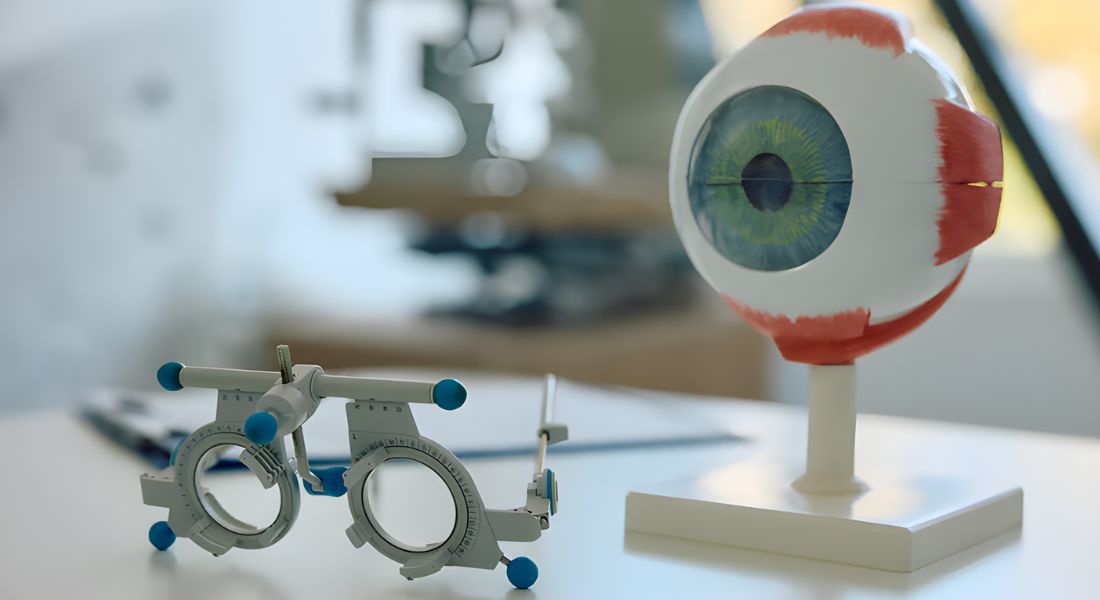
Implantable Contact Lens (ICL) surgery is an advanced vision correction procedure designed to improve your eyesight without removing corneal tissue. During the procedure, a specialised lens is placed inside your eye, positioned between the iris and the natural crystalline lens. After surgery, surgeons carefully monitor a measurement known as the “vault.” This measurement helps ensure that the implanted lens is positioned safely within the eye.
The vault refers to the small space between the implanted lens and your eye’s natural lens. This gap plays an important role in maintaining healthy eye function after surgery. When the vault is at an appropriate level, fluid can circulate normally inside the eye. It also prevents the implanted lens from coming into contact with delicate internal structures.
Understanding the concept of vault can help you better appreciate the follow-up care that takes place after ICL surgery. Surgeons check this measurement during post-operative examinations to confirm that the implant is positioned correctly. In this article, you will learn what vault means, how it is measured, and why it matters for long-term eye health and visual outcomes.
What Is ICL Vault?
ICL vault refers to the distance between the back surface of the implantable contact lens and the front surface of your natural crystalline lens. This space is measured in micrometres and represents a very small but important anatomical gap inside the eye. Maintaining the correct spacing helps ensure the implant functions safely and effectively. Even a slight variation in this distance can influence how the eye responds to the lens.
The implanted lens sits behind your iris and in front of your natural lens. Because of this position, surgeons must ensure the ICL does not press against surrounding eye structures. When the vault is appropriate, the lens remains safely suspended in place. This positioning allows the eye’s internal structures to continue functioning normally.
After surgery, your eye specialist will measure this spacing during follow-up appointments. Monitoring the vault helps confirm that the implant is positioned correctly. These checks are an important part of post-operative care. They also help identify any potential concerns at an early stage.
Why Vault Is Important for Eye Health

The vault plays an important role in protecting your eye’s natural crystalline lens. If the implanted lens sits too close to the natural lens, contact could occur over time. This contact may increase the risk of cataract development. Maintaining the correct distance helps protect the natural lens from unnecessary pressure.
If the vault is too large, different issues may arise. An excessively high vault can cause the implanted lens to press against the iris. This pressure may affect the normal flow of fluid within the eye. Proper spacing helps maintain healthy circulation of aqueous fluid.
A well-balanced vault keeps the implant stable while preserving the eye’s natural structures. The lens remains safely positioned without interfering with surrounding tissues. This allows your eye to function normally after surgery. Achieving this balance is essential for long-term safety and successful visual outcomes.
How Surgeons Measure Vault
After ICL surgery, your surgeon needs to check that the implanted lens is sitting at the correct distance from your natural lens. This distance is known as the vault, and it plays an important role in ensuring the eye remains healthy after the procedure. To measure this accurately, doctors use advanced imaging technology that allows them to see detailed structures inside the eye.
During follow-up appointments, specialised equipment creates clear images of the front part of your eye. These images help your surgeon evaluate the position of the implanted lens and confirm that everything is functioning as expected.
- Anterior segment optical coherence tomography (OCT): One of the most commonly used tools is anterior segment optical coherence tomography. This technology uses light waves to produce highly detailed cross-sectional images of the eye. It allows your surgeon to visualise the structures at the front of the eye with great precision.
- Viewing the exact position of the implanted lens: The imaging scan clearly shows where the implanted lens sits inside the eye. Your surgeon can see the relationship between the ICL and your natural lens. This detailed view helps confirm that the lens is positioned correctly.
- Precise measurement of the vault distance: Using the imaging results, the surgeon measures the space between the ICL and the natural lens. This distance is the vault. Accurate measurement helps determine whether the lens is positioned within the safe and ideal range.
- Painless and non-invasive scanning: The scanning process itself is quick and completely painless. You simply look into the imaging device while the scan is taken. There are no injections, no contact with the eye, and no recovery time needed.
These measurements are usually taken during routine follow-up visits after surgery. Regular monitoring allows your surgeon to confirm that the vault remains stable over time. By checking this distance carefully, doctors can ensure that the implanted lens continues to function safely and effectively.
Ideal Vault Range
Surgeons aim to achieve a vault that falls within a safe and balanced range. Although the exact measurement can vary slightly from one patient to another, a moderate spacing is generally considered ideal. This amount of space allows the implanted lens to remain stable inside the eye. It also ensures that nearby eye structures are not affected by the lens position.
If the vault is too small, there is a higher chance that the ICL could come into contact with the natural crystalline lens. Over time, this contact may increase the risk of complications. On the other hand, an excessively large vault may place pressure on surrounding structures such as the iris. Surgeons therefore aim to avoid both extremes.
When the vault falls within an appropriate range, the implanted lens usually functions well. Vision can remain clear and stable while the eye continues to operate normally. For this reason, vault measurement is considered an important indicator of a successful ICL procedure.
How ICL Size Affects Vault
The size of the implantable contact lens plays an important role in determining the vault after surgery. Every eye has slightly different internal dimensions, which means the lens must be carefully matched to your individual anatomy. Choosing the correct ICL size helps create the right amount of space between the implanted lens and your natural lens. This spacing is essential for long-term eye health and stable visual results.
Before surgery, your surgeon carries out several detailed measurements of your eye. These measurements help determine which lens size will provide the most appropriate fit.
- ICL lenses are available in different sizes: Implantable contact lenses are manufactured in several sizes to suit different eye structures. This allows surgeons to select a lens that fits the internal shape of your eye. The goal is to ensure the lens sits securely while maintaining the correct vault distance.
- Detailed eye measurements before surgery: Before the procedure, your surgeon will measure key parts of your eye, such as the width of the anterior chamber and the distance between internal eye structures. These measurements provide valuable information about how much space is available for the implanted lens. Accurate measurements are essential for choosing the most suitable lens size.
- Correct sizing supports an ideal vault: When the lens size matches your eye anatomy properly, it helps create the desired spacing between the ICL and your natural lens. This balanced positioning allows fluid to circulate normally inside the eye and helps maintain healthy eye pressure.
- Incorrect sizing can affect vault range: If a lens is too small or too large, the vault may fall outside the ideal range. A lens that is too small may sit closer to the natural lens, while a larger lens may create excessive spacing. Careful surgical planning helps minimise this possibility.
Modern diagnostic tools allow surgeons to assess eye measurements with remarkable accuracy. These advanced technologies make it easier to choose the correct lens size before surgery. As a result, the likelihood of achieving an optimal vault has improved significantly in recent years.
Pre-Surgical Eye Measurements
Before ICL surgery takes place, your surgeon will carry out a series of detailed eye measurements. These tests help your doctor understand the exact structure of your eyes and ensure the procedure is carefully planned. Every eye is unique, so precise measurements are essential for selecting the most suitable lens and achieving the best possible results.
Modern diagnostic equipment allows surgeons to gather highly accurate information about the internal anatomy of your eye. This data helps guide important surgical decisions and improves the likelihood of achieving an ideal vault after the procedure.
- Measuring the anterior chamber of the eye: One of the key measurements involves assessing the width and depth of the anterior chamber, which is the space at the front of the eye. This area is where the implantable contact lens will sit. Understanding these dimensions helps the surgeon determine how much room is available for the lens.
- Evaluating other anatomical eye features: Your surgeon will also examine several other structural features of the eye. These may include the curvature of the cornea, the distance between internal eye structures, and the overall shape of the eye. Each of these details helps create a complete picture of your eye anatomy.
- Using modern imaging technology: Advanced imaging systems provide clear and precise views of the eye’s internal structures. These scans allow surgeons to measure small anatomical details that cannot be seen during a routine eye exam. The accuracy of these technologies supports better surgical planning.
- Selecting the most suitable implant size: Once all measurements are collected, the surgeon uses this information to choose the most appropriate implant size. Selecting the correct lens helps create the desired spacing between the ICL and your natural lens, which supports a healthy vault.
A thorough preoperative assessment is a crucial step in the surgical process. By carefully analysing your eye measurements, surgeons can plan the procedure with greater precision. This preparation helps reduce the risk of vault-related issues and supports safe, long-term visual outcomes.
Post-Surgery Follow-Up Visits
Follow-up appointments are an important part of your care after ICL surgery. During these visits, your surgeon will assess your vision and check the position of the implanted lens. Vault measurements are usually reviewed as part of this examination. These checks help confirm that the lens is sitting safely within the eye.
The first follow-up appointment typically takes place within a few days after surgery. Additional visits may be scheduled over the following weeks or months. These assessments allow your surgeon to monitor the healing process. They also help ensure that your eyes are recovering as expected.
Monitoring the vault over time helps confirm that the lens remains stable. In most patients, the measurements remain consistent once the initial healing period has passed. Regular check-ups provide reassurance that everything is progressing normally. They also help maintain confidence in the long-term results of the procedure.
Signs of Low Vault
Low vault occurs when the implanted lens sits too close to your natural lens inside the eye. This situation is uncommon, but it is something your surgeon will monitor carefully after ICL surgery. Maintaining the correct distance between the two lenses is important for protecting the health of your eye. If the spacing becomes too small, it may increase the risk of certain complications over time. During follow-up appointments, your doctor will evaluate vault measurements to make sure the implant remains in a safe position.
- Implanted lens sitting too close to the natural lens: Low vault means the implantable contact lens is positioned closer than expected to your natural lens. This reduced spacing can affect how fluids circulate within the front part of the eye. Your surgeon checks this distance carefully using imaging scans during follow-up visits.
- Possible increased risk of cataract formation: If the implanted lens touches or presses against the natural lens, it may increase the chance of cataract development over time. Cataracts occur when the natural lens becomes cloudy, which can affect vision. Monitoring vault measurements helps detect this risk early.
- Careful monitoring during follow-up visits: Doctors routinely assess the vault using specialised imaging technology. These measurements allow your surgeon to determine whether the spacing remains stable and healthy. In many cases, a slightly low vault may simply be monitored if it does not change over time.
- Lens exchange in rare situations: In uncommon cases where the vault is too low or causes concerns, the surgeon may recommend replacing the implant with a different size. This procedure is known as a lens exchange. It allows the doctor to select a lens that creates better spacing inside the eye.
Fortunately, modern measurement techniques and careful pre-surgical planning have greatly reduced the likelihood of low vault occurring. With accurate eye measurements and regular monitoring, surgeons can usually detect and manage this issue early, helping maintain long-term eye health.
Signs of High Vault
High vault occurs when the implanted lens sits farther away from your natural crystalline lens than expected. In this situation, the spacing between the two lenses becomes larger than the typical range. This increased distance can sometimes cause the implant to place pressure on the iris. As a result, it may influence how fluid circulates inside the eye.
Even with a higher vault, many patients still experience clear and stable vision. However, surgeons monitor these cases carefully during follow-up visits. Regular examinations help ensure that no complications are developing. These checks allow your surgeon to track how the eye adapts to the implanted lens.
If needed, further evaluation or adjustments may be considered. In most cases, the vault remains within a safe and acceptable range. Modern lens sizing techniques have significantly improved the predictability of outcomes. This helps surgeons achieve more consistent and reliable results after ICL surgery.
The Role of Aqueous Fluid Circulation
Your eye contains a clear fluid known as aqueous humour. This fluid circulates through the front part of the eye and helps maintain normal eye pressure. It also provides nutrients to important eye structures. Proper vault spacing allows this fluid to move freely inside the eye.
Adequate space between the implanted lens and the natural lens helps prevent the ICL from blocking normal fluid pathways. When circulation remains unobstructed, eye pressure can stay stable. This supports overall eye health and reduces the risk of pressure-related problems. Maintaining this balance is therefore essential after surgery.
Modern ICL designs have introduced features that support better fluid circulation. Many lenses now include a small central port that allows aqueous humour to pass through the implant. This design improvement helps maintain normal fluid flow within the eye. It has also reduced the need for additional procedures while improving overall safety.
Advances in ICL Technology
ICL technology has improved significantly over the past several years. Earlier versions of implantable contact lenses required additional surgical steps to maintain normal fluid circulation inside the eye. As technology has progressed, newer lens designs have introduced features that simplify the procedure and improve overall safety. These developments have helped make ICL surgery more efficient and predictable. Today’s lenses are designed with advanced features that support healthy eye function after implantation.
- Improved lens design for better eye compatibility: Modern ICL lenses are carefully engineered to fit the natural structure of the eye more comfortably. The materials used are highly biocompatible, which means they work well with the eye’s natural tissues. This helps reduce irritation and supports long-term stability after surgery.
- Central opening for natural fluid circulation: Newer lens models include a very small opening in the centre of the lens. This opening allows fluid inside the eye to flow naturally between different chambers. Maintaining normal fluid movement helps regulate eye pressure and supports overall eye health.
- Reduced need for additional surgical steps: Earlier lens designs sometimes required an extra procedure to create a small opening in the iris to allow fluid movement. With the central opening already built into modern lenses, this additional step is often no longer necessary. This makes the overall treatment process simpler and more convenient.
- More predictable vault outcomes: Improvements in lens design and sizing have also helped surgeons achieve more consistent vault measurements. Better compatibility with the eye’s anatomy makes it easier to maintain the ideal distance between the implanted lens and the natural lens.
Thanks to these technological advances, ICL surgery has become safer and more reliable for many patients. Surgeons now have better tools and more refined lens designs to work with. As research and development continue, these innovations are expected to further improve both safety and long-term visual outcomes.
Why Vault Stability Matters Over Time
Vault measurements are particularly important during the first few months after ICL surgery. During this period, your eye is adjusting to the presence of the implanted lens. Surgeons monitor the vault carefully to ensure the lens remains in a safe and stable position. These early checks help confirm that the eye is adapting well to the implant.
As time passes, the vault usually stabilises and remains consistent. The implanted lens becomes well integrated within the eye’s natural anatomy. Most patients experience stable measurements once the initial healing phase is complete. This stability supports reliable and long-lasting visual results.
Regular eye examinations continue to play an important role over the long term. These visits allow your eye specialist to confirm that the lens is functioning as expected. Ongoing monitoring helps ensure that the eye remains healthy. For most patients, long-term outcomes after ICL surgery are very positive.
Patient Symptoms and Vault
Most patients do not notice the vault directly because it exists inside the eye and cannot be felt. However, this measurement still plays an important role in how your eye functions after ICL surgery. When the vault is within the appropriate range, it supports clear vision and overall comfort. Proper spacing also helps maintain the normal structure of the eye.
If vault-related issues occur, some symptoms may appear. These could include visual disturbances, unusual glare, or a sensation of pressure in the eye. Such situations are uncommon but should always be assessed by an eye specialist. Prompt evaluation helps ensure that any concerns are addressed quickly.
Attending all scheduled follow-up appointments is therefore very important. During these visits, your surgeon checks the position of the implant and measures the vault. These assessments confirm that the lens continues to function properly. Early monitoring helps prevent potential complications and protects long-term eye health.
Comparing ICL with Other Vision Correction Procedures
ICL surgery differs from laser vision correction procedures in how it improves eyesight. Rather than reshaping the cornea, ICL involves implanting a lens inside the eye. This approach preserves corneal tissue, which can be important for patients with thinner corneas or higher prescriptions.
Because the lens remains inside the eye, its positioning is critical. Vault measurement ensures that the implant sits safely without interfering with surrounding structures such as the natural lens or the iris. This focus on spacing and alignment is unique to ICL procedures and is key to maintaining eye health.
Both ICL and laser vision correction aim to improve vision effectively. However, ICL surgery is often preferred for patients with higher prescriptions or specific anatomical considerations. Careful vault measurement and monitoring help ensure the long-term safety and stability of the implant.
The Role of Surgeon Experience
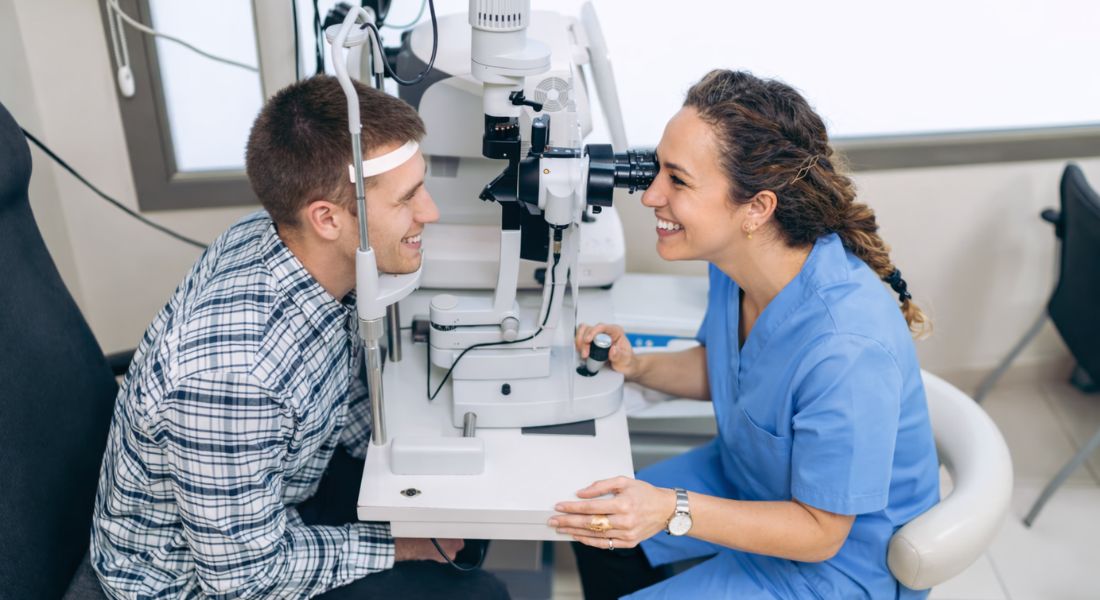
The experience of your surgeon is one of the most important factors in achieving a healthy and stable vault after ICL surgery. A skilled surgeon knows how to interpret detailed eye measurements and choose the correct lens size for your unique anatomy. Careful planning before the procedure helps ensure precision and reduces the risk of complications.
During surgery, the lens must be positioned accurately behind the iris. Proper placement is essential because it directly affects the vault, or the space between the implanted lens and your natural lens. Surgeons rely on their expertise to handle this delicate step with care.
- Analysing eye measurements before surgery: Experienced surgeons take time to review all preoperative measurements thoroughly. They assess the width of the anterior chamber, corneal curvature, and other key anatomical features. This ensures the lens selected will fit correctly and maintain optimal spacing within the eye.
- Precise lens placement during surgery: Positioning the ICL behind the iris requires skill and attention. Surgeons carefully place the lens so it sits evenly and does not touch the natural lens. Correct placement is crucial for achieving the desired vault and supporting long-term eye health.
- Monitoring vault during follow-up visits: A surgeon’s expertise is also essential during recovery. Experienced doctors monitor vault measurements at follow-up appointments, using imaging technology to check the lens position. This helps detect any potential issues early and allows for prompt intervention if needed.
- Reducing risks and improving outcomes: Expertise in both planning and execution contributes to safer procedures and more predictable results. Patients benefit from the surgeon’s knowledge, experience, and ability to respond quickly to any complications. This level of care helps ensure the vault remains within a healthy range over time.
By choosing a highly experienced surgeon, you increase the likelihood of a smooth procedure, stable vault, and excellent long-term visual results. Their skill and judgement are key to both safety and overall satisfaction with your ICL surgery.
Long-Term Safety of ICL Surgery
ICL surgery has an excellent safety record when performed by experienced surgeons. One key factor in this success is maintaining proper vault spacing. The correct distance between the implanted lens and your natural lens protects delicate eye structures and supports safe, long-term results.
Long-term studies show that vision remains stable for many years and patient satisfaction is high. The implanted lens can stay in place without complications for extended periods. Regular follow-up appointments help ensure that the eye continues to function safely and that the implant remains well positioned.
Another advantage of ICL surgery is that it improves vision without permanently altering the cornea. This reversibility makes the procedure an appealing option for many patients. Proper vault measurement and monitoring are essential to maintain these long-term benefits and overall eye health.
What Patients Should Expect After Surgery
After ICL surgery, you will often notice a rapid improvement in your vision. Many patients are surprised at how quickly things become clearer, sometimes within the first 24 hours. It’s normal to experience mild dryness or light sensitivity during the early recovery period, but these symptoms usually settle fairly quickly with the use of lubricating drops and protective eyewear.
Your recovery also involves regular follow-up visits to make sure your eyes are healing properly. These appointments give your surgeon a chance to measure the vault and confirm that the implanted lens is positioned correctly.
- Rapid improvement in vision: Most patients notice clearer vision almost immediately after surgery. Activities like reading, working on a computer, or driving often become easier within the first day or two. However, full stabilisation of vision can take several weeks as the eyes continue to adjust.
- Temporary dryness and light sensitivity: During the early recovery period, your eyes may feel slightly dry, gritty, or sensitive to bright light. Using lubricating eye drops and wearing sunglasses outdoors helps keep your eyes comfortable. These minor symptoms typically improve quickly as your eyes heal.
- Routine follow-up visits: Follow-up appointments are an important part of your recovery. During these visits, your surgeon will check how well your eyes are healing and measure the vault using painless imaging tests. These scans give a clear picture of the lens position and ensure everything is stable.
- Reassurance through monitoring: Understanding why these measurements are taken can help you feel more confident during recovery. Regular monitoring ensures that your lens remains correctly positioned, which supports long-term eye health and optimal visual outcomes.
By following your surgeon’s advice and attending all follow-up appointments, you can help ensure a smooth recovery and maintain the best possible results from your ICL surgery.
When Additional Treatment Is Needed
In rare cases, vault measurements may fall outside the ideal range. If this happens, your surgeon will assess whether any intervention is necessary. Many situations simply require careful monitoring during follow-up visits, with no immediate treatment needed.
If the vault is significantly too high or too low, a lens exchange may be considered. This involves replacing the implant with a different size to achieve proper spacing. While such cases are uncommon, they can be managed safely with modern surgical techniques.
Advances in diagnostic tools allow doctors to detect vault issues early. Prompt intervention, when needed, helps protect your eye health and prevent complications. For most patients, however, additional treatment is never required.
The Future of ICL Surgery
ICL surgery has already seen remarkable improvements, and the future promises even more exciting advances. Ongoing research in imaging and lens design continues to enhance surgical outcomes, making procedures safer and more predictable. One focus is improving the accuracy of lens sizing, which can help optimise vault measurements and reduce the risk of complications. As technology evolves, we may see more personalised approaches to ICL implantation.
- More precise sizing methods: Researchers are exploring ways to measure the eye even more accurately before surgery. Enhanced imaging techniques could allow surgeons to select lenses that fit your eye’s anatomy with greater precision. This could lead to more consistent vault outcomes and improved long-term safety.
- Customised lenses for individual anatomy: Future lens designs may be tailored to each patient’s unique eye structure. Customised ICLs could provide a perfect anatomical fit, enhancing both comfort and visual results. Personalised lenses may also help reduce complications associated with improper vault measurements.
- Improved predictive tools for surgeons: Advances in software and imaging technology may give surgeons better tools to predict how a lens will sit in the eye. This could allow for even more reliable outcomes and faster recovery times.
- Enhanced safety and visual outcomes: With these innovations, ICL surgery is likely to become safer and more effective for a wider range of patients. The combination of precise measurements, customised lenses, and predictive technology will help surgeons achieve optimal vault and long-term visual satisfaction.
As ICL technology continues to progress, patients can expect procedures that are increasingly accurate, safe, and tailored to their individual eyes. The future of ICL surgery looks very promising for both patients and surgeons alike.
Why Understanding Vault Helps Patients
Learning about vault helps you understand the science behind ICL surgery. Although it is a small measurement, it plays a crucial role in keeping the procedure safe and effective. Understanding how the vault works can also make follow-up care feel more meaningful and reassuring.
Vault monitoring is an important part of routine post-operative care. It allows your surgeon to confirm that the implanted lens remains correctly positioned. This regular checking provides reassurance and supports long-term confidence in the results of your surgery.
Patients who understand the role of vault often feel more comfortable during recovery. Knowing that measurements are taken to protect eye health can reduce anxiety. Education empowers you to take an active role in your care and makes the overall experience more manageable.
FAQs:
- What does ICL vault mean?
ICL vault refers to the small space between the back surface of the implantable contact lens and the front surface of your natural crystalline lens. This distance is carefully monitored after surgery because it helps ensure that the implanted lens sits safely inside the eye. Maintaining the correct vault allows the eye to function normally while protecting delicate internal structures. - Why is the vault important after ICL surgery?
The vault is important because it prevents the implanted lens from touching nearby eye structures. If the spacing is correct, the lens remains stable and fluid inside the eye can circulate normally. This helps maintain healthy eye pressure and reduces the risk of complications. - How is ICL vault measured?
Eye specialists measure vault using advanced imaging technologies such as optical coherence tomography. This painless scan creates detailed images of the front part of the eye, allowing the surgeon to see the position of the implanted lens clearly. The distance between the ICL and the natural lens can then be measured accurately. - What is considered a normal vault after surgery?
A normal vault falls within a moderate range that keeps the implanted lens safely positioned between the iris and the natural lens. While the exact measurement can vary slightly from one patient to another, surgeons aim for a balanced spacing that avoids contact with surrounding eye structures. - Can vault change after ICL surgery?
Vault measurements are most closely monitored during the early recovery period. In many patients, the measurement stabilises once the eye has fully adjusted to the implanted lens. After this period, the spacing usually remains consistent for many years. - What happens if the vault is too low?
If the vault is too low, the implantable contact lens may sit closer to the natural lens than expected. Over time, this could increase the risk of contact between the two lenses. Surgeons monitor this carefully during follow-up visits and will recommend treatment only if necessary. - What happens if the vault is too high?
A high vault means the implanted lens sits slightly farther away from the natural lens than planned. In some cases, this may place mild pressure on nearby eye structures such as the iris. Doctors usually monitor the situation over time to ensure that the eye continues to function normally. - How do surgeons choose the correct ICL size?
Before surgery, your surgeon performs detailed measurements of your eye using specialised imaging equipment. These measurements help determine the most appropriate lens size for your eye anatomy. Choosing the correct size helps achieve the desired vault and supports long-term stability. - Will I feel anything related to the vault inside my eye?
You will not be able to feel the vault directly because it refers to an internal measurement within the eye. When the lens is correctly positioned, most patients do not notice its presence at all. Instead, they simply experience clearer vision after recovery. - Do all patients need vault monitoring after ICL surgery?
Yes, follow-up appointments are a routine part of care after ICL surgery. During these visits, your surgeon checks the health of the eye and measures the vault to ensure the implant remains correctly positioned. These assessments help maintain long-term safety and visual outcomes.
Final Thought: ICL Vault and Eye Health
Understanding the concept of vault can help you appreciate how carefully implantable contact lenses are positioned inside the eye. Although the vault is a small measurement, it plays a significant role in maintaining eye health after surgery. The correct spacing ensures that the implanted lens remains safely positioned while allowing normal fluid circulation within the eye.
Careful pre-surgical measurements, modern imaging technology, and experienced surgical planning all help achieve the appropriate vault. After surgery, regular follow-up visits allow your surgeon to confirm that the lens remains stable and that the eye is healing as expected. In most patients, vault measurements remain consistent over time and support long-term visual stability. If you’re considering ICL surgery in London and want to know if it’s the right option, you’re welcome to reach out to us at Eye Clinic London to book a consultation.
References:
- Del Risco, N.E., Talbot, C.L., Moin, K.A., Manion, G.N., Brown, A.H., Walker, S.M., Zhong, P.S., Zhang, H., Hoopes, P.C. and Moshirfar, M. (2024) ‘Visual outcomes of cataract surgery in patients with previous history of implantable collamer lens’, Journal of Clinical Medicine, 13(15), p. 4292. Available at: https://www.mdpi.com/2077-0383/13/15/4292
- Assaf, J.F., Reinstein, D.Z., Zakka, C., Arbelaez, J.G., Boufadel, P., Choufani, M., Archer, T., Ibrahim, P. and Awwad, S.T. (2023) ‘Deep learning-based estimation of implantable collamer lens vault using optical coherence tomography’, American Journal of Ophthalmology, 253, pp. 29–36. Available at: https://www.sciencedirect.com/science/article/pii/S0002939423001861
- García-De la Rosa, G., Peris-Martínez, C., and colleagues (2021) ‘Agreement between optical coherence tomography and Scheimpflug tomography for vault measurement after implantable collamer lens implantation’, Archivos de la Sociedad Española de Oftalmología. Available at: https://www.sciencedirect.com/science/article/abs/pii/S0181551221003855
- Zaldivar, R., Zaldivar, R., Adamek, P. and Cerviño, A. (2022) ‘Intraoperative adjustment of implantable collamer lens vault by lens rotation aided by intraoperative optical coherence tomography’, Journal of Cataract and Refractive Surgery. Available at: https://pubmed.ncbi.nlm.nih.gov/35171140/
- Kato, S., Shimizu, K. and Igarashi, A. (2019) ‘Vault changes caused by light-induced pupil constriction and accommodation in eyes with an implantable collamer lens’, Cornea, 38(2), pp. 217–220. Available at: https://pubmed.ncbi.nlm.nih.gov/30371566/