


Can Laser Eye Surgery Correct Astigmatism?
Astigmatism is one of the most common vision problems affecting people around the world. If you wear glasses or contact lenses, blurred or distorted vision may be caused by this refractive error. As interest in vision correction continues to grow, you may be wondering whether laser eye surgery can effectively treat astigmatism.
Laser eye surgery works by reshaping your cornea so that light entering the eye focuses properly on the retina. When the cornea has an irregular shape, light bends unevenly, which causes blurred or distorted vision. By correcting this shape, the procedure can significantly improve visual clarity.
In this article, you’ll learn how laser eye surgery can correct astigmatism. We’ll also explain how the cornea is reshaped during the procedure and what you can realistically expect from treatment outcomes. Understanding the process can help you decide whether this type of vision correction may be suitable for you.
What Is Astigmatism?
Astigmatism is a common refractive error that occurs when the cornea or lens has an irregular curvature. Instead of being perfectly round like a sphere, your cornea may be shaped more like a rugby ball. Because of this uneven shape, light entering your eye does not focus at a single point on the retina.
When light focuses unevenly, your vision can appear blurred or distorted at both near and far distances. You might notice symptoms such as ghosting, double vision, or difficulty focusing clearly on objects. These visual disturbances can make everyday activities like reading or driving more challenging.
Astigmatism is extremely common and affects many people to different degrees. Some individuals have only mild astigmatism and may not need significant correction. Others may require glasses, contact lenses, or vision correction procedures to achieve clearer sight.
Why Astigmatism Affects Vision
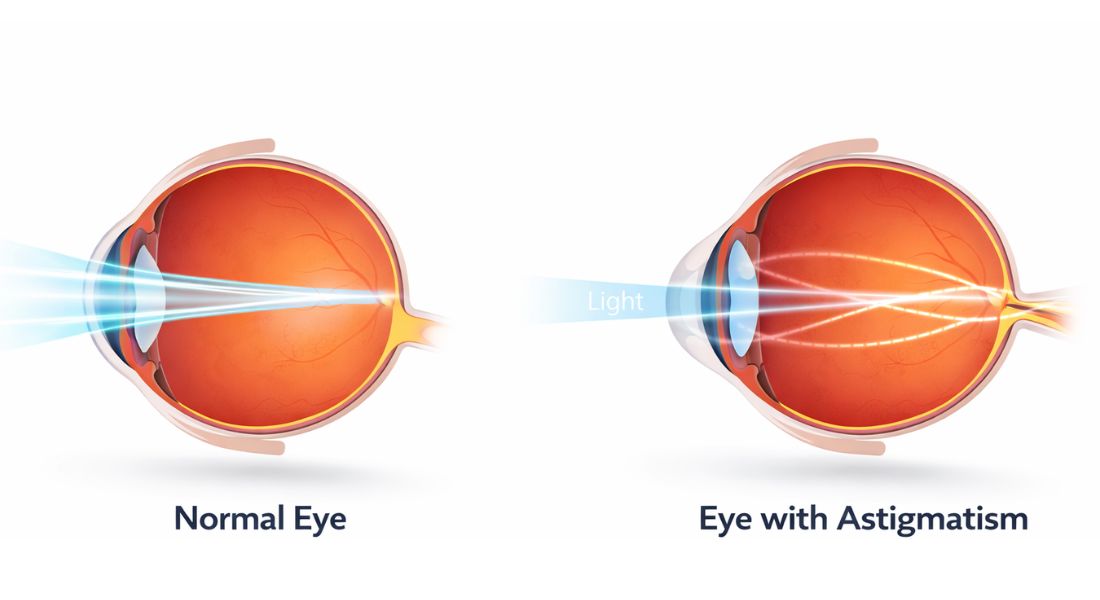
When light enters your eye, it should focus precisely on the retina to produce a clear image. With astigmatism, the uneven curvature of your cornea bends light differently in different directions. As a result, light does not converge at a single point but instead creates multiple focal points inside the eye.
Because of this, your brain receives several overlapping or slightly misaligned images rather than one sharp picture. This can make your vision appear blurred, stretched, or distorted. Straight lines may seem slightly curved, and small details may be harder to see clearly.
Astigmatism can affect both your near and distance vision. The level of visual disturbance usually depends on how irregular the cornea is. Mild astigmatism may cause only subtle blurring, while higher levels can significantly affect visual clarity.
How Astigmatism Is Diagnosed
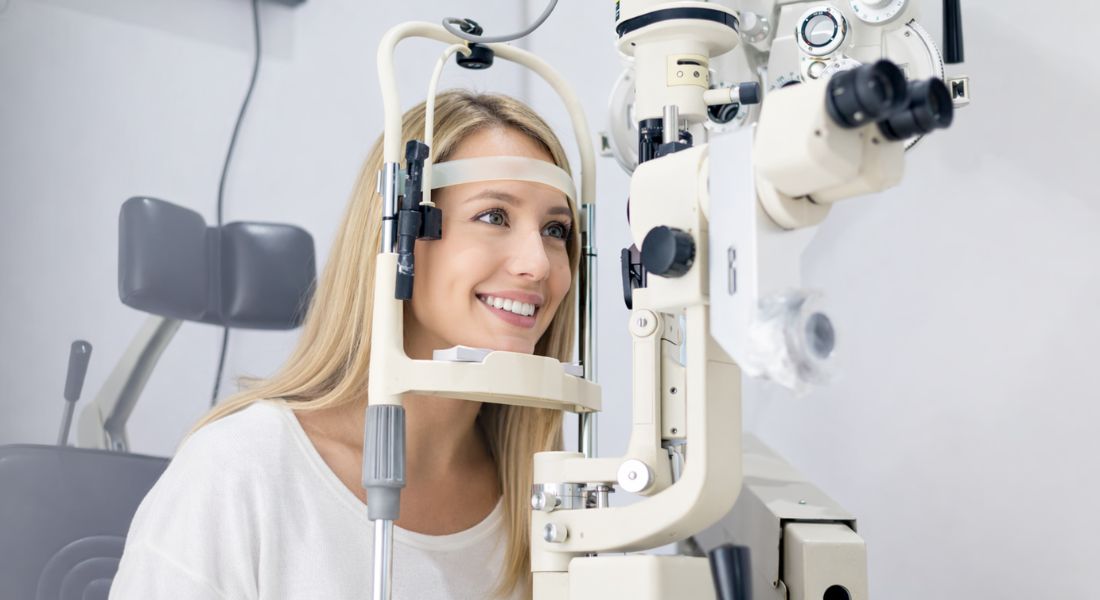
Astigmatism is usually diagnosed during a routine eye examination. During the test, your eye specialist measures how light passes through your eye and how it focuses on the retina. Several diagnostic instruments are used to assess your vision and evaluate the shape of your cornea.
One common test is keratometry, which measures the curvature of your cornea. Another important method is corneal topography, which creates a detailed map of the corneal surface. These tests help identify whether your cornea has a regular shape or an irregular curvature that causes astigmatism.
Understanding the degree of astigmatism is essential when deciding on the most suitable treatment. This information also plays an important role when planning laser eye surgery. Accurate measurements help ensure the procedure is tailored to your individual vision needs.
Traditional Treatments for Astigmatism
Glasses and contact lenses are the most common ways to manage astigmatism. Special cylindrical lenses are designed to compensate for the uneven curvature of your cornea. By adjusting how light enters your eye, these lenses help focus it more accurately onto the retina and improve visual clarity.
While glasses can provide clear vision, they do not correct the underlying shape of your cornea. Contact lenses may offer sharper vision for some people, but they require regular cleaning and daily care. Because of this ongoing maintenance, many patients begin looking for longer-term alternatives.
Laser eye surgery offers a different approach by reshaping the cornea itself. Instead of simply compensating for the refractive error, the procedure aims to correct the source of the problem. This is why many people consider laser vision correction when they want to reduce their dependence on glasses or contact lenses.
How Laser Eye Surgery Works
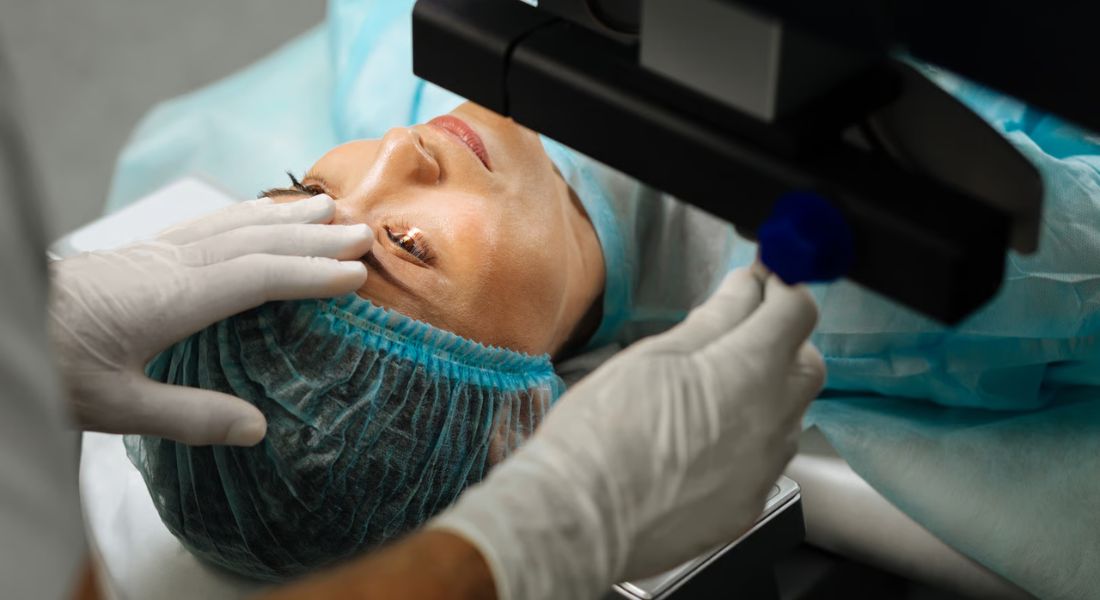
Laser eye surgery uses advanced laser technology to reshape your cornea with a high level of precision. During the procedure, the laser removes microscopic amounts of corneal tissue in carefully calculated areas. This gentle reshaping changes how light enters your eye and improves the way it focuses.
By adjusting the curvature of your cornea, the procedure can correct refractive errors such as astigmatism. The goal is to create a smoother, more symmetrical corneal surface so that light focuses accurately on the retina. When this happens, your vision can become clearer and more stable.
The treatment is guided by detailed diagnostic measurements taken during your eye examination. These measurements allow your surgeon to plan the procedure according to the exact shape of your cornea and your specific vision needs. This customised approach helps achieve precise and reliable results.
Types of Laser Eye Surgery Used for Astigmatism
Several types of laser eye surgery can be used to correct astigmatism. One of the most widely performed procedures is LASIK. During this treatment, your surgeon creates a thin flap in the cornea and then reshapes the underlying tissue with a laser to improve how light focuses in your eye.
Another option is Photorefractive Keratectomy, often called PRK. This procedure reshapes the corneal surface without creating a flap, which may make it suitable if you have thinner corneas. Recovery can take a little longer, but the visual results can still be very effective.
A newer technique known as SMILE removes a small piece of corneal tissue through a tiny incision. This minimally invasive method can also correct certain types of astigmatism. Your surgeon will recommend the most suitable option based on your eye health and the degree of astigmatism you have.
How the Cornea Is Reshaped
Laser eye surgery works by carefully altering the shape of the cornea, the clear front surface of the eye that plays a crucial role in focusing light. In conditions such as astigmatism, the cornea is not perfectly round, which causes light to focus unevenly on the retina. This irregular curvature leads to blurred or distorted vision. By reshaping the cornea with a highly precise laser, surgeons can improve how light enters the eye and restore clearer vision.
- Targeting uneven areas of the cornea: During the procedure, the laser focuses on specific areas of the cornea that contribute to the irregular shape. In astigmatism treatment, the aim is to smooth and balance the surface so that the cornea becomes more evenly curved.
- Removing microscopic amounts of tissue: The laser removes extremely small amounts of corneal tissue with exceptional accuracy. Each laser pulse is controlled by advanced computer guidance, ensuring that only the necessary areas are treated.
- A quick and controlled process: Although the technology is highly sophisticated, the actual laser application usually lasts only a few seconds. Throughout the procedure, the system continuously tracks eye movement to maintain precise positioning.
- Improving the way light focuses: Once the cornea has been reshaped, light can pass through the eye and focus more accurately on the retina. This correction improves visual sharpness and reduces the distortion commonly associated with astigmatism.
Reshaping the cornea in this way allows the eye’s natural focusing system to function more effectively. The goal is to create a smoother optical surface that supports clearer and more stable vision. With modern laser technology, these adjustments can be made with remarkable precision and consistency.
Who Is a Good Candidate for Treatment
Laser eye surgery can be highly effective for correcting astigmatism, but not everyone is automatically suitable for the procedure. Before treatment is recommended, you must undergo a comprehensive eye examination to evaluate the health and structure of your eyes. Several factors influence whether laser surgery can be performed safely and effectively. A careful assessment ensures that the treatment plan is appropriate for your specific visual needs.
- Stable vision prescription: Your vision prescription should remain stable for at least one year before undergoing laser eye surgery. Frequent changes in prescription may indicate that the eyes are still changing, which could affect the long-term stability of the results.
- Adequate corneal thickness: The cornea must be thick enough to allow safe reshaping with a laser. During your examination, your specialist will measure the corneal structure to confirm that sufficient tissue is available for the procedure.
- Overall eye health: Healthy eyes are essential for successful treatment and recovery. Conditions such as severe dry eye, corneal disease, or active eye infections may need to be treated first or may make laser surgery unsuitable.
- General health considerations: Certain medical conditions or medications can influence healing. Your specialist will review your medical history to determine whether the procedure is appropriate for you.
During your consultation, the eye specialist will carefully review all examination results and discuss your options in detail. This personalised evaluation helps ensure that laser eye surgery is both safe and effective for your situation. By selecting suitable candidates, surgeons aim to achieve the best possible visual outcomes.
The Consultation Process
Before laser eye surgery is recommended, you will attend a detailed consultation with an eye specialist. This appointment is designed to assess your eye health, understand your vision needs, and determine whether the procedure is suitable for you. A thorough consultation ensures that treatment decisions are based on accurate medical information and realistic expectations. It also gives you the opportunity to ask questions and understand the process fully.
- Comprehensive diagnostic testing: During the consultation, several tests are performed to measure corneal thickness, curvature, and the overall condition of your eyes. These measurements help the specialist understand how your eyes focus light and whether laser reshaping can safely correct your vision.
- Creating a personalised treatment plan: The data collected from these tests allows the surgeon to design a treatment plan tailored to your eyes. Each laser procedure is customised to match your corneal shape and visual prescription.
- Discussing lifestyle and visual goals: You will also talk about your daily activities, work requirements, and expectations for vision after surgery. Understanding how you use your eyes helps determine which type of procedure is most suitable for you.
- Clear explanation of the procedure: The specialist will explain how the surgery works, what results you can realistically expect, and how recovery typically progresses. This information helps you make a confident and informed decision.
A thorough consultation ensures that you are fully prepared before moving forward with treatment. It provides a clear understanding of the procedure and helps align expectations with likely outcomes. This preparation often leads to greater confidence and overall satisfaction with the results.
What Happens During the Procedure
Laser eye surgery is typically completed within a short period of time, often just a few minutes per eye. Before the procedure begins, your eye is numbed using anaesthetic drops to ensure you remain comfortable throughout the treatment. You will stay awake during the procedure, but most patients find it quick and painless.
During the surgery, a specialised laser reshapes your cornea according to the personalised treatment plan created during your eye assessment. Advanced eye-tracking technology monitors even the smallest movements of your eye and adjusts the laser in real time. This helps maintain a very high level of precision throughout the procedure.
Many patients begin to notice clearer vision soon after the treatment is completed. Your eyes may take some time to fully stabilise as they heal. The exact recovery experience can vary slightly depending on the type of laser eye surgery performed.
Recovery After Laser Eye Surgery
Recovery after laser eye surgery is usually quite quick for most patients. Many people begin to notice clearer vision within a day or two of the procedure. During the early healing phase, you may experience mild dryness, light sensitivity, or slight irritation, which is completely normal.
Lubricating eye drops are typically recommended to keep your eyes comfortable while the cornea stabilises. These drops help maintain moisture and support the healing process. Your surgeon will also schedule follow-up appointments to ensure that your eyes are recovering as expected.
Most patients are able to return to normal daily activities within a few days. However, it is important to follow all aftercare instructions carefully. Taking proper care of your eyes during recovery helps ensure the best possible visual outcome.
Results Patients Can Expect
Laser eye surgery can significantly reduce or even eliminate astigmatism for many patients. By reshaping your cornea, the procedure improves the way light focuses on your retina. This often results in clearer vision and less reliance on glasses or contact lenses.
The outcome can vary depending on several factors, including the degree of astigmatism you have before surgery. Patients with mild to moderate astigmatism often achieve excellent results and noticeable visual improvement. If your prescription is higher, you may still experience a major improvement in clarity.
Many patients report sharper vision and greater freedom from corrective lenses after the procedure. In most cases, the results are long lasting. With proper eye care and regular check-ups, you can maintain clear vision for many years.
Long-Term Stability of Results
Laser eye surgery is designed to provide long-lasting vision correction. Once the cornea has been reshaped during the procedure, it usually maintains its new curvature for many years. This structural change allows light to focus more accurately on the retina, improving visual clarity and reducing distortion caused by astigmatism. For most patients, the results remain stable and reliable over the long term.
- Permanent reshaping of the cornea: The laser permanently alters the shape of the cornea to correct the irregular curvature responsible for astigmatism. Because this change affects the structure of the eye, the improvement in vision is generally long-lasting.
- Stable correction for astigmatism: In most cases, once astigmatism is corrected with laser surgery, it does not return. The cornea typically retains the smoother, more balanced shape created during the procedure.
- Age-related vision changes may still occur: Although the surgical correction remains stable, natural ageing of the eye can still affect vision. For example, many people develop presbyopia later in life, which may require reading glasses.
- Ongoing eye care remains important: Regular eye examinations allow your eye specialist to monitor overall eye health and detect any changes early. Routine check-ups help ensure that your vision remains clear and your eyes stay healthy.
While laser eye surgery offers long-term improvement in vision, maintaining good eye health is still essential. Age-related changes are a natural part of life, but they do not usually affect the stability of the original correction. By attending regular eye examinations and following professional advice, you can support lasting results and continued visual comfort.
Risks and Considerations
Like any medical procedure, laser eye surgery carries some potential risks. During the early recovery period, you may experience temporary dryness, light sensitivity, or mild discomfort. These effects are usually short term and tend to improve as your eyes continue to heal.
In rare cases, complications such as undercorrection or overcorrection may occur. This means the vision may not be fully corrected after the initial treatment. However, modern laser technology and improved surgical techniques have significantly reduced these risks. Careful patient assessment and personalised treatment planning also help improve safety.
Discussing potential risks during your consultation is an important part of the process. This allows you to understand the procedure clearly and ask any questions you may have. Having realistic expectations helps you make an informed decision about whether laser eye surgery is right for you.
Technological Advances in Laser Vision Correction
Laser eye surgery technology has advanced significantly over the past few decades. Modern laser systems are extremely precise and guided by sophisticated computer software. These systems allow your treatment to be customised according to the exact shape and characteristics of your eyes.
One important innovation is Wavefront Technology, which creates a highly detailed map of your eye’s optical system. This technology helps surgeons detect and correct even very small irregularities in the way light travels through your eye. As a result, many patients experience improved visual clarity and overall visual quality.
Continuous advances in imaging systems and laser technology are making laser vision correction safer and more accurate. Improved diagnostic tools allow surgeons to plan procedures with greater precision. Because of these developments, patients today benefit from more reliable outcomes and a higher level of safety.
Combining Astigmatism Correction with Other Vision Problems
Astigmatism often occurs alongside other refractive errors, such as short-sightedness or long-sightedness. When this happens, vision may appear blurred at multiple distances, making everyday tasks more challenging. Modern laser eye surgery can address several vision problems during the same procedure. By correcting these issues together, the treatment aims to provide clearer and more balanced vision.
- Correcting multiple refractive errors at once: Many patients have astigmatism along with myopia (short-sightedness) or hyperopia (long-sightedness). Laser eye surgery can reshape the cornea in a way that corrects these refractive errors simultaneously.
- Improving overall visual clarity: Treating multiple vision problems at the same time often leads to a noticeable improvement in day-to-day activities. Tasks such as reading, driving, and using digital screens may become easier and more comfortable.
- Creating balanced vision at different distances: The goal of combined correction is to provide stable and consistent vision across a range of distances. This balanced approach helps reduce reliance on glasses or contact lenses.
- Personalised treatment planning: Each patient’s eyes are unique, so the treatment plan is customised based on detailed diagnostic measurements. This ensures that every refractive error is addressed with precision.
By correcting astigmatism alongside other vision problems, laser eye surgery can deliver more comprehensive results. The personalised nature of the procedure allows surgeons to tailor treatment to your specific visual needs. This approach often leads to clearer, more comfortable vision in everyday life.
Lifestyle Benefits of Vision Correction

Correcting astigmatism with laser eye surgery can make a noticeable difference in your daily life. Many patients enjoy greater freedom from glasses and contact lenses after treatment. Activities such as sports, travelling, or outdoor adventures often become more convenient without the need for corrective eyewear.
Clearer vision can also improve your overall comfort and confidence. Everyday tasks such as driving, reading, or using digital screens may feel easier when your vision is sharper. These improvements can make daily routines smoother and more enjoyable.
Many people also value the long-term convenience that vision correction provides. Reducing your reliance on glasses or contact lenses can simplify your lifestyle and save time on maintenance. For many patients, these practical benefits contribute to a high level of satisfaction with the procedure.
Preparing for Laser Eye Surgery
Preparing for laser eye surgery involves following a few important steps before the procedure takes place. Your eye specialist will provide specific instructions designed to ensure that your eyes are in the best possible condition for treatment. Proper preparation helps improve the accuracy of the procedure and supports a smooth recovery afterwards. Taking time to understand these guidelines can also make the overall experience feel more comfortable and predictable.
- Stopping contact lens use before evaluation: If you wear contact lenses, you will usually need to stop using them for a short period before your consultation or surgery. Contact lenses can temporarily alter the shape of the cornea, and stopping their use allows the cornea to return to its natural form for accurate measurements.
- Planning transport after the procedure: Your vision may be temporarily blurred or sensitive to light immediately after surgery. For this reason, it is important to arrange for someone to drive you home or accompany you after the appointment.
- Following pre-surgery instructions carefully: Your clinic may advise avoiding certain cosmetics, lotions, or eye products on the day of surgery. These precautions help maintain a clean treatment environment and reduce the risk of irritation.
- Preparing for recovery at home: It can be helpful to prepare your home in advance by having lubricating eye drops, sunglasses, and comfortable resting space ready. Being organised allows you to focus on resting and healing after the procedure.
Understanding how to prepare for laser eye surgery can greatly reduce uncertainty and anxiety. When you follow the guidance provided by your eye specialist, you help ensure that the procedure proceeds smoothly. Good preparation supports both the safety of the treatment and the quality of the final results.
The Importance of Choosing an Experienced Surgeon
Choosing an experienced eye specialist is an important step in achieving successful vision correction. A skilled surgeon uses advanced technology, detailed assessments, and careful planning to deliver precise treatment. Their experience plays a key role in improving both the safety of the procedure and the quality of the results you achieve.
Your consultation is also an opportunity to discuss any questions or concerns you may have. Learning about the surgeon’s approach, the technology they use, and the expected outcomes can help you feel more confident about the procedure. Open and clear communication ensures you fully understand each step of the treatment process.
Selecting a reputable clinic also means you have access to modern diagnostic equipment and experienced medical care. High-quality facilities and professional guidance support better treatment planning and safer procedures. With the right surgeon and clinic, you can feel reassured that your vision correction is in capable hands.
Why Many Patients Choose Laser Vision Correction
Laser eye surgery has become one of the most widely chosen vision correction procedures around the world. The combination of precision, safety, and long-term results makes it an attractive option for many patients. Continuous advances in technology have also improved both the accuracy of the procedure and the quality of outcomes.
Many people choose laser vision correction because they want greater independence from glasses or contact lenses. Correcting astigmatism is one of the major benefits of these procedures. With clearer vision, everyday activities such as driving, working, or exercising can feel more comfortable and convenient.
As awareness of laser vision correction continues to grow, more individuals begin to explore whether it is suitable for their needs. A thorough consultation with an eye specialist helps determine the most appropriate treatment. This personalised assessment ensures you choose the best option for achieving clearer vision.
FAQs:
- Can laser eye surgery completely cure astigmatism?
Laser eye surgery can significantly reduce or completely correct astigmatism for many patients. The procedure reshapes the cornea so that light entering the eye focuses properly on the retina. While results vary depending on the severity of the condition and individual eye characteristics, many people achieve clear vision with little or no need for glasses or contact lenses after treatment. - How does laser eye surgery fix astigmatism?
Laser eye surgery corrects astigmatism by reshaping the cornea to create a more symmetrical surface. When the cornea is uneven, light focuses at multiple points inside the eye, causing blurred or distorted vision. The laser carefully removes microscopic amounts of tissue from specific areas of the cornea, allowing light to focus more accurately and improving visual clarity. - Is laser eye surgery safe for people with astigmatism?
Laser eye surgery is considered a safe and well-established procedure for correcting astigmatism when performed on suitable candidates. Modern laser technology and detailed diagnostic testing help ensure precise treatment planning. As with any medical procedure, there are some risks, but careful evaluation and experienced surgeons help minimise potential complications. - What types of laser eye surgery can treat astigmatism?
Several types of laser vision correction procedures can treat astigmatism, including LASIK, PRK, and SMILE. Each technique reshapes the cornea in slightly different ways, and the most suitable option depends on factors such as corneal thickness, eye health, and the degree of astigmatism. Your eye specialist will recommend the best procedure for your individual needs during the consultation. - Am I a suitable candidate for laser eye surgery if I have astigmatism?
You may be a suitable candidate if your astigmatism prescription has remained stable and your eyes are otherwise healthy. Your specialist will assess several factors, including corneal thickness, overall eye health, and your medical history. A detailed examination helps determine whether laser eye surgery is the safest and most effective option for your vision correction. - How long does the procedure take?
Laser eye surgery itself usually takes only a few minutes for each eye, although the full appointment may last longer to allow for preparation and post-procedure checks. The laser treatment is extremely quick and guided by advanced technology that ensures precision. Most patients are surprised by how fast the procedure is completed. - How soon will I notice improved vision after surgery?
Many patients notice clearer vision within the first day or two after laser eye surgery. Vision may continue to improve gradually as the eyes heal and the cornea stabilises. Some temporary blurriness or dryness can occur during early recovery, but this usually improves as healing progresses. - Will I still need glasses after laser eye surgery for astigmatism?
Many patients experience a significant reduction in their dependence on glasses or contact lenses after surgery. Some individuals achieve completely clear vision without corrective eyewear, while others may still require glasses for certain activities such as reading or night driving. The outcome depends on the degree of astigmatism and individual eye characteristics. - How long do the results of laser eye surgery last?
The correction achieved through laser eye surgery is generally long lasting because the cornea maintains its new shape after treatment. However, natural age-related changes in vision can still occur later in life, such as presbyopia. Regular eye examinations help monitor your eye health and ensure long-term visual stability. - Does laser eye surgery hurt?
Laser eye surgery is typically not painful because anaesthetic eye drops are used to numb the surface of the eye before the procedure begins. You may feel slight pressure during treatment, but most patients describe the experience as comfortable. After the procedure, mild irritation or dryness can occur temporarily while the eyes heal.
Final Thought: Considering Laser Eye Surgery for Astigmatism
Astigmatism can affect how clearly you see the world, but modern vision correction treatments offer effective solutions. Laser eye surgery works by reshaping the cornea so that light focuses properly on the retina, helping to reduce or eliminate the distortion caused by this common refractive error. For many patients, this procedure provides clearer vision and greater freedom from glasses or contact lenses.
If you have astigmatism and are considering laser vision correction, a detailed consultation is the best place to start. Careful assessment of your eye health, corneal shape, and visual needs helps determine whether the procedure is suitable for you and which treatment approach may provide the best results.
If you’re considering laser surgery in London and want to know whether it may be the right option for your vision, you’re welcome to reach out to us at Eye Clinic London to arrange a consultation. A personalised evaluation can help you understand your options and take the next step towards clearer, more comfortable vision.
Reference:
- Avunduk, A.M., Senft, C.J., Emerah, S., Varnell, E.D. and Kaufman, H.E., 2004. Corneal healing after uncomplicated LASIK and its relationship to refractive changes: a six‑month prospective confocal study. https://pubmed.ncbi.nlm.nih.gov/15111586/
- Yahalomi, T., 2023. Dry Eye Disease following LASIK, PRK, and LASEK. Journal of Clinical Medicine, 12(11). https://www.mdpi.com/2077-0383/12/11/3761
- Wilson, S.E., 2001. The wound healing response after laser in situ keratomileusis and photorefractive keratectomy. https://jamanetwork.com/journals/jamaophthalmology/fullarticle/266845
- Ying, J. and colleagues, 2024. Complications in patients who have undergone laser refractive surgery. British Journal of Ophthalmology. https://pmc.ncbi.nlm.nih.gov/articles/PMC11921254/
- Chan, C. and Hodgkinson, T., 2018. Visual outcomes and management after corneal refractive surgery: a review. Progress in Retinal and Eye Research, 65, pp.1–22. https://www.sciencedirect.com/science/article/pii/S1888429617300705