

Can You Wear Makeup After Laser Eye Surgery?
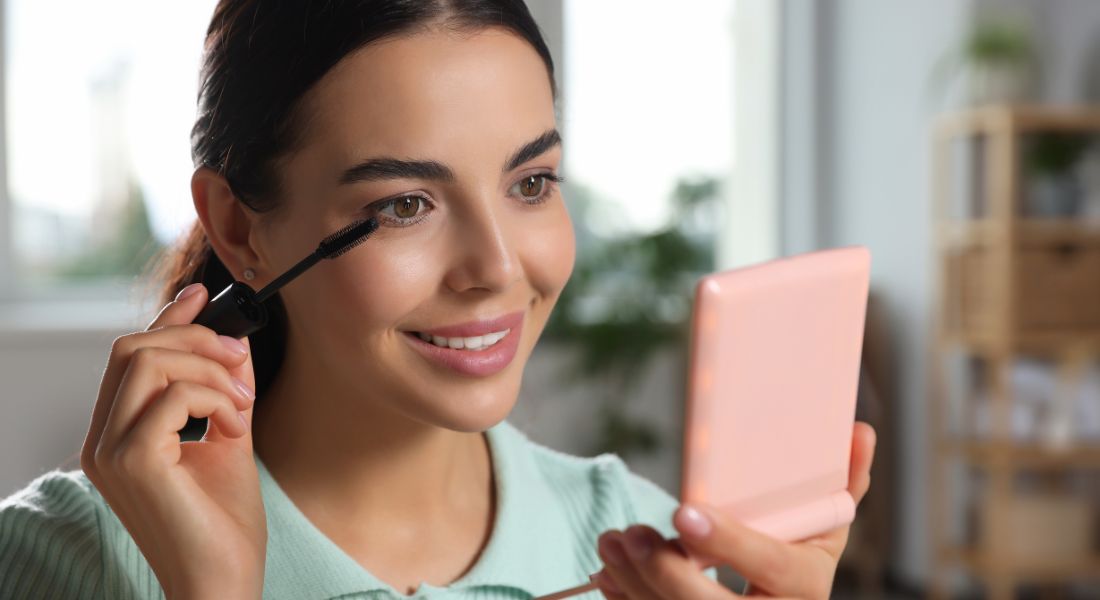
Laser eye surgery can greatly improve your vision and reduce your need for glasses or contact lenses. Right after the procedure, your eyes need time to heal properly. You might be wondering when it’s safe to start wearing makeup again. Knowing the right timing can help you protect your eyes and your results.
During the first few days of recovery, the surface of your eyes is still stabilising. Applying makeup too soon could introduce bacteria or irritants, which may slow healing or cause discomfort. It’s best to avoid any products near your eyes until they are ready. Keeping your routine simple during this period supports a smoother recovery.
Once your eyes have healed enough, you can gradually reintroduce cosmetics. Start with gentle products and clean brushes to minimise the risk of irritation. Paying attention to hygiene and avoiding heavy eye makeup at first will help protect your vision. Following these precautions lets you enjoy makeup safely without compromising your surgical outcome.
Why Makeup Should Be Avoided Immediately After Surgery
Right after laser eye surgery, your cornea is still very delicate and in the early stages of healing. Even tiny particles from powder, mascara flakes, or eyeliner could scratch or irritate your eyes. Using makeup too soon may slow your recovery or even cause discomfort. By avoiding cosmetics at this stage, you give your eyes the best chance to heal quickly and safely.
Cosmetic products can also carry bacteria, which your eyes are especially vulnerable to during this period. If bacteria enter your eyes while the cornea is fragile, an infection could develop, potentially leading to more serious complications. Even well-known brands are not completely risk-free, as contamination can occur on brushes, applicators, or the product itself. Keeping your eyes completely free from makeup for the first few days is essential to prevent any unnecessary issues.
Most surgeons recommend staying away from all eye-area cosmetics during the early recovery period. This includes eyeshadow, mascara, eyeliner, and even creams applied close to the eyelids. Following this advice helps ensure your healing progresses smoothly and reduces the risk of irritation or infection. Protecting your eyes now not only supports short-term comfort but also helps secure the best possible long-term results for your vision.
Understanding the Healing Process
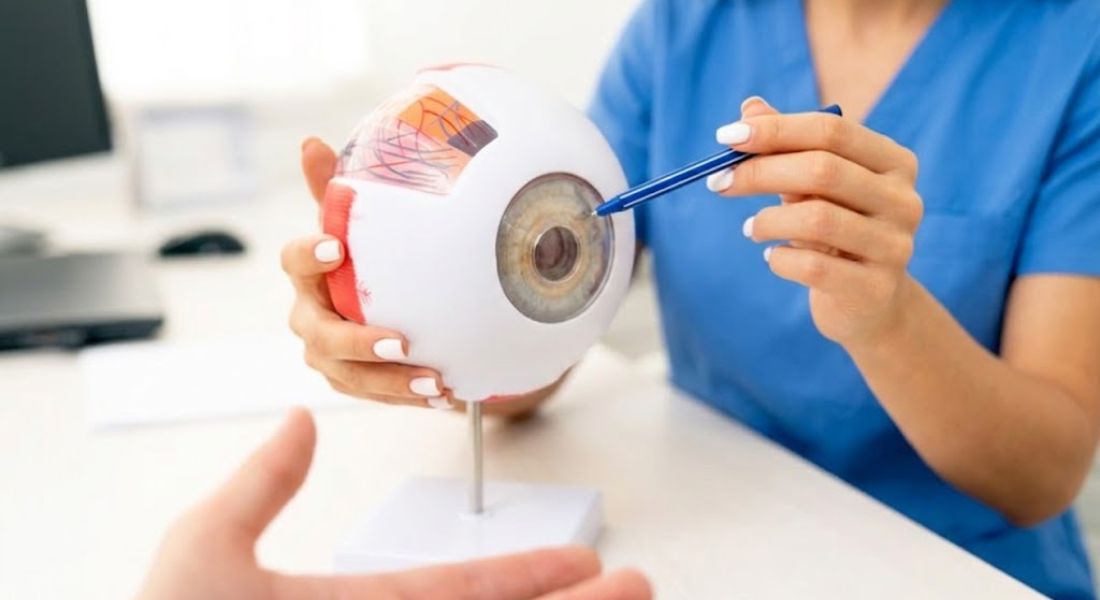
Laser eye surgery works by reshaping your cornea to correct your vision. After the procedure, the surface of your eye gradually stabilises as the corneal cells regenerate and the tissue recovers. This healing process can continue over several days, and in some cases, weeks. Being aware of how your eyes heal helps you make safe choices about what you do during recovery.
During this period, your eyes may feel dry, sensitive, or slightly irritated. Your surgeon will often recommend lubricating eye drops to keep them moist and comfortable. Simple habits, like avoiding rubbing your eyes or exposure to dust and smoke, also support the recovery process. Protecting the ocular surface now is essential for a smooth and effective healing journey.
Introducing makeup too early can interfere with this delicate process. Cosmetic products, even if applied carefully, might irritate the tissue or introduce tiny particles and bacteria into your eyes. Waiting until your eyes have healed sufficiently reduces the risk of complications and keeps your results safe. By giving your eyes time, you ensure a healthier recovery and better long-term vision.
When Eye Makeup Can Usually Be Worn Again
Most patients are advised to avoid eye makeup for at least one week after laser eye surgery. This allows the cornea time to recover from the procedure and reduces the risk of irritation or infection. Your surgeon may provide more specific guidance depending on the type of surgery performed.
- LASIK and SMILE recoveries are usually quick: These procedures often have a faster healing period, but the surface of the eye remains sensitive in the first few days. Avoiding cosmetics during this time helps protect your eyes and ensures optimal results.
- Follow-up appointments are key: Your doctor will check your healing progress and confirm when it is safe to resume using eye makeup. Waiting until this appointment can prevent complications and give peace of mind.
- Individual healing times vary: Every patient heals at a slightly different rate, so personalised medical advice is always the best approach. Even if you feel ready, it’s important to follow your surgeon’s instructions closely.
By following these guidelines, you can safely return to your usual makeup routine without compromising your recovery. Protecting your eyes during the first week helps maintain the results of your surgery and keeps your eyes comfortable.
Makeup Products That Should Be Avoided Initially
Certain cosmetic products carry a higher risk of causing eye irritation during the early stages of recovery. Mascara, eyeliner, and eyeshadow are applied very close to the eyelids and lashes, making it easy for particles or pigment to enter the eye while blinking.
- Powder-based makeup: Products such as loose powder, eyeshadow, or setting powder can create small particles that may fall into the eye. These particles can cause discomfort, irritation, or even infection while your eyes are still healing.
- Creams and moisturisers near the eyes: Some creams or skincare products contain fragrances, preservatives, or other chemicals that can irritate sensitive eyes. Using them too soon after surgery may increase the risk of redness or discomfort.
- Products applied directly on lashes or lids: Eyelash serums, heavy mascaras, or waterproof eye makeup should be avoided initially. They are difficult to remove without rubbing the eyes, which could interfere with healing.
During the first week (or as advised by your surgeon), it’s best to stick to gentle skincare and avoid any eye cosmetics. This helps your eyes recover safely and reduces the risk of complications, ensuring the best possible outcome from your surgery.
Why Eyeliner Requires Extra Caution
Eyeliner is applied very close to your eyelid margin, right along the edge of your lashes. This area sits near your tear film and the delicate surface of your eye, which means eyeliner can easily migrate into your eyes. After laser eye surgery, your eyes are more sensitive than usual, so even small amounts of product can cause irritation or discomfort. Being patient and waiting until your eyes have fully healed helps minimise this risk.
When you do resume using eyeliner, applying it carefully is essential. Avoid the inner lash line and stick to the outer area of your eyelid to prevent particles from entering your eyes. Using a clean, sharpened pencil or a new brush can also reduce the risk of introducing bacteria. Gentle application supports your eye comfort and helps protect the results of your surgery.
Avoiding Old Makeup Products
Using old makeup products after your surgery is not recommended. Over time, cosmetics especially mascara and eyeliner can accumulate bacteria that may be harmful to your eyes. Reusing these products too soon increases the risk of infection and irritation. By avoiding old makeup, you give your eyes a safer environment to heal.
Many surgeons suggest replacing all eye-area cosmetics after laser eye surgery. Starting with new, clean products significantly reduces the chance of contamination. This simple precaution helps protect your eyes while they are still sensitive and recovering.
Discarding older products also encourages better hygiene overall. Fresh cosmetics are less likely to contain bacteria and particles that could irritate your eyes. Maintaining clean products supports both short-term recovery and long-term eye health, letting you enjoy makeup safely once your healing is complete.
The Importance of Clean Makeup Brushes
Makeup brushes are one of the easiest ways to unknowingly transfer bacteria, oils, and leftover cosmetic residue onto your skin and eyes. During the recovery period after eye surgery, your eyes are particularly sensitive and more prone to irritation or infection. Even brushes that look clean can harbour microorganisms, especially if they have been used repeatedly without thorough washing. Taking the time to clean your brushes properly is a simple yet vital step in protecting your eyes and ensuring a smooth recovery.
- Thorough cleaning is essential: Brushes should be washed before each use with a gentle brush cleanser or mild soap to remove makeup buildup and bacteria.
- Dry completely before use: Allowing brushes to air dry fully prevents bacterial growth and ensures they are safe to use near sensitive eyes.
- Using clean tools reduces infection risk: Maintaining hygiene is critical after surgery. Simple precautions, such as using clean brushes, can protect healing eyes and support a safe return to your usual makeup routine.
By taking care of your tools, you can enjoy your makeup safely while minimising the risk of irritation or infection during recovery. Clean brushes are a small step that makes a big difference in protecting your eyes.
Avoiding Rubbing the Eyes
After laser eye surgery, you should avoid rubbing your eyes under any circumstances. Applying pressure can disrupt the healing process or cause unnecessary irritation. Even once you start wearing makeup again, being mindful of this advice remains important for protecting your vision.
Removing makeup can sometimes involve rubbing or wiping around your eyes, which may stress the delicate cornea. Using gentle techniques, like soft cotton pads and mild, hypoallergenic removers, helps you clean your eyes safely. Taking care during cleansing supports the recovery process and keeps your eyes comfortable.
Avoiding aggressive rubbing protects the cornea while it stabilises and continues to heal. Being patient and gentle reduces the risk of complications or prolonged sensitivity. By handling your eyes with care, you give yourself the best chance of a smooth and successful recovery.
Choosing Gentle Cosmetic Products
Once your surgeon gives the green light to wear makeup again, it’s important to choose gentle products to reduce the risk of irritation. Hypoallergenic cosmetics are usually recommended because they contain fewer ingredients that could trigger a reaction. Selecting milder products helps keep your eyes comfortable while you enjoy your routine.
Fragrance-free formulas can also be beneficial, as certain scents may cause sensitivity or discomfort. Even small amounts of irritants near the eye can make your eyes watery or itchy. By opting for fragrance-free and mild products, you support a safer, more comfortable makeup experience.
It’s also best to avoid waterproof makeup in the early stages. Waterproof formulas often require stronger removers, which can irritate sensitive eyes or disturb the healing cornea. Sticking to gentle, easy-to-remove products helps protect your eyes and ensures your recovery stays on track.
Removing Makeup Safely
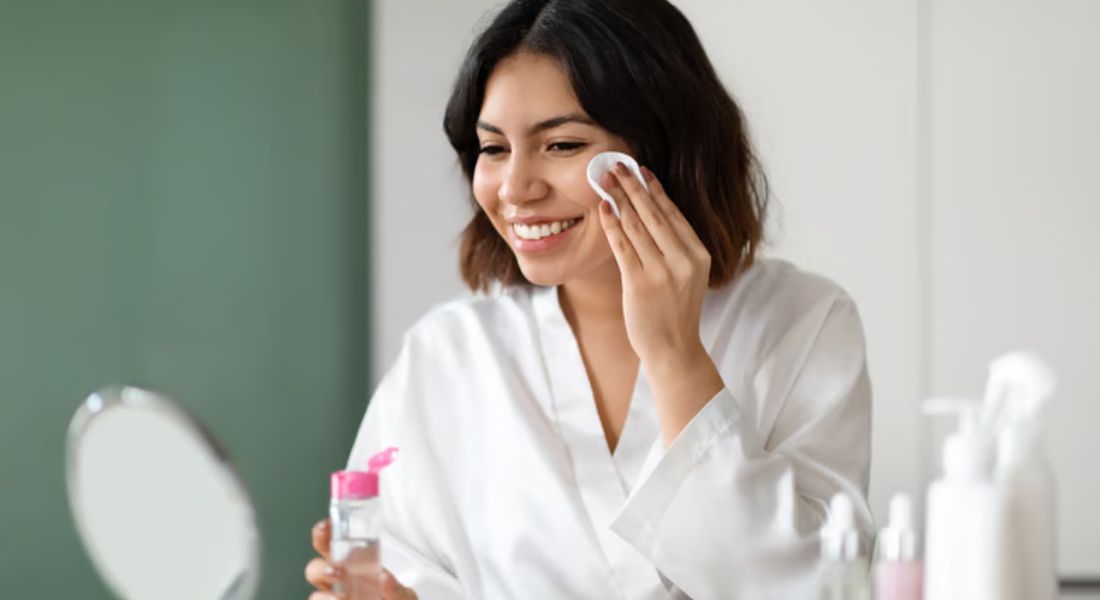
Removing makeup carefully is just as important as applying it safely, particularly after eye surgery. Your eyes and surrounding skin are more sensitive during recovery, and harsh rubbing or aggressive cleansing can cause irritation or even disturb the healing process. Adopting gentle removal techniques helps protect the ocular surface while keeping your eyes comfortable.
- Use a mild, eye-safe remover: Choose makeup removers specifically formulated for sensitive eyes. They effectively dissolve products without causing stinging or irritation.
- Apply gently with soft cotton pads: Using soft pads or wipes avoids friction and minimises pressure on the eyelids. Lightly pressing and wiping is safer than rubbing vigorously.
- Follow with a gentle facial cleanser: Washing your face afterwards removes any leftover makeup particles or residues near the eyes. This step ensures your skin is fully clean and helps support proper healing.
By adopting these careful removal habits, you can protect your eyes and surrounding skin while maintaining your usual makeup routine safely. Gentle cleansing is a simple but vital step in supporting a smooth recovery.
Avoiding Lash Extensions During Recovery
You should avoid lash extensions during the early recovery period after laser eye surgery. The adhesives used can irritate sensitive eyes, and the application process exposes your eyes to chemicals and particles. Even small contact with these substances could interfere with healing.
Maintaining lash extensions usually involves touching or rubbing the eyelids, which increases the risk of irritation or contamination. Your eyes are still delicate during this time, so any unnecessary contact could slow your recovery. Waiting until your eyes have fully healed reduces these risks and keeps your vision safe.
Your surgeon will advise you when it’s safe to resume cosmetic eyelash treatments. Being patient during recovery protects your surgical results and helps ensure long-term eye health. By holding off on extensions, you give your eyes the best chance to heal comfortably and effectively.
Managing Dryness During Recovery
It’s common to experience dryness in your eyes during the recovery period after laser eye surgery. Applying cosmetic products too early can make this worse and increase discomfort. Using lubricating drops as recommended helps keep your eyes comfortable and supports proper healing.
Artificial tears are usually prescribed to maintain hydration and protect the delicate cornea. Using them regularly not only reduces irritation but also helps your eyes recover more effectively. Following this routine consistently is important for keeping your eyes healthy during the early stages of recovery.
Even once you resume wearing makeup, you may still notice occasional dryness or sensitivity. Continuing to use lubricating drops as needed can help maintain comfort throughout the day. Keeping your eyes properly hydrated supports long-term eye health and makes your recovery smoother.
Avoiding Powder Near the Eyes
Powder-based cosmetics pose a higher risk of irritation during the early stages of eye recovery. Small particles from powders can easily fall into the eyes, potentially causing discomfort, redness, or disruption to the healing cornea. Even products that seem harmless, like loose powder or glitter, can enter the tear film and irritate sensitive eyes. It’s best to avoid powders near the eyelids until your surgeon confirms it is safe.
- Loose powder and glitter are particularly risky: These products can easily dislodge and enter the eyes while blinking. Even minimal contact can cause stinging or redness during recovery.
- Cream-based products are generally safer: Once your surgeon permits makeup, cream or liquid formulations can be applied more safely. Gentle application, avoiding the eyelid margins, helps reduce irritation.
- Avoid eyelid margins: Keeping makeup slightly away from the lash line and lid edges protects the sensitive ocular surface. This simple precaution supports healing and comfort.
By choosing the right products and applying them carefully, you can enjoy makeup safely without compromising recovery. Avoiding powders near the eyes is a small step that makes a big difference to comfort and safety.
Understanding Follow-Up Appointments

Follow-up appointments are a crucial part of your recovery after laser eye surgery. During these visits, your surgeon checks how well your eyes are healing and addresses any concerns you might have. You can also ask directly about when it’s safe to resume wearing makeup.
Your doctor will examine your cornea to make sure healing is progressing normally. If everything looks good, you may be able to gradually return to normal activities, including applying cosmetics. These appointments are an important checkpoint to ensure your eyes are recovering as expected.
Attending follow-up visits helps you stay on track and prevents complications. Professional guidance during these appointments provides reassurance and clear instructions. By following your surgeon’s advice carefully, you give yourself the best chance of a smooth and successful recovery.
Signs That Makeup May Be Causing Irritation
If you notice redness, itching, or discomfort after applying makeup, it may be irritating your eyes. These symptoms often appear if products are introduced too soon during recovery. Removing the makeup promptly can help relieve irritation and prevent further problems.
You should monitor any symptoms carefully and take them seriously. Persistent irritation or unusual reactions may require medical advice from your surgeon or optometrist. Identifying and avoiding the product causing the issue is key to keeping your eyes safe.
Listening to your body during recovery is essential. If you experience discomfort, it’s best to stop using cosmetics temporarily and give your eyes time to rest. Protecting your eyes should always remain your top priority, even as you gradually return to your normal routine.
Returning to Normal Cosmetic Routines
After the initial healing period, most patients are able to return to their usual makeup routines. By this stage, the eyes have stabilised, and cosmetics generally no longer pose a risk when applied carefully. Gradually reintroducing products allows you to monitor comfort and ensure that no irritation occurs. Taking a cautious, step-by-step approach helps protect your eyes and maintain the results of your surgery.
- Start with minimal products: Begin with only essential items, such as light foundation or a gentle eye shadow. This allows you to check for any sensitivity or discomfort before using more products.
- Add additional cosmetics gradually: If your eyes remain comfortable, you can slowly reintroduce other products such as mascara or eyeliner. This stepwise approach reduces the risk of irritation or strain.
- Maintain hygiene practices: Continue using clean brushes, cotton pads, and makeup applicators. Good hygiene helps prevent infections and protects sensitive eyes.
- Monitor for any signs of irritation: Even after the eyes have healed, pay attention to redness, stinging, or discomfort. Pausing use of a product and consulting your surgeon if problems arise is always advisable.
By taking a gradual and careful approach, you can safely enjoy your full cosmetic routine without compromising eye health. Maintaining hygiene and observing how your eyes respond ensures that your recovery remains smooth. Over time, you can confidently return to all your preferred products while keeping your eyes comfortable and protected.
Maintaining Eye Hygiene
Maintaining good hygiene around your eyes is essential for preventing infection, especially during recovery from laser eye surgery. Always wash your hands thoroughly before applying makeup to minimise the risk of transferring bacteria. Clean hands make a big difference in keeping your eyes safe and healthy.
You should also store your cosmetics properly and avoid sharing them with others. Cross-contamination from shared products can introduce bacteria and increase the risk of irritation or infection. Keeping your makeup clean and separate ensures your eyes stay protected.
Replacing your makeup regularly is another important step. For example, mascara should typically be replaced every few months to avoid bacterial buildup. By maintaining good hygiene, you protect both your eyes and the surrounding skin, supporting a safer, more comfortable recovery.
Lifestyle Habits That Support Healing
Certain lifestyle habits can play a big role in supporting your recovery after laser eye surgery. Getting adequate sleep allows your body and your eyes to heal more effectively. Resting your eyes during the early days helps reduce strain and promotes faster recovery.
Staying well hydrated also supports your eyes. Drinking plenty of water helps maintain tear production and keeps the ocular surface moist, which can reduce dryness and discomfort. Proper hydration is a simple yet effective way to aid the healing process.
Limiting screen time during the early stages of recovery is another helpful habit. Reducing eye strain allows your cornea to stabilise and prevents additional irritation. By incorporating these healthy routines, you give your eyes the best chance for a smooth and comfortable recovery.
Why Following Medical Advice Is Important
Following your surgeon’s instructions is the safest way to protect your eyes after laser eye surgery. Recovery guidelines are designed to minimise irritation, prevent infection, and support the healing process. By sticking to these instructions, you give yourself the best chance of achieving optimal results.
Every patient’s recovery is slightly different, and your surgeon knows how your eyes are healing. Their personalised recommendations should always take priority over general advice. Listening carefully to their guidance ensures that your recovery stays on track.
Clear communication between you and your doctor is key to a successful recovery. Don’t hesitate to ask questions during follow-up appointments or if you notice any changes. Understanding your aftercare fully helps you protect your eyes and enjoy the best possible outcome from your surgery.
Long-Term Eye Care After Surgery
Once your eyes have fully healed, most patients enjoy clear vision without relying on glasses or contact lenses. However, maintaining good eye health is still important even after recovery. Regular eye examinations help monitor your vision and ensure any potential issues are caught early.
Protecting your eyes from dryness, irritation, and environmental stressors remains beneficial in the long term. Healthy habits, such as staying hydrated, taking screen breaks, and using lubricating drops if needed, support ongoing comfort. Continuing these routines helps you maintain optimal eye health for years to come.
Laser eye surgery often provides long-lasting benefits, but proper aftercare is key to maximising these results. By protecting your eyes during recovery and practising good long-term habits, you can enjoy improved visual clarity safely and comfortably. Taking care of your eyes now lays the foundation for lasting vision improvement.
FAQs:
- How soon can I wear makeup after laser eye surgery?
You should typically wait at least one week before wearing any eye-area cosmetics, although this may vary depending on your individual healing and the type of procedure you had. Your surgeon will assess how well your cornea has recovered during your follow-up appointments and advise you when it is safe to resume makeup. It’s important not to rush this process, as the eyes are still sensitive and susceptible to irritation or infection during the early stages of recovery. - Can I use eyeliner immediately after my procedure?
Eyeliner requires particular caution because it is applied directly along the eyelid margin, very close to the tear film and the ocular surface. Using eyeliner too soon can cause irritation or allow tiny particles to enter your eye, which could compromise healing. When your doctor confirms it is safe, you should apply eyeliner carefully, avoiding the inner lash line and opting for gentle formulas designed for sensitive eyes. - Is it safe to use old makeup products after surgery?
It’s not recommended to use old cosmetics following laser eye surgery, as these products may have accumulated bacteria over time. Mascara and eyeliner are especially prone to bacterial growth, which could increase the risk of infection while your eyes are healing. Starting with fresh, new products ensures better hygiene and supports a safe recovery. - What type of makeup should I choose once I can resume?
Once you are cleared to wear makeup, you should opt for gentle, hypoallergenic, and fragrance-free products. These are less likely to irritate sensitive eyes. Waterproof makeup should generally be avoided initially, as it often requires stronger removers that could disturb the healing cornea. Gradually reintroducing cosmetics and monitoring your comfort can help you identify which products work best for you. - How should I remove makeup safely after surgery?
Safe removal is crucial to avoid irritation. You should use a mild makeup remover designed for sensitive eyes and soft cotton pads, taking care not to rub or apply pressure to the eye area. Following up with a gentle facial cleanser ensures no cosmetic residue remains near the eyes. Maintaining these careful removal routines helps protect the ocular surface and supports ongoing recovery. - Are lash extensions safe during the recovery period?
You should avoid eyelash extensions while your eyes are healing. The adhesives used in lash extensions and the chemicals involved in the application process may irritate sensitive eyes. Additionally, maintaining extensions often requires touching or rubbing the eyelids, which can interfere with healing. It’s best to wait until your eyes are fully stable and your surgeon confirms it is safe. - What should I do if my eyes feel irritated after using makeup?
If you experience redness, itching, or discomfort after applying makeup, it may indicate irritation. You should remove the product immediately and monitor your symptoms. Persistent irritation warrants consulting your surgeon, as they can determine whether the makeup caused a reaction or if additional care is needed. Listening to your eyes and stopping cosmetic use temporarily helps protect your recovery. - Can makeup worsen dryness during recovery?
Yes, some cosmetic products can exacerbate dryness in the early stages of recovery. The eyes may already feel dry due to changes in the tear film following surgery, and applying makeup too soon could worsen this sensation. Regular use of lubricating drops can help maintain comfort, and you should continue using them even after resuming makeup if dryness persists. - How important is follow-up care in relation to makeup use?
Follow-up appointments are crucial because they allow your surgeon to assess healing and advise you on when it is safe to resume normal activities, including wearing makeup. Your doctor will examine your cornea to ensure the ocular surface is stabilising and may provide personalised guidance based on your recovery. Attending these appointments helps prevent complications and supports optimal surgical outcomes. - Can I eventually return to my normal makeup routine?
Once your eyes have healed and your surgeon confirms it is safe, you can gradually return to your usual cosmetic routine. Starting with minimal products and carefully observing comfort levels helps you avoid irritation. Over time, as your eyes adjust and your routine becomes familiar again, you can resume wearing all your preferred products, while maintaining hygiene practices to protect long-term eye health.
Final Thought: Taking Care of Your Eyes After Surgery
Taking care of your eyes after laser eye surgery is essential, especially when it comes to resuming makeup. By waiting until your cornea has healed, choosing gentle products, maintaining hygiene, and following your surgeon’s advice, you can protect your eyes and enjoy your cosmetic routine safely. Simple precautions, such as replacing old makeup and avoiding eyeliner too soon, make a significant difference in preventing irritation or infection. If you’d like to find out whether laser surgery in London is suitable for you, feel free to contact us at Eye Clinic London to arrange a consultation. Taking the first step ensures personalised guidance and the safest approach to improving your vision.
Reference:
- Avunduk, A.M., Senft, C.J., Emerah, S., Varnell, E.D. and Kaufman, H.E., 2004. Corneal healing after uncomplicated LASIK and its relationship to refractive changes: a six‑month prospective confocal study. https://pubmed.ncbi.nlm.nih.gov/15111586/
- Yahalomi, T., 2023. Dry Eye Disease following LASIK, PRK, and LASEK. Journal of Clinical Medicine, 12(11). https://www.mdpi.com/2077-0383/12/11/3761
- Wilson, S.E., 2001. The wound healing response after laser in situ keratomileusis and photorefractive keratectomy. https://jamanetwork.com/journals/jamaophthalmology/fullarticle/266845
- Ying, J. and colleagues, 2024. Complications in patients who have undergone laser refractive surgery. British Journal of Ophthalmology. https://pmc.ncbi.nlm.nih.gov/articles/PMC11921254/
- Chan, C. and Hodgkinson, T., 2018. Visual outcomes and management after corneal refractive surgery: a review. Progress in Retinal and Eye Research, 65, pp.1–22. https://www.sciencedirect.com/science/article/pii/S1888429617300705