


How Do You Sleep After Laser Eye Surgery? Recovery Tips Explained

Sleeping after laser eye surgery can feel a little awkward at first. Your eyes are healing, and even small movements during sleep may worry you about rubbing or pressing on them. Knowing how to protect your eyes while you rest is an important part of recovery.
After laser procedures reshape the cornea, your eyes need time to stabilise. Proper healing ensures the best long-term vision results. During these first nights, taking precautions while sleeping helps prevent irritation or accidental injury.
It’s normal to feel anxious about rubbing your eyes while asleep. Many patients share this concern, especially during the first few nights. Fortunately, there are simple steps you can follow to make sleeping safer and more comfortable for your eyes.
Why Sleep Matters After Laser Eye Surgery
Sleep is essential for your body’s natural healing. When you rest, tissues repair themselves and inflammation begins to settle. This process helps your cornea recover properly after laser eye surgery.
Keeping your eyes closed during sleep protects them from dust, light, and other environmental irritants. It also allows your tear film to stabilise, keeping the ocular surface hydrated. Adequate rest supports healthy healing and reduces complications.
Getting enough quality sleep can make your recovery smoother. Less eye strain helps your eyes settle more comfortably after surgery. Following good sleep habits can improve overall comfort during the healing period.
Why the First Nights Feel Different

The first few nights after surgery can feel noticeably different because your eyes are adjusting to the changes. You may experience mild dryness, sensitivity, or simply an increased awareness of your eyes while resting. These sensations are a normal part of the early healing process and usually improve over time.
Your surgeon will often recommend using lubricating drops overnight to reduce dryness. These drops help maintain moisture on the eye’s surface and protect the cornea while you sleep. Keeping your eyes comfortable can make it easier to rest without irritation.
Most patients notice that discomfort gradually lessens within a few days. As the cornea stabilises, sensitivity decreases and your eyes begin to feel more normal. By the end of the first week, sleeping usually feels natural again, with minimal irritation.
The Importance of Protective Eye Shields
Protective eye shields are usually provided after laser eye surgery to safeguard your eyes while you sleep. They prevent accidental rubbing or pressure, which is particularly important during the first few nights of recovery. Wearing them helps protect the delicate healing cornea from unintended contact.
While you sleep, it’s common to move or touch your face without realising it. Without a shield, these movements could disturb the healing process and increase the risk of complications. The eye shields act as a physical barrier, keeping your eyes safe throughout the night.
Most surgeons advise wearing these shields for several nights after surgery. They are lightweight and designed to remain comfortable while you rest. Following this guidance ensures your eyes heal safely and reduces the chance of setbacks.
Why Rubbing the Eyes Must Be Avoided
Rubbing your eyes after laser surgery can interfere with the healing process. The cornea is still stabilising, and applying pressure can disrupt delicate tissue or flap positioning. Protecting your eyes during this period is essential to ensure proper recovery.
- Unintentional rubbing during sleep: Sometimes you may rub your eyes without realising it while sleeping. Using protective eye shields can prevent accidental contact and safeguard the healing cornea.
- Lubricating drops can relieve irritation: If your eyes feel itchy or uncomfortable, preservative-free artificial tears provide safe relief. These drops soothe the surface without putting pressure on sensitive tissue.
- Protecting surgical results: Avoiding rubbing helps ensure that the cornea heals correctly. This reduces the risk of complications and supports optimal visual outcomes.
By taking care to avoid rubbing and using gentle lubrication, you can protect your eyes and promote a smoother recovery after surgery.
Recommended Sleeping Positions
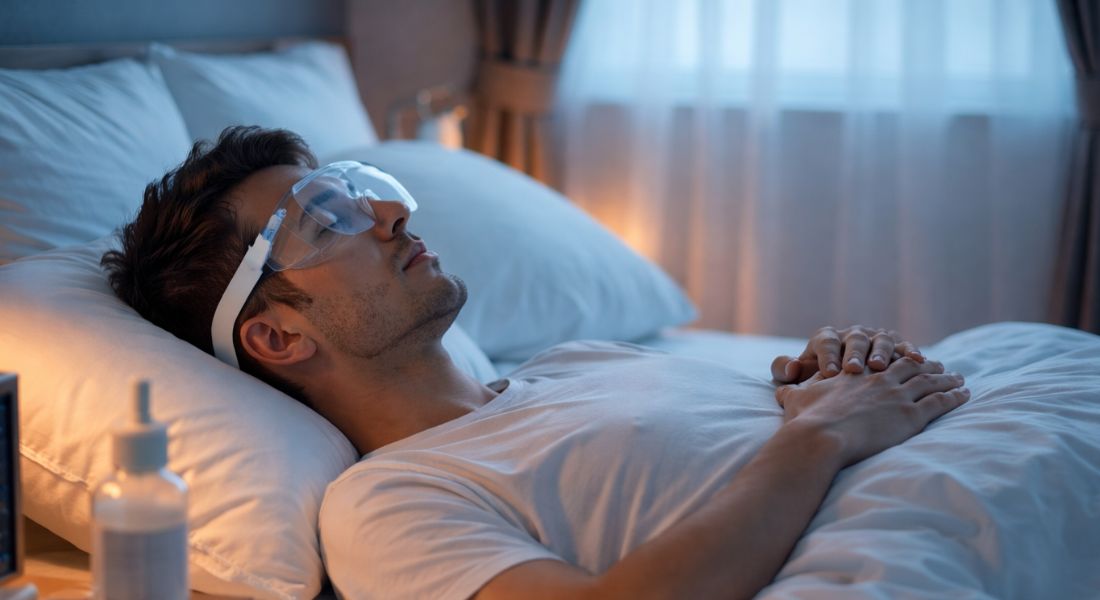
Your sleeping position can play an important role in keeping your eyes comfortable during recovery. Sleeping on your back is usually recommended for the first few nights. This position helps reduce pressure on your eyes and supports proper healing.
- Reduces pressure on the eyes: Lying on your back prevents extra weight or strain on the eye area. This can help avoid discomfort and protect the delicate structures while they recover.
- Keeps protective shields stable: Eye shields stay in place more effectively when you sleep on your back. This ensures that the protective barrier isn’t accidentally displaced during the night.
- Minimises accidental rubbing or touching: Back sleeping lowers the chances of unconsciously touching or rubbing your eyes. Avoiding contact is crucial to prevent irritation or injury.
- Side sleeping may be acceptable later: Once healing has progressed, side sleeping can sometimes be tolerated. However, you should still avoid placing direct pressure on the eyes and use pillows to maintain a safe position.
By adjusting your sleeping habits in these ways, you can make the recovery process smoother and reduce the risk of complications. Even small changes, like using extra pillows or positioning yourself carefully, can make a noticeable difference in comfort and healing.
Keeping Your Head Elevated
Keeping your head slightly elevated while sleeping can help improve comfort after eye surgery. A raised position reduces swelling around the eyes, which may lessen morning discomfort. Even a small elevation is enough to make a noticeable difference.
You can use extra pillows or an adjustable bed to maintain this position. The aim is gentle support rather than a steep angle, so you remain comfortable throughout the night. Comfortable positioning also encourages better quality sleep, which supports healing.
Elevating your head helps prevent fluid from collecting around the eyes. Less swelling contributes to smoother recovery and reduces pressure on the healing cornea. Many patients find that this simple adjustment makes the first few nights more manageable.
Managing Dryness During the Night
Dryness at night is a common issue after laser eye surgery. Your tear film may take time to stabilise, leaving your eyes feeling uncomfortable while you sleep. Using lubricating drops can help keep your eyes moist and reduce irritation.
- Use preservative-free artificial tears: Applying these drops before bedtime helps maintain moisture throughout the night. They are gentle on the eyes and reduce the risk of irritation from preservatives.
- Maintain room humidity: A dry bedroom can worsen eye dryness. Using a humidifier adds moisture to the air and helps prevent tears from evaporating too quickly while you sleep.
- Keep eyes comfortable overnight: Regular use of drops and a humidified environment supports a smoother recovery. This simple routine can make a noticeable difference in comfort.
By taking these steps, you can reduce nighttime dryness and improve overall comfort. Small adjustments, like timing your drops and controlling room humidity, often have a big impact on your recovery experience.
Avoiding Accidental Eye Contact
It’s common to worry about accidentally touching your eyes while you sleep, especially during the first nights after surgery. This concern is natural, and protective eye shields are designed to significantly reduce the risk. They create a barrier between your hands and the healing eyes.
You can also take extra precautions by keeping your hands away from your face before going to bed. Some patients place pillows near their arms to limit movement and discourage accidental contact. Even small adjustments can create a safer sleeping environment for your eyes.
Most people quickly get used to sleeping with eye protection. After a few nights, wearing the shields becomes part of your routine and feels completely normal. These simple steps give added peace of mind while your eyes recover.
Reducing Light Sensitivity at Night
After laser eye surgery, you may notice that bright lights feel uncomfortable. This light sensitivity is common as your eyes heal. Even normal room lighting can sometimes cause irritation, making it difficult to relax or fall asleep. Taking steps to reduce exposure can help your eyes recover more comfortably.
- Dim your sleeping environment: Using blackout curtains or soft bedside lighting helps lower glare. This allows your eyes to rest and reduces discomfort while falling asleep.
- Use sunglasses if you move around: If you need to get up during the night, sunglasses protect your eyes from sudden bright lights. This prevents additional irritation and supports healing.
- Adjust electronic device brightness: Reducing the brightness on phones, tablets, or computers before bed helps avoid strain. Your eyes can rest more effectively in a low-light environment.
- Gradual improvement over time: Light sensitivity usually decreases as your eyes continue to heal. By managing exposure and creating a gentle environment, you support a smoother recovery and more comfortable nights.
With these simple adjustments, you can make sleeping after surgery easier and reduce irritation caused by bright lights. Small changes to your environment often have a noticeable impact on comfort and healing.
Maintaining a Clean Sleeping Environment
Maintaining a clean sleeping environment can help prevent irritation after eye surgery. Dust, pet hair, and other airborne particles may aggravate your healing eyes. Keeping your bedding and surroundings clean reduces this risk and supports comfort.
Changing pillowcases regularly is another simple step. Fresh fabrics minimise exposure to irritants that could cause redness or itching. These small adjustments help create a healthier environment for your eyes while they recover.
Good bedroom hygiene plays an important role in overall eye comfort. Reducing allergens around your sleeping area can prevent unnecessary irritation and promote smoother healing. Even minor changes can make a noticeable difference during the early recovery period.
Avoiding Screen Use Before Bed
After laser eye surgery, your eyes may feel more sensitive to light and strain. Using digital screens late at night can make this worse, increasing discomfort and fatigue. Limiting screen time before bed helps your eyes relax and supports the healing process. Simple adjustments can also improve your overall sleep quality.
- Take regular breaks from screens: Giving your eyes a rest reduces visual strain and allows them to recover. Even short periods away from devices can make a noticeable difference in comfort.
- Lower screen brightness: If you must use a screen, dimming the brightness helps reduce glare and irritation. This makes viewing more comfortable and easier on healing eyes.
- Use short viewing sessions: Avoid prolonged screen time in one stretch. Brief, intentional use with pauses allows your eyes to maintain moisture and reduces fatigue.
- Gradual improvement: Over time, your tolerance for screens will increase as your eyes heal. Following these habits helps you manage discomfort and prevents unnecessary strain during recovery.
By limiting screen use and making small adjustments, you can protect your eyes and make your recovery smoother. Paying attention to how and when you use devices at night supports both healing and better rest.
Managing Night-Time Eye Drops
During recovery, you may be prescribed medicated eye drops. Following the schedule exactly as instructed is important to support healing. These drops can help reduce inflammation, prevent infection, or manage other post-surgery issues. Using them correctly ensures your eyes recover safely.
Applying drops before bedtime can improve comfort throughout the night. Lubricating or medicated drops keep the ocular surface protected while you sleep. This helps reduce dryness, irritation, and discomfort during rest.
It’s important to follow your doctor’s instructions regarding how long to continue using the drops. Stopping too early or using them inconsistently can affect the healing process. Your surgeon will provide a clear plan for the duration and frequency of use.
Consistency is key to achieving the best results. By applying drops as directed, you support your eyes’ natural recovery and minimise the risk of complications. Regular use helps ensure a smoother and more comfortable healing experience.
Avoiding Makeup or Creams Near the Eyes
During the early stages of recovery, you should avoid using makeup or creams near your eyes. These products can accidentally enter the eye while you sleep, causing irritation or discomfort. Even small amounts can interfere with the healing process.
Face creams, moisturisers, and cosmetic products may also increase the risk of contamination. Keeping the area around your eyes clean helps protect the ocular surface. Your surgeon will advise you on when it is safe to resume using cosmetics.
Waiting a short period before returning to makeup or creams is important. Protecting your eyes during this time reduces the risk of infection or other complications. Following this advice helps support smooth healing.
Being patient with your post-surgery routine ensures the best results. Avoiding unnecessary products near the eyes allows the cornea to recover fully and comfortably. This simple precaution can make a noticeable difference in your overall recovery experience.
How Long Eye Shields Should Be Used
After laser eye surgery, wearing eye shields is an important part of protecting your eyes while they heal. These shields create a barrier that prevents accidental rubbing or pressure during the first nights of recovery. How long you need to wear them can vary depending on your procedure and your surgeon’s recommendations. Using them correctly helps ensure your eyes recover safely and comfortably.
- Typical duration: Most patients wear eye shields for around five nights. Your surgeon may adjust this based on your individual healing progress.
- Protects against accidental rubbing: Shields prevent you from touching your eyes unconsciously during sleep. This reduces the risk of disturbing the cornea or causing irritation.
- Supports corneal stability: As healing progresses, the cornea becomes more resilient. Wearing shields in the early nights helps maintain this stability.
- Simple but effective protection: Consistent use of eye shields provides a physical barrier that is lightweight and comfortable. They are an easy yet important step in protecting your surgical results.
Following your surgeon’s instructions on eye shield use ensures safer recovery. By keeping the shields in place during the recommended period, you reduce the risk of complications and support a smoother healing process.
What to Do If You Wake During the Night
Waking briefly during the night is common after eye surgery. If this happens, it’s important not to touch or rub your eyes. Keeping your protective eye shields in place ensures your eyes remain safe while you move or shift in bed.
If you notice dryness or mild irritation, using lubricating drops can help. These drops provide gentle moisture and soothe discomfort safely. Always make sure your hands are clean before applying them to reduce the risk of infection.
Most patients find they can return to sleep quickly after using drops. The eyes usually settle once irritation is relieved, allowing you to rest more comfortably.
Over time, your sleep patterns gradually return to normal. Following these simple precautions during the first nights supports smoother healing and helps maintain eye comfort throughout recovery.
Managing Anxiety About Sleeping
It’s common to feel anxious about sleeping after laser eye surgery. You might worry about accidentally touching or putting pressure on your eyes during the night. Understanding the recovery process and following guidelines can help ease these concerns and make sleep less stressful.
- Use eye shields for protection: Eye shields act as a reliable barrier while you sleep. They prevent accidental rubbing or pressure, giving your eyes the protection they need.
- Follow your surgeon’s instructions: Adhering to recommended sleep positions and shield use reduces the risk of complications. Knowing you are following expert guidance can help you feel more at ease.
- Relaxation improves with time: Most people find that after the first few nights, sleep becomes easier. As your eyes heal and confidence grows, anxiety naturally decreases.
- Support a smoother recovery: Feeling secure while sleeping helps your body rest and promotes better healing. Combining protective measures with a calm mindset makes recovery more comfortable overall.
By taking these steps, you can manage anxiety and sleep more confidently during the early stages of recovery. Simple precautions often make a significant difference in both comfort and peace of mind.
When Sleep Becomes Easier
Sleep usually becomes easier within the first week after eye surgery. Early irritation and awareness of your eyes gradually fade as the cornea heals. Most patients find that, after several nights, they can sleep more normally and comfortably.
Protective measures, such as eye shields, may still be recommended for a short time. These precautions continue to support safe healing and reduce the risk of accidental contact. Following this advice helps ensure the best possible recovery.
As your eyes recover, sensitivity gradually decreases. You may notice that you can move or change sleeping positions more freely. Comfort slowly returns, making nighttime rest much easier.
By the end of the first week, most patients feel confident and comfortable while sleeping. The combination of protective measures and natural healing allows your eyes to settle fully.
Long-Term Recovery Expectations

Recovery after laser eye surgery is usually quite fast. Many patients notice clearer vision within just a few days. However, the cornea continues to heal subtly over the following weeks. This gradual recovery is a normal part of the process.
During this period, it’s important to protect your eyes. Avoid rubbing them and follow all aftercare instructions carefully. These steps help preserve your surgical results and support proper healing. Regular follow-up appointments allow your surgeon to monitor progress and address any concerns.
Most patients return to their normal sleep habits fairly quickly. The early precautions, such as using eye shields or drops, are temporary. As your eyes continue to recover, long-term comfort and vision stability improve steadily.
When to Contact Your Surgeon
Occasionally, you may experience unusual symptoms during recovery. Persistent pain, sudden changes in vision, or severe irritation should be reported to your surgeon promptly. They can determine whether any additional care or intervention is needed.
Most symptoms in the early days after surgery are mild and temporary. You may notice dryness, light sensitivity, or slight discomfort, which usually improve on their own. These sensations are a normal part of the healing process.
It’s always appropriate to contact your surgeon if something feels concerning. Seeking advice early can help prevent complications. Clear communication with your healthcare team supports a smoother and safer recovery.
The Importance of Following Aftercare Advice
Following aftercare advice is essential to protect your surgical results. Carefully following instructions helps your cornea heal properly and reduces the risk of complications. Sleeping safely is one important part of this process.
Using protective eye shields, applying prescribed drops, and maintaining careful sleeping positions all support recovery. These simple steps help minimise irritation and prevent accidental injury. Consistency in following these measures is key to a smooth healing process.
Most patients find that these precautions become part of their routine very quickly. Within a few days, normal sleep patterns usually return. The effort you put in during early recovery helps ensure lasting comfort and clear vision.
FAQs:
- How soon can I sleep normally after laser eye surgery?
Most patients notice that their sleep gradually feels more comfortable within the first few nights, although it may take up to a week for the eyes to settle fully. Protective measures such as eye shields and careful positioning during the early recovery period help ensure that you can sleep safely without disturbing the healing cornea. - Do I need to use an eye shield every night?
Eye shields are usually recommended for the first several nights after surgery to prevent accidental rubbing or pressure. The exact duration depends on your surgeon’s advice and your individual healing progress, but they provide an important protective barrier while your eyes are still vulnerable. - Is it safe to sleep on my side after surgery?
Sleeping on your back is generally preferred for the first nights because it reduces pressure on the eyes and keeps protective shields stable. Side sleeping may become acceptable as healing progresses, but direct pressure on the eyes should still be avoided, and pillows can help maintain a safe position. - Can rubbing my eyes at night affect my recovery?
Rubbing the eyes can interfere with the healing process by disturbing the cornea or flap positioning. Even slight pressure can slow recovery or increase the risk of complications, which is why protective eye shields and careful sleep habits are strongly recommended during the early stages. - Will my eyes feel dry while I sleep?
Mild dryness at night is common because the tear film may take time to stabilise after surgery. Using preservative-free lubricating drops before bedtime, maintaining room humidity, and following your surgeon’s advice helps keep the eyes moist and reduces discomfort while sleeping. - How can I reduce light sensitivity while sleeping?
Light sensitivity is often noticeable in the first few nights due to the healing cornea. Creating a dim or dark sleeping environment, using blackout curtains, and reducing exposure to bright screens before bed can help your eyes relax and support a more comfortable recovery. - Can I use digital devices at night after surgery?
It is best to limit screen use in the early recovery period because bright screens and prolonged visual focus can increase eye strain and discomfort. Short, intentional sessions with lowered brightness are acceptable, but your eyes benefit most from rest during the initial nights. - Are medicated eye drops safe to use at night?
Yes, following your prescribed schedule is important to support healing. Medicated drops help reduce inflammation, prevent infection, and maintain ocular surface protection. Applying them carefully before bedtime ensures your eyes remain hydrated and protected throughout the night. - When should I contact my surgeon about sleep-related concerns?
You should contact your surgeon promptly if you experience unusual or persistent pain, sudden changes in vision, or severe irritation during the recovery period. Early consultation allows any potential complications to be addressed quickly, ensuring a safer healing process. - How long does it take for my sleep to feel completely normal?
Most patients find that sleep becomes comfortable within the first week as the cornea stabilises and sensitivity decreases. By following protective measures and aftercare instructions, you can usually return to your normal sleeping habits while supporting a smooth recovery and long-term eye health.
Final Thought: Sleeping After Laser Eye Surgery
Sleeping safely after laser eye surgery is an important part of a smooth and comfortable recovery. By following your surgeon’s guidance on using protective eye shields, maintaining proper sleep positions, managing dryness, and limiting eye strain, you can reduce the risk of complications and support your eyes as they heal. Most patients find that with a few simple precautions, sleep becomes more natural within the first week, allowing the cornea to stabilise and vision to improve.
If you’re considering laser surgery in London and want to understand whether it’s the right option for you, you’re welcome to reach out to us at Eye Clinic London to book a consultation. Our team can guide you through the procedure, aftercare, and recovery expectations, helping you make informed decisions for your eye health.
References:
- Shtein, R.M. (2011) Post‑LASIK dry eye, The Ocular Surface, 9(3), pp. 112–125. Available at: https://pmc.ncbi.nlm.nih.gov/articles/PMC3235707/
- Jung, H.G. and Lim, T.H. (2013) The Recovery of Optical Quality after Laser Vision Correction, Journal of Ophthalmology, 2013. Available at: https://pmc.ncbi.nlm.nih.gov/articles/PMC3730066/
- Moshirfar, M. et al. (2023) Laser In Situ Keratomileusis (LASIK), StatPearls, NCBI Bookshelf. Available at: https://www.ncbi.nlm.nih.gov/books/NBK555970/
- Skevas, C. et al. (2013) Subjective pain, visual recovery and visual quality after refractive surgery, Journal of Refractive Surgery. https://pubmed.ncbi.nlm.nih.gov/23096124/
- Wallerstein, A. et al. (2018) Management of post‑LASIK dry eye: a multicenter randomized study, Journal of Refractive Surgery. Available at: https://pmc.ncbi.nlm.nih.gov/articles/PMC5944453/