


What Causes Neuropathic Eye Pain? Common Triggers and Risk Factors

Eye discomfort is often assumed to result from dryness, irritation, or infection. In many cases, this is accurate because surface problems frequently affect the eyes. However, you may sometimes experience severe pain even when your eyes appear relatively normal. This can make the cause of your symptoms difficult to identify.
One possible explanation is neuropathic eye pain. This condition occurs when the nerves that sense the eye become hypersensitive or function abnormally. Instead of reacting only to actual irritation, these nerves may send persistent pain signals. The result is ongoing discomfort that does not always match what can be seen during an examination.
Understanding what causes neuropathic eye pain can help explain why your symptoms develop. Several triggers and risk factors can affect nerve function in the eye or surrounding tissues. By recognising these factors, you and your clinician can better identify potential causes and develop a more effective management plan.
Understanding Neuropathic Eye Pain
Neuropathic eye pain is a type of nerve-related discomfort that affects the surface of the eye. Unlike typical eye conditions, the pain originates from abnormal nerve signalling rather than visible tissue damage. This makes recognising and diagnosing the condition more challenging. You may experience intense symptoms even when your eyes appear healthy.
The cornea contains one of the highest concentrations of nerve endings in the body. These nerves are essential for detecting irritation and protecting the eye from potential harm. When their function becomes altered or hypersensitive, they may send pain signals without any obvious trigger. This abnormal activity can make the eye feel sore or uncomfortable even in the absence of visible damage.
Patients with neuropathic eye pain often describe sensations such as burning, stabbing, or electric-like discomfort. The symptoms may feel severe and persistent, even though examination shows little or no visible problem. This mismatch between what you feel and what doctors see is a hallmark feature of neuropathic eye pain.
Corneal Nerve Dysfunction
The cornea depends on sensory nerves to maintain protective reflexes and keep the eye healthy. These nerves detect dryness, temperature changes, and potential injury. When they function normally, they help control blinking and tear production to protect the eye from harm.
Damage or prolonged irritation can disrupt this normal nerve signalling. Once injured, the nerves may become hypersensitive and start sending exaggerated pain signals. This can result in persistent discomfort even when the eye surface looks healthy. The nerves essentially overreact, creating ongoing pain without a clear external cause.
Corneal nerve dysfunction is therefore a key factor in neuropathic eye pain. Once the signalling system is altered, symptoms may continue long after the initial injury or irritation has healed. This abnormal nerve activity explains why the condition can become chronic and difficult to manage.
Eye Surgery as a Trigger
Eye surgery can sometimes trigger neuropathic eye pain. Procedures such as LASIK, cataract removal, or corneal transplantation can affect the delicate nerves in the cornea. While most patients recover without issues, a small number may develop heightened nerve sensitivity, leading to persistent discomfort even after the eye surface appears healed.
- Temporary nerve disruption during surgery: Surgical procedures can interrupt the corneal nerves, which normally detect irritation and trigger protective reflexes. As these nerves heal, some individuals may experience abnormal signalling that causes ongoing pain.
- Abnormal nerve signalling can produce symptoms: During the regeneration process, the nerves may become hypersensitive or misfire, creating sensations such as burning, stinging, or aching. These symptoms can occur even when the eye looks healthy on examination.
- Post-surgical neuropathic pain is uncommon but significant: Although relatively rare, recognising this potential complication is important. Early identification allows clinicians to implement strategies to manage nerve-related discomfort effectively.
- Prompt management can improve outcomes: Addressing symptoms soon after surgery may help prevent prolonged pain. Awareness of post-surgical neuropathic pain ensures that treatment plans target the underlying nerve changes rather than only the eye surface.
Understanding that eye surgery can sometimes lead to neuropathic pain helps both patients and clinicians recognise early warning signs. This awareness allows for timely intervention and a more targeted approach to improving comfort and quality of life.
Injury to the Eye Surface
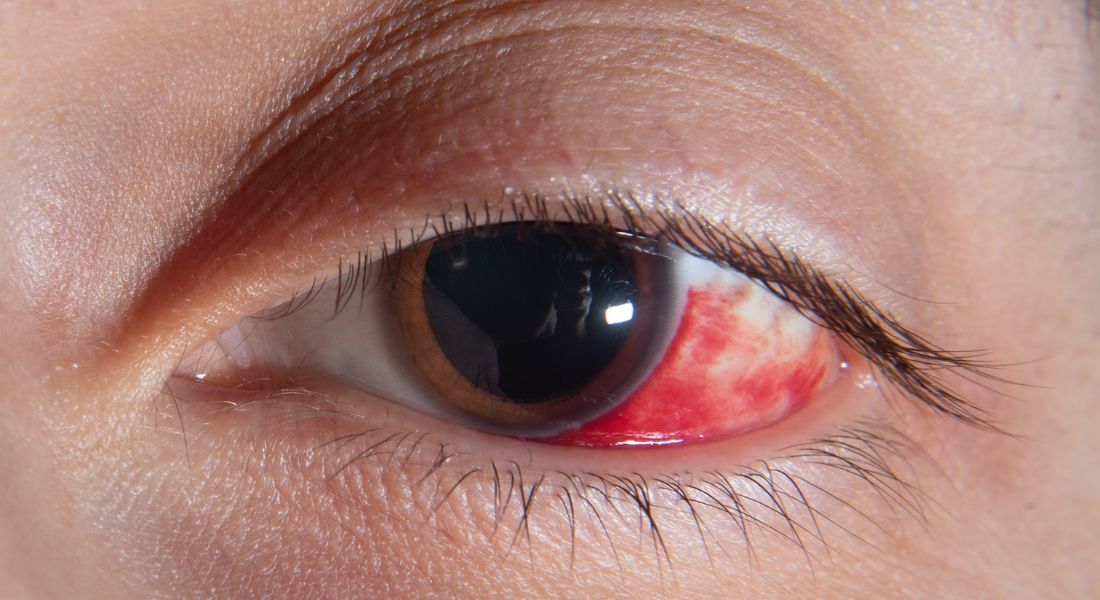
Physical injury to the eye can be a trigger for neuropathic eye pain. Trauma, scratches, or chemical exposure may damage the corneal nerves. Even after the surface of the eye appears fully healed, these nerves can remain hypersensitive, continuing to send abnormal signals.
This process is similar to nerve injuries elsewhere in the body. When nerves are damaged, they sometimes generate unusual or exaggerated signals during recovery. The brain interprets these signals as pain, even if there is no ongoing physical injury.
As a result, you may continue to experience discomfort despite a healthy-looking eye surface. Understanding the link between past injury and nerve signalling helps explain why symptoms can persist long after the initial trauma.
Chronic Dry Eye Disease
Chronic dry eye disease can sometimes contribute to neuropathic eye pain. Ongoing irritation and inflammation of the cornea may gradually affect the nerves responsible for detecting sensations. Over time, this can make the nerves more sensitive, so they respond more strongly to normal stimuli. As a result, what begins as a surface problem can evolve into a nerve-related condition.
- Persistent irritation affects corneal nerves: When the cornea is constantly exposed to dryness or inflammation, the nerve endings may become damaged or hypersensitive. This can change how the nerves transmit pain signals to the brain.
- Early symptoms often respond to lubrication: In the initial stages, artificial tears, gels, and eyelid care usually relieve discomfort. These measures address tear instability and surface dryness effectively.
- Prolonged inflammation can cause nerve sensitisation: If irritation continues over time, the nerves may become sensitised, leading to pain that persists even when the eye surface appears healthier. This shift can make the discomfort disproportionate to visible signs.
- Standard dry eye treatments may no longer suffice: Once nerve involvement develops, conventional tear support may provide limited relief. Persistent symptoms despite proper dry eye therapy often signal that neuropathic mechanisms are contributing.
Recognising the transition from chronic surface irritation to nerve-related pain is important. Careful assessment allows clinicians to adjust treatment strategies and address the underlying nerve sensitivity, rather than focusing solely on lubrication. This approach increases the likelihood of meaningful symptom relief.
Inflammation and Immune Activity
Inflammation is a key factor in many eye conditions and can contribute to neuropathic eye pain. When inflammatory responses persist, they may affect the corneal nerves and alter how pain signals are transmitted. Over time, this can make the nerves more sensitive, causing them to react more strongly to normal stimuli.
- Chronic inflammation affects nerve function: Inflammatory mediators released during ongoing irritation can change how corneal nerves communicate with the brain. This can lead to heightened pain perception, even if the eye surface appears relatively normal.
- Immune-related eye conditions increase risk: Certain diseases, such as autoimmune or inflammatory eye disorders, can create an environment where nerve sensitisation is more likely. Persistent inflammation sets the stage for abnormal nerve signalling and exaggerated pain responses.
- Exaggerated pain responses may develop: Once nerves become sensitised, normal stimuli such as blinking or exposure to light can trigger strong discomfort. This can make daily activities more challenging and distressing.
- Early management of inflammation is crucial: Treating inflammation promptly can help protect the corneal nerves and reduce the risk of developing neuropathic pain. Supporting nerve health early is an important part of long-term eye care.
By addressing inflammation and immune activity proactively, clinicians can help prevent prolonged nerve irritation and reduce the likelihood of persistent, nerve-related eye pain. This approach supports both comfort and overall eye health.
Nerve Sensitisation Over Time
Nerve sensitisation happens when the nervous system becomes overly responsive to stimuli. After repeated irritation or injury, nerve pathways may begin to amplify signals. This heightened responsiveness can result in persistent pain, even when the original trigger has resolved.
In the eyes, sensitisation may cause discomfort from minimal or everyday triggers. Normal environmental factors such as wind, light, or blinking can provoke symptoms. You may feel pain without any visible cause or surface damage.
This hypersensitivity helps explain why neuropathic eye pain can continue long after the initial issue has healed. Essentially, the nervous system “learns” the pain response. Resetting these altered pathways can be difficult and often requires targeted treatment.
Neurological Conditions
Certain neurological conditions can increase your risk of developing neuropathic eye pain. Disorders that affect the nervous system may change how pain signals are processed, which can impact the nerves in and around the eyes. These changes can make the ocular nerves more sensitive and prone to generating pain.
Migraine is a common example. People with migraine often have heightened nerve sensitivity, which can extend to the eyes. This may make the eyes more reactive to light, wind, or minor irritation, contributing to persistent discomfort.
Other neurological disorders may also play a role in increasing nerve sensitivity. Recognising these associations can help your clinician guide the diagnosis more accurately. In some cases, a broader medical evaluation is necessary to fully understand the cause of your eye pain.
Systemic Pain Syndromes
Neuropathic eye pain can sometimes occur alongside chronic systemic pain conditions. Disorders such as fibromyalgia involve widespread nerve hypersensitivity, and patients with these conditions may experience heightened discomfort in the eyes as part of a broader pattern of pain. Understanding these connections helps explain why eye symptoms may persist even when the surface appears normal.
- Widespread nerve hypersensitivity: In chronic pain syndromes, the nervous system can become more sensitive to stimuli. This means that even minor triggers, such as blinking or exposure to light, may produce stronger pain signals than usual.
- Central sensitisation amplifies pain responses: The nervous system in these individuals processes sensory signals differently. Central sensitisation occurs when the brain and spinal cord amplify pain messages, making normal sensations feel painful.
- Eye symptoms may reflect systemic factors: Neuropathic eye pain in these cases is not isolated to the eyes. It may be part of a broader neurological condition affecting multiple areas of the body.
- Comprehensive assessment is important: Recognising systemic contributions allows clinicians to evaluate the full picture. Management may involve collaboration with specialists in neurology or pain medicine to address both eye symptoms and underlying systemic nerve hypersensitivity.
Considering systemic pain syndromes helps ensure a more complete understanding of neuropathic eye pain. This approach can lead to better-targeted care and improved symptom control.
Environmental Irritants
Environmental factors can play a role in irritating the nerves of your eyes. Exposure to pollution, smoke, or strong chemicals may damage the ocular surface. Repeated contact with these irritants can gradually affect nerve function and contribute to discomfort.
Dry climates and prolonged use of air conditioning can make irritation worse. When the eye surface is chronically stressed, the nerves may become more sensitive over time. This heightened sensitivity can lead to persistent pain, even with minimal triggers.
Reducing exposure to environmental irritants may help prevent further nerve irritation. Simple protective strategies, such as wearing sunglasses or using humidifiers, support long-term eye health. Being aware of your surroundings and managing triggers can make a noticeable difference in comfort.
Hormonal Influences
Hormonal fluctuations can affect the sensitivity of your eye nerves. Hormones play a role in regulating tear production and maintaining a stable ocular surface. Changes in these processes can make the eyes more prone to irritation and discomfort.
Women may notice changes in eye comfort during periods of hormonal shifts. Pregnancy, menopause, and certain medications can all influence the balance of the tear film. These changes may make the eyes more sensitive and contribute to symptoms.
While hormones are not a direct cause of neuropathic eye pain, they can increase vulnerability. When combined with other triggers, hormonal changes may contribute to the development of symptoms. Understanding these influences can help guide more personalised care and management.
Genetic Susceptibility
Genetic factors can influence how your nerves respond to injury or irritation, making some people more prone to neuropathic eye pain. You may naturally have more sensitive nerve pathways, which can increase the likelihood that discomfort persists even after the initial cause has healed. These inherited differences help explain why some individuals develop chronic nerve pain while others recover fully.
- Nerve sensitivity can be influenced by genetics: Certain genetic variations affect how nerves transmit and process pain signals. People with heightened sensitivity may experience stronger or longer-lasting discomfort after minor injuries or inflammation.
- Variations in pain perception: Research shows that differences in pain pathways can determine how the nervous system responds to stress or injury. This may account for why some patients develop persistent neuropathic pain while others do not.
- Individual biology plays a role: Your personal genetic makeup interacts with environmental and medical factors, influencing how your nerves react and recover. This combination can affect the severity and duration of eye pain.
- Awareness guides personalised treatment: While genetics cannot be changed, understanding susceptibility helps clinicians tailor management strategies. Personalised care can focus on nerve modulation, symptom control, and preventive measures to reduce the impact of hypersensitive nerves.
Recognising genetic susceptibility allows for a more informed approach to neuropathic eye pain. It supports targeted interventions and helps optimise long-term symptom management.
Psychological Stress and Nerve Sensitivity

Stress can affect how your nervous system processes pain signals. Chronic stress may increase nerve sensitivity and even promote inflammation, which can make eye discomfort feel worse. Over time, this heightened reactivity can amplify persistent pain.
The brain and nervous system are closely linked, so emotional stress can directly influence physical symptoms. During periods of tension or anxiety, eye discomfort may feel more intense or more frequent. Even minor triggers may seem more painful when your nervous system is sensitised by stress.
Managing stress can help reduce the severity of your symptoms. Techniques such as relaxation exercises, mindfulness, and maintaining a balanced daily routine support nervous system health. Paying attention to psychological wellbeing is therefore an important part of managing neuropathic eye pain.
The Brain–Eye Connection
Pain signals from your eyes travel through complex neural pathways to the brain. The brain interprets these signals and decides how intense the pain feels. Changes in how the brain processes these messages can therefore influence the severity of eye discomfort.
Central sensitisation is a process in which the brain becomes overly responsive to pain signals. This can amplify sensations coming from the eyes, making even minor stimuli feel uncomfortable. The result is persistent or exaggerated pain that may seem disproportionate to visible findings.
Understanding the brain–eye connection helps explain why neuropathic eye pain can continue even when the eye surface looks normal. In some cases, treatment may need to target nerve pathways beyond the eye itself. Taking a holistic approach often leads to better symptom control and improved outcomes.
Why Some People Are More Susceptible
Not everyone exposed to the same triggers develops neuropathic eye pain. Individual differences in nerve sensitivity play a key role. Factors such as genetics, medical history, and lifestyle all influence how likely your nerves are to become sensitised.
Previous eye conditions may also increase your risk. Repeated irritation or injury can gradually alter nerve responses, and each episode adds to cumulative nerve stress. Over time, this can make the eyes more prone to persistent discomfort.
Recognising susceptibility helps guide preventive strategies. Early treatment of eye problems, protecting the eyes from environmental irritants, and managing stress may reduce the risk of developing chronic pain. Being aware of these factors supports proactive care and better long-term outcomes.
Diagnostic Challenges
Diagnosing neuropathic eye pain can be challenging because the eye often appears normal during standard examinations. You may experience significant discomfort even when there are few visible signs of dryness or inflammation. Because of this, doctors rely heavily on your medical history and detailed descriptions of symptoms to guide evaluation. Understanding how your pain behaves its triggers, intensity, and duration provides key diagnostic clues.
- Limited visible signs: Unlike typical eye conditions, neuropathic pain may not produce obvious redness, swelling, or dryness. This can make it difficult to confirm the problem through routine eye exams alone.
- Patient history is critical: A thorough account of symptom onset, severity, and triggers helps clinicians differentiate neuropathic pain from surface-based eye conditions. Your experience guides the next steps in assessment.
- Specialised imaging of corneal nerves: Techniques such as confocal microscopy allow doctors to examine the microscopic structure of corneal nerves. Abnormalities observed with these tools can support a diagnosis of nerve-related pain.
- Diagnosis remains complex: Even with advanced imaging, identifying neuropathic eye pain can be challenging. Clinical experience and careful evaluation are essential to determine whether nerve dysfunction is contributing to your symptoms.
Because diagnosis relies on both patient-reported symptoms and specialised assessment, recognising neuropathic eye pain often requires patience and careful investigation. Accurate identification allows clinicians to focus on targeted treatment strategies rather than surface therapies alone.
Importance of Early Recognition
Recognising neuropathic eye pain early can make a significant difference in managing symptoms. When treatment begins promptly, there is a better chance of preventing discomfort from becoming chronic. Delayed diagnosis may allow pain to persist longer and make management more challenging.
- Persistent symptoms despite standard treatment: If burning, stinging, or stabbing sensations continue even after using lubricating drops and following recommended dry eye care, it may signal that nerve involvement is contributing to the pain.
- Seek specialist evaluation: Early consultation with an eye specialist or a clinician experienced in neuropathic pain can help determine the underlying cause. Detailed assessment and history-taking are crucial to guide the next steps.
- Prompt intervention reduces long-term impact: Addressing nerve sensitivity early may prevent the pain from becoming entrenched and harder to treat. Early strategies may include nerve-modulating therapies alongside supportive eye care.
- Awareness improves outcomes: Being aware that persistent eye discomfort may stem from neuropathic mechanisms helps both you and your clinician act sooner. Early recognition allows for more targeted care and a better chance of symptom relief.
Timely assessment and intervention can improve comfort, reduce frustration, and increase the likelihood of effective management. The sooner neuropathic eye pain is identified, the more effectively it can be treated.
Treatment Approaches

Treatment for neuropathic eye pain focuses on reducing nerve hypersensitivity. Your doctor may prescribe medications that calm abnormal nerve signalling. These types of treatments are commonly used for other neuropathic pain conditions and can help decrease persistent discomfort.
Certain specialised eye drops may also support nerve health and promote healing of the ocular surface. Anti-inflammatory therapies can reduce irritation that might further sensitise the nerves. Because each patient’s situation is different, treatment plans are tailored to individual needs and symptoms.
Managing neuropathic eye pain often requires patience. Improvement may be gradual as nerve function stabilises over time. Regular follow-up and monitoring help ensure that treatment is effective and allow adjustments when needed.
Living With Neuropathic Eye Pain
Living with neuropathic eye pain can be difficult because the discomfort often persists and interferes with daily activities. Tasks such as reading, using screens, or spending time in bright environments may become challenging. Understanding the nature of the condition can help reduce frustration and make it easier to manage symptoms.
- Adjusting daily habits: Simple lifestyle changes, such as limiting screen time, taking regular breaks, and adjusting lighting, can help reduce eye strain and discomfort. These measures support overall eye comfort without replacing medical treatment.
- Environmental control: Controlling factors such as airflow, humidity, and brightness in your surroundings may help minimise irritation. Small adjustments can make daily activities more manageable.
- Collaborating with healthcare providers: Working closely with your clinician ensures that treatment strategies are tailored to your specific symptoms and lifestyle. Regular follow-up allows therapy to be adjusted as needed.
- Individualised long-term management: Personalised care plans may include nerve-modulating medications, supportive eye therapies, and symptom monitoring. This collaborative approach helps maintain stability and improve quality of life.
By combining practical lifestyle adjustments with targeted medical care, it is possible to manage neuropathic eye pain more effectively. Support from healthcare providers and an understanding of the condition can make living with persistent eye discomfort more manageable.
Frequently Asked Questions
- What are the most common causes of neuropathic eye pain?
Neuropathic eye pain most often develops when the nerves that sense the eye become damaged or overly sensitive. This can happen after eye surgery, physical injury to the cornea, chronic inflammation such as long‑standing dry eye disease, or other insults to the ocular surface. Once nerve signalling is altered, pain signals may continue even when the eye appears normal. - Can eye surgery lead to neuropathic pain?
Yes. Procedures that involve the cornea, such as LASIK or cataract surgery, can disrupt the dense network of corneal nerves. While most people recover fully, in some cases the regrowth or regeneration of nerves may be irregular, leading to persistent hypersensitivity and neuropathic pain. - How does chronic dry eye contribute to neuropathic eye pain?
Chronic dry eye leads to ongoing irritation and inflammation of the ocular surface. Over time, this persistent irritation can affect corneal nerves, making them more sensitive and prone to sending exaggerated pain signals. This can transition a surface problem into a nerve‑driven pain condition that no longer responds to typical dry eye treatments. - Are neurological conditions linked with neuropathic eye pain?
Yes. Conditions that affect the nervous system, such as migraine or other chronic pain syndromes, are associated with heightened nerve sensitivity. When nerve processing in the central nervous system is altered, the same heightened responsiveness can extend to ocular nerves, increasing the likelihood of neuropathic pain. - Can environmental factors increase the risk of neuropathic pain?
Environmental irritants such as smoke, pollution, dry climates, and prolonged exposure to air conditioning can repeatedly stress the ocular surface and corneal nerves. Over time, this chronic irritation may contribute to nerve sensitisation and persistent eye discomfort. - Is psychological stress a factor in neuropathic eye pain?
Stress can influence how the nervous system processes pain signals. Chronic psychological stress may increase nerve sensitivity and amplify the perception of pain, making discomfort feel worse even when there is no direct physical issue on the eye’s surface. - Why do some people develop neuropathic eye pain while others do not?
Individual susceptibility varies based on genetic predisposition, previous eye conditions, nerve sensitivity, medical history, and lifestyle factors. These differences influence how the nervous system responds to triggers and whether persistent pain develops after irritation or injury. - How does nerve sensitisation cause pain without visible damage?
Nerve sensitisation occurs when the nervous system becomes overly responsive to stimuli. This means that even minimal environmental triggers, such as light or mild wind, can cause pain because oversensitive nerve pathways amplify signals to the brain. This makes the pain feel real even though there is no obvious surface abnormality. - Can systemic pain conditions be related to neuropathic eye pain?
Yes. Chronic pain syndromes such as fibromyalgia involve widespread nerve hypersensitivity and central sensitisation. People with these conditions may be more prone to developing neuropathic pain in other parts of the body, including the eyes, because their nervous systems are already predisposed to exaggerated pain responses. - When should I see a specialist for eye pain that doesn’t match examination findings?
If you experience persistent eye pain that does not improve with dry eye treatments, especially if burning, stabbing sensations, light sensitivity, or pain without visible surface changes are present, it is advisable to seek specialist evaluation. A detailed assessment can help determine whether nerve involvement is present and guide more appropriate management.
Final Thought: Understanding and Managing Neuropathic Eye Pain
Neuropathic eye pain can be persistent and challenging to manage, often appearing even when the eye surface seems perfectly normal. Understanding the common triggers such as previous eye surgery, physical injury, chronic dry eye, inflammation, environmental irritants, hormonal changes, and systemic neurological conditions can help you make sense of your symptoms. Recognising these risk factors early allows you to take proactive steps, from lifestyle adjustments to seeking specialist advice, which can prevent the condition from becoming chronic and improve overall eye comfort. If you’re considering neuropathic eye pain treatment in London and want to know if it’s the right option, you’re welcome to reach out to us at Eye Clinic London to book a consultation.
References:
- Galor, A., Moein, H.-R., Lee, C., Rodriguez, A., Felix, E.R., Sarantopoulos, K.D. and Levitt, R.C., 2018. Neuropathic pain and dry eye. The Ocular Surface, 16(1), pp.31–44. Available at: https://pubmed.ncbi.nlm.nih.gov/29031645/
- Dieckmann, G., Goyal, S. and Hamrah, P., 2017. Neuropathic corneal pain: approaches for management. Ophthalmology, 124(11S), pp.S34–S47. Available at: https://pubmed.ncbi.nlm.nih.gov/29055360/
- Lee, J.H., et al., 2025. Corneal sensory receptors and pharmacological therapies to modulate ocular pain. International Journal of Molecular Sciences, 26(10), p.4663. Available at: https://www.mdpi.com/1422-0067/26/10/4663
- Neuropathic Corneal Pain after Coronavirus Disease 2019 (COVID-19) Infection. Clinics and Practice, 12(2), p.37. Available at: https://www.mdpi.com/2079-9721/12/2/37
- Dieckmann, G., Goyal, S. and Hamrah, P., 2017. Neuropathic corneal pain: approaches for management. Ophthalmology, 124(11 Supplement), pp.S34–S47. Available at: https://www.sciencedirect.com/science/article/pii/S0161642017306127