


Why Do My Eyes Hurt but Look Normal? Neuropathic Eye Pain Explained
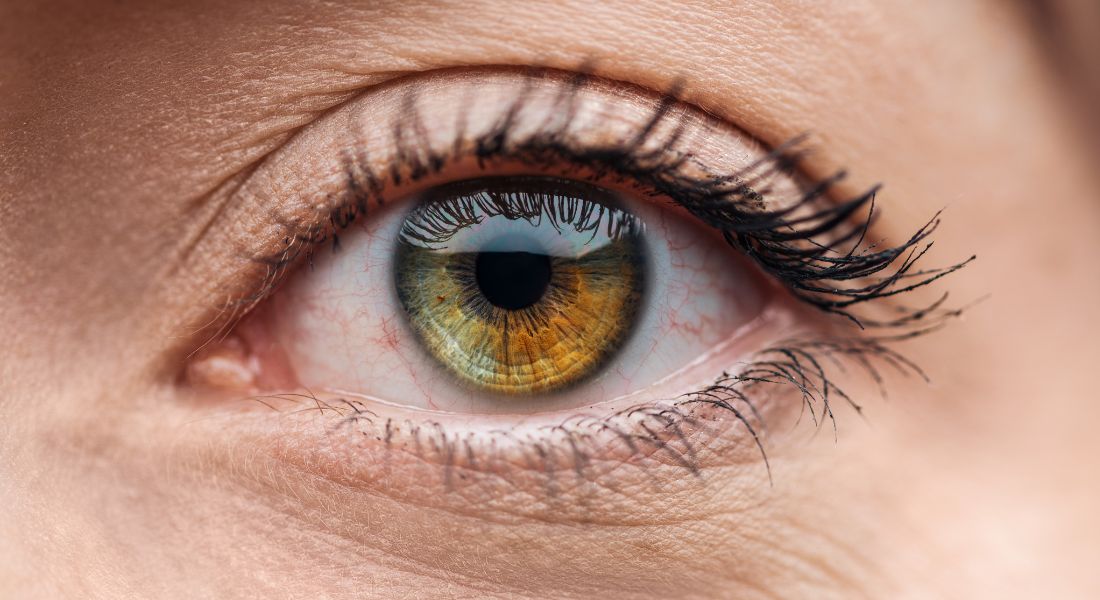
Eye discomfort is a common problem that many people experience at some point. In many cases, the cause can be identified through visible signs such as redness, dryness, or swelling. However, you may sometimes experience significant pain even when your eyes appear completely normal. This can make the problem difficult to understand.
This situation can feel confusing and often frustrating. You might notice burning, stabbing, or aching sensations, yet eye examinations reveal little or no obvious abnormality. When your symptoms do not match what doctors can see during an examination, another explanation may be involved. The discomfort may not be coming from the eye’s surface.
One possible cause is neuropathic eye pain. This condition develops when the nerves responsible for sensing the eye become overly sensitive or damaged. Instead of responding normally, the nerves send pain signals even without clear surface irritation. Understanding this process helps explain why your eyes may hurt even when they look healthy.
Understanding Eye Pain
Eye pain can originate from several different structures in and around the eye. The surface of the eye, the eyelids, the tear film, and deeper tissues all contain nerve endings that detect irritation or injury. When these structures are affected, they send pain signals to the brain. This process helps your body recognise and respond to potential problems.
In many situations, the cause of eye discomfort is visible during an examination. Conditions such as dry eye, infection, or inflammation often create noticeable signs on the eye’s surface. These may include redness, swelling, or changes to the tear film. Because these signs are visible, doctors can usually identify the problem relatively quickly.
However, not all eye pain comes from visible tissue damage. In some cases, the nerves themselves become the source of the discomfort. When nerve signalling becomes abnormal, pain signals may be sent even without surface irritation. As a result, your eyes may look normal despite significant pain.
What Is Neuropathic Eye Pain?
Neuropathic eye pain is a condition caused by abnormal nerve signalling. Instead of responding only to real irritation or injury, the nerves begin sending pain signals without clear physical damage. This can make the condition difficult to recognise. Your symptoms may be intense even when the eye appears healthy.
The cornea, which is the transparent front surface of the eye, contains one of the highest concentrations of nerves in the body. These nerves normally help detect dryness, temperature changes, and potential injury. They act as an important protective system for the eye. However, when these nerves become dysfunctional, they may start sending persistent pain signals.
Neuropathic eye pain is therefore very different from typical surface conditions. The discomfort originates within the nervous system rather than from visible tissue damage. Because of this, eye examinations may not reveal obvious problems. This is why your eyes may look normal despite significant pain.
Why Eyes Can Hurt Without Visible Damage
Pain is a sensory experience generated by the nervous system rather than the eye surface alone. When nerve pathways become altered or overly sensitive, they can begin sending pain signals even when there is no obvious injury or irritation. This type of mechanism is common in many neuropathic pain conditions throughout the body. As a result, you may experience genuine discomfort even though the affected tissue appears normal.
- Pain signals originate in the nervous system: Nerves are responsible for detecting changes such as irritation, pressure, or injury. When these pathways become dysregulated, they may send signals to the brain even when no external trigger is present. The brain still interprets these signals as pain.
- Corneal nerves can become hypersensitive: The cornea contains one of the densest nerve networks in the body. If these nerves are damaged or sensitised by surgery, inflammation, or injury, they may begin reacting excessively to normal stimuli.
- Signals can continue even after healing: In some cases, the original problem affecting the eye surface may resolve, but the nerve pathways remain altered. This means pain signals can continue even though the cornea appears healthy during examination.
- Standard eye tests may appear normal: Routine eye examinations mainly evaluate the condition of the eye surface. When the issue lies within nerve signalling rather than visible inflammation, these tests may not reveal the underlying cause.
Because the discomfort originates from nerve function rather than visible damage, the absence of obvious signs can sometimes be confusing. You may feel significant pain even when the eye looks normal during clinical examination. Understanding this mechanism helps explain why some cases of eye pain remain unexplained without specialised assessment.
How Corneal Nerves Work

Corneal nerves play an important role in protecting your eyes. They detect dryness, debris, and possible injury on the eye’s surface. When these signals are detected, reflexes such as blinking and tear production are triggered. These responses help keep the eye lubricated and protected from harm.
When corneal nerves function normally, they send signals only when necessary. This allows your eyes to respond appropriately to environmental changes such as wind, dryness, or irritation. The system is designed to warn you about potential problems without causing unnecessary discomfort. In this way, the nerves act as a protective mechanism.
However, injury or long-term irritation can change how these nerves behave. Once they become sensitised, they may start sending stronger or more frequent signals than normal. This exaggerated response can create persistent discomfort. Such changes in nerve activity are one of the key features of neuropathic eye pain.
Causes of Neuropathic Eye Pain
Neuropathic eye pain can develop when the nerves that carry sensory signals from the eye become damaged or overly sensitive. These changes may occur after injury, inflammation, or long-term irritation. Even when the original problem improves, the nerve pathways may continue sending pain signals. This is why some people experience persistent discomfort despite the eye surface appearing healthy.
- Previous eye surgery or trauma: Procedures involving the cornea, as well as physical injury to the eye, can affect the delicate nerve network within the corneal tissue. When these nerves are disrupted during healing, they may become hypersensitive and continue producing pain signals.
- Infections or inflammation of the eye: Conditions that cause inflammation, such as corneal infections or immune-related reactions, can alter nerve structure and function. Even after the inflammation settles, the affected nerves may remain sensitive.
- Long-standing dry eye disease: Chronic dryness can gradually irritate and stress the corneal surface. Over time, repeated irritation may damage nerve endings and contribute to abnormal pain signalling.
- Underlying neurological conditions: Some systemic conditions associated with heightened nerve sensitivity can influence eye pain. Disorders such as migraine or widespread pain syndromes may affect how the nervous system processes sensory signals.
These factors demonstrate that neuropathic eye pain is often the result of complex interactions between the eye surface and the nervous system. Multiple triggers may contribute to the development of persistent nerve sensitivity. Understanding the possible causes helps clinicians investigate symptoms more effectively and plan appropriate treatment.
Symptoms Patients Often Describe
Patients with neuropathic eye pain often describe sensations such as burning or stabbing in the eyes. Some people experience a deep, persistent ache that feels much stronger than expected based on what can be seen during an examination. The discomfort may continue throughout the day rather than appearing only during specific triggers. This ongoing pain can be difficult to explain when the eyes appear normal.
Light sensitivity is another symptom many patients report. Even moderate lighting conditions may cause discomfort or make the pain feel worse. This happens because the nerves involved in eye pain are closely connected to those that respond to light. When these nerves become overly sensitive, both pain and light sensitivity may increase.
You may also feel a strong sensation of dryness even when tear production is adequate. In these cases, lubricating eye drops often provide little or no relief. The symptoms can feel similar to dry eye disease, yet the underlying cause is different. This mismatch between symptoms and treatment response often provides an important diagnostic clue.
Why Standard Dry Eye Treatments May Fail
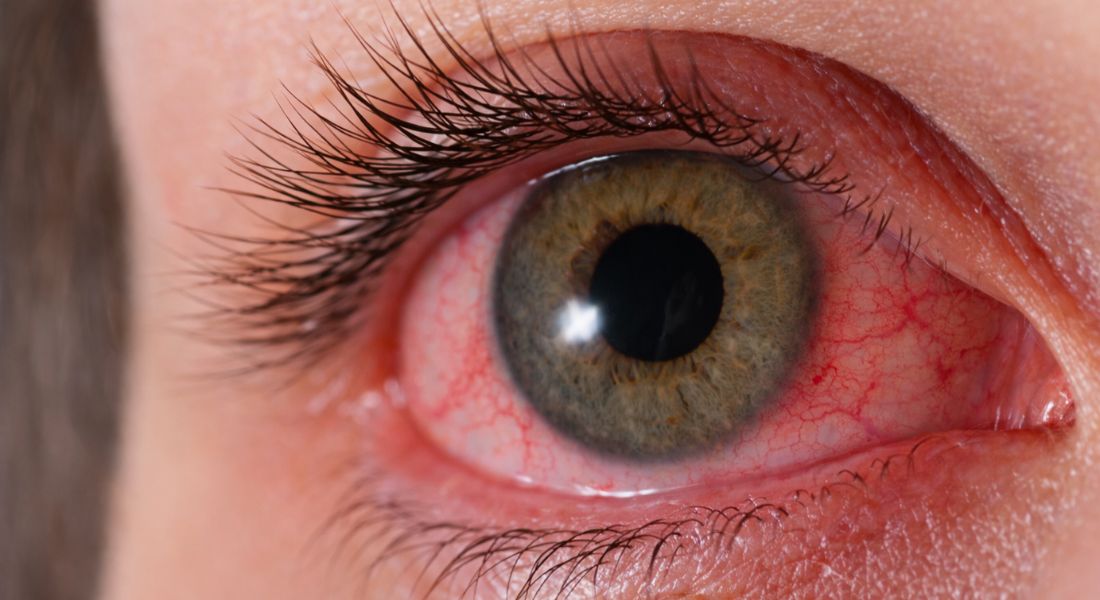
Standard dry eye treatments are designed to improve tear quality and protect the surface of the eye. You may be advised to use artificial tears, gels, or warm compresses to restore lubrication and stabilise the tear film. These approaches are effective for many people whose symptoms are caused by dryness or tear instability. By improving moisture and reducing irritation, they usually relieve surface discomfort.
- Treatments focus on tear film stability: Most dry eye therapies aim to increase moisture and improve the quality of the tear film. Artificial tears, lubricating gels, and eyelid care help protect the corneal surface and reduce irritation.
- Surface lubrication addresses dryness, not nerve signalling: When the underlying problem involves nerve sensitivity, adding lubrication alone may not resolve the discomfort. The pain signals originate from altered nerve pathways rather than from insufficient tears.
- Symptoms may continue despite regular treatment: You may notice that burning, stinging, or light sensitivity persists even when you consistently use recommended eye drops. This lack of improvement can indicate that the symptoms are not caused solely by dry eye disease.
- Repeated treatments may bring limited relief: Some patients try several types of lubricating products or dry eye therapies without lasting improvement. When treatments targeting the eye surface fail to reduce symptoms, clinicians may begin considering other explanations.
When discomfort continues despite appropriate dry eye treatment, it becomes important to reassess the underlying cause. Recognising the possibility of neuropathic eye pain can help explain why lubrication alone has not been effective. A more accurate diagnosis allows treatment to focus on the nerve-related component of the condition.
The Role of the Brain in Pain Perception
Pain signals from your eyes travel through complex nerve pathways to the brain. The brain processes these signals and determines how strongly you perceive them. Under normal conditions, this system helps your body recognise irritation or injury. However, when nerve pathways become sensitised, the brain may begin to amplify these signals.
This type of amplification is common in neuropathic conditions. The nervous system becomes more reactive than it should be. As a result, even mild stimuli such as light, air movement, or normal blinking may trigger discomfort. The pain you feel can therefore seem stronger than the physical trigger.
Understanding this process helps explain why eye pain can persist even when the eye surface appears normal. The problem may lie in how nerves communicate with the brain rather than in visible tissue damage. Because of this, treatment often focuses on calming or regulating nerve activity. Addressing these pathways can play an important role in managing neuropathic eye pain.
When Symptoms Appear Out of Proportion
Sometimes eye discomfort can feel far more severe than what doctors observe during an examination. You may report intense burning, stabbing sensations, or persistent irritation, yet the eye surface may appear relatively normal. This difference between symptoms and visible signs is one of the important clues in neuropathic eye pain. Understanding this pattern helps clinicians look beyond surface conditions alone.
- Severe symptoms with minimal visible changes: In neuropathic eye pain, you may experience strong burning or sharp pain even though the eye shows little redness, dryness, or inflammation during examination. The discomfort can feel intense despite limited surface findings.
- Pain signals originate from nerve pathways: Because the pain is related to nerve signalling rather than visible tissue damage, the symptoms may not match what is seen on the eye surface. The nerves responsible for sensation may be sending exaggerated signals to the brain.
- Confusion during early diagnosis: When symptoms appear disproportionate to examination findings, it can make diagnosis more challenging. Patients may feel uncertain about why the discomfort persists when the eye appears relatively healthy.
- The pain remains genuine and significant: Even when the cause is not immediately visible, the pain you experience is real. Neuropathic mechanisms can produce strong sensory signals without obvious surface abnormalities.
Recognising this mismatch between symptoms and examination findings is an important step in identifying neuropathic eye pain. Once clinicians consider nerve-related causes, they can investigate further and explore more appropriate treatment strategies. This understanding often leads to more targeted care and better support for patients experiencing persistent eye pain.
Diagnostic Challenges
Diagnosing neuropathic eye pain requires a careful and detailed clinical assessment. Your doctor will usually review your medical history, the pattern of your symptoms, and how you have responded to previous treatments. This information can provide valuable clues about whether nerve involvement may be present. Understanding how your symptoms developed over time is particularly important.
In some cases, advanced imaging techniques may be used to examine the nerves in the cornea. Confocal microscopy allows specialists to view microscopic structures within the eye at a very high resolution. This technology can sometimes reveal subtle changes in corneal nerve structure. Such findings may support the diagnosis of neuropathic eye pain.
However, diagnosis often relies heavily on clinical judgement. The absence of visible damage on the eye surface does not necessarily rule out nerve-related pain. Doctors must consider the full clinical picture rather than relying on a single test. Your symptom history and treatment response remain key parts of the assessment.
Risk Factors That May Increase Susceptibility
Certain factors may increase your likelihood of developing neuropathic eye pain. Eye surgery is one possible trigger. Although most patients heal without complications, the procedure can sometimes affect the delicate nerves on the eye’s surface. In rare cases, this may lead to persistent nerve sensitivity.
Chronic inflammation on the eye surface can also increase risk. Conditions such as severe dry eye or blepharitis may irritate the corneal nerves over time. When irritation continues for long periods, the nerves may become overly sensitive. This change can alter the way pain signals are transmitted.
Systemic health conditions may also play a role. Neurological disorders or chronic pain syndromes can influence how the nervous system processes pain. In these situations, nerve sensitivity may already be heightened. These connections highlight the importance of a thorough and comprehensive evaluation.
Emotional Impact of Persistent Eye Pain
Chronic eye pain can have a significant impact on your emotional wellbeing. Ongoing discomfort may interfere with everyday activities such as reading, working, or using digital devices. When symptoms persist, it can become difficult to concentrate or maintain productivity. Over time, this disruption may lead to frustration or increased stress.
You may also feel confused when eye examinations appear normal. When there is no visible explanation for the pain, the symptoms can feel harder to understand. This situation sometimes makes people worry that the problem is being overlooked. The uncertainty itself can be emotionally distressing.
Recognising neuropathic eye pain can provide an important sense of reassurance. Understanding that the discomfort has a neurological explanation can help validate your experience. A clear diagnosis often makes the condition easier to manage. This clarity may also reduce anxiety and support more focused treatment.
Treatment Approaches for Neuropathic Eye Pain

Treatment strategies for neuropathic eye pain focus on regulating abnormal nerve activity. Instead of targeting tear production alone, doctors may prescribe medications that help calm nerve signalling. These medicines are commonly used to manage other types of neuropathic pain. By reducing nerve hypersensitivity, they may help decrease persistent discomfort.
Some patients may benefit from specialised eye drops designed to support nerve health and surface recovery. In other cases, systemic treatments that affect the nervous system may be recommended. These therapies aim to reduce nerve sensitivity and improve pain control. Your treatment plan is usually tailored to your specific symptoms and medical history.
A multidisciplinary approach can often provide the best results. Ophthalmologists may work together with neurologists or pain specialists to develop a comprehensive management plan. This collaboration allows different aspects of nerve-related pain to be addressed. Managing neuropathic eye pain often requires this broader, coordinated approach.
Importance of Personalised Care
Every patient experiences eye discomfort differently, which is why treatment plans often need to be personalised. Your symptoms, medical history, and daily habits can all influence how eye pain develops and how it responds to therapy. A treatment approach that works well for one person may not be as effective for another. Personalised care helps ensure that management strategies match your specific needs.
- Symptoms and triggers vary between patients: Some people notice that their symptoms worsen with screen use, environmental conditions, or fatigue, while others experience more persistent discomfort. Understanding these patterns helps clinicians tailor treatment more effectively.
- Medical history plays an important role: Previous eye surgery, infections, chronic dry eye, or neurological conditions may influence how your symptoms develop. Considering your full medical history allows doctors to identify potential contributing factors.
- Lifestyle factors can influence symptom control: Daily activities such as prolonged digital screen use, environmental exposure, and sleep patterns can affect eye comfort. Adjusting these factors may become part of a personalised management plan.
- Treatment plans may require adjustments over time: Because symptoms can change, regular follow-up appointments allow clinicians to monitor progress and modify therapy when needed. This ongoing evaluation helps ensure that treatment remains appropriate and effective.
Open communication between you and your clinician is essential for successful management. Describing your symptoms clearly and discussing any changes helps guide treatment decisions. When patients and clinicians work collaboratively, it becomes easier to develop strategies that improve comfort and long-term outcomes.
Lifestyle Adjustments That May Help
Certain lifestyle adjustments may help reduce the severity of your symptoms. Limiting prolonged screen use can lower eye strain and reduce irritation. Taking regular breaks, such as following the 20-20-20 rule, allows your eyes to rest. These simple habits can support overall ocular comfort.
Maintaining a consistent and healthy sleep routine is also important. Poor sleep can increase how strongly your body perceives pain. When you get adequate rest, the nervous system often functions more effectively. Good sleep may therefore improve your ability to cope with persistent discomfort.
Managing stress may provide additional benefits as well. Chronic stress can increase nervous system sensitivity and intensify pain signals. Techniques such as relaxation exercises, mindfulness, or gentle physical activity may help regulate this response. These strategies can support your overall comfort alongside medical treatment.
Long-Term Outlook
Neuropathic eye pain can vary greatly from one person to another. Some people notice gradual improvement over time, while others may experience symptoms that require longer-term management. The course of the condition often depends on the underlying cause and how early it is recognised. With appropriate care, many patients are able to manage their symptoms effectively.
- Symptoms may improve gradually: In some cases, nerve sensitivity decreases over time as the nervous system stabilises. With the right treatment and supportive care, discomfort may slowly become less intense.
- Some patients require ongoing management: For others, symptoms may persist and need long-term strategies to control pain and irritation. This does not necessarily mean the condition will worsen, but it may require continued monitoring and treatment adjustments.
- Early recognition supports better outcomes: Identifying neuropathic eye pain early can make treatment more effective. Addressing nerve-related mechanisms promptly may help prevent prolonged discomfort.
- Treatment focuses on stability and comfort: Management often aims to reduce symptom severity and improve daily functioning rather than eliminate every sensation completely. Consistent care can help maintain stable eye comfort over time.
With an accurate diagnosis and appropriate treatment plan, many patients achieve meaningful relief from their symptoms. Ongoing follow-up helps ensure that therapy remains effective as your condition changes. Over time, this approach can improve comfort and support a better quality of life.
Why Specialist Assessment Matters
Neuropathic eye pain can closely resemble other eye conditions, which is why specialist assessment is often important. Experienced clinicians are trained to recognise symptom patterns that may suggest nerve involvement rather than surface irritation. Their expertise can help distinguish between similar conditions. This improves the likelihood of reaching an accurate diagnosis.
Specialists may also have access to advanced diagnostic tools that are not always available in general practice. These technologies can provide a more detailed view of corneal nerve structure and function. The additional information can help confirm whether nerve abnormalities are present. Such insights allow treatment to be more precisely targeted.
Seeking expert advice ensures that your symptoms are carefully and thoroughly evaluated. Early recognition of neuropathic eye pain can prevent long periods of ineffective treatment. Timely intervention may improve symptom management and long-term outcomes. Specialist care can also provide reassurance and clearer guidance about the condition.
Frequently Asked Questions:
- Why do my eyes hurt even though they look normal?
Your eyes can hurt even when they appear normal because pain does not always come from visible irritation or damage. In some cases, the nerves responsible for sensing the eye become overly sensitive and begin sending pain signals without clear surface problems. This is known as neuropathic eye pain, where the discomfort originates from nerve signalling rather than visible inflammation or dryness. - What is neuropathic eye pain?
Neuropathic eye pain is a condition in which the nerves that detect sensations in the eye become dysfunctional or hypersensitive. Instead of responding only to genuine irritation or injury, these nerves may send pain signals even when the eye surface is healthy. This can lead to persistent burning, stabbing, or aching sensations despite a normal eye examination. - How is neuropathic eye pain different from dry eye?
Dry eye disease occurs when the tear film does not properly lubricate the eye, leading to irritation and inflammation of the surface. Neuropathic eye pain, however, is related to abnormal nerve activity rather than tear deficiency. Because the source of discomfort is different, treatments that improve lubrication may not fully relieve neuropathic pain. - What symptoms are common in neuropathic eye pain?
People with neuropathic eye pain often describe sensations such as burning, stinging, sharp pain, or a deep aching feeling in the eyes. Light sensitivity is also very common, and some individuals may feel dryness even when tear production is normal. These symptoms can be persistent and may feel stronger than what doctors observe during an eye examination. - Can eye surgery lead to neuropathic eye pain?
In some cases, neuropathic eye pain may develop after eye surgery, particularly procedures that involve the cornea. During healing, the delicate nerve fibres on the eye surface can occasionally become disrupted or overly sensitive. Although most patients recover without complications, a small number may experience long-lasting nerve sensitivity. - Why do artificial tears not always relieve the pain?
Artificial tears are designed to improve lubrication and stabilise the tear film on the eye surface. If the pain is caused by abnormal nerve signalling rather than dryness, these drops may not address the underlying problem. As a result, you may notice little improvement even when using lubricating products regularly. - How is neuropathic eye pain diagnosed?
Diagnosis usually involves a detailed evaluation of your symptoms, medical history, and response to previous treatments. Doctors may look for patterns such as persistent pain despite minimal surface findings. In some cases, specialised imaging tests may be used to examine the structure of corneal nerves and identify subtle abnormalities. - Is neuropathic eye pain a long-term condition?
The duration of neuropathic eye pain can vary from person to person. Some individuals notice gradual improvement over time as nerve sensitivity decreases, while others may require ongoing management to control symptoms. Early recognition and appropriate treatment can help improve comfort and support better long-term outcomes. - What treatments are available for neuropathic eye pain?
Treatment often focuses on calming nerve activity rather than simply improving lubrication. Doctors may prescribe medications that regulate nerve signalling or recommend specialised therapies aimed at reducing nerve hypersensitivity. Management sometimes involves collaboration between eye specialists and other medical professionals experienced in treating neuropathic pain. - When should I see a specialist for eye pain that has no visible cause?
If you continue to experience burning, stabbing pain, or severe light sensitivity despite treatment for common eye conditions, it may be helpful to seek specialist advice. Persistent symptoms that do not match the appearance of your eyes during examination may indicate a nerve-related cause. A specialist assessment can help identify the underlying issue and guide more targeted treatment.
Final Thoughts: Understanding Unexplained Eye Pain
Experiencing eye pain when your eyes appear completely normal can be confusing and frustrating. When examinations show little or no visible abnormality, it may seem difficult to understand why the discomfort continues. However, as this guide explains, eye pain does not always originate from surface irritation. In some cases, the underlying cause may involve changes in how the nerves that sense the eye transmit pain signals.
Neuropathic eye pain occurs when these nerve pathways become overly sensitive or continue sending signals even after the original trigger has resolved. Because the issue lies within the nervous system rather than the eye surface, symptoms may persist despite common treatments such as artificial tears or dry eye therapies. Recognising this possibility is an important step toward finding the right management approach. If you’re considering neuropathic eye pain treatment and want to know if it’s the right option, you’re welcome to reach out to us at Eye Clinic London to book a consultation.
References:
- Dieckmann, G., Goyal, S. and Hamrah, P., 2017. Neuropathic corneal pain: approaches for management. Ophthalmology, 124(11S), pp.S34–S47. https://pubmed.ncbi.nlm.nih.gov/29055360/
- Jacobs, D.S., 2017. Diagnosis and treatment of ocular pain: the ophthalmologist’s perspective. Current Ophthalmology Reports, 5(4), pp.271–275. https://pubmed.ncbi.nlm.nih.gov/29226029/
- Kim, J.Y., et al., 2020. Treatment response to gabapentin in neuropathic ocular pain associated with dry eye. Journal of Clinical Medicine, 9(12), 3765. https://pubmed.ncbi.nlm.nih.gov/33266439/
- Cammalleri, M., et al., 2024. Molecular mechanisms and therapeutic potential of gabapentin with a focus on topical formulations to treat ocular surface diseases. Pharmaceuticals, 17(5), 623. https://www.mdpi.com/1424-8247/17/5/623
- Dieckmann, G., Goyal, S. and Hamrah, P., 2017. Neuropathic corneal pain: approaches for management. Ophthalmology, 124(11 Supplement), pp.S34–S47. https://www.sciencedirect.com/science/article/abs/pii/S0161642017306127