


Chalazion Surgery: What Happens During Removal?
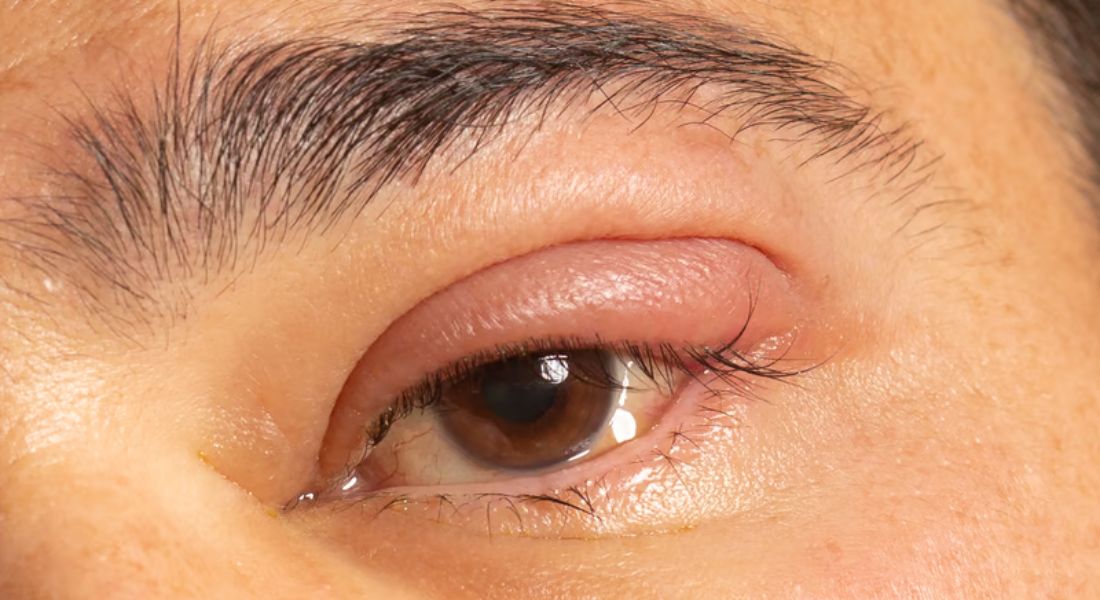
If you’ve been advised to consider chalazion surgery, it usually means the lump hasn’t improved with simple treatments or keeps returning. At that stage, removing the contents directly is the most effective way to allow the eyelid to heal properly.
The procedure is done under local anaesthetic, so you’re awake but comfortable. You won’t feel pain, only slight pressure. The surgeon usually makes a small incision on the inner side of the eyelid to avoid any visible scarring.
The blocked material is then gently removed, and the gland is cleared. The procedure itself is quick, often taking only a few minutes, and you can go home the same day without needing a hospital stay.
Afterwards, you may notice mild swelling or bruising for a few days. Using prescribed ointment and maintaining eyelid hygiene supports healing, while ongoing care helps reduce the risk of future chalazia.
What Is a Chalazion?
A chalazion forms when one of the oil-producing glands in your eyelid becomes blocked. These glands normally release oils that help keep your tear film stable, but when the opening is obstructed, the oil gets trapped and slowly builds up into a lump.
It usually develops gradually and is often painless, which makes it different from an infection. You might first notice a small swelling that becomes firmer over time. In some cases, the lump can persist for weeks or even months if the blockage doesn’t clear on its own.
If the chalazion becomes larger, it may start to cause mild discomfort or press against the eye, slightly affecting your vision. Even then, it typically remains non-infectious, so significant redness or severe pain is uncommon.
When Surgery May Be Recommended
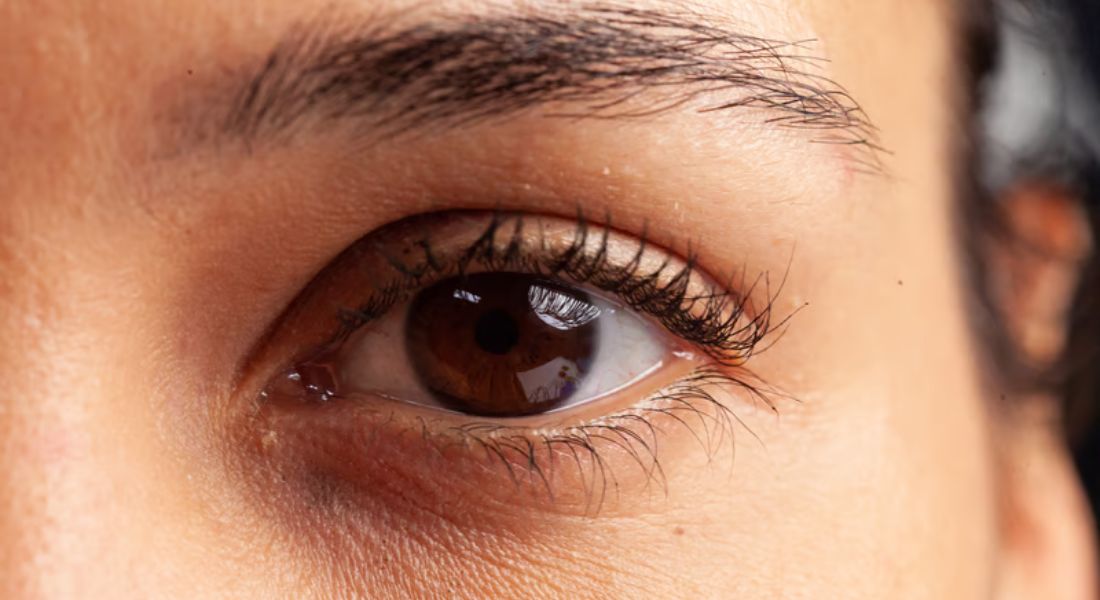
A chalazion develops when one of the oil-producing glands in your eyelid becomes blocked. These glands normally release oils that help stabilise your tear film, but when the opening is obstructed, the oil becomes trapped and gradually builds up into a firm lump.
It usually develops slowly and is often painless, which is why it can go unnoticed at first. You may notice a small swelling that becomes more defined and slightly firmer over time. In some cases, the lump can persist for weeks or even months if the blockage does not clear on its own.
As it grows larger, it may cause mild discomfort or create a feeling of pressure on the eye, sometimes slightly affecting your vision. Despite this, it typically remains non-infectious, so significant redness, heat, or severe pain are not common features.
Preparing for the Procedure
A chalazion develops when one of the oil-producing glands in your eyelid becomes blocked. These glands normally release oils that help stabilise your tear film, but when the opening is obstructed, the oil becomes trapped and gradually builds up into a firm lump beneath the eyelid.
It usually develops slowly and is often painless, which is why it can go unnoticed at first. You may notice a small swelling that becomes more defined and slightly firmer over time. In some cases, the lump can persist for weeks or even months if the blockage does not clear on its own.
As it grows larger, it may cause mild discomfort or a sensation of pressure on the eye, sometimes slightly affecting your vision. Despite this, it typically remains non-infectious, so significant redness, heat, or severe pain are not common features unless another condition is present.
Local Anaesthetic and Comfort
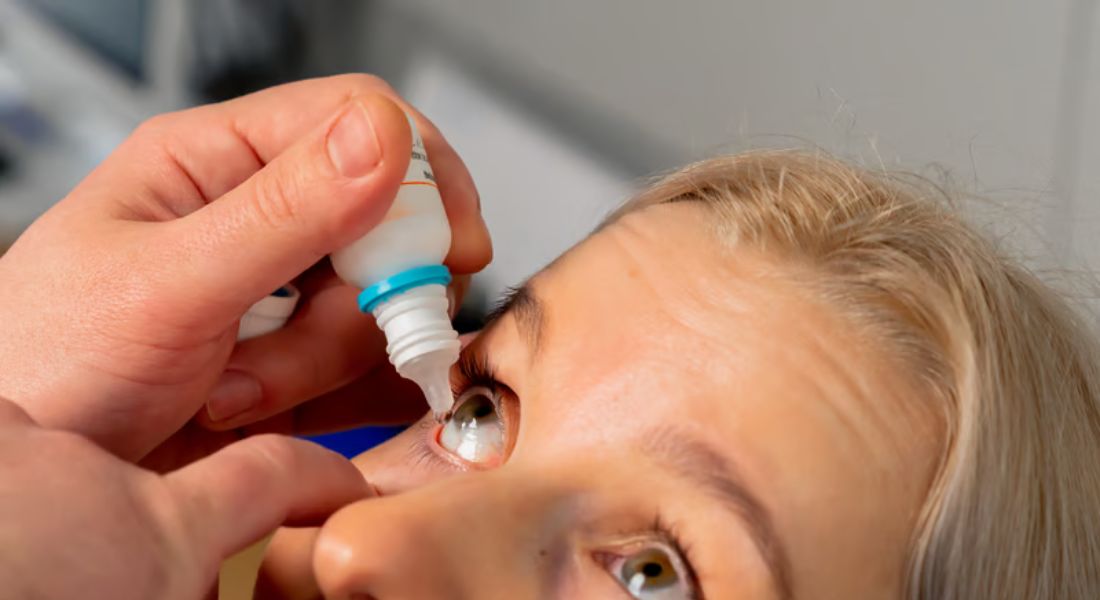
Chalazion removal under local anaesthetic is simple, safe, and surprisingly comfortable. You stay awake throughout, allowing the surgeon to monitor your comfort while working precisely. The injection may sting briefly, but this quickly fades, leaving only a gentle sensation of pressure. Most patients are surprised at how tolerable the procedure is, and being awake often helps reduce anxiety and gives a sense of control. Local anaesthetic also avoids the risks of general anaesthesia, making the process safer and recovery smoother.
- Targets only the eyelid: The anaesthetic numbs just the eyelid, leaving the rest of your body fully alert. This allows the surgeon to operate with precision while keeping your vital functions stable. By focusing only on the affected area, post-operative irritation is minimised, helping the eyelid heal more comfortably.
- Minimises risk compared with general anaesthesia: General anaesthesia carries potential side effects such as nausea, dizziness, or more serious complications. Local anaesthetic avoids these risks entirely, making it safer for most patients, particularly older adults or those with underlying health conditions.
- Shortens recovery time: Because the anaesthetic is localised, you can usually return to normal activities the same day. There’s no grogginess or extended observation required, and any mild soreness or swelling typically resolves quickly.
- Allows immediate feedback: Being awake means you can alert the surgeon if you feel pressure or discomfort. This real-time communication helps prevent tissue trauma and ensures the procedure remains smooth and comfortable.
- Well-tolerated by most patients: Minimal pain, fast recovery, and the ability to communicate make this procedure highly tolerable. Most patients finish without stress, and post-operative discomfort is usually mild and temporary.
Local anaesthetic makes chalazion removal controlled, efficient, and comfortable. You stay alert and engaged, the surgeon can operate precisely, and recovery is quick. The approach combines safety, comfort, and effectiveness, ensuring a smooth, reassuring experience for almost everyone.
What Happens During Surgery
During chalazion surgery, the surgeon usually makes a small incision on the inner surface of your eyelid, which avoids any visible scar on the outside. This approach allows direct access to the blocked gland so the trapped material can be carefully removed, restoring normal eyelid function.
Special instruments are used to stabilise your eyelid throughout the procedure, ensuring precision while the contents are gently cleared. In some cases, a small amount of inflamed tissue around the gland may also be removed to reduce the risk of the chalazion returning.
The procedure is generally very quick, often taking less than twenty minutes from start to finish. After the removal, the eyelid is thoroughly cleaned, dressed, and you can usually return home the same day. Mild swelling or bruising is normal, and your surgeon will provide instructions to support smooth healing.
Will Stitches Be Needed?
Most chalazion procedures do not require stitches. The incision is made on the inner surface of the eyelid, which tends to heal naturally, as the delicate lining of the eyelid regenerates quickly and efficiently.
In certain situations, your surgeon may place a small stitch to help the incision close more securely or support healing in a tricky spot. This is not common, and if used, the stitches usually dissolve on their own, so you won’t need to have them removed.
Your surgeon will assess the eyelid during the procedure and choose the approach that offers the best outcome. Overall, healing is typically straightforward, with most patients experiencing only minor swelling or bruising and recovering without complications.
Immediately After the Procedure
Immediately after the procedure, you may notice that your eyelid feels sore, tender, or slightly swollen. Mild discomfort is normal during the first few days, and most patients find that simple over-the-counter pain relief is enough to manage any discomfort. Applying a cold compress gently can also help reduce swelling and provide some relief.
A protective pad is often placed over the eye immediately after surgery. This helps to minimise bleeding and swelling and keeps the eyelid safe while the initial healing begins. The pad is usually removed within a few hours, but your surgeon may recommend leaving it on longer if there’s any extra irritation or risk of rubbing.
It’s common to experience slightly blurred vision initially. This is usually caused by the ointment applied during the procedure, which keeps the area moist and supports healing. Your vision typically clears within a few hours, but you may still notice mild irritation or a gritty sensation in the eye as the eyelid settles. Keeping your hands clean and avoiding rubbing the eye is important during this time.
Recovery in the First Week
During the first week after surgery, swelling and bruising usually start to improve gradually. Your eyelid may still appear a little red or feel tender, but these changes are temporary and part of the normal healing process.
After a few days, your surgeon may recommend gentle warm compresses. These help promote circulation, support gland function, and encourage the eyelid to heal properly. Consistent, careful attention during this period can make a noticeable difference in recovery.
Most patients are able to resume normal daily activities fairly quickly. You may be advised to avoid strenuous exercise or heavy lifting for a short time, and your clinician will provide personalised guidance based on how your eyelid is healing.
When You Can Return to Normal Activities
After chalazion removal, most patients find they can return to normal routines within just a few days. Light office work, reading, or other gentle daily activities are usually fine almost immediately, though you may notice mild soreness or swelling. It’s important to avoid pushing the eyelid too hard at first, as even small strains can slow healing. Listening to your comfort and giving your eyelid time to settle ensures recovery is smooth and complication-free.
- Light work and daily routines: Most office tasks and routine activities can be resumed quickly, often the day after the procedure. Limiting heavy lifting, bending, or sudden head movements in the first couple of days helps prevent strain and reduces swelling. Taking short breaks and keeping the eyelid clean also supports proper healing.
- Swimming and eye makeup: Avoid swimming pools, hot tubs, and saunas until the eyelid has fully healed. Applying eye makeup too soon can introduce bacteria and irritate the surgical site, increasing the risk of infection. Waiting until any scabs or swelling have resolved helps ensure your eyelid heals safely and looks normal.
- Driving: Driving is generally safe once your vision is clear and you feel comfortable. Temporary blurriness or slight discomfort is common immediately after the procedure, so it’s wise to test your vision in a safe environment first. Ensuring your eyes feel fully alert and comfortable helps prevent accidents and keeps you confident behind the wheel.
- Exercise and physical activity: High-impact exercises, heavy lifting, or vigorous sports should be avoided for a few days. Gradually reintroduce these activities once swelling has settled and the eyelid feels normal. Gentle walks and light stretching are usually fine, helping circulation without stressing the healing tissues.
- Ongoing care and comfort: Follow your surgeon’s instructions on cleaning and lubricating the eye. Using prescribed ointments or drops, avoiding rubbing, and protecting the eyelid from dust or irritants all support faster recovery. Most patients find these small precautions make a big difference in comfort and the final cosmetic result.
Most patients recover rapidly, regaining comfort, clear vision, and the ability to resume daily life within days. Paying attention to your body’s signals and following simple post-procedure precautions ensures a safe, smooth, and stress-free return to normal activities. Proper care at this stage reduces complications and helps the eyelid look and feel as good as possible.
Possible Risks and Complications
Chalazion surgery is generally very safe, and serious complications are uncommon when the procedure is performed by an experienced clinician. Most patients have a smooth procedure and recover without any issues.
Minor bleeding or bruising can occur around the eyelid, which usually settles on its own. Infection is rare, but your surgeon may prescribe antibiotic ointment as a precaution to keep the area clean and reduce any risk.
Recurrence is possible, particularly in people who are prone to repeated gland blockages. Maintaining good eyelid hygiene and following any aftercare instructions can help lower the chances of another chalazion forming in the future.
Risk of Recurrence
Some patients develop chalazia repeatedly, often because of underlying gland dysfunction that makes blockages more likely. Long-term eyelid care can play a key role in preventing new lumps from forming.
Regular use of warm compresses helps keep the glands clear and functioning properly, while gentle lid hygiene can reduce debris and inflammation. These simple routines can significantly lower the risk of needing surgery again in the future.
Your clinician may discuss personalised preventive strategies based on your specific risk factors. Everyone’s situation is different, so long-term management tailored to you supports overall eyelid and eye health.
Differences Between Chalazion and Stye
A chalazion differs from a stye in several important ways, even though both affect the eyelid. A stye is usually caused by a bacterial infection in an eyelid gland, which makes it red, swollen, and often quite painful. It tends to appear suddenly and may form a small pustule at the edge of the eyelid.
In contrast, a chalazion is typically non-infectious and painless. It develops gradually as a result of a blocked oil gland rather than an active infection. The lump usually forms further from the eyelid margin and can persist for weeks or months if left untreated.
Because of these differences, the management strategies vary. Styes often respond to warm compresses and, in some cases, antibiotic ointments or drainage if they do not resolve. Chalazia, meanwhile, usually require only conservative care initially, with minor surgical removal considered if the lump is persistent or large enough to affect vision or comfort.
How Effective Is Chalazion Surgery?
Chalazion surgery is generally very effective, with most patients experiencing complete resolution of the lump. Relief is often noticeable soon after healing begins, and discomfort from the chalazion typically disappears.
Success rates are highest when the chalazion is fully removed during the procedure. Using proper surgical technique also helps reduce the risk of recurrence, and experienced surgeons tend to achieve consistently predictable results.
In some cases, a second procedure may be necessary if the chalazion returns or wasn’t completely cleared the first time. However, this is uncommon, and the majority of patients need only a single treatment to resolve the problem.
Cosmetic Outcomes
Chalazion removal generally delivers excellent cosmetic results, making it both a functional and aesthetic procedure. The incisions are carefully placed inside the eyelid, which means they are hidden and leave no visible scar. Immediately after surgery, swelling or mild bruising may temporarily alter the eyelid’s appearance, but this gradually settles. Most patients find that the eyelid returns to its normal shape and looks completely natural within a few weeks.
- Hidden incisions: The surgeon places cuts on the inner surface of the eyelid, so no external marks are visible. This approach ensures the procedure is discreet and preserves the natural contour of the eyelid, making scarring virtually unnoticeable.
- Temporary swelling: Mild swelling or puffiness is common in the first days after surgery. It can slightly distort eyelid shape, but this usually improves as the tissues heal and any residual fluid resolves, often within one to two weeks.
- Predictable healing timeline: Most patients notice gradual improvement day by day, with the eyelid returning to its normal appearance within a few weeks. Following post-operative instructions, such as gentle cleaning and avoiding rubbing, helps ensure a smooth recovery.
- Rare persistent swelling: Long-term swelling is uncommon, but if it occurs, it is usually minor and resolves with time or additional treatment. Surgeons monitor healing and provide guidance to ensure the best final appearance.
- Restored natural appearance: Overall, chalazion removal preserves the eyelid’s natural shape and aesthetics. Most patients are highly satisfied with the outcome, with the eyelid looking normal and harmonious with the rest of the eye.
Cosmetic results after chalazion removal are consistently excellent. Careful surgical technique, hidden incisions, and attention to post-operative care combine to restore both function and natural appearance. Patients can expect minimal scarring, subtle swelling that settles quickly, and a return to their normal eyelid shape within weeks.
When to Seek Medical Advice After Surgery
Chalazion removal usually delivers excellent cosmetic results, combining function and appearance. Incisions are made on the inner eyelid, leaving no visible scar, and any mild swelling or bruising after surgery typically settles within a few weeks.
Operating from the inside preserves the natural contour of the eyelid, and temporary puffiness usually resolves within days. Following post-operative care, like gentle cleaning and avoiding rubbing, supports smooth healing.
Most patients see their eyelid return to a natural shape quickly, with minimal scarring and subtle, short-lived swelling. Overall, the procedure reliably restores both the look and function of the eyelid.
Follow-Up Appointments
A follow-up appointment is usually scheduled after chalazion surgery to check how your eyelid is healing. The clinician will examine the area for swelling, bruising, or any signs of recurrence and confirm that recovery is progressing as expected.
This visit also gives you the chance to raise any concerns, from discomfort to vision changes, and receive guidance on continued care. Most patients find their recovery is straightforward, but the follow-up provides reassurance.
Your surgeon may also discuss ongoing eyelid care or preventive measures to reduce the risk of future chalazia. Overall, these appointments help ensure the treatment has been effective and support long-term eye health.
Children and Chalazion Surgery
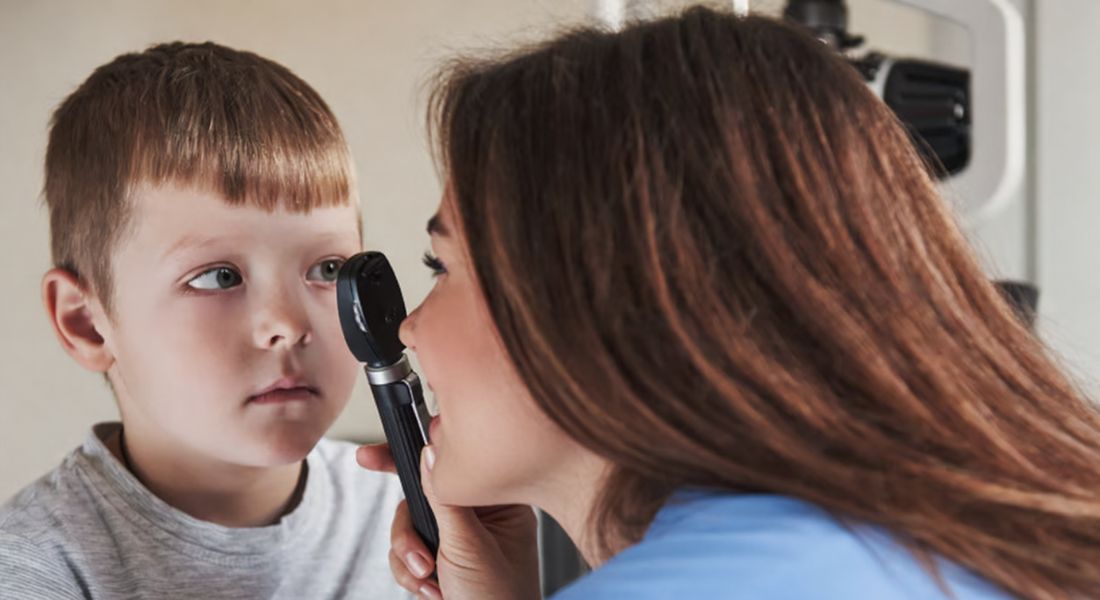
Chalazion surgery can be performed safely in children, though younger patients may sometimes need a slightly different anaesthesia approach to ensure comfort and cooperation. The procedure itself is very similar to that in adults.
Persistent chalazia in children are treated in the same way, and removal can improve both comfort and vision. Addressing the lump early helps prevent potential complications as the eye develops.
Parents are given clear instructions for post-operative care, and recovery is usually quick. Most children are back to their normal activities within a short time, with minimal disruption.
Long-Term Eyelid Care
Long-term eyelid care is key to preventing future chalazia. Regular warm compresses help keep the oil glands open and functioning properly, making a big difference over time.
Gentle cleansing of the eyelid margins removes debris and reduces the risk of blockages. Maintaining this routine consistently is important for lasting results.
Healthy eyelids support stable tear function and overall eye comfort. In many cases, prevention through ongoing care is far easier than treating new chalazia once they develop.
FAQs:
- What is chalazion surgery, and why is it needed?
Chalazion surgery involves removing the blocked contents of an eyelid gland when conservative treatments fail or the lump keeps returning. It allows the eyelid to heal fully and prevents vision disturbance or discomfort. - Is the procedure painful?
No, it is performed under local anaesthetic. You’ll feel only slight pressure during the procedure, and most patients describe it as surprisingly comfortable. - How long does chalazion surgery take?
The procedure is quick, usually less than 20 minutes, and you can go home the same day without a hospital stay. - Will I have stitches?
Most patients do not need stitches, as the incision is inside the eyelid and heals naturally. In rare cases, a dissolvable stitch may be used. - What should I expect immediately after surgery?
You may experience mild swelling, bruising, or tenderness. Temporary blurred vision can occur due to ointment applied during the procedure. Cold compresses and simple pain relief are usually sufficient. - How long is recovery?
Most patients return to normal activities within a few days. Swelling and bruising typically settle within one to two weeks. - Can chalazia recur after surgery?
Yes, recurrence is possible, especially if you have ongoing gland blockages. Long-term eyelid hygiene and warm compresses can help prevent new lumps. - Can children have chalazion surgery?
Yes, children can safely undergo the procedure. Anaesthesia may be adapted for comfort and cooperation, but the surgical approach is similar to adults. - How does chalazion surgery affect appearance?
Incisions are made on the inner eyelid, leaving no visible scars. Temporary swelling is normal, but the eyelid usually returns to its natural shape within weeks. - When should I contact my surgeon after surgery?
If you notice unusual redness, persistent pain, significant swelling, bleeding, or any vision changes, you should seek advice promptly. Routine follow-ups also help ensure proper healing and prevent recurrence.
Final Thoughts: Taking Control of Eyelid Health
Chalazion surgery is a straightforward, highly effective procedure that restores comfort and appearance to your eyelid when conservative care isn’t enough. Most patients recover quickly, with minimal swelling and excellent cosmetic results, and proper post-operative care plays a crucial role in preventing recurrence.
Ongoing eyelid hygiene, warm compresses, and gentle cleansing are simple habits that dramatically reduce the risk of new lumps forming, supporting long-term eye comfort and stable tear function. Even children can benefit safely from this procedure, and follow-up appointments ensure healing is progressing as expected.
While chalazion surgery addresses the immediate problem, it’s part of a broader approach to eye health. If you’d like to find out whether stye treatment London is suitable for you, feel free to contact us at Eye Clinic London to arrange a consultation.
References:
- Arita, R., et al. (2022). Therapeutic efficacy and safety of intense pulsed light for multiple and recurrent chalazia: A prospective clinical study. Journal of Clinical Medicine, https://www.mdpi.com/2077-0383/11/18/5338
- Goawalla, A. and Lee, V. (2007) ‘Randomised trial of chalazion treatments’, British Journal of Ophthalmology. https://pmc.ncbi.nlm.nih.gov/articles/PMC1723539/
- Guo, R., Jiang, J., Zhang, Y., Liang, Q., Liu, J. & Hu, K. (2023). The effects of chalazion and the excision surgery on the ocular surface. Heliyon, https://pubmed.ncbi.nlm.nih.gov/37809549/
- Park, J.K., Vyas, C. & Dagi Glass, L.R. (2025). Chalazia: A scoping review to identify the evidence behind treatments. Ophthalmic Plastic and Reconstructive Surgery, https://pubmed.ncbi.nlm.nih.gov/39656051/
- Fukuoka, S. & colleagues (2014). The effects of chalazion excision on corneal surface aberrations. Contact Lens & Anterior Eye, https://www.sciencedirect.com/science/article/abs/pii/S1367048414000460