


Paediatric Glaucoma: How It Differs from Adult Glaucoma
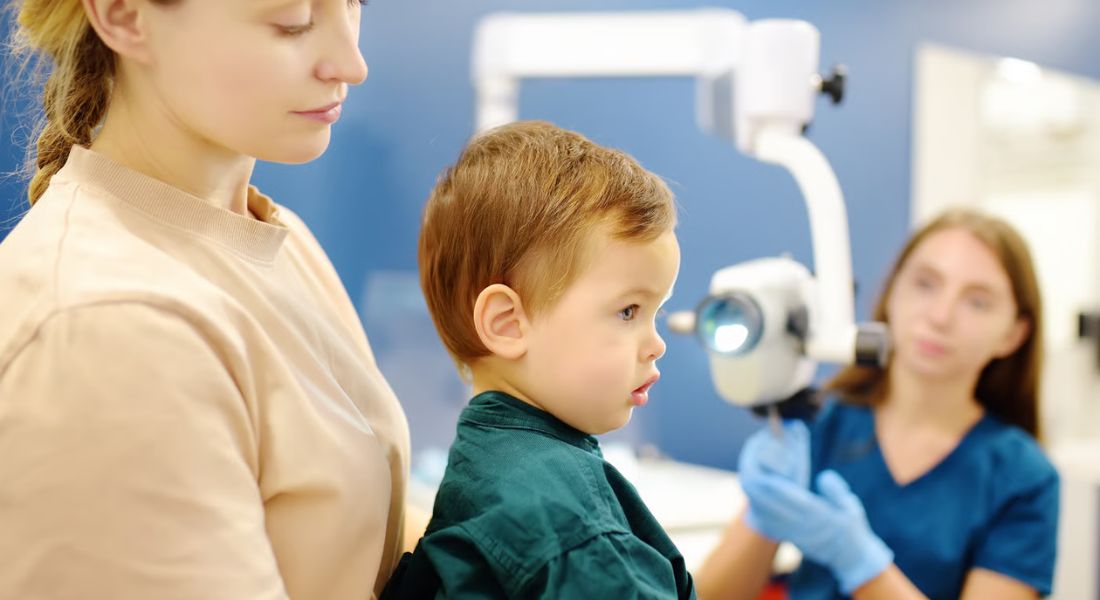
Paediatric glaucoma is rare but serious, and it behaves very differently from adult glaucoma. In children, the disease can progress quickly, and elevated eye pressure can affect the developing structures of the eye, causing changes that are not seen in adults.
Visible signs such as enlarged corneas, corneal clouding, or unusually large eyes may appear, but early stages can be subtle. Excessive tearing, light sensitivity, or frequent blinking are often the first clues.
Because the eye is still growing, uncontrolled pressure can quickly damage the optic nerve. This makes early diagnosis and close monitoring essential to prevent permanent vision loss.
Treatment usually involves surgery rather than medication alone. Timely intervention, guided by a specialist, gives children the best chance of preserving sight and supporting normal visual development.
What Causes Paediatric Glaucoma?
Paediatric glaucoma is rare but serious, and it behaves very differently from adult glaucoma. In children, the disease can progress rapidly, and raised eye pressure can affect the developing structures of the eye in ways not seen in adults.
Early signs can be subtle. Enlarged corneas, corneal clouding, or unusually large eyes may appear, while excessive tearing, light sensitivity, or frequent blinking are often the first clues parents notice.Uncontrolled pressure can quickly damage the optic nerve because the eye is still growing.
This makes early diagnosis, ongoing monitoring, and prompt intervention critical to prevent permanent vision loss. Management usually relies on surgery rather than medications alone. When carried out by a specialist, timely treatment offers the best chance of preserving sight and supporting normal visual development.
Structural Differences Between Children and Adults
A child’s eye is softer and more elastic than an adult’s, so when intraocular pressure rises, the globe can physically stretch. This leads to enlargement of the eye, a hallmark feature known as buphthalmos, which is unique to paediatric glaucoma and not seen in adult forms of the disease.
The cornea is also more vulnerable in children. Elevated pressure can disrupt its structure, causing it to become cloudy or hazy, which directly affects vision and may be one of the earliest visible signs noticed. In contrast, the adult eye is far more rigid and resistant to structural change.
Even with raised pressure, the globe does not expand, which is why adult glaucoma typically lacks obvious external signs and often progresses silently. These structural differences mean paediatric glaucoma is often more visibly apparent. Parents may notice changes in eye size or clarity, making early recognition possible if these signs are understood and acted upon quickly.
Recognising the Early Symptoms
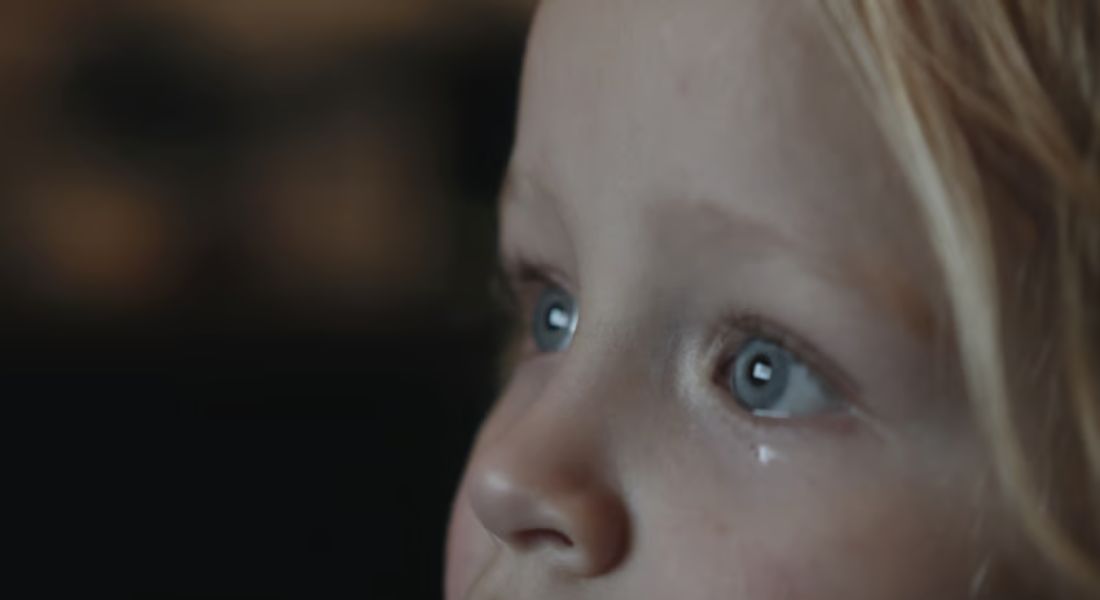
One of the earliest signs you may notice is persistent tearing without any obvious infection. Your child might also squint, avoid light, or become unusually irritable in bright environments, which often reflects underlying light sensitivity.
Changes in eye appearance can be a key warning. One or both eyes may look larger than expected, and a cloudy or hazy cornea should always be treated as urgent, as this is not a normal finding in a healthy child.
This presentation is very different from adult glaucoma, where early stages are typically silent and detected only through routine checks. In children, the condition often reveals itself through visible and behavioural changes rather than subtle visual field loss.
How Diagnosis Is Made
One of the earliest signs you may notice is persistent tearing without any obvious infection. Your child may also squint, avoid light, or become unusually irritable in bright environments, reflecting underlying light sensitivity rather than simple discomfort. These behavioural cues often appear before any formal diagnosis and should not be dismissed.
- Persistent tearing without infection: Excessive watering that does not resolve with routine care can indicate raised intraocular pressure rather than a blocked tear duct. This distinction is important, as the underlying cause requires very different management.
- Light sensitivity and behavioural changes: Squinting, eye rubbing, or distress in bright light often reflects corneal irritation or pressure-related discomfort. In young children, irritability may be the only clear signal.
- Enlargement of the eye (buphthalmos): One or both eyes may appear larger than expected due to stretching of ocular tissues under increased pressure. This is a key clinical sign and should prompt urgent specialist review.
- Cloudy or hazy cornea: A loss of corneal clarity is never normal in a healthy child. It suggests corneal oedema caused by elevated pressure and requires immediate assessment to prevent long-term damage.
- Visible versus silent presentation: Unlike adult glaucoma, which often progresses without symptoms, childhood glaucoma typically presents with noticeable physical and behavioural changes. This makes early parental observation a critical part of detection.
Recognising these signs early changes outcomes. Prompt specialist assessment allows timely intervention, helping protect vision during a crucial stage of visual development.
Why Early Treatment Is So Important
When you’re dealing with raised eye pressure in a child, early treatment is incredibly important. The optic nerve carries visual signals from the eye to the brain, and in children it’s still developing. If pressure remains high, those delicate nerve fibres can suffer permanent damage, and once they’re lost, they cannot be restored.
You should also keep in mind that early childhood is a crucial period for visual development. During this stage, your child’s brain relies on clear input from the eyes to learn how to see properly. If that input is blurred or reduced, amblyopia can develop, meaning vision may not fully recover even after the pressure is brought under control.
By acting promptly, you’re protecting more than just the structure of the eye you’re safeguarding your child’s long-term visual potential. Delaying treatment increases the risk of lasting impairment, whereas early intervention gives your child the strongest chance of healthy, stable vision.
Surgical Treatment Approaches
When your child is diagnosed with paediatric glaucoma, surgery is often the first step rather than medication. Procedures such as goniotomy and trabeculotomy are designed to improve the drainage of fluid from the eye. By correcting the structural problem that’s causing the pressure to rise, these operations tackle the issue at its source.
In more complex situations, your child may need additional procedures, including the placement of glaucoma drainage devices. Sometimes more than one surgery is required to achieve stable pressure control. The exact plan depends on the cause, severity, and how your child’s eye responds to initial treatment.
This approach is quite different from adult glaucoma care, where treatment usually begins with medicated eye drops. In children, surgery focuses on fixing the underlying anatomical problem rather than simply managing pressure over time. Acting early with the right surgical treatment gives your child the best possible chance of long-term success.
The Role of Medication in Children
Although surgery is often central to treatment, medication still plays an important role in your child’s care. Eye drops may be prescribed before surgery to help stabilise eye pressure, or afterwards to support long-term control. In many cases, they work alongside surgical treatment rather than replacing it.
You should know that dosing in children has to be carefully adjusted. Some medications that are suitable for adults may not be appropriate in infancy or early childhood. That’s why close monitoring is essential, ensuring the treatment is both safe and effective for your child.
If drops are prescribed, your consistency really matters. Administering them exactly as advised helps maintain stable pressure and protects your child’s vision. Regular follow-up appointments allow the treatment plan to be reviewed and adjusted whenever necessary.
Long-Term Outlook and Monitoring
Although surgery is often a key part of treatment, medication can still play an important supporting role in your child’s care. Eye drops may be used before surgery to help bring the pressure down, or afterwards to maintain stable control. In many cases, they work alongside surgery rather than replacing it entirely.
You should be aware that children are not simply small adults when it comes to medication. Doses need to be carefully tailored, and some drugs commonly used in adults may not be suitable for babies or young children. Careful monitoring ensures the treatment remains safe and effective at every stage.
If your child is prescribed drops, your consistency makes a real difference. Giving them exactly as advised helps keep eye pressure stable and reduces the risk of further damage. Regular follow-up appointments allow adjustments to be made promptly, keeping your child’s vision as protected as possible.
Emotional Impact on Families
Hearing that your child needs eye surgery can feel overwhelming and deeply unsettling. You may find yourself worrying about anaesthesia, the safety of the procedure, how your child will cope with recovery, and what the future may hold for their vision. It is completely natural to feel anxious in this situation. When emotions are high, clear and compassionate guidance from your specialist can make a meaningful difference, helping you move from fear towards understanding and reassurance.
- Fear of the Unknown: Uncertainty about the surgical process, possible outcomes, and long-term implications can intensify emotional stress. Having each step explained in simple, honest terms often helps reduce this fear.
- Concerns About Anaesthesia and Recovery: Many parents feel particularly anxious about their child undergoing anaesthesia. Questions about safety, pain management, and how quickly normal routines can resume are common and valid.
- Worry About Future Vision: The possibility of vision loss or the need for ongoing treatment can feel heavy. It is difficult not to think ahead and imagine worst-case scenarios, even when they are unlikely.
- Emotional Strain on the Family: Siblings may also sense tension, and daily routines can be disrupted by appointments and hospital visits. Acknowledging this strain allows families to seek practical and emotional support early.
- Power of Clear Information: Detailed explanations, written guidance, and the chance to ask questions repeatedly can build confidence. Understanding the condition empowers you to make informed decisions rather than feeling helpless.
- Importance of Ongoing Support: Regular follow-up appointments, open communication with your healthcare team, and connecting with parent support groups can provide reassurance. Speaking with others who have navigated similar experiences often brings comfort and perspective.
While paediatric glaucoma is a serious diagnosis, early and appropriate management offers real hope. Many children go on to lead full, active lives with good functional vision and minimal limitations. With timely treatment, consistent monitoring, and strong family support, the outlook can be far more positive than those first fearful moments might suggest.
How Paediatric and Adult Outcomes Differ
When you look at adult glaucoma, it often progresses slowly and can be managed for years with medication alone. Vision loss usually affects peripheral sight first, so you might not notice changes straight away. Follow-up appointments are important, but they’re often spaced further apart because the condition tends to move at a steadier pace.
In children, however, things can be very different. The disease may progress more quickly and behave more aggressively, leading to noticeable structural changes in the eye. Surgery is frequently required rather than relying solely on drops. Your child’s long-term outcome depends greatly on how early treatment begins and how effectively pressure is controlled.
You also have to remember that your child has decades of life ahead. Protecting vision early means safeguarding education, independence and quality of life in the future. The sooner eye pressure is stabilised, the more visual function you can preserve, which is why paediatric glaucoma requires prompt and decisive care.
Genetic Factors and Family History
In some cases, your child’s glaucoma may have a genetic basis. Certain inherited mutations can affect how the eye’s drainage angle develops before birth, leading to problems with fluid outflow from the very start. If you have a family history of congenital glaucoma, your child may have a higher risk, which makes early awareness especially important.
You may find that genetic counselling helps you understand the chances of recurrence in future pregnancies. If one child is diagnosed, early screening of siblings is often recommended so that any signs can be detected quickly. The sooner a problem is identified, the sooner treatment can begin, protecting long-term vision.
Unlike adult glaucoma, where genetics tend to increase risk gradually over time, congenital forms can be present at birth. That’s why knowing your family history truly matters. When you’re informed, you and your clinical team can make proactive decisions about monitoring and early intervention.
Secondary Paediatric Glaucoma
In some situations, your child’s glaucoma may be linked to genetics. Inherited changes can affect how the eye’s drainage system forms before birth, which means pressure problems can be present from the very beginning. If you have a family history of congenital glaucoma, your child may face a higher risk, making early awareness essential.
You might consider genetic counselling to better understand the likelihood of recurrence in future pregnancies. If one child is diagnosed, screening brothers or sisters at an early stage is often advised. Detecting concerns promptly gives you the best chance to begin treatment before significant damage occurs.
Unlike adult glaucoma, where genetic risk tends to build gradually over time, congenital forms can exist from birth. Knowing your family history allows you to take a proactive approach. When you stay informed, you can work closely with your clinical team to ensure timely monitoring and early intervention.
Anaesthesia Considerations in Children
When your child needs examinations or surgery for paediatric glaucoma, general anaesthesia is often required. This allows the clinical team to take accurate measurements and carry out procedures safely, especially in infants and very young children who cannot stay still. It’s completely natural for you to feel anxious about this.
You should be reassured that paediatric anaesthesia is highly specialised and closely monitored at every stage. The risks are small, and the benefits of obtaining precise information and delivering effective treatment are far greater. Your surgical team will talk you through the process so you understand exactly what to expect.
In early childhood, repeated examinations under anaesthesia may sometimes be necessary. These assessments help monitor eye pressure and optic nerve development with accuracy. That level of precision plays a vital role in protecting your child’s long-term vision.
Vision develops rapidly during the first few years of life, and this early period is critical for establishing strong connections between the eyes and the brain. If glaucoma interferes with clear image formation during this stage, the brain may struggle to learn how to interpret visual signals properly. Even if eye pressure is later controlled, disrupted visual input can have lasting developmental effects if not addressed promptly.
- Critical Window of Visual Development: The brain relies on sharp, consistent images from both eyes to develop normal visual pathways. Blurred or distorted vision during infancy can interrupt this essential process.
- Risk of Amblyopia: When one eye provides a weaker image, the brain may begin to favour the stronger eye. This can lead to amblyopia (lazy eye), which requires specific treatment beyond pressure control.
- Need for Early Optical Correction: Glasses are often prescribed to correct refractive errors caused by glaucoma or eye enlargement. Clear vision supports healthier visual brain development.
- Patching Therapy: If one eye is significantly weaker, patching the stronger eye may be recommended. This encourages the brain to use and strengthen the affected eye.
- Dual Management Approach: Treating glaucoma alone is not enough. Eye pressure control and visual development must be managed simultaneously for the best outcomes.
- Ongoing Visual Monitoring: Regular assessments help track acuity, eye alignment, and developmental milestones. Adjustments to treatment can then be made at the right time.
The ultimate goal is not only to control intraocular pressure but also to maximise functional sight and support normal visual maturation. Early intervention, consistent follow-up, and coordinated care significantly improve long-term visual outcomes. With proactive management, many children achieve meaningful and stable vision as they grow.
Advances in Surgical Techniques
Modern surgical techniques have greatly improved outcomes for children with paediatric glaucoma. With the use of refined micro-surgical instruments and more precise angle procedures, surgeons can correct drainage abnormalities with far greater accuracy than in the past. If your child is treated today, the chances of successful pressure control are significantly better than they were decades ago.
You may also hear about glaucoma drainage devices, which are now safer and more reliable when needed. These devices help redirect fluid within the eye to lower pressure effectively. Ongoing surgical innovation means techniques continue to evolve, offering better long-term stability.
Early referral to an experienced specialist centre can make a real difference to your child’s results. When you have access to dedicated expertise, outcomes tend to improve. Thanks to advances in care, the outlook for many children with paediatric glaucoma has been transformed.
Transitioning to Adult Care
As your child grows, their care will gradually move from paediatric services to adult glaucoma clinics. This transition isn’t something that happens overnight it needs to be planned carefully to ensure continuity of care. Even if things are stable, lifelong monitoring remains essential to protect vision.
During adolescence, you’ll notice a growing need for education and independence. Your child should begin to understand their condition, why follow-up appointments matter, and what could happen if monitoring stops. Building that awareness helps support long-term stability.
Over time, self-management becomes increasingly important. Encouraging your teenager to take responsibility for appointments and medication, where appropriate, prepares them for adult care. With the right support, this transition can feel structured and reassuring rather than overwhelming.
FAQs:
- What is paediatric glaucoma?
Paediatric glaucoma is a rare eye condition in which increased intraocular pressure damages a child’s optic nerve. Unlike adult glaucoma, it can cause visible changes in the eye because a child’s eye tissues are still developing and more elastic. - How is paediatric glaucoma different from adult glaucoma?
In children, raised eye pressure can stretch the eye, leading to enlargement (buphthalmos) and corneal clouding. In adults, the eye is more rigid, so glaucoma usually progresses silently without obvious external changes. - What are the early signs of paediatric glaucoma?
Early symptoms may include excessive tearing, light sensitivity, frequent blinking, eye rubbing, enlarged eyes, or a cloudy cornea. These signs should always be assessed urgently by an eye specialist. - Is paediatric glaucoma present at birth?
Some forms, such as congenital glaucoma, are present at birth due to abnormal development of the eye’s drainage system. Other cases may develop later in infancy or childhood. - What causes paediatric glaucoma?
It may result from developmental abnormalities of the eye’s drainage angle, genetic factors, or secondary causes such as eye injury, inflammation, or previous eye surgery. - How is paediatric glaucoma diagnosed?
Diagnosis involves measuring intraocular pressure, examining the optic nerve, and assessing the drainage angle. In very young children, these tests are often performed under general anaesthesia to ensure accuracy. - Does paediatric glaucoma always require surgery?
In most cases, surgery is the primary treatment because it corrects the underlying drainage problem. Medications may be used alongside surgery but are rarely sufficient on their own. - Can paediatric glaucoma be cured?
While it cannot usually be permanently cured, it can often be effectively controlled with early treatment and ongoing monitoring. Many children achieve stable, functional vision with proper care. - Will my child need lifelong follow-up?
Yes. Even after successful treatment, regular monitoring is essential to ensure eye pressure remains controlled and vision continues to develop properly. - What is the long-term outlook for children with paediatric glaucoma?
Outcomes depend largely on early diagnosis and timely treatment. With prompt intervention and consistent follow-up, many children go on to live full, active lives with good usable vision.
Final Thoughts: Early Action Makes All the Difference
Paediatric glaucoma is rare, but its impact can be lifelong if not treated promptly. Unlike adult glaucoma, it can progress quickly and cause visible structural changes in a child’s developing eyes. That is why recognising early signs such as persistent tearing, light sensitivity, or unusual eye enlargement is so important. With timely diagnosis, appropriate surgical management, and consistent follow-up, many children achieve stable, functional vision and continue to develop normally.
If you are worried about your child’s symptoms or have a family history of congenital eye conditions, seeking expert advice early provides reassurance and clarity. Speaking with an experienced paediatric ophthalmologist in London as part of a specialist evaluation ensures your child receives tailored care and long-term monitoring. If you’d like to find out whether paediatric ophthalmologist in London is suitable for you, feel free to contact us at Eye Clinic London to arrange a consultation.
References:
- Coviltir, V., Marinescu, M.C., Urse, B.M. and Burcel, M.G., 2025. Primary Congenital and Childhood Glaucoma A Complex Clinical Picture and Surgical Management. https://www.mdpi.com/2075-4418/15/3/308
- De Silva, S., Pawa, A., Yu, E., and Chakrabarti, R., 2021. Pediatric Glaucoma From Screening, Early Detection to Management. https://www.mdpi.com/2227-9067/10/2/181
- Karaconji, T., Zagora, S. and Grigg, J.R., 2022. Approach to childhood glaucoma: A review. Clinical & Experimental Ophthalmology https://pubmed.ncbi.nlm.nih.gov/35023613/
- Sihota, R., Mahalingam, K., Maurya, A.K., Sharma, A., Bukke, A.N. and Dada, T., 2024. Primary congenital glaucoma: An iridotrabeculodysgenesis? https://pubmed.ncbi.nlm.nih.gov/38099353/
- Prasad Eye Institute Congenital Glaucoma Group, 2025. Outcomes in Primary Congenital Glaucoma, https://www.sciencedirect.com/science/article/abs/pii/S2589419625001504