


Retinopathy of Prematurity (ROP): What Parents Should Know
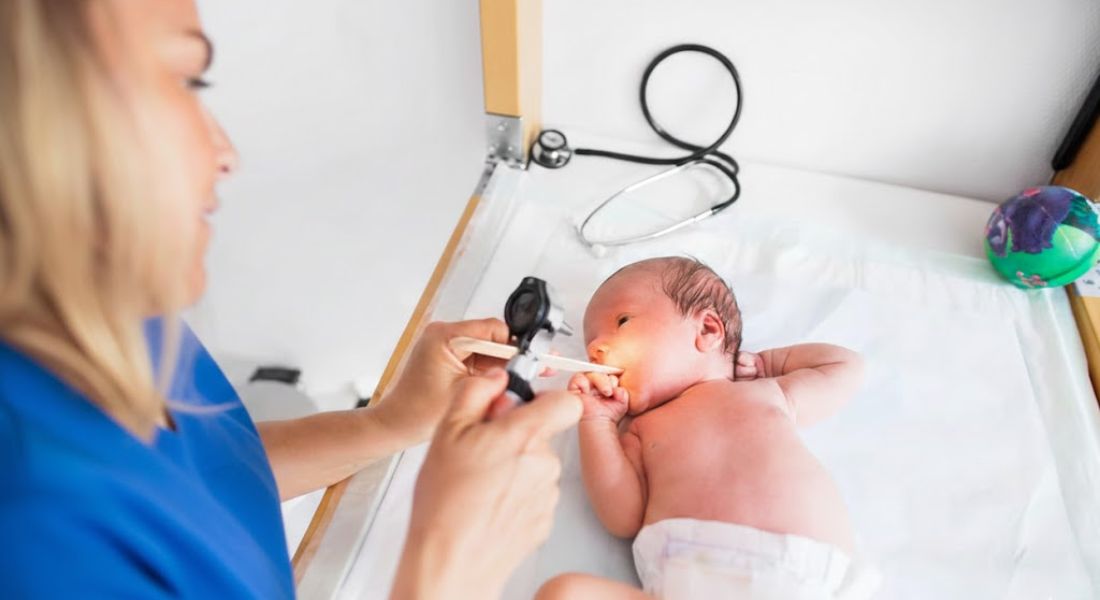
When your baby arrives earlier than expected, your focus naturally turns to breathing, feeding, and steady growth. What you may not immediately realise is that premature birth can also affect how your baby’s eyes develop. Retinopathy of prematurity, or ROP, is a condition that specifically affects babies born too soon.
ROP develops because the blood vessels in your baby’s retina are not fully formed at birth. The retina is the light-sensitive layer at the back of the eye that is essential for clear vision. In premature infants, these vessels can grow abnormally, and in some cases this can threaten sight if not carefully monitored.
The good news is that ROP screening is a routine part of care in neonatal units. Specially trained clinicians examine your baby’s eyes at set intervals to check how the blood vessels are developing. Early detection allows treatment to begin promptly if needed.
By understanding what ROP is and how it is managed, you place yourself in a stronger position during an already emotional time. Most cases are mild and resolve on their own, but careful follow-up is essential. With timely monitoring and treatment where necessary, your baby has the best possible chance of healthy visual development.
Why Premature Babies Are at Risk
During pregnancy, your baby’s retinal blood vessels develop gradually and usually finish growing close to full term. If your baby is born early, that process is interrupted before it is complete. This can cause the vessels to grow in a fragile or disorganised way, increasing the risk of ROP.
The earlier your baby arrives, the higher the risk tends to be. Babies born before 32 weeks or with a very low birth weight are monitored especially closely. If your baby needs oxygen therapy, which is often lifesaving, this can also influence how the retinal vessels develop.
It’s important to understand that oxygen itself does not directly cause ROP. However, fluctuations in oxygen levels can contribute to abnormal vessel growth. That’s why neonatal teams carefully regulate oxygen delivery and carry out regular eye examinations, so any early changes can be identified and managed promptly.
How ROP Is Screened
Screening for ROP is a routine part of care in neonatal units across the UK. Your baby’s first eye examination usually takes place a few weeks after birth, depending on how premature they were. These checks continue at regular intervals until the retina has fully developed.
During the examination, drops are placed in your baby’s eyes to gently dilate the pupils. A specialist then uses a light and magnification to examine the retina and assess how the blood vessels are growing. Although your baby may be unsettled for a short time, the procedure is brief and carefully supervised.
If retinal development is not yet complete when your baby is ready to go home, screening will continue as an outpatient. This ensures that any progression is picked up early, before vision is affected. The aim is always early detection and timely intervention.
Understanding the Stages of ROP
ROP is divided into stages, ranging from mild to severe. In the early stages, the abnormal blood vessel growth is limited and often settles on its own without treatment. If your baby has mild ROP, there is a strong chance it will resolve naturally without causing lasting vision problems.
As the condition progresses, the abnormal vessels may form a ridge or areas of scar tissue along the retina. In more advanced stages, this tissue can begin to pull on the retina itself. If this traction continues without treatment, it can lead to retinal detachment, which poses a serious risk to your baby’s sight.
You may also hear the term “plus disease.” This describes vessels that look more dilated and twisted than expected, signalling that the condition is becoming more active. When plus disease is identified, treatment is usually recommended promptly, and your medical team will clearly explain what this means for your baby and the next steps involved.
When Treatment Is Needed
Most cases of ROP are mild and resolve on their own without the need for intervention. However, when the disease progresses beyond a certain stage or reaches a defined treatment threshold, timely action becomes essential to reduce the risk of retinal detachment and long-term vision loss. The primary goal of treatment is to halt abnormal blood vessel growth before it leads to permanent structural damage inside the eye.
- Monitoring Before Intervention: Early-stage ROP is closely observed through regular retinal examinations. Treatment is only recommended when progression indicates a significant risk to vision.
- Laser Therapy: This is one of the most established and widely used treatments. The peripheral retina is treated to reduce the signals that stimulate abnormal vessel growth, helping stabilise the condition.
- Specialist Setting: Laser procedures are performed in carefully controlled environments, often in neonatal or paediatric ophthalmology units, ensuring safety and precision.
- Anti-VEGF Injections: In certain cases, medications that block vascular endothelial growth factor (VEGF) are injected into the eye. These drugs reduce the chemical signals responsible for abnormal blood vessel development.
- Individualised Treatment Planning: The choice between laser therapy and anti-VEGF injections depends on the stage of ROP, the zone of retinal involvement, and your baby’s overall medical condition.
- Ongoing Follow-Up: Even after treatment, close monitoring remains crucial. The retina must continue to be examined to ensure the disease regresses and does not reactivate.
Early and appropriately timed treatment significantly improves outcomes in babies with progressive ROP. With careful monitoring and expert management, many infants achieve stable retinal health and preserve useful vision as they grow.
Long-Term Monitoring and Vision Outcomes

Even if your baby’s ROP settles naturally or responds well to treatment, follow-up care is still essential. Premature babies are more likely to develop refractive errors, particularly short-sightedness, as they grow. Regular eye examinations throughout childhood help ensure your child’s vision develops as clearly and comfortably as possible.
You should also be aware that some children who experienced ROP have a higher risk of squint or difficulties with depth perception. Ongoing monitoring means these issues can be identified early and managed with glasses, patching, or other supportive treatments. Acting promptly gives your child the best opportunity for strong visual development.
In more severe cases, where retinal detachment has occurred, surgery may be required. Visual outcomes depend on how much the retina was affected and how quickly treatment was provided. The earlier significant ROP is detected and managed, the better your child’s chances of preserving useful, functional vision in the long term.
What You Can Do as a Parent
As a parent, your most important role is making sure no screening appointments are missed. Even if your baby appears to respond to light or movement, changes linked to ROP cannot be seen without a specialist examination. By attending every scheduled check, you give your child the strongest chance of protecting their vision.
If your baby goes home before retinal development is complete, you’ll be given follow-up dates. Keep these appointments at the top of your priority list. As your child grows, if you ever notice unusual eye movements, a white reflex in photographs, or a lack of visual engagement, seek medical advice without delay.
Staying informed can also help you feel more confident and less overwhelmed. Don’t hesitate to ask your neonatal team to explain your baby’s current stage and what it means for the coming weeks. When you understand the process, you’re better equipped to support your child every step of the way.
How Common Is Retinopathy of Prematurity?
If your baby was born prematurely, you may naturally wonder how likely ROP is. The risk increases the earlier your baby arrives and the lower their birth weight. However, not every premature baby develops sight-threatening ROP.
Mild forms are relatively common in very premature infants. In many cases, the condition resolves on its own without needing treatment. Careful screening ensures that only babies who truly need intervention receive it.
Advances in neonatal care have improved survival rates for very premature babies. As a result, awareness and screening for ROP have become even more important. Early identification continues to significantly reduce the risk of long-term vision loss.
Signs and Symptoms Parents Might Notice Later
If your baby was born prematurely, it’s completely understandable to question how likely ROP might be. The risk does increase the earlier your baby arrives and the lower their birth weight. Even so, not every premature baby develops sight-threatening ROP, and many will not require treatment at all.
You should know that mild forms are fairly common in very premature infants. In many situations, the condition improves on its own without intervention. Careful and regular screening means that treatment is only recommended if it is genuinely necessary.
With advances in neonatal care, more very premature babies are surviving and doing well. This makes structured screening and awareness even more important. Early detection remains the key factor in reducing the risk of long-term vision problems and protecting your baby’s sight.
How Oxygen Levels Influence ROP Development
If your baby was born prematurely, it’s completely natural to wonder how likely retinopathy of prematurity (ROP) might be. The risk does increase the earlier a baby is born and the lower their birth weight, as the retinal blood vessels may not yet be fully developed. Even so, not every premature baby develops sight-threatening ROP, and many will never require treatment.
- Gestational Age Matters: Babies born very early, particularly before 32 weeks, have a higher likelihood of developing some degree of ROP because retinal development is still incomplete.
- Birth Weight Is a Key Factor: Lower birth weight is strongly associated with increased risk, especially in infants weighing under 1500 grams at birth.
- Mild ROP Is Common: Early or mild stages are frequently seen in very premature infants, but these often resolve naturally as the eye continues to mature.
- Not All Cases Need Treatment: Careful monitoring ensures that intervention is only recommended when the disease reaches a stage where vision could be threatened.
- Structured Screening Is Essential: Regular retinal examinations in neonatal units allow specialists to detect progression early and act at the appropriate time.
- Advances in Neonatal Care: Improvements in respiratory support, oxygen monitoring, and overall neonatal management have significantly improved outcomes for premature babies.
With modern neonatal care, more very premature babies are surviving and thriving. This makes consistent screening and parental awareness even more important. Early detection remains the most effective way to reduce the risk of long-term vision problems and to safeguard your baby’s developing sight.
The Role of Nutrition in Eye Development
Good nutrition plays an important role in your baby’s overall development, including their eyes. Because premature babies arrive before growth is complete, they often need carefully planned feeding strategies to meet those extra demands. Providing the right nutrients supports healthier blood vessel development in the retina.
If breast milk is available, it offers valuable protective benefits. It contains growth factors and immune support that can aid development during these early weeks. Some research suggests that optimal nutrition may help reduce certain complications associated with prematurity, supporting steadier progress.
Your neonatal team will guide you through the most suitable feeding plan for your baby. Whether that involves breast milk, fortified feeds, or specialised formula, the aim is to promote balanced and healthy growth. When your baby’s nutrition is well supported, it contributes to stronger long-term outcomes, including eye health.
Emotional Impact on Parents
Good nutrition plays a vital role in your baby’s overall growth, including the healthy development of their eyes. Because premature babies arrive before this process is complete, they often need carefully structured feeding plans to meet higher nutritional demands. The right balance of nutrients helps support stable blood vessel growth in the retina.
If you’re able to provide breast milk, it offers important protective benefits. It contains natural growth factors and immune support that can be especially helpful in the early weeks. Some evidence suggests that optimal nutrition may reduce certain complications linked to prematurity, helping your baby progress more steadily.
Your neonatal team will work closely with you to decide on the best feeding approach. Whether that involves breast milk, fortified feeds, or specialised formula, the focus remains on steady, balanced development. When your baby’s nutritional needs are met, you’re supporting not only general health but long-term visual outcomes as well.
Follow-Up Beyond Infancy
Even after ROP has resolved, ongoing follow-up is still important for your child. Premature children have a higher chance of developing refractive errors such as myopia as they grow. Identifying these changes early supports stronger visual development and can positively influence academic progress.
Routine eye examinations throughout early childhood allow any need for glasses to be picked up promptly. In some situations, additional support or therapy may be advised to strengthen visual skills. Regular monitoring helps ensure that subtle vision issues do not quietly affect learning or confidence.
If you ever feel uncertain about your child’s eyesight, it’s always best to seek advice sooner rather than later. Early reassurance can ease your concerns, and early treatment can prevent small problems from becoming larger ones. Vision continues to develop throughout childhood, and consistent care truly makes a lasting difference.
When to Seek Specialist Advice
Even after ROP has resolved, continued follow-up remains an important part of your child’s care. Children born prematurely are more likely to develop refractive errors such as myopia as they grow. Spotting these changes early helps protect visual development and can positively support your child’s progress at school.
Regular eye examinations throughout early childhood ensure that glasses are prescribed promptly if needed. In some cases, additional support may be recommended to strengthen visual skills and coordination. Ongoing monitoring helps prevent subtle vision problems from affecting learning or confidence without being noticed.
If you ever feel unsure about your child’s eyesight, trust your instincts and seek advice. Early reassurance is always helpful, and early intervention can prevent small concerns from becoming more significant. With consistent care, you give your child the best possible foundation for healthy vision as they grow.
What Happens During Laser Treatment for ROP
If your baby requires laser treatment for ROP, it is completely understandable to feel anxious or overwhelmed. The thought of any procedure involving your baby’s eyes can be distressing. However, laser therapy is carefully designed to stop abnormal blood vessel growth before it progresses to retinal detachment, and it is carried out in a controlled hospital setting by experienced paediatric ophthalmology specialists.
- Preparation Before the Procedure: Your baby will be assessed to ensure they are stable for treatment. Monitoring equipment is used to track heart rate, breathing, and oxygen levels throughout.
- Anaesthesia and Comfort Measures: Depending on the clinical situation, the procedure may be performed under general anaesthesia or with sedation and appropriate pain control. The medical team prioritises your baby’s comfort and safety at every stage.
- Application of Laser Spots: Tiny, precisely placed laser burns are applied to the peripheral (outer) retina. This area is treated because it produces signals that stimulate abnormal vessel growth.
- Preservation of Central Vision: The central retina (macula), responsible for detailed and sharp vision, is not treated. The aim is to protect this vital area while stopping harmful progression elsewhere.
- Duration of Treatment: The procedure typically takes a relatively short time, although this can vary depending on the extent of the retina requiring treatment.
- Post-Treatment Monitoring: After the laser session, your baby will continue to be closely observed. Follow-up eye examinations are essential to ensure the abnormal vessels regress and do not reactivate.
Most infants tolerate laser treatment well, and serious complications are uncommon when performed at the appropriate stage. The primary objective is always prevention stopping the disease before it leads to retinal detachment or permanent vision loss. When carried out in a timely manner, early intervention significantly improves long-term visual outcomes and offers strong protection for your baby’s developing sight.
Anti-VEGF Injections: A Modern Alternative
In some situations, your specialist may suggest an anti-VEGF injection rather than laser treatment. This medication works by blocking the signals that drive abnormal blood vessel growth in the retina. It is carefully administered directly into your baby’s eye under strict, controlled conditions.
One potential advantage of anti-VEGF therapy is that it may allow more natural development of the peripheral retina. However, you should be aware that close follow-up is essential, as recurrence can occur later. Regular examinations after treatment are crucial to ensure the condition remains stable.
This is a highly specialised approach, and it isn’t suitable for every case. The decision depends on your baby’s specific stage of ROP and detailed retinal findings. Your specialist will explain clearly why this option may be recommended and what it means for your baby’s ongoing care.
Can ROP Come Back After Treatment?
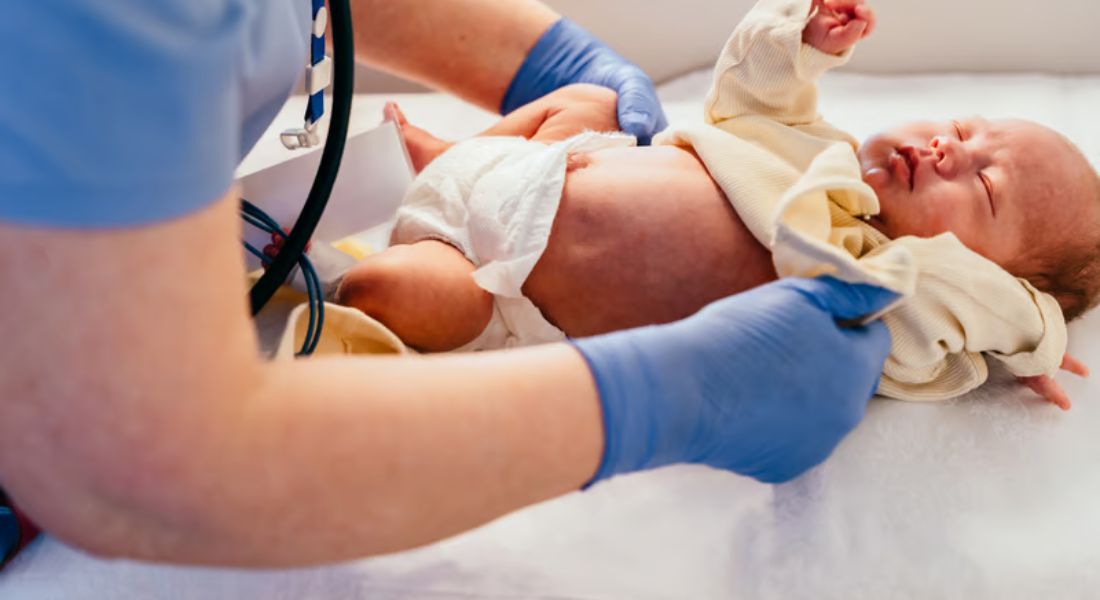
After treatment, it’s natural for you to hope the condition is completely resolved. In many cases, the abnormal blood vessel growth does regress successfully and remains stable. Even so, ongoing monitoring is still essential to ensure everything continues to develop as it should.
Some babies, particularly those treated with injections, may experience a recurrence. This doesn’t mean the treatment has failed, but it does mean further assessment is needed. When recurrence is detected early, additional care can be provided promptly and effectively.
You’ll be given a clear and structured follow-up plan. Attending every appointment is vital for your baby’s long-term visual safety. With consistent monitoring, potential complications can be identified early and managed before they become more serious.
The Risk of Retinal Detachment
One of the most serious complications of advanced ROP is retinal detachment. This happens when scar tissue pulls the retina away from the back of your baby’s eye. Without urgent treatment, this can lead to permanent vision loss, which is why careful monitoring is so important.
The entire purpose of early screening is to prevent the condition from ever reaching this stage. If ROP is identified and treated before significant scarring develops, the risk of detachment falls dramatically. Timing truly makes a critical difference in protecting your child’s sight.
If a detachment does occur, surgery may be necessary. The outcome depends largely on how quickly the problem is recognised and managed. Prompt referral and specialist care give your child the strongest possible chance of preserving useful vision.
Impact on Vision Later in Childhood
Even when ROP resolves successfully, some visual differences can appear as your child grows. Premature children are more likely to develop short-sightedness, so regular eye checks are important to catch and correct these changes early.
In some cases, children who required laser treatment may have slightly reduced peripheral vision. Usually, this does not significantly affect daily activities, and with the right visual support, most children manage very well.
Early correction of vision issues also supports learning and school readiness. Glasses or patching therapy, when needed, can improve visual balance and coordination. Taking action early helps your child reach their full visual potential.
The Importance of Developmental Vision Monitoring
Even when ROP resolves successfully, it’s important to recognise that some visual differences may still appear as your child grows. Premature children are more prone to developing refractive errors, particularly short-sightedness (myopia), making regular eye examinations essential to detect and correct changes early. Staying proactive helps ensure your child has the clearest vision possible during critical developmental years.
- Increased Risk of Short-Sightedness: Children born prematurely are more likely to develop myopia, which can progress as they grow. Early detection through routine eye checks allows for timely prescription of glasses.
- Peripheral Vision Changes: Children who have undergone laser treatment may experience slight reduction in peripheral vision. In most cases, this does not interfere significantly with daily activities.
- Support for Learning and School Readiness: Correcting vision issues early supports reading, writing, and overall learning. Glasses, patching therapy, or other interventions help improve visual balance and coordination.
- Importance of Follow-Up Care: Regular monitoring by an ophthalmologist ensures that any emerging visual problems are addressed promptly, reducing the risk of long-term complications.
- Maximising Visual Potential: With early intervention and ongoing support, most children achieve functional vision that allows them to participate fully in school, sports, and daily life.
By staying vigilant and acting early, parents can help their child reach their full visual potential, minimising the long-term impact of prematurity on eyesight. Consistent eye care and support make a meaningful difference in both vision and overall development.
Global Improvements in ROP Care
Over the past few decades, care for ROP has improved dramatically around the world. Advances in neonatal support, careful oxygen management, and high-quality retinal imaging have made early detection much more effective. At the same time, treatment techniques have become more precise, improving outcomes for many babies.
In the UK, structured national screening guidelines ensure that premature infants are examined at the right time. Consistent screening like this helps reduce the risk of severe vision problems, giving families reassurance that nothing is being missed.
Specialist services, including centres such as Eye Clinic London, offer access to advanced retinal expertise when it’s needed. Collaboration between neonatologists and ophthalmologists ensures coordinated care, which has a real impact on long-term visual outcomes for your child.
When to Seek Urgent Review After Discharge
A white reflex in the eye, persistent misalignment, or unusual eye movements should never be ignored. These signs may not always signal a serious problem, but they do require prompt assessment to protect your child’s vision.
Trust your instincts as a parent. If something feels off, contact your healthcare provider straight away. Early evaluation can prevent small issues from becoming more serious.
Acting quickly provides both reassurance and protection. Timely assessment or treatment helps safeguard your child’s sight and gives you peace of mind.
FAQs:
- What exactly is retinopathy of prematurity (ROP)?
ROP is a condition affecting the eyes of premature babies where the retinal blood vessels are not fully developed. In some cases, these vessels grow abnormally, which can threaten vision if not detected early. Most cases are mild and resolve on their own. - Which babies are most at risk of ROP?
Babies born before 32 weeks of gestation or weighing less than 1500 grams are at higher risk. Babies who require oxygen therapy may also need closer monitoring, though oxygen itself is carefully regulated to reduce risk. - How is ROP detected in my baby?
ROP is screened using retinal examinations in neonatal units. Special drops dilate the pupils, and a specialist examines the retina to see how the blood vessels are developing. Screening is repeated at intervals until the retina is fully matured. - What are the stages of ROP?
ROP ranges from mild to severe. Early stages may resolve on their own, while advanced stages can form ridges or scar tissue that may pull on the retina. “Plus disease” indicates more active abnormal vessel growth requiring prompt treatment. - When does my baby need treatment for ROP?
Treatment is recommended when abnormal vessel growth reaches a stage that threatens the retina. Options include laser therapy or anti-VEGF injections, with the choice depending on the stage, retinal zone, and overall health of the baby. - What does laser treatment involve?
Laser therapy targets the peripheral retina to slow abnormal vessel growth while preserving central vision. The procedure is performed in a controlled hospital setting under anaesthesia or sedation and is closely monitored for safety. - Can anti-VEGF injections be used instead of laser therapy?
Yes, anti-VEGF injections block the signals that stimulate abnormal vessel growth. They may allow more natural retinal development, but close follow-up is essential as recurrence can occur. - Is ROP likely to come back after treatment?
Recurrence is possible, particularly with anti-VEGF therapy, which is why regular follow-up appointments are crucial. Early detection of any reactivation allows prompt management to protect vision. - What are the long-term vision considerations for babies with ROP?
Even after ROP resolves, children may develop short-sightedness, strabismus, or depth perception issues. Regular eye exams and early corrective interventions help support healthy visual development. - How can parents support their baby’s eye health?
Attend all scheduled screening and follow-up appointments, stay informed about your baby’s stage of ROP, and seek advice immediately if you notice unusual eye movements, a white reflex, or misalignment. Active participation helps safeguard your child’s vision.
Final Thoughts: Thoughts on Retinopathy of Prematurity
Retinopathy of prematurity is a condition that can feel overwhelming for parents, but early detection, careful monitoring, and timely treatment make a real difference in protecting your baby’s vision. Most cases are mild and resolve naturally, yet vigilance remains key. By attending all screening appointments and staying informed, you ensure your child has the best chance for healthy visual development. If you’d like to find out whether paediatric ophthalmologist in London is suitable for you, feel free to contact us at Eye Clinic London to arrange a consultation.
References:
- Blazon, M.N., Rezar‑Dreindl, S., Wassermann, L. and Neumayer, T., 2024. Retinopathy of Prematurity: Incidence, Risk Factors, and Treatment Outcomes in a Tertiary Care Center. Journal of Clinical Medicine, https://www.mdpi.com/2077-0383/13/22/6926
- Albanese, G.M., Visioli, G., Alisi, L., Armentano, M., Giovannetti, F., Lucchino, L., Marenco, M., Pontecorvi, P. and Gharbiya, M., 2025. Retinopathy of Prematurity and MicroRNAs. Biomedicines. https://www.mdpi.com/2227-9059/13/2/400
- Fevereiro‑Martins, M., Marques‑Neves, C., Guimarães, H. and Bicho, M., 2023. Retinopathy of Prematurity: A Review of Pathophysiology and Signalling Pathways. Survey of Ophthalmology, https://pubmed.ncbi.nlm.nih.gov/36427559/
- Strelnikov, J.I., Rao, R., Majidi, S., Lueder, G. and Reynolds, M.M., 2024. Retinopathy of Prematurity Screening: Prevalence and Risk Factors of Ophthalmic Complications in Non‑Treated Preterm Infants. Eye. https://pubmed.ncbi.nlm.nih.gov/38212403/
- Chan‑Ling, T., 2018. Pathophysiology, Screening and Treatment of Retinopathy of Prematurity: A Multi‑Disciplinary Perspective. Progress in Retinal and Eye Research, https://www.sciencedirect.com/science/article/abs/pii/S1350946216300775