


Congenital Cataracts in Children: Early Signs and Treatment Options
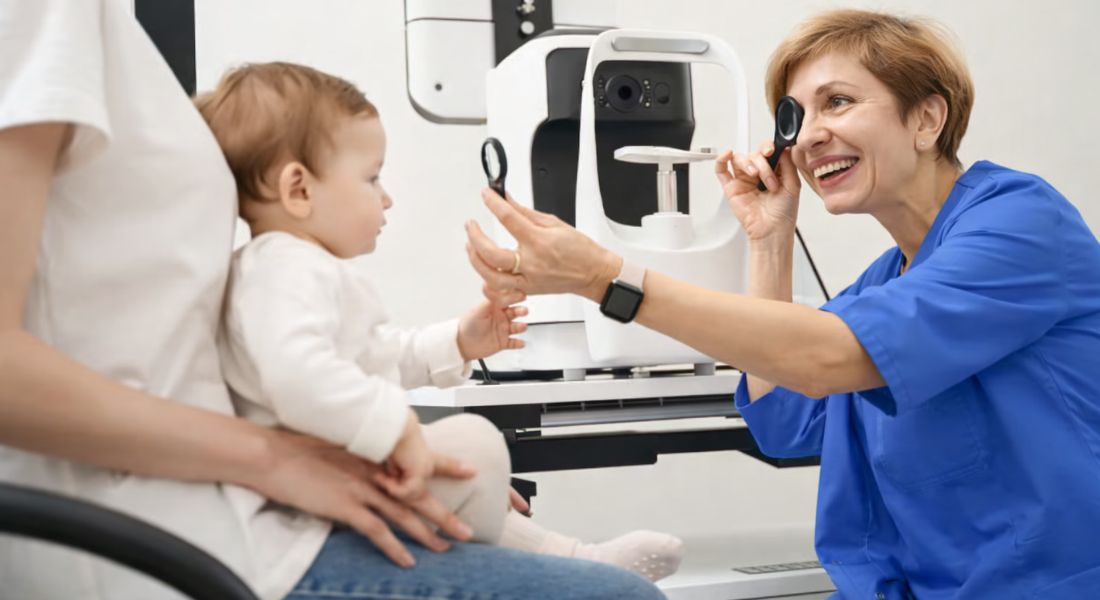
When you hear the word cataract, you may immediately think of ageing adults. However, cataracts can also be present at birth or develop during early childhood. These are known as congenital cataracts, and they require timely attention.
In a developing child, vision is not just about clarity. It is about brain development and visual pathway formation. If a cataract blocks clear images from reaching the retina, visual development can be disrupted.
In this guide, you will learn the early signs parents may notice, how diagnosis is made, when surgery becomes necessary, and how treatment supports long-term visual outcomes. Understanding these steps allows you to act early. Early intervention protects your child’s sight.
What Are Congenital Cataracts?
Congenital cataracts are a clouding of the eye’s natural lens that is present at birth or develops during infancy. The lens normally focuses light clearly onto the retina to produce sharp vision. When the lens becomes cloudy, this focusing ability is disrupted. As a result, visual development can be affected.
The opacity may involve one eye or both eyes. It can be small and limited to the centre of the lens or more dense and widespread. The size and location of the cataract determine how much vision is affected. Some children may have minimal visual impact, while others are more significantly affected.
Some congenital cataracts remain stable over time, while others gradually worsen. Ongoing monitoring helps determine whether intervention is needed. Early detection allows timely management and improves visual outcomes.
Why Early Detection Is Critical
Visual development happens rapidly during the first few months of life. During this time, the brain learns how to interpret visual signals from the eyes. Clear and focused visual input is essential for normal visual maturation. Any obstruction can interfere with this process.
If vision is blocked, the brain may begin to suppress signals from the affected eye. This can lead to amblyopia, often called lazy eye. Once amblyopia is established, it becomes much harder to reverse. Early disruption can have long-lasting effects.
Early detection allows prompt and appropriate intervention. Treating the cause early helps protect visual development during this sensitive period. Timing plays a crucial role in achieving the best possible outcome.
Early Signs Parents May Notice
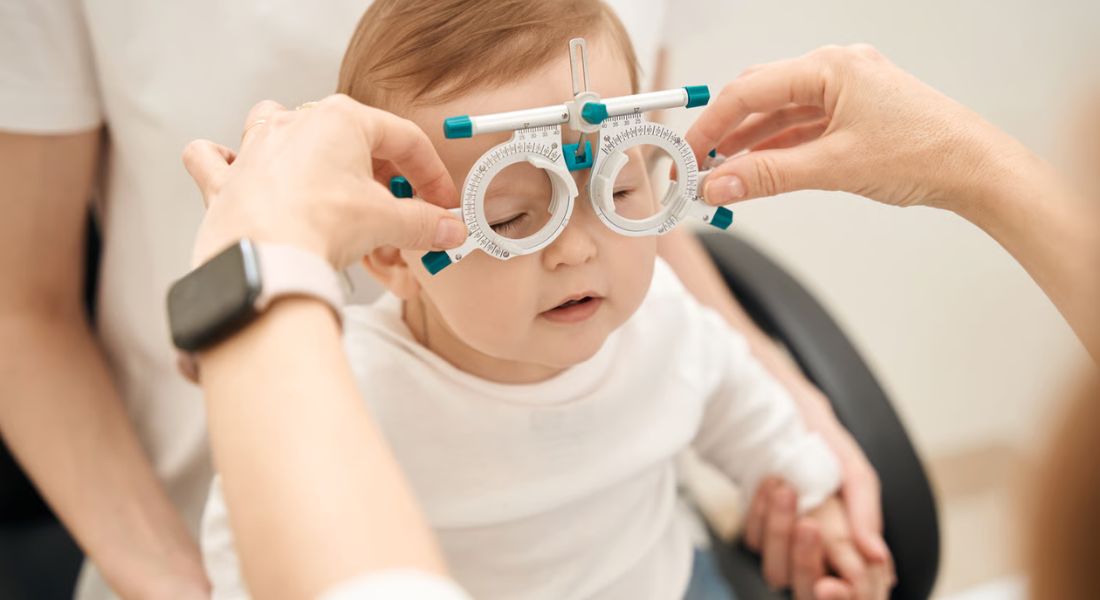
One common sign is a white reflex in your child’s pupil. Instead of appearing black, the pupil may look white or grey, especially in certain lighting or in photographs. This change can be subtle and easy to miss. Noticing it early is important.
You may also observe difficulty making eye contact. Poor tracking of objects or limited visual engagement can suggest a problem with vision. Your child may seem less responsive to visual stimuli. These signs should not be ignored.
Sometimes one eye may drift or appear misaligned. This is known as strabismus and can indicate that one eye is not seeing clearly. Early assessment helps determine the cause and guide treatment.
Routine Newborn Screening
Newborns undergo red reflex testing shortly after birth as part of routine checks. A healthcare professional shines a light into your baby’s eyes to assess the reflection. In a healthy eye, the reflex appears red. This indicates a clear visual pathway.
An abnormal or absent red reflex may suggest a cataract or another eye condition. The test is quick, painless, and non-invasive. It plays an important role in early detection. Any abnormal finding prompts further assessment.
However, not all congenital cataracts are detected at birth. Some may develop later during infancy. Ongoing observation and regular check-ups remain important.
Causes of Congenital Cataracts
When a cataract is present at birth or develops in early childhood, it’s natural to wonder why it has occurred. In many cases, there is no single clear cause. Understanding the possible reasons helps guide further assessment and care.
- Some congenital cataracts have no identifiable cause: In a significant number of babies, cataracts develop without an obvious explanation. This can be frustrating, but it does not mean care or outcomes will be compromised.
- Genetic factors and family history may play a role: Certain cataracts are inherited, meaning a family history can increase risk. Genetic changes may affect how the lens forms during development.
- Pregnancy-related factors can contribute: Infections during pregnancy, such as rubella, can affect lens development. Metabolic conditions or broader genetic syndromes may also be associated with congenital cataracts.
Identifying an underlying cause can sometimes influence management and follow-up. Additional tests or specialist assessments may be recommended to rule out associated conditions. A thorough evaluation supports safe and tailored care. With careful monitoring, many children achieve good long-term visual outcomes.
How Diagnosis Is Made
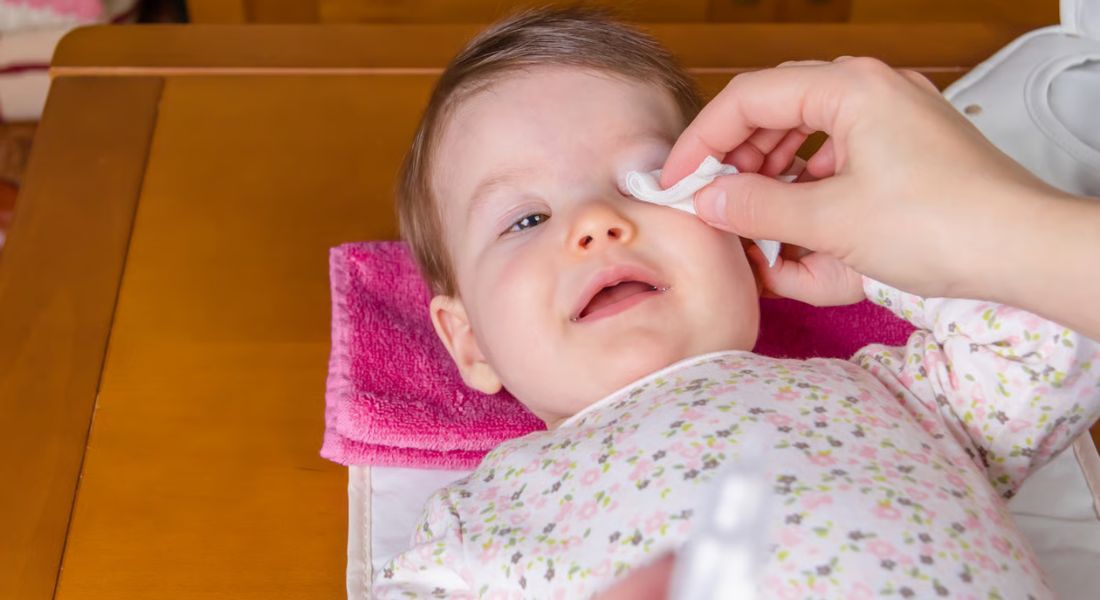
If a congenital cataract is suspected, your baby will be referred urgently to an eye specialist. Early assessment is important because visual development begins from birth. A detailed examination helps determine both the severity and the next steps.
- A thorough eye examination is carried out: The specialist will assess the clarity of the lens as well as the overall structure of the eye. This helps confirm the presence of a cataract and identify any associated abnormalities.
- Pupil-dilating drops are often used: Drops may be given to widen the pupil, allowing a clear view of the lens and retina. This makes the examination more accurate and informative.
- Additional tests may support diagnosis: Imaging or further assessments may be used to gather more detail, particularly if other eye or systemic conditions are suspected.
Early specialist evaluation ensures an accurate diagnosis. Delays can interfere with normal visual development. Prompt assessment allows treatment to be planned at the right time. Acting early gives your child the best possible chance for healthy vision.
When Is Surgery Required?
Not all congenital cataracts need surgery straight away. Small or peripheral cataracts may not interfere significantly with vision. In these cases, careful monitoring is often enough. Regular follow-up ensures that vision continues to develop normally.
Dense or centrally located cataracts usually require early surgical removal. If the visual axis is blocked, treatment becomes urgent. Surgery is commonly performed within the first weeks or months of life. Early intervention supports normal visual development.
The timing of surgery depends on how severe the cataract is and whether one or both eyes are affected. The main goal is to prevent amblyopia from developing. Acting early greatly improves long-term visual outcomes.
What Happens During Surgery?
Paediatric cataract surgery involves removing the cloudy natural lens from your child’s eye. The procedure is carried out under general anaesthetic to ensure your child remains comfortable and still. Specialised surgical techniques are used to suit developing eyes. The aim is to clear the visual pathway.
In some cases, an artificial intraocular lens is implanted at the time of surgery. In others, contact lenses or glasses are used initially to correct vision. This decision depends on your child’s age and how the eye is developing. Your specialist will explain the reasoning clearly.
Paediatric cataract surgery differs significantly from adult cataract procedures. Children’s eyes continue to grow and change after surgery. For this reason, experience and specialist expertise are essential for optimal outcomes.
After Surgery: Visual Rehabilitation
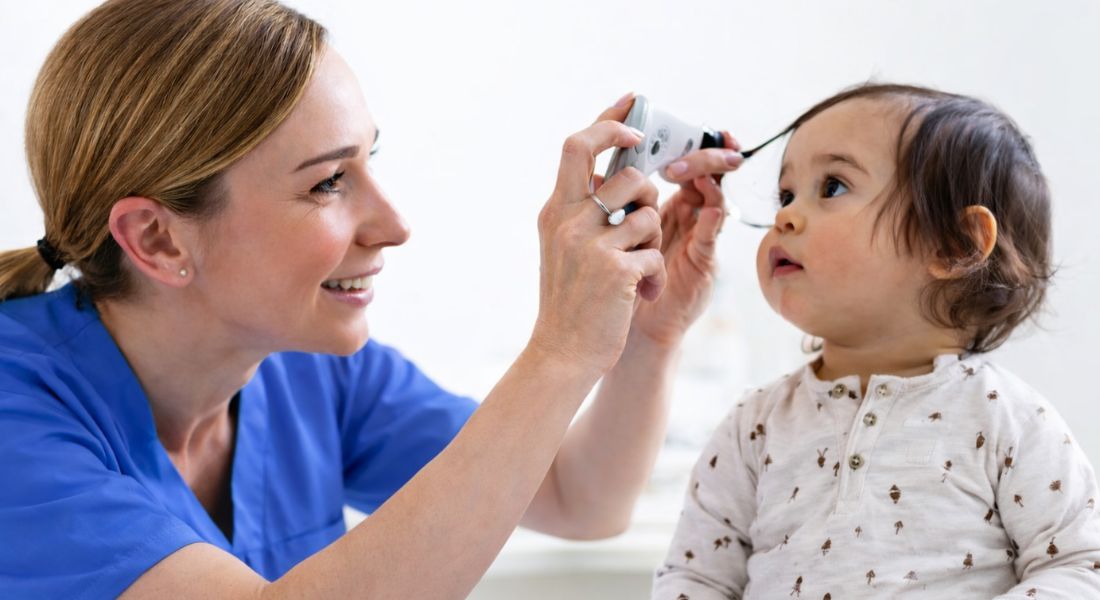
Surgery alone does not complete treatment for congenital cataracts. Visual rehabilitation is essential for healthy visual development. Your child’s eye must receive clear, focused images for the brain to continue developing vision properly. This stage is just as important as the operation itself.
Glasses or contact lenses are often prescribed after surgery. As your child grows, regular adjustments are needed to maintain accurate focus. Ongoing monitoring ensures the prescription remains appropriate. Close follow-up supports stable visual progress.
Amblyopia therapy, such as patching, may also be required. This encourages the brain to use the weaker eye more effectively. Consistent treatment and follow-up play a key role in improving long-term vision.
The Risk of Amblyopia
If one eye is more affected than the other, the brain may begin to rely on the stronger eye. This can lead to amblyopia developing in the weaker eye. Without treatment, visual development in that eye may remain limited. Early intervention significantly reduces this risk.
Patching therapy is commonly used to treat amblyopia. By covering the stronger eye, the brain is encouraged to use the weaker one. This helps strengthen visual pathways during development. Consistent use improves effectiveness.
Amblyopia treatment requires patience and long-term commitment. Results are best when therapy is started as early as possible. Parental involvement plays a crucial role in success.
Bilateral Cataracts and Visual Development
When cataracts affect both eyes, early and balanced treatment becomes especially important. Your child’s visual system relies on equal input from each eye to develop properly. Delays can interfere with depth perception and overall visual development.
- Prompt surgery may still be necessary in both eyes: Even though both eyes are affected, treatment is often not delayed. Restoring clear vision early helps support normal visual development.
- Balanced visual input is crucial: The brain needs clear signals from both eyes to develop coordination and depth perception. Imbalance can affect how vision develops over time.
- Rehabilitation must be carefully managed: Visual correction after surgery often involves glasses or contact lenses, with frequent monitoring. This ensures both eyes develop together and remain well aligned.
Early management of bilateral cataracts can lead to excellent outcomes. Timely treatment helps protect important developmental milestones. Structured follow-up ensures vision remains balanced as your child grows. Careful planning makes a lasting difference to learning and visual confidence.
Long-Term Follow-Up
If your child has cataract surgery, follow-up care does not end after the operation. Ongoing monitoring is essential to protect vision as the eyes continue to develop. Regular reviews help identify changes early and keep treatment on track.
- Eye pressure needs regular monitoring: Children who have had cataract surgery are at a higher risk of developing raised eye pressure or glaucoma. Routine pressure checks allow problems to be detected and managed early.
- Secondary complications can develop over time: Issues such as inflammation, lens changes, or visual axis clouding may occur months or years later. Long-term follow-up ensures these are treated promptly.
- Vision correction needs to be updated as your child grows: As the eyes change, glasses or contact lens prescriptions often need adjusting. Regular visits help maintain clear, balanced vision throughout childhood.
Long-term follow-up plays a vital role in preserving your child’s sight. Early detection of complications allows effective treatment. Ongoing care ensures vision correction remains accurate and supportive of development. Lifelong monitoring helps maintain stable, healthy vision into adulthood.
Impact on Education and Development
Untreated visual impairment can affect many aspects of learning and development. Reading, hand–eye coordination, and social interaction may all be influenced. Children may struggle to keep up without realising why. Early correction helps support normal developmental progress.
With timely treatment, most children are able to attend mainstream school. Visual aids such as glasses may be needed, especially in the early years. Appropriate support helps children build confidence in the classroom. Educational outcomes are often very positive.
Vision plays a central role in overall development. Protecting sight helps protect opportunity and independence. Early care can have a lasting impact on future success.
Emotional Support for Parents
Learning that your child has a cataract can feel overwhelming. You may worry about surgery, treatment decisions, or long-term vision. These reactions are completely natural. Acknowledging them is an important first step.
Clear explanations from your child’s specialists can reduce uncertainty. Understanding the condition and the treatment plan helps restore a sense of control. Knowing that effective treatments are available is often reassuring. Modern outcomes are generally very positive.
Ongoing communication and support make a real difference. Support networks, follow-up visits, and trusted guidance help you feel less alone. With expert care, confidence grows over time.
Genetic Counselling Considerations
If congenital cataracts are thought to be hereditary, genetic counselling may be recommended. This helps you understand possible inheritance patterns and what they may mean for future family planning. In some cases, genetic testing can identify specific mutations. This information can be useful for long-term planning.
Not all congenital cataracts have a genetic cause. Some develop spontaneously without a clear inherited link. The decision to investigate further depends on your child’s medical history and family background. Your specialist will guide you on what is appropriate.
Clarifying the cause can help determine whether siblings need closer monitoring. Early screening may be advised for other children in the family. Awareness allows timely detection and intervention. Prevention through knowledge plays an important role.
Advances in Paediatric Cataract Care
Paediatric cataract care has advanced considerably in recent years. Improvements in surgery, technology, and follow-up have changed what children can achieve visually. Understanding these advances can be reassuring for you as a parent.
- Surgical techniques are now far more precise: Modern microsurgical tools allow surgeons to operate with greater accuracy and control. This reduces trauma to the eye and supports smoother healing.
- Lens design and visual rehabilitation continue to evolve: Advances in lens options, contact lenses, and visual therapy help support healthy visual development. These strategies are tailored to a child’s age and stage of growth.
- Research focuses on long-term safety: Ongoing studies aim to reduce complications such as glaucoma or visual axis clouding. Continuous innovation helps improve safety and long-term outcomes.
Children treated early today often achieve strong, functional vision. Outcomes are significantly better than in previous decades. Progress in care supports confidence in long-term results. Current evidence remains very encouraging for children and families alike.
When to Seek Urgent Assessment
If you notice a white reflex in your child’s eye, poor eye contact, or unusual eye movements, you should seek urgent evaluation. Delaying assessment can affect visual development. Early referral allows problems to be addressed promptly. Time is an important factor.
Trust your instincts as a parent if something does not feel right. Even subtle changes in eye appearance or behaviour can be significant. Acting early helps protect your child’s sight. You are often the first to notice small differences.
Specialist assessment provides clarity and reassurance. An accurate diagnosis allows treatment to begin at the right time. Prompt action supports the best possible visual outcomes.
The Role of Specialist Expertise
Managing congenital cataracts requires specialist paediatric expertise. Children’s eyes are still developing, which means they respond very differently to surgery and treatment than adult eyes. When you’re navigating this diagnosis, the experience of the care team truly matters.
- Paediatric eyes need tailored surgical approaches: Techniques used in adults are not directly transferable to children. Specialists adjust their approach to protect delicate eye structures and support healthy development.
- Rehabilitation must be carefully planned: Visual correction after surgery involves lenses, glasses, or contact lenses that change as your child grows. Specialist input ensures these adjustments are made at the right time.
- Structured follow-up reduces long-term risks: Regular monitoring helps detect complications such as raised eye pressure early. Ongoing specialist care supports long-term visual stability.
Choosing an experienced specialist can make a meaningful difference to outcomes. Expertise improves precision and reduces the risk of complications. Care that is tailored, proactive, and closely monitored supports your child’s visual development. Comprehensive specialist management helps protect vision for the long term.
Long-Term Outlook
With early detection and appropriate treatment, many children go on to achieve useful vision. Outcomes depend on the timing of diagnosis and the severity of the cataract. Earlier intervention is closely linked to a better prognosis. Prompt care makes a real difference.
Long-term success relies on commitment to follow-up and visual therapy. Visual development continues over several years, not just after surgery. Regular reviews ensure treatment remains effective. Consistent care supports steady progress.
Modern paediatric ophthalmology offers strong hope for affected children. Clear management pathways now exist from diagnosis through rehabilitation. Early action has the power to change futures.
FAQs:
- What exactly are congenital cataracts in children?
Congenital cataracts are areas of clouding within the eye’s natural lens that are present at birth or develop during early infancy. The lens is responsible for focusing light onto the retina, and when it becomes cloudy, visual signals reaching the brain are reduced or distorted. Because a child’s visual system is still developing, this interference can affect long-term vision if not addressed promptly. - Are congenital cataracts common in babies?
Congenital cataracts are relatively uncommon, but they are one of the more important causes of treatable childhood visual impairment. They can occur in one eye or both eyes and range from very small opacities to dense cataracts that significantly block vision. Even though they are rare, early detection is critical due to their impact on visual development. - Can a child still see if they are born with a cataract?
This depends on the size, density, and location of the cataract. Small cataracts that sit away from the centre of the lens may allow reasonably clear vision, while dense or central cataracts can severely block visual input. In some cases, vision may appear normal at first but deteriorate as the child grows, which is why ongoing monitoring is essential. - How are congenital cataracts usually detected?
Many congenital cataracts are detected during routine newborn screening using the red reflex test. Others may be noticed later by parents, often as a white reflex in the pupil, poor eye contact, or difficulty tracking objects. If there is any concern, referral to a paediatric eye specialist allows confirmation through a detailed examination. - Do all congenital cataracts require surgery?
Not all congenital cataracts need surgical treatment. Small, stable cataracts that do not interfere with the visual axis may simply be monitored closely. Surgery is recommended when the cataract blocks clear visual input and risks disrupting normal visual development, particularly during the first few months of life. - At what age is cataract surgery performed in children?
When surgery is needed, it is often performed very early, sometimes within the first few weeks or months after birth. The exact timing depends on whether one or both eyes are affected and how severely vision is blocked. Early surgery is aimed at preventing amblyopia and supporting healthy visual pathway development. - What happens after cataract surgery in a child?
After surgery, visual rehabilitation becomes the main focus. This usually involves glasses or contact lenses to replace the focusing power of the removed lens, along with regular follow-up appointments. Some children also require patching therapy to strengthen vision in the weaker eye. Long-term care is essential to support ongoing development. - Is there a risk of complications after surgery?
As with any surgery, there are potential risks, including inflammation, visual axis clouding, or raised eye pressure. Children who undergo cataract surgery are also at higher risk of developing glaucoma later in life. Regular monitoring allows complications to be detected early and managed effectively, significantly reducing long-term risk. - Can congenital cataracts affect learning and development?
If untreated, visual impairment from congenital cataracts can affect learning, coordination, and social development. However, with early diagnosis and appropriate treatment, most children develop functional vision and attend mainstream school. Visual support and follow-up play a key role in ensuring children reach their developmental potential. - What is the long-term outlook for children with congenital cataracts?
The long-term outlook is generally positive when cataracts are detected early and managed appropriately. Outcomes depend on the severity of the cataract, the timing of treatment, and commitment to follow-up care. With modern surgical techniques and structured rehabilitation, many children achieve stable, useful vision into adulthood.
Final Thoughts: Acting Early Makes a Lifelong Difference
Congenital cataracts can feel overwhelming at first, but with early detection and the right specialist care, outcomes are often very positive. The key is recognising early signs, following through with prompt assessment, and committing to long-term follow-up that supports healthy visual development as your child grows. Vision in early life shapes learning, confidence, and independence, so timely intervention truly matters.
If you have any concerns about your child’s vision or have been advised to seek specialist input, speaking with an experienced paediatric ophthalmologist in London who focuses on childhood eye conditions can provide clarity and reassurance. If you’d like to find out whether seeing a paediatric ophthalmologist in London is suitable for your child, feel free to contact us at Eye Clinic London to arrange a consultation.
References:
- Self, J.E., Taylor, R., Solebo, A.L. and Russell-Eggitt, I., 2020. Cataract management in children: a review of the literature and current practice across five large UK centres. Eye (London). Available at: https://www.ncbi.nlm.nih.gov/pmc/articles/PMC7784951/
- Lenhart, P.D., 2022. Current management of infantile cataracts. PMC – NCBI. Available at: https://www.ncbi.nlm.nih.gov/articles/PMC10199332/
- Ugalahi, M., Adediran, O., Olusanya, B. and Baiyeroju, A., 2024. Management of childhood cataract: practice patterns among ophthalmologists in Nigeria. Eye (London), 37(8). Available at: https://pmc.ncbi.nlm.nih.gov/articles/PMC11269672/
- Childhood cataract – management and outcomes. ScienceDirect. Available at: https://www.sciencedirect.com/science/article/abs/pii/S1751722219302343
- Mohammadpour, M., 2019. Review: Updates on managements of pediatric cataract. ScienceDirect. Available at: https://www.sciencedirect.com/science/article/pii/S2452232517302408