


Can Glaucoma Be Reversed? What Treatment Can and Cannot Do
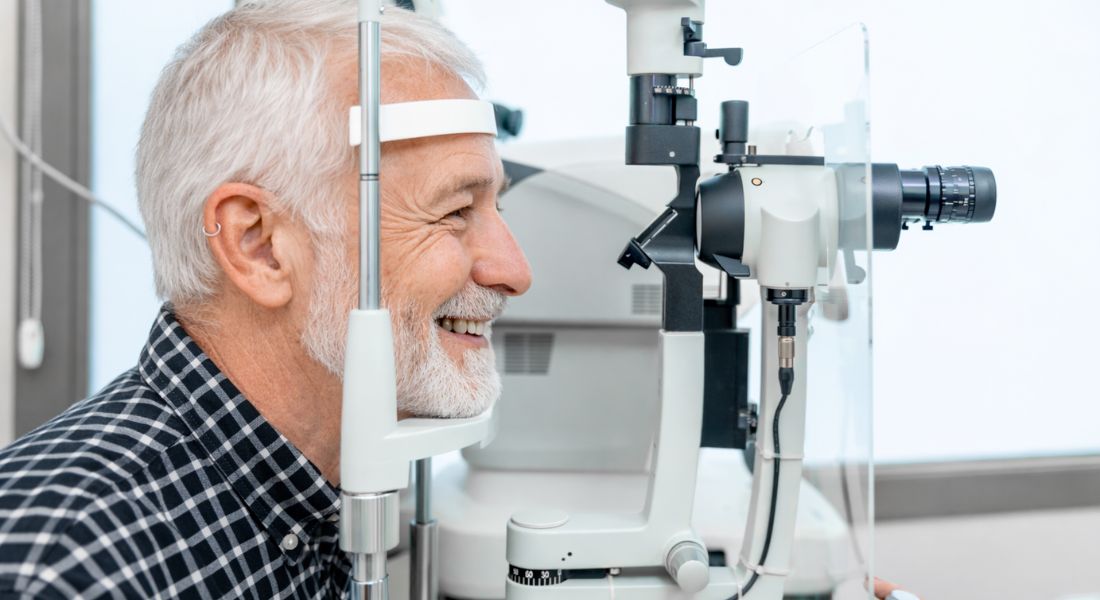
If you have recently been told you have glaucoma, it is completely natural to ask whether it can be reversed. This question often feels urgent and deeply personal. Your eyesight is closely tied to your independence and quality of life. The fear of losing it can be unsettling and emotional.
I want to answer you honestly and clearly. Damage caused by glaucoma cannot be reversed because it involves permanent injury to the optic nerve. Once vision has been lost, current medical treatments cannot restore it. At present, there is no cure that can undo this type of damage.
However, this does not mean that treatment is pointless or ineffective. Modern therapies are designed to lower eye pressure and slow down, or even stop, further damage. Many people live long lives with stable vision when their condition is properly managed. The goal of treatment is protection, not reversal.
Early diagnosis makes a significant difference in long-term outcomes. The sooner glaucoma is detected, the more vision can be preserved. Regular eye examinations and consistent follow-up care are essential. Acting early gives you the strongest chance of maintaining your sight for years to come.
What Actually Happens in Glaucoma?
To understand whether glaucoma can be reversed, you first need to understand what it does inside the eye. Glaucoma is a condition that damages the optic nerve, which carries visual information from the eye to the brain. The optic nerve is essential for clear sight and overall visual function. When it becomes damaged, communication between the eye and brain is disrupted.
You can think of the optic nerve as a cable made up of thousands of tiny wires. Each of these “wires” is a nerve fibre responsible for transmitting a specific part of your visual field. In most types of glaucoma, damage occurs because of raised intraocular pressure, often called IOP, which builds up when fluid inside the eye does not drain properly. Over time, this pressure compresses and injures the delicate nerve fibres.
The crucial point is that once these fibres are destroyed, they do not regenerate. Unlike some tissues in the body, the optic nerve cannot repair itself. This is why vision loss caused by glaucoma is permanent. Understanding this process makes it clear why early detection and treatment are so important.
Why Glaucoma Damage Is Permanent
It is completely reasonable to ask why modern medicine cannot repair the damage caused by glaucoma. The answer lies in the nature of nerve tissue and how it functions within the body. The optic nerve is not like skin or other surface tissues that can heal more easily. Its structure and role make recovery far more complex.
The optic nerve forms part of the central nervous system. Unlike tissues such as skin or liver cells, nerve fibres in the central nervous system have very limited ability to regenerate. Once an optic nerve fibre dies, the body does not naturally replace it. At present, there is no clinically approved treatment that can regrow these fibres or restore the lost visual signals.
If a portion of your visual field has been permanently lost due to glaucoma, that specific area cannot be recovered. This is why glaucoma is described as causing irreversible vision loss. I understand that the word “irreversible” can feel heavy and unsettling. However, having clear and honest information is essential when making decisions about protecting the vision you still have.
Why You May Not Notice Early Glaucoma
One of the most concerning aspects of glaucoma is how quietly it can develop. In the early stages, there are often no obvious symptoms to alert you that something is wrong. Your central vision usually remains clear, allowing you to read and focus as normal. Meanwhile, subtle changes may begin to occur without drawing attention.
Glaucoma typically affects peripheral vision first, causing it to narrow gradually over time. Because this happens slowly, it is difficult to notice day by day. The brain is remarkably good at compensating for small gaps in vision, which can mask the problem. As a result, significant damage may develop before you become aware of any change.
For this reason, glaucoma is sometimes referred to as the “silent thief of sight”. By the time noticeable symptoms appear, some optic nerve damage has often already occurred. As we have discussed, this damage cannot be reversed. This is why regular eye examinations are so important, even if your vision seems perfectly normal.
So What Can Glaucoma Treatment Actually Do?
It is natural to question the value of treatment if lost vision cannot be restored. Many people feel discouraged when they learn that glaucoma damage is permanent. However, the purpose of treatment is not to reverse harm but to protect the vision that remains. Understanding this goal can provide reassurance and clarity about why early and consistent care matters.
- Prevents Further Vision Loss: Although existing damage cannot be undone, treatment can slow or stop additional deterioration. The main objective is to preserve the healthy parts of the optic nerve. Acting early greatly improves the chances of maintaining long-term vision.
- Lowers Intraocular Pressure: Glaucoma treatment primarily works by reducing pressure inside the eye. Lower pressure decreases strain on the optic nerve, which helps limit ongoing damage. This can be achieved through eye drops, laser procedures, or surgery, depending on the case.
- Stabilises the Condition: With proper monitoring and adherence to treatment, glaucoma can often be stabilised. Many patients maintain functional and useful vision throughout their lifetime. Regular follow-ups ensure that pressure remains within a safe range.
The true aim of glaucoma treatment is control, not cure. By managing intraocular pressure effectively, we protect the optic nerve from further harm. While vision already lost cannot return, preserving remaining sight is both possible and meaningful. Consistent care and early action are the keys to slowing progression and safeguarding long-term eye health.
Types of Glaucoma Treatment
Understanding the different types of glaucoma treatment can help you feel more prepared and informed about your options. The main goal of all treatments is to lower intraocular pressure and protect the optic nerve from further damage. Your ophthalmologist will recommend an approach based on the severity of your condition and how well your eyes respond. Treatment is tailored to you, not applied in a one-size-fits-all way.
For many people, the first line of treatment involves medicated eye drops. These drops either reduce the production of fluid inside the eye or improve its drainage, helping to lower pressure effectively when used consistently. You may need to apply them daily for life, which can feel inconvenient but is extremely important for protecting your sight. Skipping doses allows pressure to rise again, increasing the risk of further optic nerve damage.
If eye drops are not sufficient, laser treatment or surgery may be recommended. Laser trabeculoplasty can improve fluid drainage and is usually performed as a quick outpatient procedure, although its effects may reduce over time and sometimes need repeating. In more advanced cases, surgery such as trabeculectomy or minimally invasive glaucoma surgery creates new drainage pathways to control pressure. All of these treatments are protective rather than restorative, meaning they lower pressure but cannot repair vision that has already been lost.
Why Early Diagnosis Is So Important
Because glaucoma damage is permanent, early diagnosis is absolutely vital. Once optic nerve fibres are lost, they cannot be restored. Detecting the condition at an early stage gives you the best possible chance of protecting your sight. Acting promptly can make a significant difference to long-term visual health.
If glaucoma is identified before substantial optic nerve damage has occurred, treatment can preserve most, and sometimes nearly all, of your functional vision. However, if the diagnosis is made later, some degree of visual field loss may already be permanent. This is why timing matters so much. The earlier the intervention, the better the outcome is likely to be.
Routine eye examinations are therefore essential, particularly if you are over 40, have a family history of glaucoma, or fall into a higher-risk group. An eye test does far more than determine whether you need new glasses. It can detect raised eye pressure and subtle changes in the optic nerve long before symptoms appear. Early detection truly does change outcomes and helps safeguard your vision for the future.
Can Vision Improve After Treatment?
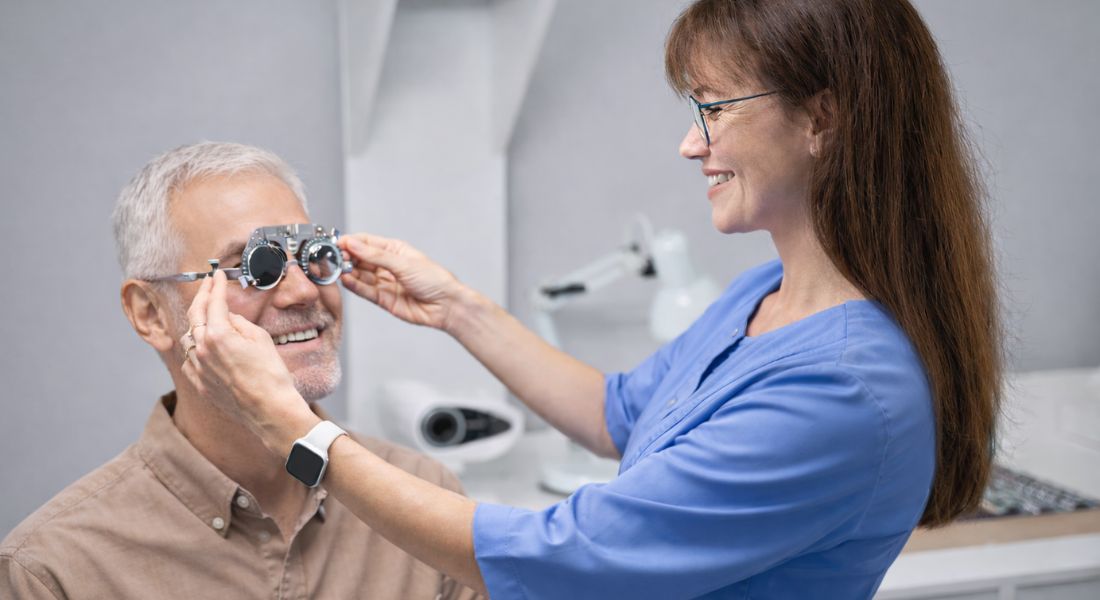
You may come across stories of patients saying their vision “improved” after starting glaucoma treatment. It is important to understand what this usually means. In some cases, very high eye pressure can temporarily affect visual clarity or cause mild blurring. When the pressure is lowered, that temporary effect may improve, making vision seem clearer.
However, this does not mean that damaged optic nerve fibres have healed. Any vision that has been lost due to permanent optic nerve damage does not return. Treatment works by protecting the remaining healthy nerve fibres, not by repairing those that have already been destroyed. The aim is preservation rather than restoration.
In rare and urgent situations, such as acute angle-closure glaucoma treated very quickly, rapid intervention can prevent permanent damage if carried out in time. In these cases, vision may appear to recover because lasting harm was avoided. But once structural nerve damage has occurred, it is irreversible. This is why early treatment remains so crucial.
The Emotional Impact of Hearing “It’s Permanent”
Hearing that vision loss is permanent can be deeply unsettling. It is not just a medical statement it carries emotional weight and uncertainty about the future. Feelings of fear, frustration, or even anger are completely natural reactions. Acknowledging these emotions is an important step in coping and moving forward with confidence.
- Fear of the Unknown: Many people immediately worry about losing independence or daily functioning. Concerns about driving, reading, or recognising faces can feel overwhelming. Understanding the condition and its management can help reduce this uncertainty.
- Frustration and Anger: It is common to feel frustrated that damage cannot be reversed. Some may question why it happened or wish it had been detected sooner. These reactions are valid and part of processing difficult news.
- Shifting Focus to Control: While vision already lost cannot return, the progression of glaucoma can often be controlled. With consistent treatment, regular monitoring, and timely adjustments to care, many individuals maintain stable vision. Focusing on what can be managed helps restore a sense of direction and empowerment.
The goal of glaucoma care is preservation. By lowering eye pressure and closely monitoring changes, further damage can often be slowed or prevented. Many people with glaucoma continue to live full, active lives without severe vision impairment. Concentrating on proactive care and consistent follow-up offers reassurance and strengthens long-term outcomes.
What Happens If Glaucoma Is Left Untreated?
If glaucoma is left untreated, intraocular pressure may continue to damage the optic nerve over time. This damage usually happens gradually, often without obvious warning signs. As more nerve fibres are affected, vision slowly begins to change. Without intervention, the condition does not stabilise on its own.
Peripheral vision is typically affected first, causing the visual field to narrow little by little. As the disease progresses, central vision can also become involved. Everyday tasks such as reading, recognising faces, or driving may become increasingly difficult. These changes can have a significant impact on independence and quality of life.
In advanced stages, untreated glaucoma can lead to severe visual impairment or even blindness. Although the progression is often slow, it is persistent and does not stop without proper treatment. This is why taking prescribed therapy and follow-up care seriously is so important. Early and consistent management offers the best chance of preserving your remaining sight.
Can Lifestyle Changes Reverse Glaucoma?

You may wonder whether diet, supplements, or exercise can reverse glaucoma. It is a common and understandable question, especially when you want to do everything possible to protect your sight. At present, there is no scientific evidence that lifestyle changes can reverse optic nerve damage. Once that damage has occurred, it cannot be undone through natural remedies.
However, maintaining a healthy lifestyle does support overall vascular health, which is beneficial for the eyes. Regular exercise may slightly lower eye pressure in some individuals, and good circulation helps nourish the optic nerve. Avoiding smoking and managing conditions such as high blood pressure are also important for long-term eye health. These steps contribute to overall wellbeing and may support treatment outcomes.
That said, lifestyle measures are supportive rather than curative. They cannot repair damaged nerve fibres or replace prescribed medical therapy. Glaucoma requires proper monitoring and, when necessary, targeted treatment to control eye pressure. Healthy habits should be seen as an addition to medical care, not a substitute for it.
Are Researchers Working on Reversal Therapies?
Yes, researchers are actively exploring whether glaucoma damage could one day be reversed. This is an important and rapidly developing area of medical science. Scientists recognise the need for treatments that go beyond pressure control. Much of the current focus is on protecting or regenerating optic nerve tissue.
Several approaches are being investigated, including stem cell therapy, gene therapy, and neuroprotective treatments designed to preserve or restore optic nerve fibres. Laboratory studies have shown promising early results in some areas. These developments offer hope for the future of glaucoma care. However, most of this work is still in the research or experimental stage.
At present, these therapies are not available as established clinical treatments. No approved medical intervention can regenerate a damaged optic nerve in humans. Current treatment remains focused on lowering eye pressure and preventing further harm. While research continues to advance, early detection and ongoing management remain the most effective tools we have today.
The Importance of Monitoring
Even if your glaucoma appears stable, regular monitoring remains essential. The condition can change over time, sometimes without obvious warning signs. Eye pressure may fluctuate, and subtle alterations in the optic nerve can develop gradually. Ongoing review ensures that these changes are identified early.
Glaucoma is not a condition that can simply be treated once and forgotten. Even when pressure levels are well controlled, progression can still occur in some cases. Careful follow-up appointments allow your ophthalmologist to assess trends rather than single readings. This long-term view is crucial for effective management.
Visual field testing plays an important role in detecting progression before you notice symptoms yourself. These tests can reveal small areas of change that might otherwise go unnoticed. Think of monitoring as a safety net that protects your remaining vision. It allows timely adjustments to treatment before meaningful sight loss occurs.
Understanding Risk Factors

Glaucoma often develops gradually and without early symptoms, which makes awareness of risk factors especially important. Certain individuals are more likely to develop the condition based on age, genetics, and overall health. Recognising these risks allows for earlier monitoring and timely intervention. Being informed empowers you to take preventive steps before significant vision changes occur.
- Age Over 40: The risk of glaucoma increases with age, particularly after 40. As the eye’s drainage system becomes less efficient over time, intraocular pressure may rise. Regular eye exams become increasingly important as you grow older.
- Family History of Glaucoma: Having a close relative with glaucoma significantly raises your risk. Genetics can influence how the optic nerve responds to eye pressure. Informing your eye specialist about family history ensures closer observation and earlier screening.
- African or Caribbean Heritage: Individuals of African or Caribbean descent are at higher risk of developing glaucoma and may experience earlier onset. The condition can also progress more rapidly in some cases. Proactive and routine screening is especially vital in these groups.
- Diabetes
Diabetes can affect blood vessels throughout the body, including those that support the optic nerve. This may increase susceptibility to glaucoma and other eye conditions. Proper diabetes management and regular eye checks are essential. - High Myopia (Severe Short-Sightedness): Being very short-sighted changes the structure of the eye and may increase vulnerability to optic nerve damage. Myopic individuals should ensure consistent monitoring of eye pressure. Early detection plays a key role in prevention.
- Previous Eye Injuries: Past trauma to the eye can disrupt normal fluid drainage, potentially leading to elevated pressure. Glaucoma related to injury may develop months or even years later. Ongoing follow-up is important if you have experienced eye trauma.
Knowing your personal risk factors allows you to be proactive rather than reactive. Regular screening and early detection greatly improve the chances of preserving vision. Even if you feel no symptoms, routine eye examinations can identify subtle changes early. Staying informed and consistent with check-ups is one of the most effective ways to protect long-term eye health.
Living With Glaucoma
Being diagnosed with glaucoma can naturally lead to concerns about your future independence. You may wonder how it will affect your daily life in the years ahead. The reassuring truth is that most people, particularly those diagnosed early, retain useful vision throughout their lives. With proper care, glaucoma can often be managed successfully.
Adherence to treatment is absolutely critical in protecting your sight. Using your prescribed eye drops consistently and exactly as directed helps keep eye pressure under control. Attending follow-up appointments is just as important, as they allow your specialist to monitor for any changes. Small lapses in care can make a difference over time, so consistency truly matters.
If you ever struggle with your drops, whether due to side effects, cost, or difficulty applying them, tell your eye specialist. There are often alternative medications or supportive strategies available. You do not have to manage this condition alone. With the right support and regular care, many people continue to live full and independent lives.
When Should You Seek Specialist Care?
If you have been told that you have raised eye pressure or early glaucoma, seeking specialist assessment is essential. Early evaluation allows for a clearer understanding of your individual risk and the most appropriate course of action. Delaying further assessment may allow unnoticed progression. Prompt attention provides reassurance as well as protection.
A comprehensive specialist review usually includes detailed optic nerve imaging, visual field testing, and precise intraocular pressure measurement. These tests help build a complete picture of your eye health rather than relying on a single reading. Advanced diagnostic technology can detect subtle structural or functional changes at an early stage. This level of detail supports more accurate and personalised treatment planning.
If you are considering comprehensive glaucoma treatment in London, early involvement from experienced consultants can make a meaningful difference in long-term outcomes. You can explore available options through Eye Clinic London, which provides specialist assessment and advanced diagnostics. Seeking expert guidance at an early stage gives you the best possible chance of protecting your sight.
Common Myths About Reversing Glaucoma
There are several common myths about reversing glaucoma that can create confusion and false hope. It is important to address these directly and clearly. Accurate information helps you make informed decisions about your care. Understanding the facts protects both your vision and your peace of mind.
Myth one is that surgery can restore lost vision. In reality, surgical procedures are designed to lower eye pressure and prevent further damage, not to repair optic nerve fibres that have already been destroyed. Myth two is that if your vision seems fine, your glaucoma must be improving. The truth is that glaucoma progression can be silent, and changes may occur without noticeable symptoms.
Another widespread belief is that natural remedies can cure glaucoma. At present, no natural treatment has been proven to reverse optic nerve damage. While healthy habits can support overall eye health, they cannot replace medical therapy. Clear and honest information protects you from misinformation and unrealistic expectations.
The Bigger Picture: Protecting What You Still Have
When you hear that glaucoma cannot be reversed, it is natural to focus on what may already have been lost. That reaction is completely understandable. However, dwelling only on past damage can increase anxiety without helping your future. A more constructive approach is to concentrate on protecting the vision you still have.
The primary goal of modern glaucoma management is preservation. Today’s treatments are highly effective at lowering eye pressure and slowing progression in many patients. When the condition is detected early and managed consistently, severe vision loss is often prevented. Many people live full lives with stable and functional sight.
This is why awareness and routine eye examinations matter so much. Early detection provides the opportunity to intervene before significant damage occurs. Ongoing monitoring ensures that treatment remains appropriate over time. By focusing on protection rather than reversal, you give yourself the strongest chance of maintaining long-term vision.
FAQs:
- Can glaucoma be reversed?
No, glaucoma cannot be reversed. Damage to the optic nerve is permanent, and lost vision cannot be restored with current medical treatments. - Why is vision loss from glaucoma permanent?
Glaucoma damages the optic nerve, which is part of the central nervous system. Once nerve fibres are destroyed, they do not regenerate naturally, making the vision loss irreversible. - If glaucoma cannot be cured, what does treatment do?
Treatment lowers intraocular pressure to prevent or slow further optic nerve damage. The goal is to preserve the remaining vision, not to restore what has already been lost. - Can vision improve after starting glaucoma treatment?
In some cases, lowering very high eye pressure may reduce temporary blurring. However, permanent vision loss caused by optic nerve damage does not return. - What happens if glaucoma is left untreated?
Untreated glaucoma can lead to progressive optic nerve damage, narrowing of peripheral vision, and eventually severe vision loss or blindness. - Why is early diagnosis so important in glaucoma?
Early detection allows treatment to begin before significant optic nerve damage occurs. The earlier glaucoma is identified, the more vision can be preserved. - What are the main treatment options for glaucoma?
Common treatments include prescription eye drops, laser therapy, and surgical procedures. All aim to reduce intraocular pressure and protect the optic nerve. - Can lifestyle changes reverse glaucoma?
No, lifestyle changes cannot reverse optic nerve damage. However, healthy habits such as regular exercise and managing blood pressure may support overall eye health alongside medical treatment. - Are researchers working on ways to reverse glaucoma damage?
Yes, research into stem cell therapy, gene therapy, and neuroprotective treatments is ongoing. However, no approved therapy currently exists to regenerate damaged optic nerve fibres. - How often should someone with glaucoma have follow-up appointments?
Follow-up frequency depends on the severity and stability of the condition. Most patients require regular monitoring every few months to ensure eye pressure remains controlled and progression is detected early.
Final Thoughts: Focus on Protection, Not Reversal
Learning that glaucoma cannot be reversed can feel overwhelming. It is completely natural to wish for a way to restore lost vision. While current medicine cannot repair optic nerve damage, it can do something incredibly important it can protect the sight you still have.
Glaucoma management today is highly effective when started early and followed consistently. With the right treatment plan, careful monitoring, and regular specialist review, many people maintain stable and functional vision for life. The key is not waiting for symptoms to appear, but acting early and staying committed to ongoing care.
If you’re considering comprehensive glaucoma treatment in London, to protect your long-term vision and want to know if it’s the right option, you’re welcome to reach out to us at Eye Clinic London to book a consultation. Taking action now can make a lasting difference in preserving your eyesight for the future.
References:
- Virani, S. and Rewri, P., 2024. A Narrative Review of Pharmacotherapy of Glaucoma. Future Pharmacology, https://www.mdpi.com/2673-9879/4/2/22
- Wang, X., Sun, L., Han, X., Li, Z., Xing, Y., Chen, X., Xi, R., Sun, Y. and Wang, G., 2025. The molecular mechanisms underlying retinal ganglion cell apoptosis and optic nerve regeneration in glaucoma International Journal of Molecular Medicine https://pubmed.ncbi.nlm.nih.gov/39950327/
- Weinreb, R.N., Aung, T. and Medeiros, F.A., 2014. The pathophysiology and treatment of glaucoma: a review. JAMA, https://pmc.ncbi.nlm.nih.gov/articles/PMC4523637/
- Lo, J., Mehta, K., Dhillon, A., Huang, Y.K., Luo, Z., Nam, M.H., Al Diri, I. and Chang, K.C., 2023. Therapeutic strategies for glaucoma and optic neuropathies. Molecular Aspects of Medicine https://www.sciencedirect.com/science/article/abs/pii/S0098299723000596
- Wiggs, J.L. and Pasquale, L.R., 2017. Genetics of glaucoma. Human Molecular Genetics, https://academic.oup.com/hmg/article/26/R1/R21/3827806