


Watery Eyes in Babies and Children: Blocked Tear Duct or Something Else?

If you’ve noticed your baby’s eyes constantly filling with tears, it’s natural to wonder whether it’s just a passing phase or something that needs medical attention. Tears that appear frequently, even when your baby isn’t crying, can be worrying. Many parents find themselves asking whether this is normal development or a sign of an underlying issue, and it’s understandable to want clarity.
In my own experience, seeing a child with persistent watery eyes immediately raises questions: Is this a harmless phase, or could there be something more serious at play? Often, the cause is relatively benign, such as a minor blockage in the tear drainage system, but other times it may signal an eye infection or irritation. Recognising the difference is key to deciding on the next steps.
One of the most common causes in infants is a blocked tear duct, known medically as nasolacrimal duct obstruction. This condition occurs when the tiny passage that drains tears from the eye into the nose is not fully open. It often resolves on its own within the first year, but persistent tearing, discharge, or redness may require assessment from a specialist.
In this article, I’ll guide you through the main reasons why babies and young children develop watery eyes. We’ll discuss typical developmental issues, possible infections or allergies, and clear signs that indicate it’s time to consult a paediatric ophthalmologist. By understanding the causes, you can approach your child’s eye care with confidence and know when reassurance is enough and when professional evaluation is necessary.
Understanding Normal Tear Production
Tears are essential for keeping the eyes healthy. They lubricate the eyes, help prevent infection, and wash away dust or debris. Even newborns start producing tears once their tear glands become functional, usually within the first few weeks of life. However, sometimes tears don’t drain properly, which can lead to watery eyes, medically called epiphora.
Watery eyes are quite common in babies and young children. Up to 20% of newborns may have some degree of tear duct blockage. While it can look alarming, in most cases it is completely benign and resolves naturally as your child grows.
Understanding how tears are produced and drained helps you know what is normal and when to be concerned. Most cases of watery eyes in infants are part of normal development, but recognising signs of infection or irritation is important. This knowledge allows you to monitor your child confidently and seek professional advice if needed.
The Tear Drainage System: How It Works
Before looking at causes of watery eyes, it helps to understand how tears normally drain. Tears are produced by the lacrimal glands, which sit just above the outer corner of each eye. Once produced, tears spread across the surface of the eye and enter tiny openings called puncta at the inner corners of the eyelids.
From the puncta, tears travel through small channels called canaliculi into the lacrimal sac. They then pass down the nasolacrimal duct and drain into the nose. This pathway ensures that tears keep the eyes moist without spilling onto the cheeks.
If any part of this drainage system is blocked or narrow, tears cannot flow properly and may spill over the eyelid, causing watery eyes. This is especially common in infants because the nasolacrimal duct often hasn’t fully opened at birth, leading to temporary tear overflow.
Common Causes of Watery Eyes in Babies

Watery eyes are a frequent concern in infants and can stem from a variety of causes, ranging from simple blockages to infections or environmental factors. Understanding the underlying reason is essential for timely intervention and preventing complications. While some conditions resolve naturally, others require professional attention from a paediatric ophthalmologist. Early recognition and management ensure your baby’s eyes remain healthy and comfortable.
- Congenital Nasolacrimal Duct Obstruction (Blocked Tear Duct): The most common cause of watery eyes in infants occurs when the thin membrane at the end of the tear duct fails to open properly. Typical signs include constant tearing, occasional sticky discharge, and morning crusting around the eyelids. Most cases resolve naturally by 6 to 12 months, and gentle massage of the tear duct area, as recommended by a specialist, can help the duct open.
- Eye Infections: Bacterial or viral conjunctivitis can cause excessive tearing along with redness, swelling, and discomfort. Infections may lead to eyes sticking together after sleep and visible irritation. While mild viral infections often resolve on their own, bacterial cases require antibiotic treatment prescribed by a paediatric ophthalmologist.
- Allergies: Even infants can have allergic reactions to pollen, dust, or pet dander, resulting in watery, itchy, and red eyes. These episodes are often seasonal and may be accompanied by sneezing or a runny nose. Keeping a symptom diary helps the ophthalmologist identify triggers and recommend treatments such as antihistamine eye drops.
- Eye Irritants: Environmental factors such as smoke, wind, shampoos, or strong perfumes can temporarily irritate the eyes, leading to excess tearing. The tearing usually resolves once the irritant is removed, making it important to identify and minimise exposure.
- Eyelid or Eyelash Abnormalities: Structural issues like entropion (inward-turning eyelid) or misdirected eyelashes can rub against the eye, causing continuous tearing. Though less common, these conditions may require surgical intervention to protect the cornea and prevent long-term damage.
Watery eyes in babies are often harmless, but persistent symptoms warrant professional evaluation. Correct diagnosis helps distinguish between natural developmental issues, infections, allergies, and structural problems. By consulting a paediatric ophthalmologist early, you can ensure proper treatment, prevent complications, and maintain your baby’s eye health and comfort.
How to Tell if It’s Just a Blocked Tear Duct
You might wonder how to tell whether your baby’s watery eyes are due to a simple blocked tear duct or something more serious, like an infection. There are some clear signs that can help you distinguish between the two. Persistent tearing from birth is usually the first clue, and the discharge tends to be mild and intermittent, often clear or slightly sticky rather than thick, yellow, or green.
Another important indicator is the absence of redness, swelling, or discomfort, which are more commonly seen with infections. Gentle massage over the tear duct area can sometimes help improve drainage, showing that the duct is blocked rather than inflamed. Watching how your baby responds to this simple measure can give reassurance that the condition is likely temporary and developmental.
If your child displays these signs clear discharge, no redness, and improvement with massage it is probably just a blocked tear duct. However, if you notice persistent redness, pus, swelling, or if your baby seems uncomfortable or irritable, it’s crucial to consult a paediatric ophthalmologist. Early professional evaluation can rule out infection and ensure your baby receives appropriate care if needed.
When Symptoms Resolve Naturally
Many blocked tear ducts in infants improve on their own without any medical intervention. Research suggests that around 90% of cases clear spontaneously by the time a baby reaches 12 months of age. This natural resolution occurs as the tear drainage system gradually matures and opens.
Gentle lacrimal massage can sometimes help speed up the process by encouraging tears to flow through the duct. Regular cleaning of the eyelids with a soft, damp cloth can also help prevent the buildup of discharge and reduce the risk of infection.
Patience and proper hygiene are key. It’s important not to force any drops or solutions into your baby’s eyes without professional guidance, as this can potentially cause irritation or other complications. By following safe practices, most infants will see improvement naturally over time.
When to Seek Medical Advice
While watery eyes in infants are often harmless, there are certain situations where a paediatric ophthalmologist should assess your child. You should seek professional advice if your baby has redness, swelling, or pain in one or both eyes, or if there is thick yellow or green discharge. These signs may indicate an infection or another underlying issue that requires prompt attention.
Other warning signs include your baby frequently closing one eye, appearing unusually irritated, or experiencing tearing that persists beyond the first year of life. If watery eyes are accompanied by fever or other systemic symptoms, it’s especially important to get a professional evaluation.
A paediatric ophthalmologist in London, for example, can perform simple tests to assess tear drainage and rule out other eye conditions. They can also provide guidance on whether further treatment, such as lacrimal probing or specialised care, is necessary. Early assessment helps ensure your child’s eyes remain healthy and reduces the risk of complications.
Diagnostic Approaches
When a baby presents with watery eyes, a specialist uses targeted diagnostic methods to identify the underlying cause. Accurate assessment ensures that treatment is appropriate and effective, whether the issue is a simple tear duct blockage, infection, or structural abnormality. Early and precise diagnosis also helps prevent complications and promotes better eye health.
- Dye Disappearance Test: A small drop of fluorescein dye is placed in the eye, and the rate at which it drains is observed. Slow or delayed drainage can indicate a blockage in the tear duct, helping the specialist identify whether further intervention is needed.
- Syringing and Irrigation: In older infants, gentle irrigation of the tear duct can determine whether it is fully open or partially blocked. This procedure helps assess the severity of a nasolacrimal duct obstruction and guides potential treatment options.
- Comprehensive Eye Examination: A detailed eye exam allows the specialist to check for infections, structural issues, or other underlying conditions that may contribute to excessive tearing. This step ensures that all potential causes are considered before deciding on management strategies.
Accurate diagnostics are the foundation of effective treatment for watery eyes in infants. By combining tests and a thorough examination, specialists can identify the exact cause and recommend interventions tailored to the child’s needs. Early evaluation not only addresses immediate discomfort but also supports long-term eye health and normal visual development.
Treatment Options
Many infants with blocked tear ducts respond well to simple, conservative measures. Gentle lacrimal sac massage can help open the duct, while regular cleaning of the eyelids with a soft cloth or cotton pad removes discharge and reduces the risk of infection. Simply monitoring symptoms over time is often sufficient, as most cases resolve naturally within the first year.
If there is mild infection or inflammation, a doctor may recommend a short course of antibiotic eye drops. These are generally very safe when used as directed and are only needed if discharge becomes persistent or coloured. Medication can help prevent complications while the duct gradually opens on its own.
Surgery is rarely required but may be considered if conservative measures fail or the blockage persists. Procedures can include probing the tear duct to clear the obstruction or stenting to keep it open, with more complex surgeries reserved for stubborn cases. A paediatric ophthalmologist can guide you on the most appropriate option based on your child’s age, symptoms, and progress.
Preventing Complications
Even if your baby’s watery eyes are caused by a simple blocked tear duct, it’s important to take steps to prevent infection. Always wash your hands before touching your baby’s eyes and gently clean any discharge with a soft cloth or cotton pad. Avoid using over-the-counter eye drops unless advised by a doctor, as some products can irritate delicate infant eyes.
Regular monitoring is also essential. Keep an eye out for signs such as redness, swelling, or discomfort, which could indicate an infection or another underlying problem. Early recognition allows timely intervention and helps avoid more serious complications.
By following these precautions, you minimise your baby’s discomfort and reduce the risk of secondary infections. Simple hygiene measures, combined with careful observation, often ensure that the tear duct can mature naturally without causing ongoing problems.
Long-Term Outlook
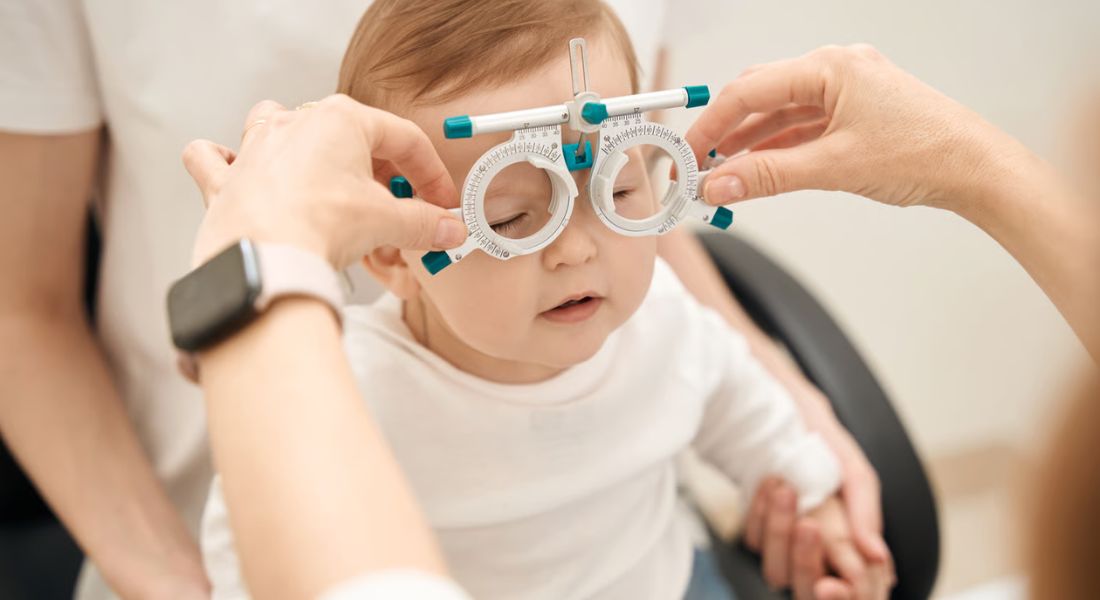
In most cases, the long-term outlook for babies with blocked tear ducts is very positive. Many infants with congenital nasolacrimal duct obstruction see spontaneous resolution by their first birthday as the tear drainage system gradually opens and matures. For these children, no medical intervention is necessary, and the watery eyes naturally improve over time.
Even when minor intervention is required, procedures such as duct probing are highly effective. These treatments are generally simple, quick, and carry very low complication rates. In some cases, stenting or balloon dacryoplasty may be recommended for persistent blockages, but these are still highly successful and rarely cause issues.
Overall, most children go on to have fully normal tear drainage and healthy eyes. Long-term problems are uncommon, so parents can be reassured that with proper monitoring, hygiene, and occasional specialist input if needed, their child’s eye health is likely to remain excellent.
Other Causes to Consider
Although a blocked tear duct is the most frequent reason for watery eyes in infants, rare conditions can also contribute. Recognising these less common causes is important, especially when symptoms are persistent, severe, or accompanied by other warning signs. Early identification ensures timely treatment and prevents complications that could affect vision or eye health.
- Glaucoma in Infants: This rare condition may present with watery eyes along with light sensitivity and enlargement of the eye. Prompt evaluation is critical, as early treatment can prevent damage to the optic nerve and preserve vision.
- Corneal Abnormalities: Irregularities on the surface of the cornea can irritate the eye, triggering excessive tearing. Detecting and managing these abnormalities early can help avoid discomfort and potential long-term visual issues.
- Tumours or Cysts: Although extremely rare, persistent tearing accompanied by other symptoms may indicate the presence of a tumour or cyst. Specialists carefully assess these cases to determine the cause and appropriate treatment.
While uncommon, these conditions emphasise why any unusual or persistent watery eye symptoms in infants should be assessed by a paediatric ophthalmologist. Thorough evaluation ensures the correct diagnosis, guiding treatment that protects your baby’s eye health and comfort.
Practical Advice for Parents
Seeing your child’s eyes constantly watery can be stressful, but there are practical steps you can take to manage the situation safely. Keeping a symptom diary can be very helpful note when the tearing occurs, any discharge, and other associated symptoms. This information can assist your paediatric ophthalmologist in understanding your child’s condition and tracking progress over time.
Gentle tear duct massage may also be beneficial, but it should only be performed if recommended by your child’s doctor. Regular cleaning of the eyelids and surrounding area helps prevent infection and keeps your baby comfortable. Maintaining good hygiene is simple but very effective in supporting eye health.
Routine check-ups are important, even if the problem seems minor. Early assessment can detect any complications and ensure the most appropriate care is provided. Remember, you are not overreacting seeking professional advice promptly is always better than waiting and worrying unnecessarily.
When to Worry
While most cases of watery eyes in babies are harmless, there are some red flags that should prompt immediate attention. Sudden onset of redness and swelling, thick yellow or green discharge, or signs of pain and sensitivity to light may indicate an infection or another underlying eye problem that requires urgent care. These symptoms are not typical of a simple blocked tear duct and should not be ignored.
Tearing that persists beyond the first year without improvement is another warning sign. This could suggest that the tear duct remains blocked or that there may be structural issues affecting drainage. Persistent symptoms can also increase the risk of secondary infections, making timely assessment important.
In any of these situations, consulting a paediatric ophthalmologist in London or your local specialist is essential. Early evaluation allows the doctor to rule out infections, structural abnormalities, or other eye conditions and to recommend appropriate treatment. Prompt attention helps protect your child’s long-term eye health and provides reassurance for concerned parents.
Supporting Your Child Emotionally
Watery eyes may seem like a minor issue, but when they cause discomfort or require frequent cleaning, they can affect your child’s mood and behaviour. Babies and young children may become fussy or irritable during eye care routines. Being patient and reassuring is important to help them feel secure.
Simple gestures, such as gentle explanations, soothing tones, and calm handling during cleaning or massage, can make a big difference. This helps your child understand what is happening and reduces any anxiety associated with the routine.
Providing comfort and maintaining a positive, gentle approach not only eases the process but also helps your child develop trust and cooperation. Over time, consistent reassurance can make necessary care less stressful for both you and your child.
The Role of a Paediatric Ophthalmologist

A paediatric ophthalmologist is a medical specialist trained specifically in diagnosing and managing eye conditions in babies and children. They have the expertise to assess your child’s tear drainage system, determine whether a blocked duct is present, and identify any infections, inflammation, or structural issues that could be affecting eye health.
These specialists can recommend the most appropriate course of management, ranging from conservative measures like gentle massage and careful hygiene to minor surgical interventions if the blockage persists. They also provide guidance on monitoring symptoms over time and on preventing complications such as infections or chronic irritation.
Building a relationship with a trusted paediatric ophthalmologist ensures that any eye concerns are addressed promptly and thoroughly. Regular follow-ups not only provide reassurance for parents but also allow early intervention if problems arise, helping to safeguard your child’s long-term vision and overall eye health.
Summary of Key Points
Watery eyes are a common issue in infants, most often caused by a blocked tear duct. In the majority of cases, the condition resolves naturally as the tear drainage system matures, usually between 6 and 12 months of age.
Persistent symptoms, such as ongoing tearing beyond the first year, redness, swelling, or coloured discharge, should prompt a professional assessment to rule out infection or structural problems. Gentle lacrimal massage and careful eyelid hygiene can help manage mild cases and support natural resolution.
Paediatric ophthalmologists play a crucial role in diagnosing the cause and recommending the most appropriate treatment. Whether it’s conservative care, medication, or minor surgical intervention, consulting a specialist ensures your child receives expert guidance and long-term eye health is maintained.
FAQs:
- Why do babies have watery eyes?
Babies often have watery eyes because their tear drainage system is still maturing. Tears may overflow if the nasolacrimal duct the tiny passage draining tears from the eye to the nose—is partially blocked. This is common and usually resolves naturally within the first year. - What is a blocked tear duct in infants?
A blocked tear duct, or congenital nasolacrimal duct obstruction, occurs when the membrane at the end of the tear duct fails to open properly. Symptoms include constant tearing, mild sticky discharge, and morning crusting around the eyelids. Most cases improve spontaneously by 6–12 months. - How can I tell if my baby’s watery eyes are normal?
Normal watery eyes are typically clear, intermittent, and not accompanied by redness, swelling, or discomfort. Gentle massage over the tear duct area may improve drainage, indicating a developmental blockage rather than infection. - Could watery eyes indicate an eye infection?
Yes. Eye infections such as bacterial or viral conjunctivitis can cause excessive tearing along with redness, swelling, and thick yellow or green discharge. Infections may require prompt assessment and treatment by a paediatric ophthalmologist. - Can allergies cause watery eyes in infants?
Even babies can experience allergic reactions to pollen, dust, or pet dander. Allergic eyes are often red, itchy, and watery, sometimes accompanied by sneezing or a runny nose. Symptom diaries can help identify triggers for specialist guidance. - When should I see a paediatric ophthalmologist?
Consult a specialist if your baby has persistent tearing beyond 12 months, coloured discharge, redness, swelling, discomfort, or light sensitivity. Early evaluation ensures correct diagnosis and prevents complications. - How are blocked tear ducts treated?
Most blocked tear ducts improve naturally. Gentle lacrimal sac massage and cleaning the eyelids can support drainage. In persistent cases, a paediatric ophthalmologist may recommend probing, stenting, or minor surgical interventions. - Can environmental factors irritate my baby’s eyes?
Yes. Smoke, wind, strong shampoos, or perfumes can temporarily irritate eyes, causing watery eyes. Once the irritant is removed, tearing usually resolves on its own. - Are there rare causes of watery eyes in babies?
Rarely, watery eyes may be caused by glaucoma, corneal abnormalities, or tumours. These conditions are uncommon but require urgent assessment to prevent vision problems or other complications. - How can parents support their child’s eye health?
Maintaining good hygiene, performing gentle tear duct massage if advised, keeping a symptom diary, and attending routine check-ups help ensure eye health. Emotional reassurance during care routines also reduces stress and supports cooperation.
Final Thoughts: Ensuring Healthy Eyes for Your Child
Watery eyes in babies and young children are often a normal part of development, commonly caused by a blocked tear duct that usually resolves naturally within the first year. However, persistent tearing, coloured discharge, redness, or swelling should never be ignored, as these may indicate infection or a structural issue requiring expert assessment. Understanding the causes and monitoring your child’s symptoms carefully can help you decide when simple reassurance is enough and when professional guidance is necessary.
Building a relationship with a trusted paediatric ophthalmologist in London ensures your child receives expert evaluation and personalised care tailored to their needs. If you’d like to find out whether a paediatric ophthalmologist in London is suitable for you, feel free to contact us at Eye Clinic London to arrange a consultation.
References:
- Vagge, A., Ferro Desideri, L., Nucci, P., Serafino, M., Giannaccare, G., Lembo, A. and Traverso, C.E. (2018) Congenital Nasolacrimal Duct Obstruction https://pubmed.ncbi.nlm.nih.gov/30360371/
- Miller, A.M. (2014) Office probing for treatment of nasolacrimal duct obstruction in infants, Journal of American Association for Pediatric Ophthalmology and Strabismus Available full‑text on PMC. https://pmc.ncbi.nlm.nih.gov/articles/PMC3936253/
- Błaszczyk, K. (2025) Congenital Nasolacrimal Duct Obstruction: Natural Course, Diagnosis and Therapeutic Strategies, Journal of Clinical Medicine https://www.mdpi.com/2077-0383/14/11/3716
- Sathiamoorthi, S., Frank, R.D. and Mohney, B.G. (2018) Spontaneous resolution and timing of intervention in congenital nasolacrimal duct obstruction, JAMA Ophthalmology, https://pubmed.ncbi.nlm.nih.gov/30178001/
- Kapadia, M.K., Freitag, S.K. and Woog, J.J. (2006) Evaluation and management of congenital nasolacrimal duct obstruction, Otolaryngologic Clinics of North America https://www.sciencedirect.com/science/article/abs/pii/S0030666506001198