


Does My Child Need Glasses? Early Signs Parents Often Miss
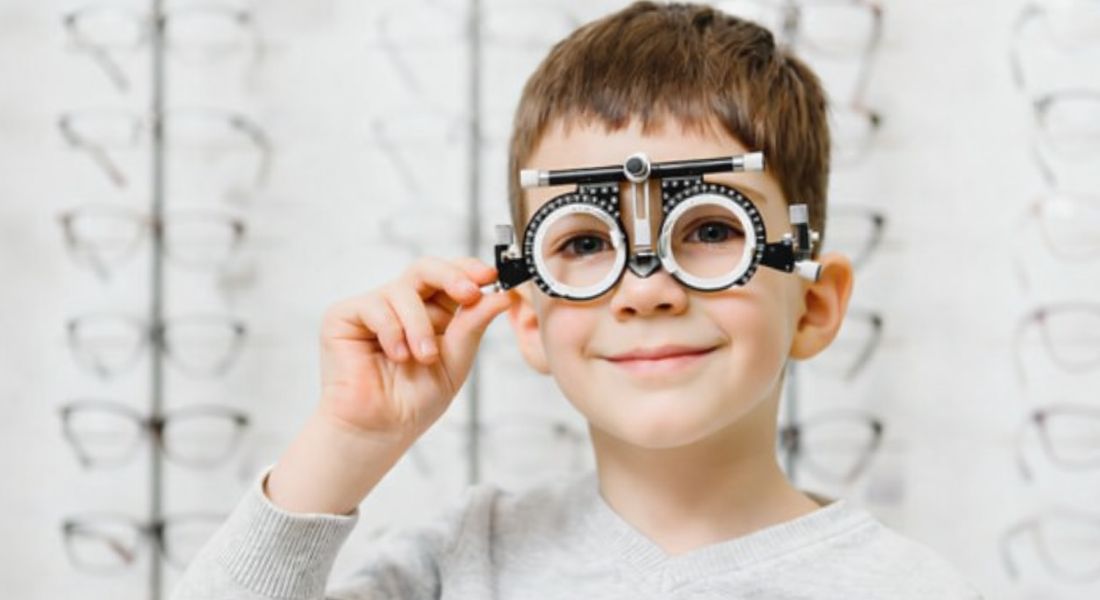
Children seldom report that their vision is unclear. You may not receive direct complaints because blurred sight feels normal to them. Without a comparison point, they assume their visual experience is typical. We understand how easily this can delay recognition.
Refractive errors such as short-sightedness, long-sightedness, and astigmatism are frequently seen in childhood. You may observe subtle academic or behavioural changes before any obvious signs of difficulty. Uncorrected vision can influence confidence and engagement. We assess early indicators carefully.
Small behavioural shifts often appear before clear verbal concerns. You might notice squinting, moving closer to screens, or reduced interest in reading. These patterns can signal developing visual strain. We encourage attention to everyday habits.
Understanding these clues allows earlier intervention. You benefit from timely assessment that restores clarity and comfort. Appropriate correction supports concentration and learning. We prioritise structured evaluation to protect long-term visual development.
Why Children Often Do Not Report Blurred Vision
Children adapt quickly to gradual visual change. You may not hear complaints because blur develops so slowly that it feels normal to them. Instead of recognising reduced clarity, they modify behaviour to cope. We often see subtle adjustments rather than direct expression of difficulty.
A child might move closer to the television or sit at the front of the classroom without explanation. You may notice books held unusually near or frequent squinting during distance tasks. These coping strategies can disguise underlying refractive error. We look for patterns that suggest compensation rather than comfort.
Young children have no clear benchmark for what optimal vision should feel like. You therefore rely more on observation than verbal feedback. Behaviour often reveals more than words. We encourage attentive monitoring to detect early visual change.
Common Refractive Errors in Children
Short-sightedness makes distant objects appear unclear. You may notice difficulty seeing the classroom board or recognising faces across a room. Long-sightedness can interfere with near activities such as reading or homework. Astigmatism may cause images to look distorted or stretched.
Presentation varies according to age and degree of refractive change. You might observe greater difficulty at school where distance tasks are frequent. At home, symptoms can be less obvious if near activities dominate. We consider environmental demands when evaluating concerns.
Regular eye examinations identify these conditions at an early stage. You benefit from timely correction that supports learning and comfort. Early intervention promotes healthy visual development. We emphasise structured screening to prevent avoidable strain.
Squinting or Sitting Too Close
Squinting is often one of the earliest signs that distance vision is blurred. You may notice your child narrowing their eyelids when trying to focus on something far away. This temporary adjustment can sharpen clarity for a moment, but it does not correct the underlying issue.
- Squinting at Distance: Narrowing the eyelids can briefly improve focus. Frequent squinting at the board or television suggests distance blur.
- Sitting Very Close to Screens or Books: Moving closer may compensate for difficulty seeing clearly at a distance. This behaviour is commonly associated with short-sightedness.
- Recognising Consistent Patterns: Occasional closeness can be normal in children. Persistent or repetitive behaviour warrants professional evaluation.
Early assessment helps clarify whether simple refractive error is present. You benefit from identifying visual issues before they affect learning or confidence. Prompt review supports comfortable and stable vision development.
Frequent Headaches
Uncorrected refractive errors frequently create visual strain. You may notice headaches developing after school when sustained focus has been required. Discomfort often appears later in the day as fatigue increases. We consider timing an important diagnostic clue.
Headaches that arise during reading or homework are particularly suggestive of focusing difficulty. You might observe improvement after rest or reduced near activity. Repetitive strain can build gradually across the day. We assess patterns carefully to identify underlying causes.
Appropriate vision correction often reduces these symptoms significantly. You may see fewer complaints once clarity is restored. Tracking when headaches occur provides useful insight. We encourage observation to guide effective management.
Rubbing the Eyes Excessively

Frequent eye rubbing can indicate visual discomfort. You may notice this behaviour during homework or after prolonged focus. Although rubbing can relate to allergies or tiredness, persistent repetition deserves closer attention. We evaluate ocular comfort carefully when it continues.
Blurred vision increases the effort required to maintain focus. You may see signs of strain as the eyes work harder to achieve clarity. This additional effort can lead to irritation or fatigue. We consider focusing demand as a potential cause.
If rubbing occurs alongside squinting or reluctance to read, arranging an eye examination is advisable. You gain reassurance through timely assessment. Early correction reduces unnecessary strain. We prioritise prompt review to support visual comfort.
Difficulty Concentrating at School
Visual difficulties can sometimes resemble attention problems. You may observe apparent distraction or reduced focus when a child cannot see clearly. Difficulty following instructions or copying from the board can stem from distance blur. We assess eyesight before drawing conclusions about concentration.
Behavioural concerns may be incorrectly assumed when the underlying issue is visual. You might interpret reduced engagement as lack of effort. In reality, unclear vision can make tasks frustrating and discouraging. We recognise that sight directly influences classroom participation.
Confirming visual clarity should precede assumptions about learning or behaviour. You protect your child by arranging an eye examination if concerns arise. Early identification prevents unnecessary labelling. We prioritise vision assessment as part of holistic evaluation.
Avoidance of Reading or Close Work
Long-sighted children can experience noticeable strain during near activities. You may see avoidance of reading or hear complaints that close work feels tiring. Books might be held at an unusual distance to achieve clarity. We recognise these adjustments as signs of visual effort.
Reluctance to engage with homework does not always reflect disinterest. You might observe changes in posture or repeated shifting during reading tasks. Subtle discomfort can influence concentration and motivation. We consider visual strain when academic engagement declines.
Timely correction restores comfort and reduces fatigue. You often notice improved focus once near tasks become easier. Clear vision supports both confidence and learning. We encourage early assessment to prevent unnecessary frustration.
Tilting the Head or Covering One Eye
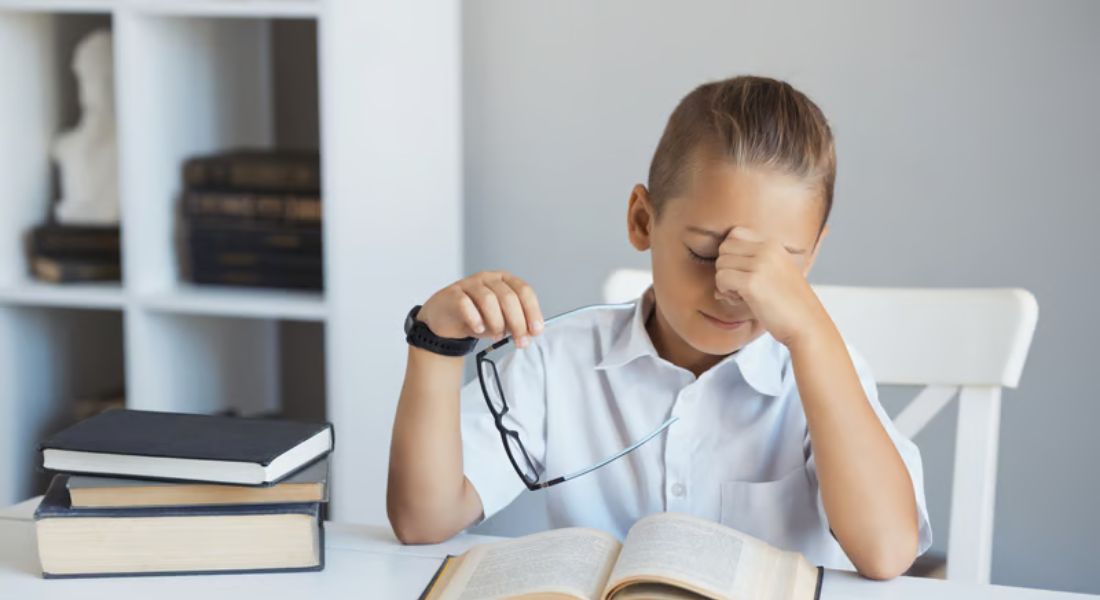
Tilting the head can signal astigmatism or subtle alignment concerns. You may also observe a child covering one eye while reading, which can suggest double vision or difficulty maintaining focus. These behaviours often reflect compensatory strategies. We assess ocular alignment carefully when such signs appear.
The movements may be brief and easily overlooked. You might only notice them during concentrated tasks or moments of fatigue. Subtle patterns can still carry clinical significance. We encourage attentive observation of repeated habits.
Ongoing head tilt or habitual eye covering warrants formal evaluation. You reduce the risk of delayed diagnosis by arranging timely assessment. Early review allows appropriate correction or intervention. We prioritise comprehensive examination to clarify the cause.
Clumsiness or Poor Coordination
Depth perception depends on both eyes working together effectively. You may not immediately associate coordination difficulties with vision. Subtle imbalance between the eyes can influence spatial awareness and everyday movement.
- Role of Balanced Vision: Clear input from both eyes supports accurate depth judgement. If one eye is weaker, coordination and spatial awareness may be affected.
- Behavioural Signs in Children: Younger children may struggle with catching balls or judging distances. Frequent bumping into objects is sometimes mistaken for normal clumsiness.
- When to Seek Assessment: Persistent concerns warrant a structured eye examination. Evaluation helps rule out visual causes behind coordination difficulties.
Early identification of visual imbalance supports timely intervention. You benefit from distinguishing developmental variation from underlying eye issues. Clear assessment provides reassurance or appropriate treatment where needed.
Academic Performance Changes
A sudden drop in school performance can sometimes signal an underlying visual issue. You may notice difficulty seeing the board, which can affect comprehension and accurate note-taking. Distance blur often interferes with classroom engagement. We consider academic change an important indicator.
Children rarely link learning struggles directly to eyesight. You might observe frustration or reduced motivation instead of clear complaints about vision. Emotional response can mask the true cause. We explore visual factors when behavioural shifts appear.
Correcting vision frequently improves both confidence and results. You may see renewed participation once clarity is restored. Early intervention prevents unnecessary academic setbacks. We prioritise timely assessment to support educational progress.
Screen Use and Modern Habits
Extended screen use can conceal underlying refractive problems. You may notice that a short-sighted child manages well with a tablet held close yet struggles with distant viewing. Near comfort does not guarantee clear distance vision. We assess visual performance across multiple tasks.
It is easy to assume eyesight is adequate when reading and device use seem unaffected. You might overlook subtle signs of distance blur in daily life. Classroom challenges may only become apparent later. We encourage broader evaluation beyond close-up activities.
Observing behaviour in varied settings offers greater clarity. You benefit from noting how your child performs during outdoor play, classroom work, and screen time. Patterns across environments reveal hidden difficulty. We consider overall visual function rather than isolated performance.
At What Age Should Vision Be Tested?
Vision screening commonly takes place during early primary school years. You should not wait for scheduled checks if concerns arise sooner. Preschool assessment can identify significant refractive errors at an early stage. We encourage earlier testing when warning signs appear.
A strong family history of visual problems increases the importance of timely evaluation. You may reduce risk by arranging assessment before symptoms become pronounced. Early identification helps prevent amblyopia and other avoidable complications. We consider genetic background when advising on timing.
Ongoing follow-up remains essential as your child grows. You ensure prescriptions remain accurate and visual development stays on track. Regular review allows adjustment in response to change. We support consistent monitoring to maintain clear and comfortable vision.
What Happens During a Paediatric Eye Examination?
Assessment begins with measuring visual acuity using charts designed for your child’s developmental stage. You then undergo refraction testing to determine whether corrective lenses are necessary. Cycloplegic drops may be used to relax focusing muscles for precise measurement. We ensure accuracy while maintaining comfort.
Examination also evaluates eye alignment and general ocular health. You can expect a structured, child-centred approach that minimises anxiety. Each step is explained clearly to create reassurance. We maintain a calm and supportive environment throughout the visit.
Specialist input provides additional expertise in childhood eye conditions. You benefit from consultation with a paediatric ophthalmologist in London who understands visual development. Thorough assessment allows early detection and tailored management. We focus on delivering comprehensive, age-appropriate care.
How Glasses Help
Glasses are designed to improve how light focuses within the eye. You may notice that once vision becomes clear, many day-to-day difficulties ease quickly. Early correction supports both comfort and confidence in children.
- How Glasses Improve Vision: Spectacles adjust the way light reaches the retina. Clearer focus reduces visual strain and enhances concentration.
- Emotional and Academic Benefits: Children often adapt rapidly to wearing glasses. Confidence and school performance may improve once vision is sharp.
- Importance of Ongoing Review: Growing eyes require periodic reassessment. Regular examinations ensure prescriptions remain accurate over time.
When clarity improves, children frequently engage more comfortably with learning and activities. We encourage consistent follow-up to keep vision stable as development continues. Structured monitoring supports both visual health and overall wellbeing.
When to Arrange Specialist Assessment
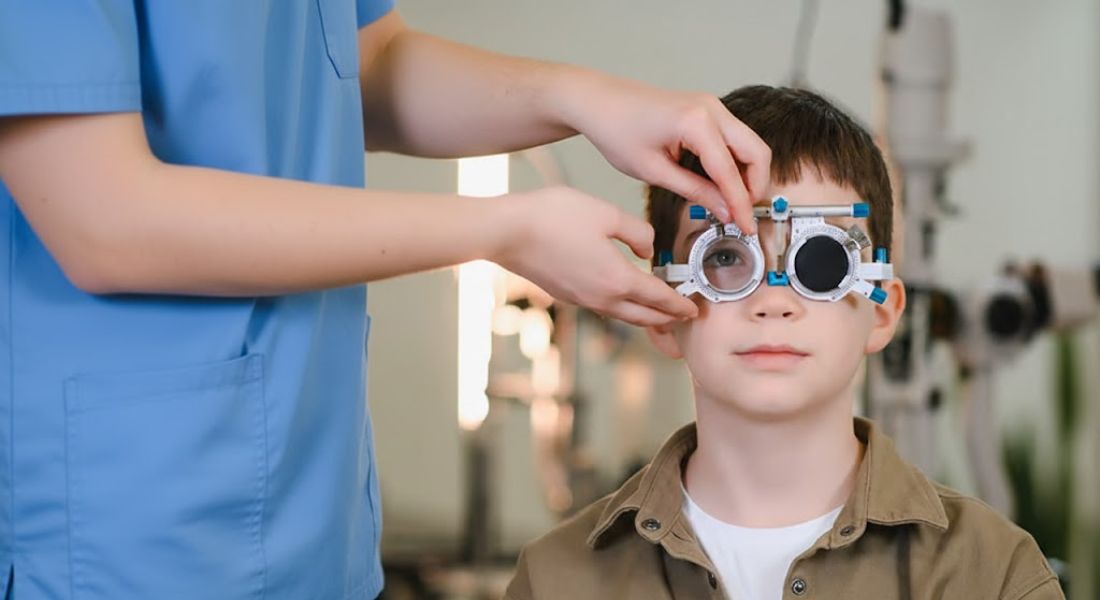
If you observe ongoing squinting, frequent headaches, reluctance to read, or subtle behavioural changes, arrange an eye examination without delay. These signs can indicate underlying visual strain. Early review prevents unnecessary frustration and prolonged discomfort. We encourage prompt action when patterns persist.
Relying solely on verbal complaints may lead to missed diagnosis. You may find that children adapt quietly rather than express difficulty clearly. Behavioural observation often provides stronger clues than spoken concerns. We advise paying attention to subtle daily habits.
Timely evaluation offers clarity and reassurance. You gain confidence through either confirmation of normal findings or appropriate correction. Early intervention reduces academic and emotional impact. We prioritise swift assessment to support long-term wellbeing.
FAQs:
- How can you tell if your child needs glasses?
You may notice subtle behavioural changes before any direct complaints. We often see signs such as squinting, sitting closer to screens, frequent headaches, or reluctance to read, all of which can suggest blurred vision that deserves assessment. - Why do children rarely say their vision is blurry?
You may not hear complaints because blurred vision often develops gradually and feels normal to your child. We find that children adapt by adjusting their behaviour rather than expressing difficulty, which can delay recognition of the problem. - Can headaches be linked to needing glasses?
Yes, they can. You might notice headaches developing after school or during homework, especially after prolonged focus. We frequently find that uncorrected refractive errors create visual strain that improves once appropriate correction is provided. - Is sitting very close to the television always a sign of short-sightedness?
Occasional closeness can be normal, but persistent behaviour may indicate distance blur. We advise arranging an eye examination if you consistently observe your child moving closer to see clearly. - Could difficulty concentrating at school be related to eyesight?
Yes, visual difficulties can sometimes resemble attention problems. You may interpret reduced focus as distraction, but we often discover that blurred vision is affecting classroom engagement and confidence. - Why might your child avoid reading or homework?
Reluctance to engage in near tasks can reflect visual discomfort rather than lack of interest. We consider long-sightedness or focusing strain when you notice repeated avoidance or complaints of tired eyes during close work. - What does tilting the head or covering one eye suggest?
You may observe these behaviours during reading or detailed tasks. We assess for astigmatism or subtle alignment issues when such patterns appear, as they can reflect compensatory strategies to achieve clearer vision. - At what age should you arrange a vision test?
You should not wait for obvious symptoms before seeking assessment. We recommend testing during early school years, or sooner if you observe warning signs or there is a family history of visual problems. - What happens during a paediatric eye examination?
You can expect a structured, child-friendly assessment that measures visual clarity, focusing ability, and eye alignment. We may use drops to ensure accurate prescription measurement and thoroughly examine overall eye health. - How quickly do glasses make a difference?
You may notice improvement in comfort, concentration, and confidence soon after correction is provided. We regularly see positive academic and emotional changes once vision becomes clear and strain is reduced.
Final Thought: Recognising When Your Child May Need Glasses
Children often adapt to blurred vision and may not report difficulties clearly. Subtle behaviours such as squinting, headaches, reading avoidance, or declining school performance can indicate underlying refractive errors. Early recognition prevents unnecessary frustration and supports healthy visual development. Regular monitoring during childhood ensures that vision problems are identified promptly.
The situation is best addressed through structured eye examination and timely correction where needed. If you are looking for a paediatric ophthalmologist in London, feel free to get in touch with us at Eye Clinic London.
References:
- Ziziuchin, V., Horgen, G. & Sundling, V. (2025). Refractive Error and Ocular Pathology of Children Examined in an Ophthalmological Practice in Moldova. Journal of Clinical Medicine,https://www.mdpi.com/2077-0383/14/5/1554
- Monika, M. et al. (2023). Evaluation of the Prevalence of Refractive Defects and Their Distribution in Childhood Eye Health. Journal of Clinical Medicine,.https://www.mdpi.com/2077-0383/12/8/2880
- Bakare, P.N., et al. (2022). Estimation of the Prevalence of Uncorrected Refractive Error Among School Children. International Journal of Ophthalmology (PMC link). https://pmc.ncbi.nlm.nih.gov/articles/PMC9375825/
- Aghai, G., et al. (2016). Behavior Disorders in Children With Significant Refractive Errors. Eye and Vision,https://europepmc.org/article/pmc/pmc5093771
- Al‑Rowaily, M.A. (2010). Prevalence of Refractive Errors Among Pre‑School Children at Health Examination in Saudi Arabia. Saudi Journal of Ophthalmology,https://www.sciencedirect.com/science/article/pii/S1319453410000263