


Childhood Myopia: Why Short-Sightedness Is Increasing
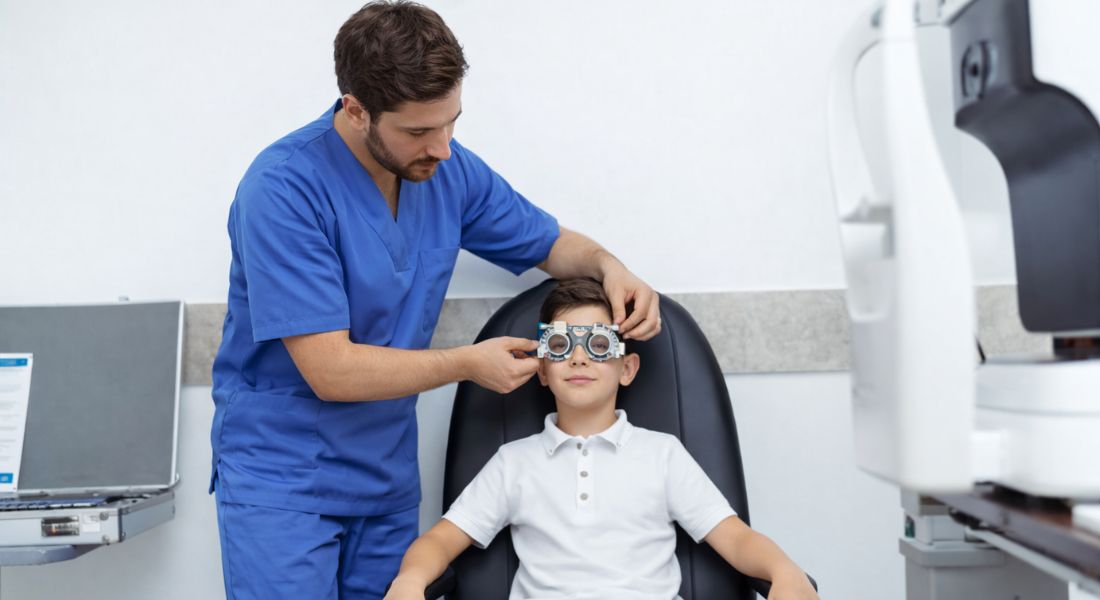
If you have observed more children wearing glasses compared with previous generations, your impression is accurate. Rates of childhood myopia are increasing worldwide. This rise has drawn attention from clinicians and public health specialists alike. We recognise it as a growing global concern.
Myopia develops when the eye elongates excessively from front to back. Light rays then focus in front of the retina rather than directly upon it. You experience blurred distance vision while near tasks remain relatively clear. We explain this structural change to clarify why symptoms occur.
Environmental shifts are believed to play a major role in the rising trend. You may notice increased screen use and reduced outdoor exposure in modern childhood. Extended near work places sustained demand on developing eyes. We consider lifestyle influences central to understanding progression.
Early monitoring supports timely intervention and safer long-term outcomes. You benefit from structured follow-up that tracks prescription change and eye growth. Clear guidance helps prevent avoidable high myopia. We emphasise proactive management to protect visual health.
What Is Childhood Myopia?
Childhood myopia is a refractive condition that commonly emerges between the ages of six and twelve. You may notice difficulty seeing distant objects clearly while near tasks such as reading remain comfortable. Blurred distance vision often becomes apparent during school years. We assess these early signs carefully.
The condition develops as the eyeball gradually elongates. This structural change shifts the focal point of incoming light so that images fall in front of the retina rather than directly on it. Once myopia is established, it does not reverse spontaneously. We focus on managing progression rather than expecting natural correction.
Early identification allows timely prescription of glasses or contact lenses. You improve visual clarity and academic performance through appropriate correction. Ongoing monitoring then becomes essential to track eye growth. We structure follow-up to support long-term visual stability.
Why Is Myopia Increasing Worldwide?
Over recent decades, research has documented a consistent rise in myopia prevalence. You may be aware that in several East Asian regions, rates among teenagers now exceed 80 per cent. Western populations are also reporting marked increases. We recognise this as a significant global public health trend.
Shifts in daily habits are thought to contribute substantially to this change. You live in an era defined by extended near work and limited outdoor activity compared with previous generations. Educational intensity and screen use have transformed visual demands. We consider these environmental pressures central to rising incidence.
The emerging pattern reflects interaction between inherited susceptibility and modern behaviour. You may carry genetic risk that becomes amplified under current lifestyle conditions. Environmental exposure appears to accelerate expression of that predisposition. We address both genetic and behavioural elements when discussing prevention.
The Role of Screen Use

Children now spend unprecedented amounts of time using digital devices. You may notice that tablets, smartphones, and computers encourage prolonged close focus. Understanding how sustained near work influences eye development helps you make informed adjustments.
- Impact of Prolonged Near Focus: Extended close work stimulates structural changes within the eye. Sustained near viewing can influence patterns of eye growth.
- Axial Elongation and Myopia: When focusing at short distances for long periods, the eye adapts. Over time, this adaptation may encourage axial elongation and short-sightedness.
- Protective Visual Habits: Balanced screen use reduces strain and growth stimulus. Regular breaks and looking into the distance help maintain visual flexibility.
You do not need to eliminate technology entirely. Encouraging moderation and structured breaks can make a meaningful difference. Small daily habits support healthier long-term visual development.
Reduced Outdoor Time
Spending time outdoors appears to offer protective benefits against myopia. You are exposed to significantly brighter natural light outside compared with indoor environments. This increased light intensity stimulates retinal dopamine release. We recognise this response as part of healthy visual development.
Dopamine plays a role in regulating axial eye growth. You may see higher rates of myopia in children who spend limited time outdoors. Reduced exposure may lessen this natural protective influence. We consider outdoor activity an important preventive factor.
Encouraging regular daily time outside supports long-term eye health. You can aim for one to two hours of outdoor activity whenever possible. Consistency appears more important than intensity. We promote practical habits that integrate outdoor exposure into routine life.
The Impact of Urban Living
Urban living can restrict access to open outdoor areas. You may find that academic commitments further reduce time spent outside. Increased educational pressure has been linked with higher rates of myopia. We recognise that structured schooling patterns influence visual development.
Extended periods of close-up work such as reading and homework increase cumulative near focus. You may notice that children in cities often combine intense study with limited outdoor activity. Sustained accommodation places greater demand on the developing eye. We consider these patterns when assessing progression risk.
Environmental pressures can amplify underlying genetic predisposition. You benefit from balanced routines that incorporate regular outdoor exposure. Lifestyle adjustment plays a growing role in prevention strategies. We encourage practical modifications to support healthier visual growth.
Genetic Predisposition
If one parent is short-sighted, your child’s likelihood of developing myopia increases. When both parents are myopic, the probability rises further. Inherited traits influence how the eye grows and adapts to visual demands. We consider family history an important risk indicator.
Genetics alone cannot account for the sharp rise seen in recent decades. You should recognise that population gene pools do not shift quickly across generations. The rapid increase suggests additional contributing factors. We examine environmental influences alongside inherited predisposition.
The current trend reflects interaction between genetic susceptibility and modern lifestyle. You may observe greater impact where intense near work combines with limited outdoor exposure. Environmental pressure appears to amplify inherited risk. We address both components when advising on prevention strategies.
At What Age Does Myopia Usually Begin?
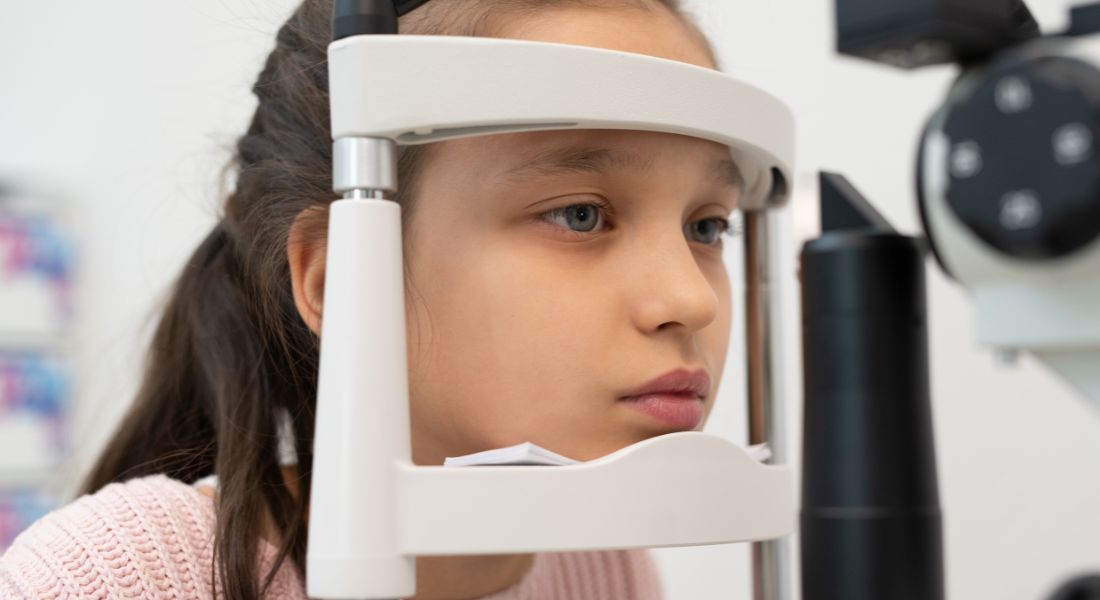
Myopia frequently begins during the primary school years. You may notice early onset before the age of eight, which is often associated with faster progression. Earlier development increases the likelihood of higher prescription levels later. We pay particular attention to children who show early change.
Close monitoring during the early school period is essential. You benefit from routine vision screening that detects subtle shifts promptly. Early identification allows timely intervention where appropriate. We schedule follow-up according to growth and risk profile.
Progression often slows during the later teenage years. You should recognise, however, that significant myopia may already have developed by that stage. Early management influences long-term visual health. We aim to reduce future risk through structured surveillance.
Why High Myopia Matters
High myopia involves more than simply wearing strong spectacles. You may not realise that significant short-sightedness reflects structural elongation of the eye. Understanding these risks highlights why early monitoring and control are so important.
- Structural Impact of High Myopia: Excessive axial elongation alters the shape of the eye. This increases the lifetime risk of retinal detachment, glaucoma, and myopic macular degeneration.
- Prescription and Long-Term Risk: Higher prescriptions are associated with greater future complication risk. Slowing progression during childhood reduces long-term vulnerability.
- Importance of Early Management: Monitoring aims to protect lifelong ocular health, not just improve clarity. Myopia control is preventative rather than cosmetic.
By addressing progression early, you help safeguard future vision. We focus on long-term protection rather than short-term correction alone. Structured monitoring supports healthier outcomes across the lifespan.
Signs Parents Should Watch For
Children often do not verbalise blurred distance vision. You may instead notice squinting, moving closer to screens, or difficulty seeing the classroom board. These subtle behaviours can signal emerging refractive change. We look beyond complaints to identify early signs.
Headaches and eye strain may develop when visual demands increase. You might observe reduced concentration or reluctance to engage in distance-based tasks. Uncorrected vision can influence confidence and academic participation. We assess visual clarity as part of overall learning support.
Routine eye examinations allow early detection before school performance is affected. You benefit from timely correction that restores comfort and focus. Preventative review reduces avoidable strain. We emphasise regular screening to protect both sight and education.
How Myopia Is Diagnosed
Diagnosis begins with careful measurement of visual acuity and refractive status. You may receive cycloplegic drops to temporarily relax the focusing muscles and ensure accurate assessment. This approach prevents hidden over-accommodation from masking true prescription needs. We prioritise precision during initial evaluation.
Axial length measurement is now widely used to monitor myopia progression. You benefit from tracking eye growth over time rather than relying solely on prescription change. Subtle elongation can be detected before noticeable visual decline occurs. We incorporate this data into ongoing review.
Comprehensive assessment supports accurate correction and long-term planning. You gain clarity through structured monitoring at regular intervals. Early detection of change allows timely adjustment. We design follow-up schedules that reflect developmental stages and risk profile.
Managing Myopia Progression
Standard spectacles improve clarity but do not influence the underlying progression of myopia. You may require specialised myopia control lenses designed to slow axial elongation. These optical strategies aim to modify how light focuses on the retina. We assess suitability based on clinical findings.
Low-dose atropine eye drops are sometimes introduced as part of a structured control programme. You must use these under careful supervision to ensure safety and effectiveness. Regular review allows dosage and response to be monitored appropriately. We provide guidance throughout treatment.
Management decisions are shaped by age, rate of change, and family history. You benefit from a personalised approach rather than a uniform plan. Early intervention may offer better long-term stability. We tailor strategies to support the best possible visual outcomes.
The Importance of Regular Monitoring

Progression of refractive change differs from one child to another. You may notice rapid prescription adjustments from year to year in some cases. Others experience a more gradual shift before stabilisation occurs. We recognise that growth patterns influence visual development.
Routine follow-up allows early detection of emerging trends. You benefit from timely adjustment if progression begins to accelerate. Monitoring supports proactive rather than reactive care. We track changes carefully to maintain optimal correction.
Specialist oversight ensures management reflects the needs of developing eyes. You gain reassurance through structured review by a paediatric ophthalmologist in London. Tailored guidance supports both academic performance and long-term ocular health. We prioritise developmentally appropriate care at every stage.
Practical Steps at Home
Supporting healthy visual habits in childhood does not require drastic change. You can introduce simple, consistent routines that protect developing eyes. Small adjustments made early often deliver meaningful long-term benefit.
- Encourage Outdoor Activity: Daily time outdoors supports healthy visual development. Limiting prolonged, uninterrupted near work reduces strain.
- Promote Balanced Screen Use: Schedule regular breaks during reading or device use. Encourage a comfortable working distance from books and screens.
- Optimise the Environment: Ensure appropriate lighting during close tasks. Well-lit spaces reduce unnecessary visual effort.
Simple habits, practised consistently, strengthen overall visual health. You do not need perfection, only balance. Small changes made daily accumulate positively over time.
Emotional and Educational Impact
Wearing glasses can influence how some children feel about their appearance. You can support confidence by normalising spectacles as a tool for clear sight rather than a limitation. Encouragement at home helps build a positive self-image. We emphasise that improved vision supports learning and classroom engagement.
You may feel concerned about the role of screen use in visual strain. Modern life inevitably includes digital devices, and complete avoidance is unrealistic. A balanced approach with sensible limits offers practical reassurance. We focus on moderation rather than blame.
Structured clinical care provides clarity and reduces uncertainty. You gain peace of mind through timely assessment and clear explanation. Early management promotes comfort and visual stability. We aim to support long-term wellbeing through consistent guidance.
FAQs:
- Why is childhood myopia becoming more common?
You are seeing higher rates of myopia largely because children today spend more time indoors and engage in prolonged near tasks. We recognise that extended screen use, academic pressures, and reduced outdoor exposure are key environmental factors contributing to this global increase. - At what age does myopia usually begin?
You will most commonly notice myopia developing between the ages of six and twelve. We pay particular attention to early onset, as children who become short-sighted at a younger age are more likely to experience faster progression over time. - Does screen time directly cause short-sightedness?
Screen time alone does not automatically cause myopia, but sustained near focus can influence how the eye grows. We advise encouraging regular breaks and balanced digital habits to reduce continuous visual strain and limit prolonged close viewing. - How does outdoor time help protect vision?
When you spend time outdoors, exposure to brighter natural light supports healthy regulation of eye growth. We understand that consistent outdoor activity may help delay the onset of myopia and slow its progression in children. - If one or both parents are short-sighted, is myopia inevitable?
You may have an increased likelihood of developing myopia if it runs in your family, particularly when both parents are short-sighted. We consider genetics an important risk factor, but lifestyle habits still play a significant role in determining progression. - Why is high myopia a concern later in life?
High myopia reflects significant elongation of the eye, which increases lifetime risk of retinal detachment, glaucoma, and other complications. We focus on slowing progression during childhood because reducing final prescription levels can lower these long-term risks. - How is childhood myopia diagnosed accurately?
You undergo structured vision testing to measure clarity and refractive status. We may use cycloplegic eye drops to relax focusing muscles and measure axial length to monitor eye growth, ensuring accurate diagnosis and careful progression tracking. - Do standard glasses stop myopia from worsening?
Standard glasses improve clarity and comfort but do not directly slow progression. We may recommend specialised myopia control lenses or other management strategies if ongoing eye growth suggests active progression. - How often should you arrange eye examinations?
You benefit from regular monitoring throughout the school years, especially if myopia has already developed. We tailor review intervals based on age, prescription changes, and overall risk profile to ensure timely intervention if needed. - What practical steps can you take at home to help manage risk?
You can encourage daily outdoor time, structured screen breaks, and comfortable viewing distances during reading or device use. We promote small, consistent lifestyle adjustments that support healthier visual development over time.
Final Thought: Childhood Myopia
Childhood myopia is increasing due to a combination of genetic susceptibility and environmental factors such as increased screen use and reduced outdoor time. Early onset and rapid progression raise the risk of high myopia and future eye complications. Understanding these influences allows proactive management rather than passive observation. Regular monitoring during school years is essential to detect and address changes promptly.
The situation is best addressed through balanced lifestyle adjustments, structured follow-up, and specialist oversight when progression is identified.If you are looking for a paediatric ophthalmologist in London, feel free to get in touch with us at Eye Clinic London.
Reference:
- Dutheil, F., Oueslati, T., Delamarre, L., Castanon, J. and Maurin, C., 2023. Myopia and Near Work: A Systematic Review and Meta‑Analysis. International Journal of Environmental Research and Public Health,.https://pmc.ncbi.nlm.nih.gov/articles/PMC9820324/
- Martínez‑Albert, N., 2023. Risk Factors for Myopia: A Review. International Journal of Ophthalmology (PMC),https://pmc.ncbi.nlm.nih.gov/articles/PMC10532298/
- Surico, P.L., 2024. Myopia in Children: Epidemiology, Genetics, and Emerging Trends. Children,.https://www.mdpi.com/2227-9067/11/12/1446
- French, A.N., Ashby, R.S., Morgan, I.G. and Rose, K.A., 2013. Time outdoors and the prevention of myopia. Ophthalmology,https://www.sciencedirect.com/science/article/abs/pii/S0014483513001061
- Iyer, V., 2025. Myopia and screen time in children: epidemic proportions. European Journal of Public Health, https://academic.oup.com/eurpub/article/35/5/809/8287458