


Excessive Blinking in Children: Causes and When to Seek Help (Guide)
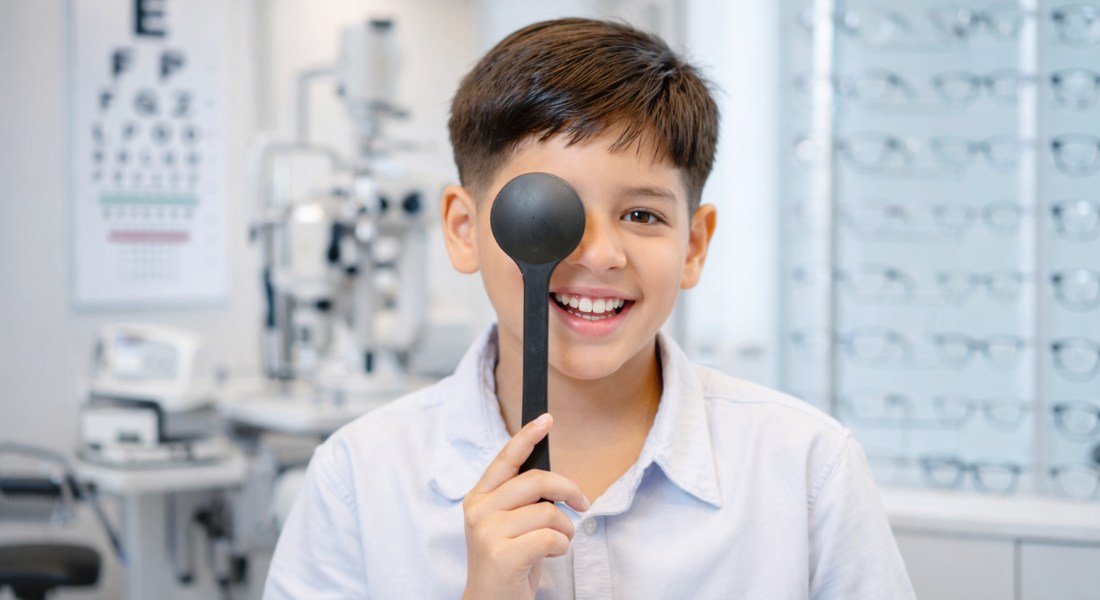
If you have observed your child blinking much more frequently than usual, it is natural to feel concerned. Blinking normally protects the eye, yet noticeable repetition can appear alarming. Many parents fear an underlying problem when the movement seems exaggerated. We reassure you that this pattern is common and often short-lived.
Frequent blinking is frequently linked to mild surface irritation or the development of a habit. You may also find that dryness, allergies, or uncorrected vision contribute to the behaviour. In some instances, a simple motor tic may be responsible. We assess carefully to distinguish between these possibilities.
Identifying whether blinking is harmless or requires further evaluation is essential. You can look for associated symptoms such as redness, discomfort, or visual strain. Observing timing and triggers often provides valuable clues. We guide you in recognising features that merit closer attention.
Clear understanding reduces unnecessary anxiety and supports appropriate action. You benefit from knowing when reassurance is sufficient and when specialist review is advisable. Early assessment offers clarity and peace of mind. We provide structured evaluation to ensure your child’s eye health remains protected.
Why Do Children Blink in the First Place?
Blinking serves as a protective reflex for the ocular surface. You rely on each blink to distribute tears evenly across the cornea, remove debris, and maintain moisture. Children tend to blink slightly less frequently than adults, yet the function remains identical. We recognise this reflex as essential for surface health.
If dryness or irritation develops, blink rate increases automatically. You may observe more frequent eyelid movement as the eye attempts to restore comfort. This response occurs without conscious control. We understand that it reflects a natural compensatory mechanism.
Recognising blinking as protective helps reduce unnecessary worry. You can view the behaviour as a response to temporary surface disturbance in many cases. Most situations do not indicate serious disease. We approach the concern with reassurance and measured evaluation.
How Much Blinking Is Normal?
Children typically blink around 10 to 15 times per minute. You may notice variation depending on concentration levels and surroundings. Focused tasks, especially screen viewing, often reduce blink rate temporarily. We take environmental context into account during assessment.
Excessive blinking can appear as quick repetitive closures or forceful squeezing of the eyelids. You might observe that it occurs in short bursts rather than continuously. Fatigue can make the behaviour more noticeable. We evaluate frequency and intensity to understand the pattern.
Tracking when blinking occurs helps determine whether it is constant or situation-specific. You gain useful insight by noting time of day and activity. Patterns often reveal whether triggers are environmental or behavioural. We use this information to guide appropriate reassurance or intervention.
Dry Eye as a Trigger
Dry eye is often associated with adults, but children can experience it as well. You may not immediately connect blinking with surface irritation. Modern habits such as prolonged screen use can contribute significantly.
- Screen Time and Reduced Blinking: Concentrating on screens lowers natural blink rate. Reduced blinking can lead to surface dryness and reactive blinking.
- Environmental Contributors: Air conditioning and central heating may worsen dryness. You may notice eye rubbing or complaints of discomfort.
- Simple Management Strategies: Artificial tears can relieve mild surface irritation. Regular breaks from screens help restore natural blinking patterns.
Addressing dryness early often improves symptoms quickly. We encourage balanced screen habits alongside simple lubrication where needed. Prompt attention supports comfort and protects the ocular surface.
Allergies and Eye Irritation
Allergic conjunctivitis commonly produces itching and surface irritation. You may notice increased blinking as a response to persistent discomfort. Redness and excessive tearing often appear alongside the irritation. We consider allergy as a frequent contributor in children.
Seasonal variation can provide helpful diagnostic clues. You might observe worsening symptoms during high pollen periods or after contact with pet dander. Repeated eye rubbing can intensify inflammation and prolong symptoms. We assess environmental triggers as part of evaluation.
Effective allergy management often reduces blinking frequency. You benefit from minimising exposure to known irritants where possible. Antihistamine eye drops may be recommended when symptoms persist. We tailor treatment to relieve discomfort and restore stability.
Screen Strain and Digital Eye Fatigue

Children now spend significant portions of their day using digital devices. You may notice that sustained screen focus reduces natural blink rate. When attention shifts away from the screen, compensatory blinking can follow. We recognise this pattern as a response to ocular strain.
Extended screen use may also lead to headaches or visual fatigue. You might observe that blinking becomes more noticeable later in the day. Dryness and tired eyes can intensify with prolonged concentration. We assess digital habits as part of routine evaluation.
Applying the 20-20-20 rule promotes ocular comfort. You encourage breaks by asking the child to look at something 20 feet away for 20 seconds every 20 minutes. Regular pauses help maintain tear stability and reduce strain. We advocate simple adjustments to support healthy viewing habits.
Habitual Blinking
Blinking can sometimes evolve into a learned habit. You may notice it began after minor irritation yet continued even once the original trigger settled. Children are often unaware that they are repeating the movement. We understand that this pattern can develop without conscious control.
Habitual blinking is generally benign and not linked to underlying disease. You may observe that it varies in frequency and reduces over time. Many cases resolve naturally without specific treatment. We provide reassurance when examination findings are normal.
Excessive focus on the behaviour can unintentionally reinforce it. You support improvement by responding calmly rather than repeatedly highlighting the action. Gentle redirection is often more effective than correction. We encourage a balanced approach to prevent unnecessary attention.
Tics and Involuntary Movements
Blinking in children is not always linked to an eye problem. You may find that repetitive blinking is simply a motor tic, which is common and often temporary in childhood. Understanding this possibility can ease unnecessary concern.
- Blinking Tic: A simple motor tic involves brief, repetitive movements such as blinking. Tics may become more noticeable during stress or fatigue.
- Natural Course of Tics: Many simple blinking tics resolve gradually over time. The movement may change form or shift to another minor repetitive action.
- When Further Assessment Is Needed: Evaluation is advisable if blinking is accompanied by vocal sounds. Multiple repetitive movements occurring together may justify specialist review.
Most isolated blinking tics improve without intervention. We encourage observation rather than alarm in straightforward cases. Structured assessment is recommended only when patterns suggest something more complex.
Refractive Errors
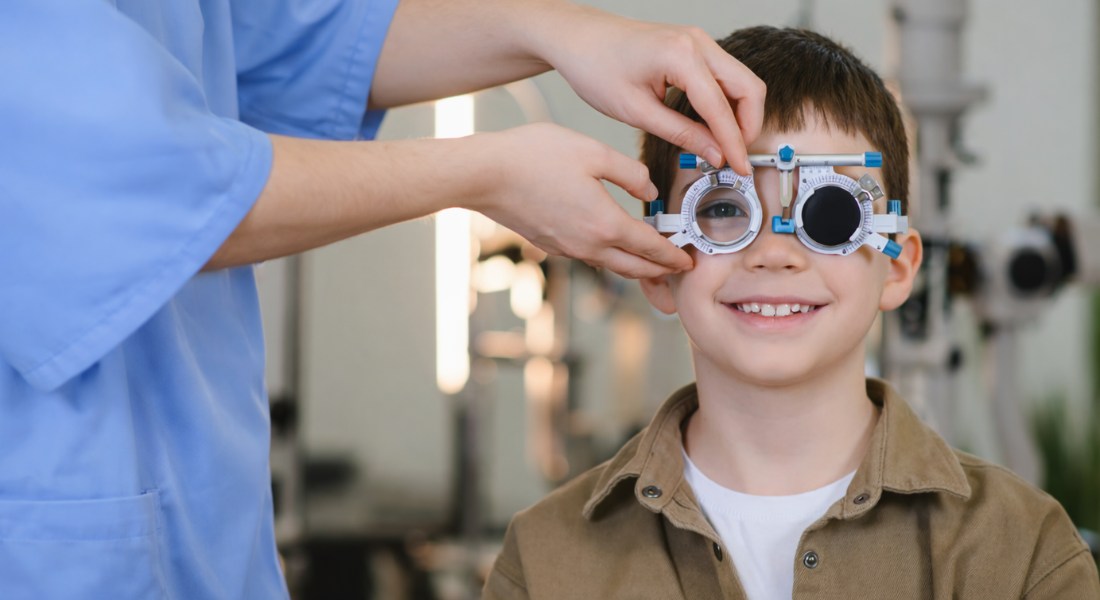
Uncorrected visual difficulties can lead to increased blinking. You may notice this behaviour if a child struggles to maintain clear focus. Squinting or sitting unusually close to screens can accompany the pattern. We consider visual clarity as a potential contributing factor.
Short-sightedness, long-sightedness, and astigmatism are common refractive concerns in childhood. You may see signs of eye strain when these issues remain unaddressed. Blinking can become more frequent as the eyes attempt to refocus. We evaluate refractive status carefully during assessment.
A comprehensive eye examination determines whether corrective lenses are required. You often observe improvement once visual demands are properly supported. Clear vision reduces unnecessary strain. We recommend timely review to ensure appropriate correction.
Stress and Emotional Factors
Emotional strain can lead to an increase in blinking frequency. You may notice this pattern during periods of routine change, academic pressure, or social adjustment. Psychological tension can influence motor habits in subtle ways. We recognise that external stressors often play a contributory role.
Blinking linked to stress typically occurs intermittently rather than continuously. You may observe improvement when circumstances feel calmer or more predictable. Symptoms often fluctuate with mood and environment. We consider behavioural context during assessment.
Addressing emotional wellbeing can help reduce frequency over time. You benefit from supportive conversation that explores potential triggers. Open communication encourages reassurance and practical coping strategies. We promote holistic care that considers both physical and psychological factors.
When Is It a Sign of a More Serious Problem?
Persistent blinking accompanied by pain, marked light sensitivity, or changes in vision requires urgent assessment. You may be experiencing corneal abrasion, inflammation, or infection that needs prompt treatment. Delay can increase the risk of complications. We prioritise immediate evaluation in these situations.
Unilateral blinking with redness should not be ignored. You may have localised irritation or early inflammatory disease affecting one eye. Sudden onset combined with neurological symptoms also demands careful review. We investigate thoroughly to exclude serious causes.
Although the majority of cases remain harmless, awareness of warning features is essential. You protect your safety by responding quickly to concerning signs. Early recognition supports timely intervention. We remain vigilant to ensure appropriate care.
How Doctors Assess Excessive Blinking
Assessment starts with a thorough clinical history. You discuss when symptoms began, how often they occur, and any recent changes or associated concerns. Careful observation of blinking behaviour during consultation provides valuable insight. We gather detailed information before drawing conclusions.
Examination focuses on the ocular surface, tear film stability, and eye alignment. You undergo vision testing to exclude refractive error or strain. Structural review ensures that irritation or dryness is not overlooked. We combine functional and anatomical assessment for accuracy.
If no abnormal findings are identified, reassurance may be all that is required. You benefit from understanding that many cases are benign and self-limiting. A planned review can be arranged to monitor progress if necessary. We maintain follow-up to ensure ongoing stability.
Distinguishing Habit from Eye Disease
Blinking in children can have behavioural or medical causes, and the difference is not always obvious at first. You may notice frequent blinking even when your child seems otherwise comfortable. Careful observation and structured assessment help identify the most likely pattern and avoid unnecessary treatment.
- Habitual Versus Irritation-Driven Blinking: Habitual blinking may continue even when attention shifts, without redness or discomfort. Blinking linked to eye irritation is more often accompanied by surface signs and discomfort.
- Ability to Suppress the Blinking: If your child can briefly suppress blinking when prompted, a simple motor tic is more likely. Irritation-related blinking usually persists despite effort and is less responsive to distraction.
- Why Accurate Differentiation Matters: Distinguishing behavioural habits from eye disease prevents unnecessary treatment. Professional evaluation provides reassurance when appropriate and targeted care when needed.
A structured consultation allows us to assess surface health, visual needs, and behavioural cues together. You benefit from a clear explanation of what is driving the blinking. This approach supports confident next steps and reduces ongoing uncertainty.
When to Seek Specialist Advice
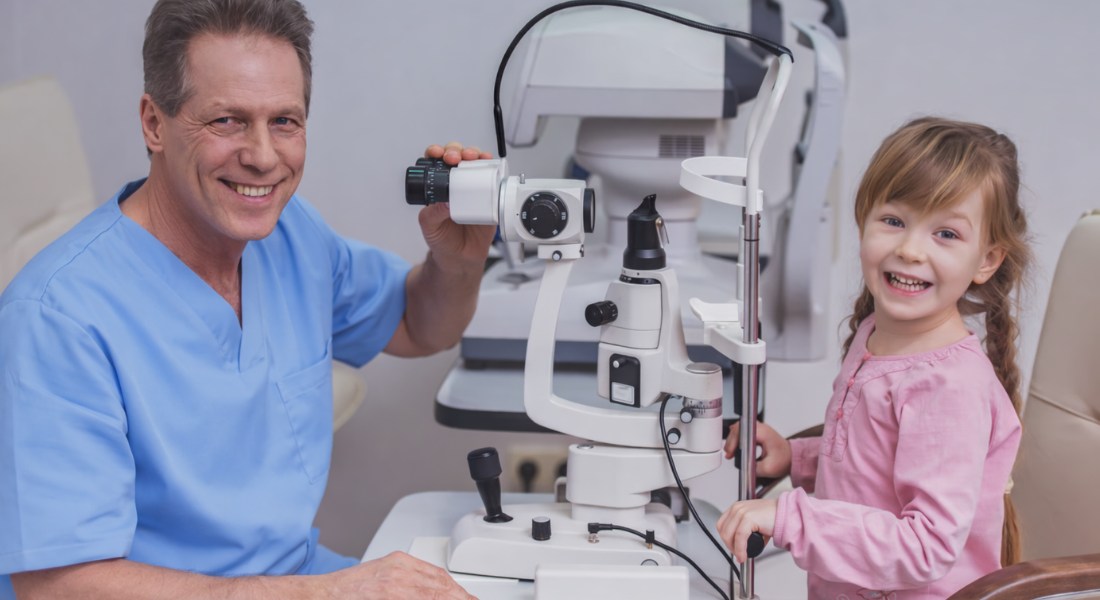
Persistent blinking in children can create understandable concern, particularly when no clear trigger is evident. You may question whether the pattern is simply behavioural or related to an ocular issue. Early clinical assessment brings clarity and reassurance. We prioritise timely review to reduce uncertainty.
Blinking that continues for several weeks without improvement should not be overlooked. You should also seek evaluation if headaches, eye discomfort, or visual complaints accompany the behaviour. Ongoing symptoms deserve structured examination. We assess thoroughly to identify or exclude underlying causes.
Specialist paediatric assessment provides focused, child-centred evaluation. You gain confidence when guidance is clear and next steps are well explained. Prompt review helps differentiate harmless habits from genuine visual concerns. We aim to protect both your child’s comfort and long-term eye health.
Treatment Approaches
Treatment is guided by the specific cause of your symptoms. You may find relief from lubricating drops if dryness is contributing to discomfort. Targeted allergy therapy can ease irritation and reduce itching. We select interventions based on accurate assessment.
Corrective lenses may be prescribed if refractive error is identified. You can experience improvement in visual strain once prescription needs are addressed. In cases of habitual tics, reassurance is often more appropriate than medical treatment. We avoid unnecessary intervention where simple explanation suffices.
Management plans are tailored to your individual presentation. You benefit from a measured approach that avoids overtreatment. Most situations improve with straightforward, supportive care. We focus on practical solutions that restore comfort efficiently.
FAQs:
- How do you know if your child’s blinking is normal or excessive?
You may notice that blinking becomes more frequent, forceful, or repetitive than usual. We consider blinking excessive when it happens in bursts, seems exaggerated, or continues for several weeks without improvement. - Can screen time really cause your child to blink more?
Yes, it can. When you focus on screens, natural blink rate drops, which can lead to dryness and compensatory blinking. We often see improvement when you reduce screen time and encourage regular visual breaks. - Should you worry if there is no redness or discomfort?
If there is no redness, pain, or visual complaint, the cause is often harmless. We frequently find that habitual blinking or a simple motor tic is responsible in these cases. - Can allergies make your child blink excessively?
Yes, allergies are a common trigger. You may notice itching, watering, or redness alongside the blinking. We assess environmental factors such as pollen or pet exposure to guide appropriate treatment. - Could uncorrected vision problems cause frequent blinking?
Yes, refractive errors like short-sightedness or astigmatism can lead to blinking due to visual strain. We carry out a full vision assessment to determine whether corrective lenses are needed. - What is a blinking tic, and should you be concerned?
A blinking tic is a brief, repetitive movement that often increases with stress or fatigue. You may notice it fluctuates in frequency. We reassure you that most simple tics are temporary and resolve naturally. - When should you seek urgent medical advice?
You should seek prompt assessment if blinking is accompanied by pain, light sensitivity, vision changes, or marked redness. We prioritise urgent evaluation when warning signs are present. - Can stress increase blinking in children?
Yes, emotional tension can influence motor habits. You may notice blinking increases during periods of routine change or academic pressure. We consider emotional wellbeing as part of holistic assessment. - How do we assess excessive blinking?
We begin with a detailed history and observation of the blinking pattern. You undergo vision testing and surface examination to identify dryness, irritation, or refractive error. We combine behavioural and clinical findings before advising treatment. - Will excessive blinking usually resolve on its own?
In most cases, yes. You often see improvement once dryness, allergies, or strain are addressed. We provide reassurance when examination findings are normal and arrange follow-up only if necessary.
Final Thought: Excessive Blinking in Children
Excessive blinking in children is usually linked to minor issues such as dryness, allergies, refractive error, or temporary habits. While it can look alarming, most cases are benign and resolve with simple adjustments or reassurance. Recognising associated symptoms helps distinguish harmless patterns from conditions requiring treatment. Calm observation and structured evaluation provide clarity.
The situation is addressed through careful history-taking, vision assessment, and targeted management. If you are looking for a paediatric ophthalmologist in London, feel free to get in touch with us at Eye Clinic London.
References:
- Coats, D.K., Paysse, E.A. & Kim, D.S., 2001. Excessive blinking in childhood: a prospective evaluation of 99 children. Ophthalmology, https://pubmed.ncbi.nlm.nih.gov/11535449/
- Ueda, K. & Black, K.J., 2021. A comprehensive review of tic disorders in children. Journal of Clinical Medicine,https://www.mdpi.com/2077-0383/10/11/2479
- Tang, Y. et al., 2025. Clinical characteristics of tic disorders in children and adolescents with the chief complaint of abnormal blinking. Frontiers in Psychiatry.https://pmc.ncbi.nlm.nih.gov/articles/PMC12188937/
- Coats, D.K., Paysse, E.A. & Kim, D.S., 2001. Excessive blinking in childhood: a prospective evaluation of 99 children. Ophthalmologywww.sciencedirect.com/science/article/abs/pii/S0161642001006443
- Mali, Y.P., Simon, J.W., Chaudhri, I., Zobal‑Ratner, J. & Barry, G.P., 2016. Episodic excessive blinking in children. Journal of Pediatric Ophthalmology and Strabismus, https://pubmed.ncbi.nlm.nih.gov/26835998/