


LASIK Enhancement Surgery: When Is a Second Procedure Needed? (Guide)

Most people achieve excellent, stable vision after LASIK and never need further treatment. However, a small number may notice mild residual blur or changes in vision months or even years later. When this happens, you may hear your surgeon mention a LASIK “enhancement”. This can sound worrying at first, but it is usually straightforward.
A LASIK enhancement is a second laser procedure carried out to fine-tune your vision. It does not mean the original surgery failed, but rather that a small adjustment is needed in selected cases. Vision can change due to natural healing responses or age-related shifts. Enhancements are designed to address these subtle changes safely.
In this guide, you will learn when LASIK enhancements are considered and how long surgeons usually wait before recommending one. We also explain what you can realistically expect from the procedure and recovery. Having clear information helps you feel confident rather than anxious. Most importantly, you will understand how common enhancements really are.
What Is a LASIK Enhancement?
A LASIK enhancement is a second laser procedure carried out after your initial surgery. Its aim is to correct small amounts of remaining refractive error, such as mild short-sightedness, long-sightedness, or astigmatism. These adjustments are usually subtle rather than dramatic.
In most cases, your original treatment achieves vision very close to the planned outcome. An enhancement simply fine-tunes the result if a slight prescription remains. This can happen because healing responses vary from person to person.
It is also important to understand that minor vision changes can occur as your eyes stabilise. An enhancement addresses this natural variation rather than a surgical error. It forms part of comprehensive, long-term refractive care.
How Common Are LASIK Enhancements?

LASIK enhancement rates are relatively low with modern laser technology. Most clinical studies show that only a small percentage of patients need additional treatment. Improvements in laser accuracy and tracking systems have significantly reduced this likelihood. For the vast majority of people, one procedure is sufficient.
Your original prescription plays a role in the chance of needing refinement. Higher levels of short-sightedness, long-sightedness, or astigmatism can carry a slightly increased risk. Even so, most patients in these categories still achieve stable vision without a second procedure. Enhancements remain the exception rather than the rule.
Careful pre-surgery screening and personalised treatment planning have greatly improved predictability. Surgeons can now tailor corrections more precisely to your eyes. As a result, enhancements are far less common than they were in earlier decades. Today’s LASIK outcomes are highly accurate and reliable.
Why Might Vision Change After LASIK?
Small vision changes can occur as your eyes heal after LASIK. The cornea may stabilise slightly differently than predicted, even when surgery is performed perfectly. Healing responses vary from person to person. These changes are usually mild.
In some cases, a small degree of regression may develop. This means a minor portion of your original prescription gradually returns. When it happens, it is typically subtle rather than dramatic. Many people remain satisfied with their vision despite this change.
Natural age-related shifts can also affect vision over time. Presbyopia, for example, develops as part of normal ageing and is not related to LASIK quality. Identifying the true cause of vision change helps determine whether an enhancement is appropriate.
When Do Surgeons Consider an Enhancement?
Surgeons usually consider an enhancement when residual refractive error begins to affect your daily activities. If you notice reduced distance clarity or difficulty with tasks such as night driving, an assessment may be appropriate. Minor blur on testing alone does not automatically mean retreatment is needed. Your symptoms and visual demands are important factors.
Vision stability is the most critical requirement before any enhancement is offered. Your prescription must remain consistent over time, as fluctuating measurements cannot be safely corrected. Surgeons typically monitor your eyes until healing has fully settled.
A thorough assessment is carried out before making any recommendation. Your surgeon will review visual acuity, refraction, and overall corneal health. An enhancement is only advised when it is safe and likely to provide a meaningful improvement.
How Long Do Surgeons Typically Wait?
After laser eye surgery, it’s natural to focus on how your vision is settling and whether an enhancement might be needed. Most surgeons prefer to give your eyes enough time to heal and stabilise before making any further decisions. This waiting period helps ensure any additional treatment is both safe and accurate.
- Three to six months is the usual minimum wait: In most cases, surgeons wait at least three to six months before considering an enhancement. This allows your cornea to heal fully and your prescription to stabilise, reducing the risk of unpredictable results.
- Some people need a longer settling period: Healing speed varies from person to person. If your vision is still changing, your surgeon may recommend waiting a little longer to achieve the most precise outcome.
- Natural improvement can remove the need for enhancement: Mild blurring or visual fluctuations often improve on their own as healing continues. Careful monitoring helps avoid unnecessary or premature treatment.
Waiting can feel frustrating, but it plays an important role in protecting your final result. Giving your eyes time allows small issues to settle naturally. Regular follow-up appointments ensure any changes are tracked carefully. In many cases, patience leads to the best possible outcome without further intervention.
Can the Original LASIK Flap Be Reused?
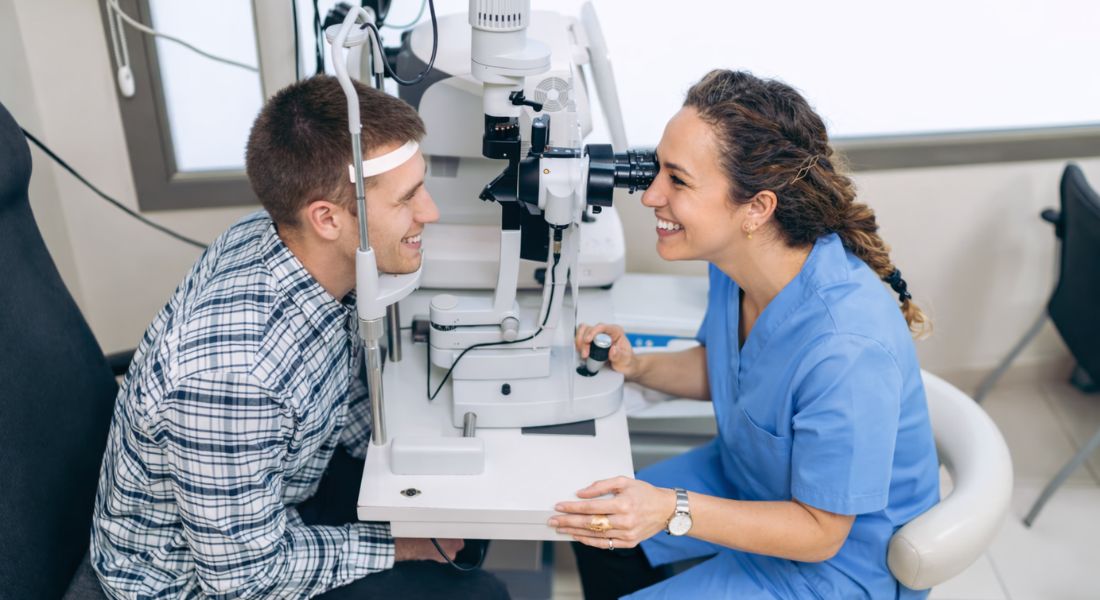
In many cases, your original corneal flap can be safely lifted again for an enhancement. This allows the surgeon to apply further laser treatment beneath the flap without creating a new one. Flap relifting is usually straightforward, particularly within the first few years after your original surgery. Recovery is often similar to your initial LASIK experience.
If a long period has passed since your first procedure, a surface-based treatment may be recommended instead. This approach avoids lifting the original flap and can be safer in certain situations. The choice depends on factors such as corneal thickness and overall eye health. Both options are well established in modern refractive care.
Whichever method is used, safety remains the priority. Your surgeon will carefully assess your eyes before recommending an approach. Personalised planning ensures the technique chosen is appropriate for you. The goal is always to achieve the best possible visual outcome with minimal risk.
Is Enhancement More Risky Than Primary LASIK?
LASIK enhancements generally carry similar risks to the original procedure. When performed with careful planning and modern technology, the overall risk remains low. Proper screening is essential to ensure the eye can safely undergo further treatment. In suitable candidates, outcomes are usually very predictable.
Because some corneal tissue has already been removed, thickness must be reassessed before an enhancement. Your surgeon will confirm that enough healthy tissue remains to maintain corneal strength. This means not everyone is eligible for a second procedure. Safety always takes priority over convenience.
Complications are uncommon when enhancements are offered appropriately. Most patients experience a smooth recovery with gradual visual improvement. Thorough pre-operative assessment helps minimise risk. Your surgeon will only proceed if the potential benefits clearly outweigh any concerns.
What If Corneal Thickness Is Insufficient?
If your remaining corneal thickness is too low, an enhancement may not be recommended. Removing additional tissue could weaken the cornea and affect long-term stability. In these situations, safety always takes priority over visual refinement. Your surgeon will not proceed if there is any increased risk.
Alternative options can be discussed if enhancement is not suitable. You may achieve excellent vision with glasses, contact lenses, or other refractive solutions. A clear and honest conversation helps you understand what is realistically achievable. The goal is functional vision rather than unnecessary intervention.
Not everyone is a candidate for retreatment, even if mild blur is present. Precise measurements and detailed imaging determine eligibility. Protecting your long-term eye health remains the most important consideration.
Does Enhancement Hurt More Than the First Procedure?
Most people find a LASIK enhancement feels very similar to their original procedure. It is usually quick and painless, with local anaesthetic drops used to keep you comfortable. You may feel some pressure, but sharp pain is uncommon. Anxiety often turns out to be worse than the procedure itself.
Recovery after an enhancement is often faster than after primary LASIK. Your cornea has already healed from the initial surgery, which can aid visual stabilisation. Mild irritation or dryness may occur for a short time. These symptoms typically settle quickly with prescribed drops.
Vision often begins to improve within a few days. Follow-up appointments are important to monitor healing and confirm stability. Most patients describe the overall experience as smooth and predictable. Reassurance and clear guidance are provided throughout recovery.
What Results Can You Realistically Expect?
A LASIK enhancement aims to bring your vision closer to the original treatment target. Most patients notice clearer, sharper vision after refinement. Improvements are usually meaningful and noticeable in daily life. However, absolute perfection cannot be guaranteed.
In some cases, a very small amount of refractive error may still remain. This does not mean the enhancement has failed. The goal is improved visual function rather than flawless optics under all conditions. Setting realistic expectations is essential.
Open discussion with your surgeon before proceeding helps avoid disappointment. You will be guided through what improvement is achievable for your eyes. Transparency about benefits and limitations builds trust. This approach leads to higher satisfaction with the final outcome.
Does Age Affect Enhancement Eligibility?
Age can influence both your visual needs and expectations after LASIK. Younger patients often prioritise sharp distance vision, while older patients may notice changes related to near focus. These differences can affect whether an enhancement is appropriate. Your lifestyle and visual demands are taken into account.
It is important to understand that an enhancement does not prevent age-related reading difficulty. Presbyopia develops naturally over time and is not caused by LASIK. Blurred near vision in later years is often unrelated to your original correction. Distinguishing ageing changes from true regression is essential.
A detailed assessment helps identify the real cause of any blur you experience. Not all vision changes benefit from further laser treatment. Accurate diagnosis ensures you receive the most appropriate advice. This approach avoids unnecessary procedures and supports long-term visual comfort.
How Often Is Enhancement Needed Years Later?
Needing an enhancement many years after LASIK is uncommon, but it can happen. True surgical regression is rare with modern laser techniques. Age-related refractive changes are far more common than changes caused by the original procedure. Most long-term vision shifts are therefore unrelated to LASIK itself.
If you notice a significant change in your vision, a clinical assessment helps identify the cause. In some cases, glasses may be the simplest and most appropriate solution. Not every change in vision benefits from further laser treatment. Careful evaluation prevents unnecessary intervention.
Long-term eye care plays an important role in maintaining good vision. Regular eye examinations allow early detection of age-related or medical changes. Ongoing follow-up supports both clarity and overall eye health.
What Happens During the Assessment Process?
Before any enhancement is considered, you undergo comprehensive eye testing. This includes refraction, corneal topography, and precise measurements of corneal thickness. Your vision must be shown to be stable, often across more than one visit. These checks ensure treatment would be safe and effective.
Your surgeon will also review your healing history from the original procedure. Any risk factors are carefully assessed before making a recommendation. Decisions are made cautiously, with safety as the priority. An enhancement is only advised if the potential benefit is clear.
You are given time to ask questions and discuss any concerns. Understanding the possible benefits and risks helps you make an informed decision. Clear, open communication builds confidence throughout the process. This approach ensures you feel supported at every stage.
Dry Eye and Enhancement Decisions

Persistent dry eye can significantly affect how clear your vision feels after LASIK. If dryness is the main cause of blur, treating the ocular surface may improve vision without the need for enhancement. Tear film stability is essential for accurate measurements and good optical quality. This is why dry eye is carefully assessed.
An enhancement is not recommended if dry eye is active or poorly controlled. Performing laser treatment on an unstable ocular surface can reduce accuracy and satisfaction. Optimising surface health first helps achieve better and safer outcomes. Treating the underlying cause is always the priority.
Once dryness is well managed and symptoms have stabilised, your eyes can be reassessed. Improved surface health often leads to clearer vision on its own. If enhancement is still being considered, measurements will be more reliable. Proper preparation plays a key role in both safety and success.
Emotional Reassurance About Enhancements
Needing an enhancement does not mean your original LASIK surgery failed. Every eye heals slightly differently, and small variations are part of normal biology. An enhancement is simply a refinement offered when appropriate. It reflects personalised care rather than a problem.
Modern LASIK is highly precise, but it cannot eliminate all individual healing differences. In a small number of cases, minor adjustments help achieve the best possible result. Enhancements are uncommon and carefully selected. When needed, they are usually straightforward and effective.
Clear explanation and open discussion help reduce anxiety around the idea of retreatment. Most patients remain very satisfied with their overall LASIK outcome. Refinement, when required, often restores confidence in vision. Reassurance and support are part of the care process.
Are Enhancements Covered by Initial Treatment Plans?
Before you proceed with laser eye surgery, it’s sensible to understand how enhancements are handled financially. Some clinics include enhancement procedures within the initial treatment fee, but this usually applies only for a defined period. Knowing the policy in advance helps you avoid surprises later.
- Enhancement cover varies between clinics: Some providers include enhancements if they are needed within a certain timeframe, while others may charge separately. The exact terms depend on the clinic and the type of treatment plan you choose.
- Eligibility is usually time-limited and criteria-based: Enhancements are often covered only if specific clinical criteria are met. Your vision needs to have stabilised, and the enhancement must be deemed medically appropriate.
- Clear financial discussions prevent confusion
Asking about enhancement policies before surgery gives you a complete picture of potential future costs. Transparency at this stage helps you feel more confident in your decision.
Understanding the plan removes unnecessary uncertainty. When you know what is and isn’t included, you can focus on your recovery rather than costs. This clarity helps you approach surgery with confidence. Being well prepared supports peace of mind throughout your treatment journey.
Long-Term Safety After Enhancement
When you are carefully selected, LASIK enhancement is considered safe in the long term. Corneal stability remains strong as long as thickness and structural criteria are met. This is why detailed measurements are taken before any decision is made. Ongoing monitoring helps confirm continued safety.
Follow-up appointments play an important role after enhancement. They allow your surgeon to track healing and ensure your vision is stabilising as expected. Most patients recover quickly and return to normal activities without difficulty. Visual clarity typically settles within a few weeks.
Long-term complications are rare in suitable candidates. Careful planning and conservative decision-making significantly reduce risk. Safety remains the central focus at every stage. This approach supports both lasting vision and long-term eye health.
Frequently Asked Questions:
- How do you know if you actually need a LASIK enhancement?
You may consider an enhancement if your vision remains blurred after healing or interferes with daily activities such as driving or reading signs. Your surgeon will only recommend it once your prescription has stabilised and tests show that further laser correction is safe and likely to improve clarity. - Is needing an enhancement a sign that LASIK did not work for you?
Needing an enhancement does not mean the original surgery failed. LASIK outcomes are influenced by individual healing responses, and a small amount of variation is normal. An enhancement simply fine-tunes vision when the eye heals slightly differently than predicted. - Can your vision improve on its own without an enhancement?
Yes, mild blur often improves naturally during the first few months after LASIK as the cornea settles. This is why surgeons wait before recommending retreatment. In many cases, patience alone resolves the issue without further intervention. - Will an enhancement correct age-related vision changes like presbyopia?
An enhancement does not prevent or reverse presbyopia. If your difficulty is mainly with near vision due to ageing, laser retreatment may not be appropriate. Your surgeon will determine whether the blur is due to regression or natural age-related change. - Is recovery after enhancement different from the first LASIK procedure?
Recovery after enhancement is usually similar or slightly faster than the original surgery. Most people notice clearer vision within a few days. Mild irritation can occur, but discomfort is typically short-lived. - Can you have more than one enhancement if needed?
Multiple enhancements are uncommon and only considered if corneal thickness and eye health allow it. Each case is assessed very carefully. Long-term safety always takes priority over additional correction. - What happens if you are not suitable for an enhancement?
If your cornea is too thin or other factors increase risk, enhancement may not be advised. In these cases, glasses or contact lenses may provide the safest and most effective solution. Your surgeon will explain all suitable alternatives clearly. - Does dry eye affect the accuracy of enhancement results?
Yes, dry eye can temporarily blur vision and affect measurements. Treating dryness first often improves clarity without surgery. Enhancement is only considered once the eye surface is stable. - How long do enhancement results usually last?
When performed for true residual refractive error, enhancement results are generally long lasting. However, natural ageing of the eyes can still cause changes over time. Regular eye checks remain important even after retreatment. - Will an enhancement guarantee perfect vision?
An enhancement aims to improve clarity, but it cannot guarantee absolute perfection. Small residual refractive errors may still remain. Understanding this beforehand helps you approach the procedure with realistic expectations and confidence.
Final Thought: Looking Ahead After LASIK Enhancement
LASIK enhancement surgery is uncommon, but it plays an important role in achieving the best possible visual outcome for a small number of patients. If your vision changes after surgery, this does not mean anything has gone wrong. In most cases, it reflects normal biological variation, healing differences, or natural age-related changes rather than a problem with the original procedure.
The key is careful assessment, patience, and realistic expectations. Enhancements are only recommended when your vision has fully stabilised and when further treatment is safe and genuinely beneficial. With modern screening and laser technology, outcomes are highly predictable, and long-term safety remains excellent when proper criteria are met. If you’d like to find out whether lasik surgery in London is suitable for you, feel free to contact us at Eye Clinic London to arrange a consultation.
References:
- Moshirfar, M., Basharat, N., Bundogji, N., Ungricht, E.L., Darquea, I.M., Conley, M.E., Ronquillo, Y.C. and Hoopes, P.C. (2022) ‘Laser-Assisted In Situ Keratomileusis (LASIK) Enhancement for Residual Refractive Error after Primary LASIK’, Journal of Clinical Medicine, 11(16), p.4832. https://www.mdpi.com/2077-0383/11/16/4832
- Zhang, J., et al. (2022) ‘Laser In Situ Keratomileusis (LASIK) Combined with Prophylactic Corneal Cross-Linking for Correction of Myopia: Regional Analysis of Corneal Morphology’, Ophthalmology and Therapy, 11(3), pp. 1–13. https://www.mdpi.com/2075-4426/15/7/301
- Susanna, B.N., Mohan, N., Santhiago, M.R. and Randleman, J.B. (2025) ‘Laser in Situ Keratomileusis Outcomes and Complications: 2016 to 2023’, Journal of Refractive Surgery, 41(4), e391–e403. https://pubmed.ncbi.nlm.nih.gov/40197080/
- Almutairi, M.N., Alshehri, A.M., Alhoumaily, A.Y., Alnahdi, O., Taha, M.A.T. and Gangadharan, S. (2025) ‘Meta-analysis: clinical outcomes of laser-assisted in situ keratomileusis (LASIK) and photorefractive keratectomy (PRK) in hyperopia’, BMC Ophthalmology, 25, 140 systematic comparison of LASIK vs PRK outcomes. https://pubmed.ncbi.nlm.nih.gov/40102791/
- Moshirfar, M., et al. (2022) ‘Laser-Assisted In Situ Keratomileusis (LASIK) Enhancement for Residual Refractive Error after Primary LASIK’, Journal of Clinical Medicine, 11(16), p.4832. https://pmc.ncbi.nlm.nih.gov/articles/PMC9410252/