


LASIK Night Vision: Are Halos and Glare Still a Risk? (Explained)

If you are thinking about LASIK, night vision is often a top concern. You may have heard about halos, glare, or starbursts around lights after surgery. These side effects were more common with older laser technology, but modern LASIK techniques have improved significantly. Knowing what to expect can help ease your worries.
It is normal to be concerned about how your eyes will perform in low-light conditions. Clear night vision is important for driving, recognising traffic signals, and seeing contrasts safely. Understanding how today’s LASIK differs from older methods gives you confidence in your decision. Your eyesight and safety are the priorities.
In this article, we explain what causes halos and glare, how often they occur with modern LASIK, and which patients may be more at risk. We also cover which effects are usually temporary and which, if any, may last longer. Having clear, accurate information helps you make an informed choice without unnecessary fear.
What Are Halos, Glare and Starbursts?
Halos are seen as rings of light surrounding bright sources, like headlights or streetlamps. Glare is an increased sensitivity to bright lights, especially in dark environments. Starbursts appear as lines radiating outward from a light source, creating a scattered effect.
These effects are usually more noticeable at night because your pupils dilate in low light. When your pupils widen, more peripheral light enters the eye, making any irregularities more apparent. This is why night driving can feel trickier after LASIK, at least temporarily.
It’s important to remember that some glare is normal, even without surgery. The difference after LASIK is usually in the intensity and frequency of these effects. For most people, these issues lessen as the eyes heal over a few weeks to months.
Why Older LASIK Was Associated With Night Vision Problems
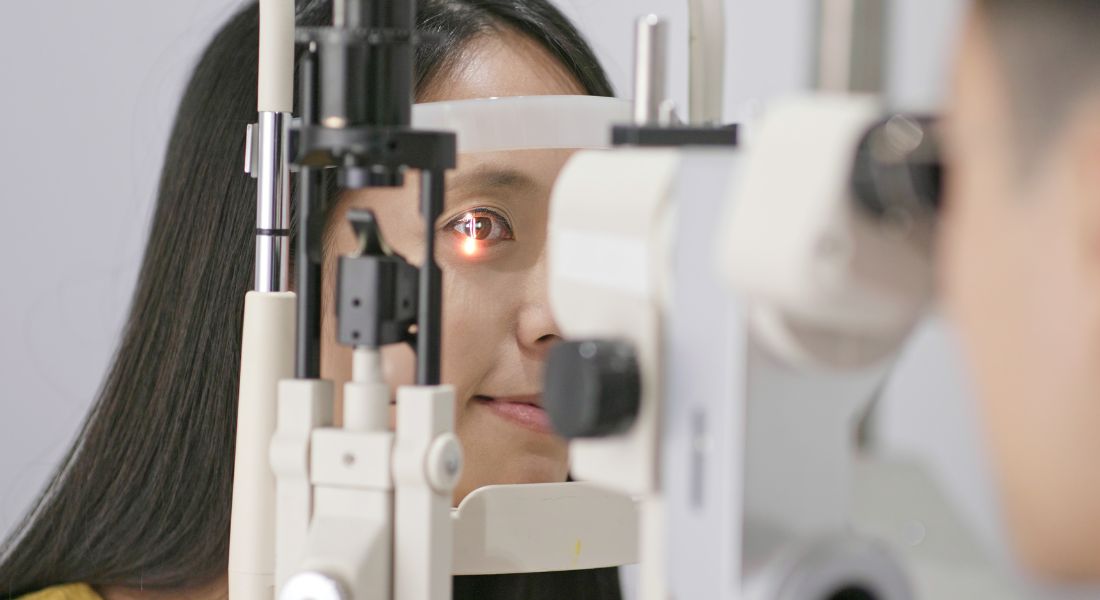
Earlier LASIK procedures used laser technology that was less precise than today’s methods. The treatment zones were sometimes smaller than the pupil in low light, which increased the chances of seeing halos and glare.
Wavefront analysis, which maps subtle optical imperfections, was not commonly used in the past. Without this, some irregularities went uncorrected, leaving patients with persistent night vision disturbances. These issues caused concern for many who relied on clear vision after dark.
Fortunately, technology has advanced considerably. Modern LASIK uses larger treatment zones and customised ablation patterns, which reduce the risk of night vision problems. Overall, results are now much more reliable and predictable.
How Modern LASIK Has Improved
Modern LASIK has advanced significantly, offering much greater precision and personalised treatment than older techniques. Wavefront-guided or wavefront-optimised systems create a detailed map of your eye’s unique optical profile. This allows the surgeon to correct even subtle imperfections that older lasers could not address, leading to more accurate visual outcomes.
Larger optical zones now accommodate dilated pupils more effectively, reducing the mismatch between the treatment area and your night-time pupil size. This improvement means that halos, glare, and starbursts are far less common than they were with earlier LASIK procedures. Most patients experience clearer night vision, and temporary disturbances typically resolve quickly during the healing process.
Advanced eye-tracking systems also contribute to these improvements by constantly monitoring and adjusting for small eye movements during treatment. Combined with customised ablation patterns, this precision minimises the risk of visual side effects. Overall, modern LASIK provides safer, more predictable results, giving you sharper vision in both bright and low-light conditions.
How Common Are Halos Today?
If you’re considering or have recently had eye surgery, you might notice temporary halos around lights, especially at night. These are relatively common in the first few weeks after surgery and are usually part of the normal healing process.
- Temporary halos are common early on: Many patients notice glowing rings or glare around lights soon after surgery. These symptoms usually improve as your eyes recover and adjust.
- Persistent halos are rare with modern techniques: Long-term night vision issues now affect only a small minority of patients thanks to advanced surgical methods and precise screening.
- Patient satisfaction is generally high: Most people report excellent night vision once recovery is complete. Technological improvements have dramatically lowered complication rates compared with previous decades.
With modern procedures, long-term halos are uncommon. Most patients find their night vision is very good after recovery. Understanding what to expect early on helps reduce anxiety. By following post-operative advice, you give your eyes the best chance to heal comfortably and safely.
Why Night Vision Symptoms Often Improve Over Time
After LASIK, your cornea needs time to stabilise fully. Mild swelling and microscopic changes during the healing process can temporarily affect how light passes through the eye, which explains early halos, glare, or starbursts.
As healing progresses, the cornea becomes smoother and light scatter decreases. At the same time, your brain undergoes neural adaptation, adjusting to subtle changes in vision. These processes work together to improve night-time clarity and comfort.
For most people, night vision symptoms gradually resolve within three to six months. Persistent issues beyond this period are rare, but regular follow-up appointments help ensure your eyes are healing correctly and allow early intervention if needed.
The Role of Pupil Size

Your pupil size plays an important role in night vision after LASIK. In low-light conditions, large pupils allow more peripheral light to enter the eye, which can reveal optical irregularities outside the treated zone. This is why measuring your pupils is a standard part of the LASIK screening process.
Modern LASIK uses larger treatment zones, which better accommodate dilated pupils and significantly reduce the risk of night-time symptoms. However, patients with extremely large pupils may still need extra caution and personalised planning.
A thorough preoperative assessment helps identify those at higher risk. Not everyone with large pupils experiences halos, glare, or starbursts, but careful evaluation ensures your treatment is as safe and effective as possible.
Higher Prescriptions and Risk
If you have a very high prescription, your risk of night vision disturbances may be slightly higher. Correcting strong refractive errors requires more corneal tissue to be reshaped, which can affect how light passes through the eye and increase the chance of halos or glare.
Modern LASIK uses customised treatments that minimise this risk, taking into account your unique eye shape and corneal thickness. Not everyone with a high prescription experiences night-time symptoms, and outcomes vary from person to person.
Your surgeon will carefully assess your suitability for LASIK. Risk is never determined by prescription alone, and thorough preoperative screening ensures you receive clear guidance and safe, predictable results.
Corneal Thickness and Healing
If you’re considering LASIK, your corneal thickness is a key factor in ensuring a safe and effective procedure. Thinner corneas may limit how much reshaping is possible, which can influence your visual outcome. Understanding this helps you set realistic expectations and plan for recovery.
- Adequate corneal thickness is essential: Your surgeon needs enough corneal tissue to safely reshape your eye. Insufficient thickness may require alternative treatments or modified techniques.
- Healing responses vary between individuals: Some corneas stabilise quickly after surgery, while others take longer. This can temporarily affect night-time clarity or visual sharpness during the recovery period.
- Follow-up ensures safe recovery: Monitoring your healing during follow-up appointments helps your surgeon identify any issues early and track stabilisation. Most patients see predictable improvement once their corneas have fully healed.
Proper candidate selection and close monitoring reduce the risk of complications. Healing patterns are individual, but most patients achieve stable, clear vision over time. Being aware of these factors helps you feel prepared and informed. By following your surgeon’s guidance, you give your eyes the best chance for a safe and successful outcome.
Dry Eye and Night Vision
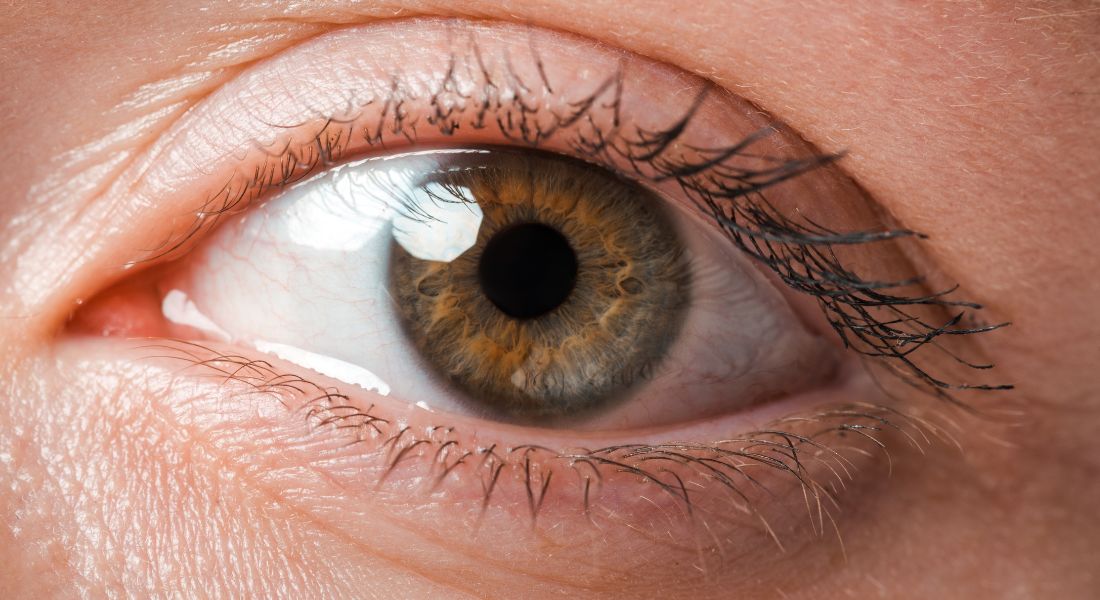
Dry eye is a common issue after LASIK, particularly during the first few weeks of recovery. When your tear film is unstable, light can scatter more easily, which may make glare, halos, or starbursts more noticeable at night.
Managing dryness is key to improving night vision. Regular use of lubricating eye drops can provide significant relief, and as the corneal nerves regenerate, symptoms usually improve naturally.
If dry eye persists, it can contribute to ongoing night-time glare or visual disturbances. Early intervention and maintaining a stable tear film help protect your vision and support clearer, more comfortable night-time sight.
The Impact of Wavefront Technology
Wavefront-guided LASIK has transformed how surgeons address night vision problems. This advanced technology specifically corrects higher-order aberrations subtle imperfections in the eye that often cause halos, glare, or starbursts. By targeting these distortions directly, the procedure can significantly improve night-time vision and reduce the visual disturbances many patients worry about.
In addition, customised ablation patterns allow the corneal surface to be reshaped with remarkable precision. A smoother cornea means less light scatter, sharper vision, and better contrast in low-light conditions. Many patients notice that their night-time glare or halos are minimal or even absent compared with older LASIK techniques.
Wavefront technology represents one of the biggest advancements in modern LASIK. It is a major reason why night vision complications are now far less common, offering patients safer, more reliable, and more predictable visual outcomes. With these improvements, you can have greater confidence in both day and night vision after surgery.
Contrast Sensitivity After LASIK
Contrast sensitivity is your ability to detect subtle differences between light and dark. It’s an important part of how clearly you see, especially in low-light conditions. While older LASIK techniques sometimes reduced contrast slightly, modern procedures generally preserve or even improve this aspect of vision.
- Improved night vision: Better contrast helps you see more clearly when driving at night. You’re more likely to notice headlights, road signs, and obstacles with sharper detail.
- Visual quality extends beyond daytime clarity: LASIK today aims to maintain overall visual function, so your ability to detect subtle differences in shading is preserved across different lighting conditions.
- Monitoring ensures stable function: Testing contrast sensitivity can be part of your post-operative assessment. Regular follow-up helps confirm that your vision remains stable and high-quality.
Modern LASIK outcomes are very reassuring when it comes to contrast sensitivity. Most patients notice sharper, more comfortable vision both day and night. Understanding this helps you appreciate improvements beyond standard visual acuity. By following post-op guidance, you support the best possible recovery and long-term visual quality.
Who May Be at Higher Risk?
Certain patients may be at higher risk of night vision issues after LASIK. Those with very large pupils, high prescriptions, or pre-existing dry eye are often monitored more closely. Irregular corneas are also carefully evaluated to ensure the best possible outcome.
It’s important to remember that not everyone in these categories experiences problems. Risk is assessed on an individual basis, and thorough screening helps determine whether LASIK is suitable for you.
If your risk appears elevated, your surgeon may suggest alternative procedures or customised approaches. Prioritising safety ensures the best results, and clear communication allows you to make an informed, confident decision about your vision.
Alternatives if Risk Is High
If LASIK is not the best option for you, there are alternative treatments to consider. Surface-based procedures like PRK can offer a different risk profile, and implantable lenses may be suitable for certain prescriptions or corneal conditions.
Your surgeon will discuss these options openly, focusing on achieving clear vision while keeping your safety the priority. Customised approaches help ensure the best possible outcomes for your individual eyes.
Not every patient is suited to LASIK, and personalised evaluation is essential to prevent complications. Expert guidance and careful planning give you confidence in choosing the procedure that works best for you.
Night Driving After LASIK
If you enjoy driving at night, you’ll be pleased to know that most patients return to comfortable night driving once healing is complete. In the first few weeks, you might notice temporary glare or halos, which usually settle as your eyes adjust. Being aware of what to expect helps you feel confident and safe behind the wheel.
- Early adjustment period is normal: During the initial recovery phase, night lights may appear slightly brighter or have subtle glare. This typically improves within days to weeks as your eyes heal.
- Follow safety precautions: Avoid driving at night until your vision feels stable and your surgeon has confirmed that you are ready. Patience during recovery is key to maintaining safety.
- Modern LASIK focuses on visual quality: Long-term night vision outcomes are usually excellent. Modern techniques aim to preserve both clarity and contrast, giving you confidence in a variety of lighting conditions.
Once your eyes have fully healed, night driving should feel natural and comfortable. Temporary visual effects are usually minor and short-lived. By attending follow-ups and following post-op guidance, you support both safety and optimal vision. Modern LASIK gives you the best chance of enjoying stable, high-quality night vision for years to come.
Managing Expectations Before Surgery
Managing your expectations before LASIK is key to a smooth experience. Knowing that mild, temporary halos or glare are common during the early healing phase can help prevent unnecessary worry. Recovery takes time, and your vision gradually stabilises over weeks to months.
Be open about any concerns during your consultation. Preoperative screening identifies potential risk factors, and honest communication with your surgeon builds trust and ensures personalised care.
Patients who understand what to expect generally feel more confident and satisfied with their results. Being informed makes the recovery process smoother and helps you navigate any temporary visual changes with reassurance.
Long-Term Visual Quality
If you’re thinking about LASIK, it’s natural to wonder how your vision will hold up over the years. Modern LASIK generally delivers excellent long-term night vision, and persistent severe glare is uncommon. Most patients notice an improvement in overall visual quality, making everyday activities like reading and driving more comfortable.
- Night vision outcomes are usually strong: Long-term studies show that most patients maintain clear, sharp vision in low-light conditions years after surgery. Severe or persistent glare is rare with modern techniques.
- Ageing still affects vision: Natural changes in the eye, such as cataract development, can influence night vision over time. LASIK does not speed up these age-related changes, but they are something to keep in mind.
- Regular eye examinations remain essential: Continued monitoring allows your eye care professional to detect any changes early and provide timely treatment. This helps protect your long-term vision.
Modern LASIK outcomes are reassuring, with most patients enjoying stable, high-quality vision for years. Ageing may alter night vision, but surgery itself does not accelerate this. By keeping up with regular eye exams, you maintain the best possible visual health. With careful follow-up and realistic expectations, you can enjoy lasting clarity and comfort in your daily life.
Can Enhancements Improve Night Symptoms?
If you experience minor glare or halos due to residual refractive error, an enhancement procedure may help improve your night vision. Your surgeon will carefully evaluate your eyes to determine whether an enhancement is appropriate, but these are not always necessary.
In many cases, neural adaptation allows your brain to adjust naturally to subtle visual changes. Patience is important, as full healing and stabilisation of your vision can take several months before any further treatment is considered.
Your surgeon will provide guidance based on your individual situation. Not all night vision symptoms require intervention, and ongoing monitoring ensures that any decisions about enhancements are safe and effective.
The Importance of Surgeon Experience
Your surgeon’s experience plays a crucial role in achieving the best LASIK outcomes. Skilled surgeons use proper screening and refined techniques to reduce risks and improve precision, especially when it comes to night vision.
Even with advanced technology, expert judgement is essential. Your surgeon must interpret individual factors correctly and plan treatment carefully to protect against visual disturbances like halos or glare.
Selecting a reputable clinic with experienced staff is equally important. Expertise minimises complications, ensures high-quality care, and gives you greater confidence in both the procedure and your results.
Reassurance About Modern Outcomes
Night vision complications after LASIK are much less common today than in the past. Advances in laser technology, thorough preoperative screening, and customised treatments have dramatically improved outcomes. Severe long-term issues are now rare.
Some patients may experience temporary halos or glare as part of the normal healing process. These usually resolve within a few months, and persistent problems are uncommon.
Much of the worry around night vision comes from outdated information about older LASIK techniques. Modern procedures are safer, more precise, and supported by strong evidence showing high patient satisfaction. You can feel reassured knowing that most people achieve clear, comfortable vision both day and night.
FAQs:
- Will you experience halos or glare after LASIK?
You might notice halos, glare, or starbursts around lights after LASIK, especially during the first few weeks. These effects are usually temporary and improve as your cornea heals and your brain adjusts. With modern LASIK, the chance of long-term night vision problems is very low. - Why are halos and glare more noticeable at night?
Halos and glare are more visible at night because your pupils enlarge in dim light, letting in more peripheral light. This can make bright lights, like headlights or streetlamps, appear surrounded by rings or streaks. - Does your prescription affect night vision after LASIK?
If you have a very high prescription, you may have a slightly higher chance of temporary night vision issues because more reshaping is needed. Modern customised LASIK minimises this risk, and not everyone with a strong prescription will notice halos or glare. Your surgeon will assess your eyes individually. - How long do night vision symptoms last?
Most mild halos or glare fade within three to six months as your cornea stabilises and your brain adapts. If any symptoms persist after this time, your surgeon can check whether a minor enhancement is appropriate, though long-term problems are uncommon. - Can LASIK affect your contrast sensitivity?
Modern LASIK usually maintains or even improves contrast sensitivity. This helps you detect subtle differences between light and dark, which is especially useful for night driving. Older LASIK sometimes reduced contrast, but today’s procedures are far more precise. - Are large pupils a problem for night vision after LASIK?
Very large pupils can increase the chance of temporary halos or glare because they may extend beyond the treated area. Your surgeon will measure your pupils and use modern lasers with larger treatment zones to reduce this risk. - Can dry eyes affect your night vision?
Yes, dry eyes after LASIK can make glare worse because tear film instability scatters light. Using lubricating drops and following aftercare guidance helps, and most dryness improves as corneal nerves heal. - When can you drive at night after LASIK?
Wait until your vision feels stable. In the first few weeks, halos or glare may make night driving challenging. Once your eyes have healed and vision is comfortable, night driving is safe. - What if you still have night vision problems?
Persistent glare or halos can be assessed by your surgeon to see if a small enhancement would help. Often, your brain adapts naturally, and many patients don’t require further treatment. Professional evaluation ensures the right approach. - How can you lower your risk of night vision issues?
Attending a thorough pre-operative assessment reduces risk. Your surgeon will check your pupil size, prescription, corneal thickness, and dry eye status. This allows treatment to be customised to your eyes and helps set realistic expectations for your night vision.
Final Thought: Night Vision After LASIK
You can feel reassured that night vision complications after LASIK are far less common than in the past. Temporary halos, glare, or starbursts may appear during the first few weeks, but these usually improve as your eyes heal and your brain adapts. Modern LASIK technology, careful screening, and personalised treatments mean most patients enjoy excellent long-term night vision.
If you’re considering your options, understanding your risk factors such as pupil size, prescription strength, and dry eye history can help you make a confident decision. Clear communication with your surgeon ensures that any concerns are addressed before and after surgery.
If you’d like to find out whether lasik surgery in London is suitable for you, feel free to contact us at Eye Clinic London to arrange a consultation. This allows you to discuss personalised treatment, understand expected outcomes, and take the next step toward clear, comfortable vision.
References:
- Thompson, V.L., Phillips, J.M., Stulting, R.D. and Musch, D.C. (2003) Patient satisfaction and visual symptoms after laser in situ keratomileusis, Journal of Cataract and Refractive Surgery, 29(5), pp.892–900. https://pubmed.ncbi.nlm.nih.gov/12867394/
- Schanzlin, D.J., Srivannaboon, S., Sinha‑Roy, A. and Koch, D.D. (2001) Glare and halo phenomena after laser in situ keratomileusis, Journal of Refractive Surgery, 17(5), pp.502–509. https://pubmed.ncbi.nlm.nih.gov/12663004/
- Ang, M., Mehta, J.S., Chan, C.C.Y. and Schrier, A.C. (2017) Quality of vision after myopic refractive surgeries: SMILE, FS‑LASIK, and ICL, Journal of Ophthalmology, 2017, Article 3090654. https://pmc.ncbi.nlm.nih.gov/articles/PMC10294434/
- Alio, J.L., Plaza‑Puche, A.B., Islam, T., et al. (2018) Visual outcomes and management after corneal refractive surgery: a review, Journal of Ophthalmology, 2018, Article 2601938. https://pmc.ncbi.nlm.nih.gov/articles/PMC5904824/
- American Academy of Ophthalmology Refractive Surgery Panel (2008) Wavefront‑guided LASIK for the correction of primary myopia and astigmatism: a report by the American Academy of Ophthalmology, Ophthalmology Clinics of North America, 21(3), pp.263–280. https://www.sciencedirect.com/science/article/pii/S0161642008003552