


Glaucoma and Cataracts: Can They Be Treated Together?

If you are living with glaucoma, developing cataracts later in life is not uncommon. Both conditions increase in frequency with age, and you may eventually need to consider treatment for each. This overlap can create uncertainty about timing and priorities. We aim to clarify how these conditions relate to one another.
Cataracts affect the natural lens, causing vision to appear cloudy or dim. Glaucoma, by contrast, damages the optic nerve, often without early warning signs. Although they involve different parts of the eye, management decisions may intersect. We assess how treatment for one condition may influence the other.
Surgical planning requires careful consideration of pressure control and visual needs. You may be advised to stage procedures separately or combine them, depending on your clinical findings. Individual risk factors guide these decisions. We tailor recommendations to balance safety with effectiveness.
Clear understanding helps you approach treatment with greater confidence. You benefit from knowing what outcomes are realistic and how recovery may unfold. Informed preparation reduces anxiety about complex care pathways. We support you with structured guidance throughout the process.
How Common Is It to Have Both?
It is common for individuals with glaucoma to later develop cataracts. You face increased likelihood because advancing age influences both conditions. Prolonged use of steroid eye drops for certain glaucoma types can also speed up lens clouding. We consider these shared and treatment-related factors during review.
Each condition affects vision in a different way, yet symptoms may appear similar. You might notice general blur from lens opacity alongside gradual peripheral field reduction linked to optic nerve damage. Distinguishing the source of visual change is essential. We evaluate structure and function carefully to identify the dominant cause.
Coordinated management remains crucial when both disorders are present. You benefit from well-planned timing of interventions to protect nerve health while improving clarity. Strategic sequencing reduces risk and improves outcomes. We design treatment pathways that address both conditions safely.
How Cataracts Affect Glaucoma Monitoring
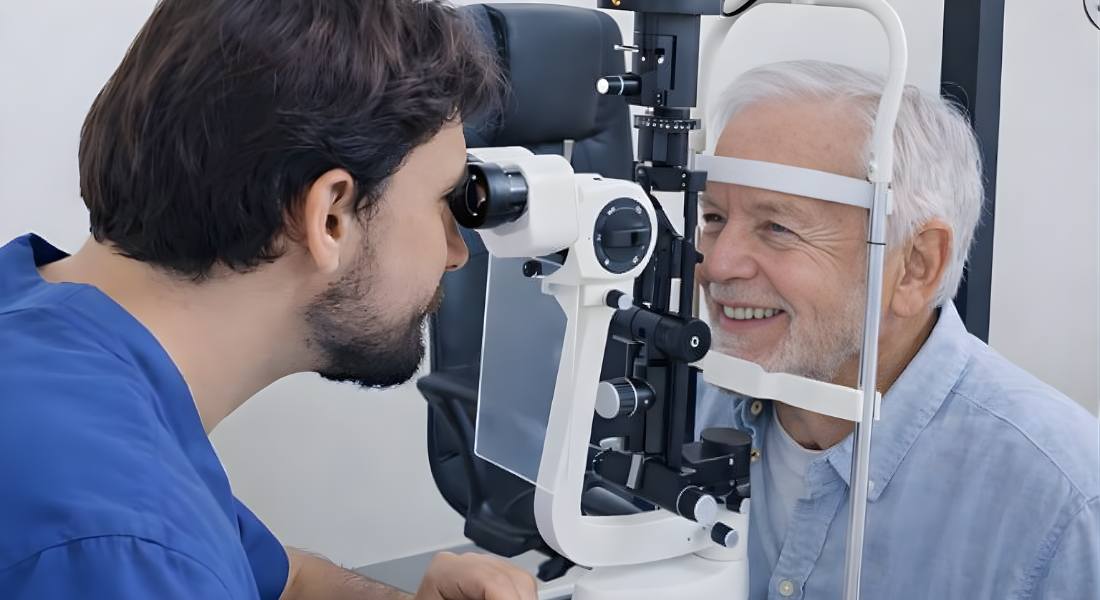
Cataracts can complicate the assessment of glaucoma. You may not realise that lens clouding affects more than just visual clarity. It can also influence the accuracy of key monitoring tests.
- Impact on Visual Field Testing: Lens opacity may reduce the reliability of visual field results. Test outcomes can appear worse even without true glaucoma progression.
- Effect on Optic Nerve Imaging: Imaging quality may decline when the lens becomes cloudy. This can make interpretation of structural change more difficult.
- Clarifying the Clinical Picture: Removing the cataract often improves test reliability. Clearer optical media allows more accurate monitoring and future planning.
By restoring clarity, assessment becomes more precise. You benefit from improved distinction between cataract-related blur and genuine glaucoma change. Accurate information supports confident and appropriate management decisions.
Does Cataract Surgery Affect Eye Pressure?
Cataract surgery on its own can produce a small reduction in intraocular pressure for many patients. When the thickened natural lens is removed, you gain a deeper anterior chamber and improved aqueous outflow. This anatomical change can support better fluid dynamics within the eye. We take this secondary benefit into account during planning.
The pressure-lowering effect is typically modest rather than dramatic. You may be able to reduce certain medications if readings remain stable after surgery. In more advanced glaucoma, however, cataract removal alone is rarely sufficient. We assess disease severity before adjusting long-term treatment.
Clear understanding of expected outcomes helps prevent disappointment. You should recognise that any pressure improvement is often supportive rather than curative. Realistic discussion supports informed consent and balanced decision-making. We prioritise transparency so expectations align with probable results.
When Cataract Surgery Alone May Be Enough
In early or mild glaucoma, cataract surgery alone may achieve adequate pressure reduction. You may not require an additional glaucoma procedure if readings are already close to target. Lens removal can improve internal fluid flow sufficiently in selected cases. We evaluate baseline stability before confirming this approach.
Careful monitoring after surgery remains essential. You may experience variable pressure response depending on anatomical and physiological factors. Follow-up appointments allow timely adjustment if readings change. We track outcomes closely to maintain control.
Treatment decisions depend on the severity and consistency of your glaucoma. You benefit from planning that reflects both structural findings and pressure trends. Individual risk assessment guides intervention choices. We prioritise personalised strategies to safeguard long-term vision.
What Is Combined Cataract and Glaucoma Surgery?
In certain situations, cataract removal is performed alongside a glaucoma procedure. You may undergo minimally invasive glaucoma surgery or a more established filtering operation during the same session. This combined approach allows structural correction and pressure management together. We assess suitability carefully before recommending dual intervention.
The objective is to manage lens opacity and intraocular pressure within one surgical plan. You may reduce reliance on long-term eye drops while also improving visual clarity. Addressing both issues simultaneously can streamline recovery. We aim to balance safety with efficiency in operative planning.
Combined surgery is typically considered when pressure remains above target or medication use becomes burdensome. You may also benefit if adherence to drops proves challenging. Long-term control remains the central priority. We tailor recommendations to ensure durable and appropriate outcomes.
MIGS and Cataract Surgery
Minimally invasive glaucoma surgeries are frequently carried out at the same time as cataract extraction. You may have a MIGS device implanted to improve aqueous drainage with minimal tissue disruption. These procedures are designed to enhance outflow while preserving normal anatomy. We consider this approach when aiming for safer pressure control.
MIGS techniques are generally recommended for mild to moderate glaucoma. You benefit from a favourable safety profile when they are combined with lens removal. Recovery is often smoother compared with more extensive filtering operations. We select candidates carefully based on clinical findings.
Although MIGS procedures may not achieve very low pressure targets, they can meaningfully reduce reliance on daily drops. You may experience improved convenience and steadier control. Suitability ultimately depends on stage and progression pattern. We align the choice of intervention with long-term management goals.
When More Advanced Surgery Is Needed
When glaucoma is advanced and your target pressure is very low, combined cataract and trabeculectomy surgery may be discussed. You may benefit from a stronger and more sustained reduction in intraocular pressure with this approach. Clear explanation helps you understand why combining procedures is sometimes recommended.
- Stronger Pressure Reduction: Combined surgery can achieve lower target pressures than cataract surgery alone. This may be appropriate when optic nerve damage is already advanced.
- Increased Complexity: Performing both procedures together involves greater surgical complexity. Recovery and postoperative care may require closer supervision.
- Careful Patient Selection: Not every patient will benefit from a combined approach. Decisions are based on balancing expected benefit against potential risk.
By weighing advantages and considerations carefully, we tailor surgery to your clinical needs. The aim is to protect remaining vision while maintaining safety. Thoughtful planning ensures that the chosen strategy reflects both disease severity and long-term goals.
Sequence of Surgery Matters
In certain cases, glaucoma surgery is undertaken before cataract removal. You may require initial pressure stabilisation prior to addressing lens opacity. In other circumstances, cataract extraction is performed first. We determine sequence based on clinical urgency and risk profile.
Earlier filtering surgery can be influenced by subsequent cataract procedures. You may face altered wound healing or changes in filtration function if timing is not carefully planned. Surgical order therefore demands strategic assessment. We evaluate potential interaction between operations before proceeding.
Your ocular anatomy and stage of disease play a decisive role in sequencing decisions. You benefit from an approach tailored to structural findings and pressure behaviour. Severity, stability, and visual needs are all considered. We design a pathway that supports both safety and long-term control.
Visual Outcomes After Combined Surgery

Cataract surgery typically enhances clarity, contrast, and overall brightness of vision. You may notice sharper detail once the cloudy lens is removed. However, optic nerve damage caused by glaucoma cannot be reversed. We ensure expectations reflect this important distinction.
If glaucoma is advanced, improvement may occur mainly in central sharpness. You may still experience persistent peripheral field reduction despite clearer sight. Visual sharpness and visual field represent different aspects of function. We explain this difference carefully before treatment.
When surgery is combined with glaucoma management, the primary objective is stabilisation. You should understand that the goal is to prevent further nerve damage rather than restore lost fields. Long-term preservation remains the focus. We prioritise realistic outcomes and informed preparation.
Risks of Combining Procedures
Combining procedures can lead to slightly increased inflammation or a longer recovery phase. You may also face a small possibility that intraocular pressure does not reach the desired target. Surgical complexity rises when two interventions are performed together. We monitor healing closely to manage these risks.
At the same time, a single combined operation can shorten overall recovery compared with staging surgeries separately. You benefit from fewer anaesthetic exposures and fewer postoperative periods. This consolidated approach can improve convenience and continuity of care. We weigh these advantages against individual clinical factors.
Transparent discussion remains essential before proceeding. You should clearly understand both potential benefits and limitations. Balanced counselling supports realistic expectations. We ensure decisions are guided by careful clinical judgement and shared understanding.
Recovery Expectations

Recovery following cataract surgery alone is typically smooth and predictable. You may notice gradual visual improvement within days. When a glaucoma procedure is performed at the same time, follow-up visits are often scheduled more frequently. We monitor healing carefully to ensure stability.
Intraocular pressure can fluctuate during the postoperative period. You might experience temporary variation as the eye adjusts. Early review allows timely intervention if readings deviate from target. We respond quickly to maintain safe levels.
Strict adherence to prescribed eye drops plays a vital role in recovery. You support stable outcomes by following dosing instructions precisely. Consistency reduces the likelihood of pressure spikes or inflammation. We reinforce clear guidance to protect long-term visual health.
Long-Term Pressure Control
Long-term outcomes after glaucoma surgery vary according to the procedure selected. You may achieve meaningful pressure reduction, yet expectations should remain realistic. Understanding the strengths and limitations of each approach helps you plan for sustained care.
- Outcomes with MIGS: Minimally invasive procedures may reduce your reliance on medication. They do not always eliminate the need for drops entirely.
- Results After Filtering Surgery: Filtering procedures can achieve lower pressure targets. Careful follow-up is essential, as scar formation can influence long-term success.
- Importance of Continued Monitoring: Regular review remains central after any glaucoma operation. Ongoing assessment protects your vision by identifying change early.
Surgery represents one stage in a broader management plan rather than a final step. We focus on sustained pressure control over time. Consistent follow-up ensures that your long-term visual stability is maintained.
Emotional Considerations
Facing surgery for two separate eye conditions can understandably feel daunting. You may feel uncertain about what each procedure involves and how they interact. Clear, structured explanation helps reduce fear and confusion. We ensure you understand every step before proceeding.
The goal is to safeguard your vision while also enhancing visual clarity. You benefit from addressing pressure control and lens opacity in a coordinated manner. Knowing the purpose behind each intervention strengthens trust in the process. We prioritise informed decision-making to ease anxiety.
Open communication with your specialist fosters reassurance and confidence. You should feel comfortable asking questions about risks, benefits, and recovery expectations. Transparent discussion supports realistic preparation. We remain available to guide you throughout the journey.
Accessing Specialist Advice
Coordinating cataract and glaucoma management requires specialist expertise. You benefit from comprehensive evaluation to determine whether combined surgery is suitable. Careful planning ensures that both conditions are addressed safely and effectively. We assess structural and pressure-related factors before recommending intervention.
A detailed consultation helps define realistic and personalised treatment goals. You may require tailored intraocular pressure targets alongside visual improvement from cataract removal. Surgical timing and technique must reflect your specific clinical profile. We design strategies that balance safety with long-term stability.
Individualised care remains central to preserving visual function over time. You achieve better outcomes when monitoring and treatment are adapted to your evolving needs. Ongoing review supports early adjustment where necessary. We focus on protecting sight through coordinated and structured management.
FAQs:
- Can you safely treat glaucoma and cataracts at the same time?
Yes, you can sometimes address both conditions in a single operation if your clinical profile supports it. We evaluate pressure control, optic nerve status, and overall risk before recommending a combined approach. Careful selection ensures safety and effectiveness. - Will removing your cataract cure your glaucoma?
No, cataract removal does not cure optic nerve damage. You may experience clearer vision and a small pressure improvement, but glaucoma still requires structured monitoring. We continue long-term follow-up even after successful lens surgery. - How do you know which condition is causing your blurred vision?
You may notice general haze from lens clouding or subtle field restriction from nerve damage. We use imaging and visual field analysis to determine the dominant source. Accurate assessment guides the correct treatment priority. - When is cataract surgery alone enough for you?
If your glaucoma is mild and pressure is already near target, cataract surgery alone may be sufficient. We review baseline stability before confirming this option. Ongoing monitoring ensures pressure remains controlled afterwards. - Why might you need combined surgery instead of separate procedures?
You may benefit from a single operation if pressure remains above target or medication burden is high. We consider combining interventions to improve efficiency and recovery. The decision depends on disease stage and anatomical findings. - What happens to your eye pressure after cataract surgery?
You may experience a modest reduction in pressure due to improved internal fluid flow. We explain that this effect is often supportive rather than dramatic. Regular reviews confirm whether further treatment is required. - Is recovery longer when both surgeries are performed together?
Recovery can involve closer supervision when procedures are combined. You may have more frequent follow-up appointments to monitor healing and pressure stability. We provide structured guidance to support a smooth recovery process. - Can glaucoma surgery affect future cataract treatment?
Yes, previous filtering surgery can influence later lens procedures. We plan the sequence carefully to reduce interference with wound healing or drainage function. Strategic timing supports better long-term results. - Will your vision return to normal after combined surgery?
You can expect clearer central vision once the cloudy lens is removed. However, existing peripheral field loss from glaucoma cannot be reversed. We set realistic expectations focused on stability and protection. - Why is long-term monitoring still necessary after surgery?
Surgery represents one step in managing these conditions rather than a final solution. You require ongoing assessment to ensure pressure remains within target and optic nerve health is preserved. We prioritise consistent review to maintain lasting visual stability.
Final Thought: Glaucoma and Cataracts
Glaucoma and cataracts frequently coexist, and their management often overlaps. Cataract surgery can improve clarity and may modestly reduce eye pressure, but it does not reverse optic nerve damage. In some cases, combining cataract and glaucoma procedures offers a balanced solution to improve vision and enhance pressure control.
Careful evaluation ensures the chosen approach aligns with disease severity and long-term goals. Combined surgery may reduce medication burden while restoring visual brightness, though ongoing follow-up remains essential. If you are concerned whether glaucoma treatment in London could benefit you, feel free to get in touch with us at Eye Clinic London.
References:
- Yin, Z. and Stevens, M.C.S., 2024. The two‑year outcomes of phacoemulsification combined with GATT versus standalone GATT in open‑angle glaucoma: a comparative study. https://www.mdpi.com/2075-4418/15/5/542
- Phacoemulsification versus phacoemulsification/trabeculectomy for POAG with cataract. https://www.mdpi.com/1648-9144/59/3/470
- Richter, G.M., Takusagawa, V., Sit, A., Rosdahl, J., Chopra, V. and others, 2023. Trabecular procedures combined with cataract surgery for open‑angle glaucoma: a report by the American Academy of Ophthalmology. https://www.sciencedirect.com/science/article/pii/S0161642023007212
- Effect of technique on intraocular pressure after combined cataract and glaucoma surgery: an evidence‑based review. https://www.sciencedirect.com/science/article/abs/pii/S0161642002014392
- Axial length changes and ocular outcomes after combined glaucoma and cataract surgery (chapter). In Oxford Academic Ophthalmology Textbook. https://academic.oup.com/book/42042/chapter-abstract/355788676