


Ocular Hypertension vs Glaucoma: What’s the Difference? (Explained)
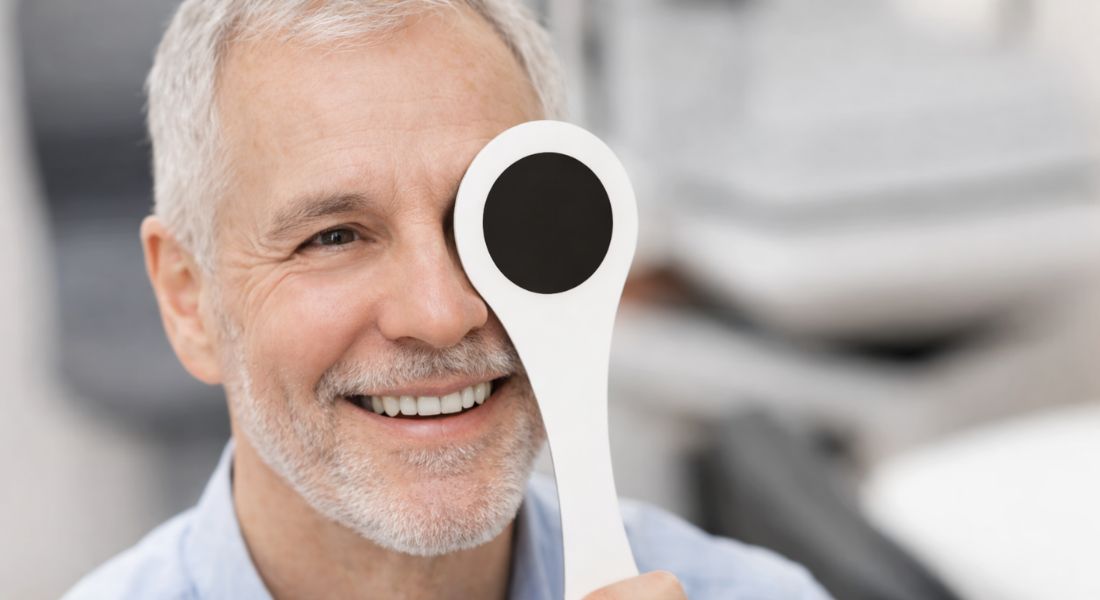
Being told you have high eye pressure can be worrying, especially if you don’t have glaucoma. You might feel confused about what it means for your vision. The key thing to know is that having high pressure doesn’t automatically mean you will develop glaucoma. Understanding the difference helps you stay in control of your eye health.
Ocular hypertension refers to raised pressure inside your eye, but without any damage to your optic nerve. Glaucoma, on the other hand, is diagnosed when that pressure—or other factors—start to harm the optic nerve and affect your vision. In simple terms, one is a measurement, and the other is a condition. Knowing this distinction can ease your concerns.
Your risk of developing glaucoma depends on several factors, including your eye pressure, family history, and overall eye health. Regular check-ups allow your eye specialist to monitor any changes closely. In some cases, treatment may be recommended to lower your pressure and protect your vision. Staying informed gives you the power to make the best decisions for your eyes.
What Is Ocular Hypertension?
Ocular hypertension means the pressure inside your eye is higher than normal. Your eye specialist measures this during a routine check using tonometry. The important thing is that, at this stage, there is no damage to your optic nerve.
The pressure in your eye, called intraocular pressure, depends on how well fluid is produced and drained. If fluid does not drain properly, pressure can build up. But high pressure alone does not automatically mean you have glaucoma.
Many people with ocular hypertension never go on to develop glaucoma. This is why your eye specialist may recommend careful monitoring rather than starting treatment straight away. Having raised pressure on its own does not mean you have an eye disease.
What Is Glaucoma?
Glaucoma is a condition where your optic nerve becomes damaged. This damage is often linked to high eye pressure, but not always. Your optic nerve is essential because it carries visual information from your eye to your brain.
If glaucoma develops, the nerve damage can gradually affect your vision. In the early stages, you may notice no symptoms at all. This is why regular eye checks are so important for protecting your sight.
Unlike ocular hypertension, glaucoma is not just about having high pressure. It is defined by actual changes to your optic nerve’s structure and function. Simply measuring pressure is not enough to diagnose it.
Understanding this difference helps you know where you stand. Ocular hypertension may put you at risk, but glaucoma means damage is already occurring. Keeping up with monitoring and treatment is key to preserving your vision.
How Eye Pressure Is Measured
Your eye pressure is checked using specialised instruments during a routine eye exam. The most common method is applanation tonometry, which gives a reading in millimetres of mercury (mmHg). This tells your eye specialist how much pressure is inside your eye.
Normal eye pressure usually falls between 10 and 21 mmHg. Readings above this range are considered high, but they need to be looked at in context. Your overall eye health and risk factors play a key role in interpreting the numbers.
Some people can tolerate higher pressures without any damage, while others may develop optic nerve changes at lower pressures. This is why pressure alone cannot diagnose glaucoma. Regular monitoring helps your specialist track changes and protect your vision.
Why High Pressure Does Not Always Mean Glaucoma
Not everyone with high eye pressure will develop damage to the optic nerve. Your eye’s ability to tolerate pressure varies from person to person. Factors like corneal thickness and the resilience of your nerve influence your risk.
Some people have thicker corneas, which can make pressure readings appear higher than they really are. Others have thinner corneas, which can increase risk even if their pressure is only moderately elevated. This shows why looking at numbers alone isn’t enough.
You cannot be diagnosed with glaucoma based on pressure alone. Your specialist will use structural imaging and visual field tests to check for actual nerve damage. These tests reveal whether your optic nerve is being affected and guide any treatment decisions.
The Role of the Optic Nerve
Your optic nerve is the most important structure when it comes to glaucoma. It contains over a million nerve fibres that carry visual information from your eye to your brain. Understanding its role helps you see why monitoring is so crucial.
- Nerve fibres deteriorate in glaucoma: In glaucoma, these tiny fibres are gradually damaged, which can create blind spots. These changes usually start in your peripheral vision, so you might not notice them at first.
- Early changes often go unnoticed: Because vision loss begins at the edges, you can still see clearly in everyday tasks even as damage starts. This makes regular eye checks essential for catching problems before they become significant.
- Monitoring helps distinguish risk from disease: Your ophthalmologist uses imaging scans and careful examination to detect subtle changes in the optic nerve. This helps differentiate between ocular hypertension (high eye pressure without damage) and glaucoma itself.
By keeping a close eye on your optic nerve, you can detect issues much earlier. Early detection allows timely treatment to protect your remaining vision. Regular monitoring gives you a clearer picture of your eye health. Acting proactively ensures you maintain your sight for as long as possible.
Visual Field Testing and Its Importance
Visual field testing checks how well you can see across your entire field of vision. It helps identify areas where your sensitivity may be reduced. These changes often reflect damage to your optic nerve.
If you have ocular hypertension, your visual field tests usually remain normal. In glaucoma, you may start to notice small defects. This difference is important for your diagnosis and treatment planning.
Regular testing allows your eye specialist to track any changes over time. If your results stay stable, monitoring may be enough. However, new changes could signal the need for treatment to protect your vision.
Risk Factors for Progression to Glaucoma
Certain factors can increase the chances that your ocular hypertension may progress to glaucoma. Very high eye pressure, thin corneas, and a strong family history all play a role. Your age and ethnicity also affect your risk.
If you are over 60, you may be more likely to develop glaucoma. People of African or Caribbean descent may also have a higher susceptibility. Knowing your personal risk helps your specialist plan the best approach for you.
Not everyone with ocular hypertension needs treatment. Your risk assessment will determine whether monitoring alone is enough or whether proactive therapy is recommended. Tailoring care to you is essential for protecting your vision.
The Ocular Hypertension Treatment Study
Large clinical studies have helped clarify who is most at risk of developing glaucoma. The Ocular Hypertension Treatment Study showed that early treatment can lower this risk. However, not everyone with high eye pressure needed medication.
The study also found that careful monitoring is safe for many people at low risk. Treatment is usually reserved for those at higher risk, based on individual factors. This means your care is personalised rather than automatic.
This evidence can reassure you that starting treatment straight away is not always necessary. Monitoring your eyes over time is a safe, evidence-based approach. Regular follow-ups remain essential to protect your vision.
When Is Treatment Recommended?
Treatment is usually recommended when your risk of developing glaucoma is high. This could be due to very high eye pressure or the presence of other risk factors. The goal is to lower your pressure before any optic nerve damage occurs.
Medications are often the first step in treatment. These usually come as eye drops that either reduce fluid production or help it drain more efficiently. In some cases, your specialist may suggest a laser procedure instead.
Decisions about treatment are always personalised. Your ophthalmologist will consider your pressure readings, optic nerve appearance, and overall risk profile. This ensures that any treatment you receive is necessary and tailored to you.
Monitoring Without Immediate Treatment
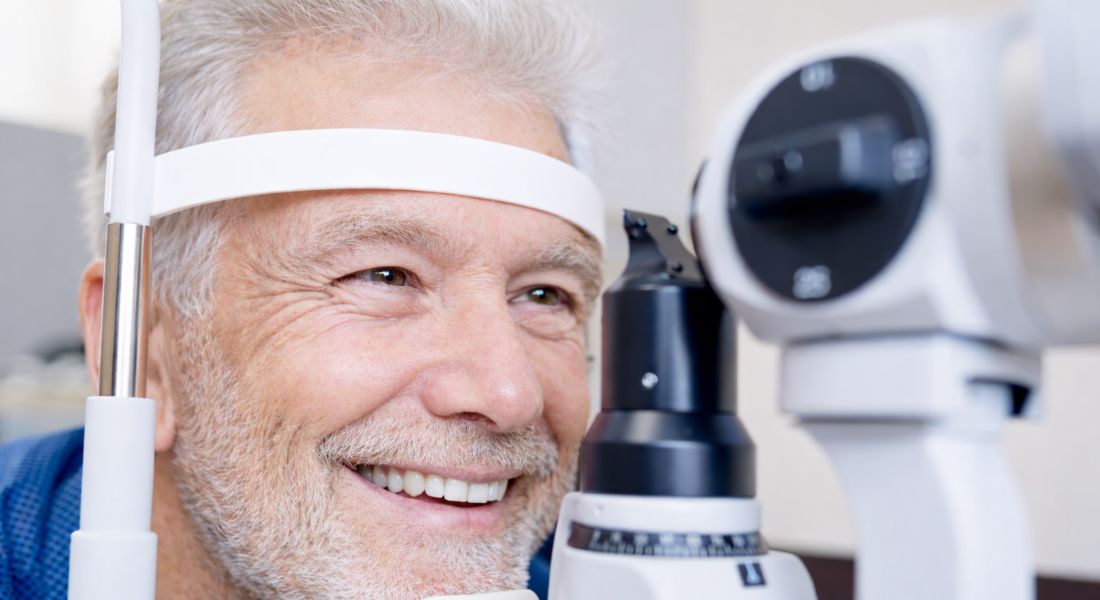
If you have ocular hypertension, you may not need medication straight away. Many patients can be safely monitored over time, allowing any changes to be detected early. This approach helps you avoid unnecessary lifelong treatment while keeping your eyes protected.
- Regular check-ups catch changes early: Monitoring usually involves measuring your eye pressure, imaging your optic nerve, and performing visual field tests. These checks ensure that any signs of glaucoma are detected promptly.
- Frequency depends on your risk: How often you’re seen will depend on factors like your eye pressure, age, family history, and overall health. Your ophthalmologist will tailor a schedule that’s right for you.
- Stability offers reassurance: If your eye pressure and optic nerve remain stable, you can feel confident that your vision is safe. Regular monitoring is an active, proactive strategy rather than a passive wait-and-see approach.
By monitoring your eyes carefully, you can protect your vision without starting medication immediately. This approach gives you flexibility while keeping your eyes safe. Staying on top of appointments ensures any changes are caught early. Ultimately, you are taking an active role in preserving your sight.
Normal-Tension Glaucoma Explained
Glaucoma can sometimes develop even when your eye pressure is within the normal range. This is known as normal-tension glaucoma. It shows that pressure is only one part of the picture.
In these cases, optic nerve damage happens despite “normal” readings. Factors such as blood flow or nerve sensitivity may play a role. This highlights why eye pressure alone cannot define glaucoma.
Understanding this distinction can help you make sense of your results. Ocular hypertension means raised pressure without damage. Glaucoma, however, means there is actual damage, no matter what your pressure reads.
Symptoms and Early Warning Signs
Both ocular hypertension and early glaucoma often cause no noticeable symptoms. Your vision may feel completely normal in the early stages. This is why regular eye examinations are so important.
As glaucoma progresses, you might notice your peripheral vision narrowing gradually. Your central vision usually stays clear until the condition is more advanced. Early intervention is key to preventing permanent vision loss.
You should never wait for symptoms before having your eyes checked. Preventing damage is far more effective than treating it afterwards. Getting an early diagnosis helps safeguard your long-term vision.
The Importance of Regular Eye Examinations
Routine eye examinations are vital for spotting changes in eye pressure and detecting early nerve damage. Even if your vision feels normal, problems can develop silently. Catching issues early can make a big difference in protecting your sight.
If you have ocular hypertension, it’s especially important to keep up with regular check-ups. These appointments allow your eye specialist to spot any progression quickly. Staying consistent with monitoring helps ensure your eyes remain healthy.
Skipping your follow-ups can increase your risk of vision loss. Once glaucoma damages your optic nerve, the loss cannot be reversed. Being vigilant and proactive is the best way to safeguard your long-term vision.
How Lifestyle Factors Influence Risk

While your genes play a major role in glaucoma risk, the choices you make in daily life can also impact your eye health. Looking after your overall wellbeing helps support your eyes and optic nerve, alongside any medical care you receive. Understanding how lifestyle factors contribute can help you feel more in control.
- Cardiovascular health matters: Maintaining healthy blood pressure and circulation supports the blood supply to your optic nerve. Simple steps like a balanced diet and regular check-ups for heart health can indirectly benefit your eyes.
- Smoking cessation reduces vascular risk: Smoking can affect blood vessels throughout the body, including those supplying your eyes. Quitting smoking helps lower this risk and supports overall eye and general health.
- Exercise can help modestly: Regular physical activity has been linked to small reductions in eye pressure. While exercise is not a replacement for monitoring or treatment, it complements your medical care and supports long-term wellbeing.
Leading a healthy lifestyle won’t eliminate your risk of glaucoma entirely. However, it can contribute positively alongside your regular eye checks and treatment plan. By combining medical care with good lifestyle habits, you give your eyes the best chance of staying healthy. Taking an active role in your wellbeing helps you feel empowered about your vision.
Psychological Impact of a Diagnosis
Being told you have high eye pressure can feel stressful. You may worry about losing your vision or about developing glaucoma in the future. Having clear, accurate information can help reduce this anxiety.
Understanding that ocular hypertension is not the same as glaucoma can provide real reassurance. Many people with high pressure never progress to glaucoma. Regular monitoring offers a way to keep your eyes protected.
Talking openly with your eye specialist can boost your confidence. Knowing your personal risk profile gives you a sense of control. Having clarity about your condition replaces uncertainty with understanding.
How Often Should You Be Reviewed?
How often you need an eye review depends on your individual risk factors. Some people with lower risk may only need to be seen once a year, while others at higher risk may require check-ups more frequently. Knowing your review schedule helps you stay on top of your eye health and reduces anxiety about changes.
- Frequency depends on your risk level: Your ophthalmologist will consider factors such as your eye pressure, optic nerve condition, and family history when deciding how often to see you. This ensures your care is personalised to your needs.
- Tailored schedules improve safety: By adjusting the timing of visits to your specific situation, your doctor can catch changes early and respond appropriately. You can feel confident that your care is proactive rather than reactive.
- Consistency is key: Attending your reviews as recommended is more important than the exact interval between appointments. Regular follow-ups allow your doctor to track trends over time rather than isolated measurements.
Keeping to a structured review schedule helps protect your vision over the long term. It ensures any changes are detected promptly and managed before they cause damage. By attending your appointments consistently, you’re actively supporting your eye health. Following a tailored plan gives you peace of mind and maximises the chances of maintaining healthy sight.
Advances in Glaucoma Detection
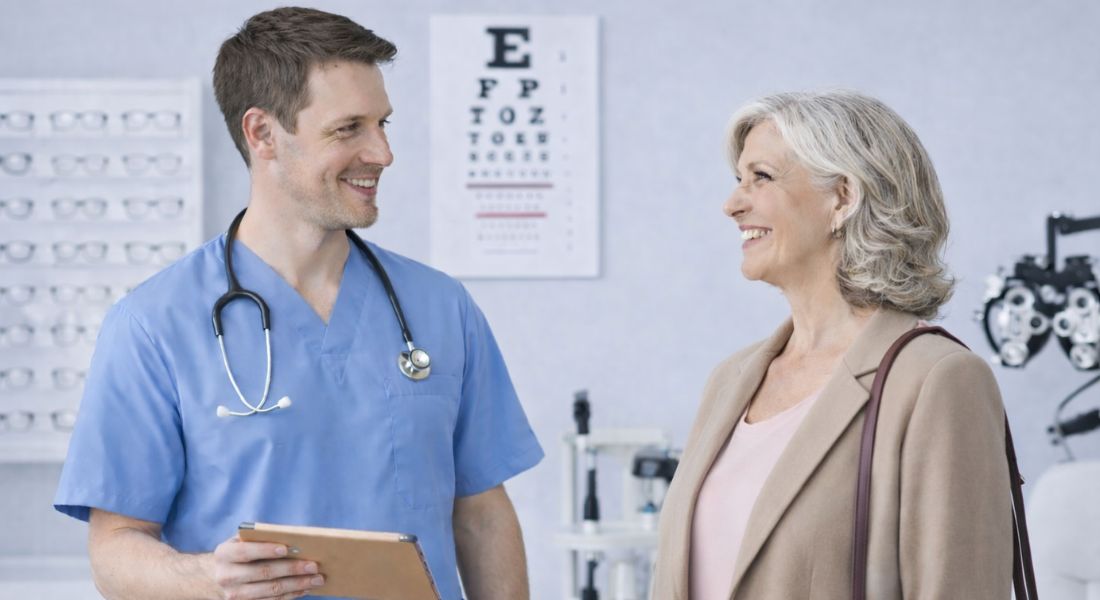
Modern imaging technology makes it possible to detect glaucoma earlier than ever before. Tools like optical coherence tomography can reveal subtle thinning of the nerve fibres. This allows your eye specialist to manage changes proactively.
Catching issues sooner means intervention can happen before noticeable symptoms appear. Even small changes can be identified and addressed in time. Early detection can significantly improve your long-term vision outcomes.
Technology also enhances the precision of your eye assessments. It supports evidence-based decisions tailored to your eyes. Early detection is one of the most important advances in glaucoma care today.
FAQs:
- What exactly is ocular hypertension?
Ocular hypertension means that the pressure inside your eye is higher than the normal range, but at this stage, there is no detectable damage to your optic nerve. It is identified during routine eye examinations and requires monitoring rather than immediate treatment in most cases. - How is glaucoma different from ocular hypertension?
Glaucoma involves actual damage to the optic nerve, whereas ocular hypertension only describes elevated eye pressure without harm. In glaucoma, the nerve fibres that transmit visual information gradually deteriorate, which can lead to vision loss if left untreated. - Can high eye pressure always lead to glaucoma?
Not necessarily. Many people with elevated eye pressure never develop glaucoma. Your eye’s ability to tolerate pressure varies individually, and factors such as corneal thickness and optic nerve resilience influence whether damage occurs. - How is eye pressure measured?
Eye pressure is measured using instruments like an applanation tonometer, which provides a reading in millimetres of mercury (mmHg). While normal pressure typically ranges from 10 to 21 mmHg, these values must be considered alongside other tests because some people can tolerate higher pressures without damage. - What are the risk factors for ocular hypertension progressing to glaucoma?
Your risk increases if you have very high eye pressure, a family history of glaucoma, thin corneas, older age, or certain ethnic backgrounds such as African or Caribbean descent. These factors help your ophthalmologist determine whether monitoring alone is sufficient or whether treatment is necessary. - When is treatment for ocular hypertension recommended?
Treatment is advised when your risk of progression is significant. This decision depends on the level of pressure, the condition of your optic nerve, and your personal risk profile. Medications, usually in the form of eye drops, are the first approach, and in some cases, laser procedures may be considered. - What is normal-tension glaucoma?
Normal-tension glaucoma occurs when optic nerve damage develops even though eye pressure is within the normal range. This shows that pressure is not the only factor involved, as blood flow and nerve sensitivity can also play a role in the disease process. - Do ocular hypertension or early glaucoma cause symptoms?
Typically, both conditions have no noticeable symptoms in theearly stages. Peripheral vision changes in glaucoma may develop gradually, but central vision usually remains normal until later. This is why routine examinations are essential, rather than waiting for symptoms to appear. - How often you should have your eyes checked if you have ocular hypertension?
The frequency of review depends on your individual risk. Low-risk patients may be seen once a year, while higher-risk patientsrequire more frequent monitoring. Your ophthalmologist will tailor a schedule based on your pressure readings, optic nerve health, and family history. - Can lifestyle changes reduce the risk of glaucoma?
While lifestyle factors cannot replace medical care,maintaining cardiovascular health, exercising regularly, and avoiding smoking can support the optic nerve and overall eye health. These actions complement monitoring and treatment but do not eliminate your risk of progression.
Final Thought: Protecting Your Vision: Next Steps
Understanding the difference between ocular hypertension and glaucoma helps you make informed choices about your eye health. While elevated eye pressure does not always mean you will develop glaucoma, monitoring and regular check-ups are essential to protect your vision. Risk factors such as age, family history, and corneal thickness can influence whether treatment is necessary, and lifestyle measures like exercise and smoking cessation can support overall eye health.
If you’d like to find out whether glaucoma treatment in London is suitable for you, feel free to contact us at Eye Clinic London to arrange a consultation. Early assessment and tailored care are key to safeguarding your sight.
References:
- Maier, P.C., Funk, J., Schwarzer, G., Antes, G. and Falck-Ytter, Y.T., 2005. Treatment of ocular hypertension and open angle glaucoma: meta-analysis of randomised controlled trials. BMJ, 331(7509), pp.134–135. https://pubmed.ncbi.nlm.nih.gov/15994659/
- Zgryźniak, A., Przeździecka-Dołyk, J., Szaliński, M. and Turno-Kręcicka, A., 2021. Selective laser trabeculoplasty in the treatment of ocular hypertension and open-angle glaucoma: clinical review. https://pubmed.ncbi.nlm.nih.gov/34362091/
- Virani, S. and Rewri, P., 2024. A narrative review of pharmacotherapy of glaucoma. Future Pharmacology, 4(2), pp.395–419. https://www.mdpi.com/2673-9879/4/2/22
- Li, X., Balas, M. and Mathew, D.J., 2025. A review of ocular and systemic side effects in glaucoma pharmacotherapy. Journal of Clinical & Translational Ophthalmology, 3(1), p.2. https://www.mdpi.com/2813-1053/3/1/2
- Wagner, I.V., Stewart, M.W. and Dorairaj, S.K., 2022. Updates on the diagnosis and management of glaucoma. https://www.sciencedirect.com/science/article/pii/S2542454822000686