


Glaucoma Eye Drops: Side Effects and Long-Term Use (Guide)
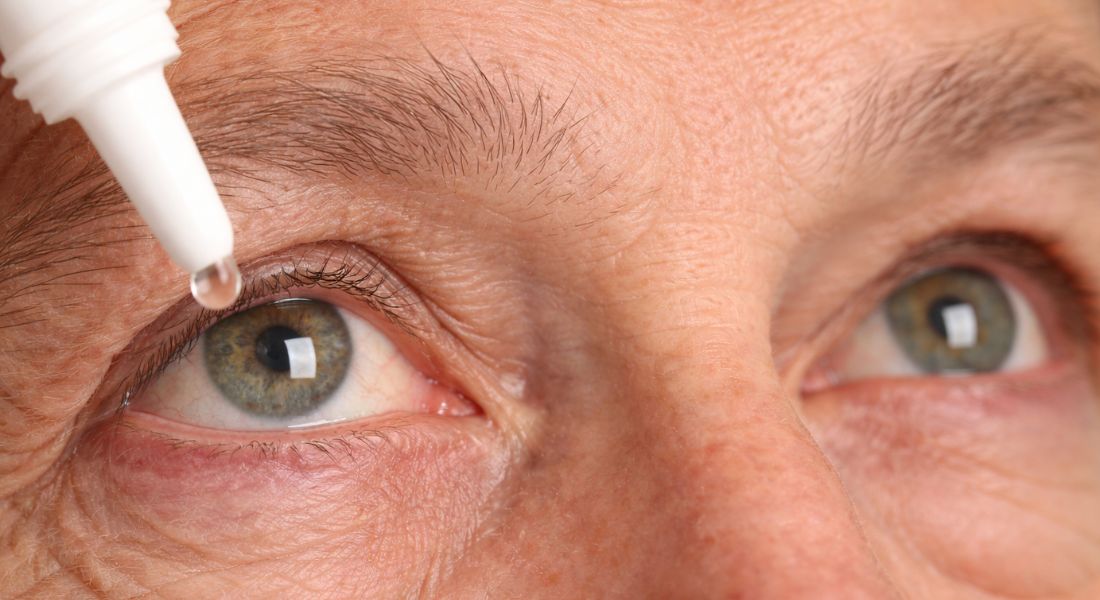
Glaucoma eye drops are usually the first treatment you’ll be offered if your eye pressure is raised. Starting drops can feel reassuring since it’s non-surgical, but it’s natural to wonder about possible irritation or long-term effects. Knowing what to expect helps you feel more in control.
Most drops are safe and effective when used as prescribed. Their main goal is to lower intraocular pressure and protect your optic nerve from damage. However, long-term use can sometimes cause side effects that affect comfort and eye health.
In this guide, we’ll explain the common side effects of glaucoma drops, the role of preservatives, and how prolonged use can affect the surface of your eyes. We’ll also look at when laser or surgical options might be considered. Understanding these factors helps you manage your treatment with confidence.
How Glaucoma Eye Drops Work
Glaucoma eye drops work by lowering the pressure inside your eyes, which is a key factor in protecting your optic nerve. Some drops reduce the production of fluid in the eye, while others improve how fluid drains. Both approaches aim to keep pressure within a safer range.
By reducing intraocular pressure, the drops help slow or prevent further vision loss. It’s important to understand that they do not cure glaucoma but are an effective way to manage it long-term. Regular use as prescribed is essential for maintaining control.
Different classes of drops work in different ways, targeting various pathways in the eye. Your ophthalmologist will select the most appropriate option for your condition. Individual responses can vary, so monitoring and follow-up are important to ensure effectiveness.
Common Types of Glaucoma Drops
| Drop Type | Main Action | Typical Use |
| Prostaglandin analogues | Increase drainage | First-line therapy |
| Beta-blockers | Reduce fluid production | Alternative or combined use |
| Carbonic anhydrase inhibitors | Reduce fluid production | Add-on treatment |
| Alpha agonists | Reduce production & improve outflow | Combination therapy |
Each class has its own side-effect profile. Some are better tolerated than others. Suitability depends on your medical history.
Combination drops may simplify treatment. Reducing the number of bottles can improve compliance. Adherence is essential in glaucoma care.
Redness and Irritation
One of the most common side effects of glaucoma drops is redness. Prostaglandin drops, in particular, can increase blood flow to the surface of your eye, which may leave your eyes looking persistently pink. This can be more noticeable if you already have sensitive eyes or seasonal irritation. Redness can fluctuate throughout the day, sometimes becoming more apparent after applying your drops.
You may also experience mild burning, stinging, or a scratchy sensation when you apply the drops. For most people, this discomfort settles within a few minutes. However, if the sensation persists, intensifies, or affects your daily comfort, it’s important to inform your doctor promptly. Persistent irritation may indicate that your eyes are reacting to the drop formulation or preservatives.
Although redness alone usually isn’t dangerous, significant or ongoing irritation can impact your quality of life and make it harder to maintain regular use of your drops. This can affect pressure control and long-term eye health. Your ophthalmologist can review your treatment, suggest alternative drops, or recommend preservative-free options to improve comfort while keeping your glaucoma under control.
Dry Eye Symptoms
Long-term use of glaucoma drops can sometimes lead to dry eye symptoms. You may notice grittiness, a sandy feeling, or fluctuating vision that changes throughout the day. These symptoms can gradually worsen with ongoing use, especially if your eyes are already sensitive.
Chronic exposure to drops can make the ocular surface more delicate. The stability of your tear film may be affected, leaving your eyes feeling uncomfortable or easily irritated. Even everyday activities like reading or screen use can feel more tiring when dryness is present.
Experiencing dry eye doesn’t mean you should stop your glaucoma treatment. Lubricating eye drops and preservative-free formulations can make a big difference. With proper guidance from your ophthalmologist, these symptoms can usually be managed effectively while keeping your eye pressure under control.
Preservatives and Sensitivity
If you use glaucoma eye drops, you may notice that some cause irritation or dryness. This is often linked to preservatives included to keep the bottle free from contamination. Understanding how these ingredients affect your eyes can help you manage comfort and long-term eye health.
- Common preservatives can irritate the eye: Many glaucoma drops contain benzalkonium chloride or similar preservatives. While these are effective at preventing contamination, they can irritate your eye surface when used over a long period.
- Prolonged exposure may affect the ocular surface: Over time, preservatives can damage surface cells, leading to increased dryness, redness, or mild inflammation. Sensitivity usually develops gradually, so you may notice changes slowly rather than immediately.
- Preservative-free alternatives can improve comfort: If you experience discomfort, preservative-free formulations are often recommended. Switching can make drops easier to tolerate while still keeping your eye pressure under control.
If you notice irritation, it’s worth discussing with your eye care professional. Adjusting your treatment early can prevent further surface damage. Preservative-free options give you a gentler alternative without compromising effectiveness. Taking a proactive approach helps you maintain both comfort and long-term eye health.
Comparing Preserved vs Preservative-Free Drops

When it comes to glaucoma eye drops, the type of formulation can make a big difference to how comfortable you feel over time. Some drops contain preservatives to extend shelf life, while others are preservative-free and gentler on the eye surface. Understanding the pros and cons of each helps you choose the option that suits your eyes and lifestyle best.
| Feature | Preserved Drops | Preservative-Free Drops |
| Shelf life | Longer | Shorter |
| Surface irritation risk | Higher with long-term use | Lower |
| Cost | Often lower | May be higher |
| Suitability for sensitive eyes | Less ideal | Preferred |
Choosing the right formulation improves comfort. Long-term tolerability matters. Treatment must be sustainable.
Cosmetic Side Effects
Some glaucoma drops can cause noticeable changes around your eyes. For example, prostaglandin drops may darken the skin of your eyelids or encourage extra eyelash growth. These effects are generally harmless but can be quite visible.
In certain cases, the colour of your iris may gradually darken. This change usually happens slowly over time and does not affect your vision, but it is permanent. Being aware of this possibility before you start treatment helps you make an informed decision.
Understanding potential cosmetic changes can prevent surprises. Most effects are mild and may reverse if your drops are changed. Talking openly with your eye care professional ensures your expectations are realistic and that any concerns are addressed promptly.
Systemic Side Effects
Even though eye drops work locally, a small amount of the medication can enter your bloodstream. For example, beta-blocker drops can sometimes affect your heart rate or breathing. This is particularly important if you have asthma, heart problems, or other medical conditions. Understanding potential risks helps you use drops safely and confidently.
- Some medications can affect the whole body: While most eye drops stay in the eye, certain types such as beta-blockers can influence your heart or lungs if absorbed systemically. This is usually uncommon, but it’s worth being aware of, especially if you have pre-existing conditions.
- Proper technique reduces absorption: You can minimise risk by using drops correctly. Gently closing your eyelids and lightly pressing at the inner corner of your eye for a minute helps prevent the medication from entering your bloodstream.
- Your medical history matters: Always tell your ophthalmologist about any heart, lung, or other health conditions you have. This allows them to choose the safest medication and tailor your treatment to you.
Systemic side effects are rare, but knowing how to reduce risk gives you peace of mind. By following the correct technique, you help protect your overall health. Keeping your doctor fully informed ensures your drops are safe for you. With careful management, you can use your eye medication confidently and effectively.
The Challenge of Long-Term Adherence
Glaucoma treatment is something you’ll likely need to continue for life. Remembering to take your drops every day can be challenging, and missed doses may reduce the effectiveness of your treatment and allow eye pressure to rise. Staying consistent is key to protecting your vision.
Side effects like redness, irritation, or dryness can make using drops uncomfortable. This discomfort may reduce your motivation to stick to the routine. Understanding what to expect and how to manage side effects can make it easier to keep up with treatment.
Support from your ophthalmologist and regular follow-up appointments play a big role in maintaining adherence. Simple strategies, like setting phone reminders or linking drops to daily activities, can help you remember. Staying consistent ensures your eyes remain protected over the long term.
When Side Effects Become Significant
Mild irritation from glaucoma drops is common and usually manageable. You might notice occasional redness or stinging, but these effects often settle quickly. However, if you experience severe redness, pain, or changes in vision, it’s important to seek review promptly.
Over time, prolonged use of drops can affect the surface of your eyes. Persistent irritation or dryness may lead to more noticeable discomfort or even ocular surface changes. Early intervention, such as adjusting your medication or switching to preservative-free options, can help restore comfort.
You should never stop your drops without consulting your specialist. Suddenly discontinuing treatment can allow eye pressure to rise, increasing the risk of optic nerve damage. Always discuss any concerns with your ophthalmologist before making changes to your regimen.
When Laser Treatment May Be Considered
Selective laser trabeculoplasty (SLT) can be a useful alternative if your glaucoma drops aren’t giving the results you need. The procedure helps improve fluid drainage from the eye, lowering pressure and sometimes reducing the number of drops you need to use.
Laser treatment is often considered when side effects from drops such as redness, irritation, or dryness affect your comfort. In some cases, SLT may even be offered as an initial treatment instead of starting drops. Keep in mind that results vary between individuals.
SLT is generally safe and can be repeated if necessary. It doesn’t replace the need for regular monitoring of your eye pressure and optic nerve. However, it can make managing your glaucoma more convenient by reducing your daily medication burden.
When Surgery May Be Necessary
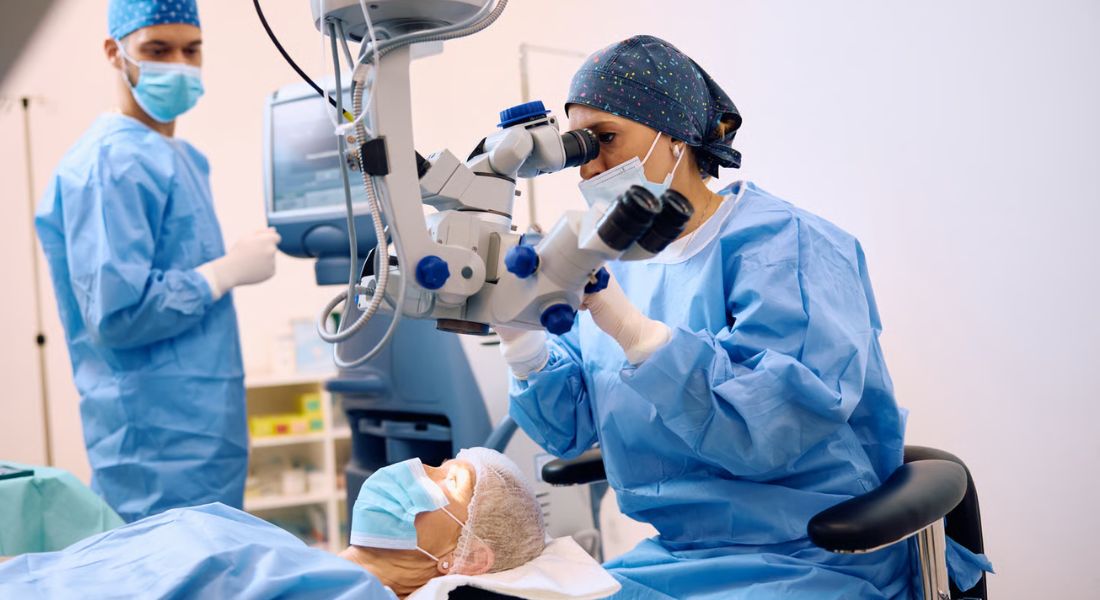
If drops and laser treatments are not enough to control your eye pressure, your ophthalmologist may recommend surgery. The aim of these procedures is to create new drainage pathways in your eye, which can lead to a more significant reduction in pressure. Understanding when surgery might be needed helps you feel prepared and informed.
- Reserved for moderate to advanced glaucoma: Surgery is usually considered when your optic nerve is under ongoing stress or when your target pressure cannot be safely reached with drops and lasers alone. Your individual risk, eye health, and disease progression all influence the timing of surgery.
- Different surgical options are available: Options range from minimally invasive glaucoma surgeries (MIGS) to traditional trabeculectomy or drainage implants. Each procedure comes with its own set of benefits, limitations, and potential complications.
- Individualised discussion is essential: Your ophthalmologist will review your eye measurements, health status, and lifestyle factors to recommend the safest and most effective approach for you.
Surgery is not the first step, but it can be a vital option if other treatments aren’t sufficient. Knowing your choices allows you to feel more in control of your care. Careful planning and expert guidance minimise risk and maximise outcomes. By discussing the pros and cons openly, you can make a decision that is right for your eyes and your lifestyle.
Drop Burden and Quality of Life
Using several glaucoma drops every day can feel burdensome and affect your lifestyle. Travel plans, work routines, and social activities may all be disrupted by the need to stick to a strict schedule. Convenience is an important factor when thinking about long-term treatment.
Finding ways to reduce your drop burden can make a real difference to your quality of life. Combination drops, preservative-free options, or alternative treatments like laser therapy may help. Your treatment should fit around your daily life, not make it harder.
It’s important to balance effectiveness with comfort. Managing glaucoma is a long-term commitment, and sustainable strategies often lead to better outcomes. Feeling comfortable with your routine helps you stay consistent and protects your vision over time.
Monitoring While on Long-Term Drops
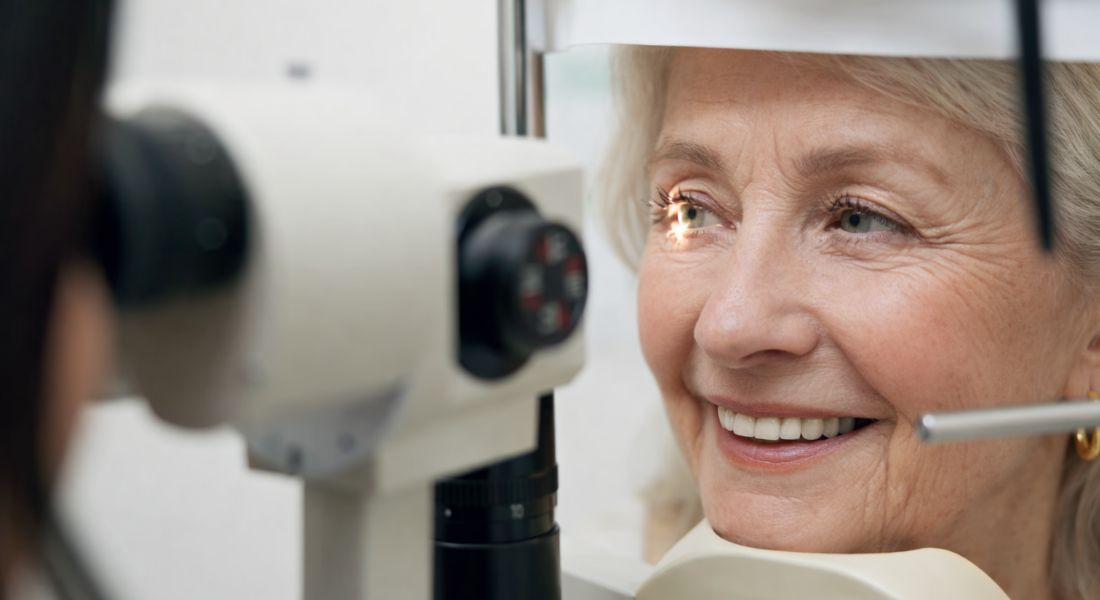
Regular monitoring is essential when you’re on long-term glaucoma drops. Eye pressure checks, visual field tests, and structural scans help track the health of your optic nerve and detect any changes early.
These tests ensure that your drops are still working effectively. Over time, your treatment may need adjustment to maintain safe pressure levels. Staying on top of monitoring helps keep your vision stable.
Follow-up appointments are a crucial part of your care. Glaucoma often progresses silently, so only regular testing can reveal changes. Consistent assessment is key to protecting your sight.
Are Glaucoma Drops Safe Long Term?
If you’re using glaucoma drops, it’s natural to wonder about long-term safety. For most people, these medications are very safe when used under the guidance of an ophthalmologist. Millions of patients successfully manage their eye pressure for decades with drops, as long as regular monitoring is maintained.
- Surface irritation is the most common issue: You might notice mild stinging, redness, or dryness over time. These symptoms are usually manageable and often improve with small adjustments to your routine or medication type.
- Serious complications are rare: While any medication carries some risk, long-term serious side effects from glaucoma drops are uncommon. Your doctor will review your health history to ensure the medication is safe for you.
- Monitoring helps keep you safe: Regular check-ups allow your ophthalmologist to track your eye pressure, optic nerve health, and overall response to the drops. Adjustments can be made quickly if any issues arise.
The benefits of controlling your eye pressure far outweigh most side effects. Using your drops consistently helps protect your vision for the long term. By staying informed and attending regular appointments, you can feel confident in your treatment. Ultimately, maintaining healthy eyes and preserving your sight remains the top priority.
Managing Anxiety About Long-Term Use
It’s completely natural to feel anxious about taking glaucoma drops for the long term. Knowing how these medications work, how they protect your optic nerve, and why daily use is important can help reduce uncertainty. Understanding the purpose and benefits of treatment often makes it feel more manageable and less daunting.
Having open conversations with your specialist is essential. Don’t hesitate to express any worries about side effects, adherence, or lifestyle impact. Your ophthalmologist can suggest adjustments, alternative options, or strategies to make daily use easier. Personalised care ensures that your treatment fits your needs and circumstances, which can boost confidence and peace of mind.
Frequently Asked Questions:
- What are the most common side effects of glaucoma eye drops?
The side effectsyou’re most likely to notice include redness, irritation, grittiness, or mild burning when you apply the drops. Some people also develop symptoms of dry eye over time. These effects are usually manageable but should be reviewed by your ophthalmologist if they persist or worsen. - Can glaucoma drops affect your overall health?
Although glaucoma drops work locally, a small amount can enter your bloodstream. This means that medications such as betablockers may sometimes affect heart rate or breathing, especially if youhave underlying conditions like asthma or heart disease. These systemic effects are uncommon but worth discussing with your doctor. - Why do some glaucoma drops cause dry eye symptoms?
Longterm use of certain glaucoma drops, especially thosecontaining preservatives like benzalkonium chloride, can disturb the tear film and irritate the surface of the eye. Over time, this can make your eyes feel dry, gritty, or uncomfortable. Preservativefree formulations often reduce these symptoms. - Are cosmetic changes normal with glaucoma eye drops?
Some glaucoma medications can cause changes such as increased eyelash growth, darkening of eyelid skin, or subtle changes in iris colour. These cosmetic effects are harmless and do not typically affect your vision, but it helps to be aware of them before starting treatment. - What should you do if your eye drops cause persistent discomfort?
If irritation or discomfort does not settle with time or with supportive measures like lubricating drops, you should contact your specialist. Persistent symptoms mayindicate sensitivity to a particular formulation or preservative, and your doctor can adjust your treatment to improve comfort. - Do you have to stay on glaucoma drops forever?
Glaucoma medication is usually a lifelong therapy because it manages pressure rather than curing the disease. However, alternatives such as selective laser trabeculoplasty (SLT) or surgery may reduce your reliance on drops if side effects are significant or pressure control is inadequate. - How does preservativefree medication help?
Preservativefree eye drops reduce the risk of irritation that can occur with longterm exposure to preservatives. They tend to be gentler on the ocular surface, making them particularly suitable if you experience dryness or sensitivity. Your ophthalmologist can advise whether they are right for you. - Can you miss doses without affecting treatment?
Regular use of glaucoma eye drops is essential for consistent pressure control. Missing doses can allow pressure to rise, potentially accelerating optic nerve damage and visual field loss. Establishing a routine and using reminders can help maintain adherence. - When shouldlasertreatment be considered instead of drops?
Laser treatment, such as SLT, may be considered when you experience significant side effects from longterm drops or when pressure is not satisfactorily controlled. SLT can improve fluid drainage and may reduce the number of medications you need, but it does not replace the need for followup monitoring. - Is surgery a better option if drops cause many side effects?
Surgery may be recommended if medications and laser treatments do not achieve target pressure or if side effects are severe and affect your quality of life. Surgical options create new drainage pathways to lower pressure more significantly, but the choice depends on disease severity and individual risk factors.
Final Thoughts: Choosing the Right Path for Your Glaucoma Care
Living with glaucoma often means longterm therapy and ongoing monitoring. For most people, glaucoma eye drops are safe and effective when used properly and regularly. You may experience mild irritation or surface discomfort, but these can often be managed through preservativefree options or supportive care.
If side effects become significant or pressure remains difficult to control, alternative approaches such as laser procedures or surgery may be appropriate. These options can reduce your medication burden and sometimes offer longerlasting pressure control. Regular followup with your specialist helps ensure that your treatment plan continues to meet your needs as your condition changes. If you’re considering glaucoma treatment in London and want to know if it’s the right option, you’re welcome to reach out to us at Eye Clinic London to book a consultation.
References:
- Weinreb, R.N., Aung, T. and Medeiros, F.A. (2014) The pathophysiology and treatment of glaucoma: a review. JAMA, 311(18), pp.1901–1911. Available at: https://pubmed.ncbi.nlm.nih.gov/24825645/
- Bidiwala, S., Jabarkhyl, D. and Bidiwala, K. (2025) Outcomes of Minimally Invasive Glaucoma Surgery (MIGS) in Glaucoma Patients With Coexisting Cataract: A Systematic Review and MetaAnalysis, Cureus, 17(1), e77007. https://pubmed.ncbi.nlm.nih.gov/39912032/
- Paik, B. et al. (2025) Outcomes and Complications of Minimally Invasive Glaucoma Surgeries (MIGS) in Primary Angle Closure and Primary Angle Closure Glaucoma: A Systematic Review and MetaAnalysis, Clinical Ophthalmology, 19, pp. 483–506. https://pubmed.ncbi.nlm.nih.gov/39963523/
- Gillmann, K. (2020) ‘Minimally Invasive Glaucoma Surgery: Where Is the Evidence?’, Survey of Ophthalmology, 66(5), pp. 714–742. https://www.sciencedirect.com/science/article/pii/S2162098923002013
- “Glaucoma” (Clinical Overview and Laser + Medical Treatment) (2012) Glaucoma disease overview including treatment strategies. PMC Resource (Clinical Evidence). Available at: https://pubmed.ncbi.nlm.nih.gov/PMC3275300/