


Cyclodiode Laser for Glaucoma: When Other Treatments Haven’t Worked (Guide)
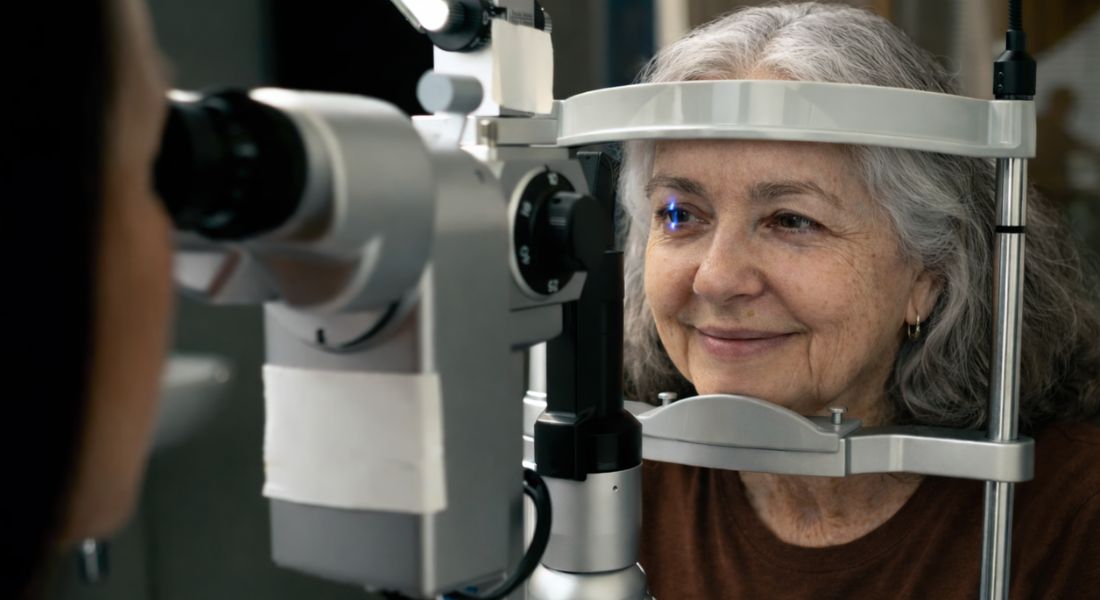
When glaucoma continues to progress despite drops, laser therapy or earlier surgery, you may require further intervention. We consider additional options when pressure remains above your safe target. Cyclodiode laser is often introduced in more complex or resistant cases.
You are unlikely to encounter this treatment at the beginning of your glaucoma journey. We do not usually recommend it as a first-line approach. Instead, it becomes relevant when conventional strategies have not delivered adequate pressure control.
Unlike procedures that enhance drainage, this treatment reduces fluid production inside your eye. You benefit from a different mechanism when natural outflow pathways are compromised. We integrate it thoughtfully within your overall care plan.
Cyclodiode laser is tailored according to your disease stage and visual potential. You are assessed carefully before any recommendation is made. We ensure that timing and suitability are aligned with long-term preservation goals.
In this guide, you will gain a clear understanding of how the treatment works and what you can realistically expect. We explain its benefits, limitations and follow-up requirements. Informed perspective supports balanced and confident decision-making.
What Cyclodiode Laser Actually Targets
Cyclodiode laser treatment focuses on reducing the source of fluid production within your eye. You may be advised to consider this option when other methods have not achieved sufficient pressure control. Clear understanding of how it works helps you feel reassured about the rationale behind it.
- Targeting the Ciliary Body: The laser is directed at the ciliary body, which produces aqueous humour. Reducing fluid production lowers intraocular pressure at its source.
- Different from Drainage Surgery: Unlike procedures that improve outflow, this treatment decreases fluid entering the system. Lower input leads to a reduction in overall pressure.
- Controlled and Precise Application: Measured laser energy is applied to selected areas of the ciliary body. Surrounding tissues are protected while fluid production is safely reduced.
This approach is often considered when natural drainage pathways are significantly compromised. We tailor the treatment carefully to balance pressure reduction with tissue preservation. Ongoing monitoring ensures that the desired pressure control is achieved safely and effectively.
Why Some Glaucoma Cases Become Complex
Glaucoma is a progressive disease that damages your optic nerve over time. You may find that drops and laser procedures control pressure effectively in earlier stages. We recognise, however, that some cases continue to worsen despite appropriate treatment.
In advanced glaucoma, you often require very low pressure targets to protect the vision that remains. We understand that achieving these levels can be difficult with standard therapies alone. Previous surgeries may also lose effectiveness due to scarring.
When several treatments have been tried and pressure remains elevated, alternative strategies are considered. You may then be advised to explore cyclodiode laser as part of your management plan. We use it in this context to support additional pressure control when other options are limited.
How the Procedure Is Performed
Cyclodiode laser treatment is usually performed under local anaesthesia. You remain awake but comfortable while the eye is thoroughly numbed. We place a specialised probe gently against the surface of the eye to deliver the laser energy. The process is controlled and carefully monitored throughout.
Laser pulses are directed through the sclera to reach the ciliary body. You receive a measured number of applications based on your individual pressure target. We tailor the energy settings according to your clinical needs and disease severity. Precision helps balance effectiveness with safety.
The procedure is typically completed within a short timeframe. You are able to return home on the same day with clear postoperative guidance. We schedule follow-up appointments to assess healing and monitor pressure response. Structured review ensures stable and safe recovery.
When Cyclodiode Laser Is Recommended
Cyclodiode laser is usually considered when other glaucoma surgeries have failed or are not appropriate. You may be offered this option if extensive scarring limits the success of further drainage procedures. We also use it in situations where vision is already significantly reduced and pressure remains difficult to control.
You may benefit from this approach if you have neovascular or inflammatory glaucoma. These forms can be resistant to traditional filtration surgery. We rely on cyclodiode because it reduces fluid production rather than attempting to improve drainage.
The recommendation depends on your disease severity and remaining visual potential. You are assessed carefully before any decision is made. We do not typically use this treatment as a first-line option in early glaucoma.
How It Differs from Trabeculectomy and Tube Surgery
Trabeculectomy and tube shunt surgery focus on improving fluid drainage from the eye. Cyclodiode laser works differently by reducing the production of fluid within the eye. We explain that this difference in mechanism shapes both expectations and outcomes.
Because no new drainage pathway is created, you avoid certain risks linked to blebs or implanted devices. We recognise, however, that pressure reduction may be less predictable compared with filtration surgery in earlier stages of disease. The balance between safety and strength of effect is carefully considered.
The decision between procedures depends on your previous surgical history and overall ocular health. You are assessed individually rather than placed into a standard pathway. We guide recommendations based on disease severity, risk profile and long-term goals.
What You May Feel After Treatment
After cyclodiode laser treatment, you may notice soreness, tenderness or a gritty sensation in the eye. Mild inflammation during the first few days is common and expected. We reassure you that temporary blurring of vision can occur while healing begins. These early symptoms usually settle as the eye stabilises.
You will be prescribed anti-inflammatory drops to reduce swelling and support recovery. Careful adherence to the drop schedule is important for optimal healing. We explain how to use the medication correctly and consistently. Discomfort generally improves within a short period as inflammation subsides.
Pressure reduction is not always immediate after treatment. You may find that it takes several weeks for intraocular pressure to stabilise fully. We arrange structured follow-up appointments to monitor response closely. Careful tracking ensures that pressure control remains safe and effective.
Realistic Pressure Reduction Expectations
Cyclodiode laser is often considered in more advanced glaucoma when other treatments have not provided sufficient control. You may achieve a meaningful reduction in intraocular pressure, although outcomes differ between individuals. Clear discussion beforehand helps you approach the procedure with balanced expectations.
- Extent of Pressure Reduction: Many advanced cases experience a significant drop in intraocular pressure. The degree of reduction varies, and medication may still be required, sometimes at lower intensity.
- Possibility of Repeat Treatment: Pressure can rise again over time in some cases. The procedure may be repeated when clinically appropriate to regain control.
- Focus on Stability Rather Than Cure: The aim is to slow further optic nerve damage. Long-term preservation is prioritised over dramatic short-term change.
Understanding these principles supports realistic decision-making. We focus on maintaining stability and protecting the vision you retain. Ongoing monitoring ensures that treatment continues to align with your long-term pressure goals.
Potential Risks and Complications
As with any medical procedure, you should be aware that certain risks are present. These can include inflammation, temporary pressure rises or occasionally prolonged low pressure. We explain that severe complications are uncommon but still possible.
You may experience excessive reduction in fluid production if treatment energy is too high. We carefully adjust laser settings to minimise this risk and tailor delivery to your eye. Experienced surgical judgement plays a central role in achieving balance.
Monitoring after treatment allows early detection of any concerns. You benefit from structured follow-up that tracks pressure stability and healing. We prioritise safety through consistent review and timely intervention if required.
Is Vision Expected to Improve?
Cyclodiode laser is not intended to enhance your vision. You should understand that its purpose is to slow or prevent further loss rather than restore what has already been damaged. We recognise that if optic nerve injury is advanced, visual recovery is unlikely.
During the healing phase, you may notice mild visual fluctuation. We expect stabilisation rather than improvement as the typical outcome. The primary objective remains protection of the vision you still retain.
When you understand this goal clearly, unrealistic expectations are avoided. You benefit from focusing on preservation rather than reversal. We emphasise stability as the central aim of treatment.
Emotional Considerations in Advanced Glaucoma
Hearing that earlier treatments have not achieved the desired control can feel disheartening. When a cyclodiode laser is discussed, you may feel that your glaucoma has reached a more serious stage. It is entirely natural to worry about further vision loss at this point. Honest explanation helps you place the recommendation into proper perspective.
- Understanding Disease Stage: Cyclodiode laser is often considered in more advanced cases. Concern about progression and vision preservation is completely understandable.
- Part of a Broader Strategy: The procedure is designed to preserve the vision you still have. It represents an additional management tool rather than a final or desperate measure.
- Value of Open Communication: Discussing expectations and concerns with your specialist provides clarity. Emotional reassurance is just as important as clinical intervention in long-term care.
When you view treatment as a step within an ongoing strategy, the decision can feel more constructive. We encourage questions and transparent dialogue at every stage. Confidence grows when you understand both the purpose and the realistic outcomes of the procedure.
Repeatability and Long-Term Use
One advantage of cyclodiode laser treatment is that it can be repeated if necessary. You may undergo additional sessions if your intraocular pressure begins to rise again over time. We value this flexibility because it allows management to adapt as your condition evolves. This approach provides an ongoing option rather than a single fixed intervention. It supports continuity of care in more complex glaucoma cases.
Repeat sessions are planned according to your individual response and tolerance. You may not require more than one treatment, as outcomes vary between patients. We evaluate pressure trends, optic nerve status and symptom changes before recommending further intervention. Careful assessment helps avoid unnecessary treatment while maintaining effective control. Decisions are always based on your specific clinical profile.
Long-term monitoring remains essential regardless of which treatment you receive. You continue to need structured supervision to protect the optic nerve from further damage. We schedule regular reviews to assess stability and adjust management if required. Ongoing follow-up strengthens long-term visual preservation. Consistent care remains central to successful glaucoma control.
Role Within Comprehensive Glaucoma Care

Cyclodiode laser forms part of a wider glaucoma management pathway. You will usually encounter it in complex or refractory cases where other treatments have been insufficient. We use it to complement, rather than replace, medical therapy or surgical options.
You benefit from structured follow-up and personalised planning within comprehensive glaucoma care. Each intervention is selected according to your disease stage and previous response to treatment. We tailor decisions to your individual clinical profile rather than applying a standard approach.
Ongoing monitoring remains essential after any intervention. You rely on regular review so that adjustments can be made promptly if pressure changes. We focus consistently on achieving long-term stability and protecting remaining vision.
FAQs:
- When might you be advised to consider cyclodiode laser treatment?
You may be advised to consider cyclodiode laser when drops, conventional laser, or previous glaucoma surgery have not achieved sufficient pressure control. We usually reserve it for advanced or complex cases where target pressure remains unmet. The goal is to protect the vision you still have when other options are limited. - How does a cyclodiode laser lower your eye pressure?
You receive laser treatment directed at the ciliary body, the part of your eye that produces fluid. We reduce fluid production at its source rather than improving drainage. With less fluid being made, overall intraocular pressure gradually falls. - Is cyclodiode laser a major surgical operation for you?
You should understand that it is less invasive than traditional filtration surgery. We perform it under local anaesthesia, and you usually return home the same day. Although it is a serious procedure, it does not involve creating a drainage flap or inserting a permanent implant. - Will your vision improve after cyclodiode treatment?
You should not expect vision to improve as a direct result of the procedure. We use it to stabilise pressure and slow further optic nerve damage rather than restore lost sight. The main aim is preservation, not visual enhancement. - How long does it take for your pressure to reduce after treatment?
You may not see an immediate drop in pressure. We often find that reduction occurs gradually over several weeks as inflammation settles and fluid production decreases. Regular follow-up allows us to confirm that the desired effect is developing safely. - Can you still need glaucoma drops afterwards?
You may still require medication, although sometimes at a reduced intensity. We review your pressure response before making changes to your drop regimen. The treatment complements existing therapy rather than automatically replacing it. - Can cyclodiode laser be repeated if your pressure rises again?
You may undergo repeat treatment if pressure increases over time. We assess your response carefully before recommending another session. This flexibility allows ongoing adjustment within your long-term management plan. - What risks should you be aware of before proceeding?
You may experience temporary inflammation, soreness, or short-term pressure fluctuation after treatment. We also monitor for excessive pressure lowering, although this is uncommon with careful dosing. Structured follow-up helps us detect and manage any concerns early. - How is cyclodiode different from trabeculectomy or tube surgery for you?
You should understand that trabeculectomy and tube surgery improve fluid drainage, while cyclodiode reduces fluid production. We choose between these approaches based on your surgical history and overall eye health. The mechanism differs, but the shared aim is safe pressure control. - Does cyclodiode laser cure your glaucoma?
You should know that it does not cure glaucoma or remove the underlying disease. We use it to slow progression by lowering pressure to safer levels. Continued monitoring remains essential to preserve your remaining vision over time.
Final Thought: Cyclodiode Laser for Glaucoma
Cyclodiode laser is usually reserved for advanced or complex glaucoma cases where other treatments have not achieved adequate pressure control. It works by reducing fluid production within the eye, offering an alternative pathway when drainage-based surgeries are unsuitable or have failed. While it does not restore lost vision, it can help stabilise intraocular pressure and slow further damage. Careful patient selection and realistic expectation setting are essential.
The situation is addressed through tailored laser application, close postoperative monitoring, and adjustment of medications as needed. Repeat treatment may be considered if pressure rises again, allowing flexibility in ongoing management. If you are concerned whether glaucoma treatment could benefit you, feel free to get in touch with us at Eye Clinic London.
References:
- Bloom, P.A., Tsai, J.C., Sharma, K., Miller, M.H., Rice, N.S.C., Hitchings, R.A. & Khaw, P.T. (1997) “Cyclodiode”: Trans-scleral diode laser cyclophotocoagulation in the treatment of advanced refractory glaucoma, Ophthalmology, 104(9), pp.1508–1519. Available at: https://pubmed.ncbi.nlm.nih.gov/9307649/
- Shah, P., Lee, G.A., Kirwan, J.K., et al. (2001) Cyclodiode photocoagulation for refractory glaucoma after penetrating keratoplasty — examines intraocular pressure reduction after cyclodiode treatment in post-keratoplasty glaucoma. Available at: https://www.sciencedirect.com/science/article/abs/pii/S0161642001007679?via%3Dihub
- Li, X. (2025) A Review of Ocular and Systemic Side Effects in Glaucoma Pharmacotherapy. Journal of Ophthalmology and Vision, 3(1), 2. Available at: https://www.mdpi.com/2813-1053/3/1/2
- Fea, A.M., et al. (2024) Drug Delivery Systems for Glaucoma: A Narrative Review. Pharmaceuticals, 17(9), 1163. Available at: https://www.mdpi.com/1424-8247/17/9/1163
- Weinreb, R.N. and Khaw, P.T. (2014) ‘The Pathophysiology and Treatment of Glaucoma: A Review’, Journal of Glaucoma Research. Available at: https://pmc.ncbi.nlm.nih.gov/articles/PMC4523637/