


iStent for Glaucoma: How It Works and Who Benefits Most (Guide)

When you are diagnosed with glaucoma, eye drops are usually the first treatment discussed. We now have access to smaller and less invasive surgical options as technology has progressed. One of the most widely recognised devices in this category is the iStent.
You may have heard the name yet remain unsure about its purpose. We often find that patients question whether it replaces drops, whether it involves major surgery, or whether it is reserved for severe disease. Clear explanations make these choices easier to navigate.
You should understand that the device is designed to improve the eye’s natural drainage rather than cure glaucoma. We position it within a broader treatment pathway that may still include medication or additional procedures. Its role depends on your specific pressure targets and disease stage.
In this guide, we outline how the device works, when it is recommended and which patients are most likely to benefit. You gain clarity about where it fits within modern glaucoma care. We aim to help you see how it may form part of your long-term management strategy.
What Is the iStent?
The iStent is a tiny medical device used in glaucoma surgery. It belongs to a category called minimally invasive glaucoma surgery, often referred to as MIGS. These procedures are designed to lower eye pressure with less disruption than traditional surgery.
The device itself is extremely small and is inserted into the eye’s natural drainage system. Its purpose is to improve fluid outflow from the eye. By enhancing drainage, it helps reduce intraocular pressure.
Unlike larger glaucoma operations, the iStent does not involve creating a new external drainage channel. Instead, it works within the eye’s existing pathway.
Why Lowering Eye Pressure Is Essential
Glaucoma affects the optic nerve gradually, often without obvious early symptoms. You may not notice changes until significant damage has occurred. Clear understanding of treatment goals helps you focus on long-term protection rather than short-term fixes.
- Nature of Glaucoma Damage: Elevated eye pressure commonly leads to optic nerve injury. Damage progresses slowly and is usually irreversible.
- Importance of Pressure Reduction: Lowering pressure is the only proven way to slow progression. Even moderate reductions can protect your long-term vision.
- When Surgery Is Considered: If drops are insufficient or difficult to tolerate, other options may be explored. The iStent may offer additional pressure control for selected patients.
The aim of treatment is stability rather than cure. We focus on preserving the vision you have and preventing further nerve damage. Careful discussion ensures you understand why each step is recommended and how it supports your long-term eye health.
How Fluid Normally Drains from the Eye
Your eye continually produces aqueous humour, a clear fluid that nourishes internal structures. You have this fluid flowing from behind the iris into the anterior chamber at the front of the eye. We explain that it normally drains through the trabecular meshwork to maintain balanced pressure.
In open-angle glaucoma, this drainage tissue becomes less efficient. You experience increased resistance, which leads to rising pressure within the eye. We recognise that sustained elevation can gradually affect the optic nerve if not controlled.
The iStent is designed to bypass the area of greatest resistance. You benefit from a direct microscopic channel that improves access to the natural drainage pathway. We aim to support freer fluid flow and stabilise pressure more effectively.
How the iStent Works
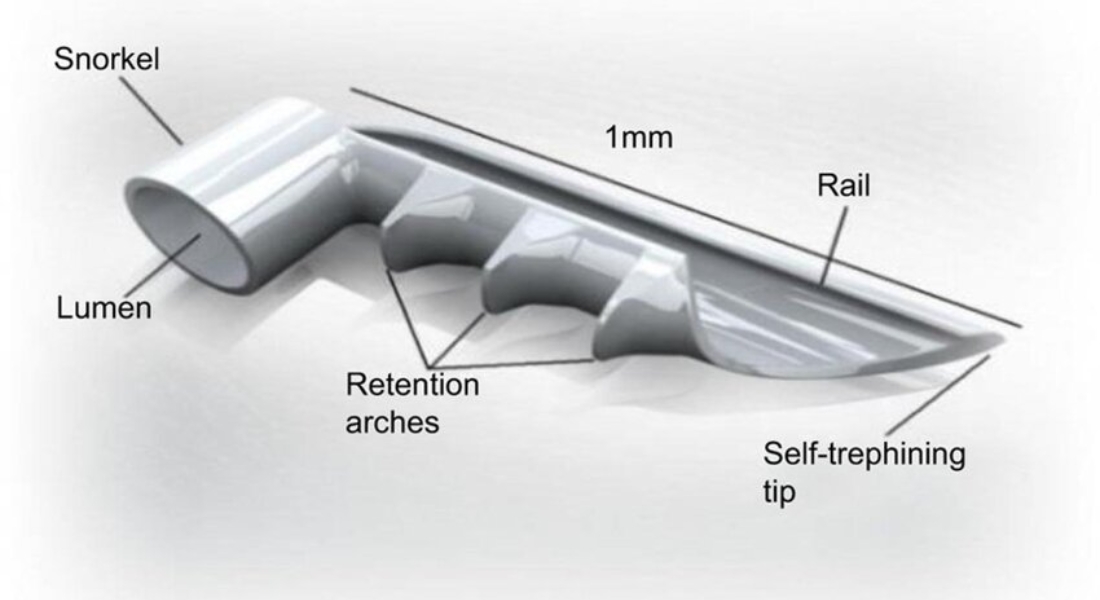
The iStent is positioned within the trabecular meshwork to form a microscopic channel. You gain improved access to Schlemm’s canal, which plays a key role in natural fluid drainage. We aim to enhance outflow and lower pressure through this targeted pathway.
Because the device works within your existing drainage system, your eye continues to function in a physiological manner. You do not have fluid redirected outside the eye. We focus instead on restoring more efficient internal circulation.
The objective is to achieve a modest yet clinically meaningful reduction in pressure. You should understand that it is not designed for very advanced or rapidly progressive glaucoma. We select this option carefully based on the severity of your condition.
When Is the iStent Usually Performed?
The iStent is most often inserted during cataract surgery. You avoid the need for a separate operation when both procedures are combined. We also make use of the same surgical access that is already created for lens removal.
In certain cases, you may have more than one stent placed to improve pressure control. We find that adding the device usually extends the operation only slightly. Your recovery is typically similar to that expected after cataract surgery alone.
It is uncommon for the device to be implanted as a standalone procedure without cataract surgery. You are assessed individually based on disease stage and pressure targets. We determine suitability carefully to ensure that your treatment plan remains appropriate and effective.
Who Benefits Most from the iStent?
The iStent is generally most suitable if you have mild to moderate open-angle glaucoma. You may benefit particularly when pressure is not fully controlled with one or two medications. We also consider it if you find daily drop routines difficult to maintain consistently.
You are often an ideal candidate if you are already planning cataract surgery and also have glaucoma. We can address lens opacity and support pressure reduction within the same procedure. Combining treatments may simplify your overall care pathway.
If you have advanced glaucoma requiring very low target pressures, this approach is not usually recommended. You may require a more intensive surgical option to achieve adequate control. We assess disease severity carefully to ensure the most appropriate strategy for your situation.
How Much Pressure Reduction Can Be Expected?
Managing glaucoma often involves combining different strategies to achieve safe pressure control. The iStent is designed to support this goal by enhancing the eye’s natural drainage. Clear discussion beforehand ensures your expectations remain realistic and well informed.
- Expected Pressure Reduction: The iStent typically provides a moderate reduction in intraocular pressure. The degree of improvement varies between individuals.
- Role Alongside Medication: It is often intended to supplement rather than fully replace medical therapy. Some patients reduce drops, while others continue at lower doses.
- Defining Treatment Success: Your individual target pressure determines whether outcomes are satisfactory. Expectations and goals are discussed clearly before surgery.
By aligning treatment with your specific pressure target, we focus on long-term stability rather than short-term change. Careful planning helps reduce treatment burden while maintaining control. Ongoing monitoring ensures that your pressure remains within a safe range over time.
Advantages of MIGS Compared to Traditional Surgery
Traditional glaucoma operations such as Trabeculectomy create a new drainage pathway to lower eye pressure. You should understand that, although highly effective, these procedures involve greater risk and a longer recovery period. We often compare them with minimally invasive glaucoma surgery, which aims to reduce disruption to natural structures.
The iStent has a favourable safety profile in suitable patients. You benefit from the fact that it works within your eye’s natural drainage anatomy. We generally see fewer and milder complications, along with a quicker recovery.
However, you should recognise that pressure reduction may be more modest compared with more aggressive surgery. We assess disease severity carefully before recommending any approach. Suitability depends on how advanced your glaucoma is and what level of pressure control you require.
Potential Risks and Limitations
Although described as minimally invasive, the iStent remains a surgical implant. You should be aware of potential risks such as minor bleeding, temporary pressure fluctuations or device malposition. We emphasise that serious complications are uncommon but still discussed transparently.
You may not achieve the desired pressure reduction in every case. We sometimes find that additional treatment is required later to maintain safe control. The device helps manage glaucoma but does not cure the condition.
When you understand these limitations, you avoid unrealistic expectations. We present the implant as one component within a broader, structured management plan. Clear perspective allows you to approach treatment decisions with confidence and balance.
Does the iStent Replace Eye Drops Completely?
Some patients are able to reduce or stop one or more glaucoma medications after implantation. You should understand, however, that complete freedom from drops cannot be guaranteed. We see outcomes vary according to individual response and underlying disease severity.
The aim is often to lessen your medication burden rather than remove it entirely. You may find that using fewer drops improves comfort and makes daily routines easier to maintain. We recognise that better adherence supports more stable long-term pressure control.
After surgery, your ophthalmologist will continue to monitor your eye pressure carefully. You can expect treatment to be adjusted if required to maintain safe levels. We ensure that structured follow-up remains a central part of your ongoing care.
Long-Term Monitoring After iStent

Even after a successful implant, ongoing glaucoma monitoring remains essential. You will still require regular pressure checks, optic nerve imaging and visual field assessments. We emphasise that the device supports control but does not remove the need for continued surveillance.
Glaucoma is a lifelong condition that demands structured and consistent oversight. You benefit from early detection of any change, allowing timely adjustment of treatment. We maintain careful follow-up to protect your long-term visual health.
The iStent becomes one component of your overall management plan rather than the final stage. You continue along a monitored pathway designed to preserve stability. We ensure that each step supports sustained pressure control and optic nerve protection.
Is the iStent Suitable for Everyone with Glaucoma?
Glaucoma management requires careful selection of the most appropriate treatment for you. While minimally invasive glaucoma surgery can be highly effective in suitable cases, it is not appropriate for every type of glaucoma. Thorough assessment ensures that any procedure recommended offers real and meaningful benefit.
- Variation Between Glaucoma Types: Not all forms of glaucoma respond equally to minimally invasive surgery. Closed-angle glaucoma or very advanced disease may not benefit from this approach.
- Anatomical Suitability: The eye’s drainage system must be accessible for safe implantation. Detailed examination confirms whether the necessary structures are suitable.
- Individualised Treatment Planning: Careful evaluation determines whether the device will provide genuine pressure control. Surgery is advised only when it offers clear clinical advantage for you.
By tailoring treatment to your specific condition, we prioritise both safety and effectiveness. Thoughtful planning ensures that intervention is chosen for benefit rather than convenience. Clear explanation helps you feel confident in the decisions made about your care.
Discussing Your Options

If you are exploring glaucoma treatment options, a thorough consultation forms the foundation of safe care. We explain that every intervention carries its own advantages and limitations. The iStent represents one option within a broader spectrum that includes eye drops, laser procedures and traditional surgery.
When discussing glaucoma treatment in London, we carefully assess your target eye pressure, the stage of your condition and your daily lifestyle demands. You receive a plan tailored to your individual needs rather than a standardised approach. Personalisation ensures that treatment aligns with both medical priorities and practical realities.
When you make informed decisions, you strengthen your long-term outcomes. We prioritise clear explanations so you understand why a particular pathway is recommended. Confidence grows when you feel fully informed and actively involved in your care.
FAQs:
- What type of glaucoma is the iStent most suitable for?
You are most likely to benefit if you have mild to moderate open-angle glaucoma. We assess whether your drainage angle is accessible and whether your pressure target is achievable with a modest reduction. It is not usually recommended for advanced or closed-angle glaucoma. - Is the iStent considered major surgery?
You do not undergo major external surgery with this procedure. We implant the device through the same small incision used in cataract surgery, without creating a new drainage channel outside the eye. Recovery is typically similar to standard cataract surgery. - Can you have the iStent without cataract surgery?
You can have it as a standalone procedure in selected cases, but it is most commonly performed alongside cataract surgery. We often recommend combining them because it avoids a second operation. Suitability depends on your eye health and treatment goals. - How long does the iStent last?
You should expect the device to remain in place permanently once implanted. We do not routinely replace it, as it is designed to function long term within your natural drainage system. Ongoing monitoring ensures it continues to support pressure control. - Will you feel the iStent inside your eye?
You will not feel the device once it has been inserted. We position it within the drainage angle where it does not interfere with normal sensation. Most patients are unaware of its presence after surgery. - Does the iStent cure glaucoma?
You should understand that it does not cure glaucoma. We use it to help lower pressure and slow progression, but ongoing monitoring remains essential. Glaucoma is a lifelong condition that still requires structured follow-up. - How soon can you return to normal activities?
You can usually resume light daily activities within a few days, similar to cataract recovery. We advise avoiding heavy lifting or eye strain in the early phase. Follow-up appointments ensure healing is progressing as expected. - What happens if the iStent does not lower pressure enough?
You may still require eye drops or additional procedures if pressure remains above your target. We reassess your response over time and adjust treatment accordingly. The device forms part of your overall management plan, not the final step. - Are there visible signs that you have an iStent?
You will not see the device in the mirror, and others cannot detect it. We can visualise it during examinations using specialised equipment. It remains discreet and does not affect the appearance of your eye. - How do you decide if the iStent is right for you?
You require a detailed assessment of your glaucoma stage, pressure target, and eye anatomy. We evaluate whether the expected pressure reduction aligns with your long-term needs. A personalised discussion ensures the decision reflects both safety and benefit.
Final Thoughts on iStent for Glaucoma:
The iStent is a minimally invasive device designed to improve natural fluid drainage and reduce eye pressure in selected glaucoma patients. It is most beneficial for individuals with mild to moderate open-angle glaucoma, particularly when combined with cataract surgery.
Its role is to support long-term pressure control with a favourable safety profile. If you are concerned whether glaucoma treatment could benefit you, feel free to get in touch with us at Eye Clinic London for personalised care and assessment suitable to your specific needs.
References:
- Sarkisian SR Jr (2022) Effectiveness and safety of the iStent infinite trabecular micro-bypass system in patients with open-angle glaucoma uncontrolled by prior therapy. Available at: https://pubmed.ncbi.nlm.nih.gov/36260288/
- Neuhann T, Neuhann R, Hornbeak DM (2024) Ten-Year effectiveness and safety of trabecular micro-bypass stent implantation with cataract surgery in glaucoma or ocular hypertension. Available at: https://pubmed.ncbi.nlm.nih.gov/38907091/
- Vohra, V., Madgula, I. & Chawla, H. (2025) Real-world assessment of second-generation trabecular micro-bypass stents in open-angle glaucoma patients. Available at: https://www.sciencedirect.com/science/article/pii/S2667376224000556
- Martini, K. (2024) Intraoperative iStent versus postoperative selective laser trabeculoplasty (SLT) for IOP control: comparative outcomes.
Available at: https://www.sciencedirect.com/science/article/abs/pii/S0181551223004126 - Zgryźniak, A. (2021) Selective Laser Trabeculoplasty in the Treatment of Ocular Hypertension and Glaucoma: A Review. Journal of Clinical Medicine, 10(15), 3307.
Available at: https://www.mdpi.com/2077-0383/10/15/3307