


Minimally Invasive Glaucoma Surgery (MIGS): What Patients Should Know (Guide)

Glaucoma is a condition that damages the optic nerve, often due to raised eye pressure. If you have been diagnosed with glaucoma, you may already know that controlling pressure is the main goal of treatment. Minimally invasive glaucoma surgery, known as MIGS, has emerged as an option that offers pressure reduction with potentially fewer risks than traditional surgery.
Many patients feel anxious when they hear the word “surgery.” MIGS procedures are designed to be gentler and safer than older glaucoma operations. Understanding how they work can help you feel more confident about your treatment options.
In this guide, we explain what MIGS means, how these procedures lower eye pressure, and who may benefit from them. We also explore how MIGS differs from traditional glaucoma surgery. Clear information allows you to make decisions based on knowledge rather than fear.
What Is Minimally Invasive Glaucoma Surgery (MIGS)?
Minimally invasive glaucoma surgery, or MIGS, refers to a group of procedures designed to lower eye pressure using very small incisions. These techniques aim to improve the eye’s natural fluid drainage while causing minimal disruption to surrounding tissue. The focus is on achieving pressure control with a quicker and more comfortable recovery. For many people, this makes treatment feel less daunting.
Unlike traditional glaucoma surgery, MIGS does not involve creating large drainage blebs or major structural changes. The procedures are usually performed from inside the eye using tiny devices or micro-implants. This internal approach reduces surgical trauma and lowers the risk of complications. Recovery is typically faster and easier to manage.
MIGS is often performed at the same time as cataract surgery, which is convenient for suitable patients. In some cases, it can also be carried out as a standalone procedure. Its minimally invasive nature makes it an attractive option for people with mild to moderate glaucoma. Suitability is always assessed on an individual basis.
Why Lowering Eye Pressure Is So Important
Glaucoma damages your optic nerve slowly over time, often without obvious early symptoms. Raised eye pressure is the main factor doctors can control to slow this damage. Lowering the pressure helps protect your vision and reduces the risk of further loss.
Eye pressure rises when fluid inside your eye does not drain properly. This fluid, called aqueous humour, normally flows out through specific drainage pathways. When that flow is reduced or blocked, pressure builds up inside the eye.
All glaucoma treatments focus on either improving drainage or reducing fluid production. MIGS procedures mainly work by enhancing your eye’s natural drainage system. This helps keep pressure at safer levels over the long term.
How MIGS Procedures Work
MIGS procedures work by improving how fluid drains from your eye using its natural pathways. Some devices create tiny openings in the trabecular meshwork to help fluid flow more easily. Others bypass blocked channels or support alternative drainage routes.
Because MIGS uses microscopic instruments, there is very little disruption to surrounding tissue. This means less inflammation and a faster, more comfortable recovery for you. Healing is usually smoother and more predictable than with traditional surgery.
The exact mechanism depends on the specific MIGS device used. Each option targets a slightly different drainage pathway. Your surgeon selects the most suitable approach based on your type of glaucoma and how advanced it is.
Common Types of MIGS Procedures
| MIGS Type | Target Area | Main Purpose |
| Trabecular micro-bypass | Trabecular meshwork | Improves natural drainage |
| Suprachoroidal stent | Alternative outflow pathway | Enhances secondary drainage |
| Subconjunctival micro-shunt | Creates new drainage route | Lowers pressure further |
These devices are extremely small and inserted through tiny incisions. Most are implanted permanently to maintain drainage. Each has its own suitability criteria.
Your surgeon will explain which option aligns with your eye anatomy. Individual factors determine the safest approach. Personalisation is central to MIGS success.
Who Is Suitable for MIGS?
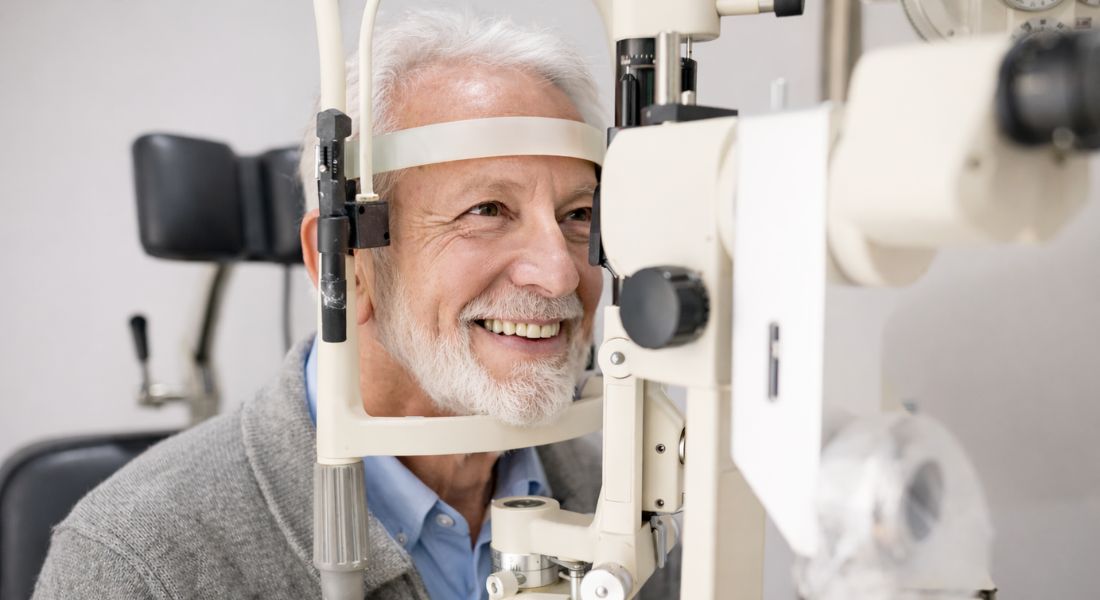
MIGS is usually recommended if you have mild to moderate glaucoma. It can be a good option when your eye pressure is not well controlled with drops alone. In many cases, it also helps reduce your long-term reliance on medication.
You may be especially suitable if you are already planning to have cataract surgery. MIGS can be performed at the same time, giving you two benefits from one procedure. This approach can also reduce the need for additional surgery later on.
MIGS is generally not advised if you have advanced glaucoma. In more severe cases, you may need a different type of surgery to control eye pressure effectively. Your suitability is always decided after a careful assessment of your eyes and overall eye health.
How MIGS Differs From Traditional Glaucoma Surgery
If you’re weighing up different surgical options for glaucoma, it helps to understand how MIGS compares with more traditional procedures. Both aim to lower eye pressure, but they do so in very different ways. The right choice depends on how much pressure reduction you need and how your eyes respond to risk.
- Traditional surgery creates a new drainage pathway: Procedures such as trabeculectomy work by forming a filtering bleb to allow fluid to drain out of the eye. While highly effective, these surgeries carry a higher risk of complications and usually involve a longer, more demanding recovery.
- MIGS preserves the eye’s natural anatomy: MIGS procedures use smaller incisions and work with existing drainage pathways wherever possible. This makes them less invasive and generally safer, with fewer post-operative complications.
- Pressure reduction differs between approaches: Traditional surgery can lower eye pressure more dramatically, which is often necessary in advanced glaucoma. MIGS typically delivers a more modest reduction but does so with a better safety profile.
- Recovery is usually quicker with MIGS: Because the surgery is less invasive, recovery tends to be faster and less restrictive compared with traditional glaucoma surgery.
Choosing between MIGS and traditional surgery is about balance. You need enough pressure reduction to protect your vision, without taking on unnecessary risk. Your surgeon will guide you based on the severity of your glaucoma and your target pressure. The goal is always long-term stability, achieved in the safest way possible for you.
Comparison Between MIGS and Traditional Surgery
| Feature | MIGS | Traditional Surgery |
| Invasiveness | Minimal | Moderate to high |
| Recovery time | Faster | Longer |
| Pressure reduction | Moderate | Greater |
| Risk level | Lower | Higher |
This comparison helps clarify expectations. MIGS is not a replacement for traditional surgery in every case. It is an additional tool in glaucoma management. Your ophthalmologist weighs benefits and risks carefully. Treatment decisions are individualised.
Advantages of MIGS
MIGS procedures usually involve shorter operating times, which means less disruption to the eye. Because the techniques are gentler, your recovery is often quicker than with traditional glaucoma surgery. Many people notice they can get back to normal routines sooner.
The overall safety profile of MIGS is generally favourable. Serious complications are less common compared to older surgical methods. This makes MIGS an appealing option if you are concerned about surgical risk.
Another advantage is the potential to reduce your dependence on daily eye drops. Fewer medications can make treatment more comfortable and easier to manage. That said, some patients will still need drops to keep eye pressure well controlled.
Limitations of MIGS
MIGS can be a very useful option for some people, but it’s important to understand its limits. It’s designed to improve pressure control safely, not to replace all other treatments in every situation. Knowing where MIGS fits helps you make informed decisions.
- MIGS does not usually achieve very low eye pressures: If you have advanced glaucoma or need a large pressure reduction, MIGS may not be strong enough on its own. In these cases, traditional glaucoma surgery is often more effective.
- Results vary between individuals: Your eye anatomy and the severity of your glaucoma influence how well MIGS works. Some people still need to use eye drops after the procedure.
- Expectations need to remain realistic: MIGS aims to reduce pressure and medication burden, not to eliminate glaucoma. It works best as part of a broader treatment plan.
- Ongoing monitoring is still essential: Even after MIGS, regular check-ups are needed to ensure pressure remains stable and the optic nerve stays healthy.
MIGS is not a cure for glaucoma. It’s one tool within long-term management. Staying realistic about what it can and cannot do helps avoid disappointment. With continued monitoring, MIGS can play a valuable role in protecting your vision over time.
What to Expect During the Procedure
MIGS is usually carried out under a local anaesthetic, so you stay awake but comfortable throughout. You should not feel pain during the procedure, only mild pressure. The operation itself is typically quite short.
During surgery, your surgeon uses very small instruments inserted through tiny corneal incisions. The chosen device is carefully placed within your eye’s natural drainage system. These incisions are normally self-sealing and do not require stitches.
Most patients are able to go home the same day. You will be prescribed eye drops afterwards to support healing and reduce inflammation. Follow-up appointments are important to check that your eye pressure remains stable.
Recovery After MIGS
Recovery after MIGS is usually smoother than with traditional glaucoma surgery. You may notice mild irritation, light sensitivity, or slightly blurred vision at first. This is normal and tends to improve quickly. For most people, these early symptoms settle within a few days.
You will need regular eye pressure checks after your procedure. These follow-up visits help confirm that the device is working effectively. Monitoring also allows your specialist to spot and address any issues early. This careful aftercare helps protect your long-term results.
Most patients return to normal daily routines fairly quickly. You may be advised to avoid heavy lifting or strenuous exercise for a short time. Following these instructions supports proper healing. Overall, recovery is usually straightforward and uncomplicated.
Risks and Potential Complications
Even though MIGS is generally safer than traditional glaucoma surgery, it isn’t completely risk-free. Knowing what might happen helps you feel prepared and understand why follow-up is so important. Being aware of potential complications lets you make informed choices about your care.
- Temporary pressure fluctuations or mild inflammation: After MIGS, you might notice slight changes in eye pressure or mild irritation. These issues are usually short-lived and resolve with routine care.
- Bleeding inside the eye is rare but possible: In very uncommon cases, minor bleeding can occur. Most of the time, it settles without causing lasting problems.
- Experienced surgeons reduce risk: Choosing a specialist familiar with MIGS techniques helps minimise complications and ensures careful handling throughout the procedure.
- Pre-operative assessment and follow-up are crucial: Thorough evaluation before surgery and consistent post-operative monitoring help catch any issues early and keep your recovery on track.
While serious complications are uncommon, understanding the risks is important. Following your surgeon’s instructions and attending all follow-ups maximises safety. You’ll have the best chance of a smooth recovery and effective pressure control. Being informed helps you feel confident about your decision and your long-term eye health.
Combining MIGS With Cataract Surgery
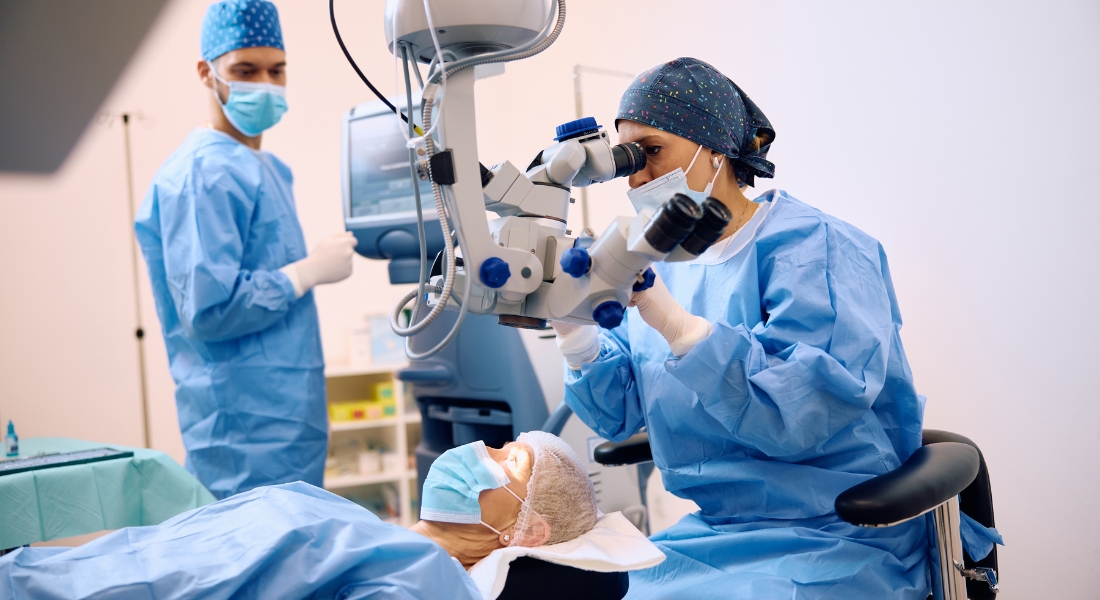
Many MIGS procedures are performed at the same time as cataract surgery. This means you can benefit from both improved vision and lower eye pressure in a single operation. Combining the two procedures can be more convenient and efficient for you.
Cataract removal on its own may help reduce eye pressure slightly. When MIGS is added, the effect is often greater and more consistent. This combined approach is commonly recommended for patients who are suitable candidates.
Your surgeon will carefully assess whether this combination is right for you. Factors like your eye anatomy and the stage of your glaucoma guide the decision. A personalised plan ensures the best possible outcome for your eyes.
Long-Term Outcomes With MIGS
Long-term studies show that many patients experience stable eye pressure after MIGS. When the procedure is performed on suitable candidates, these results are often maintained over time. Even so, regular monitoring is still important to ensure continued effectiveness.
Some patients may need further treatment in the future. Glaucoma is a progressive condition, so ongoing care is essential. MIGS can reduce pressure, but it does not remove the need for lifelong management.
Consistent follow-up appointments help protect your vision. Maintaining stability depends on careful, ongoing monitoring and treatment. Acting early if issues arise remains a key part of keeping your eyes healthy.
How MIGS Fits Into Overall Glaucoma Care
Glaucoma treatment isn’t one-size-fits-all. You have options ranging from eye drops to laser and traditional surgery, and MIGS sits in between. Understanding where it fits helps you see how it can be part of a personalised care plan.
- MIGS provides a middle-ground option: It’s more effective than medication alone for many patients, but less invasive than traditional glaucoma surgery. This makes it a good next step when drops aren’t enough.
- It can reduce your reliance on medication: Some people find that after MIGS they need fewer drops, which makes daily management easier and more comfortable.
- It may delay the need for more invasive surgery: For others, MIGS helps maintain pressure control long enough to postpone traditional surgery, giving you more flexibility in your treatment journey.
- Treatment sequencing is personalised: Your doctor will tailor the plan based on your eye health, pressure targets, and lifestyle, combining MIGS with other therapies as needed.
MIGS is just one part of modern glaucoma management, but it can play an important role in preserving your vision. By fitting strategically into your care plan, it expands your options and reduces treatment burden. You still need ongoing monitoring and follow-up, but MIGS can make long-term control safer and more convenient. It’s about achieving stability while keeping your quality of life in mind.
Questions You Should Ask Before MIGS
Before having MIGS, you should ask how much your eye pressure is likely to reduce. Knowing what to realistically expect can help prevent disappointment. It’s also important to clarify whether you might still need to use eye drops afterwards.
You should discuss the potential risks and what recovery will be like. Understanding what happens during healing can ease any anxiety. Your surgeon’s transparency helps you make an informed decision.
It’s also wise to ask about long-term monitoring plans. Glaucoma is a lifelong condition, so ongoing care is essential. Remember, surgery does not replace regular follow-up with your specialist.
The Importance of Specialist Assessment

Every case of glaucoma is unique, so a thorough assessment is essential. Detailed imaging and precise pressure measurements help guide the best treatment for you. Consulting a specialist ensures that your care is both safe and appropriate.
An experienced glaucoma surgeon will carefully evaluate whether MIGS is suitable for you. This assessment includes checking corneal thickness, the health of your optic nerve, and the structure of your eye’s drainage angle. Individualised care is key to achieving the best results.
Choosing the right procedure can help protect your vision for the long term. Specialist expertise improves outcomes and reduces risks. Careful planning and personalised treatment are what make the difference.
FAQs:
- What exactly is MIGS and how does it work?
MIGS, or minimally invasive glaucoma surgery, is a group of procedures designed to lower your eye pressure by enhancing your eye’s natural drainage system. Unlike traditional surgery, it uses tiny instruments and small incisions, which means your eye experiences less trauma and the recovery is usually quicker and more comfortable. Your surgeon will select the most suitable device based on your eye anatomy and the type of glaucoma you have. - Are you suitable for MIGS?
MIGS is typically recommended for people with mild to moderate glaucoma who need better pressure control than medication alone can provide. It may also be a goodoption if you are already planning cataract surgery, as both procedures can be done together. If your glaucoma is advanced, your surgeon might suggest a different type of surgery that achieves a larger reduction in eye pressure. - How does MIGS compare with traditional glaucoma surgery?
Traditional glaucoma surgery often creates a new drainage pathway outside the eye, which can lower pressure more dramatically but involves higher risk and a longer recovery. MIGS preserves your eye’s natural structures, uses smaller incisions, andgenerally has fewer complications. The pressure reduction with MIGS is more modest, but the safety profile and quicker recovery make it appealing for many patients. - Will you still need eye drops after MIGS?
Some people continue to use eye drops after MIGS, although often fewer than before. The aim is to achieve stable long-term pressure control while reducing your reliance on daily medication. Your surgeon will discuss what to expect for your specific situation and adjust your treatment plan accordingly. - What happens during the MIGS procedure?
MIGS is usually performed under local anaesthetic, so youremain awake but comfortable. The surgeon inserts tiny instruments through very small corneal incisions and places the chosen device within your eye’s drainage system. The operation is typically quick, and you are often able to go home the same day. - How long does recovery take after MIGS?
Recovery isgenerally smoother and faster than traditional surgery. Mild irritation, light sensitivity, or slightly blurred vision can occur for a few days, but most people return to normal daily routines quickly. Regular follow-up appointments are essential to monitor your eye pressure and ensure the device is working effectively. - What risks should you be aware of?
While MIGS is considered safer than traditional surgery, it is not completely risk-free. Temporary fluctuations in eye pressure or mild inflammation may occur, and very rarely, minor bleeding inside the eye can happen. Choosing an experienced surgeon and attending all follow-ups helps reduce these risks and ensures a smooth recovery. - Can MIGS be combined with cataract surgery?
Yes, many MIGS procedures are performed at the same time as cataract surgery. Combining the two procedures can improve vision and lower eye pressure simultaneously, making the overall treatmentmore convenient and effective. Your surgeon will assess whether this approach suits your eyes and stage of glaucoma. - How long do the benefits of MIGS last?
Long-term studies show that many patientsmaintain stable eye pressure after MIGS. However, glaucoma is a lifelong condition, and ongoing monitoring is necessary. Your eye pressure will be checked regularly to ensure the device continues to function well, and adjustments to your treatment may be made over time. - Will MIGS prevent you from needing traditional surgery in the future?
MIGS can reduce the likelihood of needing more invasive surgery in the short to medium term, but it does not guarantee you will never need traditional glaucoma surgery. The procedure is part of a stepwise treatment approach, and your ophthalmologist will tailor your care plan based on how your eye responds and how your disease progresses.
Final Thoughts: Exploring Glaucoma Treatment in London
Minimally invasive glaucoma surgery can be a valuable option if you’re looking for effective pressure control with a gentler, lower-risk approach than traditional surgery. It’s not a cure, but it can reduce your reliance on medication and fit strategically into a personalised glaucoma care plan. If you’re exploring whether glaucoma treatment in London could benefit you, get in touch with us at Eye Clinic London to schedule your consultation. A specialist assessment will help determine the best approach for your eyes and long-term vision health.
References:
- Balas, M. and Mathew, D.J. (2023) Minimally Invasive Glaucoma Surgery: A Review of the Literature, Vision, 7(3), p. 54. Available at: https://www.mdpi.com/24115150/7/3/54
- Chihara, E. (2025) Clinical Debates in Minimally Invasive Glaucoma Surgeries (MIGSs), Journal of Clinical Medicine, 15(1), p. 240. Available at: https://www.mdpi.com/20770383/15/1/240
- Bidiwala, S., Jabarkhyl, D. and Bidiwala, K. (2025) Outcomes of Minimally Invasive Glaucoma Surgery (MIGS) in Glaucoma Patients With Coexisting Cataract: A Systematic Review and MetaAnalysis, Cureus, 17(1), e77007. https://pubmed.ncbi.nlm.nih.gov/39912032/
- Paik, B. et al. (2025) Outcomes and Complications of Minimally Invasive Glaucoma Surgeries (MIGS) in Primary Angle Closure and Primary Angle Closure Glaucoma: A Systematic Review and MetaAnalysis, Clinical Ophthalmology, 19, pp. 483–506. https://pubmed.ncbi.nlm.nih.gov/39963523/
- Gillmann, K. (2020) ‘Minimally Invasive Glaucoma Surgery: Where Is the Evidence?’, Survey of Ophthalmology, 66(5), pp. 714–742. https://www.sciencedirect.com/science/article/pii/S2162098923002013