


When Are Glaucoma Eye Drops No Longer Enough? Next Treatment Steps Explained
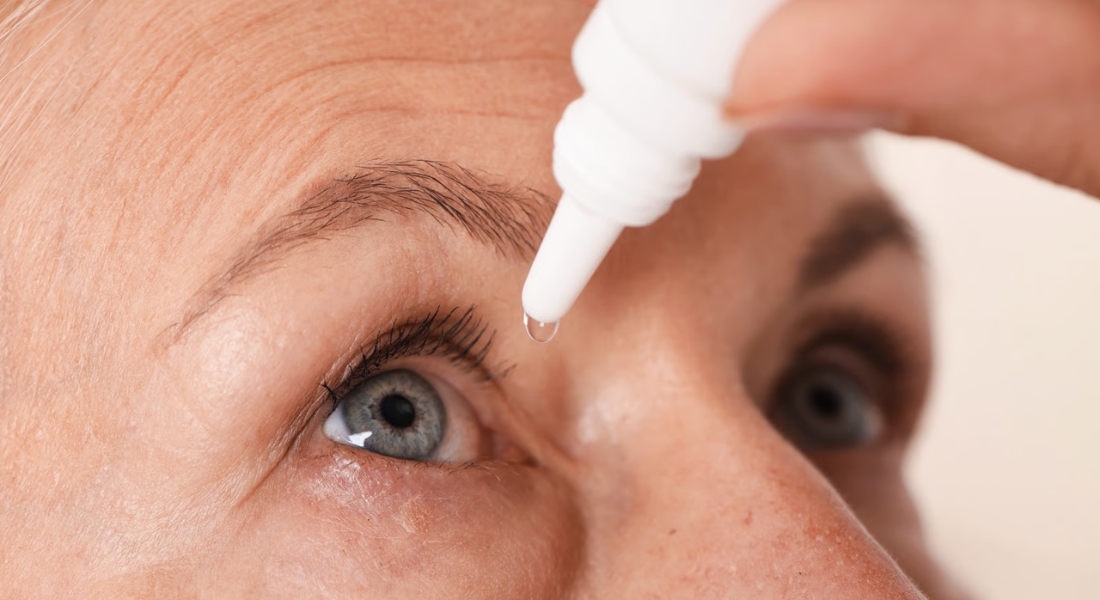
For many people with glaucoma, eye drops are the first line of treatment and often work well for years. They help lower eye pressure and protect the optic nerve from further damage. It’s natural, though, to worry about what happens if drops stop being effective. These concerns are very common and completely understandable.
Glaucoma is a long-term condition that can change gradually over time. A treatment that controls pressure well at one stage may not be enough later on. Doctors regularly assess how well drops are working to ensure your vision remains protected. Understanding this process can help reduce anxiety around treatment changes.
In this guide, we explain how clinicians decide when eye drops are no longer sufficient. We also outline the next treatment options that may be considered if pressure control isn’t adequate. Knowing what to expect can help you feel informed, prepared, and more confident about your care.
How Glaucoma Eye Drops Work
Glaucoma eye drops work by lowering the pressure inside the eye. They do this either by reducing how much fluid the eye produces or by helping fluid drain away more efficiently. Keeping pressure down is key to protecting the optic nerve from damage.
There are several different types of eye drops used to treat glaucoma. Some need to be used once a day, while others are required more often. In some cases, combination drops are prescribed to improve pressure control with fewer bottles.
For many people, eye drops are very effective at managing glaucoma. That said, everyone responds differently to treatment. Regular check-ups help doctors make sure the drops are doing their job.
Why Eye Drops Sometimes Stop Being Enough
Glaucoma can sometimes progress even when eye pressure appears stable. This usually means the pressure is still not low enough for that individual eye. As the disease becomes more advanced, tighter pressure control is often needed.
Over time, the optic nerve may become more sensitive to pressure. Levels that were once safe can start causing further damage. This is why doctors may lower the target pressure as glaucoma progresses.
In some cases, eye drops themselves become less effective. The eye’s biological response can change, or the drops may no longer provide sufficient pressure reduction. When this happens, treatment needs to be reviewed and adjusted.
What “Target Pressure” Means
Every person with glaucoma is given a target eye pressure. This is the pressure level thought to slow or prevent further damage to the optic nerve. It is not a fixed number and varies from one patient to another.
In early or mild glaucoma, the target pressure may be relatively moderate. As the disease advances, much lower pressure levels are usually required to protect vision. The target is reviewed and adjusted over time based on how the eye responds.
When measured pressure stays above the target, treatment needs to be intensified. This is often the point where eye drops alone are no longer enough. Additional therapies may then be considered to achieve safer pressure control.
Signs That Drops Are No Longer Enough
If you’re using eye drops for glaucoma, it’s important to know that treatment success isn’t judged by pressure readings alone. Your doctor looks at how your optic nerve and visual function are changing over time. Recognising these warning signs helps guide when treatment needs to be stepped up.
- Worsening visual field test results: If your visual field tests show increasing areas of vision loss, it suggests the glaucoma is progressing despite treatment.
- Imaging shows progressive optic nerve thinning: Scans such as OCT can reveal gradual thinning of the nerve fibres, even before you notice changes in your vision.
- Damage can progress despite “normal” pressure readings: In conditions like normal-tension glaucoma, pressure may appear controlled, yet structural damage continues. In these cases, nerve health matters more than the number itself.
Progression despite therapy signals the need to escalate treatment. The aim is not simply to lower pressure, but to achieve long-term stability. Adjusting treatment early can help protect the vision you still have. Ongoing monitoring ensures decisions are based on change, not assumptions.
When Pressure Remains Too High
When eye pressure stays high despite using the maximum tolerated drops, alternative treatment options are considered. Simply adding more drops often provides little extra benefit. It can also increase side effects and reduce comfort.
At this stage, clinicians reassess how drops are being used. Poor technique or missed doses are common and can affect results. Sometimes, simple education is enough to improve pressure control.
If pressure continues to exceed the target despite correct use, further steps are needed. This situation is not unusual in glaucoma care. Treatment is then adjusted to better protect the optic nerve.
The Role of Compliance
Using glaucoma drops consistently can be more challenging than it first appears. Life gets busy, routines change, and missed doses are common. Understanding how compliance affects treatment helps explain why control can sometimes fall short.
- Missed doses reduce treatment effectiveness: If drops are not used as prescribed, eye pressure may fluctuate or rise. This can look like treatment failure, even when the medication itself is effective.
- Correct technique and timing matter: Doctors check not only whether you’re using your drops, but how you’re using them. Poor technique or inconsistent timing can significantly reduce how well the drops work.
- Simplifying treatment can improve adherence: Reducing the number of drops or dosing times can make treatment easier to maintain. This often improves long-term control.
When compliance is difficult, non-drop treatments become more appealing. Reducing reliance on daily drops can lead to more stable pressure control. The goal is to find a treatment plan that fits your life as well as your eyes. Better alignment usually leads to better outcomes over time.
Side Effects Limiting Drop Use
Some patients struggle to tolerate long-term use of multiple glaucoma eye drops. Ongoing redness, irritation, or dryness can make daily treatment uncomfortable. In some cases, drops may also cause headaches, breathing issues, or fatigue. These effects can gradually reduce quality of life.
When side effects interfere with regular or correct dosing, eye drops may no longer be effective. Skipped doses or reduced use can lead to poor pressure control. At this stage, continuing with drops alone is often insufficient. Treatment plans need reassessment.
Comfort is an important part of glaucoma care, not a luxury. Treatment should feel manageable and sustainable over time. When drops become unbearable, other options such as laser or surgical treatments are explored. The goal is stable pressure control without unnecessary discomfort.
Maximum Medical Therapy Defined
Maximum medical therapy refers to using all suitable classes of glaucoma eye drops together. At this stage, there is usually very little scope for further pressure reduction with medication alone. Treatment often involves three or more drops, sometimes taken multiple times a day. This complexity increases treatment burden and raises the risk of missed doses or non-compliance.
When pressure remains above target despite maximum medical therapy, escalation is discussed. Doctors recognise that adding more drops is unlikely to help. Side effects and daily inconvenience often outweigh any small benefit. At this point, drops alone are no longer enough to protect vision.
First Step Beyond Drops: Laser Treatment
Selective Laser Trabeculoplasty (SLT) is commonly the next step when drops are insufficient. It works by improving fluid drainage from the eye rather than reducing fluid production. The procedure is quick, minimally invasive, and performed as an outpatient treatment. Many patients tolerate it well.
SLT typically lowers eye pressure by around 20–30%, although results vary between individuals. In some cases, it reduces the number of drops needed or replaces them altogether. Because it carries a lower risk than surgery, SLT is often tried first. It acts as a bridge between medication and more invasive options.
When SLT Is Recommended
SLT is usually considered when eye pressure is not adequately controlled with drops alone, or when drops cause side effects or are difficult to use consistently. It offers a way to escalate treatment without moving straight to surgery. For many patients, this provides a useful next step in glaucoma management.
- Pressure remains above target despite drops: If your eye pressure stays higher than your doctor’s target level, SLT may be recommended to improve control.
- Eye drops are poorly tolerated: Some people experience irritation, dryness, or other side effects from long-term drop use. SLT can reduce or remove the need for daily medication.
- Compliance with drops is difficult: If remembering or using drops correctly is a challenge, a single laser procedure can replace daily effort while still controlling pressure.
- Open-angle glaucoma is present: SLT is particularly effective in open-angle glaucoma and is commonly used in this group.
SLT can also delay the need for more invasive surgery. It adds flexibility to your long-term treatment plan rather than replacing future options. Ongoing monitoring remains essential, whatever treatment you choose. The goal is stable pressure control with the least burden on your daily life.
If Laser Is Not Enough
If eye pressure remains above target after laser treatment, surgery may be considered. Surgical procedures aim to achieve a greater and more sustained pressure reduction. The decision depends on glaucoma severity, rate of progression, and individual risk factors.
In advanced glaucoma, drops and laser may no longer provide adequate control. More aggressive pressure lowering is often needed to protect remaining vision. Surgery offers this stronger control when other options fall short. Escalation reflects disease progression, not treatment failure.
Minimally Invasive Glaucoma Surgery (MIGS)
MIGS procedures are designed to lower eye pressure with less tissue disruption than traditional surgery. They improve fluid drainage using tiny implants or micro-incisions. Because the approach is gentler, recovery is usually quicker. The overall safety profile is favourable.
MIGS is most commonly used in mild to moderate glaucoma. It is frequently performed at the same time as cataract surgery. Pressure reduction is generally moderate rather than dramatic. For many patients, this level of control is sufficient.
MIGS helps bridge the gap between eye drops and major surgery. It provides an option when drops or laser are no longer enough, but full surgery is not yet required. This stepwise approach allows treatment to escalate gradually. Choice depends on individual disease behaviour and eye anatomy.
Traditional Glaucoma Surgery
Traditional glaucoma surgeries, such as trabeculectomy, create a new pathway for fluid to drain from the eye. This leads to a significant and sustained reduction in eye pressure. These procedures are usually reserved for advanced or rapidly progressing glaucoma.
Compared with drops or laser, recovery requires closer and longer monitoring. Risks are higher and include infection, low eye pressure, or scarring. Despite this, outcomes are often very effective when carefully managed.
When eye drops and laser are no longer enough, surgery can be vision-preserving. It aims to achieve pressure levels that other treatments cannot reach. For many patients, it represents a critical and life-changing step in long-term glaucoma care.
Comparing Escalation Options
When glaucoma progresses, treatment often needs to be stepped up in a controlled way. Each escalation option offers a different balance between pressure reduction, invasiveness, and recovery time. Understanding how these approaches compare helps patients see why one option may be recommended over another. The right choice depends on disease severity, response to earlier treatments, and overall risk.
| Treatment Step | Pressure Reduction | Invasiveness | Recovery Time |
| Additional drops | Low–moderate | None | Immediate |
| SLT laser | Moderate | Minimal | Short |
| MIGS | Moderate | Mild | Short–moderate |
| Trabeculectomy | High | Significant | Longer |
Each stage balances risk and benefit. Individual disease severity guides choice.
Why Early Escalation Can Be Protective
Delaying escalation can allow ongoing damage to the optic nerve, even when symptoms feel stable. Glaucoma damage is irreversible, so waiting too long carries real risk. Acting earlier helps protect the vision that remains. Prevention is always better than rescue.
Doctors carefully weigh the benefits and risks before escalating treatment. If progression is rapid, stronger intervention may be needed sooner. Slower disease allows more time for observation and adjustment. Decisions are tailored to how the eye is behaving, not just the pressure reading.
Timing plays a critical role in long-term outcomes. Early escalation can stabilise pressure before significant loss occurs. This approach is not aggressive, but protective. The priority is preserving sight for the future.
Emotional Concerns About Escalation
Many patients feel anxious when treatment needs to be escalated. Surgery or laser can sound frightening, especially after managing glaucoma with drops alone. Escalation often feels like something has gone wrong. In reality, it usually reflects careful, proactive care.
A change in treatment does not mean failure. Glaucoma is a chronic, progressive condition that often requires adjustment over time. Stronger treatment simply means the disease needs tighter control. This is common and expected in long-term eye conditions.
Understanding the reason behind escalation helps reduce fear. Knowing that the goal is protection, not panic, brings reassurance. Clear explanations replace uncertainty with confidence. Emotional support is an important part of glaucoma care.
Monitoring After Escalation
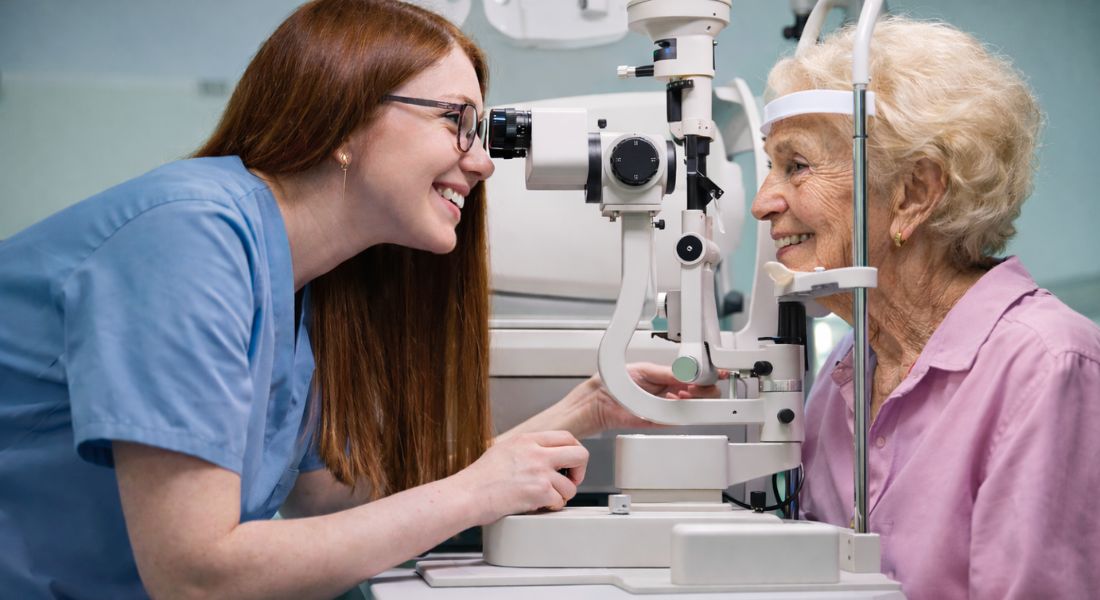
When treatment is escalated with laser or surgery, follow-up does not stop. Glaucoma is a lifelong condition, and ongoing monitoring is essential to protect your vision. Escalation marks a change in management, not an endpoint.
- Eye pressure must remain controlled long term: Even after successful laser treatment or surgery, pressure can rise again over time. Regular checks ensure it stays within your target range.
- Visual field tests track functional stability: These tests show whether your peripheral vision is remaining stable or changing. Subtle progression can be detected before you notice symptoms.
- Imaging monitors optic nerve health: Scans such as OCT help identify structural changes in the optic nerve. This information guides decisions about further treatment adjustments.
- Further changes may still be needed: Treatment plans are reviewed and adapted as required. This may involve additional laser, drops, or other interventions.
Escalating treatment does not mean follow-up ends. It begins a new phase of long-term care focused on stability. Regular monitoring allows problems to be addressed early. With ongoing attention, vision can often be preserved for many years.
When Drops May Be Restarted
Sometimes surgery lowers eye pressure but does not remove the need for drops entirely. In these cases, a smaller number of drops may still be required. Using drops alongside surgery is common practice. The aim is stable pressure, not eliminating medication at all costs.
Restarting drops does not mean the treatment has failed. It simply reflects fine-tuning based on how the eye responds. Glaucoma management often involves adjustment over time. Optimisation is part of good care.
Flexibility plays a key role in long-term control. Treatment plans change as the disease and eye response evolve. This dynamic approach helps protect vision more effectively. Ongoing review ensures the balance stays right.
What This Means for You

If you are told that eye drops are no longer enough, it means your doctor is acting to protect your vision. Glaucoma changes over time, and treatment must adapt with it. This is a normal part of long-term care, not a sign of failure.
Laser and surgical options are well established and widely used. Many patients achieve excellent pressure control and long-term stability with these treatments. Understanding the options helps reduce fear and uncertainty.
Early adjustment is often protective. Acting sooner can preserve remaining vision and reduce future risk. Delaying changes may allow preventable damage to occur.
FAQs:
- How do you know when your glaucoma drops are no longer enough?
You may not feel any change yourself, which is why regular testing is so important. We look for rising pressure, worsening visual field results, or structural changes on scans. If these appear despite correct use of drops, stronger treatment is usuallyrequired. - Can your eye pressure be “normal” and still need more treatment?
You can still experience optic nerve damage even when pressure readings look acceptable. We sometimes need to lower your target further if progression continues. Protection depends on stability, not simply reaching an average number. - Should you worry if your doctor suggests laser treatment?
You do not need to assume something has gone wrong if laser isadvised. We recommend it when medication alone is not achieving sufficient control. It is a common and well-established next step in glaucoma care. - Will adding more eye drops always solve the problem?
You may gain limitedadditional benefit from extra medication, but results are not guaranteed. We also consider side effects and daily burden before increasing prescriptions. If control remains inadequate, other options are usually more effective. - Can glaucoma become harder to control over time?
You may find that treatment needs change as the condition progresses. We sometimes lower your pressure target because the optic nerve becomes more vulnerable. Escalation reflects disease behaviour rather than failure. - What happens if you delay escalating treatment?
You risk ongoing, irreversible optic nerve damage if progression continues unchecked. We act proactively to preserve the vision you still have. Early adjustment is often protective rather than aggressive. - Could poor drop technique make treatment seem ineffective?
You may not realise that incorrect application can reduce effectiveness significantly. We check both how often and how accurately you use your medication. Improving technique alone can sometimes restore adequate control. - Are surgical options only for advanced glaucoma?
You may need surgery earlier if progression is rapid or pressureremains unstable. We tailor decisions to how your eye is responding rather than waiting for severe damage. Timely intervention often protects long-term vision. - Can you stop using drops after laser or surgery?
You may reduce or even stop drops after successful treatment, but this is not guaranteed. We sometimes continue medication at a lower intensity foradditional stability. The aim is consistent control, not complete independence from drops. - How do you stay confident when treatment changes are needed?
You can feel reassured that adjustment is part of responsible long-term care. We adapt treatment as your eye’s needs evolve over time. Change reflects protection of your sight, not deterioration of your care.
Final Thought: Protecting Your Vision Long Term
Being told that glaucoma eye drops are no longer enough can feel worrying, but it usually means your care is being adjusted at the right time. Glaucoma often changes slowly, and treatment needs to keep pace to protect your remaining vision. Escalating treatment is a proactive step, not a setback.
Laser and surgical options are well-established and carefully chosen based on how your eyes respond over time. Many people achieve stable, long-term pressure control once the right combination of treatments is in place. Understanding why changes are recommended can help you feel more confident and less anxious about the next step. If you’d like to explore whether glaucoma treatment in London could be the right option for you, feel free to contact us at Eye Clinic London to arrange a consultation.
References:
- Weinreb, R.N., Aung, T. & Medeiros, F.A. (2014) The pathophysiology and treatment of glaucoma. The Lancet, 383(9932), pp.1901–1912. Available at: https://pubmed.ncbi.nlm.nih.gov/24825645/
- Gazzard, G. et al. (2019) Selective laser trabeculoplasty versus eye drops for first-line treatment of ocular hypertension and glaucoma (LiGHT Trial). The Lancet, 393(10180), pp.1505–1516. Available at: https://pubmed.ncbi.nlm.nih.gov/30862377/
- Chen, K.-Y., Chan, H.-C. & Chan, C.-M. (2025) What is the long-term efficacy and safety of selective laser trabeculoplasty in the management of primary open-angle glaucoma? A systematic review and meta-analysis. Available at: https://www.sciencedirect.com/science/article/pii/S1572100025002753
- Chan, P.P.M. (2023) Minimally invasive glaucoma surgery: Current status and future prospects. Available at: https://www.sciencedirect.com/science/article/pii/S2162098924000057
- Naito, T., et al. (2025) Two-Year Outcome of Selective Laser Trabeculoplasty for Glaucoma Patients: Intraocular pressure (IOP) reduction and long-term efficacy in patients where medication alone was insufficient. Available at: https://www.mdpi.com/2077-0383/14/10/3459