


LASIK and Allergies or Hay Fever: Does It Affect Healing? (Explained)
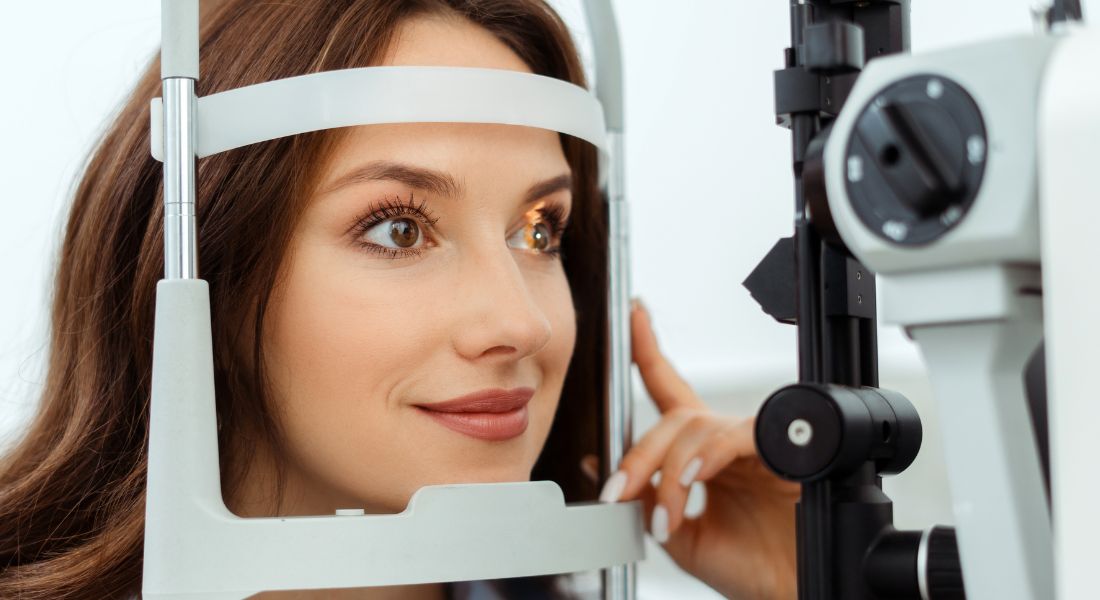
Seasonal allergies and hay fever are very common, especially in spring and summer. If you’re considering LASIK, it’s natural to worry that allergies might interfere with healing or make your eyes feel worse after surgery. These concerns are valid and worth understanding before you go ahead.
LASIK itself can cause temporary dryness and irritation as your eyes heal. If you also have allergies, these symptoms can feel more intense. That’s why managing your allergy symptoms carefully is important for a comfortable recovery.
In this article, we’ll explain how allergies can affect LASIK healing, whether it’s better to plan surgery around allergy season, and how to manage symptoms safely. Knowing what to expect can help you feel more confident about your surgery and recovery.
Why Allergies Affect the Eyes
Allergies can really take a toll on your eyes. Pollen, dust, and other triggers cause itching, redness, and watering. This happens because your body releases histamine, which makes your eyes react. You’ll often notice it gets worse during peak allergy season.
During this time, the surface of your eyes becomes extra sensitive. The tear film that usually keeps your eyes comfortable can become unstable. That makes your eyes more prone to irritation and discomfort. Even small triggers can feel much stronger than usual.
If you’ve had LASIK, you need to be even more careful. Healing tissue is less tolerant of inflammation, so flare-ups can be more noticeable. Taking steps to protect your eyes can make a big difference. Simple measures, like avoiding allergens or using recommended eye drops, can help keep your eyes comfortable.
Common Allergy Symptoms Relevant to LASIK
If you get hay fever, itchy eyes are often the first sign. The urge to rub them can be hard to resist, but after LASIK, rubbing can cause problems. Your healing eyes are delicate, so it’s important to resist the temptation.
Watery eyes and redness are also common during allergy season. The tricky part is that these symptoms can look a lot like normal post-LASIK irritation. It can be hard to tell whether it’s just healing or an allergy flare-up.
Swelling from allergies can make your eyes feel even more uncomfortable. That’s why managing symptoms early is so important. Using allergy-friendly eye drops and avoiding triggers can help you stay comfortable while your eyes recover.
How LASIK Healing Normally Affects the Eyes
After LASIK, your eyes go through a natural healing process that can feel unusual at first. Understanding what’s happening beneath the surface helps you know what to expect and why certain symptoms appear. Most changes are temporary and gradually improve as your eyes recover.
- Corneal nerves are temporarily disrupted: LASIK affects the nerves in your cornea, which reduces tear production and can cause dryness. This is a normal part of healing and usually eases over time as your eyes adjust.
- The corneal flap takes time to stabilise: Surface healing continues for several weeks after surgery. During this period, your eyes are more sensitive and can be easily irritated.
- Allergy or inflammation can make symptoms worse: If you experience seasonal allergies or eye inflammation, dryness and discomfort may feel more pronounced. While these symptoms affect comfort, they don’t usually slow the healing process itself.
Most patients find that discomfort decreases steadily over weeks, even if vision seems clear sooner. Paying attention to dryness and irritation helps you manage symptoms effectively. Remember, your eyes are still stabilising beneath the surface. With patience and proper care, healing completes safely and your comfort improves.
Why Eye Rubbing Is a Key Concern
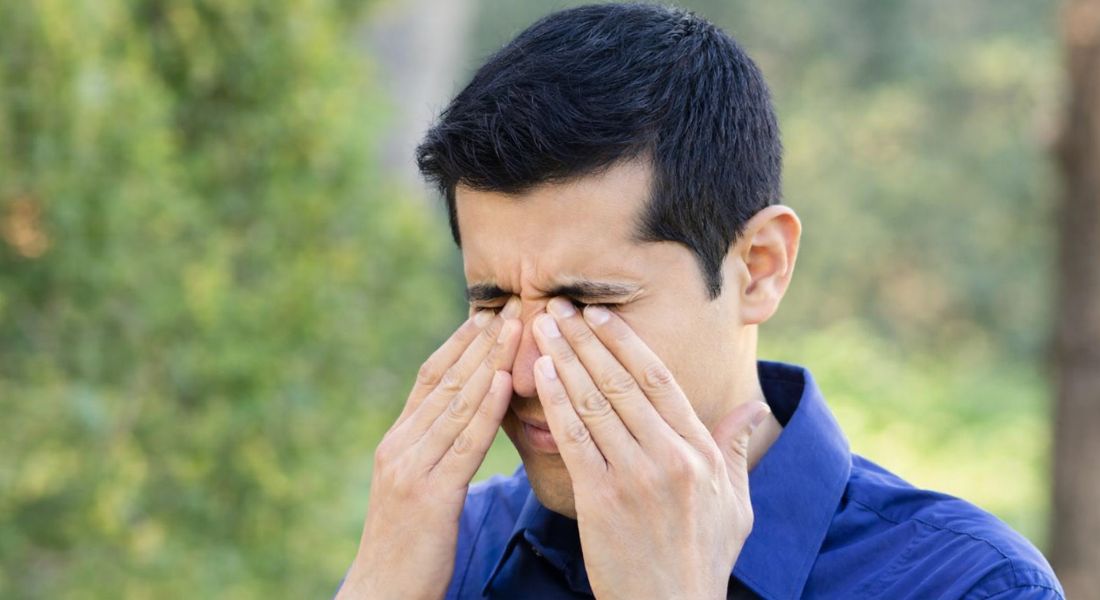
After LASIK, rubbing your eyes is one of the biggest risks you need to avoid. Allergies make the urge to rub even stronger. It can feel almost impossible at times, but during the early healing period, this can be dangerous. Your eyes are still delicate and need protection.
Rubbing can disturb the corneal flap that was created during surgery. Even a little pressure can shift it, which may affect your vision. In some cases, it can also slow down the healing process. That’s why it’s important to be gentle or better yet, avoid touching your eyes altogether.
Allergies don’t just make you itchy they can increase inflammation as well. Scratching or rubbing can make redness and swelling worse. Your eyes are already sensitive after surgery, so extra irritation can be uncomfortable and risky.
This is why controlling allergy symptoms is so crucial. Reducing itch and irritation helps protect the healing process. Simple steps, like using recommended eye drops or avoiding allergens, can make a big difference in keeping your eyes safe.
Does Hay Fever Delay LASIK Healing?
For most people, hay fever doesn’t actually slow down the structural healing of your eyes. Your cornea still recovers as expected, and long-term results are usually excellent. Even if your eyes feel a bit irritated, the surgery itself isn’t compromised.
That said, hay fever can make symptoms feel much worse during recovery. You might notice more dryness, itching, or light sensitivity than usual. These sensations can be uncomfortable, even though your eyes are still healing properly.
The main impact is on comfort, not healing speed. Flare-ups can make your recovery feel longer or more irritating, but they don’t usually change the final outcome. Your vision will still stabilise as planned.
Managing your allergy symptoms early can make a big difference. Using recommended eye drops, avoiding triggers, and keeping your eyes protected can help you feel more comfortable while your eyes recover. This way, your LASIK journey is smoother from start to finish.
Timing LASIK Around Allergy Seasons
Some people prefer to avoid peak allergy seasons when planning LASIK. Spring and early summer are the most common times for hay fever, and scheduling around them can help reduce post-operative discomfort. Planning surgery at a quieter allergy period can make your recovery feel easier.
That said, LASIK can still be performed safely during allergy season. The key is managing your symptoms effectively. With the right eye drops and preventive measures, your recovery can remain comfortable even if pollen levels are high.
Your surgeon will discuss timing with you individually. Everyone’s allergies are different, so your personal severity matters. Together, you can choose a schedule that balances convenience, comfort, and safety.
When Allergies Should Be Stabilised Before Surgery
If you have active allergies, it’s important to get them under control before LASIK. Eye inflammation from sneezing, rubbing, or irritation can make recovery less comfortable and increase the chance of complications. Planning ahead helps you have a smoother healing experience.
- Active, severe allergy symptoms should be managed first: If your eyes are red, itchy, or watery, treating these symptoms before surgery can improve comfort and reduce stress on the cornea.
- Stabilising allergies reduces post-operative irritation: Controlled allergy symptoms mean you’re less likely to rub your eyes after surgery, which helps protect the corneal flap.
- Short-term management is usually sufficient: This often involves a few days or weeks of eye drops or medications. Long delays are rarely needed, and most people can proceed once symptoms are stable.
Getting your allergies under control before surgery makes a noticeable difference in comfort and recovery. You’re likely to experience less dryness, irritation, and discomfort during the first weeks after LASIK. Taking these steps doesn’t usually delay your procedure significantly. By planning ahead, you give your eyes the best chance for a smooth, safe recovery.
Use of Antihistamine Eye Drops After LASIK
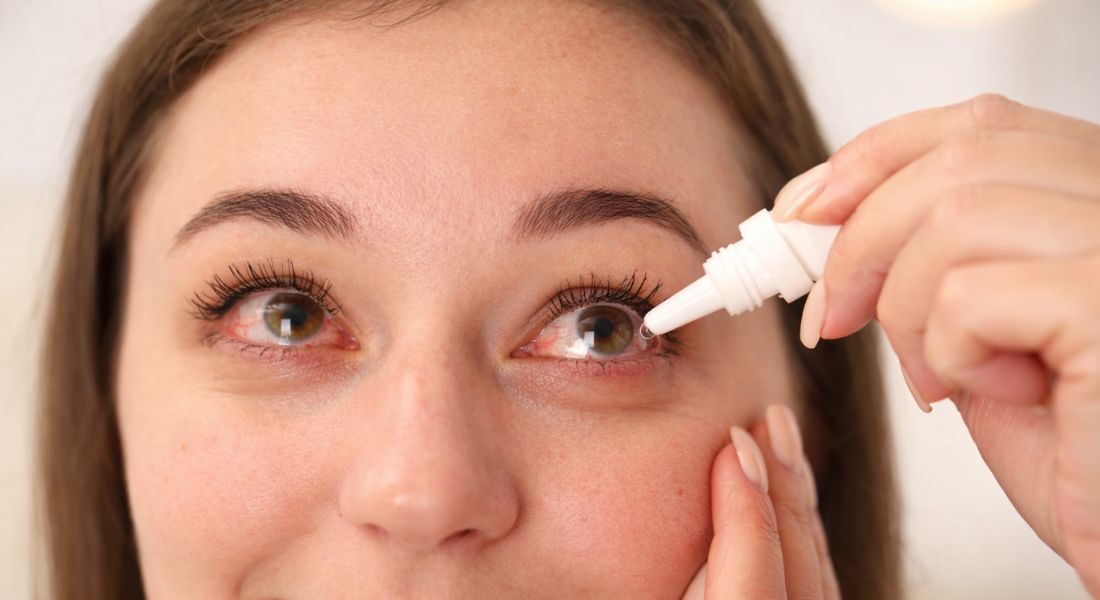
Antihistamine eye drops can be useful after LASIK when used at the right time. They help reduce itching and inflammation, which protects your healing eyes. Using them correctly can make your recovery much more comfortable.
Not all eye drops are suitable immediately after surgery. Preservative-free formulations are often recommended because they’re gentler on your eyes. Your surgeon will advise on the best type and timing to keep your eyes safe.
It’s important to stick to the drops your surgeon prescribes. Self-medicating without guidance isn’t advised. Following professional instructions helps prevent complications and supports smooth, comfortable healing.
Oral Antihistamines and Dry Eye
If you take oral antihistamines for allergies, it’s important to understand how they might affect your eyes after LASIK. These medications can reduce tear production throughout the body, which may make dryness more noticeable and uncomfortable during recovery. Knowing this helps you manage symptoms effectively.
- Oral antihistamines can worsen post-LASIK dryness: By reducing tear production systemically, these medications may increase discomfort, even if your eyes are otherwise healing normally.
- Dryness affects comfort, not healing: While it can feel irritating, increased dryness does not damage the corneal flap or interfere with recovery. Using lubricating eye drops can help maintain comfort.
- Communication with your surgeon is essential: If you regularly use oral antihistamines, let your surgeon know. They can advise on timing, dosage, or alternative strategies to reduce dryness during the healing period.
Being aware of how antihistamines affect your eyes helps you set realistic expectations for comfort after LASIK. You can plan ahead with extra lubrication or timing adjustments to minimise irritation. This knowledge allows you to continue your allergy management safely. Overall, you can protect both your comfort and your recovery by staying informed.
Why Dry Eye and Allergies Often Overlap
Allergies can destabilise your tear film, making your eyes feel dry and irritated. LASIK also temporarily reduces tear production, so the two can combine to worsen discomfort. This overlap can make your eyes feel more sensitive than usual.
If you suffer from allergies, you may notice that irritation fluctuates from day to day. Some days might feel fine, while others are more uncomfortable. Understanding this pattern can help reduce any worry during your recovery.
Managing lubrication and controlling allergy symptoms are key to staying comfortable. Using recommended eye drops and avoiding triggers can make a noticeable difference. Gradually, your eyes will feel more stable and at ease as they heal.
Managing Allergy Symptoms Safely After LASIK
Managing your allergy symptoms after LASIK is all about reducing inflammation and dryness. Prescribed eye drops should be used exactly as directed, while lubricating drops help support your tear film. These steps can make a real difference to your comfort.
Avoiding allergens wherever possible is also important. Simple changes, like keeping windows closed or limiting outdoor exposure on high-pollen days, can help reduce irritation. Even small adjustments can have a noticeable effect on how your eyes feel.
Following your surgeon’s guidance helps minimise complications. Keeping up with recommended care allows your eyes to heal more smoothly. With proper management, recovery can be far more comfortable and stress-free.
Environmental Triggers to Be Aware Of
Pollen isn’t the only thing that can irritate your eyes. Dust, pet dander, and air pollution can also worsen symptoms, though they’re often overlooked. Being mindful of these triggers can help you protect your eyes more effectively.
Indoor environments play a role too. Air conditioning and dry indoor air can increase irritation, so managing humidity can make a big difference. Simple steps, like using a humidifier or keeping your living space clean, can help reduce discomfort.
Being aware of these triggers allows you to control your symptoms better. By reducing exposure where possible, your recovery becomes much more comfortable. Paying attention to both indoor and outdoor factors makes your eyes feel calmer as they heal.
Contact Lenses and Allergies After LASIK
You won’t wear contact lenses immediately after LASIK, which actually helps reduce allergy-related irritation. Giving your eyes time to heal naturally allows them to recover without additional stress. This early break from lenses can make a noticeable difference in comfort.
Later on, many patients find that their allergy comfort improves without the need for lenses. Lens-related irritation is eliminated, which can be a welcome change if you previously struggled with itchy or red eyes. For some, this is an added bonus of having LASIK.
LASIK may even reduce allergy discomfort in the long term, though everyone’s experience is different. Some people notice significant relief, while others see more subtle changes. Either way, avoiding lens-related irritation can make your eyes feel calmer overall.
Why Clear Vision Does Not Mean Low Risk
Even when your vision feels sharp and normal after LASIK, it doesn’t mean your eyes are fully recovered. You might feel well, but underlying healing is still taking place, and certain behaviours can increase risk. Understanding this distinction helps you protect your results.
- Allergy symptoms can still pose a risk: Even if you can see clearly, itchy or irritated eyes may tempt you to rub, which can disturb the corneal flap early on.
- Healing continues beneath the surface: The corneal tissues and nerves are still stabilising for several weeks. Comfort and visual clarity are not the same, and both need to be considered when resuming normal activities.
- Respecting recovery timelines is essential: Following your surgeon’s guidance on restrictions and protective measures helps maintain long-term results and reduces complications.
Clear vision alone is not a sign that all risks have passed. Your eyes need time to fully stabilise, even if you feel fine. By staying mindful of irritation and avoiding rubbing, you give your recovery the best chance to succeed. Patience and careful attention are key to protecting both your comfort and your long-term vision.
Symptoms That Should Prompt Review
If you notice persistent redness, pain, or discharge, it’s important to get your eyes assessed. These signs could indicate an infection or significant inflammation rather than just allergies. It’s best not to assume that irritation is always allergy-related.
If your discomfort worsens despite following treatment advice, you should seek a review promptly. Early intervention can prevent complications and keep your recovery on track. Being cautious is always the safer approach.
Listening carefully to your symptoms matters. Seeking prompt professional advice helps protect your healing eyes. Addressing concerns early gives you peace of mind and ensures your recovery stays smooth.
Follow-Up Appointments and Allergy Monitoring
Follow-up visits are important for checking how your eyes are healing after LASIK. During these appointments, your surgeon will also review how well your allergy symptoms are being managed. Adjustments to treatment may be made if needed to keep your eyes comfortable.
These check-ins help guide a safe and smooth recovery. They’re particularly important if you’re prone to allergies, as your care can be tailored to your needs. Personalised attention can make a real difference to your overall outcomes.
It’s essential not to skip follow-ups. Regular monitoring ensures any issues are caught early, keeping your healing on track. Paying attention to these appointments helps you feel confident that your eyes are recovering safely.
Individual Factors That Affect Allergy Impact
Allergy severity can vary a lot from person to person. If you have mild hay fever, you might barely notice any issues, while more severe allergies may need extra management. Understanding your own allergy patterns helps you prepare for LASIK recovery.
Your history of dry eyes also makes a difference. If you have both allergies and dry eye, symptoms can feel more intense. Taking both conditions into account ensures your recovery plan is tailored to your needs.
There’s no one-size-fits-all rule when it comes to LASIK and allergies. Your personal factors guide the advice your surgeon gives. This individualised approach helps you achieve the best outcome and stay comfortable throughout healing.
Allergies and LASIK – Key Interactions
Several factors can influence how allergies affect your LASIK recovery. Seasonal allergies often increase eye irritation, while rubbing your eyes can pose a risk to the healing corneal flap. Oral antihistamines may lead to additional dryness, whereas antihistamine eye drops can provide targeted relief. Exposure to allergens can cause symptoms to fluctuate from day to day, so being aware of these interactions helps you manage your recovery more effectively.
| Factor | Effect on Recovery |
| Seasonal allergies | Increased irritation |
| Eye rubbing | Risk to flap |
| Oral antihistamines | More dryness |
| Antihistamine eye drops | Symptom relief |
| Allergen exposure | Symptom fluctuation |
Managing Allergies Around LASIK
There are several strategies you can use to manage allergies around LASIK. Using preservative-free drops helps reduce irritation, while avoiding peak pollen exposure can lower symptoms. It’s important not to rub your eyes, as this protects the healing tissue. Stabilising your allergies before surgery improves comfort, and attending follow-up appointments allows your surgeon to adjust your care as needed.
| Strategy | Purpose |
| Preservative-free drops | Reduce irritation |
| Avoid peak pollen exposure | Lower symptoms |
| Do not rub eyes | Protect healing |
| Stabilise allergies pre-op | Improve comfort |
| Attend follow-ups | Adjust care |
Common Myths About LASIK and Allergies

Some people worry that having allergies makes LASIK unsafe, but that’s not the case. Most allergy sufferers go on to have excellent outcomes without complications. Being aware of your symptoms and managing them properly is what really matters.
Another common myth is that surgery must be scheduled outside of allergy season. In reality, avoiding peak pollen periods isn’t always necessary. With good symptom control, LASIK can be performed safely at any time of year.
Dispelling these myths can reduce unnecessary fear and anxiety. Understanding the facts helps you plan your surgery with confidence. Knowledge about allergies and recovery makes the whole process smoother and less stressful.
FAQs:
- Can allergiesactually affectmy LASIK results?
For most people, allergies do not impact the structural healing of your eyes or the final results of LASIK. Your cornea will still recover as expected, and long-term vision outcomes are usually excellent. The main issue is comfort itching, dryness, or light sensitivity may feel more intense if you have active allergies, but these sensations don’t alter the success of the procedure itself. - Should you avoid LASIK during hay fever season?
It’s not necessary to avoid LASIK during allergy season for safety reasons, but some patients choose to schedule surgery outside peak pollen periods for comfort. What really matters is managing your symptoms effectively, which includes using prescribed eye drops, reducing exposure to allergens, andfollowing your surgeon’s advice. Timing is therefore more about personal comfort than medical necessity. - How soon after LASIK can you use antihistamine eye drops?
Antihistamine eye drops can help relieve itching and inflammation, but the timing depends on the formulation and your surgeon’s guidance. Preservative-free options are generally recommended immediately after surgery, while some drops may need to be delayedto avoid irritating the healing cornea. Your surgeon will advise you on the safest choice for your situation. - Can you take oral antihistamines after LASIK?
You can take oral antihistamines ifneeded, but be aware they can increase dryness because they reduce tear production systemically. While this doesn’t harm healing, it can make your eyes feel more uncomfortable. If you regularly rely on oral antihistamines, it’s important to tell your surgeon so they can recommend additional lubrication or other adjustments during recovery. - Why is rubbing your eyes such a risk after LASIK?
Rubbing your eyes can disturb the corneal flap created during surgery, which may affect vision and slow healing. Allergies make the urge to rub stronger, but even gentle pressure can be risky in the early recovery period. Protecting your eyes by avoiding rubbing and controlling symptoms with drops or environmental adjustments is essential for a smooth recovery. - What symptoms after LASIK should prompt a review?
Persistent redness, pain, discharge, or worsening discomfort despite treatment should be assessed promptly. These symptoms could indicate infection or significant inflammation rather than just allergies. It’s important not to assume that all irritation is harmless, and early review helps prevent complications while keeping your healing on track. - How do allergies overlap with post-LASIK dryness?
Allergies can destabilise your tear film, and LASIK temporarily reduces tear production. Together, these effects can make dryness and irritation feel more pronounced, especially during allergy season. Understanding this overlap helps you manage your expectations and encourages consistent use of lubricating drops and symptom control strategies. - Can LASIK improve allergy-related discomfort in long term?
Some patients notice reduced irritation from contact lenses after LASIK, as they no longer need lenses that can aggravate allergies. However, LASIK doesn’t directly treat allergic reactions. Your experience may vary depending on individual sensitivities and environmental triggers, but some indirect benefits in comfort can occur over time. - How can you manage your environment to reduce allergy symptoms after LASIK?
Keeping windows closed, using air filters, managing indoor humidity, and limiting exposure to dust, pollen, or pet dander can all help. Even small adjustments can significantly reduce irritation and make your recovery more comfortable. Awareness of triggers is an important part of protecting your healing eyes. - Do mild allergies require special consideration before LASIK?
If your allergies are mild, they usually don’t require extensive management prior to surgery. However, severe or active allergy symptoms should be stabilised first to minimise post-operative discomfort and reduce the temptation to rub your eyes. Your surgeon will tailor advice to your individual condition to ensure a comfortable and safe recovery.
Final Thought: LASIK and Allergies
Allergies and hay fever can make your post-LASIK recovery feel more uncomfortable, but with proper management, they rarely affect the long-term results of your surgery. Understanding how symptoms overlap with normal healing, avoiding eye rubbing, and using prescribed eye drops can make a significant difference in your comfort. Timing surgery around peak allergy seasons is often a personal choice rather than a medical necessity, and your surgeon can help you plan the best approach for your situation.
If you’d like to find out whether lasik surgery in London is suitable for you, feel free to contact us at Eye Clinic London to arrange a consultation. Our team can provide personalised guidance to ensure your eyes heal safely and comfortably.
References:
- Yahalomi, T., Achiron, A., Arnon, R., Stanescu, N. and Pikkel, J., 2023. Dry eye disease following LASIK, PRK and LASEK: An observational crosssectional study. https://www.mdpi.com/2077-0383/12/11/3761
- Mikalauskiene, L., Grzybowski, A. and Zemaitiene, R., 2021. Ocular surface changes associated with ophthalmic surgery. Journal of Clinical Medicine, 10(8), p.1642. https://www.mdpi.com/2077-0383/10/8/1642
- Bielory, B. and O’Brien, T.P., 2011. Allergic complications with laserassisted insitu keratomileusis. Current Opinion in Allergy and Clinical Immunology, 11(5), pp.483491. https://pubmed.ncbi.nlm.nih.gov/21822133/
- Yahalomi, T., Achiron, A., Arnon, R., Stanescu, N. and Pikkel, J., 2023. Dry Eye Disease following LASIK, PRK, and LASEK: An Observational CrossSectional Study. Journal of Clinical Medicine, 12(11):3761. https://pubmed.ncbi.nlm.nih.gov/37297956/
- Solomon, R., Donnenfeld, E.D. and Perry, H.D., 2004. The effects of LASIK on the ocular surface. The Ocular Surface, 2(1), pp.3444. https://www.sciencedirect.com/science/article/abs/pii/S1542012412700228