


Glaucoma Eye Drops Explained: Types, How They Work, and Side Effects (Guide)
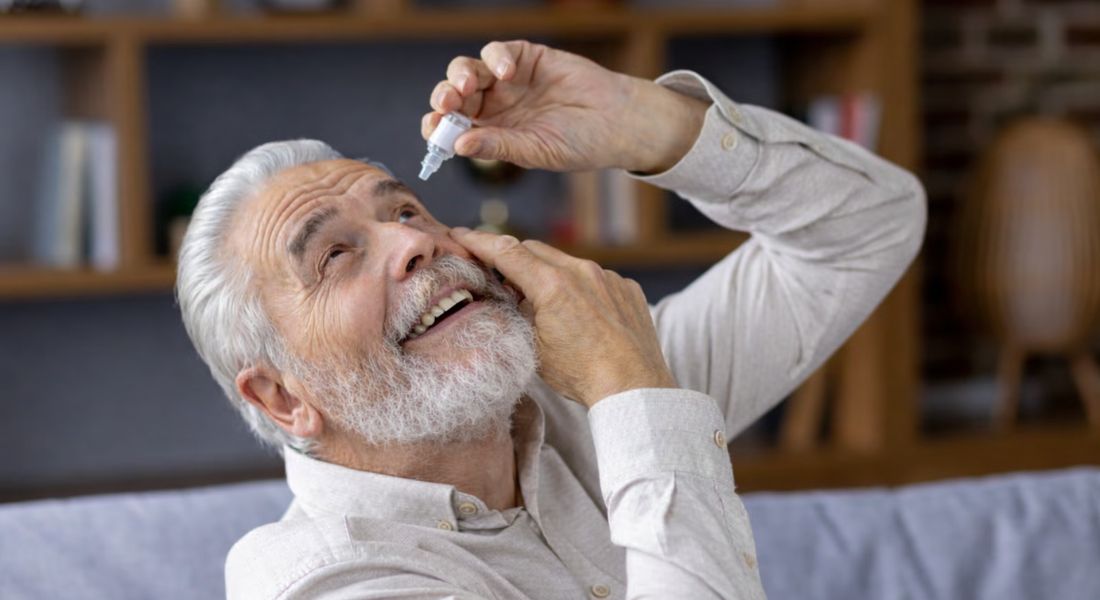
When you are diagnosed with glaucoma, eye drops are usually the first treatment recommended. You may be told that they lower eye pressure, yet the mechanism is not always explained in detail. Without that explanation, it can feel unclear what you are placing into your eyes each day and why it matters.
Glaucoma affects the optic nerve, most commonly because pressure inside the eye becomes too high. This pressure rises when fluid does not drain efficiently. Drops are prescribed to reduce that pressure and protect the nerve from ongoing damage.
You deserve to understand how your treatment works. Knowing the purpose behind each medication often makes daily use feel more meaningful and less routine. Clear information supports confidence and consistency.
In this guide, we outline the main types of glaucoma eye drops, how each group lowers pressure, and the possible side effects you might notice. When treatment is understood, adherence improves and anxiety tends to decrease. Understanding strengthens long-term management.
Why Lowering Eye Pressure Matters
The optic nerve carries visual information from your eye to your brain. When pressure inside the eye rises, it can gradually damage this delicate structure. That damage is permanent and cannot be reversed once it has occurred.
You should understand that lowering eye pressure is currently the only proven way to slow or prevent further vision loss from glaucoma. Even mildly elevated pressure can pose a risk over time, and reducing it helps protect long-term sight. Treatment is therefore centred on prevention rather than cure.
We often begin with eye drops because they are non-invasive and highly effective. When used consistently and correctly, they can significantly reduce pressure and help stabilise the condition for many years. Early and sustained control offers the best chance of preserving vision.
How Fluid Circulates Inside the Eye
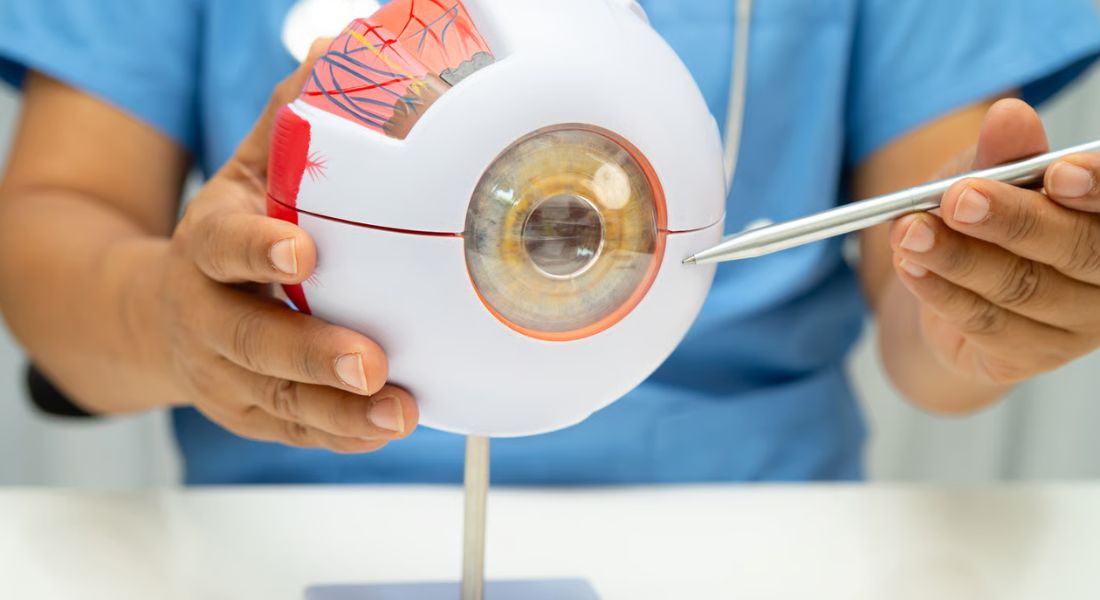
Understanding how fluid circulates inside the eye helps explain how glaucoma treatments work. A clear fluid constantly moves through internal chambers to nourish tissues and maintain pressure balance. When this system functions smoothly, pressure remains stable and safe.
- Aqueous humour maintains internal balance: This clear fluid is produced behind the iris and flows forward through the pupil. It supports nutrition and helps maintain the eye’s shape and pressure.
- Drainage occurs through a delicate outflow system: The fluid exits via the trabecular meshwork and microscopic channels into the bloodstream. If drainage slows, internal pressure can gradually rise.
- Glaucoma drops target production or drainage: Some drops reduce fluid production, while others improve outflow. Both approaches aim to maintain pressure at a level the optic nerve can tolerate safely.
When fluid production and drainage remain balanced, pressure stays controlled. Glaucoma treatment works by supporting this balance and protecting the optic nerve from unnecessary stress. Understanding this process makes treatment feel more logical and purposeful.
Prostaglandin Analogues: Increasing Drainage
Prostaglandin analogues are frequently prescribed as first-line therapy in glaucoma management. They lower intraocular pressure by increasing the outflow of fluid from the eye. This mechanism provides steady pressure reduction over a full 24-hour period.
You will usually use these drops once daily, often in the evening. Their convenience and sustained effect support consistent adherence to treatment. Many people tolerate them well with minimal disruption to daily life.
We also explain that side effects may include mild redness, gradual darkening of the iris, or increased eyelash growth. These changes are typically cosmetic rather than harmful. Understanding what to expect helps you feel prepared and confident in your treatment plan.
Beta-Blockers: Reducing Fluid Production
Beta-blocker drops work by reducing the amount of fluid your eye produces. By lowering fluid formation, overall intraocular pressure decreases. They are commonly prescribed once or twice daily depending on the specific preparation.
You should be aware that these drops are not suitable for everyone. Because a small amount can enter the bloodstream, they may influence heart rate or breathing, which is particularly relevant if you have asthma or certain heart conditions. Your general health must always be considered before starting treatment.
We also explain that local side effects are usually mild and may include temporary stinging or dryness. A careful review of your medical history helps determine whether this option is appropriate. Safety and systemic considerations guide prescribing decisions.
Carbonic Anhydrase Inhibitors: Targeting Fluid Secretion
Carbonic anhydrase inhibitors lower intraocular pressure by reducing fluid production inside the eye. They act by inhibiting an enzyme involved in the formation of aqueous humour. This mechanism allows pressure to decrease gradually and predictably.
You may be prescribed these drops alongside other medications when additional control is needed. Depending on the specific formulation, they are usually used two or three times daily. Combination therapy is common because glaucoma often requires more than one approach to reach target pressure.
We also explain potential side effects so you know what to expect. A bitter taste after application or mild surface irritation can occur, but these symptoms are generally manageable and often lessen over time. With appropriate guidance, most people tolerate this treatment well.
Alpha Agonists: Dual Action
Alpha agonist eye drops are used when additional pressure lowering is required in glaucoma management. Their combined action on fluid production and drainage makes them particularly useful in certain cases. Treatment is selected based on how much extra control is needed.
- They reduce fluid production and enhance drainage: This dual mechanism helps lower intraocular pressure through two pathways at once. They are usually prescribed two or three times daily depending on individual need.
- Side effects can occur but are often manageable: You may notice dry mouth, mild fatigue, or surface irritation such as redness or itching. Persistent symptoms should prompt review so adjustments can be made.
- They are often added to existing therapy: We may introduce alpha agonists when a single medication does not achieve target pressure. Their broader action can provide additional support while maintaining long-term safety.
Alpha agonists offer flexible, supplementary pressure control when required. As with all glaucoma treatments, the balance between effectiveness and tolerability guides ongoing decisions. Care remains individualised to protect optic nerve health over time.
Combination Drops: Simplifying Treatment
If a single drop does not lower your eye pressure sufficiently, more than one medication may be required. Rather than using several separate bottles, combination drops contain two active agents in one solution. This approach allows treatment to be intensified without making the routine overly complex.
You may find that fewer daily applications feel easier to manage. Reducing the number of drops can improve adherence and may also decrease cumulative exposure to preservatives. A simpler regimen often supports better long-term consistency.
We tailor combination therapy to your individual response and risk profile. The aim is to achieve stable pressure control while keeping treatment practical and sustainable. Effective management should feel structured, not overwhelming.
Preservatives and Ocular Surface Irritation
Many glaucoma drops contain preservatives to prevent contamination and maintain stability once the bottle is opened. While these agents are effective for safety, they can irritate the ocular surface when used long term. This effect is more noticeable when drops are required daily over many years.
You may experience burning, dryness, or a gritty sensation after instillation. Some people also notice redness or inflammation of the eyelids. These symptoms can affect comfort and, in some cases, influence adherence to treatment.
We recognise that preservative-free formulations are available for those who develop sensitivity. Adjusting treatment can reduce surface irritation while still maintaining adequate pressure control. Comfort and efficacy should be balanced to support long-term success.
How to Apply Glaucoma Drops Correctly
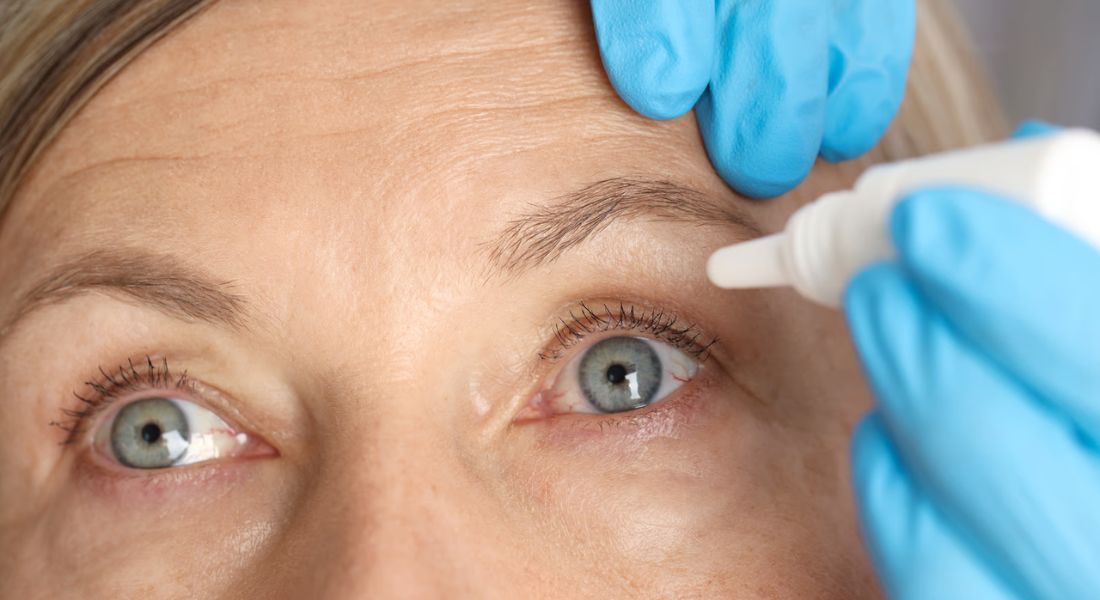
Proper technique helps ensure that your medication works as effectively as possible. You should wash your hands before applying drops to reduce the risk of contamination. Tilting your head back and gently pulling down the lower eyelid creates a small pocket where the drop can sit correctly.
After instilling a single drop, close your eyes gently rather than blinking repeatedly. Light pressure at the inner corner of the eye for about a minute helps limit drainage into the tear duct and reduces systemic absorption. This simple step improves safety and keeps more medication on the eye.
We also advise avoiding contact between the bottle tip and your eye, lashes, or skin. Preventing contamination protects both the solution and your ocular surface. Careful application supports effective and safe treatment.
What Happens If You Miss a Dose
Missing an occasional dose is unlikely to cause immediate harm, but repeated missed doses can allow pressure to rise gradually over time. Because glaucoma often progresses silently, consistency in treatment is essential. Regular use protects the optic nerve even when vision feels unchanged.
If you forget a dose, take it as soon as you remember unless it is nearly time for the next scheduled application. You should not double the amount to compensate, as overuse can increase the risk of side effects without improving control. Following the prescribed schedule supports safe and effective management.
We encourage building drops into a consistent daily routine to improve adherence. Linking them with an established habit, such as brushing your teeth, can make the process easier to remember. Small routines often make long-term treatment more manageable.
Monitoring Effectiveness
After starting treatment, your eye pressure will be reviewed at regular intervals. These appointments allow assessment of how effectively the drops are lowering pressure. If targets are not achieved, adjustments can be made promptly.
You may also undergo optic nerve imaging and visual field testing as part of ongoing monitoring. These investigations detect subtle structural or functional changes that might not be noticeable in daily life. Stable findings usually indicate that control is adequate.
We view treatment as a dynamic process rather than a fixed plan. Management evolves according to your response and long-term risk profile. Regular review ensures that therapy remains aligned with your needs.
When Drops Are Not Enough
Glaucoma management does not rely on a single solution. When eye drops alone are not sufficient to control intraocular pressure, additional treatments can be introduced. The goal remains consistent at every stage: protecting the optic nerve from further harm.
- Laser or surgery may be needed when drops are insufficient: If pressure remains above a safe level, selective laser treatment or surgical options can provide stronger control. Drops may still continue alongside these interventions for added support.
- Escalation is guided by evidence of progression: When tests show ongoing optic nerve change despite treatment, timely adjustment becomes essential. Acting early significantly lowers the risk of meaningful vision loss.
- A flexible, stepwise approach strengthens long-term care: Having multiple treatment options allows therapy to adapt as your eye responds over time. This adaptability supports stability and protects vision into the future.
Glaucoma care evolves according to need rather than following a fixed pathway. With careful monitoring and timely adjustment, long-term stability becomes achievable. Flexibility in treatment is a strength, not a sign of failure.
The Emotional Side of Daily Eye Drops
Using eye drops every day can feel demanding, especially when treatment becomes part of your routine. You may worry about side effects or feel concerned about long-term reliance on medication. Feeling overwhelmed at the beginning is entirely understandable.
Education helps transform treatment from something uncertain into something purposeful. When you understand how each drop works and why it is prescribed, the routine begins to feel intentional rather than repetitive. Clarity makes adherence easier and more meaningful.
We recognise that support from your care team plays a central role in long-term success. Open communication allows concerns to be addressed early and adjustments to be made if needed. When guidance is clear and consistent, confidence in treatment grows.
Accessing Specialist Care

Glaucoma management requires structured follow-up and specialist oversight to protect long-term vision. If you are receiving or considering glaucoma treatment in London, detailed assessment helps confirm an accurate diagnosis and guide appropriate therapy. Careful evaluation ensures treatment is aligned with your individual risk factors.
You benefit from regular reviews because pressure targets are not the same for everyone. Adjustments are made based on how your optic nerve, visual field, and overall eye health respond over time. Personalised targets provide better protection than general thresholds.
We prioritise consistent long-term monitoring to maintain stability and reduce the risk of progression. Ongoing care allows timely intervention if changes occur. Structured follow-up remains central to preserving vision and confidence.
FAQs:
- How quickly can you expect glaucoma eye drops to lower your eye pressure?
You may notice a reduction in eye pressure within days, depending on the type of drop prescribed. Some medications work steadily over 24 hours, while others build effect over time. We monitor your response during follow-up to confirm that pressure is moving towards a safe target. Consistency is more important than speed in protecting your optic nerve. - Can you use more than one type of glaucoma drop at the same time?
You can be prescribed more than one drop if a single medication does not reach your pressure goal. Different drops act in different ways, so combining them can improve overall control. We plan combinations carefully to balance effectiveness with comfort. Multiple drops are common in long-term glaucoma care. - What should you do if your eyes sting after applying drops?
You may experience brief stinging or irritation immediately after instillation. This usually settles within a few minutes and is not harmful. We advise gentle eyelid closure rather than repeated blinking to reduce discomfort. Persistent or worsening irritation should prompt review. - Can glaucoma drops affect your general health?
A small amount of medication can enter your bloodstream, which may influence other systems in rare cases. You should inform us about any heart, lung, or circulation conditions before starting treatment. We choose drops that match your overall health profile. Careful prescribing reduces systemic risk. - How can you remember to take your drops every day?
You may find it helpful to link drops to an established daily routine, such as brushing your teeth. Setting reminders on your phone can also improve consistency. We emphasise that regular timing supports stable pressure control. Small habits make long-term treatment easier to maintain. - Can you stop using glaucoma drops if your pressure improves?
You should not stop treatment unless advised after professional review. Pressure control usually depends on continued use rather than temporary correction. We adjust treatment only after examining your eye and reviewing test results. Abrupt discontinuation can allow pressure to rise silently. - What happens if you accidentally apply two doses close together?
Applying an extra drop once is unlikely to cause serious harm. You may notice temporary irritation or mild side effects. We recommend returning to your normal schedule rather than doubling further doses. Stability in routine remains the safest approach. - Can preservatives in drops cause long-term discomfort?
Long-term exposure to certain preservatives can irritate the ocular surface in some people. You may notice dryness, redness, or sensitivity over time. We can consider preservative-free alternatives if discomfort becomes persistent. Comfort plays an important role in sustained adherence. - Will you always need drops for life if you have glaucoma?
Many people require ongoing medication to maintain safe pressure levels. You may continue drops long term even when symptoms are not noticeable. We reassess regularly to ensure the regimen remains appropriate. The aim is long-term optic nerve protection rather than short-term relief. - How do you know if your drops are working effectively?
You cannot usually feel pressure changing yourself, which is why monitoring is essential. We measure intraocular pressure and review optic nerve health during follow-up visits. Stable findings indicate that treatment is effective. Regular assessment confirms that protection remains on track.
Final Thoughts on Glaucoma Eye Drops and Long-Term Care:
Glaucoma eye drops are designed to lower pressure either by reducing fluid production or improving drainage, and each category works through a specific mechanism. While side effects such as redness, dryness, or systemic symptoms can occur, most are manageable with careful monitoring. Understanding how your medication functions makes daily treatment feel more purposeful and controlled.
Side effects can often be minimised by adjusting formulations or combining treatments appropriately. If you are concerned whether glaucoma treatment in London could benefit you, feel free to get in touch with us at Eye Clinic London.
References:
- Asrani, S.G., McGlumphy, E.J., Al-Aswad, L.A. et al. (2024) The relationship between intraocular pressure and glaucoma: an evolving concept. Progress in Retinal and Eye Research, 101303. Available at: https://www.sciencedirect.com/science/article/pii/S1350946224000685
- Wagner, I.V., Stewart, M.W. & Dorairaj, S.K. (2022) Updates on the diagnosis and management of glaucoma. Mayo Clinic Proceedings: Innovations, Quality & Outcomes, 6(6), pp. 618–635. Available at: https://www.sciencedirect.com/science/article/pii/S2542454822000686
- Friedman, D.S., Okeke, C.O., Jampel, H.D., et al. (2009) Risk factors for poor adherence to glaucoma medications. Ophthalmology, 116(6), pp. 1097–1105. Available at: https://pubmed.ncbi.nlm.nih.gov/19376591/
- Zaharia, A.C. et al. (2022) Adherence to therapy in glaucoma treatment, a review. Journal of Clinical Medicine, 11(12), 3418. Available at: https://www.ncbi.nlm.nih.gov/pmc/articles/PMC9032050/
- Dreer, L.E. et al. (2012) Determinants of medication adherence to topical glaucoma therapy. Journal of Glaucoma, 21(3), pp. 238–242. Available at: https://www.ncbi.nlm.nih.gov/pmc/articles/PMC3183317/